Keeping a good vaccine schedule helps kids stay safe and feel well. It also helps parents plan visits and track health steps without stress.
1. Start With the Child’s Health Records
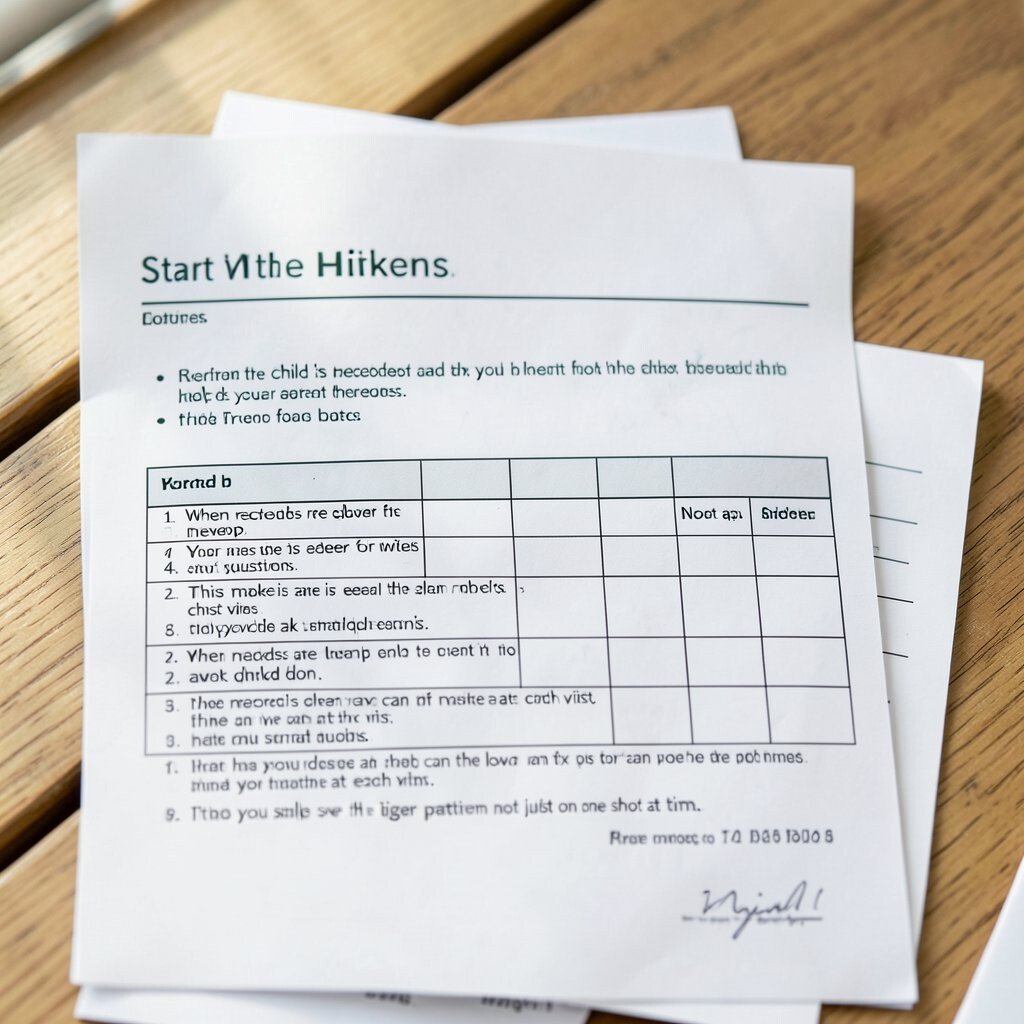
Gather what you can before the first clinic visit. Look for shot dates from past care, school forms, or parent records. If you find paper records, keep them in one folder so you can grab them fast.
Write down what is missing and what is already done. You can use a simple chart on paper or a note app. This makes it easier for the nurse to check and helps you ask smart questions.
When records are clear, the plan can fit the child’s needs. This can lower mix-ups and can save time at each visit. It also helps you see the bigger pattern, not just one shot at a time.
2. Use the Same Doctor When Possible
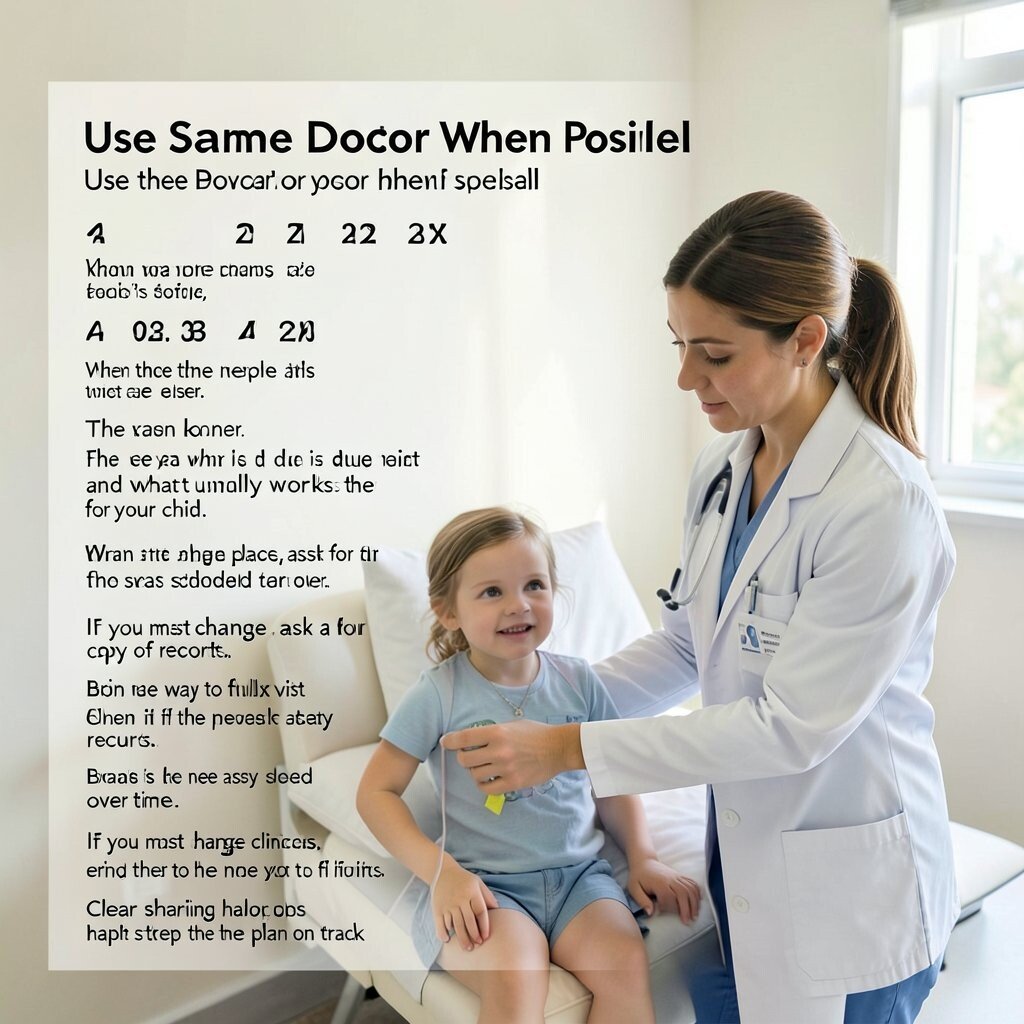
Try to use one main clinic for most visits. A regular team learns the child’s story and can watch for past reactions. They also know your family schedule and what usually works for your child.
When the same place keeps the records, updates are easier. The nurse can see what is due next and what is already done. This is one way to keep the schedule steady over time.
If you must change clinics, ask for a full copy of records. Bring them to the next visit, even if the new place asks you to fill forms. Clear sharing helps keep the plan on track.
3. Ask for a Clear Timeline in Plain Words
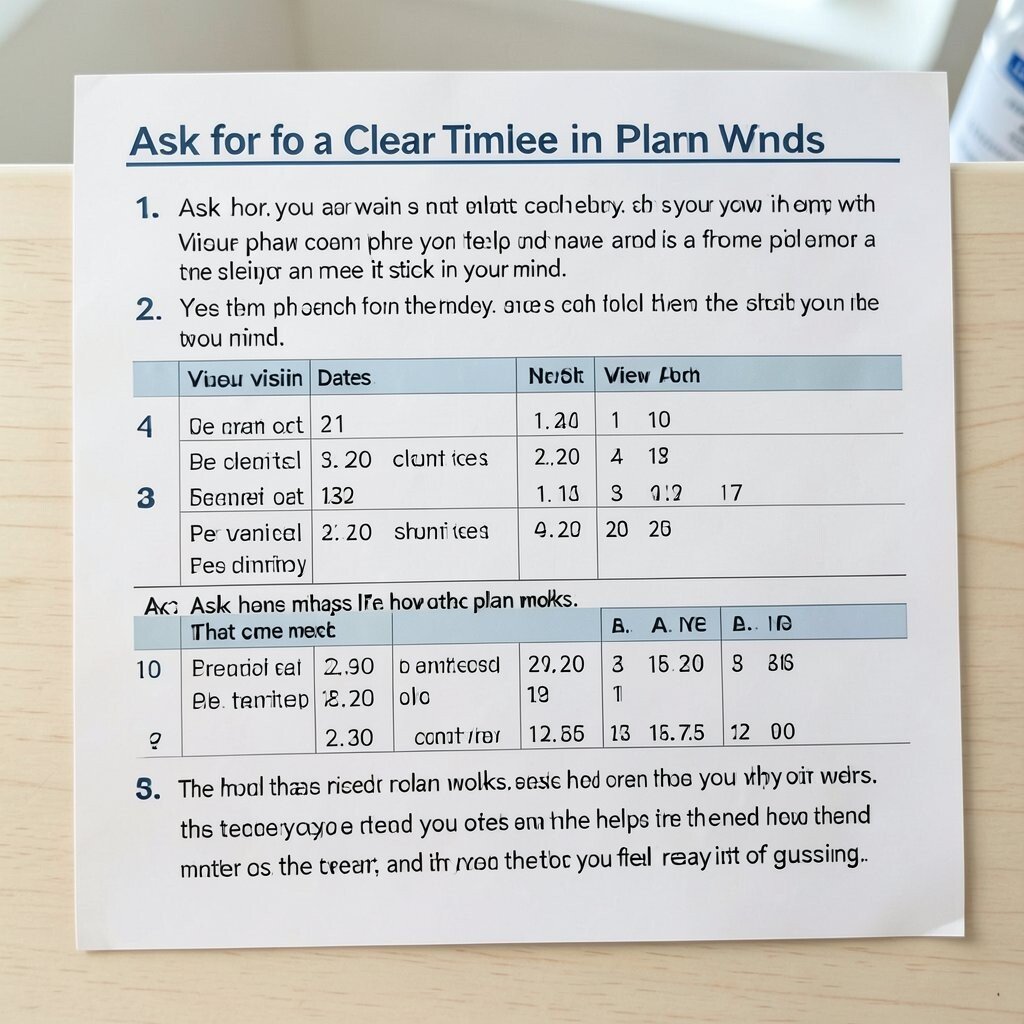
At the start, ask the team to explain the schedule in simple steps. You can say you want dates and what each shot helps with. A good visit plan should feel calm and easy to follow.
Visual help can make it stick in your mind. For example, you might ask for a sheet with a list by age, or a short calendar view. Seeing the dates can also help your child understand what comes next.
If the child has missed shots, ask how the catch-up plan works. The team can explain the order and why it matters. This helps you feel ready instead of guessing.
4. Set Reminders for Each Visit
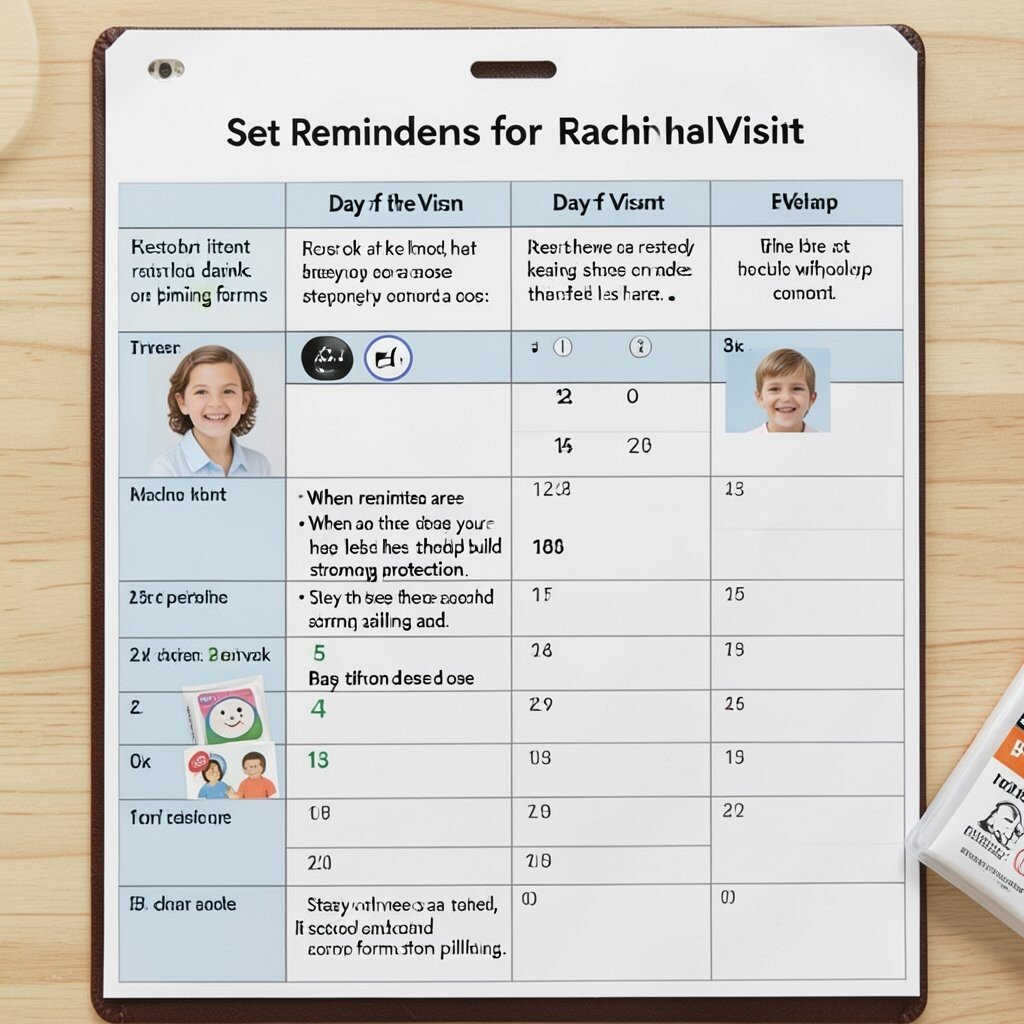
Use reminders on your phone or a paper calendar. Add the day before the visit and the day of the visit. Many people forget one small step, like stopping certain drinks or bringing forms.
You can also set a reminder to restock items that help with comfort. Think about a small ice pack, a sticker book, or a favorite snack. Keeping these ready can make the visit feel less hard.
When reminders are steady, you are less likely to delay a dose. Staying on time can help the child build strong protection. It can also keep school and daycare forms from piling up.
5. Plan the Best Time of Day for Your Child
Pick a time when your child is usually calm. Some kids do better in the morning, and others do better later in the day. If your child gets tired after lunch, you can choose a morning slot.
Look at past behavior during clinic visits. If your child gets cranky in waiting rooms, go with a faster plan. You might ask if you can come in right on time rather than early.
It also helps to plan a small routine after the shot. A gentle walk, a calm story, or a quiet game can help the child settle. This routine can make each visit feel less scary.
6. Talk About Pain in Honest, Simple Ways
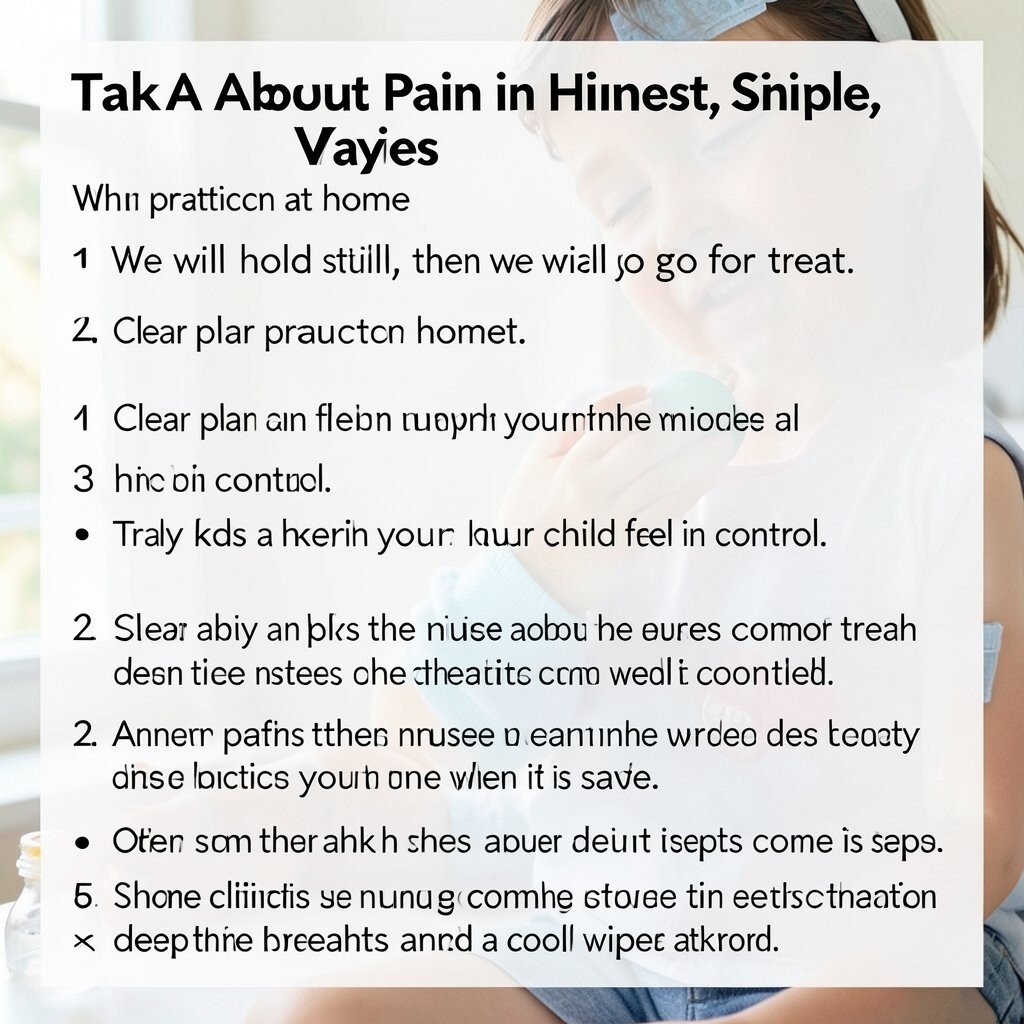
Use words that match the child’s age and keep things truthful. You can say the shot may feel like a quick pinch. Many kids fear the unknown more than the small pain itself.
Try a simple script you practice at home. For example, you can say, “We will hold still, then we will go for a treat.” A clear plan can help your child feel in control.
You can also ask the nurse about comfort steps. Some clinics use numbing cream when it is safe. Other simple steps include distraction, deep breaths, and a cool wipe afterward.
7. Use Distraction and Comfort Items
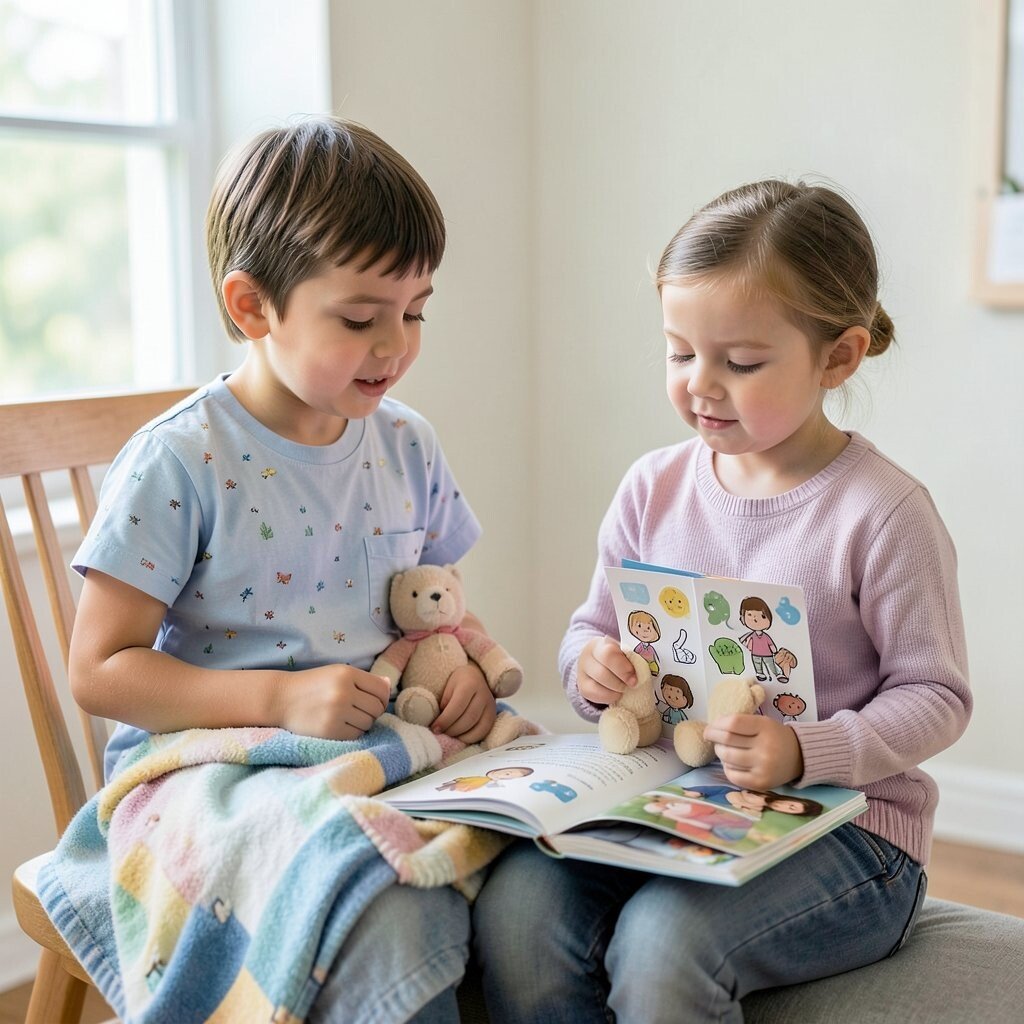
Bring something your child enjoys to help pass the waiting time. A small toy, a book, or a short video can take attention away. For many kids, this helps a lot right at the moment of the shot.
Think about comfort items that are easy to carry. A sticker sheet for after the visit can work well. A favorite blanket can also help if your child gets cold in the room.
Visual comfort can matter. If you can, show a picture of what will happen, like a nurse holding a small bandage. This kind of simple picture can reduce fear and make the visit feel more clear.
8. Watch for Common Side Effects and Know What’s Normal
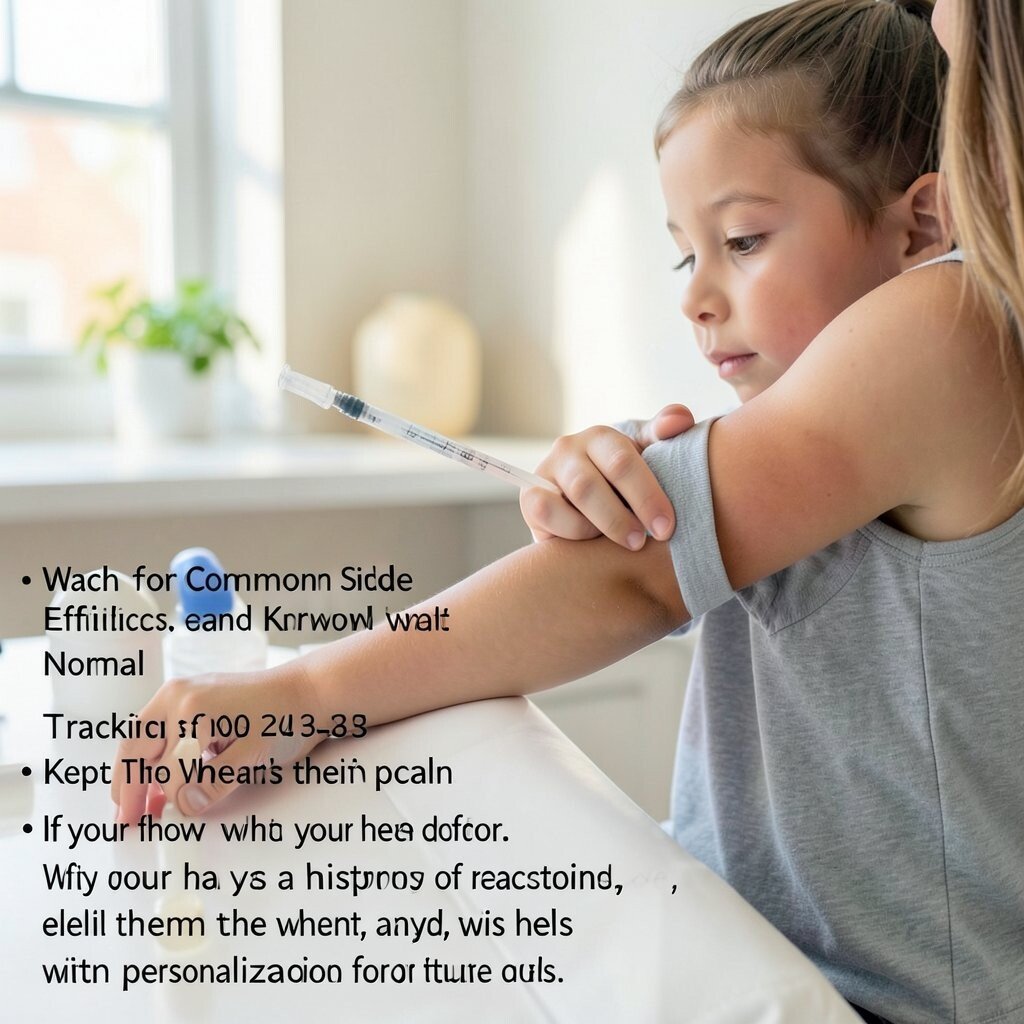
After a vaccine, some kids get mild side effects. This can include a sore arm, mild fever, or being more tired than usual. These signs usually pass, and knowing this can keep you calm.
Ask the clinic what to watch for and when to call. Keep the clinic number on your phone. If your child has a history of reactions, tell the team each time before the shot.
Tracking symptoms can help you and the doctor. Write down what happened, when it started, and when it went away. This helps with personalization for future doses.
9. Keep Hydration and Food Planning Simple

Plan a normal meal before the visit. Many families find that being too hungry can make a child more upset. A light snack can help if the visit runs long.
Hydration is also helpful. Offer water and keep things calm. After the shot, continue normal meals unless the doctor gives special advice.
If your child gets sick easily, ask about what to do on that day. Some kids do better with extra rest after the visit. Small planning can support comfort and recovery.
10. Make Time for Rest After Each Appointment
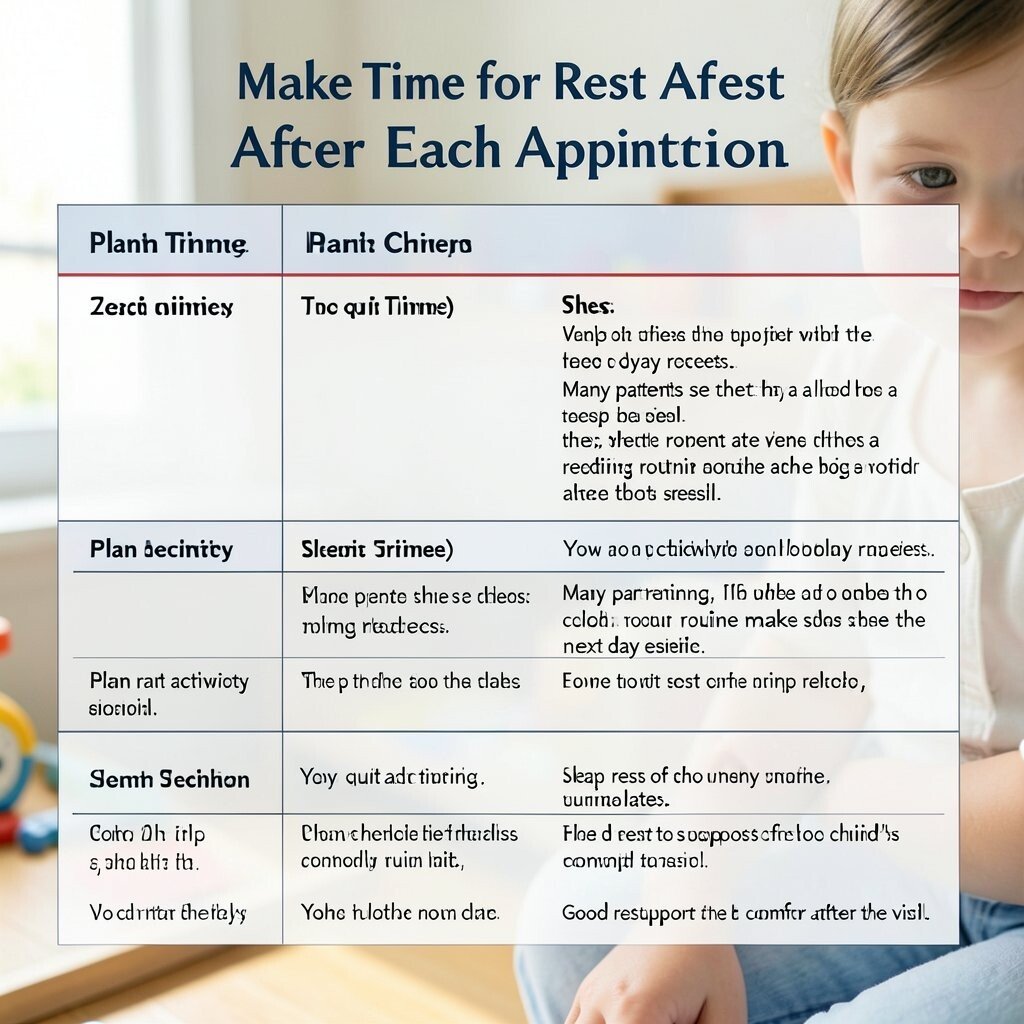
Schedule a low-stress day when you can. Avoid a long trip, heavy sports, or a big event right after the shot. A calmer day helps the child feel safer and reduces stress.
Plan quiet activities like drawing, reading, or simple play. The goal is to help the child rest while the body reacts. Many parents see that a calm routine makes the next day easier.
You can also plan sleep timing. If bedtime usually runs late, try to keep it close to normal. Good rest supports the child’s comfort after the visit.
11. Use the Catch-Up Plan if the Schedule Is Behind
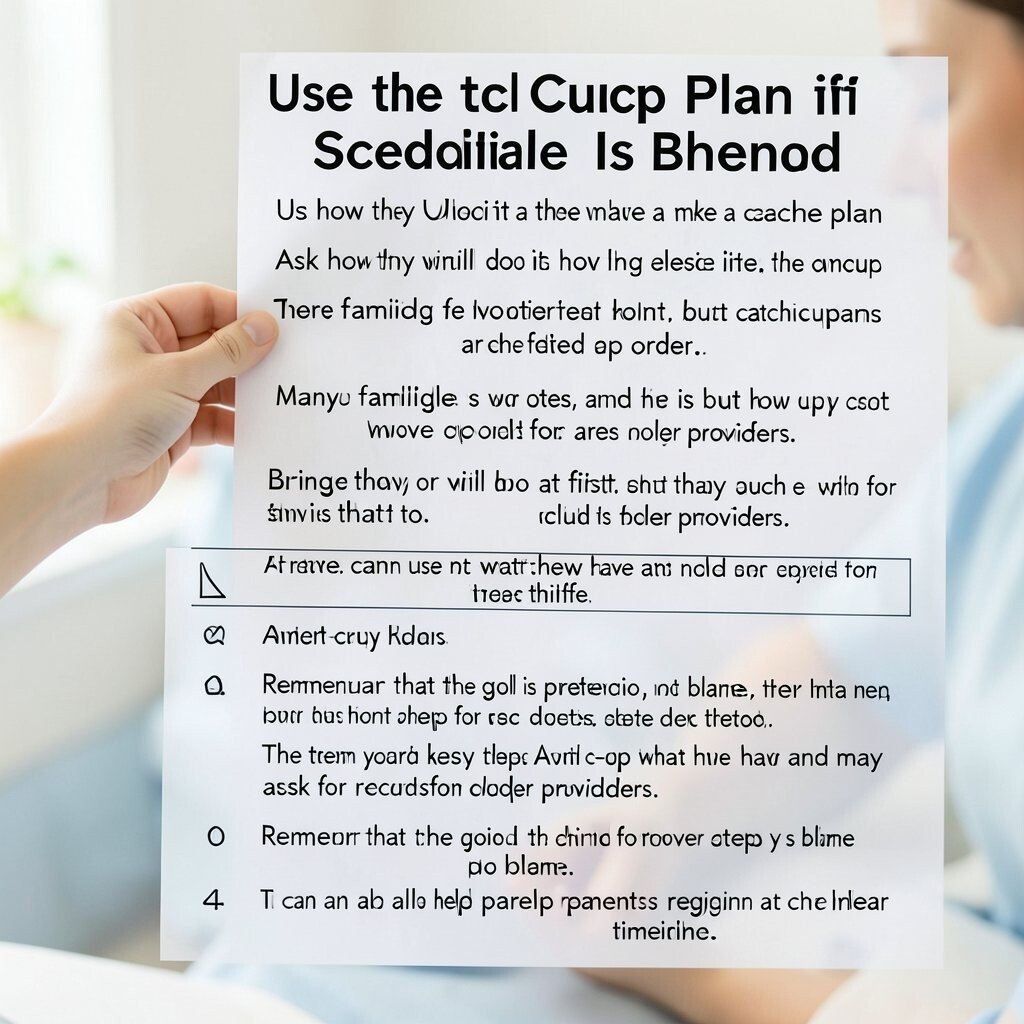
If your child missed shots, the clinic can make a catch-up plan. Ask how they will do it and how they decide the order. Many families feel worried at first, but catch-up plans are built for real life.
Bring your records or notes about what is known. If you do not know dates, share that too. The team can use what they have and may ask for records from older providers.
Remember that the goal is protection, not blame. A catch-up plan helps the child move forward step by step. It can also help parents regain a clear timeline.
12. Consider Cost, Insurance, and Low-Cost Options
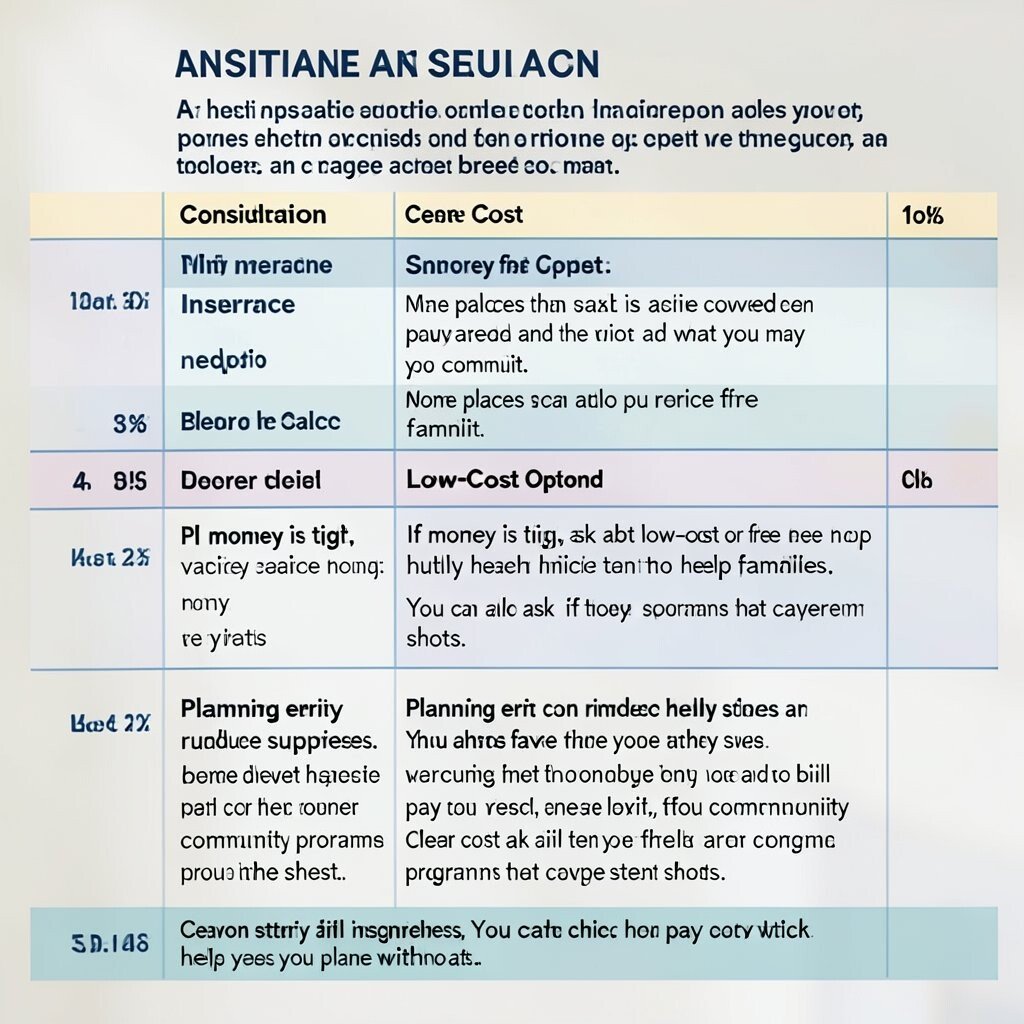
Costs can vary by clinic and by health plan. Before the visit, ask what is covered and what you may need to pay. Some places can tell you the price range before you commit.
If money is tight, ask about low-cost or free vaccine programs. Many areas have public health clinics that help families. You can also ask if there are community programs that cover certain shots.
Planning early can reduce surprises. You can also ask if the clinic can bill insurance directly or if you pay at the visit. Clear cost talk helps you plan without stress.
13. Keep a Simple Vaccine Log at Home
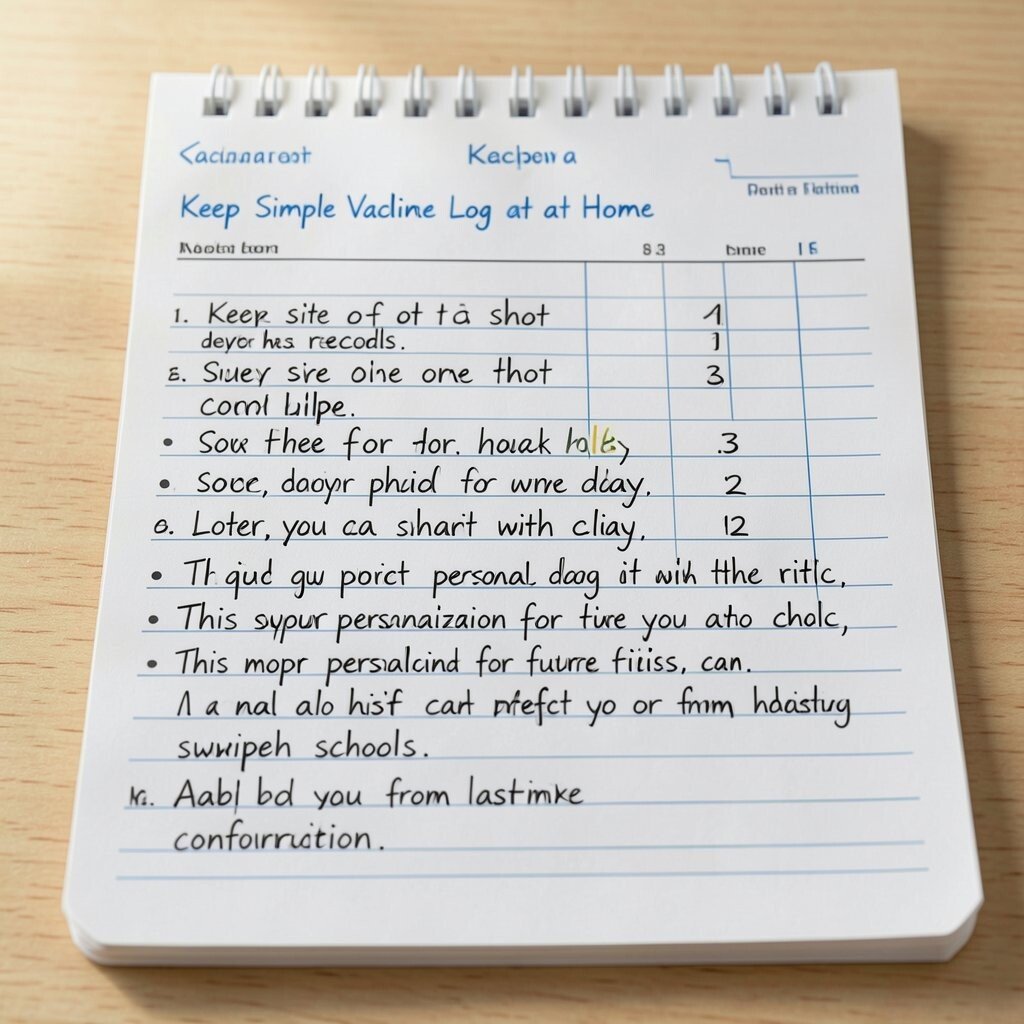
Make a home log with the dates and what each shot was for. Use a note app, a paper sheet, or a calendar. This log can be your backup even if the doctor has records.
Write down key details like the site of the shot and how the child felt afterward. A quick note like “sore arm for one day” can help. Later, you can share it with the clinic.
This log supports personalization for future visits. It can also help if you move, change doctors, or switch schools. A small habit can protect you from last-minute confusion.
14. Plan for Special Needs and Health Conditions
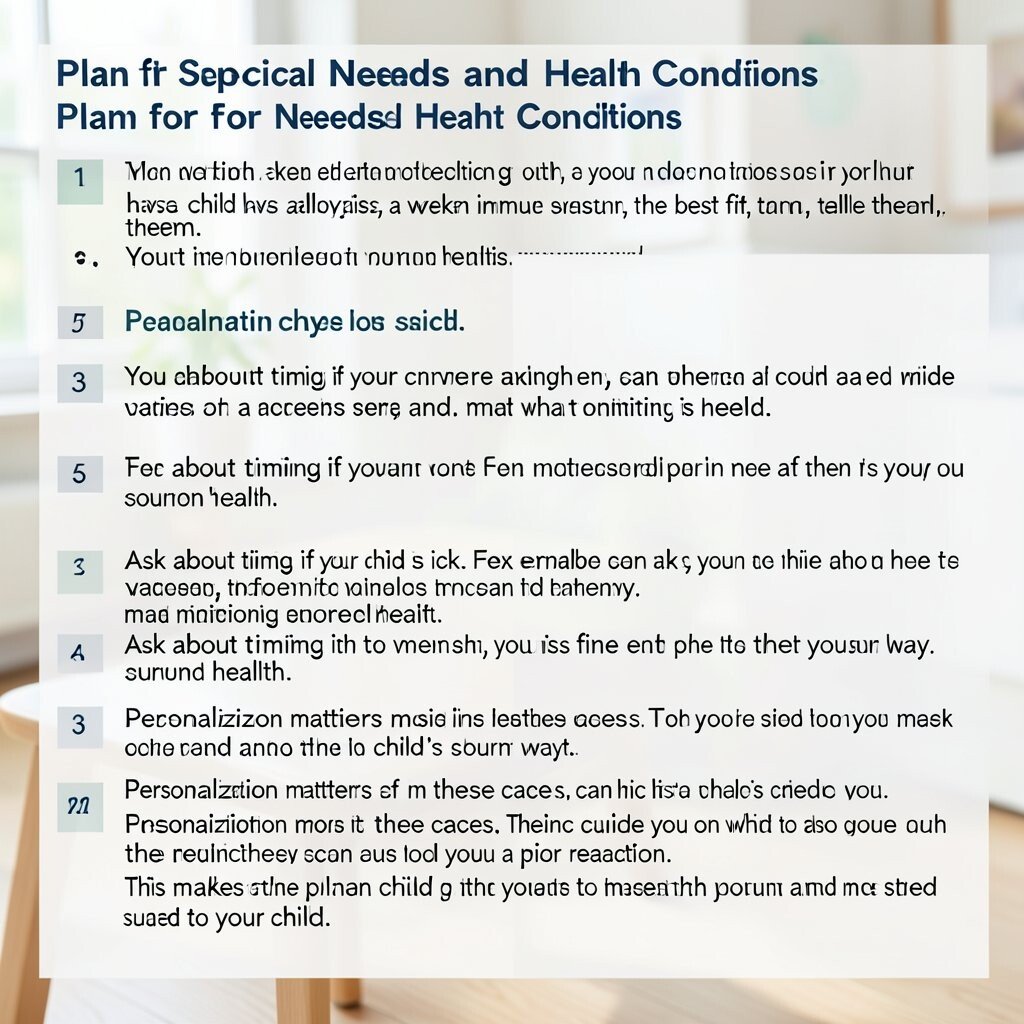
Some kids need extra care because of health conditions. If your child has asthma, allergies, a weak immune system, or a long-term illness, tell the team. You can ask which vaccines are the best fit and what monitoring is needed.
Ask about timing if your child is sick. For example, you can ask when a mild cold is fine and when you should wait. The goal is to match the plan to the child’s current health.
Personalization matters most in these cases. The clinic can also guide you on what to do if your child had a prior reaction. This makes the plan safer and more suited to your child.
15. Use School and Daycare Requirements as a Guide
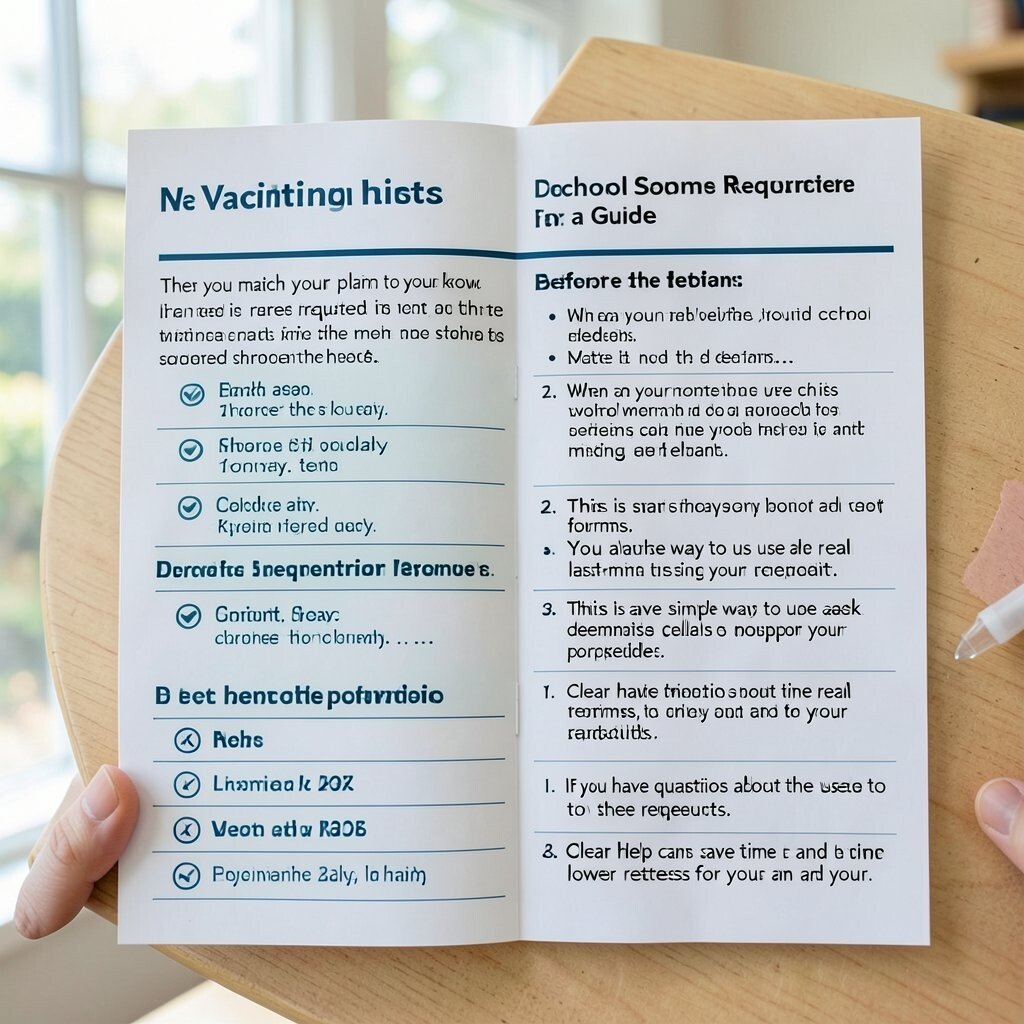
School and daycare rules can help you stay on track. Check the forms early so you know what is required for the next term. If you get the list early, you can schedule visits before the deadline.
When you match your plan to school needs, it can reduce rushed visits. You can also avoid last-minute calls and missing paperwork. This is a simple way to use real deadlines to support your schedule.
If you have questions about the forms, ask the clinic for help. Many teams are used to these requests. Clear help can save time and lower stress for you and your child.
16. Stay Updated on Health Trends and Vaccine Changes
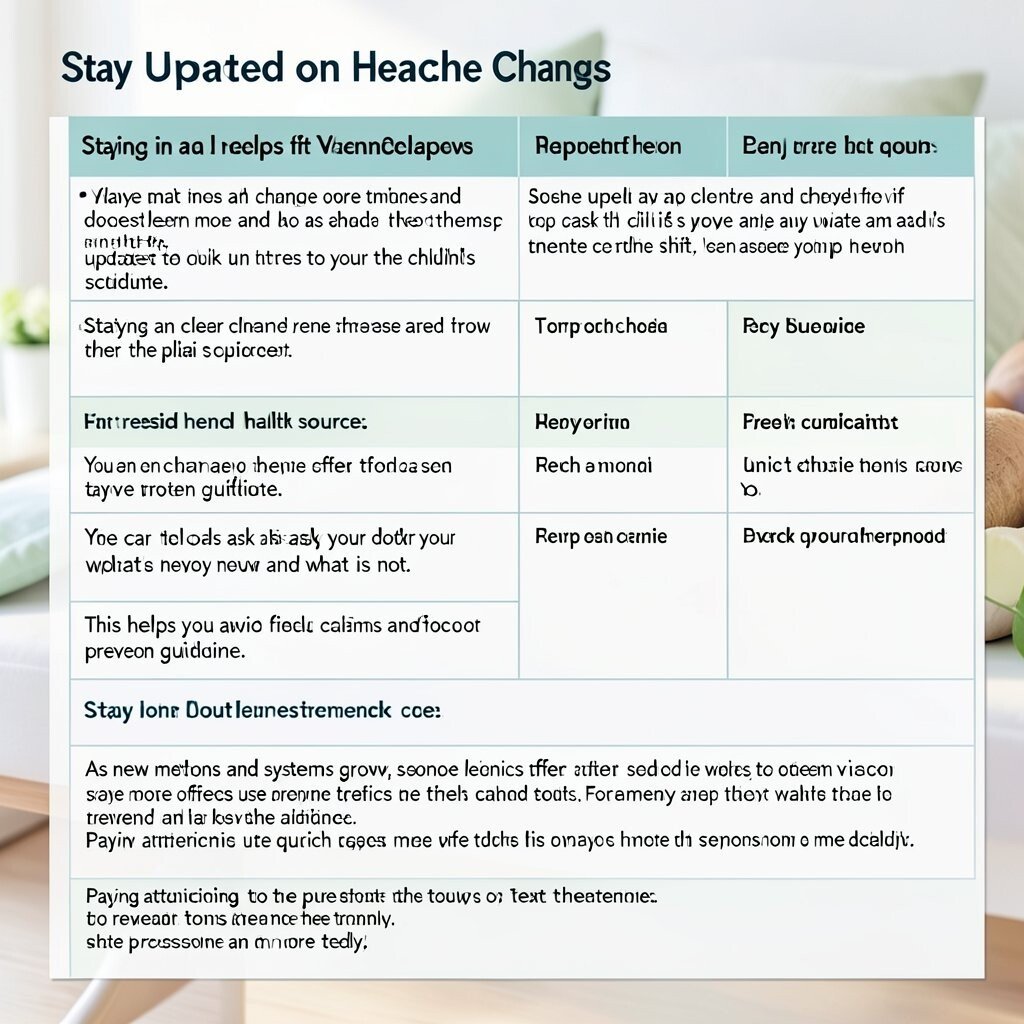
Vaccine plans can change over time as doctors learn more and as public health needs shift. You can ask the clinic if there are any updates to your child’s schedule. Staying in the loop helps keep the plan current.
Look for calm, clear updates from trusted health sources. You can also ask your doctor what is new and what is not. This helps you avoid false claims and focus on proven guidance.
As new methods and systems grow, some clinics may offer better ways to schedule visits. For example, some offices use quick check-in tools or text reminders. Paying attention to these trends can make the process smoother and more steady.