Automatic feeders can make daily pet meals easier when you have work, school, or travel. They help you feed on time and can keep you from guessing.
1. Timed Bowl With Simple Portion Settings
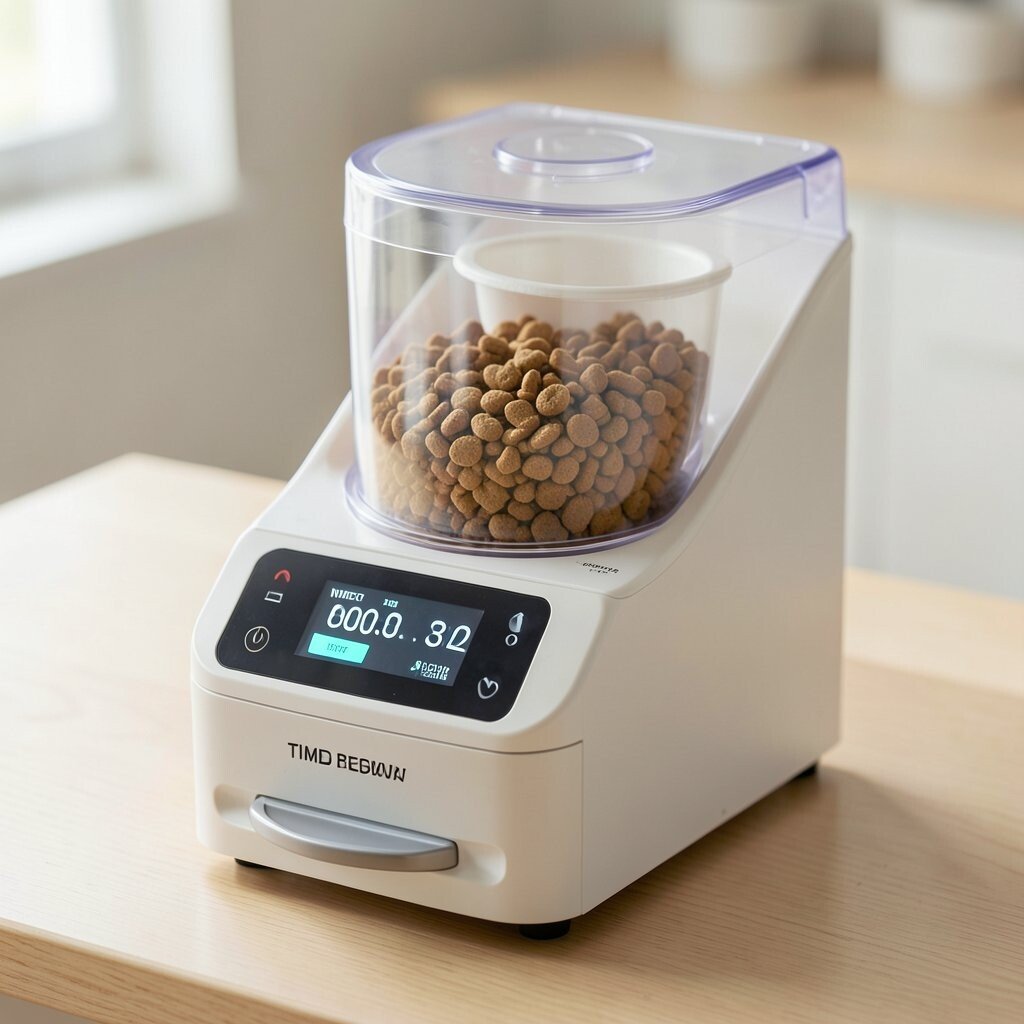
A timed feeder is a small box that drops food at set times. You can picture a clear lid on top and a food cup inside, with a screen that shows the next feed time. Many models let you set portion size so meals feel more steady.
This idea helps pets that need routine. It also helps you when your schedule changes, because the feeder does not wait for you to remember. A steady feeding time can reduce begging at odd hours.
For tips, start with the amount your pet already eats and then set the feeder to match it. Test it for a few days and watch your pet’s body and energy. If you buy one, check the food type it supports, since some work better with dry kibble.
2. Feeder With Portion Caps for Different Pets
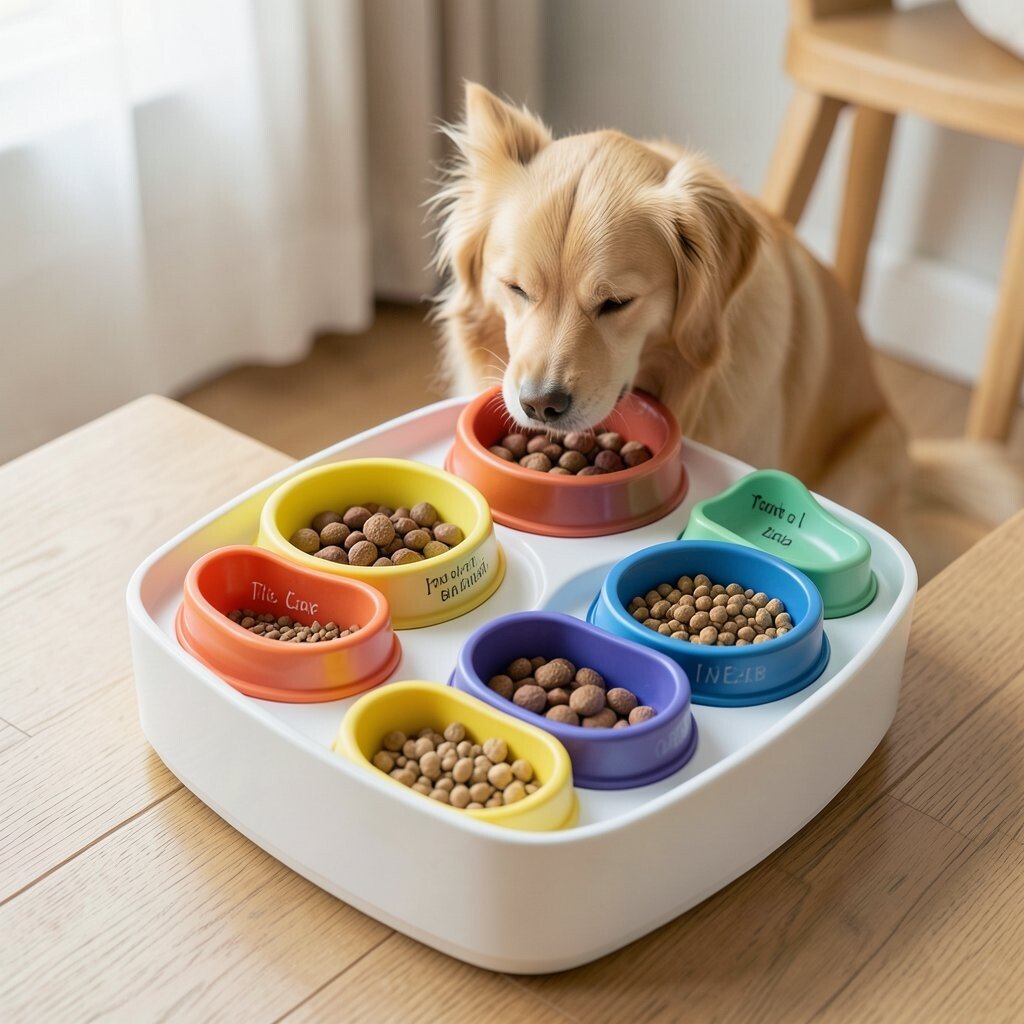
If you have more than one pet, you may need different meal sizes. A feeder with portion caps means you can control how much food comes out each time. The look is usually a step-like design inside, where food moves from a tray into a bowl.
This can be unique because it lets you keep one feeder system while still serving different needs. It can also help if one pet eats faster than the other. With clear settings, you can make meals fit each pet more closely.
For personalization, label the caps or write down the settings for each pet. You can also use separate bowls with different colors so pets stay on their own feeding spot. When planning, measure the portions for a week to see what stays consistent.
3. Gravity Feeder With a Covered Food Container
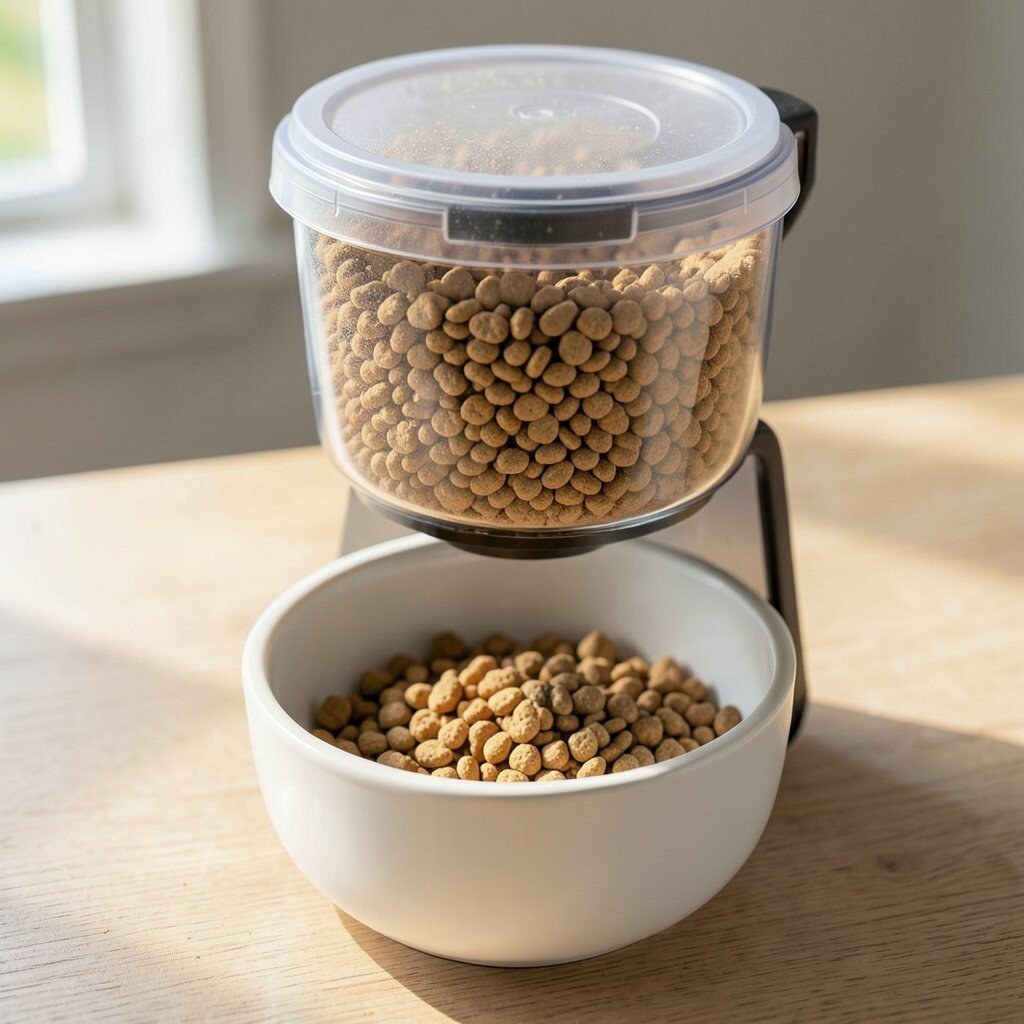
A gravity feeder uses the weight of dry food to move it into a bowl. You can picture a covered container at the top and a bowl at the bottom that refills as your pet eats. The cover helps keep dust out and can block some bugs.
This idea is helpful for dry kibble feeding. It is often simple to use and can cost less than many timed gadgets. Many people like how it works without extra programming.
For tips, keep the container away from heat and sun. Use a clean, dry bowl and wipe it often so food does not get stuck. Also, only use it for food types that stay fresh well in a container.
4. Smart Feeder With App Alerts and Remote Control
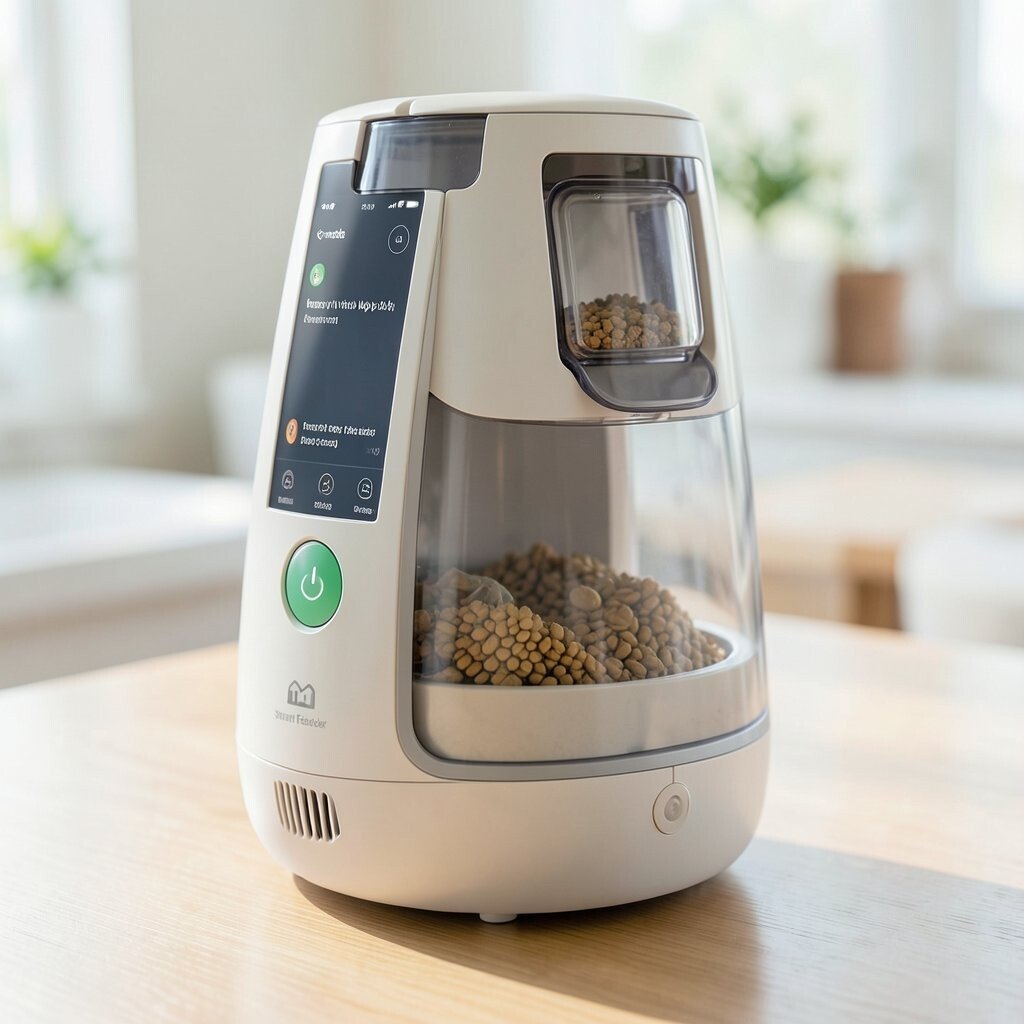
A smart feeder can connect to your phone, which means you can check feeding times from anywhere. You might see a small camera window, a feed button in the app, and notifications that show each meal. Some feeders also let you start a meal if you are late.
This is a good fit when family or friends help with pet care. You can give a helper access so they can confirm the schedule. It can also help you notice issues early, like if food is not being used as expected.
For cost and trends, smart feeders are getting more common and many models now have simple apps. Look for clear battery backup options and easy-to-clean parts. Personalize by setting different meal times on different days, if your vet suggests a change.
5. Dual-Chamber Feeder for Mixing Wet and Dry Food
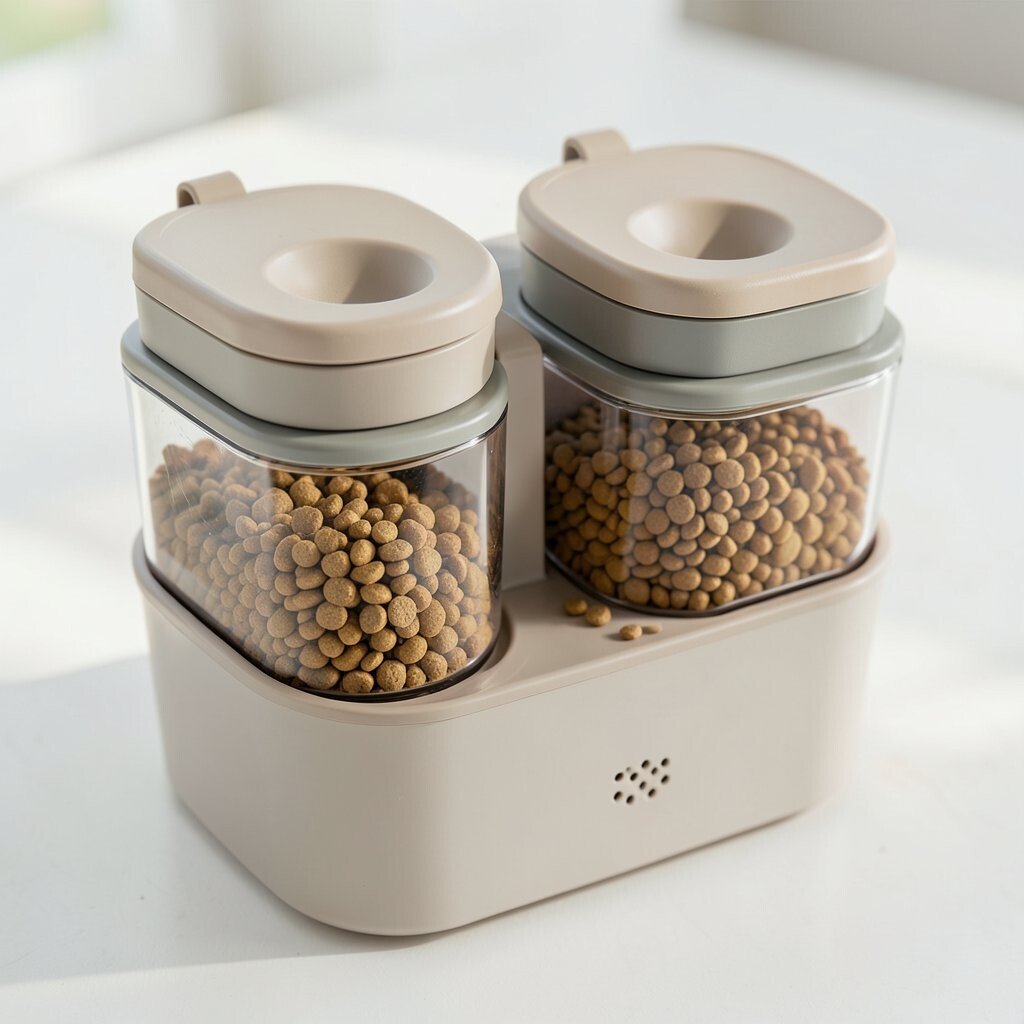
Some pets do better with a mix of wet food and dry kibble. A dual-chamber feeder uses two storage areas so each food type stays in its own section. You may see two lids on top, each leading to a different outlet.
This is unique because it can help you keep a food routine without mixing everything in one bin. Wet food usually has a shorter safe time, so separate chambers can help with freshness. It can also help pets that get bored with only one texture.
For tips, check if your feeder can handle wet food without clogging. Test with small portions and watch the flow. Personalize by matching the mix to your pet’s needs, like more wet food in the morning if they like it more then.
6. Portion-Lock Feeder to Stop Overeating
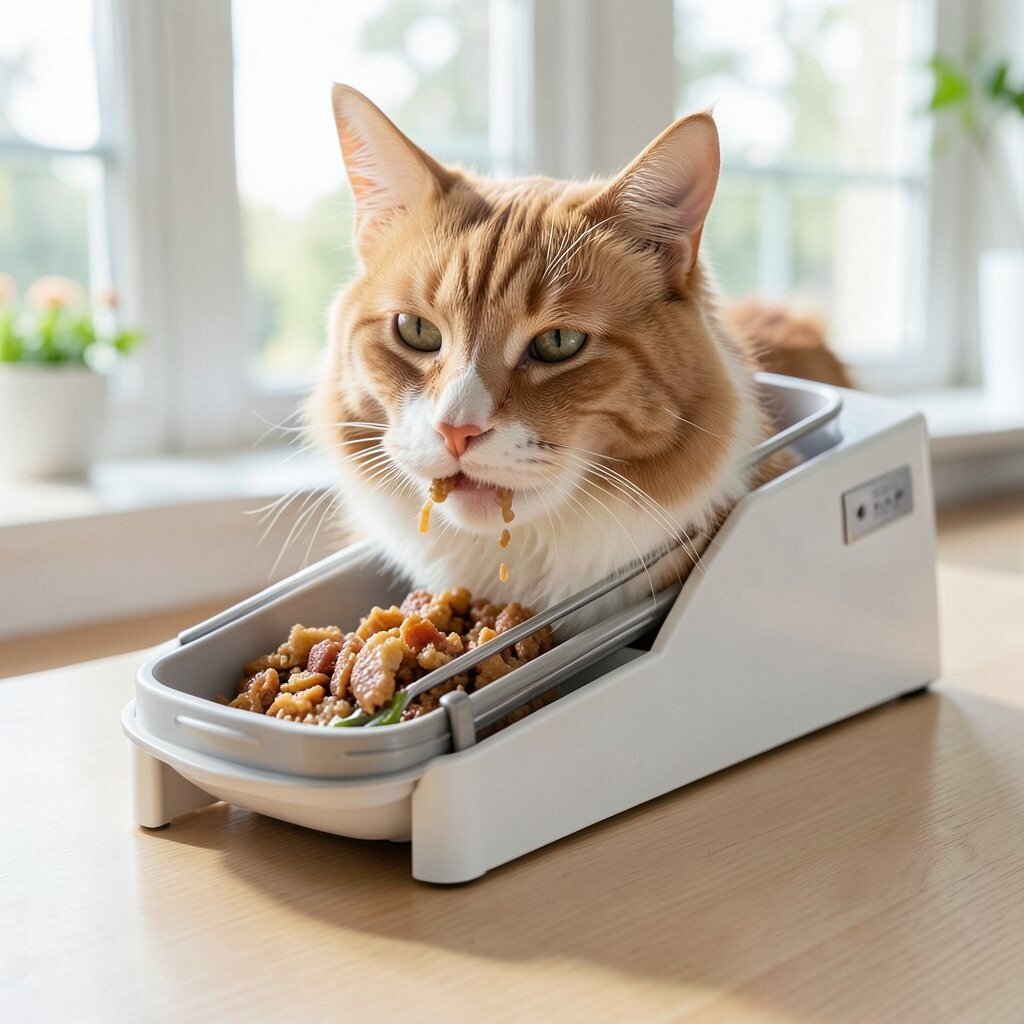
Overeating can happen when a feeder keeps food available all day. A portion-lock feeder releases food only at set times and then stops. You can picture a sealed track system that opens briefly and then closes again.
This idea can help with weight control and better meal habits. It also reduces constant snacking, which may lead to less begging. If your pet tends to finish food fast, timed portions can also help keep meals more calm.
For tips, set the schedule to what your vet or food guide suggests. Do a short check after each meal to make sure the amount is right for your pet. Personalize by adjusting slowly, not all at once, if your pet gains or loses weight.
7. Slow-Feed Feeder Insert to Support Healthy Eating
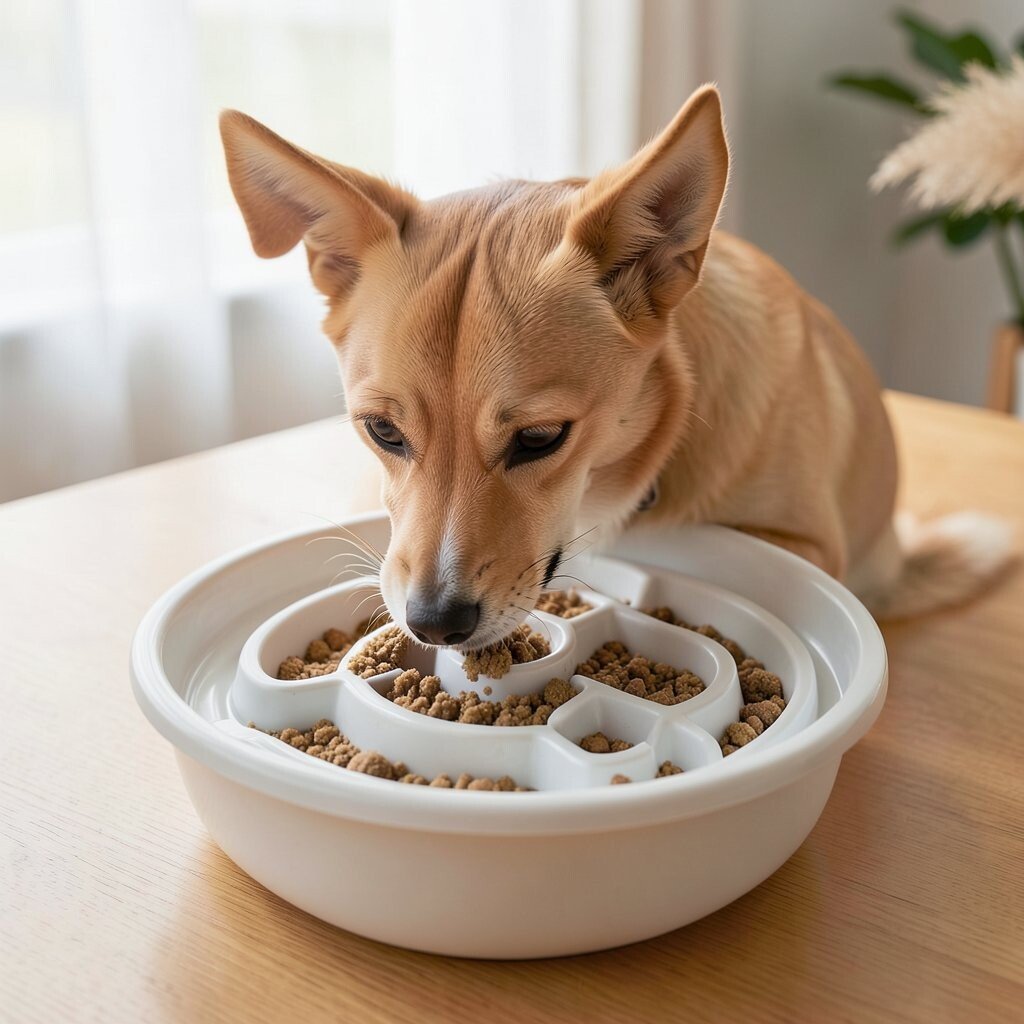
Some feeders work with a slow-feed insert inside the bowl. The insert can have ridges, mazes, or small obstacles that make pets eat more slowly. Visually, it looks like a bowl insert with raised paths for food to move around.
This helps when pets gulp food too fast. Slower eating can be more comfortable and may lower the chance of food coming back up. It also can keep your pet busy during meals, which can feel like an easy enrichment.
For tips, choose an insert that fits your feeder bowl size. Clean it well so food does not build up in the ridges. Personalize by changing the insert style if your pet eats faster or slower than you expected.
8. Feeder With Voice Messages for Calm Routines
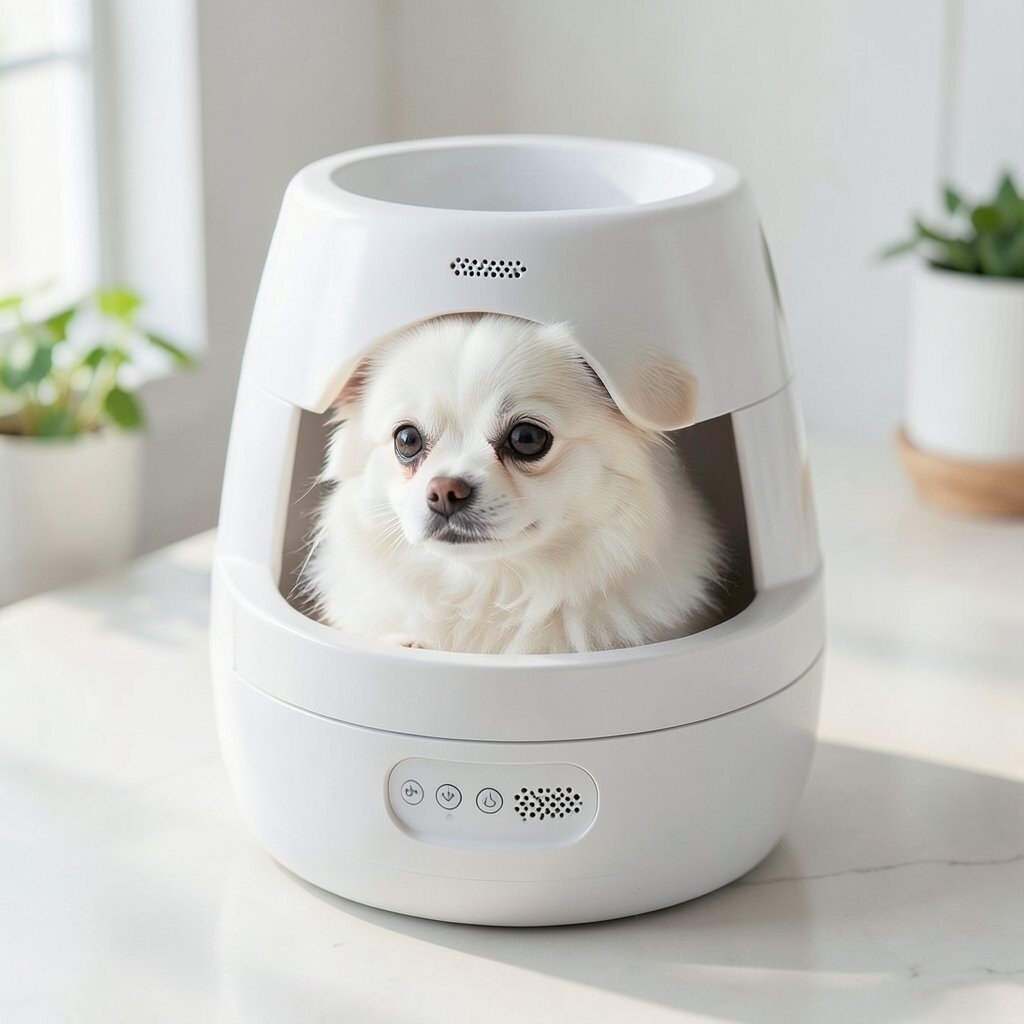
Some feeders include a speaker that can play simple voice or sound cues. You might see a small speaker grille near the top and an option in the app to set a short message. A gentle sound can be part of your routine.
This can be unique because it adds a daily cue for your pet. If your pet learns that a sound means food time, they may wait more calmly. It can also help for people who want a low-stress routine at busy times.
For tips, keep the sound soft and avoid loud tones. Set the same sound for each meal so your pet learns the pattern. Personalize the timing with your own schedule, like morning and night feed cues that match your day.
9. Microchip Feeder for Pet-Safe Feeding Zones
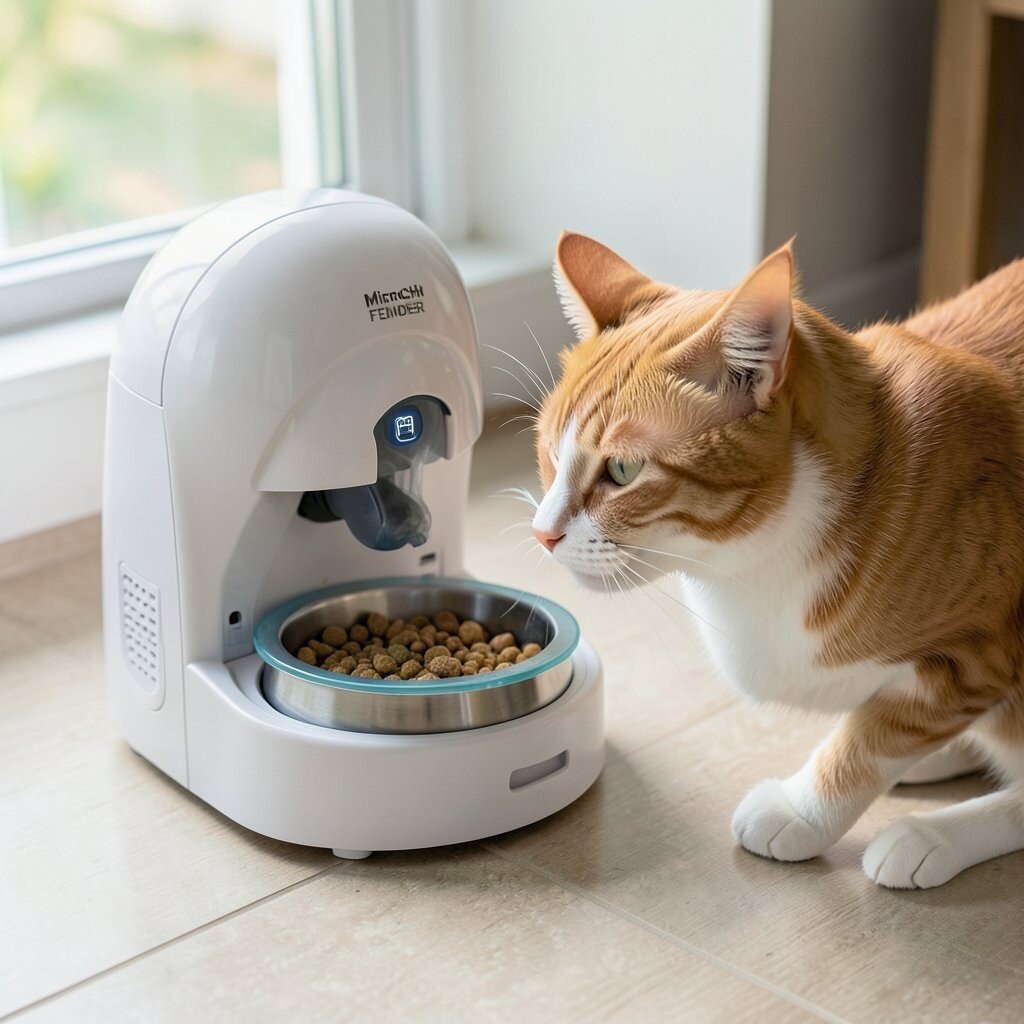
A microchip feeder opens only for a pet with the right microchip. You can picture a bowl area with a scanner ring that reads the chip when the pet approaches. This helps when pets are on different diets or have food rules.
This idea is very helpful for homes with pets that would otherwise steal food. It can also reduce stress when one pet gets access to the wrong food. Many people like how it creates clear feeding zones.
For tips, place the feeder in a quiet spot where your pets can eat without pushing. Make sure the microchip is properly registered and read by the device. Personalize by setting different meal times for each pet, using the feeder’s pet profiles if it has them.
10. Weather-Proof Outdoor Feeder for Yard Pets
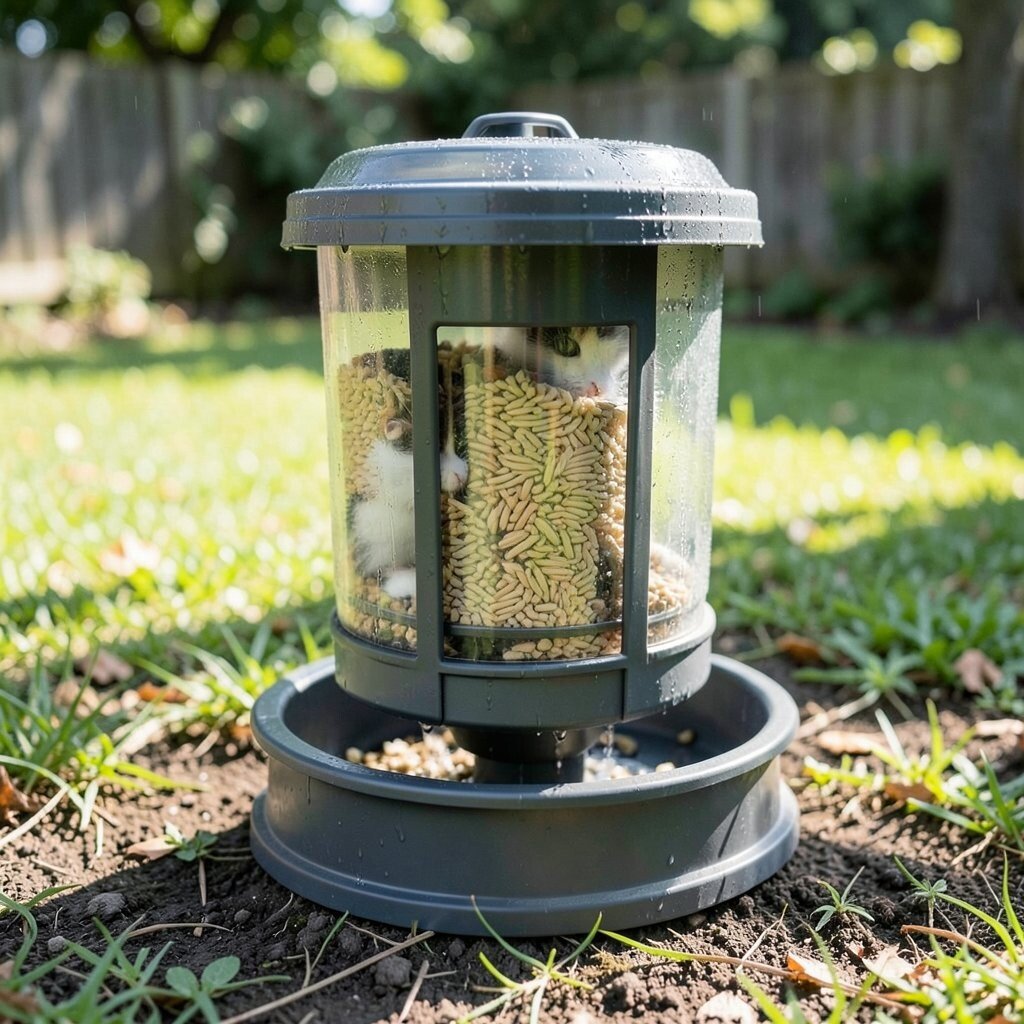
If your pet eats outside, a weather-proposed feeder can help. You may see a sealed lid and thicker walls that block rain and wind. Some designs include a base that helps keep the bowl stable on uneven ground.
This idea adds a practical benefit for people who need outdoor feeding. It can help keep food dry and reduce mess around the bowl. When set up well, it can also reduce the time you spend cleaning after storms or windy days.
For tips, choose a spot with shade and good airflow. Use food storage that stays fresh and check the feeder after bad weather. Personalize the schedule to the outdoor temperature, since some pets eat less during heat.
11. Portion Planner Feeder With a Simple Refill Schedule
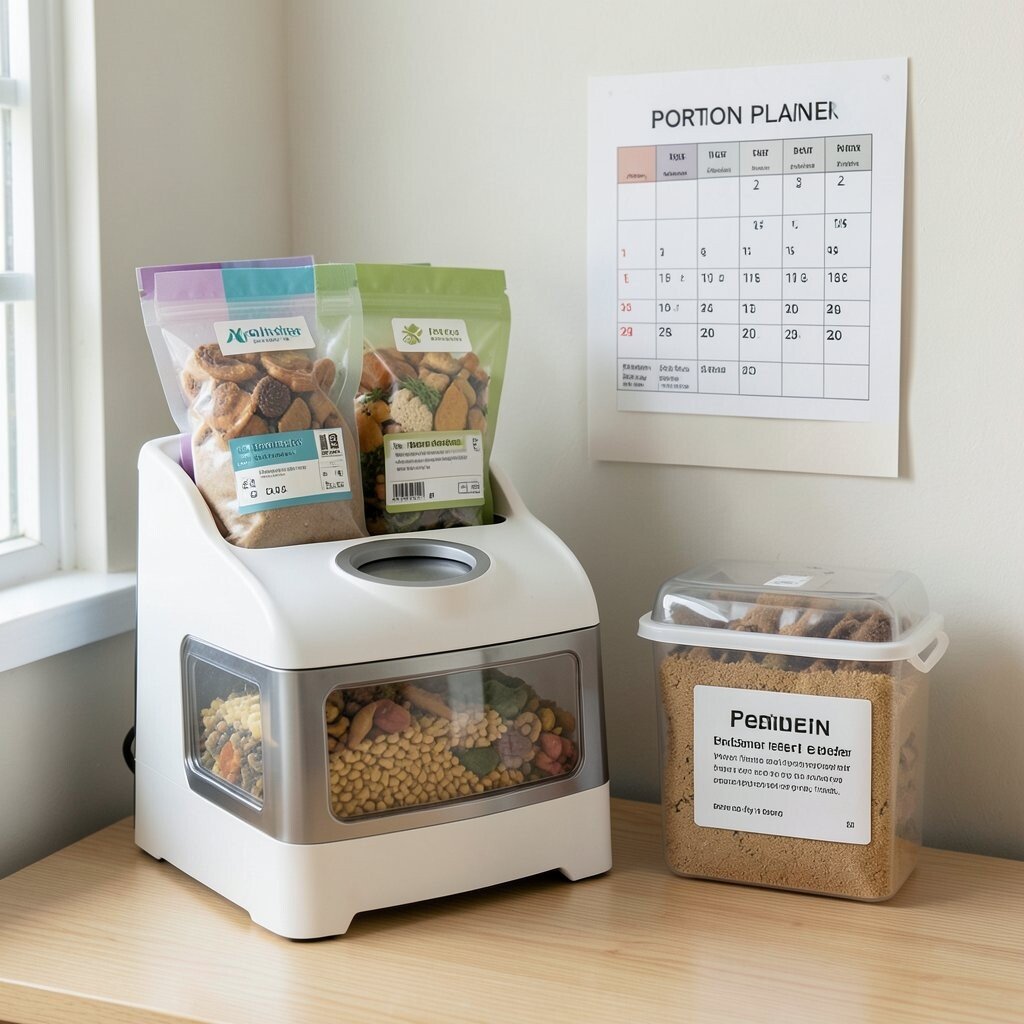
A portion planner setup means you pick set meal days and keep the feeder stocked in a clear way. You might use a feeder with a visible food window plus a labeled storage bin nearby. The setup looks neat: food bags, labels, and a simple refill calendar on a wall.
This can be unique because it focuses on your habits, not just the device. It can lower stress since you know exactly when to refill. It also helps if you want a steady routine but do not want advanced smart features.
For tips, write down your refill time based on your pet’s daily portion. Keep extra food in a cool, dry place and check the date on the bag. Personalize by adjusting your plan for weekends, holidays, or times you travel.