Your dog barks for many reasons, like fear, boredom, or seeing things outside. With small changes you can help your dog feel safe and stay quieter in daily life.
1. Teach a Simple “Quiet” Cue

Pick a short word like “Quiet” and use it the same way every time. Wait for a pause in barking, then say the cue in a calm voice and give a small treat. This helps your dog learn that quiet moments can bring good things.
Use the cue in short training bursts, like when you notice the first bark. Keep the tone steady, not loud. Over time, your dog may bark less because it knows what you want.
2. Reward Calm Behavior, Not Just Silence

Look for tiny signs of calm, like a relaxed face or a slower tail wag. Mark that moment with a soft word, then give a treat. This teaches your dog that calm is what pays.
For example, if your dog sits when the door opens, reward that right away. If your dog is still barking, wait for the next calm beat. You will get better results when you reward often and clearly.
3. Use a “Go to Place” Mat Habit

Choose a mat or bed in one spot, like near a wall. Train your dog to go there when you say “Place” and to stay there for a short time. Use treats to help your dog learn the path and the spot.
When barking starts, guide your dog back to the mat before it gets too worked up. This gives your dog a clear job, not just a request to stop. Many owners find this works well for dogs that bark at visitors.
Personalize the mat spot based on your home. Put it where your dog can still see but not feel trapped. If your dog gets anxious in that spot, move it closer to a calmer area.
4. Manage Triggers With Simple Distance
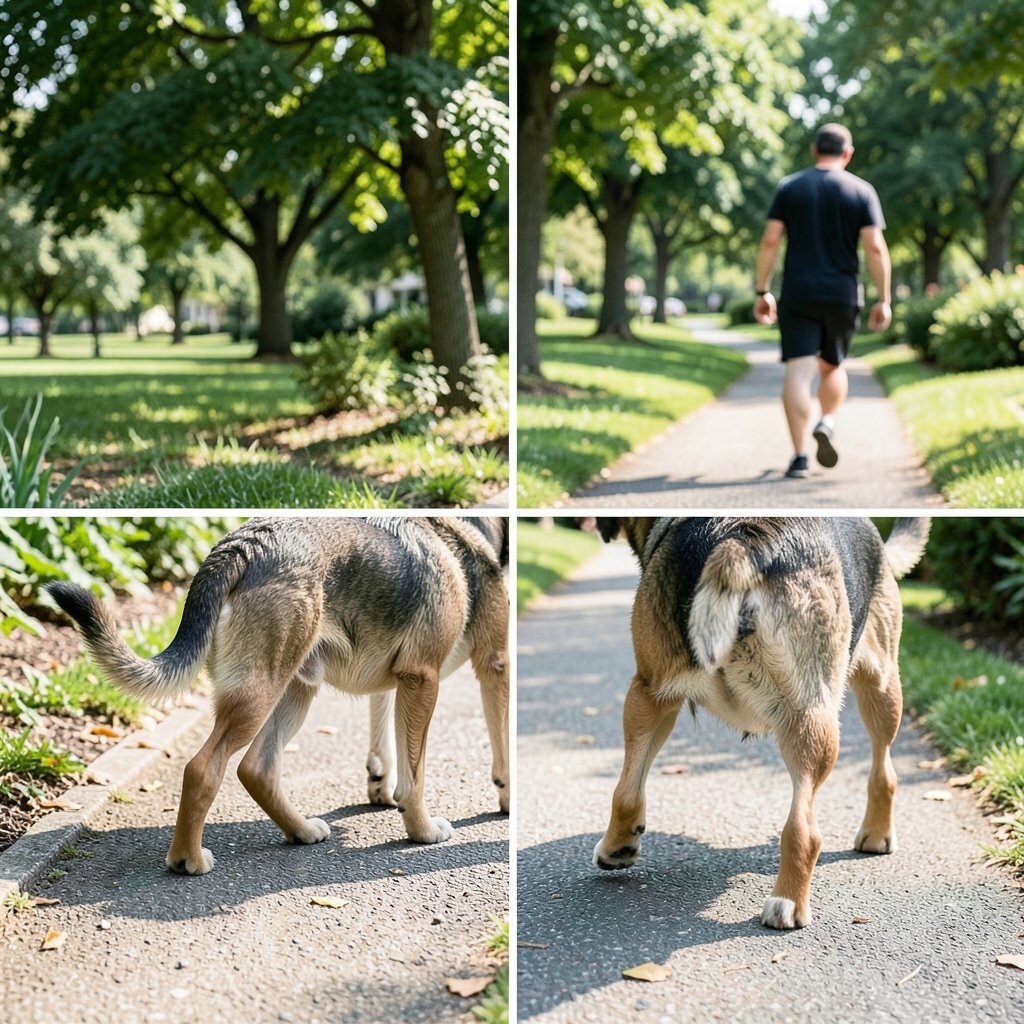
You can often lower barking by changing how close your dog gets to the trigger. If your dog barks at people walking by, step inside or move to a calmer path. Distance makes it easier for your dog to stay in control.
Try a “see it, then move” plan. When your dog spots the trigger, turn and walk away a few steps and reward calm. Keep sessions short so your dog does not feel stuck or forced.
This can cost little because you mostly use space and timing. It also fits many homes, from apartments to houses with yards. If you try this, track what sets off barking and adjust your plan.
5. Add More Safe Chewing Time
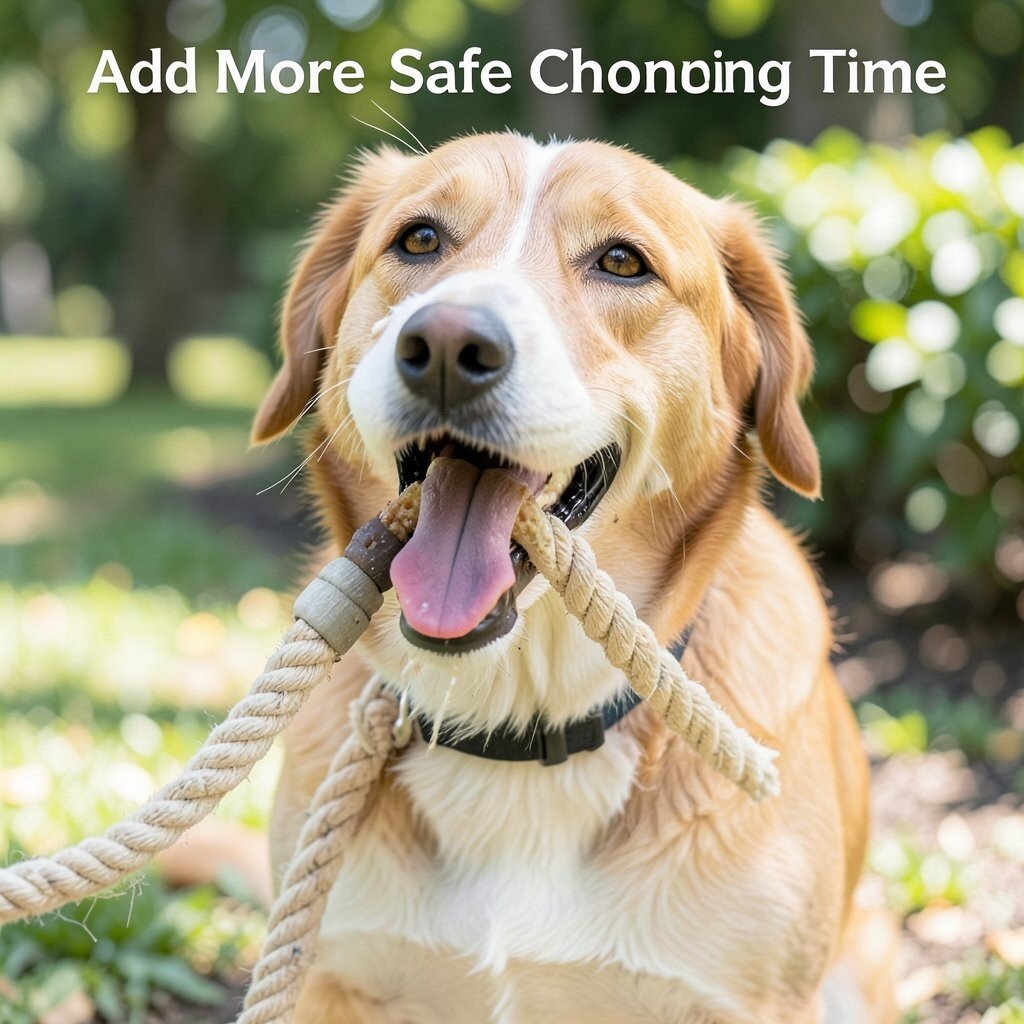
Some barking comes from stress or extra energy that needs a calm outlet. Give safe chew items like a rubber chew or a rope that is made for dogs. Start when your dog is calm, then keep it part of the daily routine.
For tips, choose chew toys that fit your dog’s size and chewing style. If your dog destroys soft toys fast, pick a tougher one. You can also add a thin layer of dog-safe spread to make it more interesting.
6. Use Food Puzzle Toys for Busy Brains

Food puzzle toys slow down dogs that bark from boredom. Put small amounts of kibble or treats inside the toy and let your dog work for meals. This gives your dog something to focus on instead of the next sound.
Many owners see less barking after a puzzle session, especially before quiet times at home. You can also use puzzles for enrichment when guests arrive. Make sure the toy is safe and not too easy to finish in seconds.
Cost can vary, but you can start with one toy and use it often. Look for toys that are made for your dog’s size and strength. Trends also show more puzzle styles that fit travel and small spaces.
7. Teach “Find It” for Shift in Focus

If your dog barks at the door or windows, you can redirect with a game. Toss a few small treats on the floor and say “Find it” as your dog searches. This helps move attention away from the trigger and into your voice.
Start in a quiet room with no distractions. When your dog learns the game, use it near the areas where barking starts. Keep the treats small so your dog stays willing to work.
8. Make Entry and Exit Quieter With a Routine
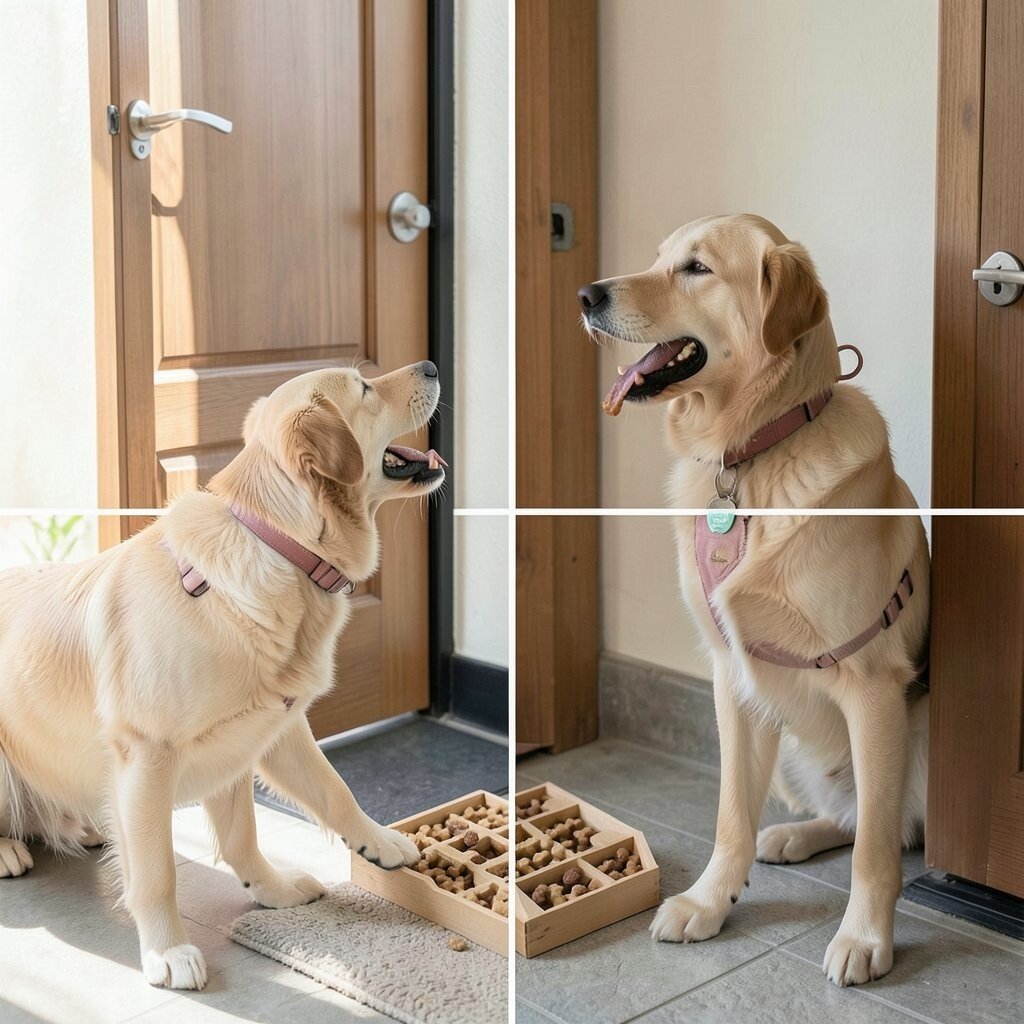
Dogs often bark when they do not know what to expect. Create a simple routine for leaving and coming home. Keep your actions calm, with no big excited waves or fast changes.
Before you go out, give a chew or a puzzle and close the door gently. When you return, wait a moment before you greet. This can cut down the barking that happens from excitement or worry.
Personalize your timing based on your dog. Some dogs calm down faster with a short walk, while others do better with food first. Try small changes and watch how barking changes over days.
9. Do Short Training Walks for Mental Use

Not all walks need to be long. Add small training steps like walking near you for a short time or turning when you say “this way.” Even a few minutes of practice can help some dogs bark less later.
Use simple signals, like a hand motion, and reward when your dog follows. If your dog starts barking at other dogs, turn and choose a calmer route. This helps your dog learn that your plan matters more than the trigger.
Cost is low because you can do this with a leash, treats, and your own time. Many owners find this trend helps because it blends exercise with focus. It also gives structure, which many dogs need.
10. Adjust Window and Door Access

If your dog barks at people outside, reduce what the dog can see. Use a cover, curtain, or fence panel near the spot where barking starts. You can also move your dog’s bed away from that line of sight.
For safety, make sure your dog still has air and a safe resting area. This change can lower the number of times your dog gets startled. It also helps your dog stay calm during delivery days or visitor time.
11. Try White Noise or Soft Background Sounds

Many dogs react to sudden sounds like footsteps or voices. White noise, a fan, or soft music can smooth out those sounds. When background noise stays steady, triggers feel less sudden.
Place the sound source where your dog spends time, like near the living room. Start at a low volume so your dog does not seem tense. This is a low-cost step that can help in many homes.
12. Use a Leash Setup for Safer Lessons at Home
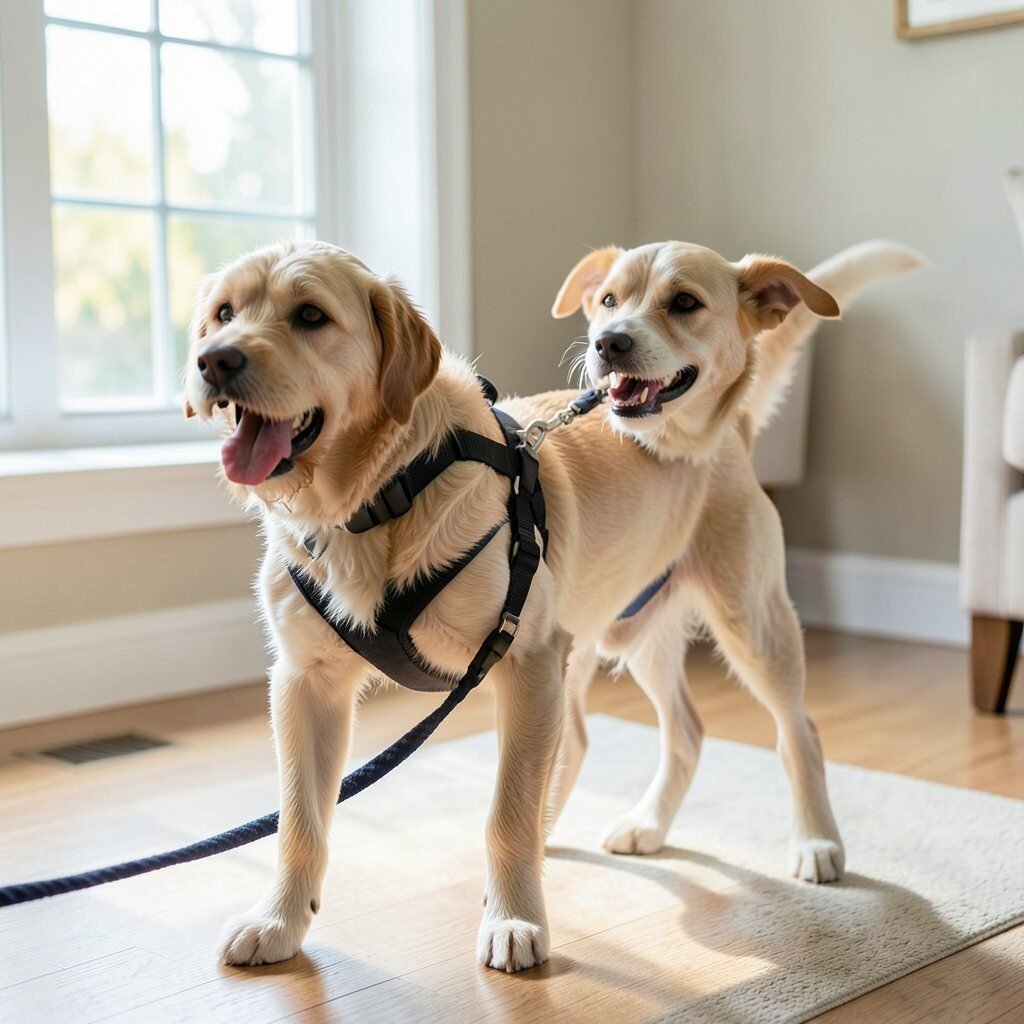
Sometimes you need a way to prevent full practice of barking. A short leash setup indoors can help you guide your dog without chasing. Keep your dog close enough for you to redirect quickly.
When you see the first signs of barking, calmly guide your dog away from the trigger and reward. The goal is to interrupt the habit early, not punish. Use a harness that fits well and does not rub or pinch.
Personalize the length so your dog can move but not reach the problem area. This can be a helpful cost control method because it reduces the time and stress of big training events. It also supports consistent guidance.
13. Stay Consistent With Everyone in the House
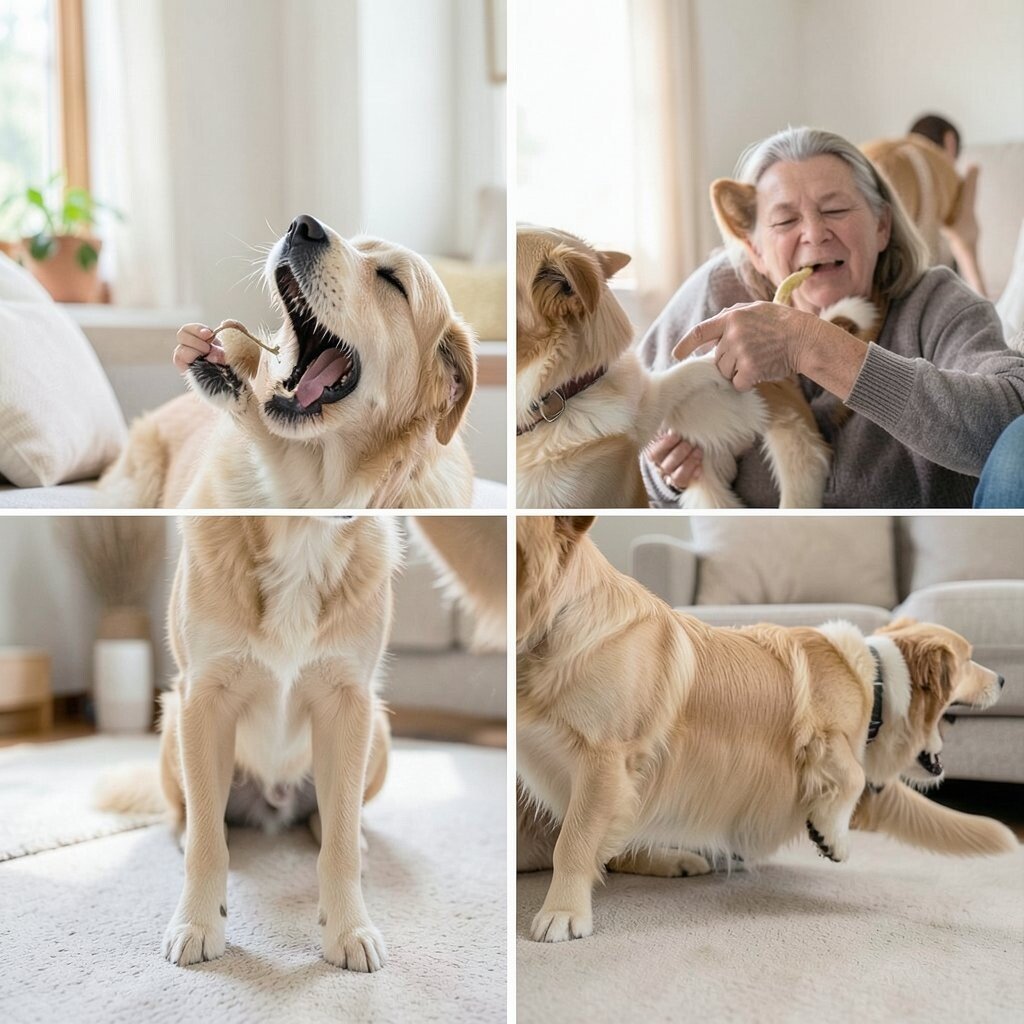
Even good training can fail if people respond in different ways. Make a simple plan for how you all react to barking. Choose one cue and one routine for calming down.
For example, if one person scolds loudly while another gives treats, your dog gets mixed signals. Try to keep responses the same, with quiet voices and clear actions. Consistency helps your dog learn faster.
14. Check for Pain, Fear, or Medical Issues

Barking can be linked to pain, itch, or stress, not just behavior. If your dog barks more than usual or seems off, talk to a vet. Also check signs like limping, growling, or shaking.
If your dog has new barking at night, it may be linked to discomfort or trouble resting. Vet checks can cost money, but they can save time and confusion. This step adds safety and helps you choose the right plan.
Personalize by noting when barking happens, like after meals or when the weather changes. Keep a short log of days and times. This helps your vet and your trainer understand the pattern.
15. Try Calm Body Language and Gentle Voice Timing

Your dog listens to your body as much as your words. Stand still and turn your body slightly away from the trigger. Use a low, calm tone and avoid sudden movement.
When barking starts, do not rush in or argue with loud words. Instead, pause, breathe, and then guide your dog to the mat or redirect with “Find it.” Many dogs calm faster when they feel less pressure.
Practice in quiet moments so you can act fast during the real trigger. This is a personal skill you build over time, not a one-time fix. It fits well with many training tools.
16. Use a Trainer Plan and Track Progress
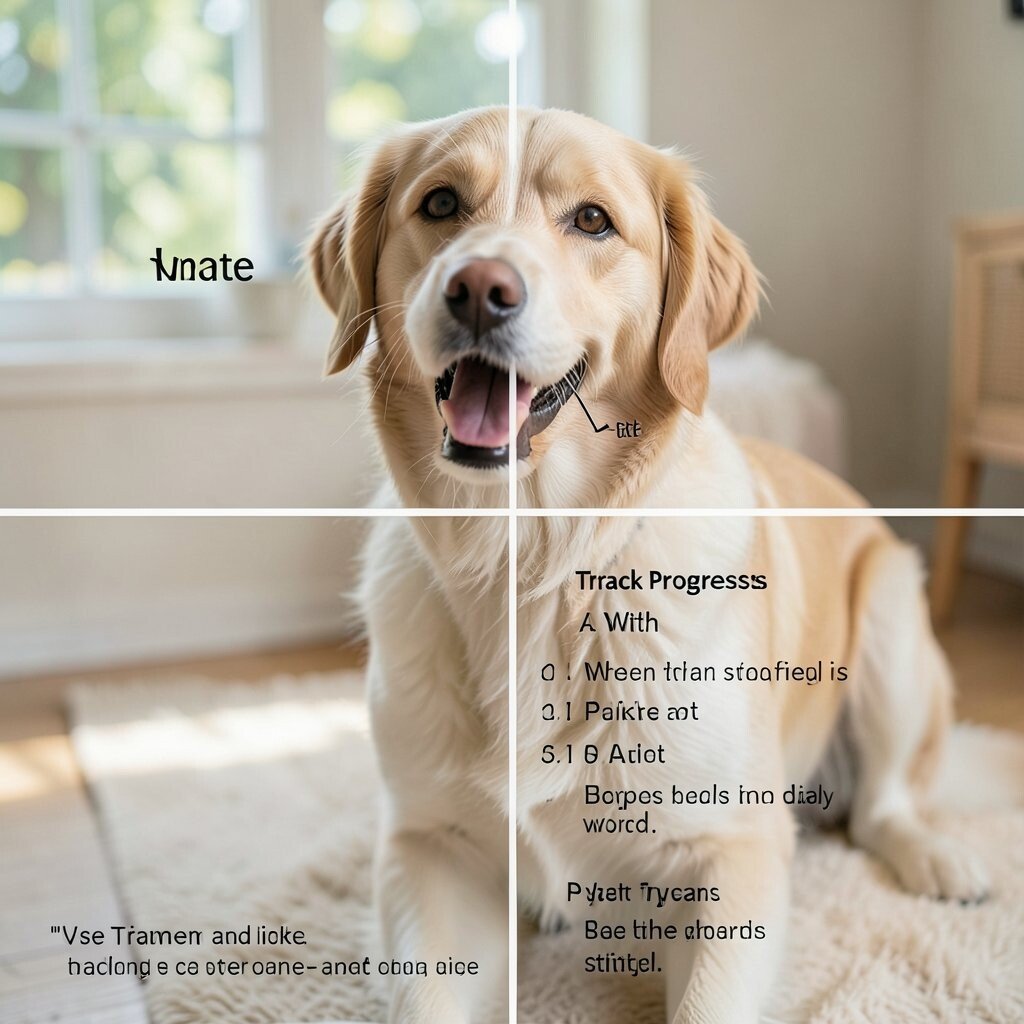
If barking is hard to control, a trainer can help you build a clear step-by-step plan. Pick a plan that matches your dog’s triggers and your daily schedule. A good plan also helps you know what to do when barking starts.
Track progress with a simple note: when barking starts, what the trigger is, and what worked. You can use a phone note or a paper list. This helps you see patterns and adjust costs and time.
Trends in dog training often focus on positive methods and clear management. Many owners like this approach because it reduces stress. With a plan and tracking, you can make changes that fit your home and your dog.