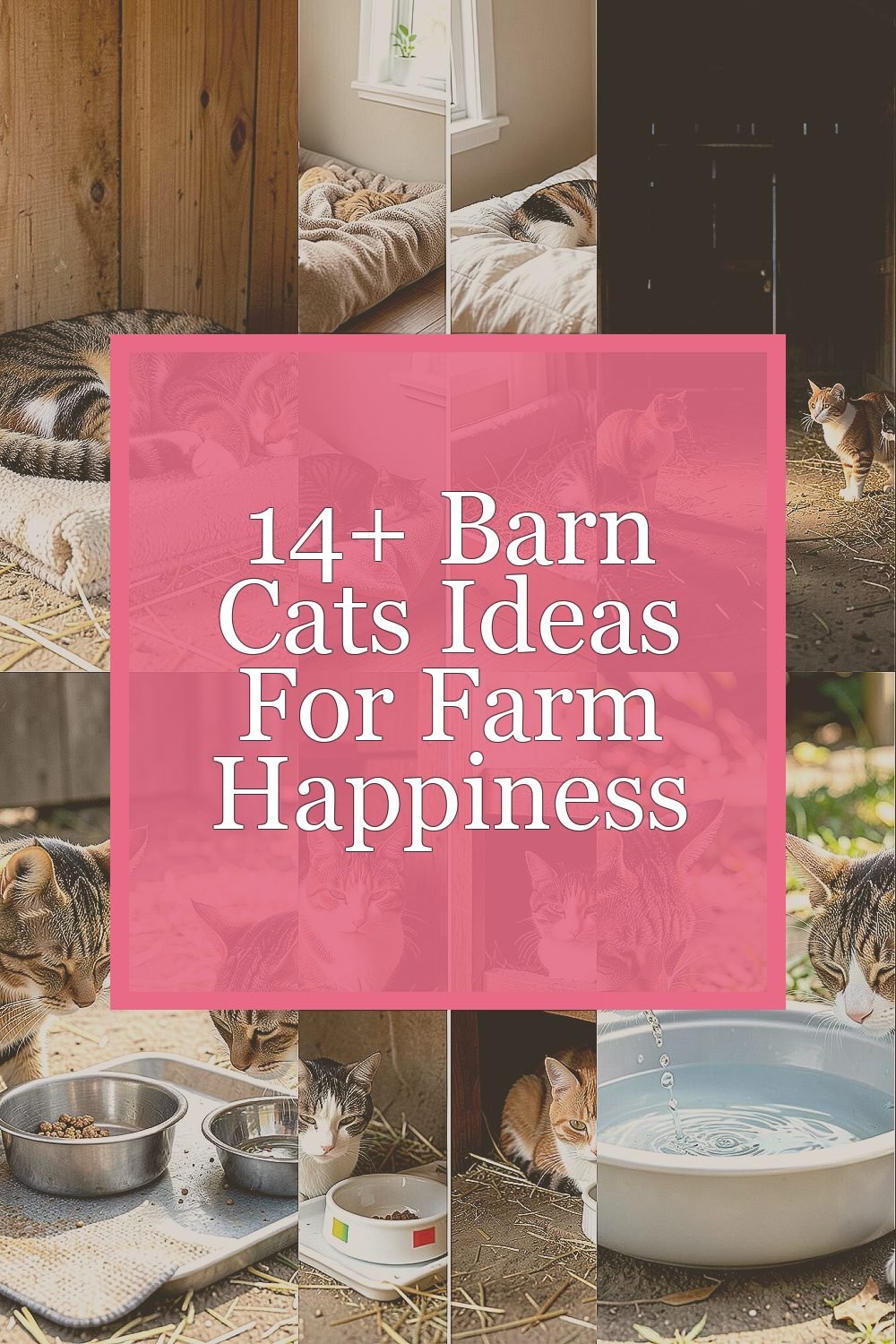
Good barn cats help keep pests down and make farm life calmer. When you plan a few simple ideas, your cats can stay healthy, safe, and easy to care for.
1. Pick A Safe Barn Home Spot
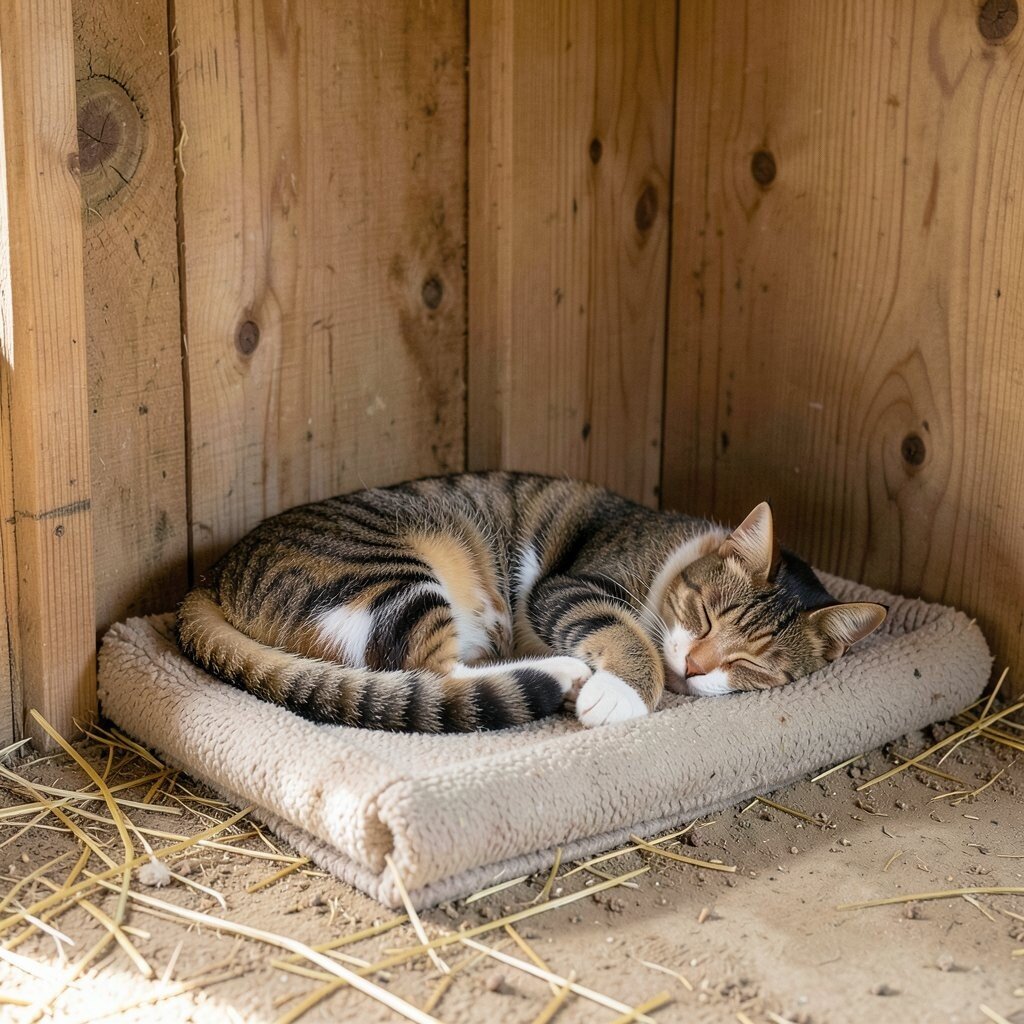
Choose a spot in the barn that stays dry and does not flood. Look for a place with good airflow and less noise, like near a wall but not right in the open path. Cats often like a steady place where they can sleep and watch.
Add a few simple barriers so the spot stays out of the way. A small corner with a thick mat or a covered bed helps a lot. This lowers stress, and it can reduce fights between cats.
Try to keep the area near where you already check animals each day. When you can see them often, you can spot problems early. It also makes feeding and cleaning easier.
2. Add Warm Beds In More Than One Place
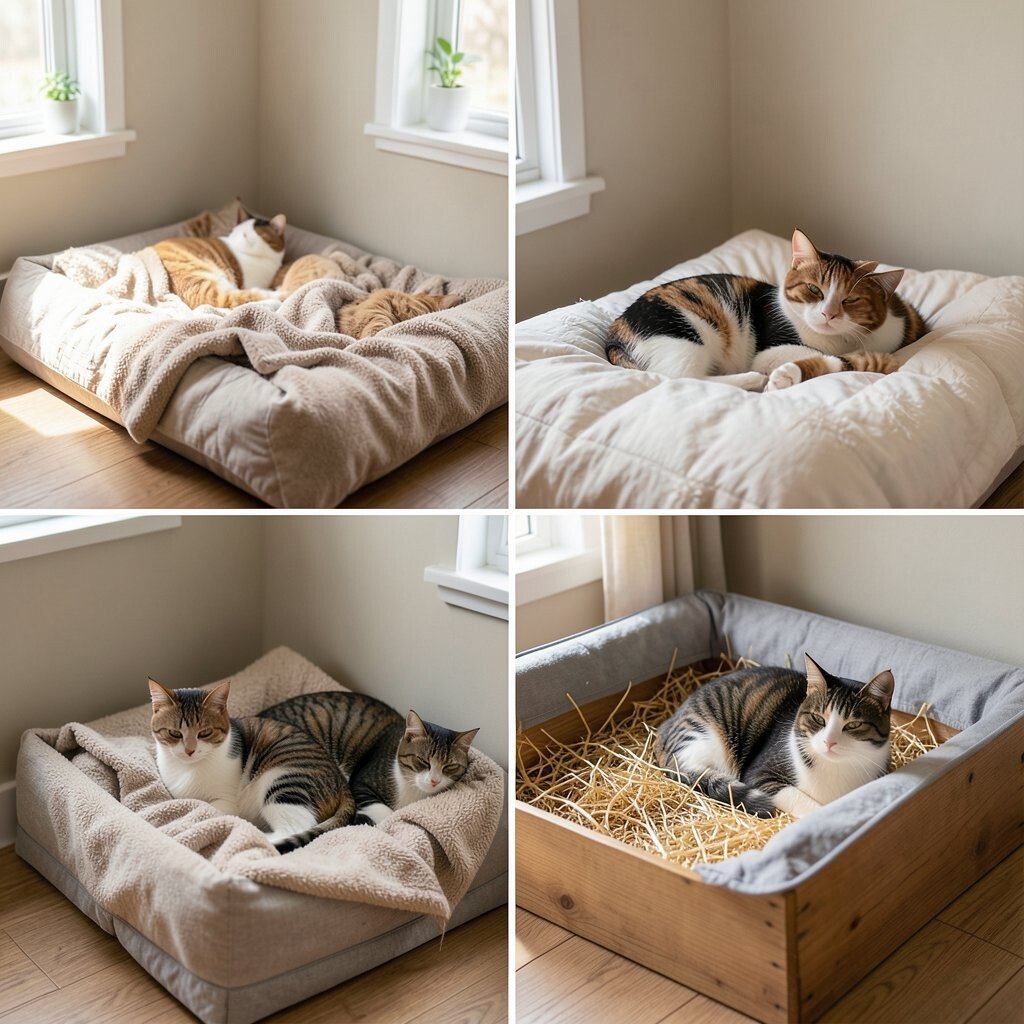
Put soft bedding in at least one quiet corner, then add one more bed in a second area. Cats like to move based on heat, light, and comfort. You can use thick blankets, straw in a safe box, or a simple raised cot.
Make the beds easy to clean by using covers you can wash. If you use straw, check it often for wet spots. Wet bedding can cause skin issues, so dry heat matters.
This also helps cats during cold snaps and hot days. A second bed gives them a choice, which can cut down on stress. It is a low cost change, and it shows fast results.
3. Use Motion Lights For Night Safety
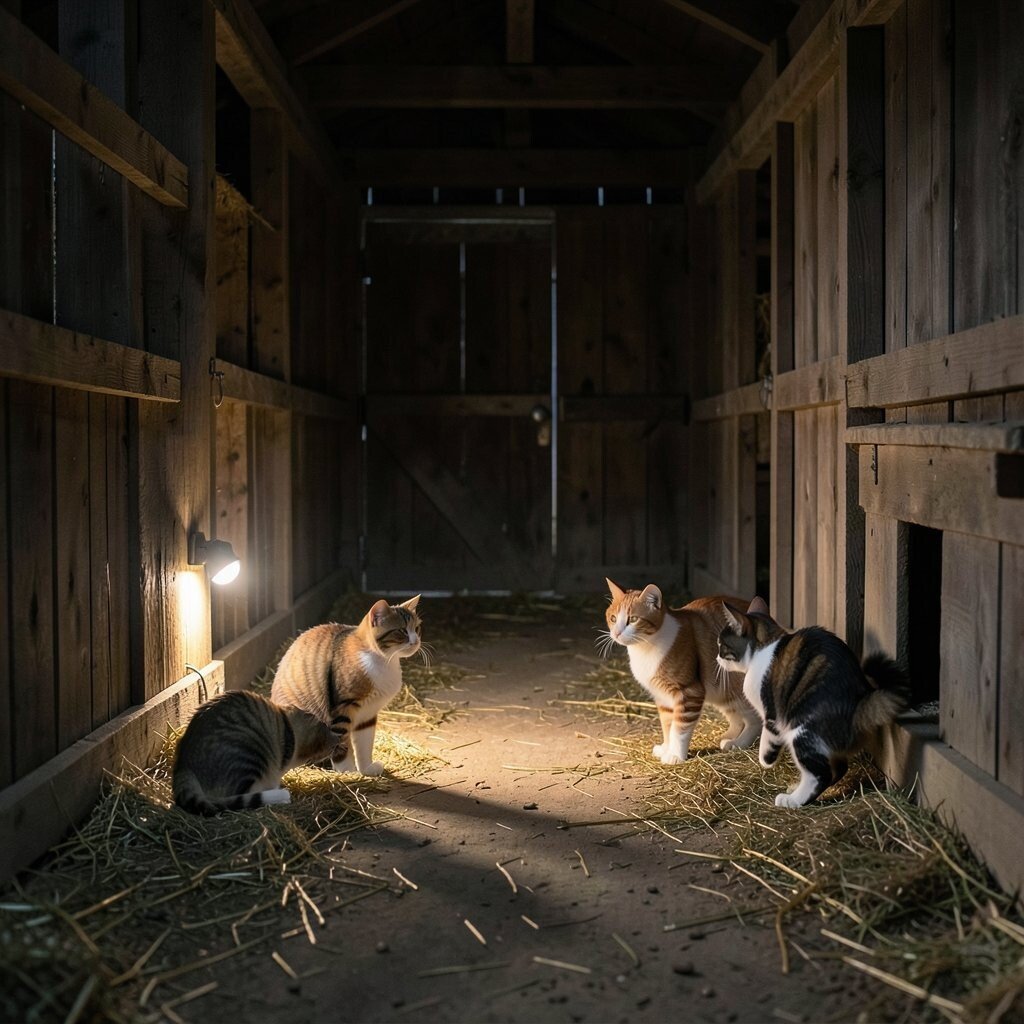
Set up a small motion light near the main barn aisle and near a cat home corner if it fits your setup. When the light comes on, it can help cats feel less trapped at night. It can also help you see cats without using a bright flashlight.
Pick a light that uses low power and does not stay on all day. If the light is too bright, some cats hide more, so you may need to adjust the angle. Test it for a few nights and watch their behavior.
This idea can also help with farm safety. It can reduce trips and falls for you, and it can stop some pests from moving around. You get comfort for cats and extra peace for your routine.
4. Create A Simple Feeding Station
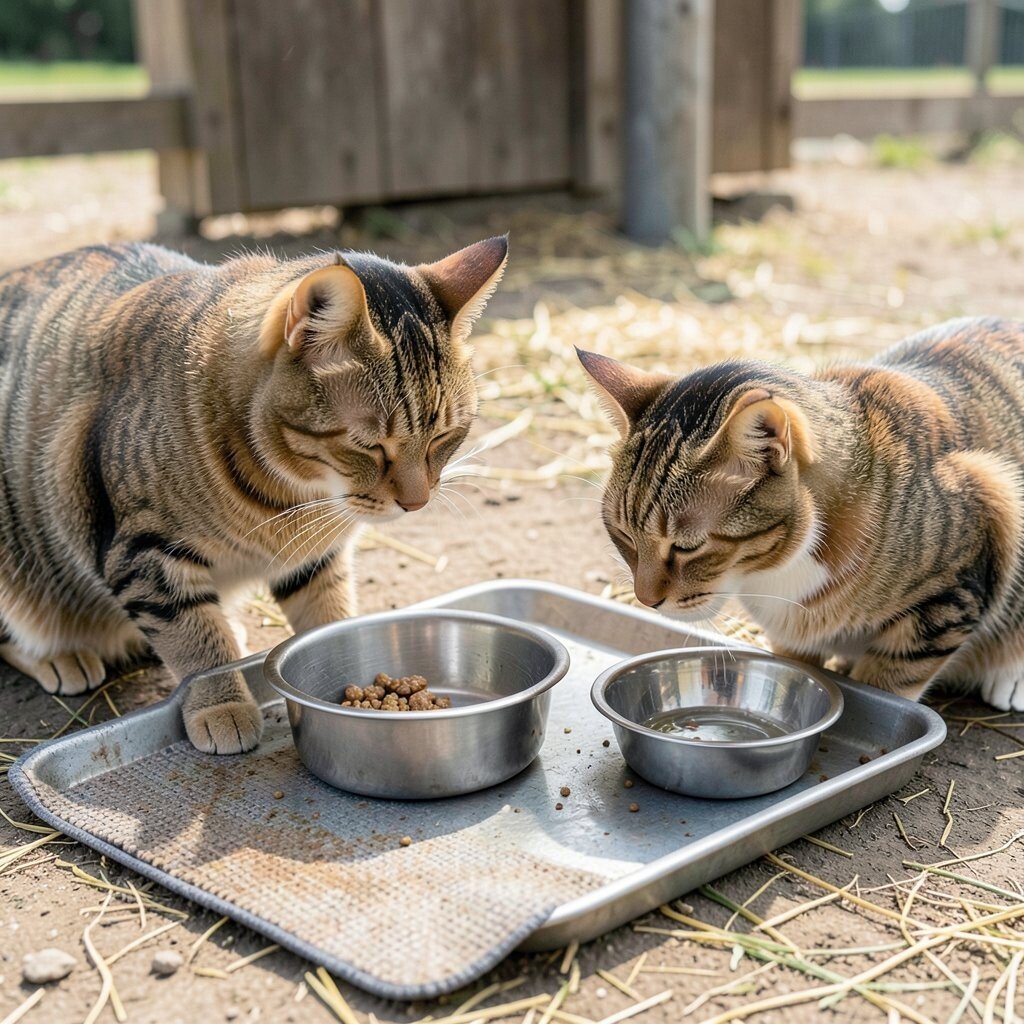
Set up a feeding station that stays in the same spot every day. Use a stable tray or a metal bowl that does not tip easily. Cats learn fast when food is consistent.
Place the station where you can clean it quickly. Use a small area mat or a tray so spills do not spread. Clean bowls help prevent tummy problems and bad smells.
Many farms use timed feed, but even simple daily feeding helps. If you have more than one cat, watch who eats first. You can prevent bullying by using two feeding spots.
5. Separate Friendly Cats From Shy Cats
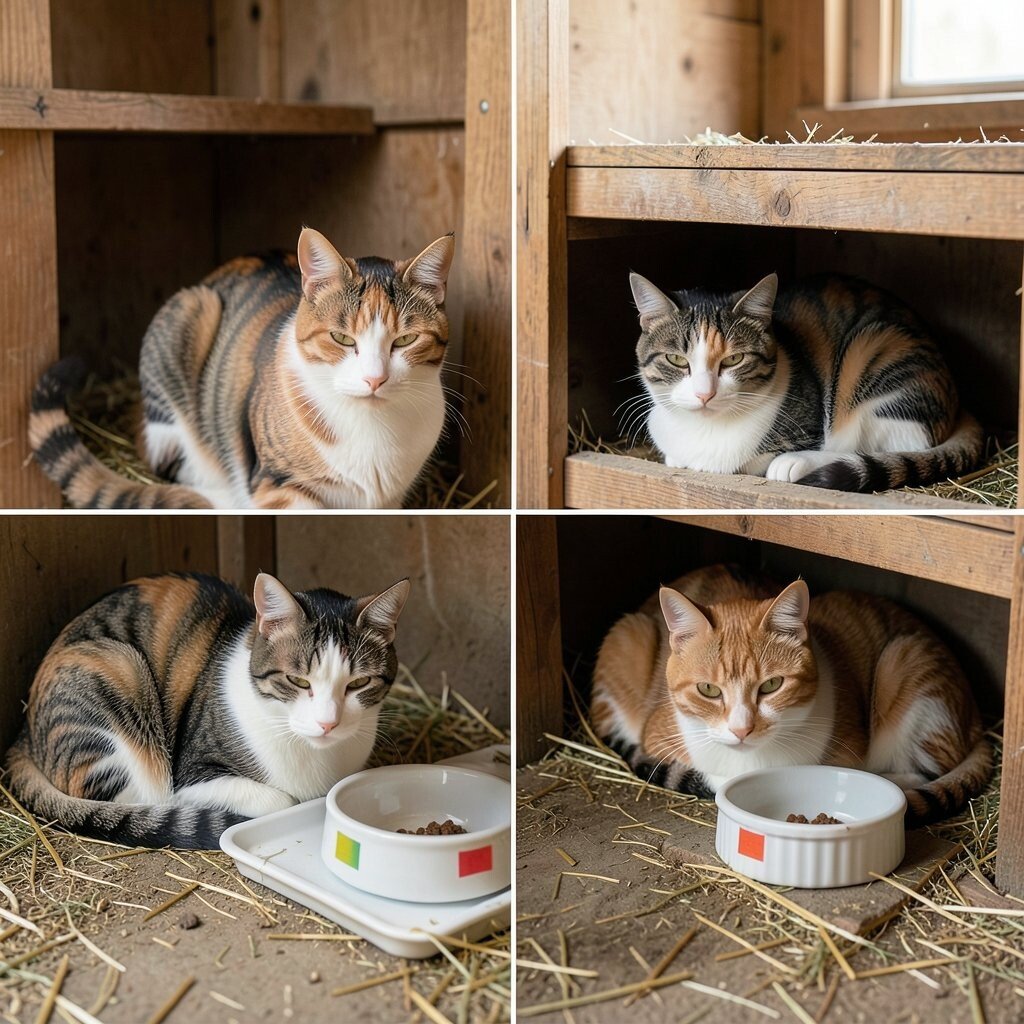
Some barn cats are bold, and some stay quiet. If you can, give shy cats their own resting nook and their own feeding spot. This keeps them from getting pushed away during meals.
Use visual cues like different bed locations or separate feeding trays. You can mark bowls with a small color tag so you know which one belongs to whom. It makes care faster and more organized.
This helps reduce stress and improves food intake for shy cats. When cats eat well, they look better and act calmer. It can also lower fights, which keeps your barn run smoother.
6. Provide Fresh Water In Clean Bowls
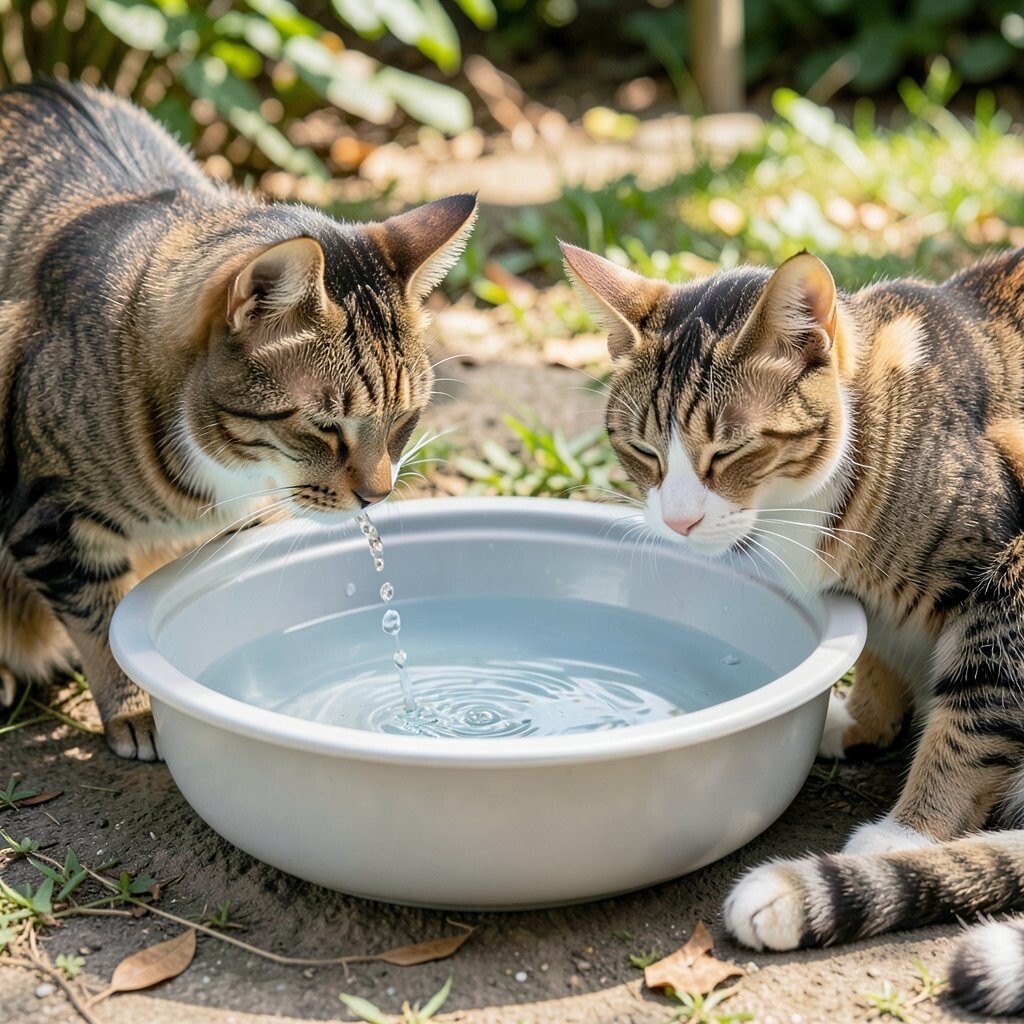
Put water in a spot that does not get warm in sun. Use clean bowls and change the water often. Cats drink more when water looks fresh and stays cool.
If you deal with many cats, consider using a wide, heavy bowl so it does not tip. Also keep it away from dry feed so dust does not fall in. A simple cover can help keep leaves out.
In warm weather, check water twice a day. Dehydration can lead to health issues, and it can also make cats act more cranky. This is a low-cost habit that can make a big difference.
7. Add Scratching Posts For Claw Care
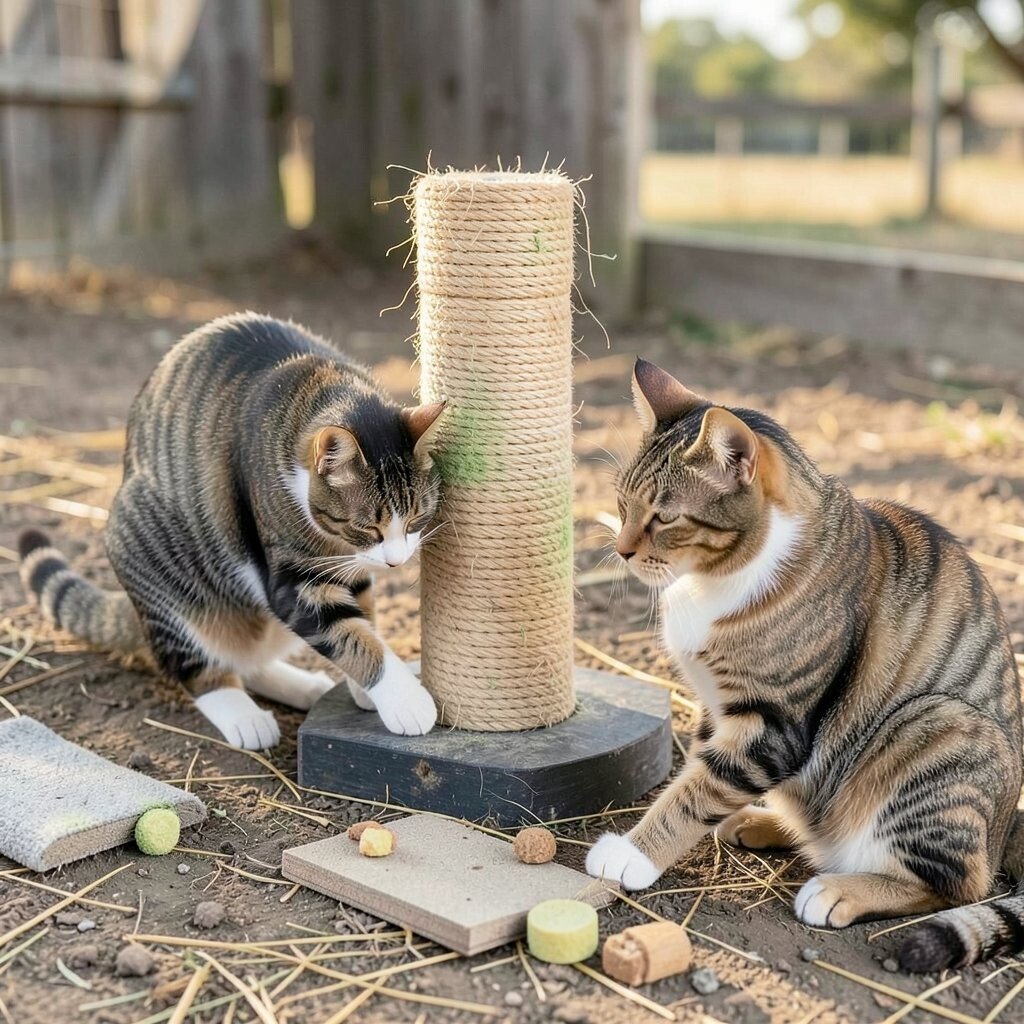
Give cats a scratching place so they do not use fences, stalls, or feed bins. You can use a sisal post, a thick board, or a flat scratch pad. Put it near where cats already walk or rest.
When you set it up, show the cat by placing treats nearby. You can also rub a little cat-safe catnip on the post if your cats like it. That small step can help them use it right away.
Scratching helps cats keep claws healthy. It also reduces damage to farm gear, which saves money over time. This is a small item that fits busy farm life.
8. Set Up A Trap-Neuter-Return Routine
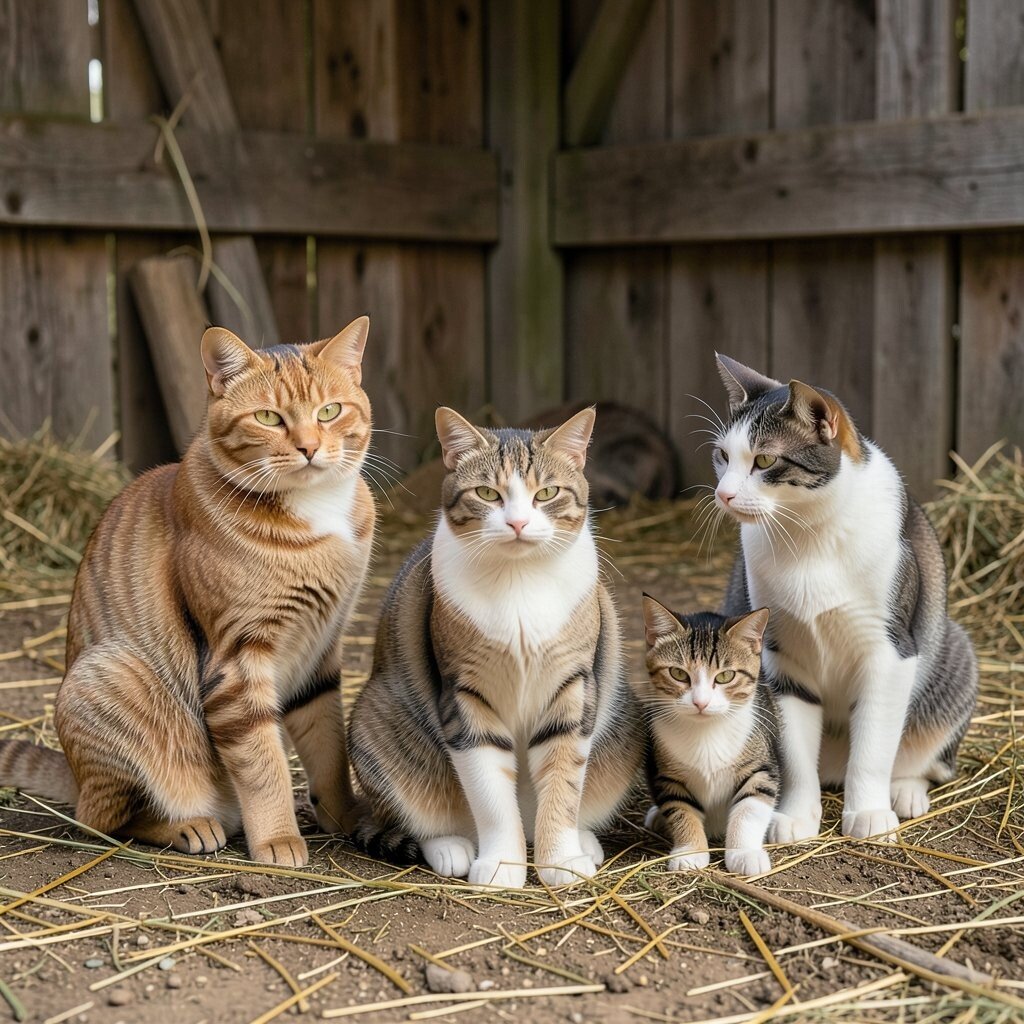
Work with a local vet or shelter on a plan for trap-neuter-return for free barn cats. This helps control the cat population and can lower fights during mating season. Many farms find it steadies the group over time.
Ask your vet how to handle trapping and recovery days. Use a safe box or carrier for post-surgery rest if you need it. Keep the cats calm and watch for any changes in eating or behavior.
This idea is unique to each farm, based on how many cats you have. It can cost money, but it often saves money later from repeated problems. Also, it can make the barn feel more peaceful.
9. Add A Covered Shelter That Fits Your Weather
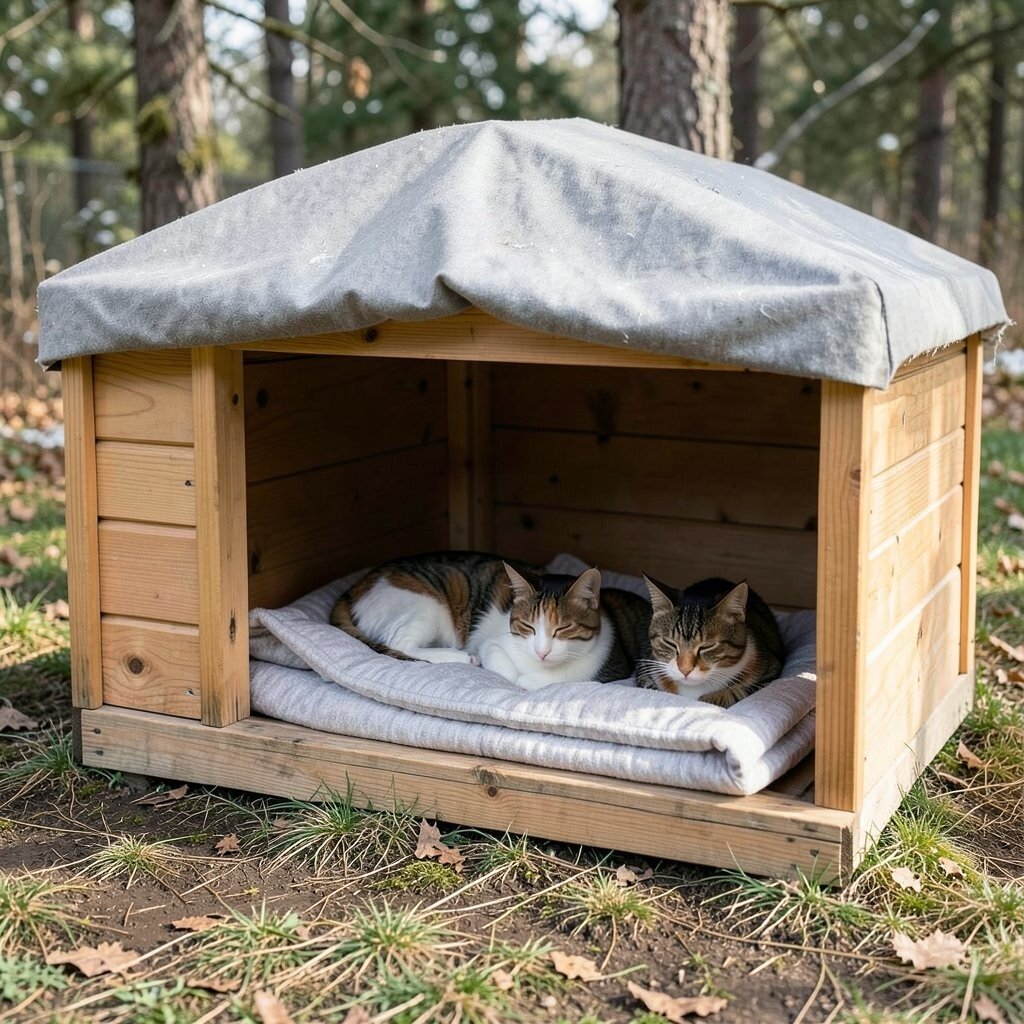
Use a shelter box or a covered house where wind and rain do not hit directly. Look for design choices that help keep bedding dry and off the floor. Even simple wood shelters can work if you raise them a bit.
In cold months, add extra bedding, and in hot months, choose shade and airflow. Cats prefer a dry, steady spot more than a fancy setup. Keep the entrance clear so cats can come and go easily.
Winter and summer rules can both matter. When shelter fits the season, cats spend less time searching and more time resting. That helps them stay healthy and less stressed.
10. Use Safe Pest Control With Cat-Friendly Steps
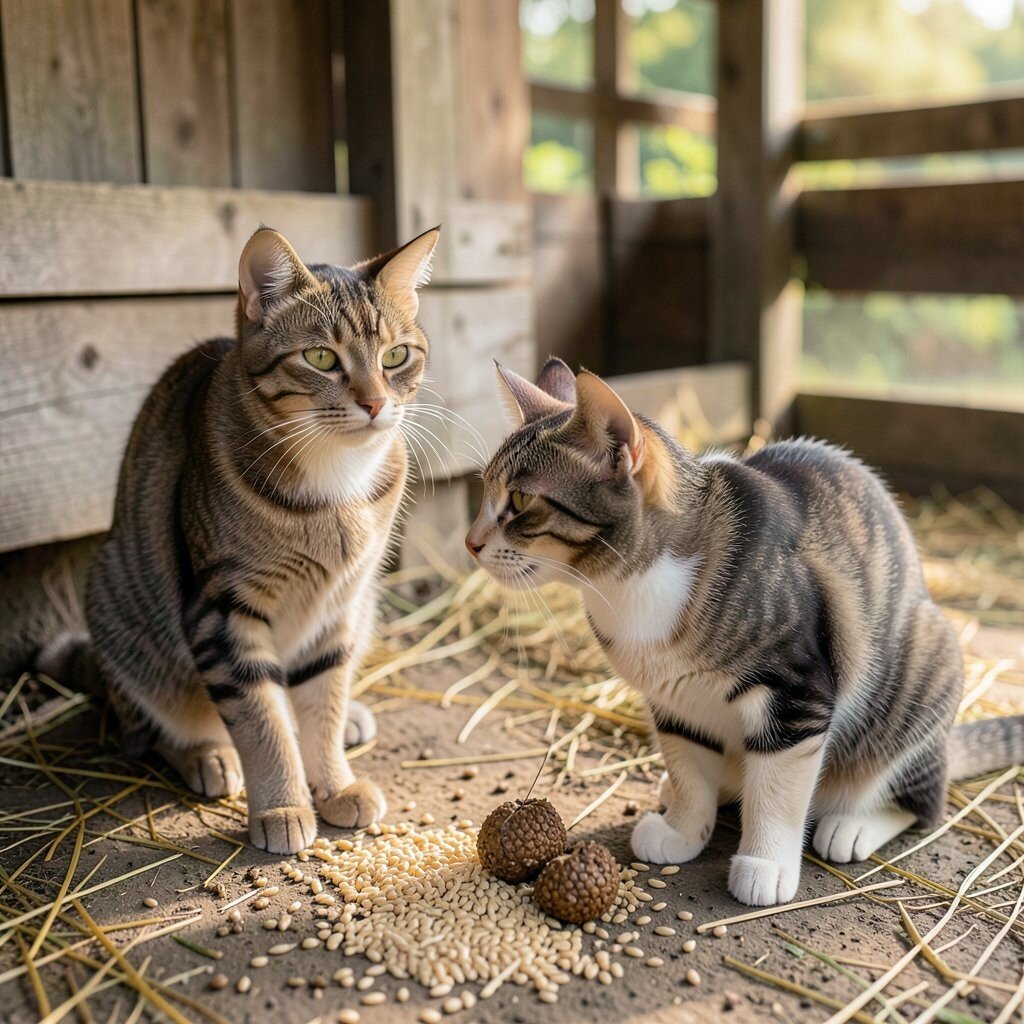
Many farm pests are hard to stop, so plan a cat-friendly pest routine. Keep feed covered, seal gaps where rodents enter, and clean up spilled grain. This reduces the food source for pests, not just the pest itself.
Be careful with poison and strong chemicals. If you must use pest products, ask your vet or local store about cat-safe options and proper placement. Cats may walk where bait sits, so placement matters.
When cats have good care and steady food, they often hunt more in a natural way. This can help lower pests while keeping the barn safer. It is a smart balance that fits farm needs.
11. Make A Simple Cat Plan For New Kittens
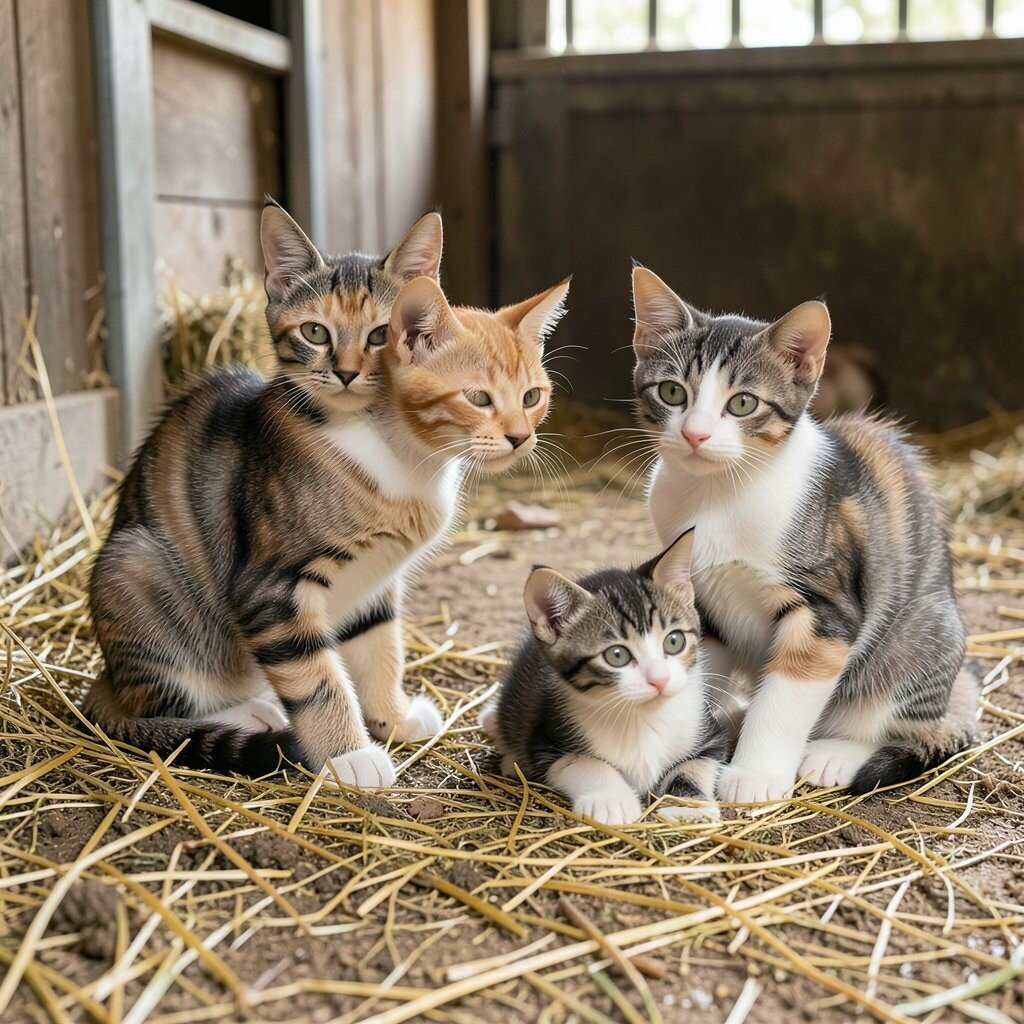
If kittens show up, treat them with care and watch their health. Keep them warm, offer safe food, and make sure they have a safe spot away from big animals. Try not to rush them into the full barn space too fast.
Ask your vet about kitten shots and a feeding plan. Some kittens need time in a quieter area before they join the older cats. This step can prevent stress and illness.
You can also decide how you want to handle adoption or farm placement. Some kittens stay as barn cats, and some go to good homes. A clear plan helps you make kind choices without confusion.
12. Train Your Cats To Come For Food With Calm Sounds

Use a steady sound cue like a soft tap or a light whistle before feeding. Cats learn patterns fast, and the cue can help you guide them to food. Keep the tone calm and do it at the same time each day.
Do not rush at them or reach too fast. Sit at a distance, place food down, and step back. This helps cats feel safe, and it can make future checks easier.
Over time, you may spot cats with fewer hidden spots. This can help you track health and check for injuries. It also supports quick handling if you ever need to move a cat to the vet.
13. Keep Record Notes For Each Cat
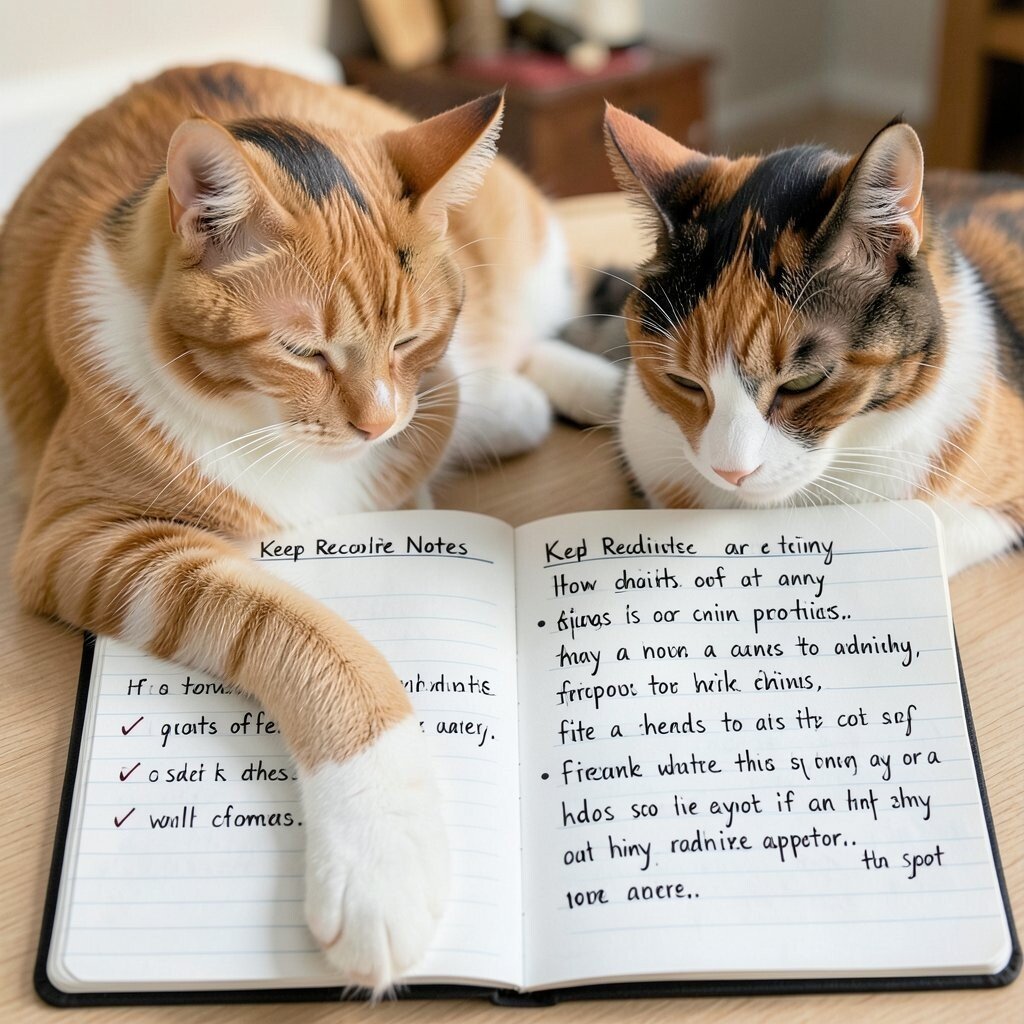
Write simple notes about each cat, like color, where it rests, and how it acts during feeding. You can use a small notebook or a phone note list. This helps you spot changes sooner.
Track basics like weight, appetite, and any signs of fleas or skin issues. Also note if a cat seems to avoid water or a certain area. Small changes can be early signs of health problems.
This kind of record can also help you plan for vet visits. It supports personalization, since each cat may need different care. It does not cost much, but it can save you time later.
14. Add A Quiet Cleaning Routine Without Big Disturbance
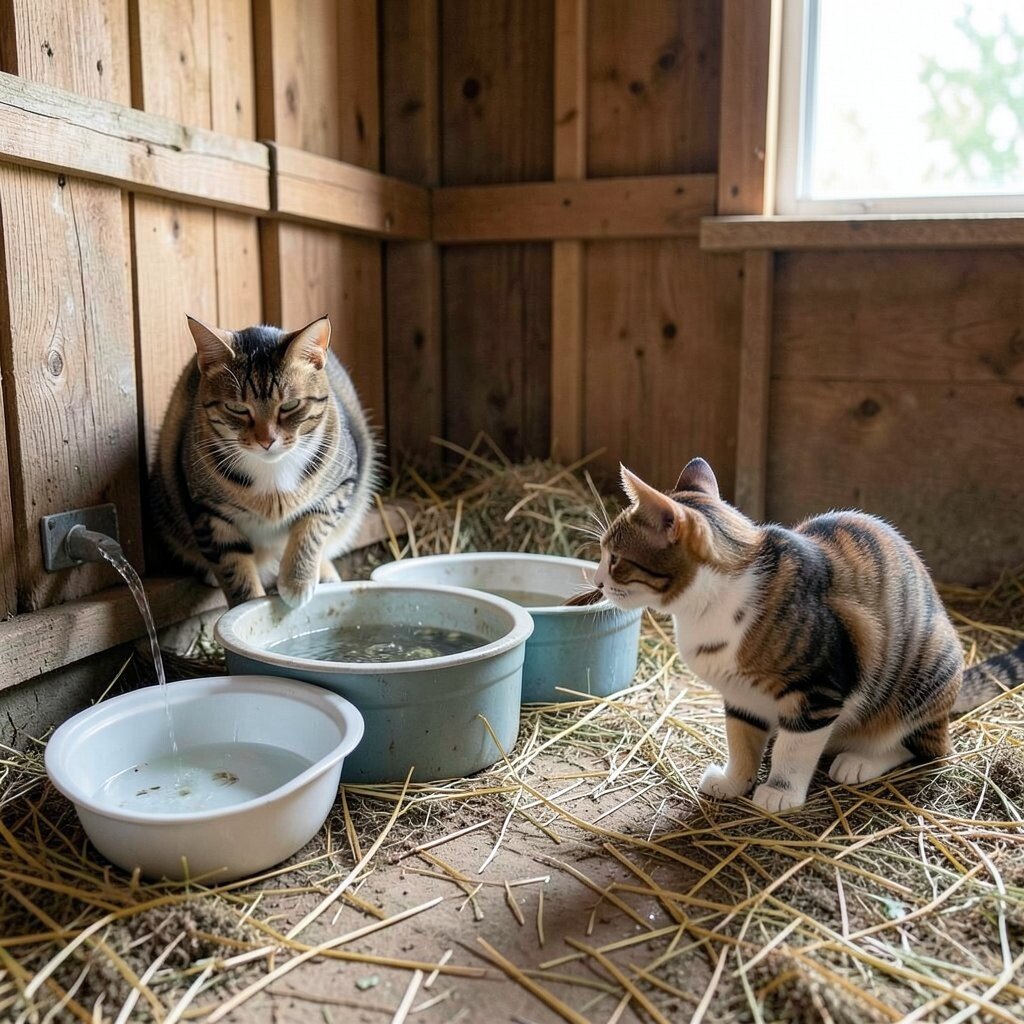
Clean the feeding and water areas often, but try to keep it calm. Use the same route each time so cats know what to expect. Cats may leave for a moment, then return when they feel safe.
Remove dirty bedding and replace it with dry material on a regular schedule. Check corners for wet straw or stuck mess. Clean areas help reduce odors and can lower risk of skin and breathing issues.
Some barns use a gentle plan like sweeping first, then washing bowls after feeding. That keeps the smell lower for the cats. When care is steady, the cats tend to stay in their spot more.
15. Try New Cat Trends Like Cat Shelters With Cameras
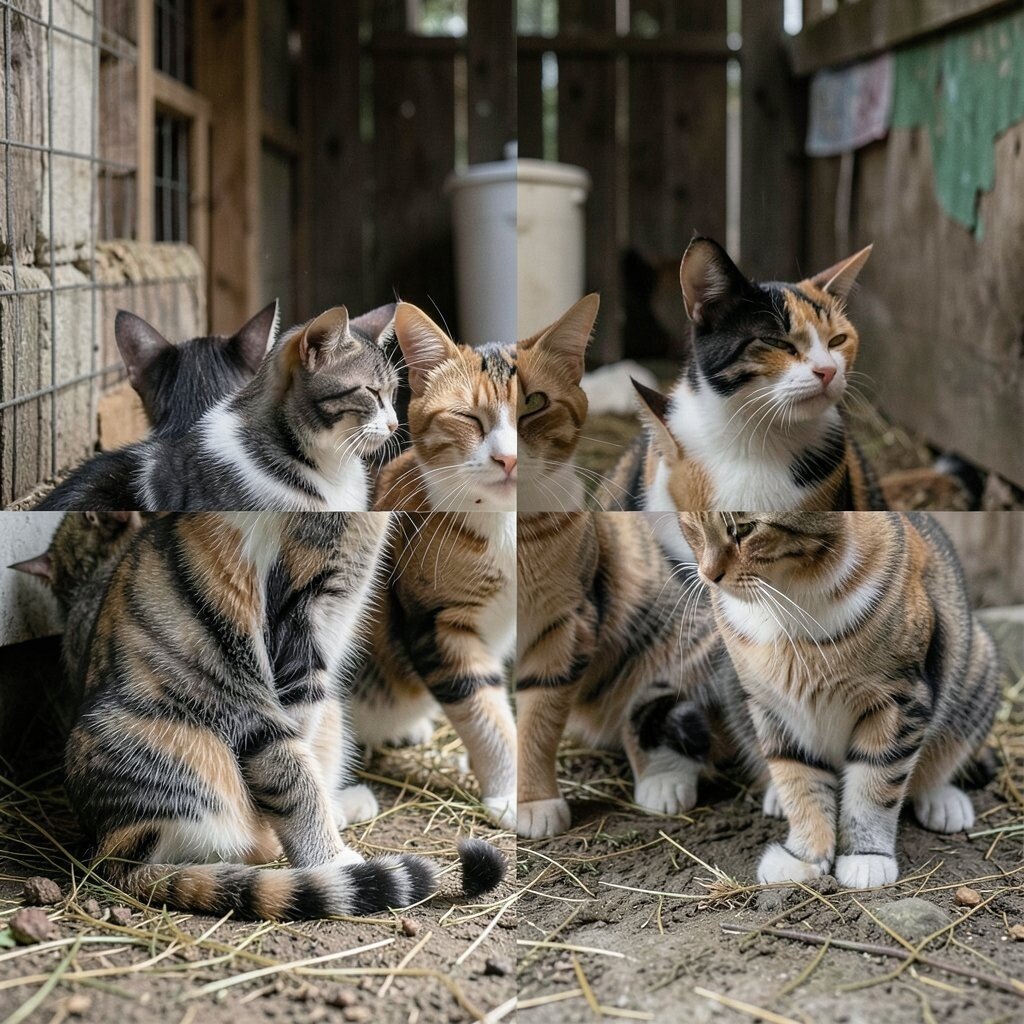
Some farms now use small indoor or outdoor camera setups to watch cats at a shelter spot. You can check if cats use the shelter, if fights happen, or if one cat avoids the area. It can give you clear info without chasing cats around.
If you try this, aim the camera so it does not scare cats with sudden flashes. Use night mode settings and keep the device safe from rain. Set viewing times for you, not for the cat.
This trend can also help you plan upgrades, like adding more water points or moving a bed. You learn what the cats actually do, not just what you guess. It can cost more at first, but it may help you make better choices later.