
Happy pets need things that keep their minds busy and their bodies moving. When you add small fun steps to daily life, you can lower stress and help pets feel safe.
1. Food Puzzle Toys
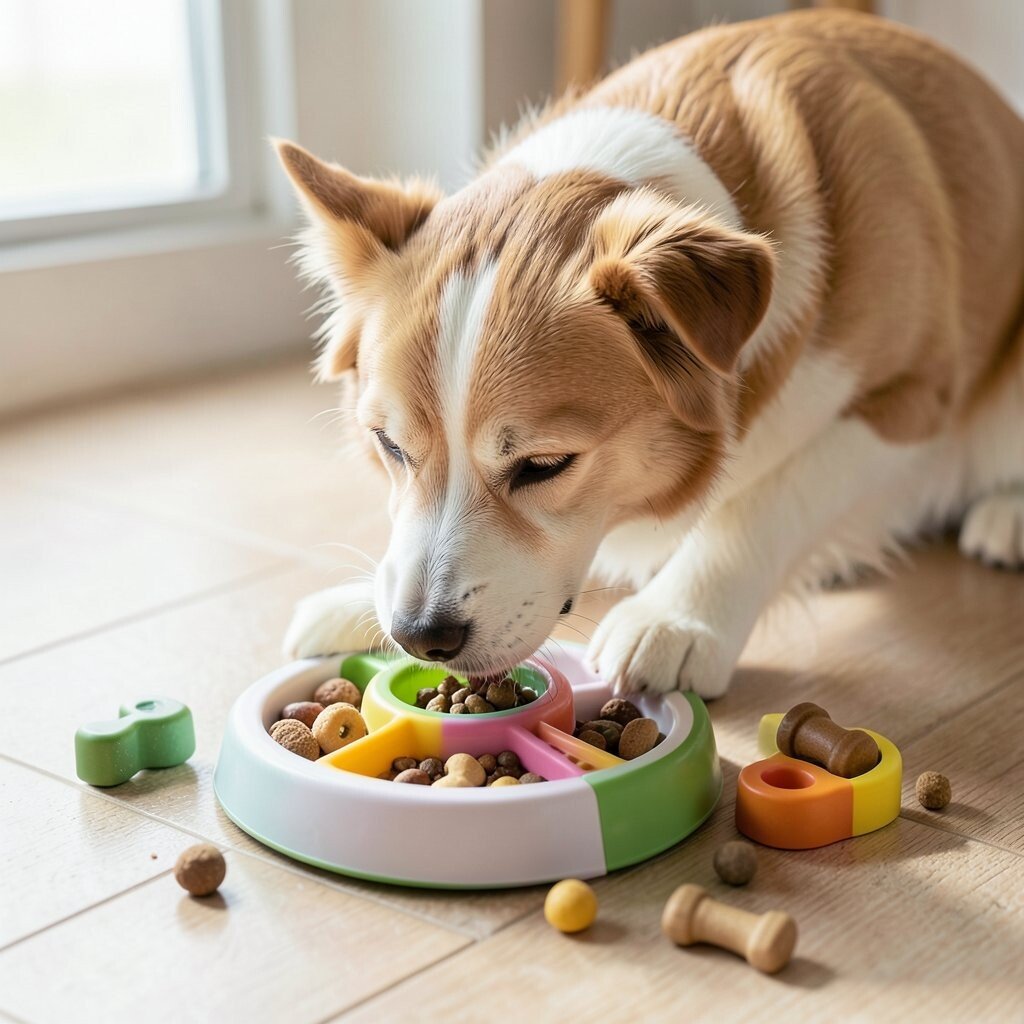
Food puzzle toys are toys where treats fit inside. A dog or cat has to work to get the food out. You may see your pet sniff, paw, and slow down to focus.
Many pets get calmer after they spend time solving the toy. This can help with boredom and chewing. For tips, start with easy puzzles and use smaller bits of food.
They are not always the cheapest option, but you can find many styles in stores. A trend right now is puzzle toys made for different chewing styles and sizes. You can personalize by using your pet’s favorite treats and adjusting the difficulty each week.
2. Hide-and-Seek for Treats
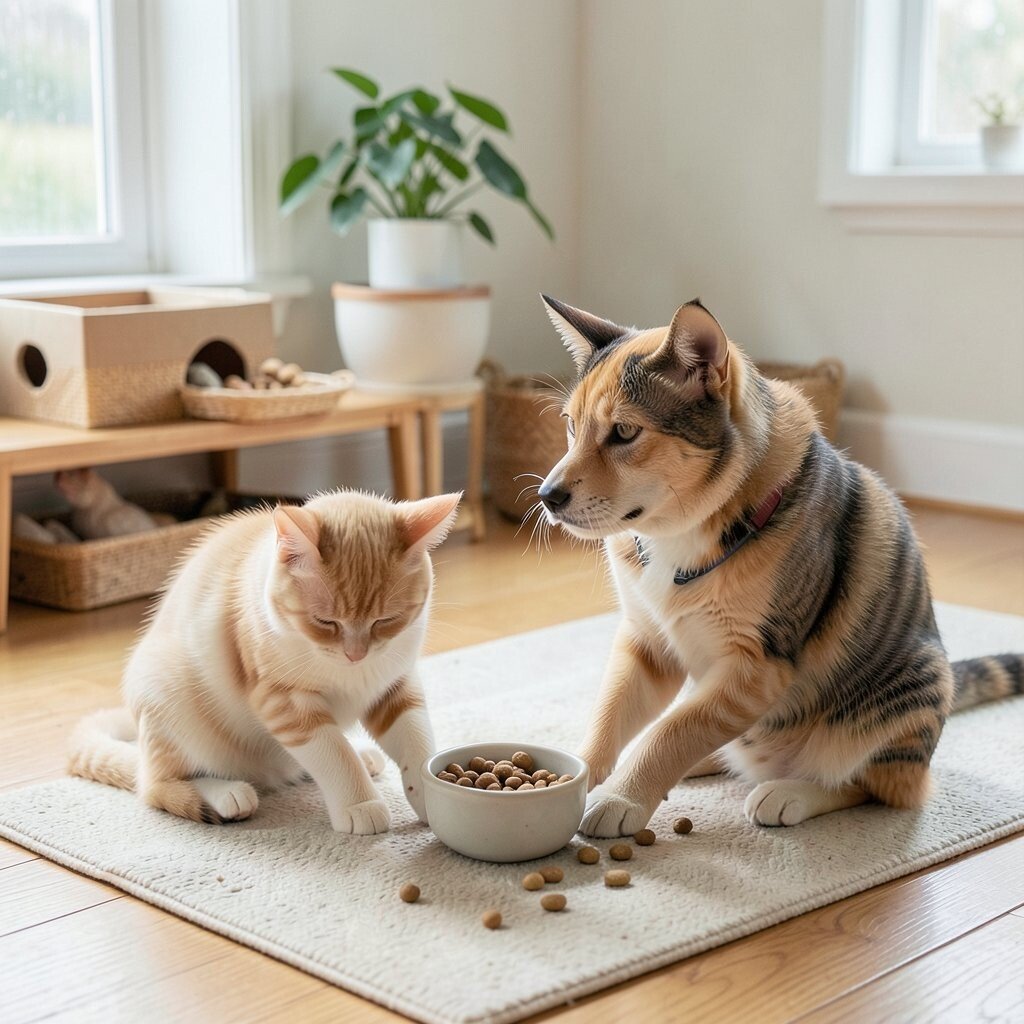
This idea is simple and works for both dogs and cats. Hide small treats in safe spots at home and let your pet search. You can use a mix of low and high hiding places to match your pet’s skill.
Searching helps pets use their nose and eyes in a good way. It also gives them a clear job, which can reduce restless energy. Tips: start in one room, then move to more areas as your pet learns.
Costs are low if you already have treats. You can also personalize by using scents your pet likes, like chicken or fish. Many families add this to rainy days because it does not need extra gear.
3. Short Training Sessions With Rewards
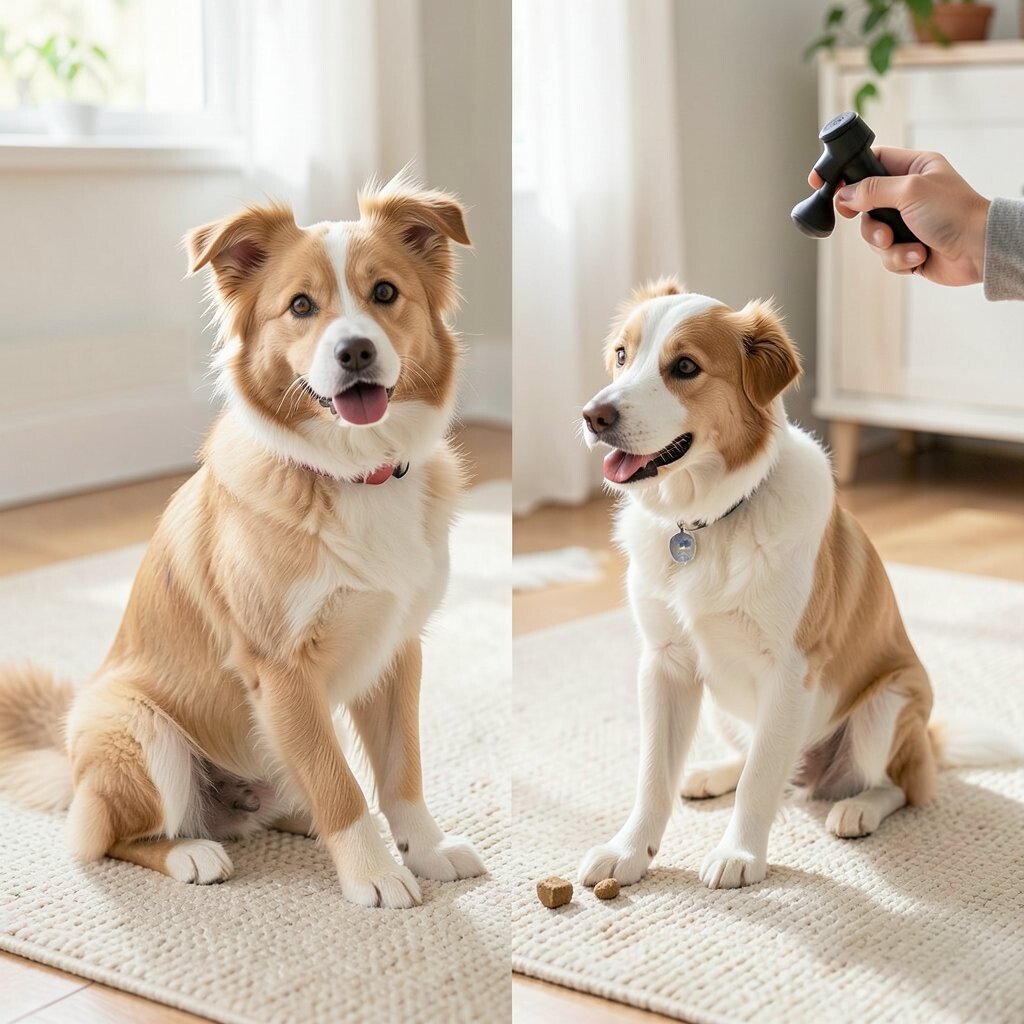
Training is a way to give mental work without long play time. Teach one simple cue at a time, like sit, touch, or come. You will often see your pet make eye contact and wait for the next step.
Benefits include better focus and fewer behavior problems. Training also helps pets learn your routine and feel secure. Tips: keep sessions short, end on a good note, and use small rewards.
You can do this with basic tools like treats and a calm voice. A trend is using clicker tools or marker sounds to keep training clear and fun. Personalize by choosing cues that match your home, like “stay” near the door.
4. Rotate Toys to Keep Interest
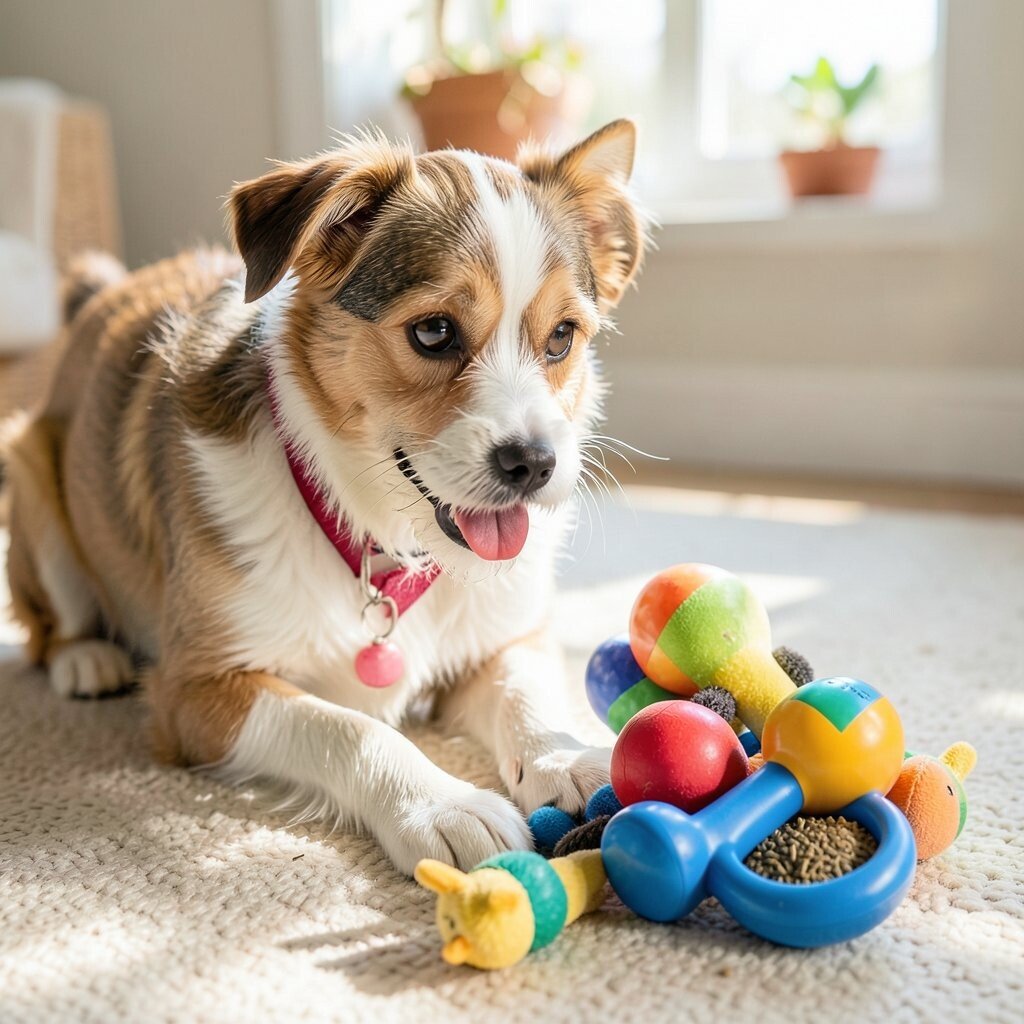
Many pets get bored with the same toy left out every day. Instead, you can store toys away and bring out only a few at a time. After a while, swap them so your pet sees something new again.
This helps keep play sharp and can make pets more excited when you offer a toy. It can also reduce over-worn toys that lose their fun. Tips: use a small set, like two or three toys, and rotate them every few days.
Costs stay low because you can use what you already have. A trend is “toy rotation plans” shared by pet groups online, with lists for dogs and cats. You can personalize by tracking which toys your pet likes most and changing the order.
5. Safe Chewing and Gnawing Options
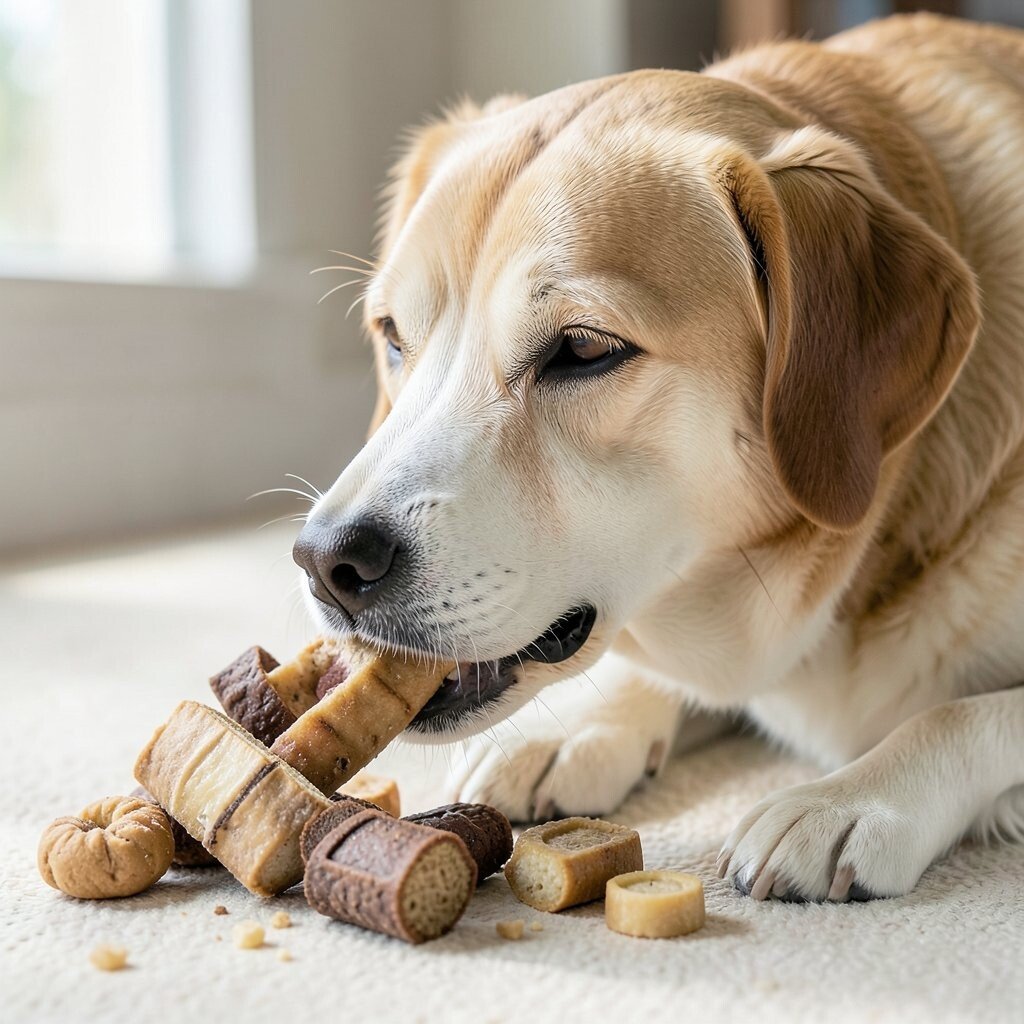
Chewing is natural for many pets, especially dogs. Give safe chew items that match your pet’s size and chewing strength. You might see slower pacing, quiet chewing, and less grabbing at household items.
This can help with stress and can support dental care when used the right way. It also gives pets a clear outlet for energy. Tips: always watch at first, follow the label, and swap out if the chew becomes too small.
Cost can vary, but many pet owners choose long-lasting options for better value. A trend is more choices for strong chewers, including tougher rubber and dental chew packs. Personalize by testing one chew type at a time so you find what works best.
6. Scent Games and Scent Walks
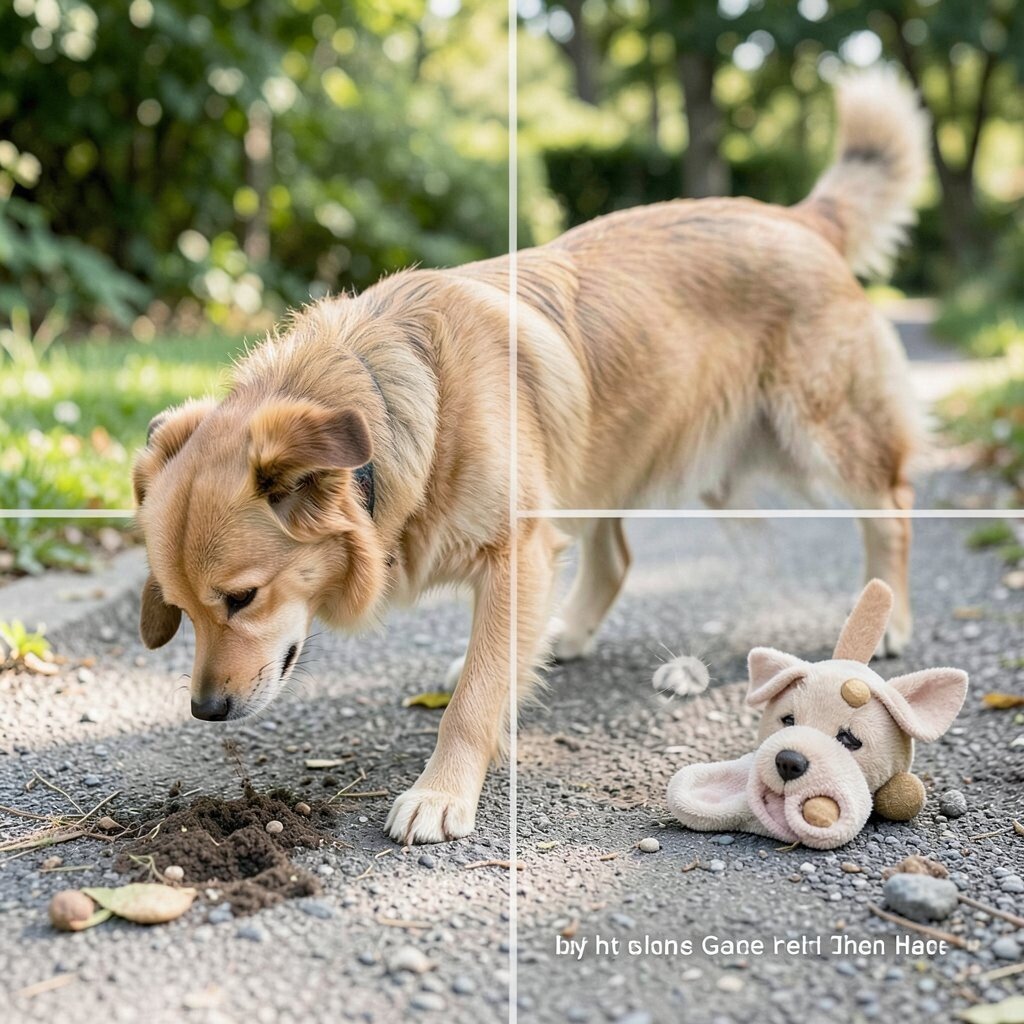
Scent work means using your pet’s nose to find hidden smells. For dogs, you can let them sniff more during walks and give a few short scent stops. You may see them slow down, raise their head, and focus on one spot.
Benefits include calmer walking and less frustration. Scent games also use the brain, which helps with rest later. Tips: pick safe areas, keep it short at first, and use a calm voice so your pet does not rush.
Cost is low because it uses time and space you already have. A trend is “nose work” sets and simple scent markers sold for at-home games. Personalize by choosing scents tied to your pet’s interests, like treats or a soft cloth.
7. DIY Tunnels, Boxes, and Climb Spots
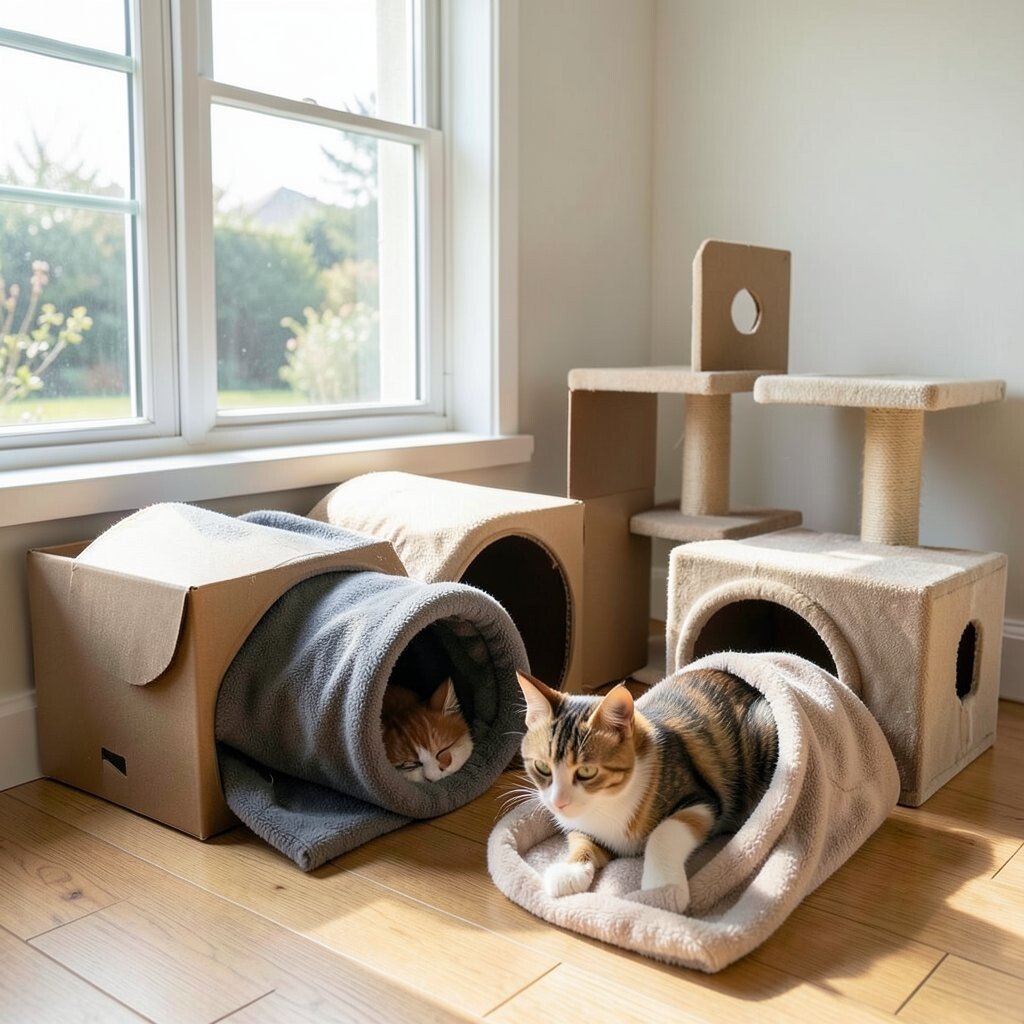
You can add simple play spaces with boxes, tunnels, and safe climbing areas. For cats, a cardboard tunnel or box with a doorway can feel like a new world. For small dogs, a blanket tunnel can work for quick fun.
These items help pets feel curious and can give them a safe place to hide. Benefits include less nervous pacing and more choice-based play. Tips: use sturdy boxes, add soft bedding, and keep openings safe and not too small.
DIY ideas can be very low cost. A trend is using cat shelves and simple perches made for small spaces. Personalize by placing the spots near a sunny window or a quiet corner your pet already likes.
8. Interactive Play With Wand Toys or Balls
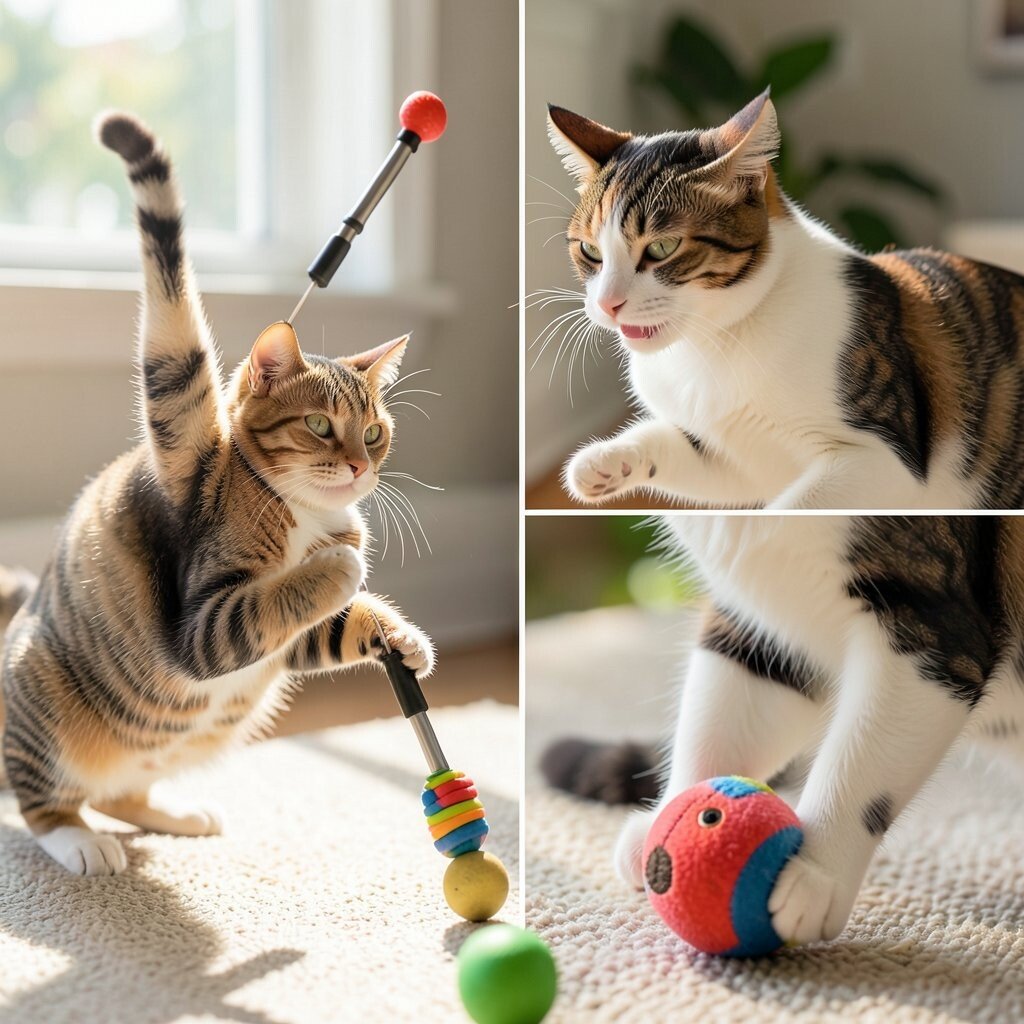
Interactive play means you move the toy and your pet reacts. Wand toys work well for many cats, and balls work well for many dogs. You may see fast jumps, gentle batting, and clear “ready” body language.
This helps build good bonds and uses energy in a fun way. It can also help with unwanted chasing if you guide the play right. Tips: use short bursts of play, then let your pet rest, and end before your pet gets too wild.
Costs can be low if you choose simple balls or basic wand toys. A trend is sturdy cat wands with replaceable parts so you can keep using them. Personalize by choosing toy size based on your pet’s grip and by using a schedule your home can handle.
9. Cat Litter Box Enrichment and Safe Scratching Areas
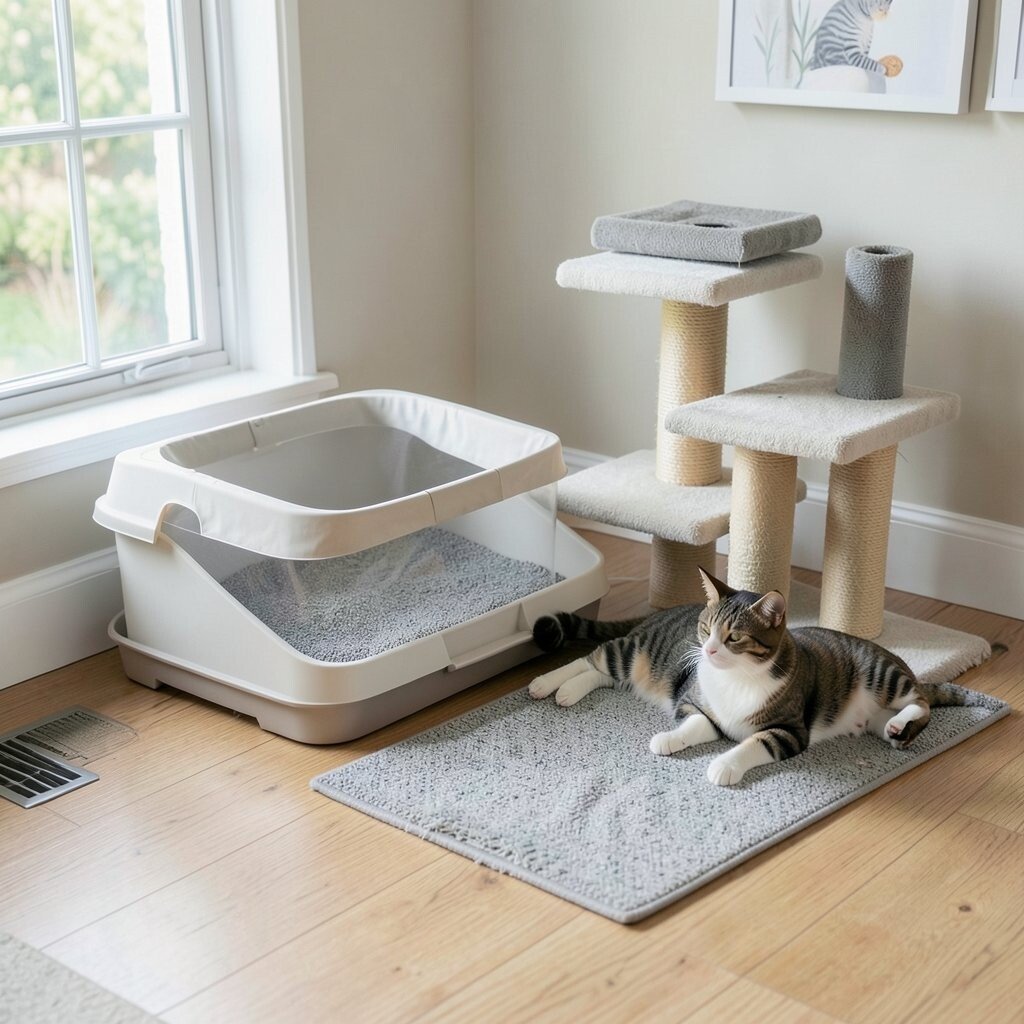
For cats, the litter box is not just for bathroom use. You can add options like a second box in a good spot, or a litter mat to help keep floors clean. For scratching, set up a sturdy scratcher near where your cat already likes to rest.
Good litter routines can lower stress and help cats feel in control. Scratching areas can protect furniture and give cats a safe way to stretch. Tips: keep boxes clean, choose a location with low traffic, and offer more than one scratching spot.
Costs depend on what you add, but it can be worth it for comfort. A trend is more “cat-friendly” home setups with extra boxes and multi-level scratching posts. Personalize by watching your cat’s favorite routes, then placing boxes and scratchers near those paths.
10. Brushing, Massage, and Gentle Handling Sessions
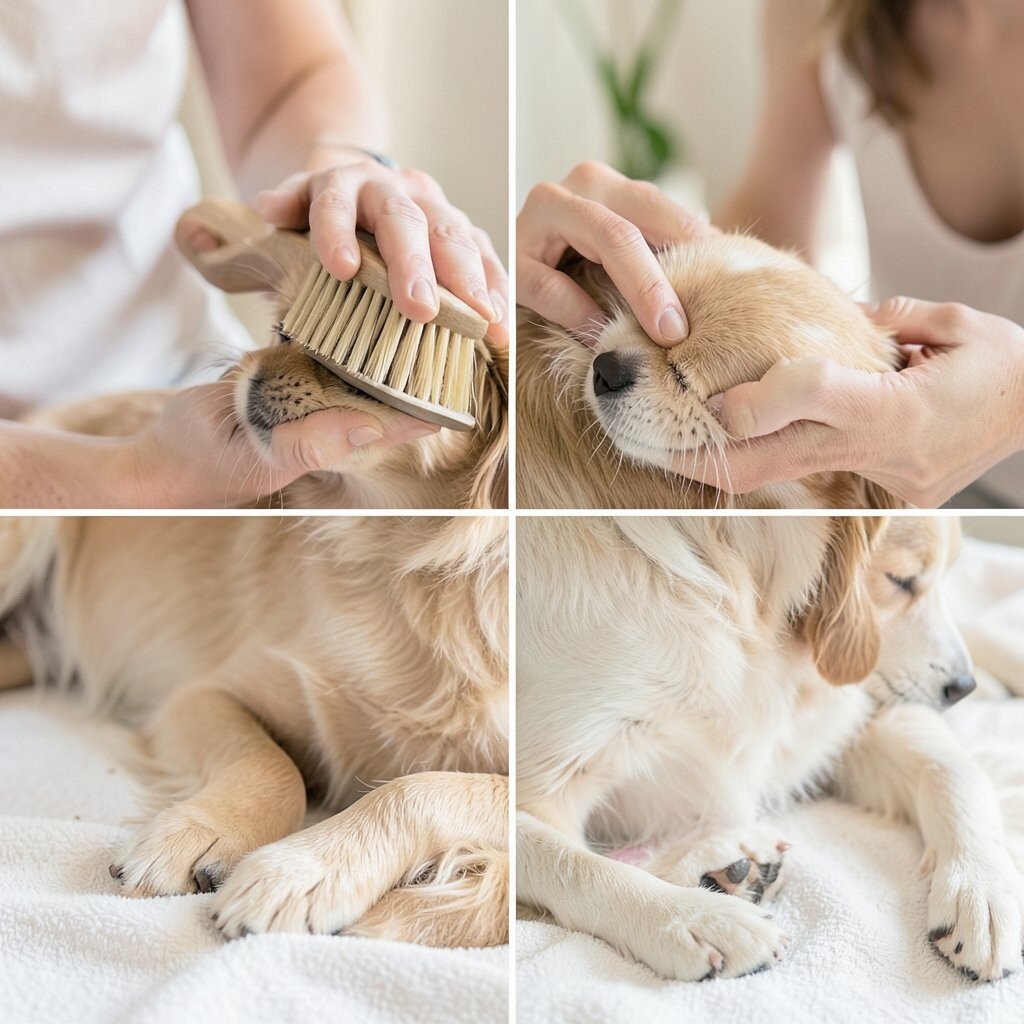
Grooming can be more than care. You can add short brushing or a gentle rub on safe areas for a calm, focused routine. You may notice your pet leaning in, slow blinking, or relaxing their body.
Benefits include less stress and better comfort during future grooming. It can also help you spot bumps, skin issues, or pain early. Tips: keep sessions short, use gentle tools, and stop if your pet shows signs of stress.
Cost is usually low if you already have a brush, comb, or soft cloth. A trend is “fear-free” handling, where owners go slow and use breaks. Personalize by choosing brushing days based on your pet’s coat needs and your pet’s comfort level.
11. Outdoor Time With Training and Safe Boundaries
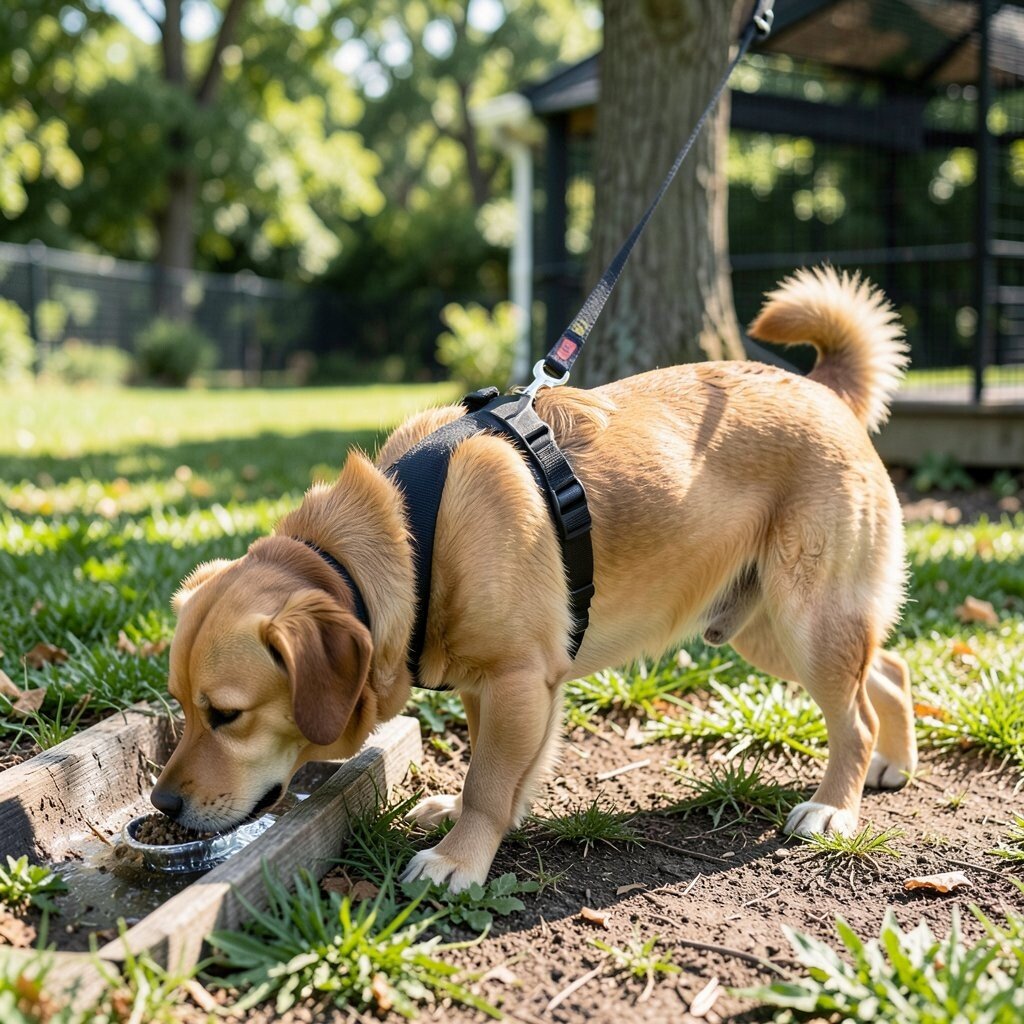
Outdoor time can be a big enrichment step when it is safe. You can use a leash for dogs or a secure setup like a cat enclosure if you have one. You may see your pet sniff more, look around, and enjoy safe space with less worry.
This can help pets burn off energy and feel curious about the world. It also gives mental variety that helps with day-to-day calm. Tips: start with short trips, use a harness or proper gear, and keep water nearby.
Costs can range from low to higher, depending on gear like harnesses or enclosures. A trend is more “safe outdoor time” setups for pets that stay close to home. Personalize by matching time to weather and by choosing routes that avoid loud crowds and scary sights.