Good habits help your day feel easier and more steady. You can start with small choices you can make today.
1. Start Your Day With One Simple Plan
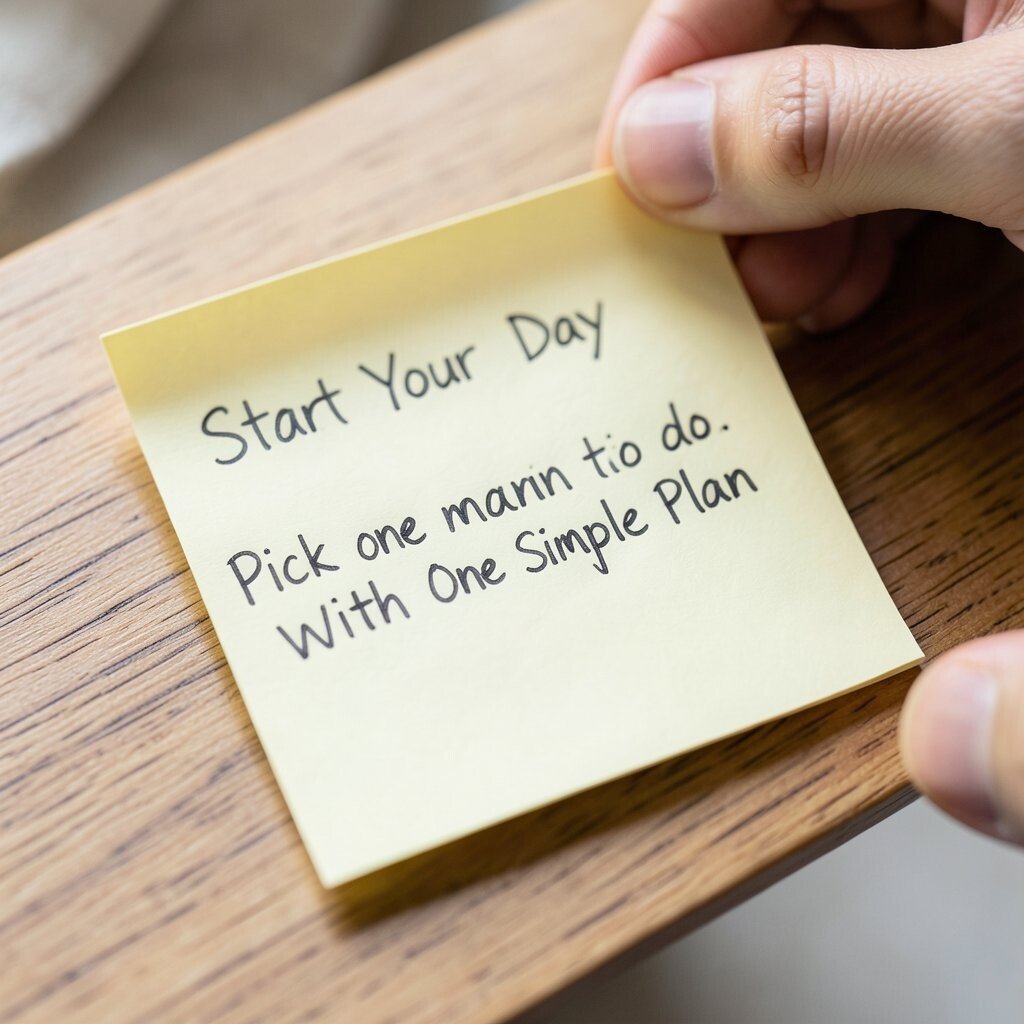
Before you check your phone, pick one main thing to do. Write it on a note or in your phone in a few words. Then look at it for a moment to help your focus.
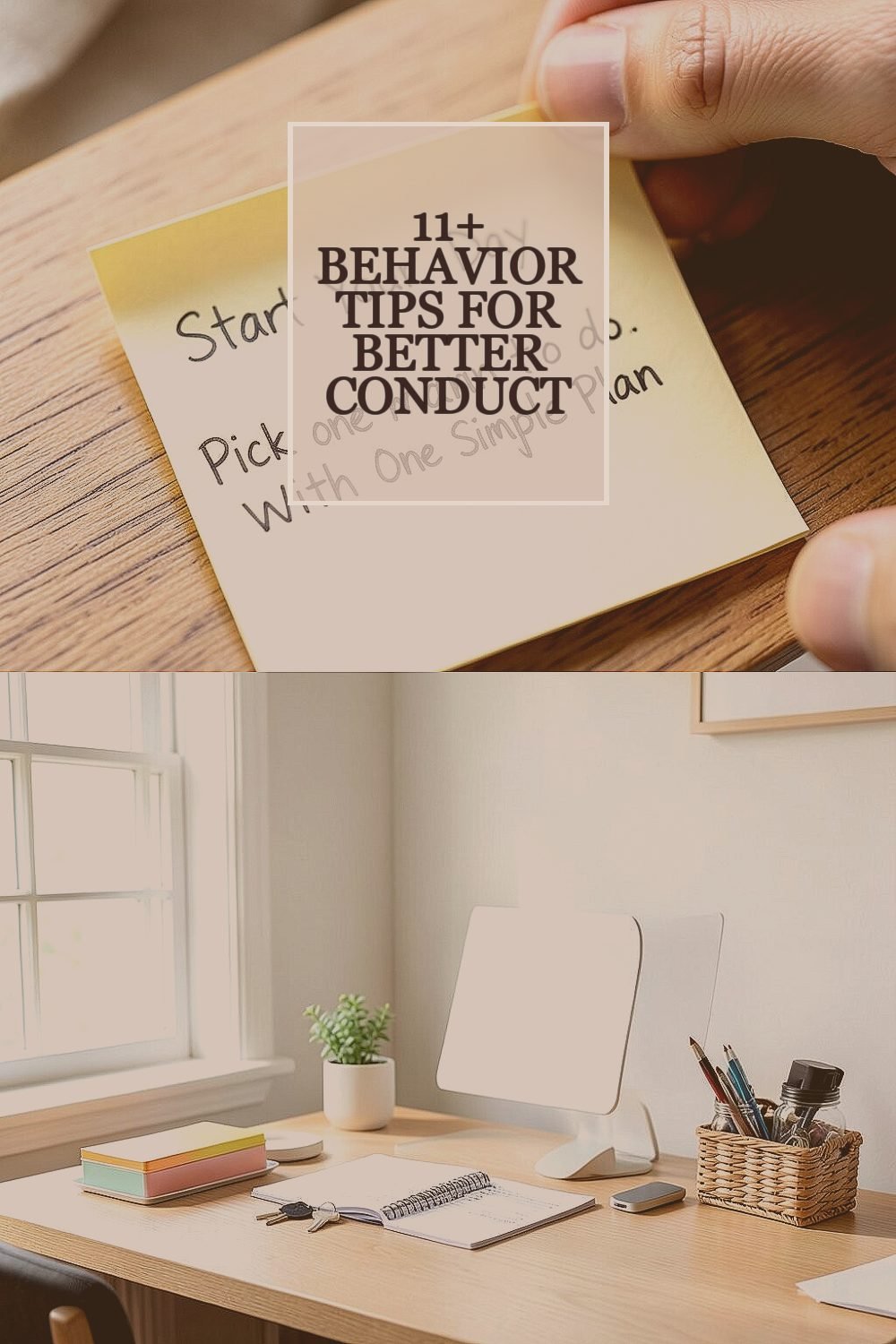
You can picture a sticky note on your desk with one clear task. This makes your mind feel less busy. You will also spend less time deciding what to do next.
2. Keep Your Space Clean Enough To Work

You do not need a perfect room. Just keep a small area clear so you can sit down and start. Put items back where they belong, like your keys or charger.
Think of your desk as a work zone with a tidy edge. A clean space helps you feel calm and ready. It also cuts down on lost time from searching for things.
If you want, make it personal with a color box or a small tray. You can use a jar for pens and a basket for small items. This can fit your budget and still look neat.
3. Use Short Breaks To Reset

When you feel stuck, take a short break. Stand up, drink water, or stretch your neck and shoulders. Set a simple timer so the break stays short.
Imagine you move away from your screen for a bit, then come back with fresh eyes. This can help your focus and your mood. It also helps you avoid getting tired too fast.
4. Choose One Way To Move Every Day

Movement can be easy and low cost. Try a short walk, light stretching, or a few easy moves at home. The goal is to get your body moving, not to do a hard workout.
You might picture yourself outside, taking a slow path near your home. You get fresh air and your legs wake up. Over time, this can help your energy and sleep.
Personalize it by picking a route you like or music you enjoy. If you prefer indoors, try a simple dance video or stair steps in small rounds. This fits many schedules and budgets.
5. Talk To People With Simple Kind Words

Use polite words in small moments, like “thanks” and “sorry.” When someone helps you, say it right away. When you need something, ask in a calm way.
In your mind, think of a friendly face and relaxed voice. Kind words can make talks feel easier. They also help you build trust over time.
You can try a trend that fits your life, like leaving a quick note for a coworker. A short message in a chat app also works. It costs nothing, but it can mean a lot.
6. Practice Listening Before You Answer

When someone talks, pause and really listen. Wait a moment before you reply, even if you feel ready. Try to repeat the main point in your head.
This can look like you nod and keep your eyes on the person. Good listening makes talks feel respectful. It also helps you avoid misunderstandings.
You can make it personal by using a short phrase like “I hear you” in your own words. This helps you show you understand without adding stress. It also keeps the talk on track.
7. Pick A Small Set Of Goals For The Week
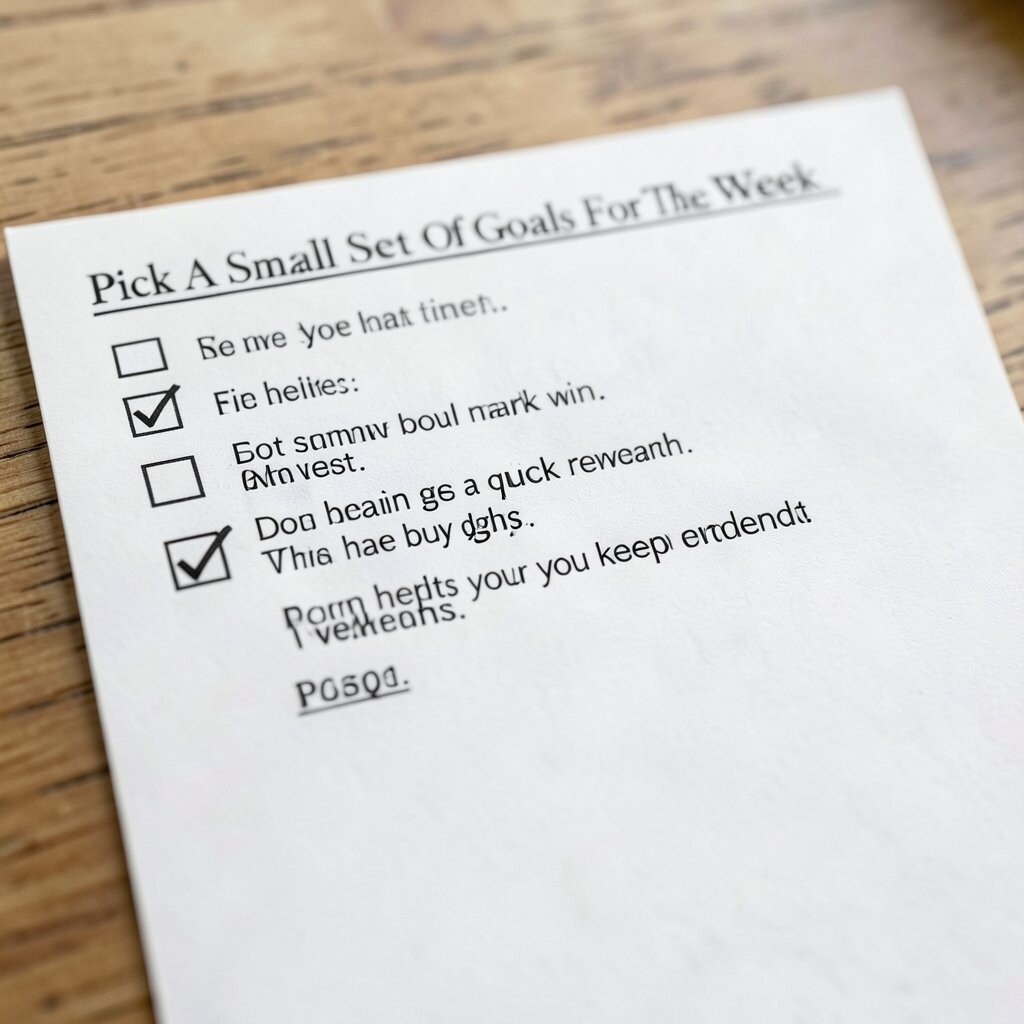
Instead of many goals, choose a small set for the week. Pick tasks that matter to you, like finishing a form or reading a few pages. Keep them clear and doable.
You might see a small list on paper with a check box next to each goal. When you mark a win, your brain gets a quick reward. This helps you keep going.
For personalization, match goals to your real time. If you have busy days, choose goals that fit. For example, do smaller tasks on weeknights and larger tasks on weekends.
8. Manage Your Phone Time With Simple Rules

Pick a few phone rules that feel easy to follow. For example, do not use your phone while you eat. Put it face down during work or study.
Think of your phone as a tool, not a toy you grab all day. When you set rules, you can focus better. You may also feel less tired from too much scrolling.
Try a budget friendly option like using a simple timer or screen limits built into your phone. You can also place the charger across the room. This small change can help you break bad habits.
9. Eat Simple Meals And Drink Enough Water
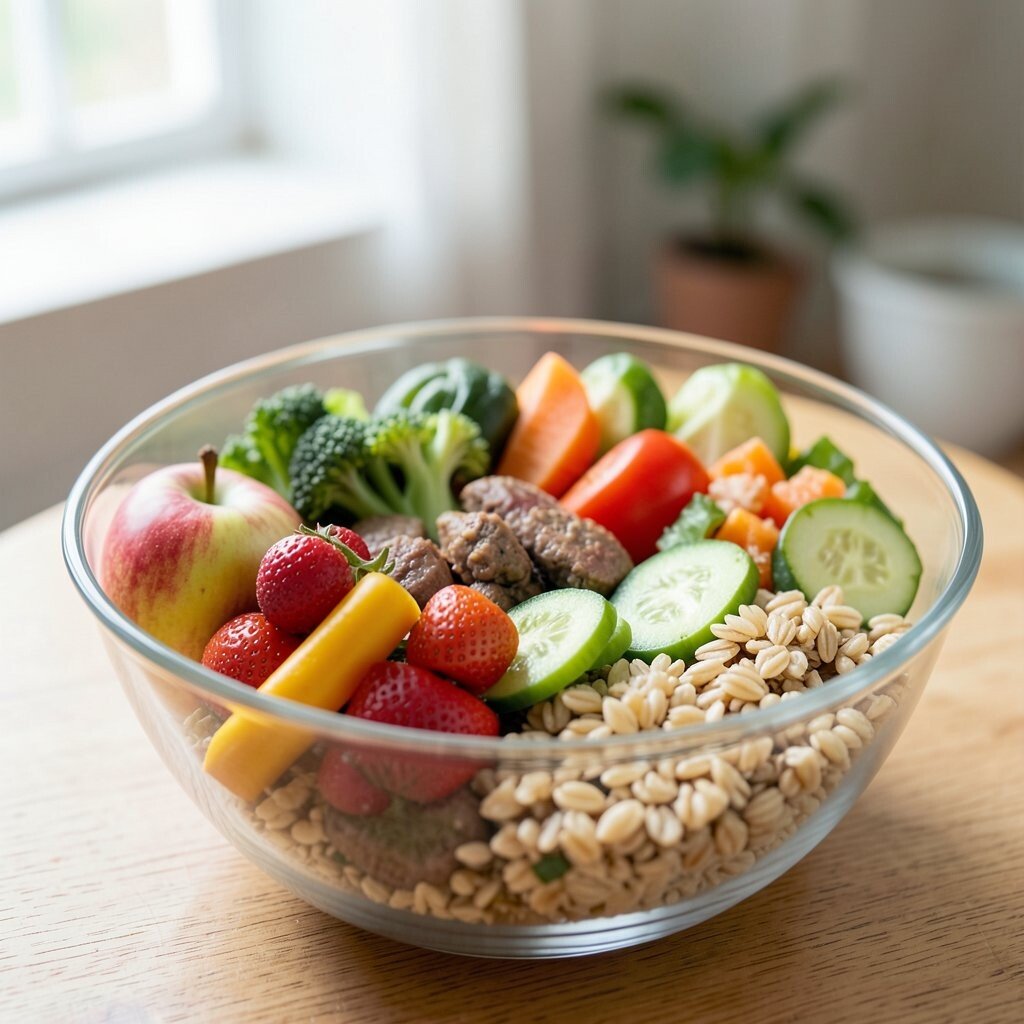
You do not need fancy food. Try to include a mix of foods like fruit, veggies, protein, and whole grains. Keep a few easy options at home for busy days.
Picture a clear bowl with colorful food, not just snacks. When you eat well, you feel steady energy. You also help your mood and focus.
For personalization, pick foods you already like and swap in one new item each week. You can start with one fruit, one veggie, or one new lunch plan. This keeps costs lower and reduces waste.
10. Keep A Daily “One Thing” Journal
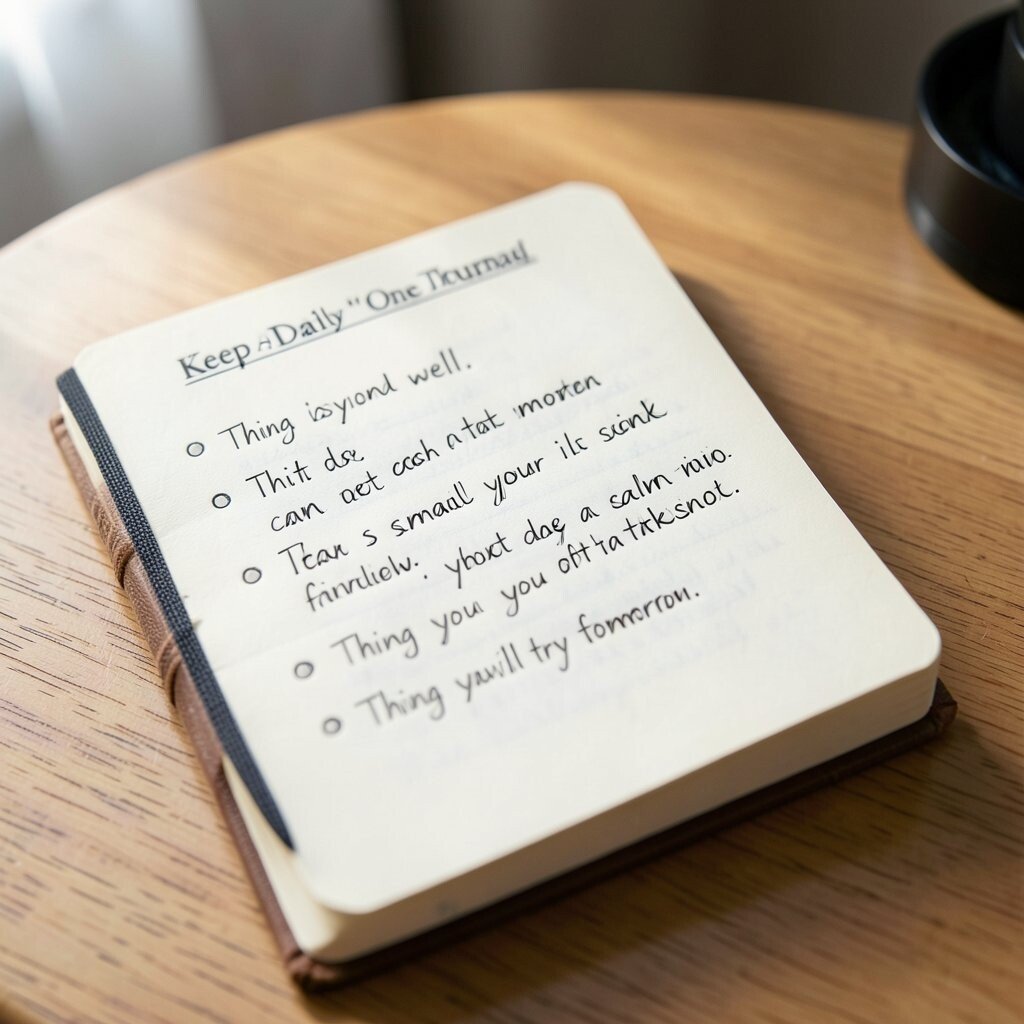
Write one thing each day that went well. It can be small, like a calm moment or a task you finished. Then write one thing you will try tomorrow.
You can imagine a small notebook on your nightstand. After a long day, the calm habit helps your mind slow down. It also helps you spot patterns in what helps you.
Make it personal by using your own style. You can write short lines, or just a few words. This is low cost, and it does not take long.
11. Sleep With a Simple, Consistent Routine

Try to keep your sleep and wake times close each day. In the last hour before bed, lower the lights and slow down. Keep your bed for sleep and rest.
Think of your room getting darker, with your phone set aside. A steady routine helps your body know when it is time to rest. Better sleep can improve your mood, focus, and patience.
For personalization, pick a small wind down you like. It could be reading a few pages, a warm shower, or gentle stretching. Keep it simple so it is easy to repeat.
12. Fix Small Mistakes Fast
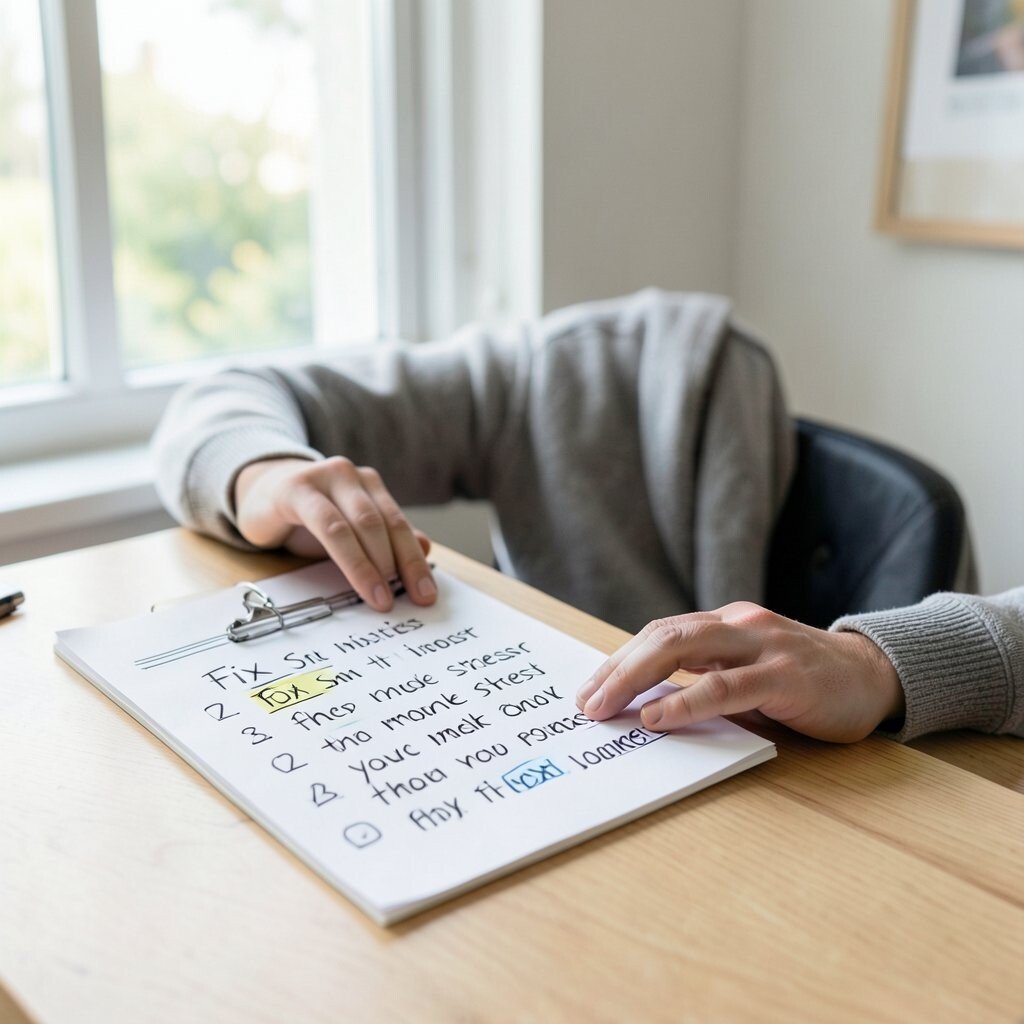
If you make a mistake, do not wait too long to fix it. Own the issue in a calm way, then make a clear next step. This helps you move forward with less worry.
You might see a note on your calendar to follow up or correct a plan. Quick fixes can reduce stress for you and others. They also help you learn without blame.
Try a simple trend that fits this idea, like using a checklist. A checklist for work or chores helps you catch errors early. You can make one for your routine with paper or a free app.