ID tags can help people know who you are when something scary happens. They also make it easier for loved ones to reach you fast.
1. Sew-On Clothing Tag
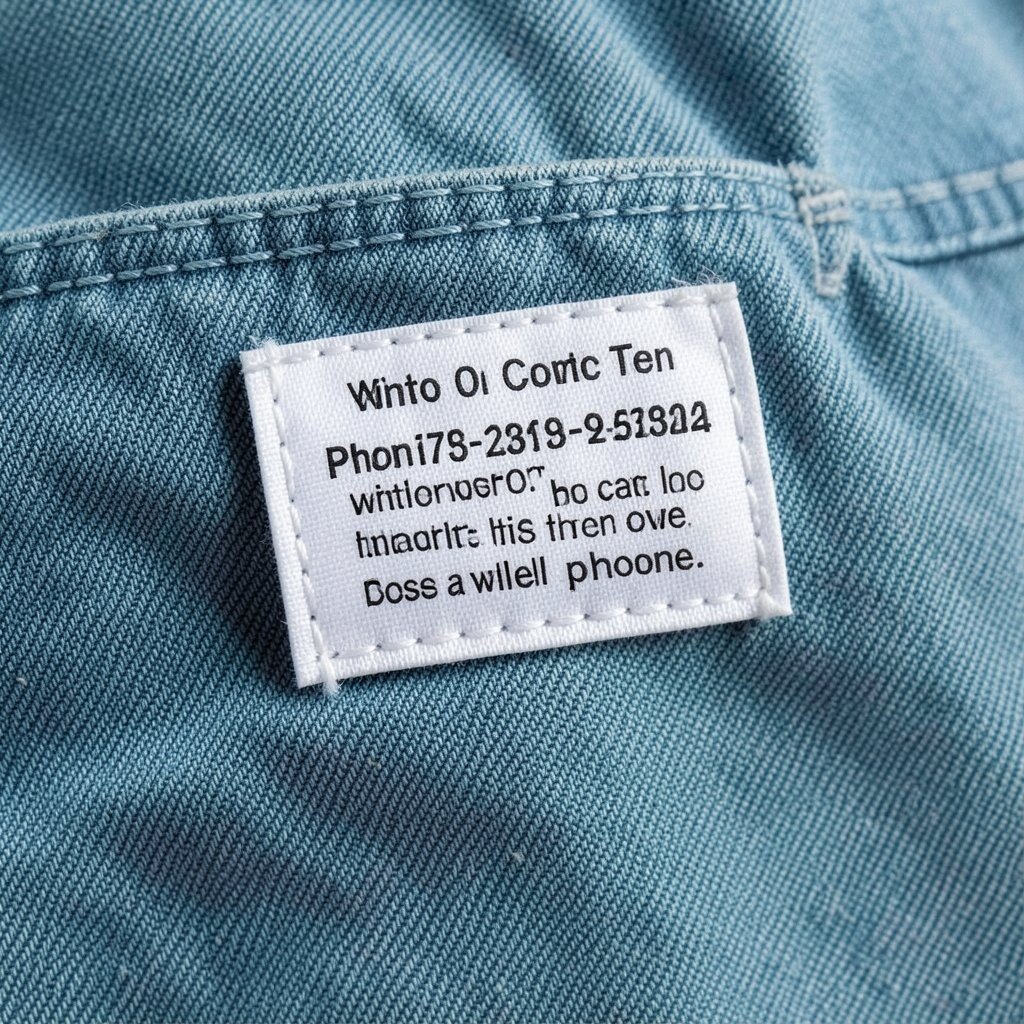
A sew-on tag is a small piece of fabric that you stitch into a shirt, jacket, or bag. It usually has a name and a contact method in clear text. You might see a neat rectangle of fabric inside a seam, with the letters lined up so they are easy to read.
This idea can keep info safe because the tag is part of the item. It can last through many washes, so it is good for kids and adults who move a lot. A good benefit is that the tag stays in place even if a person loses a wallet or phone.
For tips, pick a fabric label that holds up to water and heat. Add a simple phone number and a backup contact. For cost, this can be low, since basic labels and thread are not expensive. To make it personal, use a font style you like and choose a thread color that stands out inside the seam.
2. Waterproof Tag for Outdoors
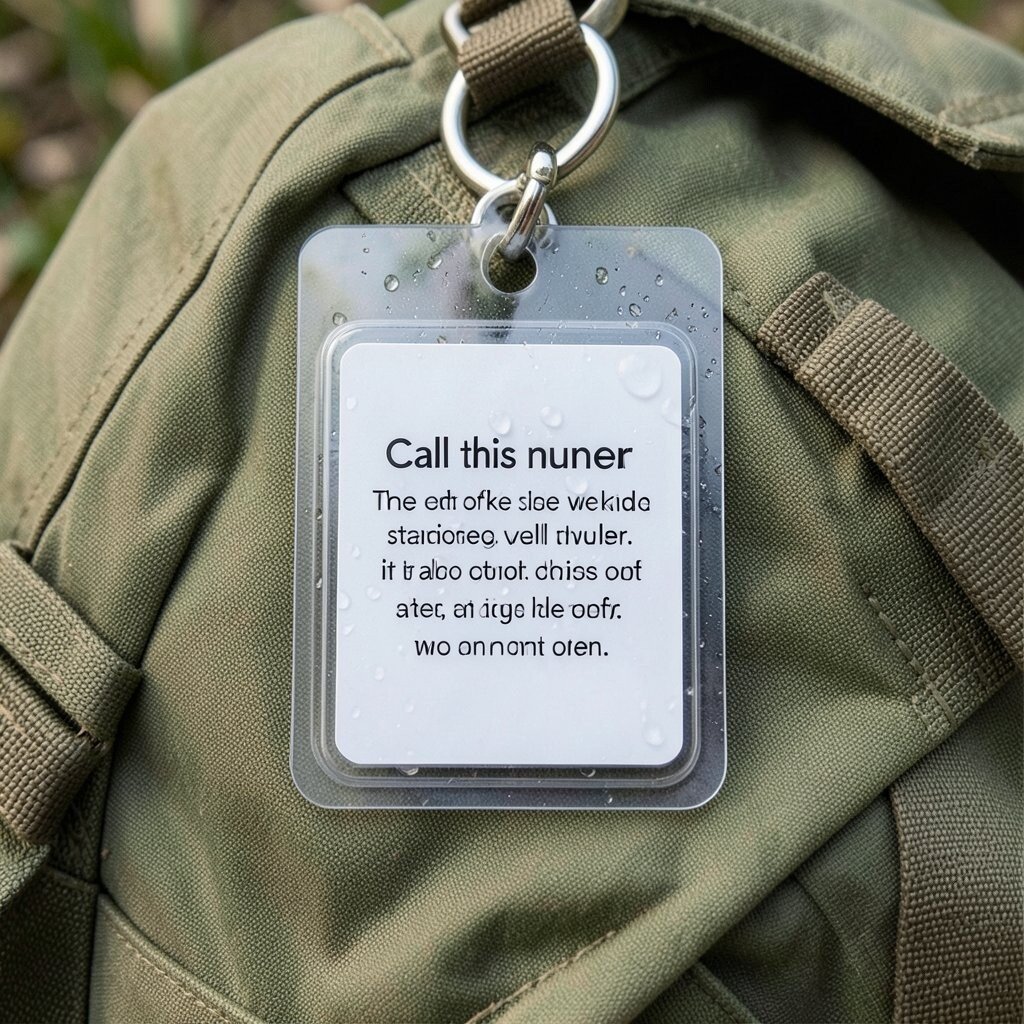
A waterproof tag can be made on a plastic card, a laminated sticker, or a small waterproof sleeve. It works well for camping trips, beach days, and rainy commutes. The tag may look like a clear window, with text under it so it stays readable even when it gets wet.
This idea is useful because weather can ruin plain paper tags. When the tag stays readable, it can help staff or kind strangers call the right number. It is also a good choice for pets, hikers, and anyone who spends time outside.
For tips, place the tag where it will not rub off, like on a sturdy part of a bag or a strap. Keep the message short, such as “Call this number” plus the name. For trends, many people now use small weatherproof labels because they fit on backpacks and key chains. It can cost a bit more than basic labels, but it may save you from replacing it often.
3. QR Code Tag With a Simple Link
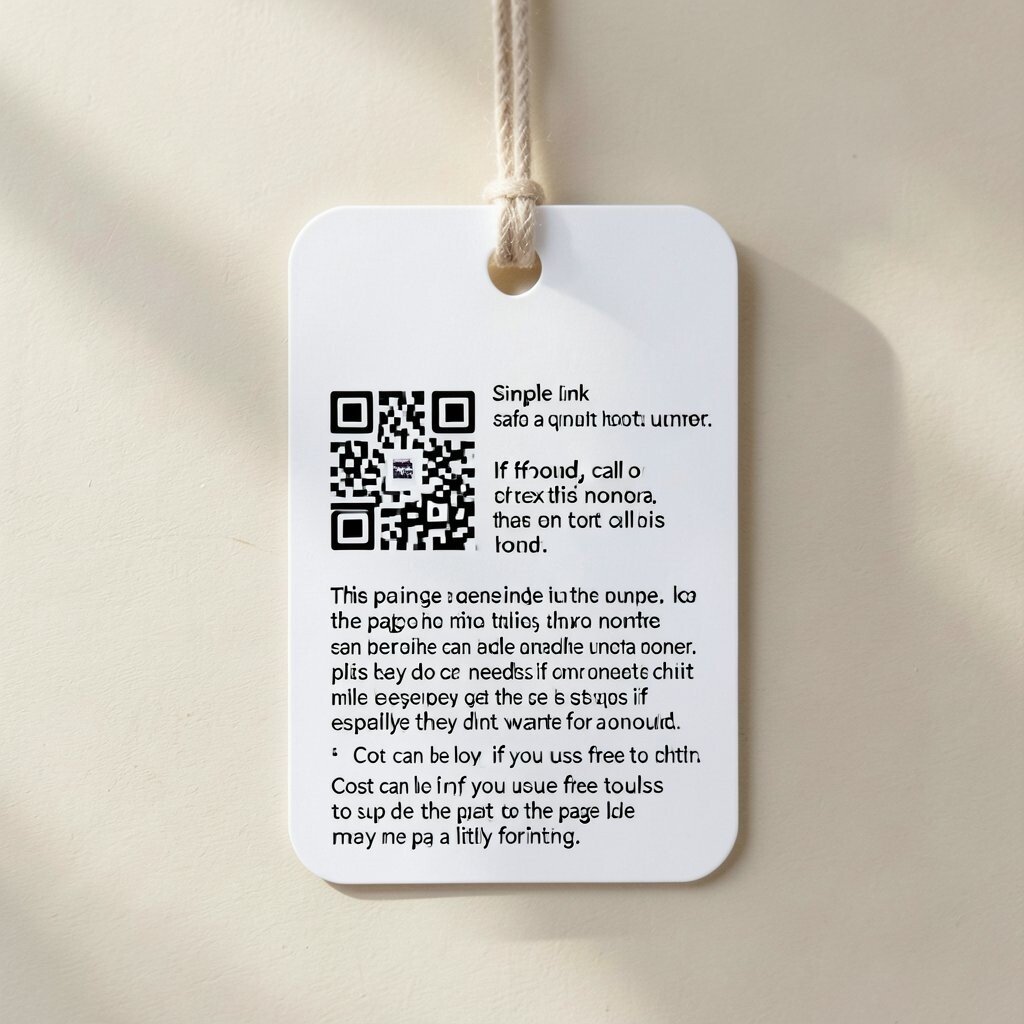
A QR code tag uses a square pattern you scan with a phone. When someone scans it, it can show a page with your name and a safe contact plan. In real life, the tag looks like a small label with black and white blocks next to plain text.
This can be unique because it gives more info than a short number. A QR page can include an extra note like “If found, call or text this number” plus key care needs. The benefit is that it can help people get clear steps fast, especially if they do not want to call out loud.
For tips, keep the page simple and make sure it loads quickly on phones. Add a short “If found” message on the tag too, not just the code. For personalization, use your own wording and add the right details, like allergies for a child or medical needs for an adult. Cost can be low if you use free tools to set up the page, but you may pay a little for printing.
4. Keychain Tag With Back-Side Info
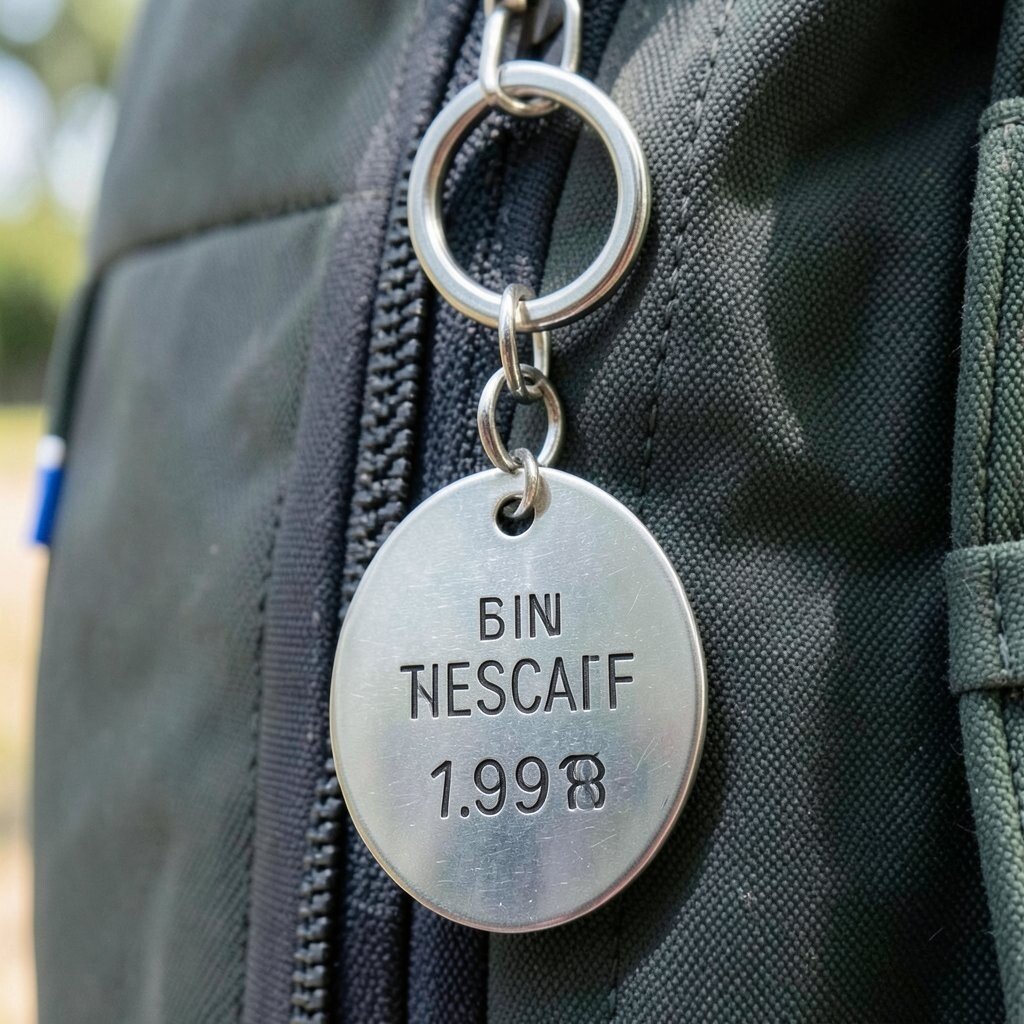
A keychain tag is a small item that hangs from keys, a backpack zipper, or a lanyard. It can have a front side for a name and a back side for a phone number. Often you will see a round or oval tag, with clear letters that do not fade quickly.
This works well because keys are easy to spot and people often notice them first. It can help loved ones reach you if you lose your bag or step into a store and come back later. A big benefit is that the tag can be seen without opening anything.
For tips, pick a tag that is tough and has holes that hold up. Write the number in a big, clear font and avoid tiny text. For cost, keychain tags are usually not pricey. For personalization, add a small color sticker, like a blue stripe, to match a bag or school item. A trend is using metal tags with simple engraving because they can look neat and last a long time.
5. ID Tag Bracelet for Kids and Teens
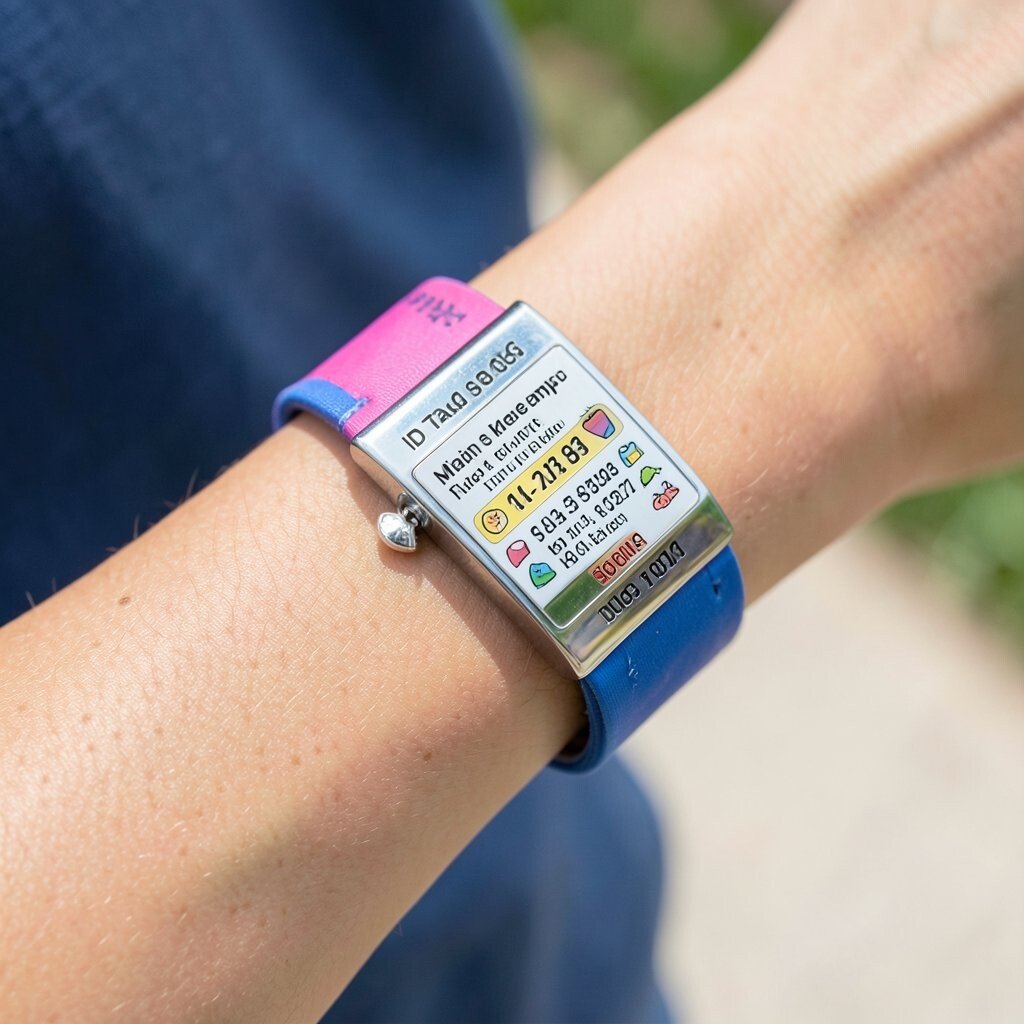
An ID bracelet is worn on the wrist and can show a name and a contact number. Some bracelets are soft bands, and others look like a small metal band. You may notice a small plate that reflects light, with letters and numbers on the top.
This idea helps loved ones because a bracelet stays on a person’s body. It is useful at school, camps, and trips when a phone may not be with them. A key benefit is that it can be checked fast by staff, police, or first responders.
For tips, use a tag that closes tight and fits the right size. Add your main phone number and one backup number. For personalization, pick a color the child likes and add a small charm that matches a hobby. Cost can vary, but many basic options are affordable. A trend is adding bright colors and simple icons so the tag looks friendly, not scary.
6. Pet Collar Tag With Health Notes
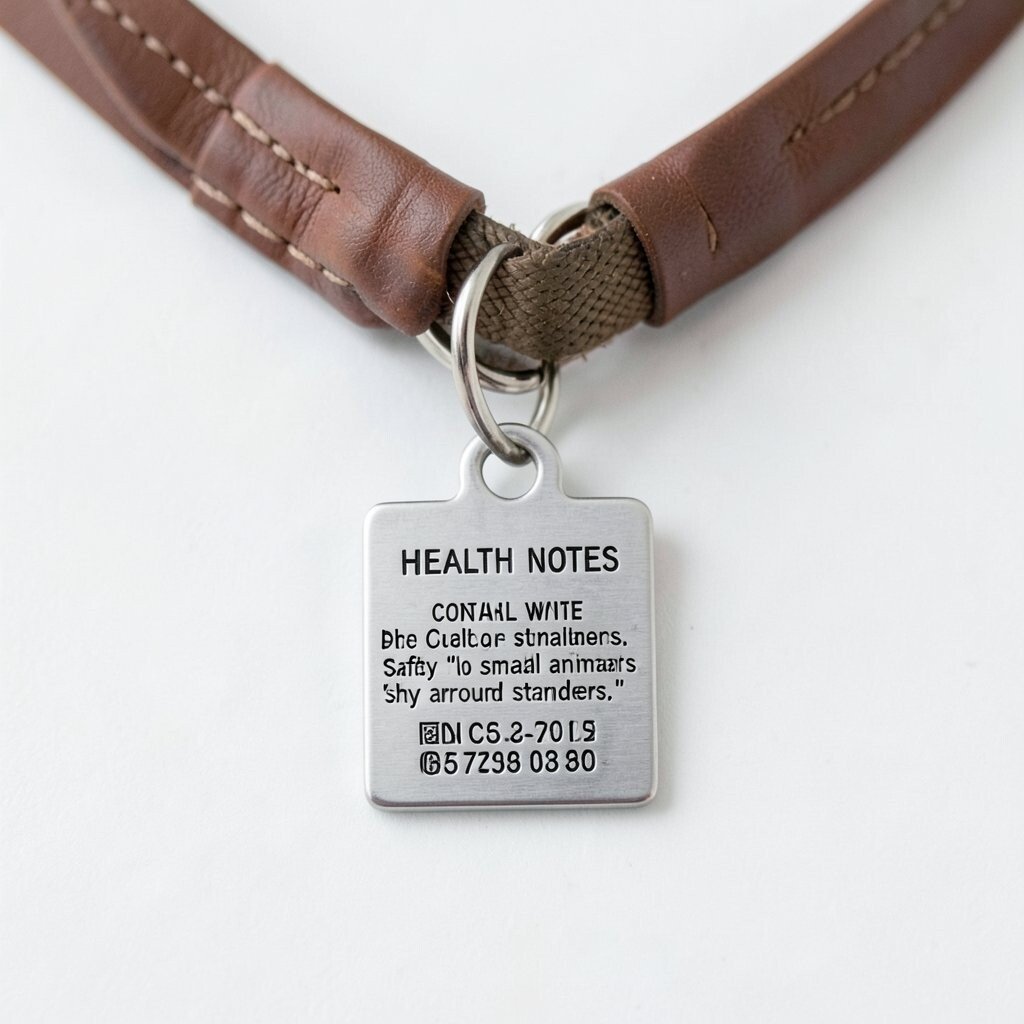
A pet collar tag is like a mini ID label made for a dog or cat. It often includes the pet name and a contact phone number for the person who owns the pet. Visually, it can be a small metal tag with the name stamped, hanging from the collar.
This can keep loved ones safe too, because a lost pet can lead to a worried search. When the tag is readable, it can help a finder contact you quickly. It also supports safety by showing important notes, like a short “no small animals” or “shy around strangers” message.
For tips, double-check that the tag is on a solid collar and that it cannot slide loose. Keep the message short so it is easy to read at a glance. For personalization, add the pet’s name and your own work or cell number. Cost is often low to medium, and many people choose metal tags because they hold up well. A trend is adding QR codes on pet tags so a finder can see updates and current contact info.
7. Backpack Tag for School and Travel
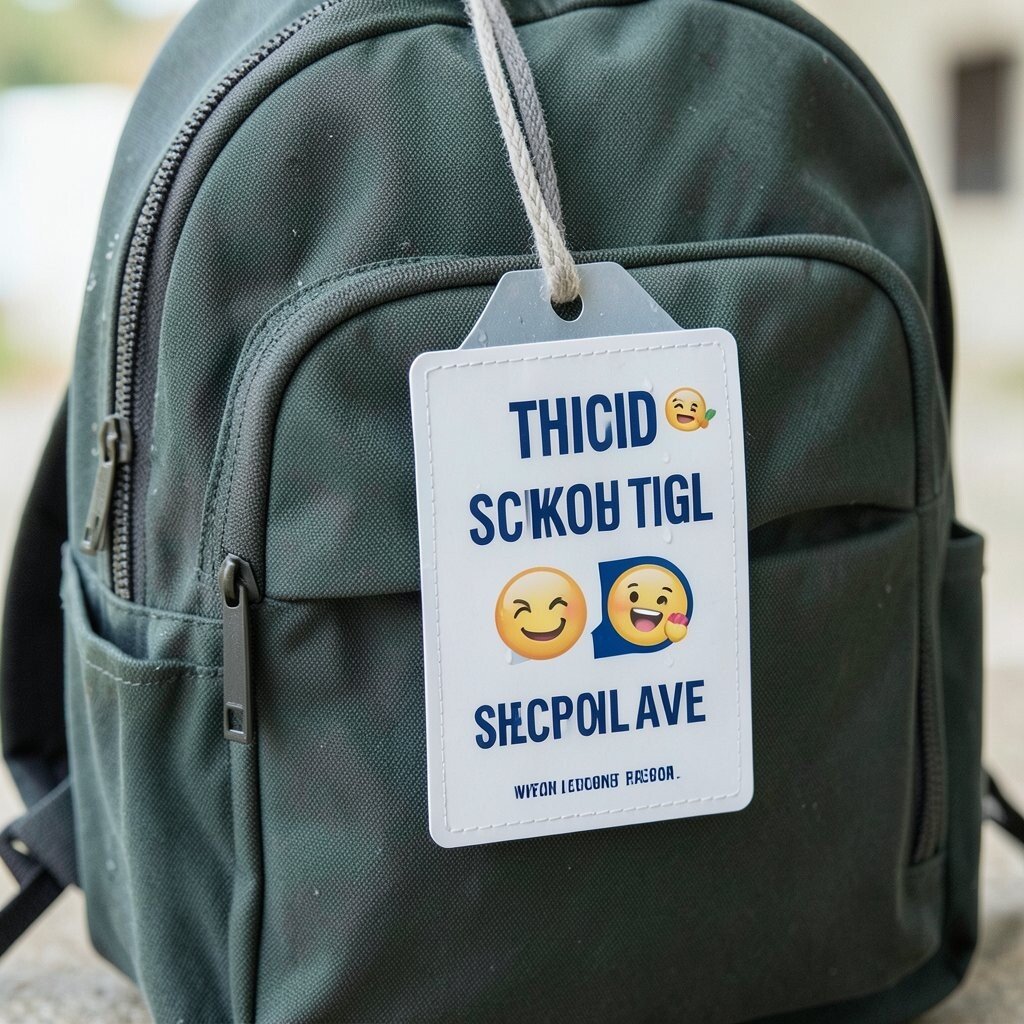
A backpack tag is a label placed on the outside of a bag, usually near a pocket or zipper. It can show a name and contact method in big text. You may see a laminated sticker or a fabric tag with stitching, placed where it will not get hidden.
This idea is helpful because backpacks travel with a person all day. If a bag gets mixed up or left behind, the tag can help staff return it. The benefit is that it gives clear help without needing to open the bag.
For tips, place the tag where it stays visible in most situations. Use weatherproof ink or laminate so it can handle rain and sweat. For personalization, add a school nickname, a simple emoji, or the class color. Cost can be low, especially if you print tags at home or use simple label makers. A trend is using larger labels with bold text since they stand out from other bags.
8. Wallet Card With “If Found” Contact
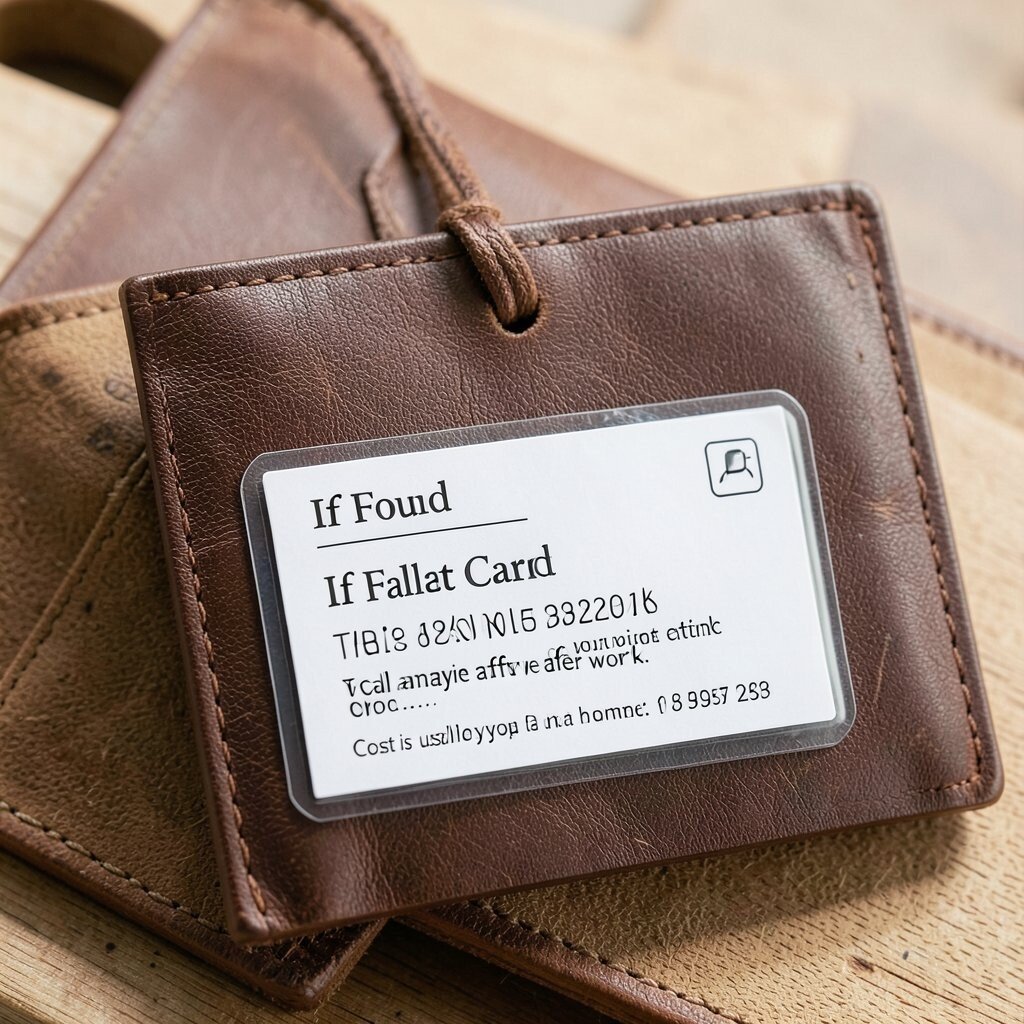
A wallet card is a small paper or plastic card kept inside a wallet. It lists your name, a contact number, and a short “if found” message. It can look like a thin card with a clear layout and a small phone number printed in the corner.
This can be useful because people often check wallets when they find them. If your wallet is lost, the card can help someone reach you without guessing. The benefit is that it stays with you, even when other items are missing.
For tips, keep the card updated and remove old numbers. Use a plastic sleeve so it does not bend or tear. For personalization, add a short line like “Text is ok” or “Call anytime after work.” Cost is usually low because you can make it at home and print it. A trend is using simple, clean cards that look like ID style cards, so they feel clear and official.
9. Medical Alert Style Tag for Needs and Allergies
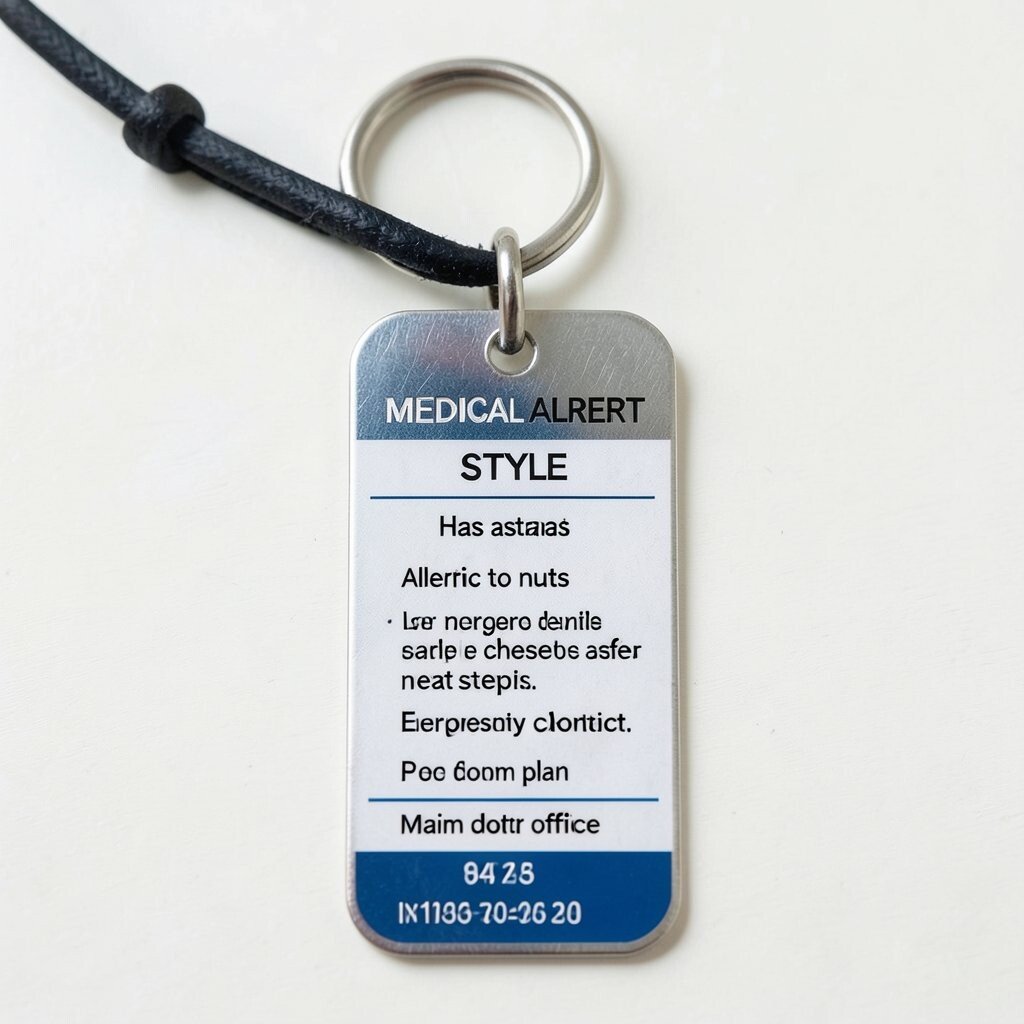
A medical alert style tag is for people who may need special care, like allergies or health limits. It can include a short note such as “Allergic to nuts” or “Has asthma” plus a contact plan. Visually, it may look like a stamped metal tag or a neat printed label with clear headings.
This is a safety step because it gives key info to others fast. In an urgent moment, clear details can help people choose safer next steps. The benefit is that it can lower confusion for loved ones, staff, or emergency teams.
For tips, use plain language and keep it very short, so it can be read quickly. Add one emergency contact and a main doctor office number if you want. For personalization, match the tag to the person’s daily style, like a simple black band or a bright color. Cost can be medium, since these tags often cost more than basic labels. A trend is using small tags that fit on a bracelet or keychain while still listing the top needed details.
10. Emergency Contact Tag on Lanyards
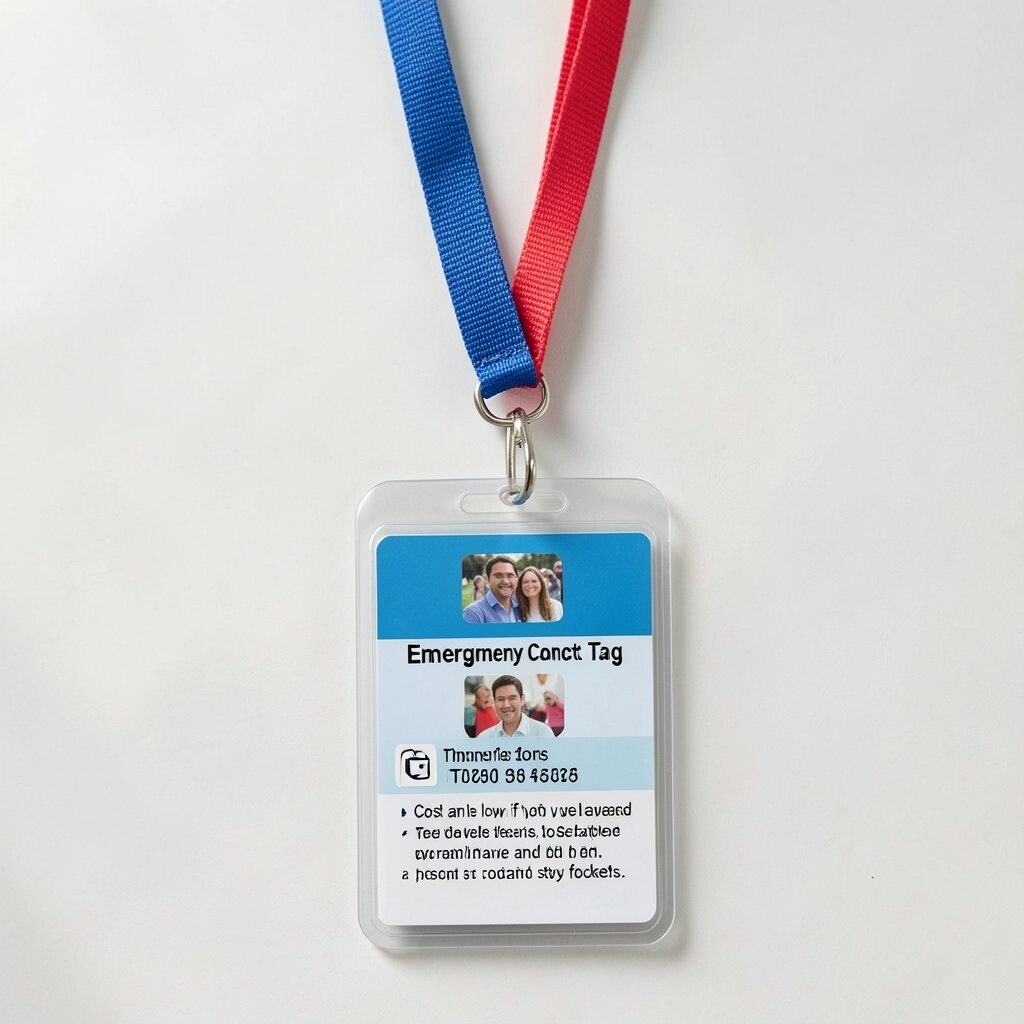
A lanyard tag is worn around the neck or attached to a badge. It can show a name and a phone number on a small card or sleeve. You might see a clear plastic cover with a photo area, plus a printed contact line.
This idea helps because it keeps info near the chest, so it is easy to spot. It can be useful for events, school days, camps, and visits to new places. The benefit is that staff and helpers can read it without asking the person to dig through pockets.
For tips, pick a lanyard that is comfortable and not too long. Use strong clips so it does not fall off. For personalization, add a color that stands out in a crowd and match it to a group theme. Cost can be low if you use a lanyard you already have and add a new insert. A trend is swapping badge cards often, so the contact info stays fresh.
11. Family Photo Tag With a Back-Side Plan
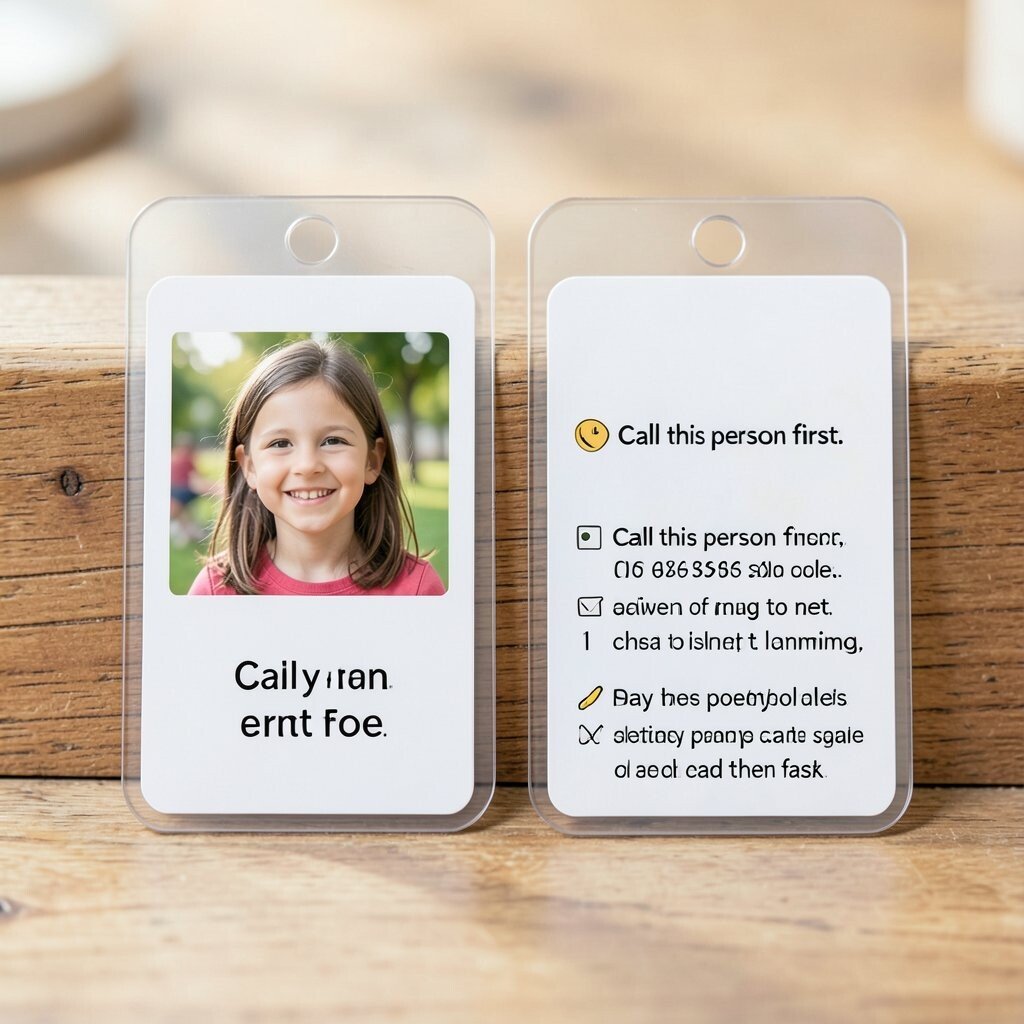
A family photo tag uses a small picture on the front and a contact plan on the back. The front can be a small photo card or an image printed on a clear label. The back can show a name, a phone number, and a short step like “Call this person first.”
This can feel unique because it helps a finder recognize who the person is, not just a name on paper. It can also help loved ones because the tag can include a clear plan for what to do next. The benefit is that it gives both a face and a way to contact the right person.
For tips, use a clear cover so the photo and text do not smear. Keep the front simple and the back text big enough to read quickly. For personalization, choose a photo that looks like the person and matches their usual look. Cost can be low if you print at home, but you may spend a little on clear holders or laminating. A trend is making small “finder cards” that mix a photo with short instructions, since many people can scan or read them fast.