
Your brain works best when you give it new and clear work each day. Small mental tasks can help you stay sharp, notice patterns, and remember more.
1. Do a Short Daily Reading Challenge

Pick a short article, a chapter, or a news story and read it for a set time. Use a pen or your notes app to mark key points as you go. You may see how your mind slows down less when the reading has a goal.
One big benefit is better focus. Another benefit is more words and ideas in your memory. Try to pick topics that fit your life, like cooking, sports, games, or local events, so it feels easy to stick with.
Cost is low because you can use free online articles or the free section of your library. A current trend is using audio and reading at the same time, like following along while you listen. You can also switch formats, such as reading one day and doing a short summary the next day.
2. Practice “Explain It Like I’m Five”
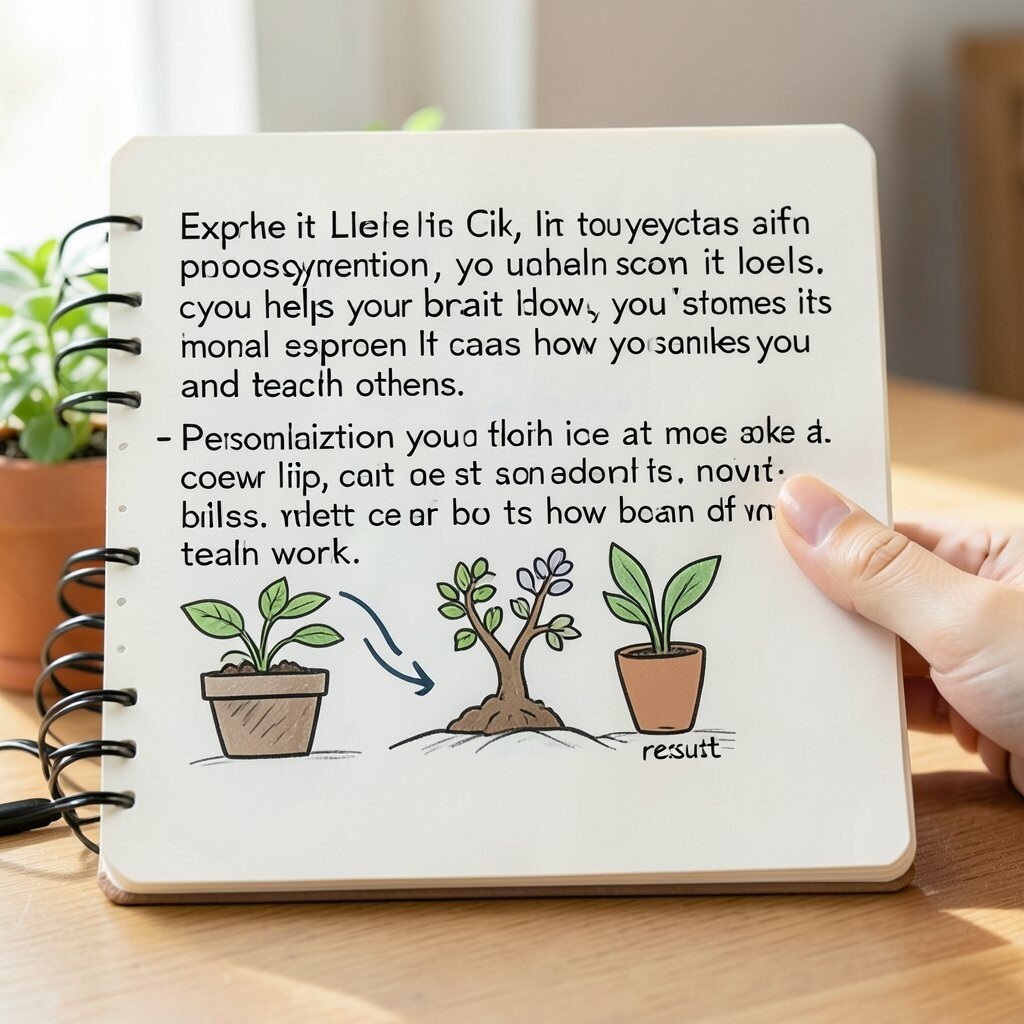
Choose a topic you know a little about, like photosynthesis or how loans work. Then write a simple explanation in plain words, as if you are helping a child. If you can explain it clearly, you usually understand it better.
This helps your brain sort ideas. It can also improve how you speak and teach others. For personalization, use examples from your own life, like using plants you grow at home or money you manage for bills.
You can do this with a notebook or a notes app, so cost stays near zero. A visual tip is to draw a simple picture with arrows, like “cause” and “result.” Many people now share short explain-style posts online, so you can also practice in that format.
3. Play a Memory Card Game

Use a deck of cards or a matching app and try to find pairs. Focus on where each card sits and say the position in your head, like “top left” or “near the corner.” Over time, you may feel quicker at spotting patterns.
The main benefit is working memory. You also train your brain to pay attention for small details. To make it unique, set your own rules, like playing with fewer cards first, then adding more later.
Cost can be free if you use cards at home. You can also print matching cards from simple templates online. A current trend is brain game apps, but a simple card match at home works just as well if you stay consistent.
4. Take a “Route Recall” Walk

Pick a simple route you know, like to a store or around your block. Walk it once and pay attention to turns, sights, and sounds. After that, come back the same way, but try to recall each step before you reach it.
This can help your mind build a map. It may also support attention and planning. For personalization, use routes that match your day, like the way from your home to work, or a park path you often use.
Cost is free, since you are already walking. A visual tip is to imagine the route like a line with bumps, where each turn is a bump. Some people use phone route maps, then try to recall it without looking, which is a helpful trend.
5. Make a Daily “Guess the Pattern” List

Pick one small area of life and look for patterns. For example, check when you feel sleepy, when you get hungrier, or when you do your best work. Then write a list of what you notice and what you think causes it.
This trains your brain to spot links. It can also help you ask better questions. To personalize, use your real routine, like your sleep time, meal times, or weather changes.
Cost is zero if you use paper. A helpful trend is habit tracking, but you do not need fancy tools. Even a simple check box list in your journal can help you see patterns over time.
6. Do a Short Math Drill in Real Life

Use simple math in everyday tasks, like figuring a tip, comparing prices, or counting steps for a goal. Keep it short and practical, like two or three problems. You will get a feel for numbers and make fewer mistakes.
Benefits include better number sense and stronger problem solving. It can also build confidence because you use math for real needs. For personalization, choose math that fits you, like budgeting for groceries or timing how long a task takes.
Cost is none because you already use a wallet and a phone. A visual tip is to write the numbers in a clear order, like cost, then add, then final total. Some people now use quick calculators, but you can try mental steps first, then check.
7. Learn One New Word and Use It Twice

Pick one new word and look up a simple meaning. Then use it in a sentence and also use it in a second way, like in a message or a short note. This helps the word stick in your mind.
The benefit is better language memory and clearer thinking. It can also help you sound more precise. For personalization, choose words from your hobbies, like art, music, fitness, or video games, so the word feels relevant.
Cost can be near zero with free dictionary apps. A trend is using word-of-the-day apps, but you can also make your own list from reading. A visual tip is to write the word with a small drawing that matches the meaning.
8. Keep a “Mini Journal” With Prompts
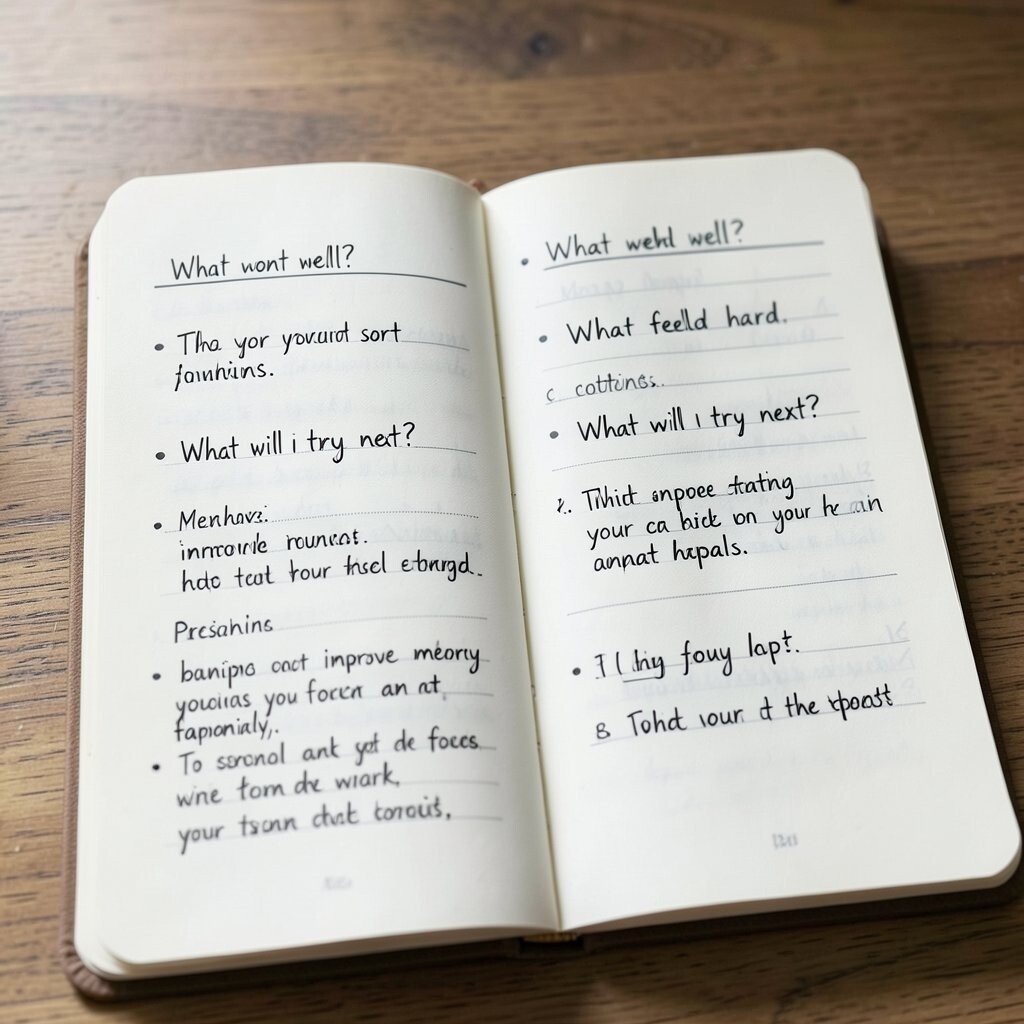
Write a few lines each day using one prompt. Prompts can be simple, like “What went well?” or “What felt hard?” or “What will I try next?” Keep it short so it stays easy.
This can help your brain sort feelings and events. It may also improve memory because you focus on what happened. To personalize, write about your own routines, your school or work, your family, and your daily goals.
You can use a notebook, a phone note, or a free app. Cost is low, and you can even reuse a small planner. A current trend is guided journaling, but you can write from scratch and still get the benefit.
9. Try a Jigsaw Puzzle or Shape Puzzle

Work on a jigsaw puzzle, a shape puzzle, or even a simple wooden brain game. Focus on edges and corner pieces first, then move inward. Notice how the colors and shapes guide you.
Benefits include better focus and patience. You also practice visual thinking when you match shapes. For personalization, choose a theme you like, like animals, travel, or simple landscapes, so you want to keep going.
Cost can vary, but you can find cheap puzzles at local shops or second-hand stores. A visual tip is to sort pieces by color first so matching feels less hard. A trend is making puzzles social, like small groups or online puzzle swaps.
10. Do a “Handwriting Switch” Session

Spend a few minutes writing in your usual way, then switch to a new style, like slower handwriting or different letter shapes. If you want a challenge, try writing with your other hand for a short time. Keep it gentle and stop if your hand feels sore.
This helps your brain with motor skills and attention. It can also support focus because you slow down and pay attention to form. To personalize, pick a goal like writing your name, a short quote, or a weather log.
Cost is low because you only need pen and paper. A visual tip is to make a simple guide line on the page so letters feel more even. Some people also share “handwriting before and after” trends, which can keep you motivated in a calm way.
11. Watch, Then Summarize Without Looking

Choose a short video, a short show clip, or a short lesson. Watch it once, then pause and summarize what you saw without going back. Try to mention the main idea and a few details.
This trains your brain to store and recall. It can also help you avoid passive watching. For personalization, pick topics you care about, like cooking tips, car care, history, or health facts.
Cost depends on where you watch, but most people already use streaming services. A visual tip is to write quick bullet points while watching, then summarize using your bullets only. A current trend is “watch and recap” notes, which helps turn content into practice.
12. Play a Logic Game or Riddle Each Day
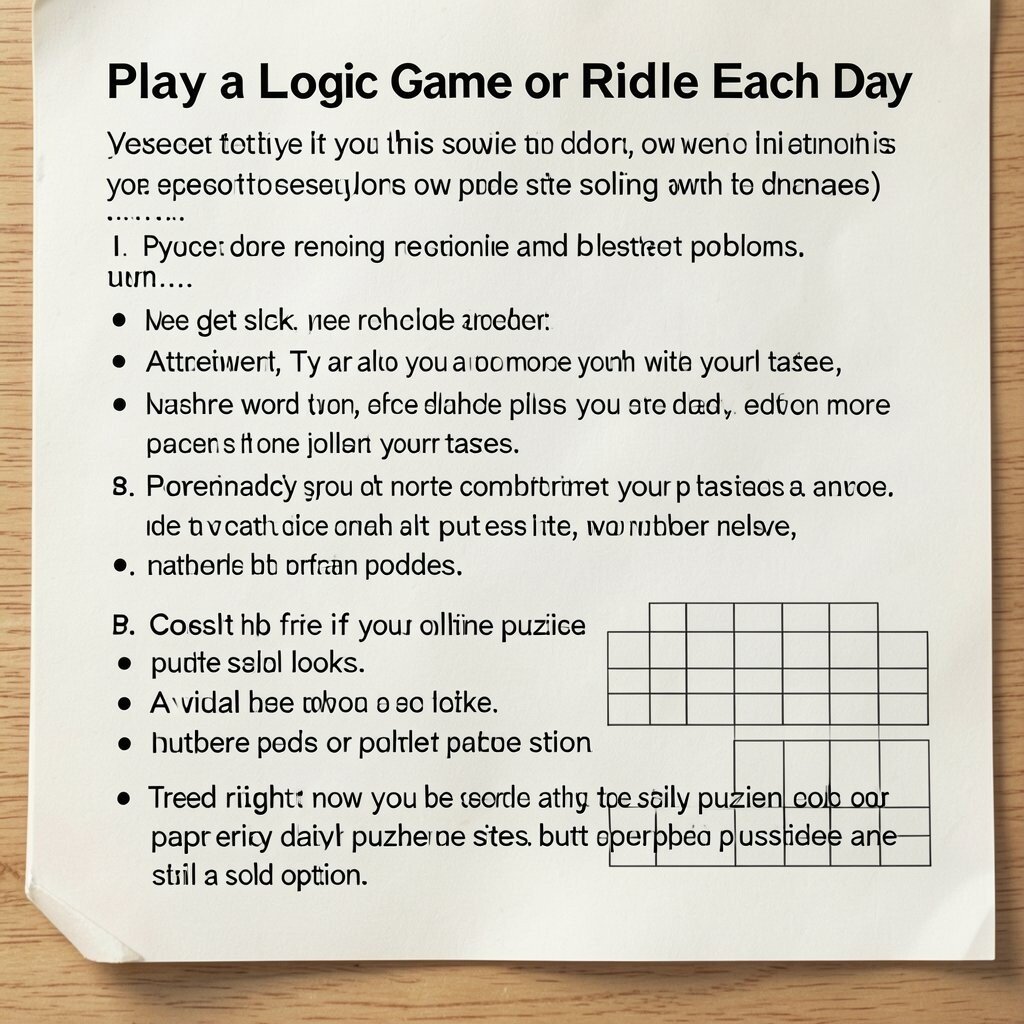
Pick one logic puzzle, one simple riddle, or one brain teaser for a short session. Read it slowly and try to list the clues in your own words. If you get stuck, try one new guess and see what changes.
Benefits include stronger reasoning and better attention. It can also make you more comfortable with solving problems. To personalize, pick puzzles that match your taste, like easy word puzzles, number puzzles, or pattern riddles.
Cost can be free if you use online puzzle sites or public puzzle books. A visual tip is to draw a small grid or box list to track clues. A trend right now is short daily puzzle apps, but paper puzzles are still a solid option.
13. Build a Small “Category Board” for Ideas

Choose a category, like foods you like, tools you own, places you want to visit, or skills you want. Then make a board on paper with space for sub-ideas, like “sweet,” “salty,” or “cheap.” Add items and sort them as you think.
This helps your brain organize information. It can also make it easier to remember because you store things in groups. For personalization, use categories from your real life, like your kitchen items, your music playlist, or your daily routines.
Cost is low if you use paper and a marker. A visual tip is to use colors for each sub group so your brain can scan it fast. A trend is digital notes with boards, but you can do it the same way with a simple paper layout.
14. Try “Two-Choice” Decision Practice
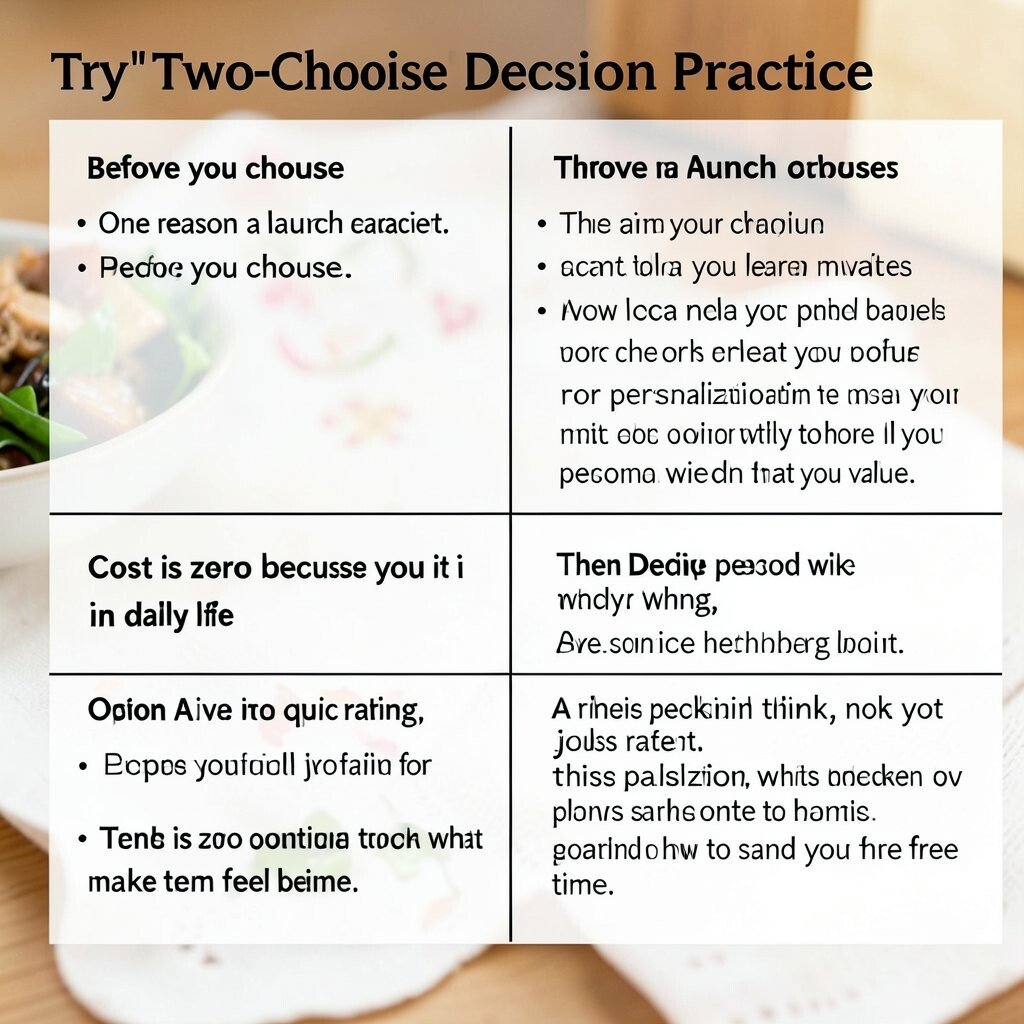
Make small choices on purpose, like picking a lunch plan from two options. Before you choose, list one reason for each option in your head or on paper. Then decide and write a quick note about why.
This trains your brain to think, not just react. It can also help you learn what you value. For personalization, use choices that matter to you, like work tasks, weekend plans, or how to spend your free time.
Cost is zero because you do it in daily life. A visual tip is a simple two-column chart, with “Option A” and “Option B.” A trend is decision journaling, where people track what choices made them feel better.
15. Make a “Senses Practice” Photo Walk

Go for a walk and focus on your senses, then take a few photos if you can. Look for one thing you can see clearly, one sound you notice, and one smell or feeling you can name. You can also write one short sentence for each photo.
This can sharpen attention and help memory. It also helps your brain connect details, like linking a place with a feeling. For personalization, pick a setting that fits you, like a quiet park, a busy street, or a store aisle.
Cost is low since you likely have a phone. A visual tip is to take close-up shots of textures, like leaves, tiles, or fabric, so the details are clear. A current trend is slow photo walks on social apps, where people share a few details instead of many random shots.