Slow feeder toys help pets take their time when they eat. They can also keep pets calmer and give them something to do.
1. Slow Bowl With Raised Grooves
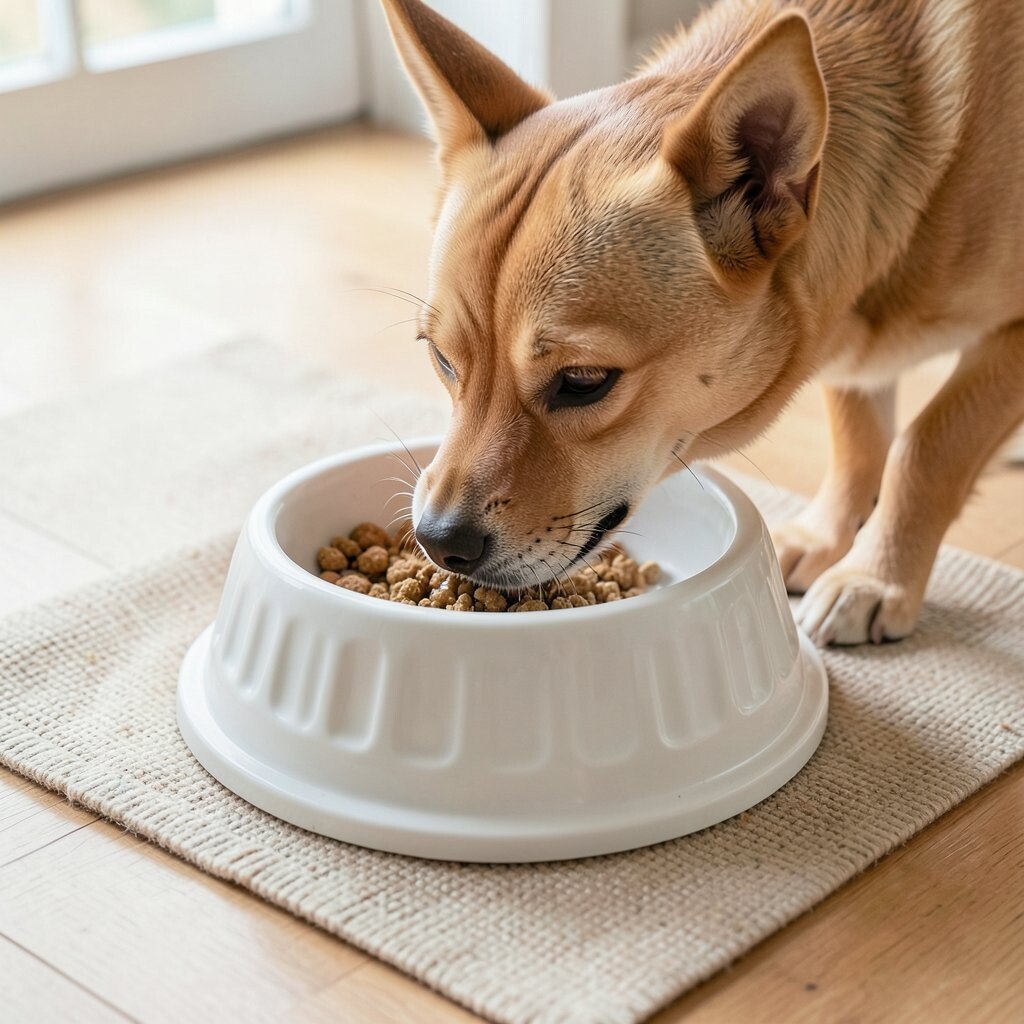
A slow bowl has raised lines inside the dish. When your pet eats, the food gets pushed around the bumps. This makes meals last longer and helps some pets slow down.
You may see your pet pause often and move the food with careful bites. That is a good sign because it keeps the job going instead of rushing. Pick a size that fits your pet’s mouth and add a mat under the bowl to catch spills.
Cost is often mid range, and you can find many styles in pet shops. For personalization, use the same bowl for dry food only, then switch to a different one for wet food.
2. Silicone Cupcake Feeder
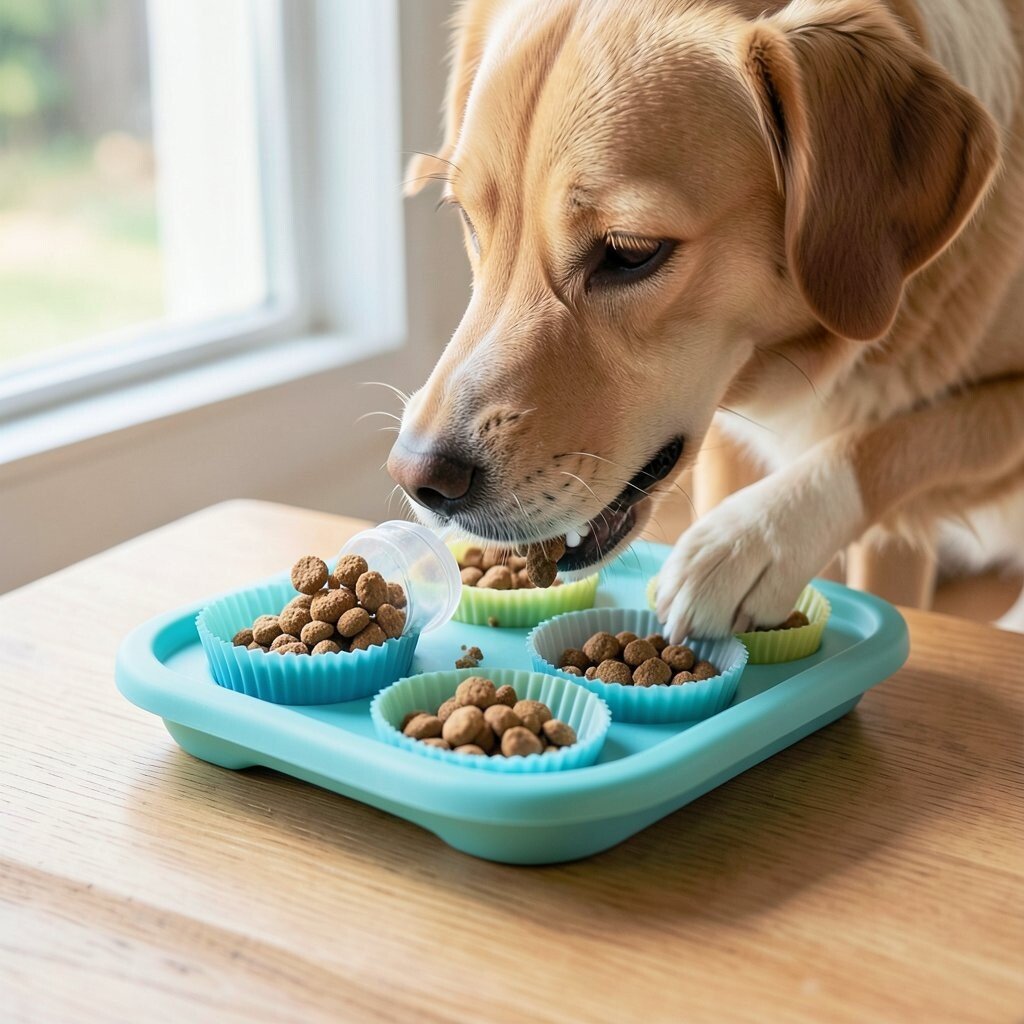
A cupcake style feeder looks like a tray with small wells. You pour food into each cup, and your pet has to reach in to eat it. This can work well for smaller pets and dogs that eat fast.
As your pet works each cup, you may notice slower bites and more steady chewing. Many pets seem less eager to gulp. A silicone feeder is easy to clean, and it can help you set a simple routine.
For tips, freeze a small mix of soaked kibble in one or two cups for longer play. This adds variety without much extra cost.
3. Puzzle Plate With Sliding Pieces
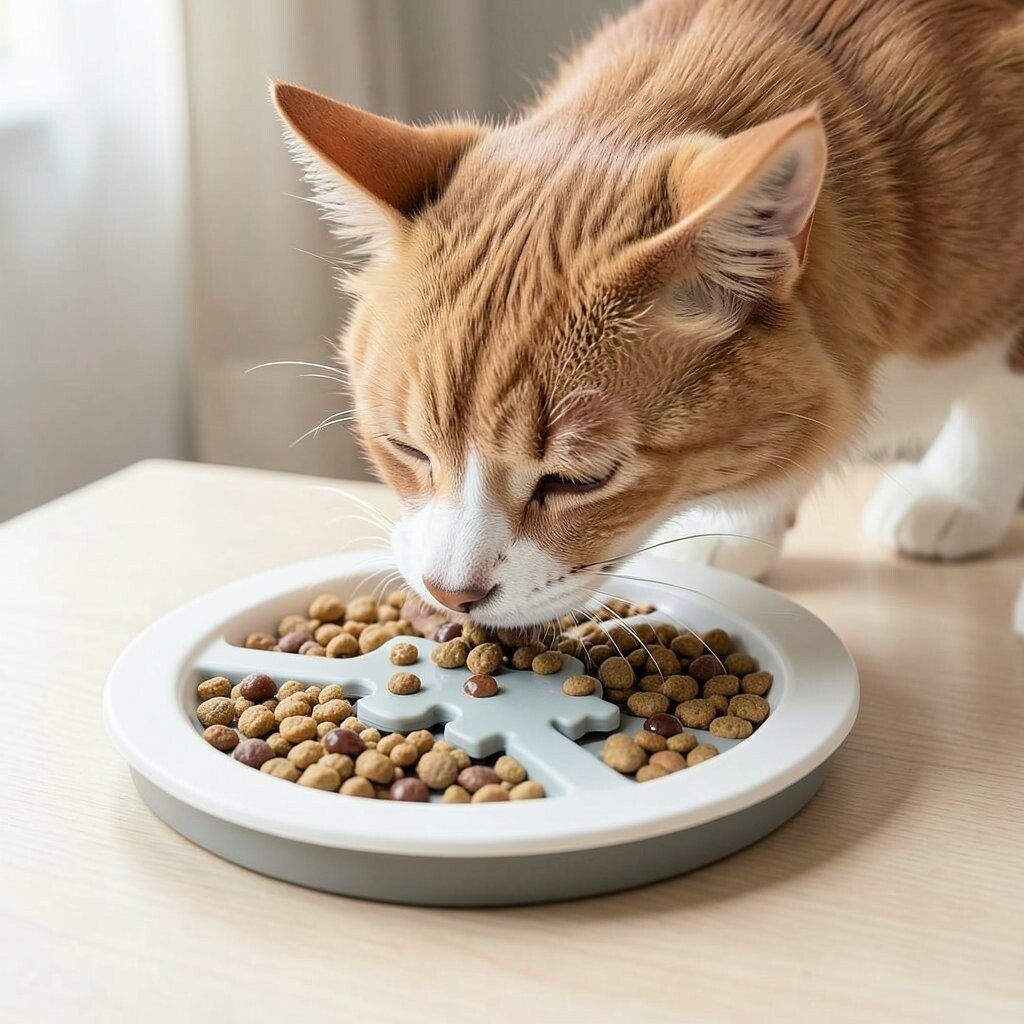
A puzzle plate can have parts that move on top of a base. Food sits under or near the moving parts, so your pet must nudge them. You will often see your pet sniff, tap, and then eat after the food shows up.
This idea is good for pets that like using their nose. It also gives mental work, not just fast eating. Start with the easiest setting, so your pet can learn the steps.
Cost can be higher than basic feeders, but many puzzle plates last a long time. Personalize it by mixing food types, like dry kibble with small wet food dots.
4. Stuffed Kong-Style Chew Toy
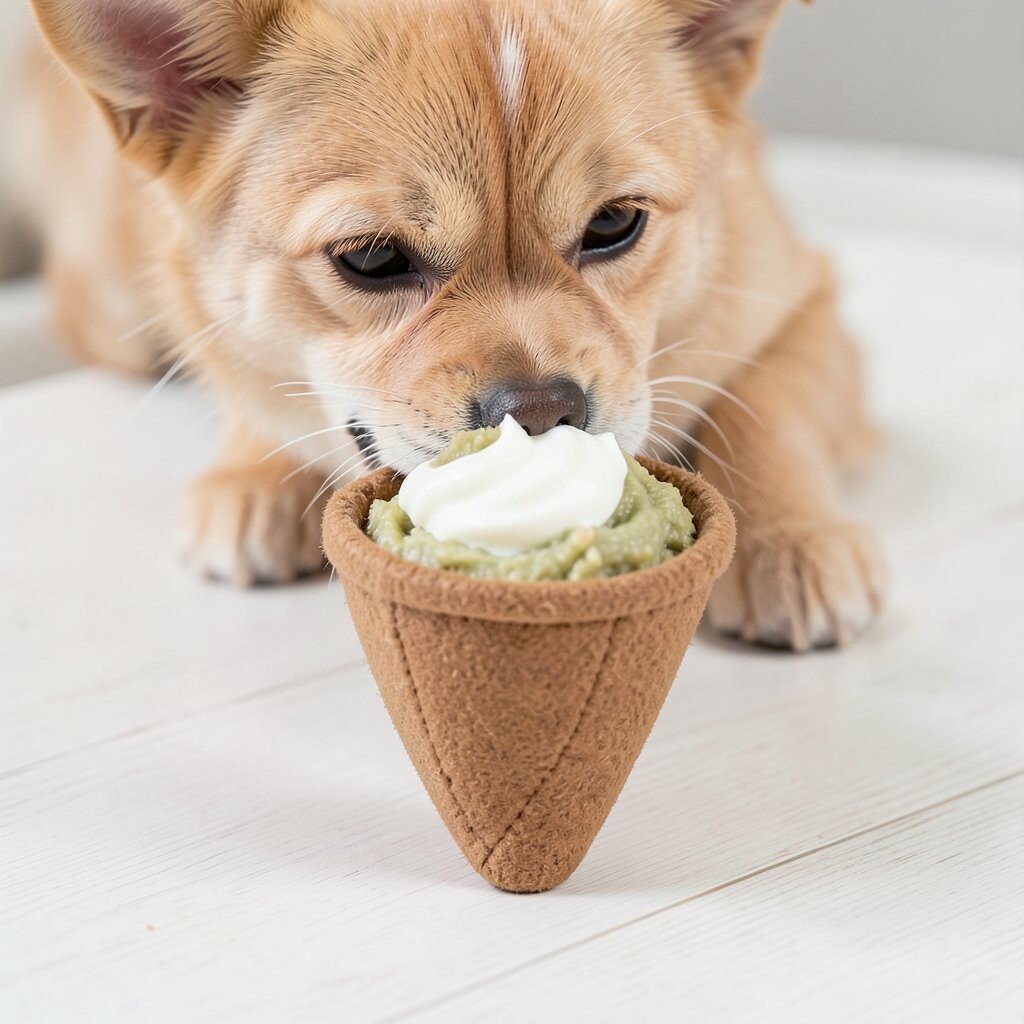
A chew toy shaped like a cone can also slow eating when filled right. You spread paste or mash inside and seal it so food comes out slowly. Your pet has to lick and chew, which helps fill time.
Many owners like this because it looks fun and keeps pets busy in a safe way. You may hear quieter chewing sounds instead of gulping. It can also help some pets that get restless after meals.
To keep costs low, use simple foods like plain yogurt or soaked kibble. For tips, avoid sugary mixes, and always check for pet safe ingredients.
5. Mesh Ball With Treat Pockets
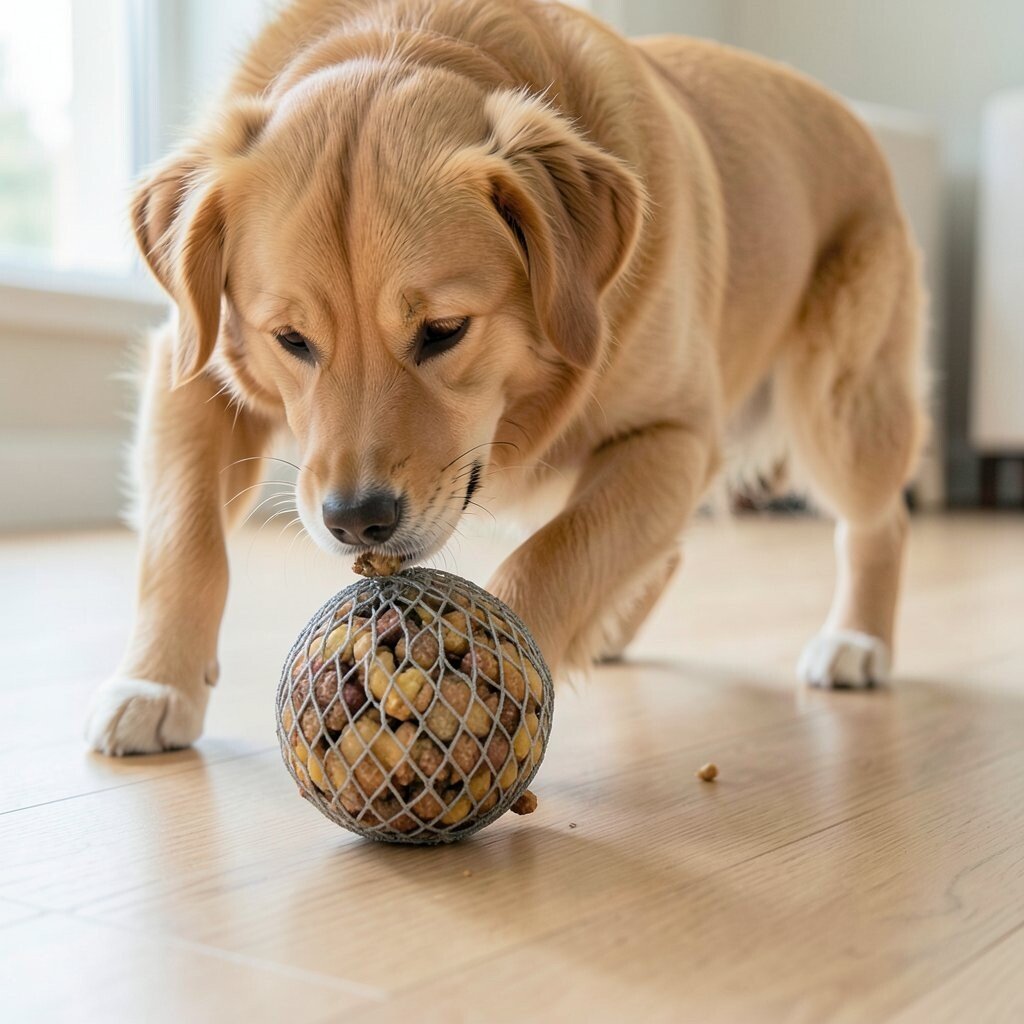
A mesh ball can hold small bits of food in pockets. Your pet rolls and bats the ball to get bites out. This can be a great slow feeder for pets that like to play.
In use, you may see your pet walk around with the ball and work it like a game. That moving helps time pass and can reduce bored behavior. It also brings variety, since the ball can roll in new ways each meal.
Cost varies, and it is often mid range. A key tip is to size the ball for your pet so it cannot get stuck or chew through it.
6. Graded Feeding Tray With Separate Zones
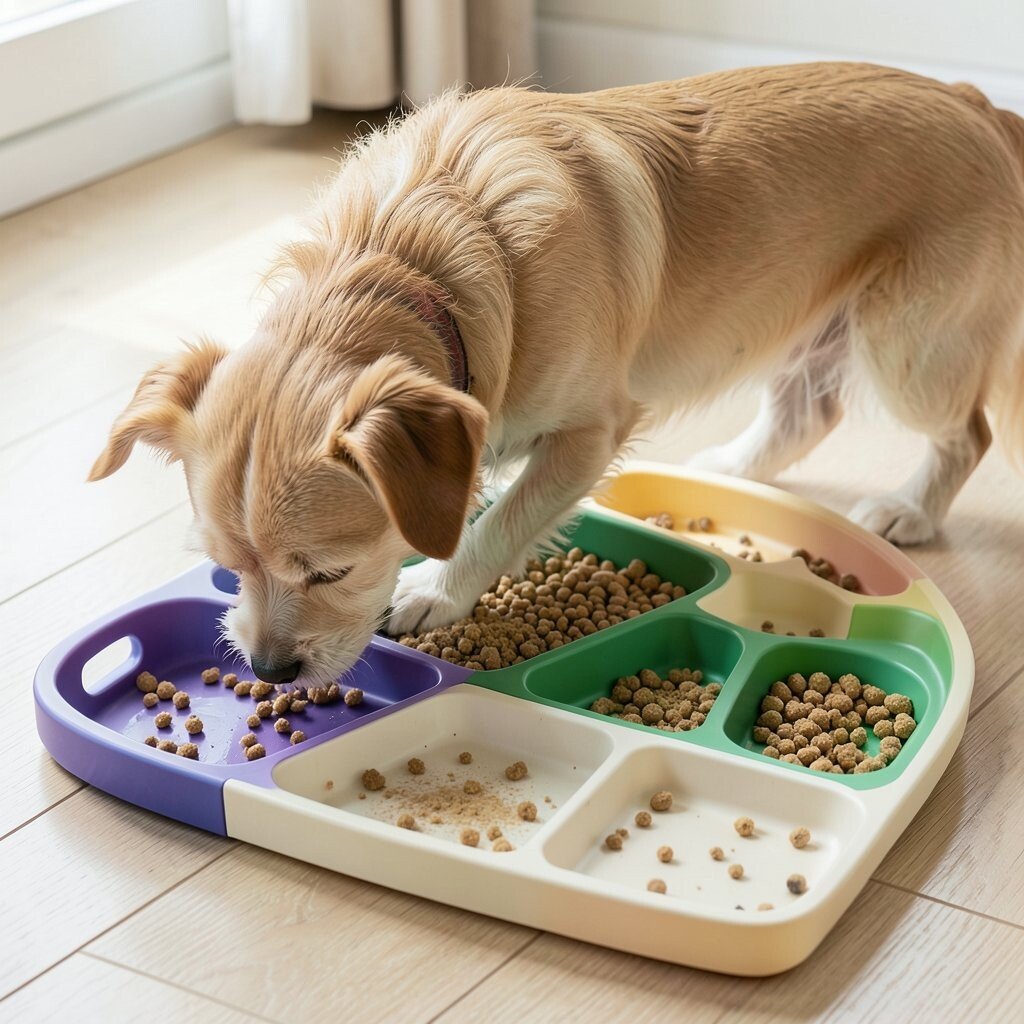
A feeding tray with different sections can slow down your pet by spacing food. Put small amounts in each zone instead of one big pile. Your pet must move from one area to the next.
This can look like a tidy grid on the floor, with little spots of food. You will often notice slower eating because your pet cannot reach everything at once. It also helps you portion meals more easily.
For personalization, use color zones or scent spots so each meal feels new. This also fits trends like “slow dining,” where pets get a more calm and mindful routine.
7. Braided Rope Feeder With Food Inside
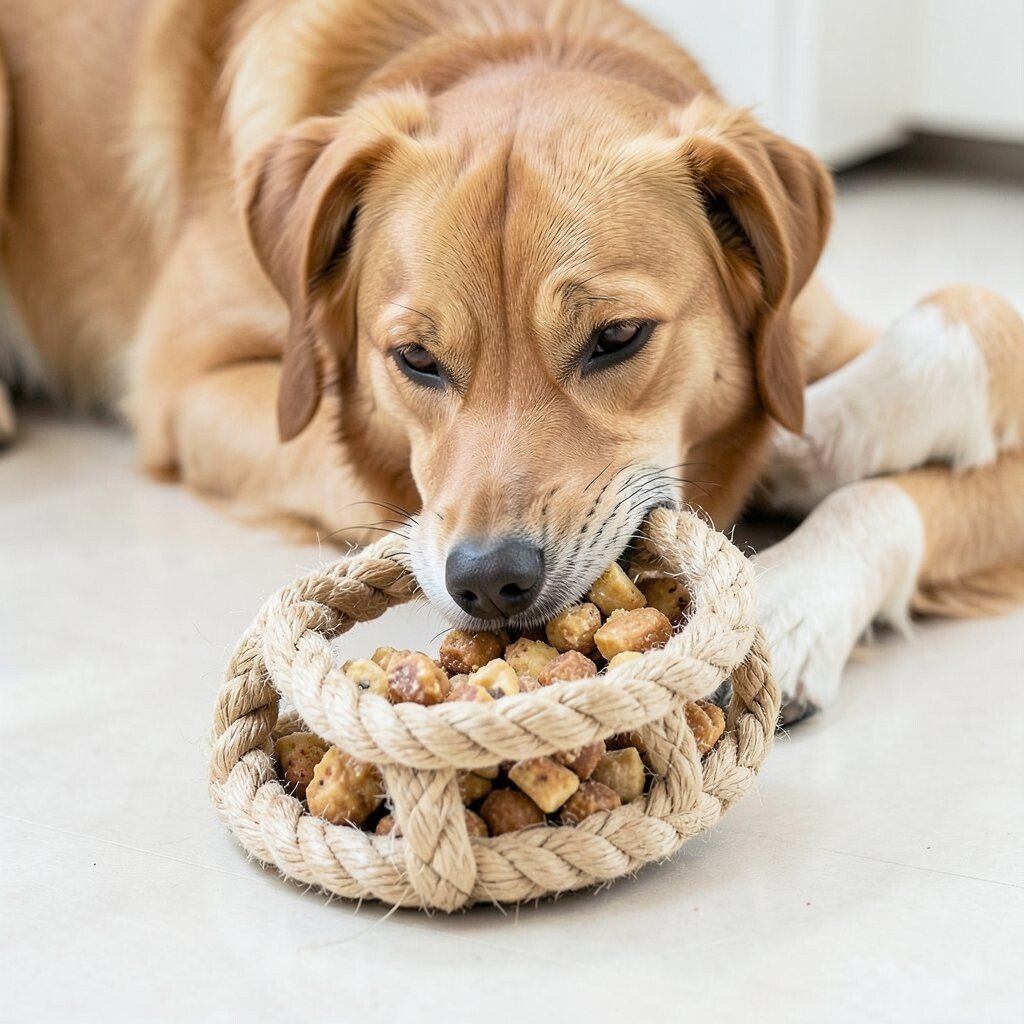
A braided feeder is like a rope with pockets or a hollow center. You can tuck small bits of food inside and let your pet pull them out slowly. It can give your pet a chewy task that lasts longer than a bowl.
You may see your pet take turns biting and pausing to get more food. That can help pets who need a calmer outlet. Pick a style made for safe pet use and check it often for wear.
Cost can be low to mid, depending on the brand. For tips, wash it as the label says and do not overfill.
8. Food Maze Mat for Sniffing and Eating
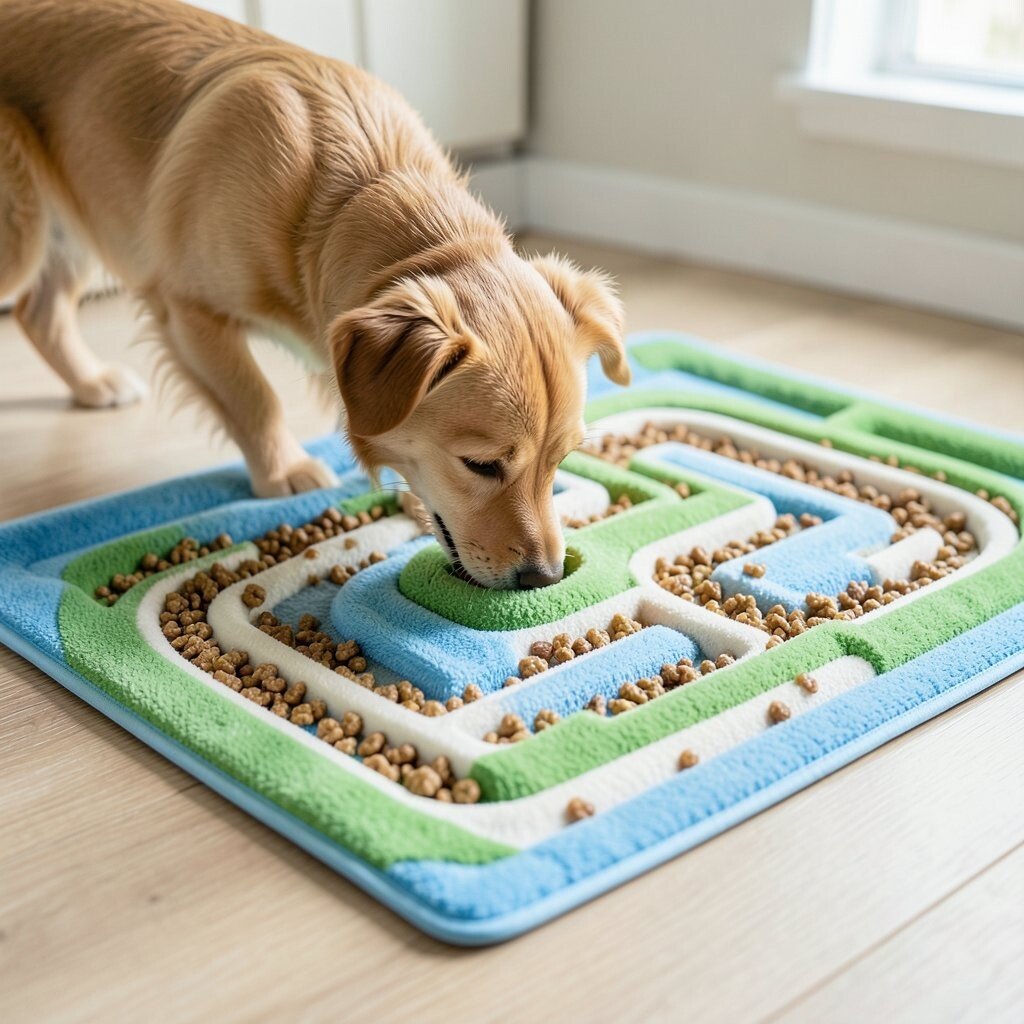
A food maze mat is a soft mat with raised paths. Put dry food or small wet food drops along the lines. Your pet sniffs and eats as they move through the maze.
This idea can be very visual because the mat shows where the food is going. Your pet may look focused, moving slowly across the paths. It can help pets use their nose, which is a simple and helpful skill.
Many mats are budget friendly and come in bright colors. Personalize it by changing the pattern each week, like making one side heavier with food.
9. Ceramic Spinner Feeder

A spinner feeder has a base and a spinning top with holes for food. When your pet nudges it, the food moves into view. This helps slow down eating and adds a small challenge.
You may see your pet tap the feeder, wait, then eat when the pieces land near the front. That pause-and-go rhythm can help with gulping. It also makes meal time feel like a game.
Cost is often a bit higher for ceramic styles, but ceramic usually lasts. Use a firm base area, like a mat, so the feeder stays in place.
10. Paper Cup or Muffin Tin Method
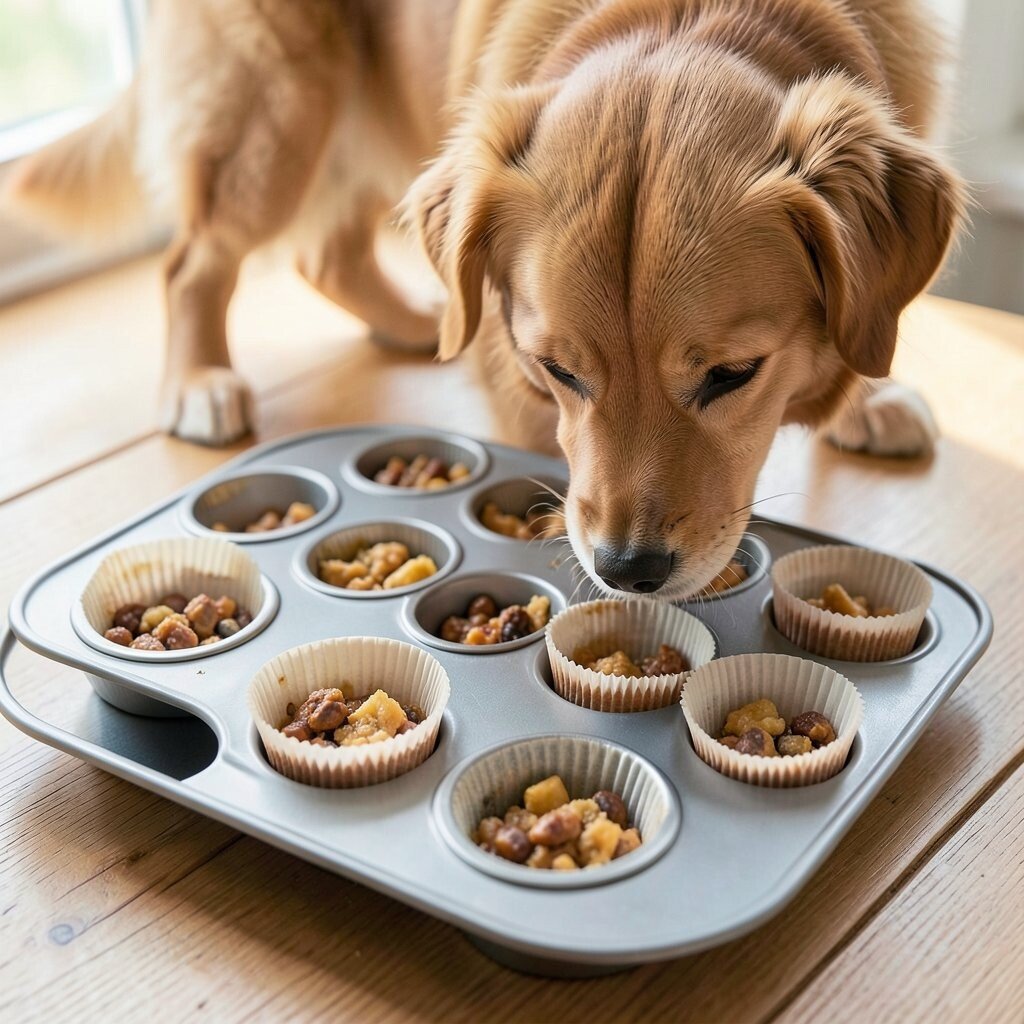
A muffin tin can work as a slow feeder when you place small portions in each cup. Cover the cups with a simple setup if needed, like small paper cups, so food stays in place. Your pet must search across multiple spots to finish the meal.
This method can look plain, like a kitchen tray with many small spaces. It is also easy to set up, and you can change the pattern fast. Many pets do well because they must move their head from cup to cup.
Cost is usually low since you may already have the tin at home. For tips, wash well and avoid tins with sharp edges that can scratch your pet.
11. Layered Bowl With Top Cover
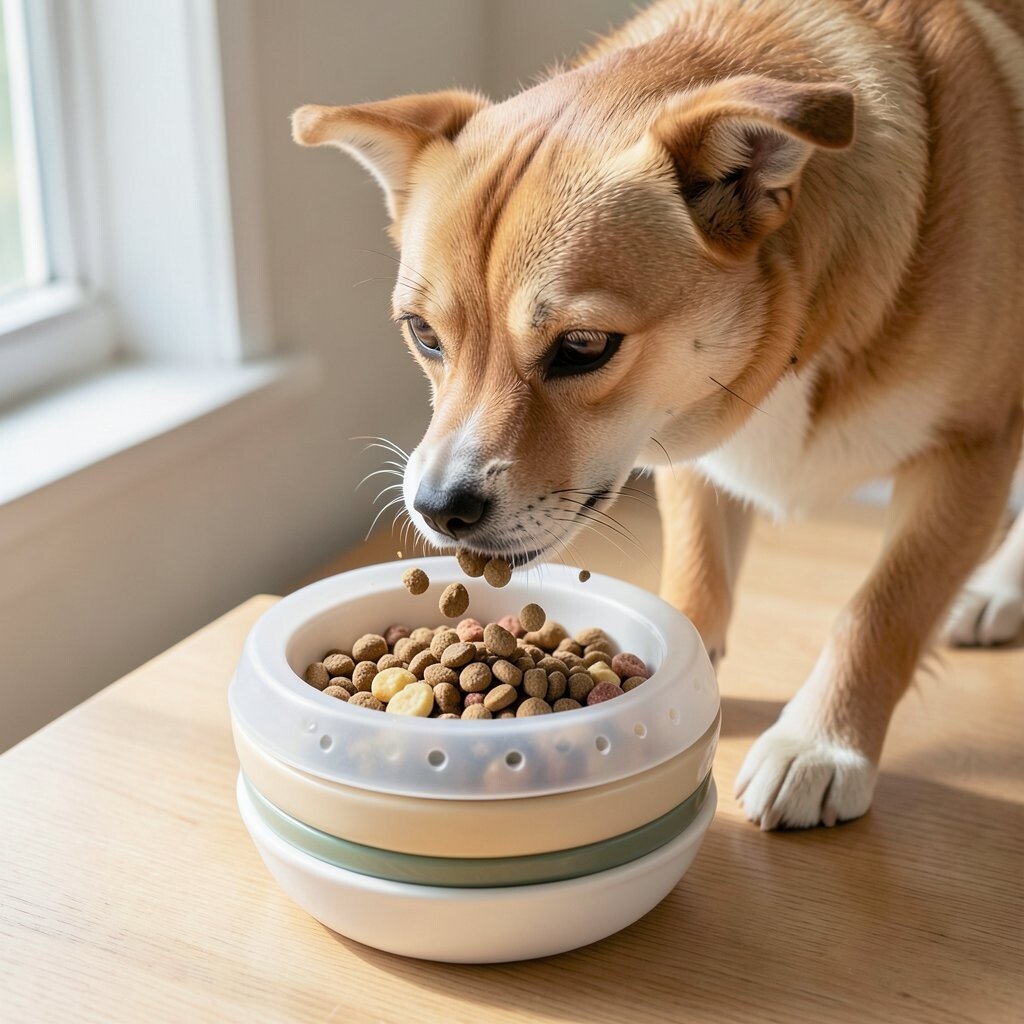
You can slow eating by adding a cover on top of the bowl. For example, use a safe insert or a slow top with small holes. Food falls out as your pet eats, so the meal spreads out over time.
This can help pets that rush because the bowl does not give instant full access. You may see your pet wait and then start again as more food appears. It also helps keep the area cleaner.
Cost depends on the style, but it can be mid range. Personalize by using a small mix of kibble and soft food under the cover.
12. Frozen Kibble Cups for Longer Meals
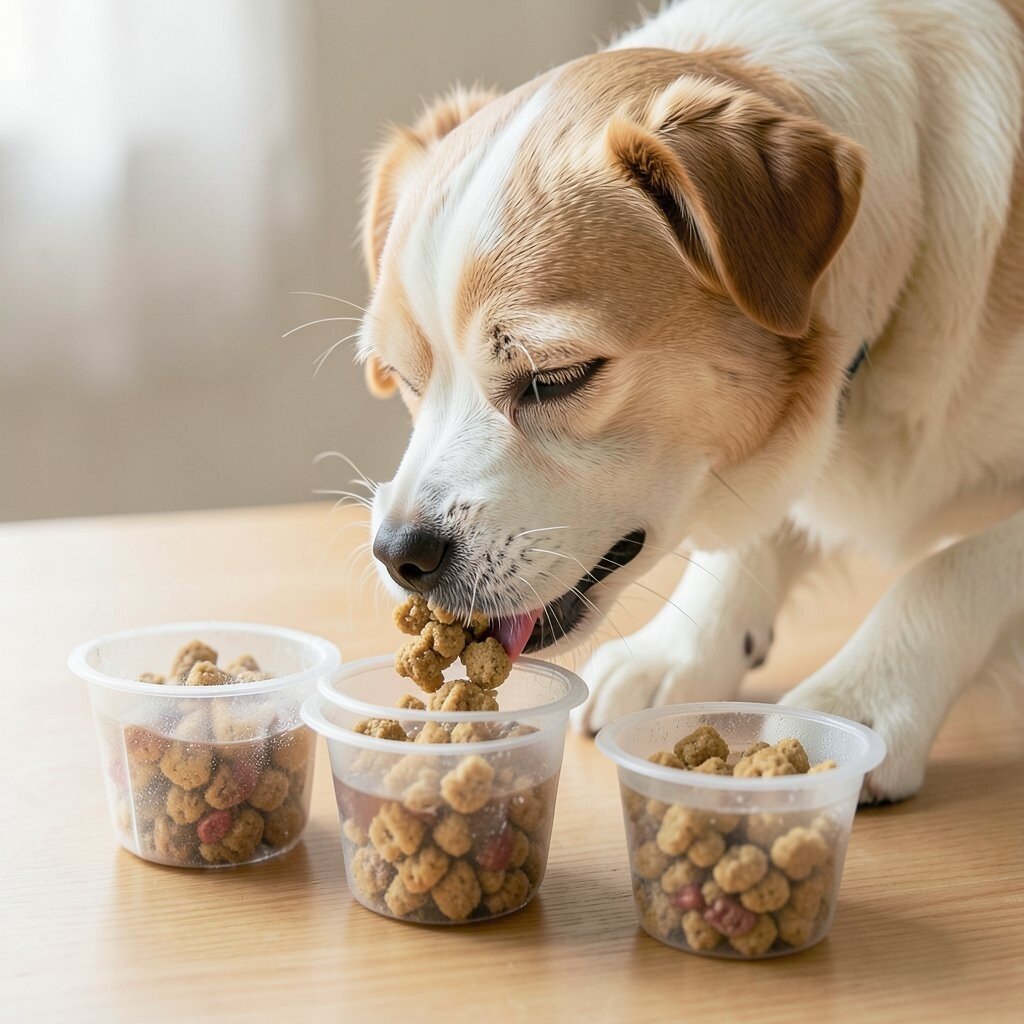
Frozen cups are a simple way to make food last longer. Mix kibble with a safe liquid, portion it into small cups, and freeze it. Your pet will lick and chew through the cold texture.
In use, you might see your pet work in slow steps, licking, pausing, then taking another bite. This can make eating feel calm, not rushed. It also gives a fun sensory experience.
Cost is low because you use your regular food. For tips, start with small portions so your pet does not get frustrated, and never freeze unsafe foods.
13. Food Roll With Slits or Holes
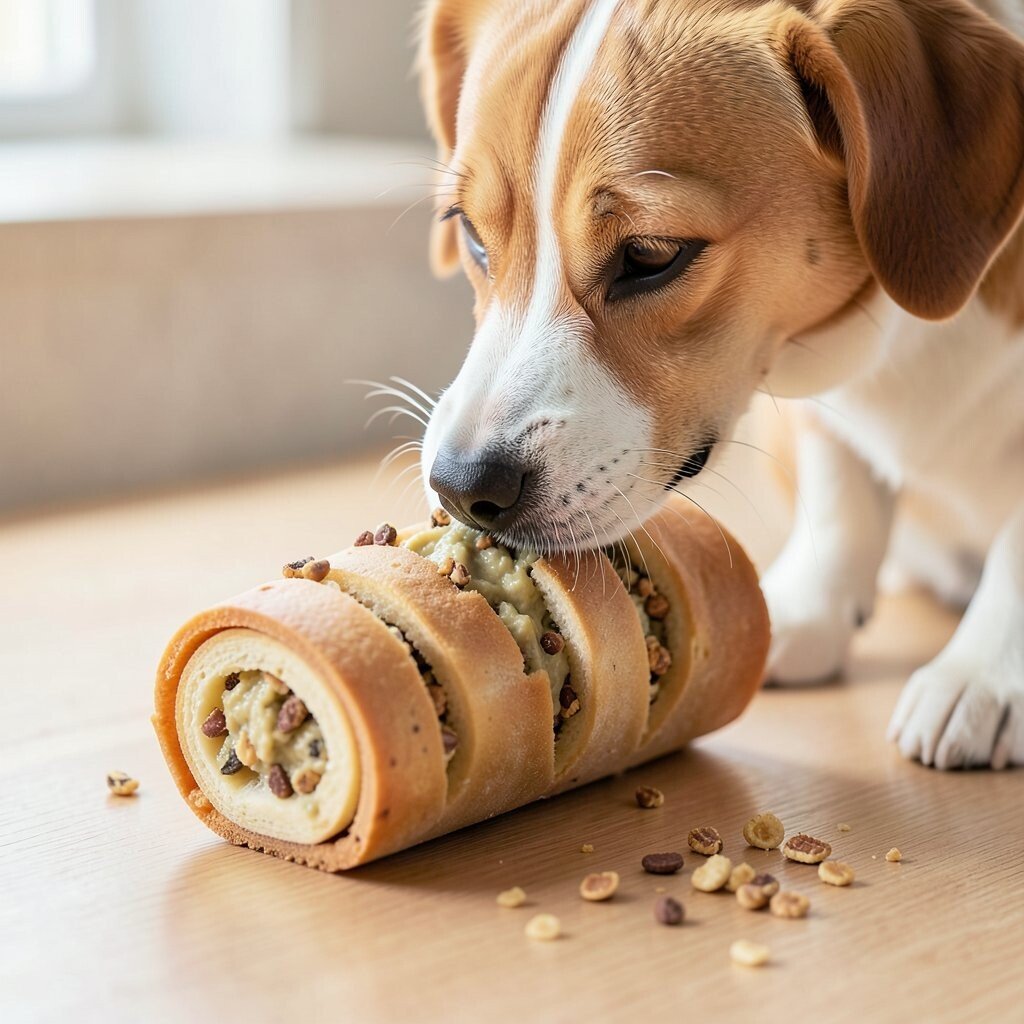
A food roll is like a log or cylinder with slits that hold bites. You can fill it with paste or mix inside and let your pet pull food out. Many pets like the steady way food comes out bit by bit.
You may see your pet nose the roll, then pull it forward to reach the slits. That movement helps slow the meal and gives extra time. This can also help pets that chew toys for fun.
Cost varies, but many rolls are mid range. Personalize by using different fillings each week, like plain paste plus dry bits.
14. Feeder With Adjustable Bar Spacing
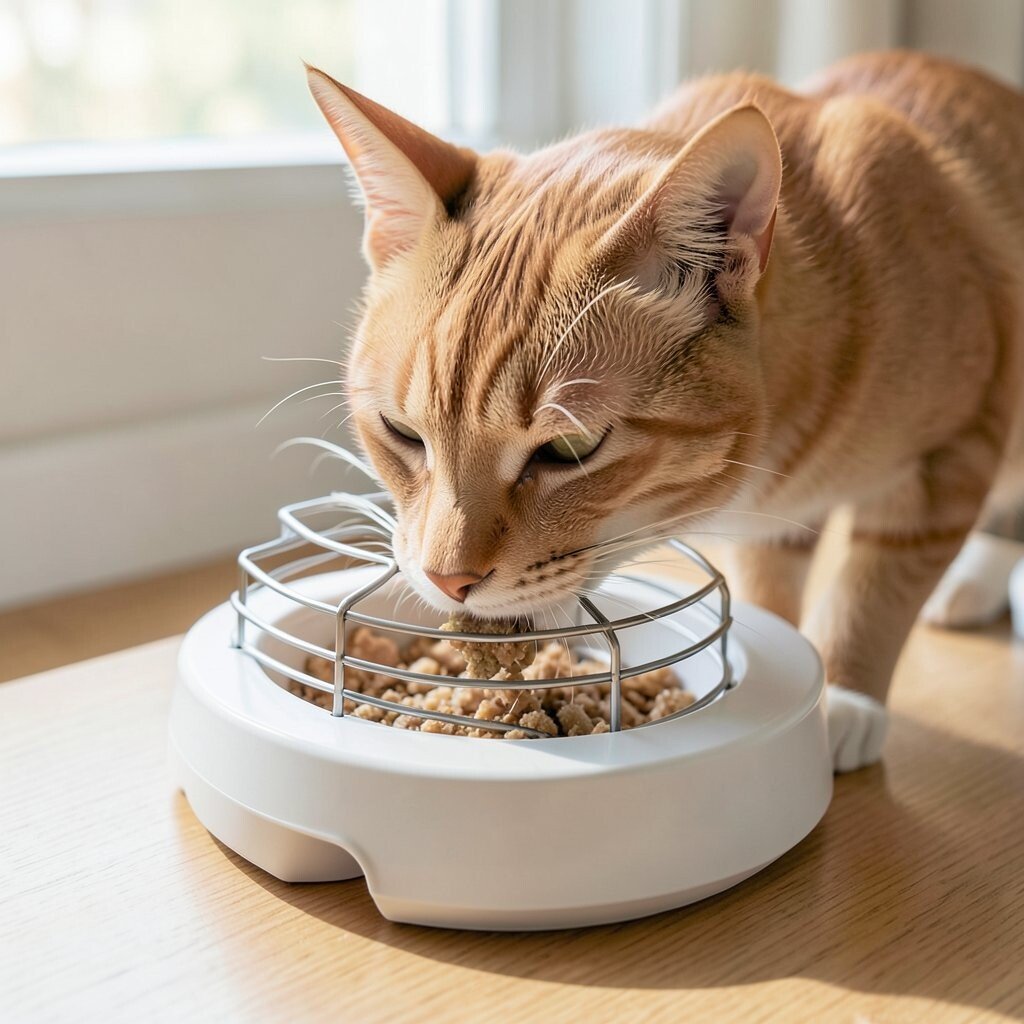
A feeder with bars can slow eating by limiting how food reaches your pet’s mouth. You can often adjust the spacing based on your pet’s size. This helps you fit the feeder to your pet instead of guessing.
You may notice your pet working carefully around the bars, taking smaller bites over time. That often reduces fast gulping. It can also help pets that like to grab large chunks.
This kind of feeder can cost more, but it can be worth it if it lasts for years. For tips, adjust slowly and stop if your pet seems strained while eating.
15. DIY Slow Feeder With Safe Kitchen Items
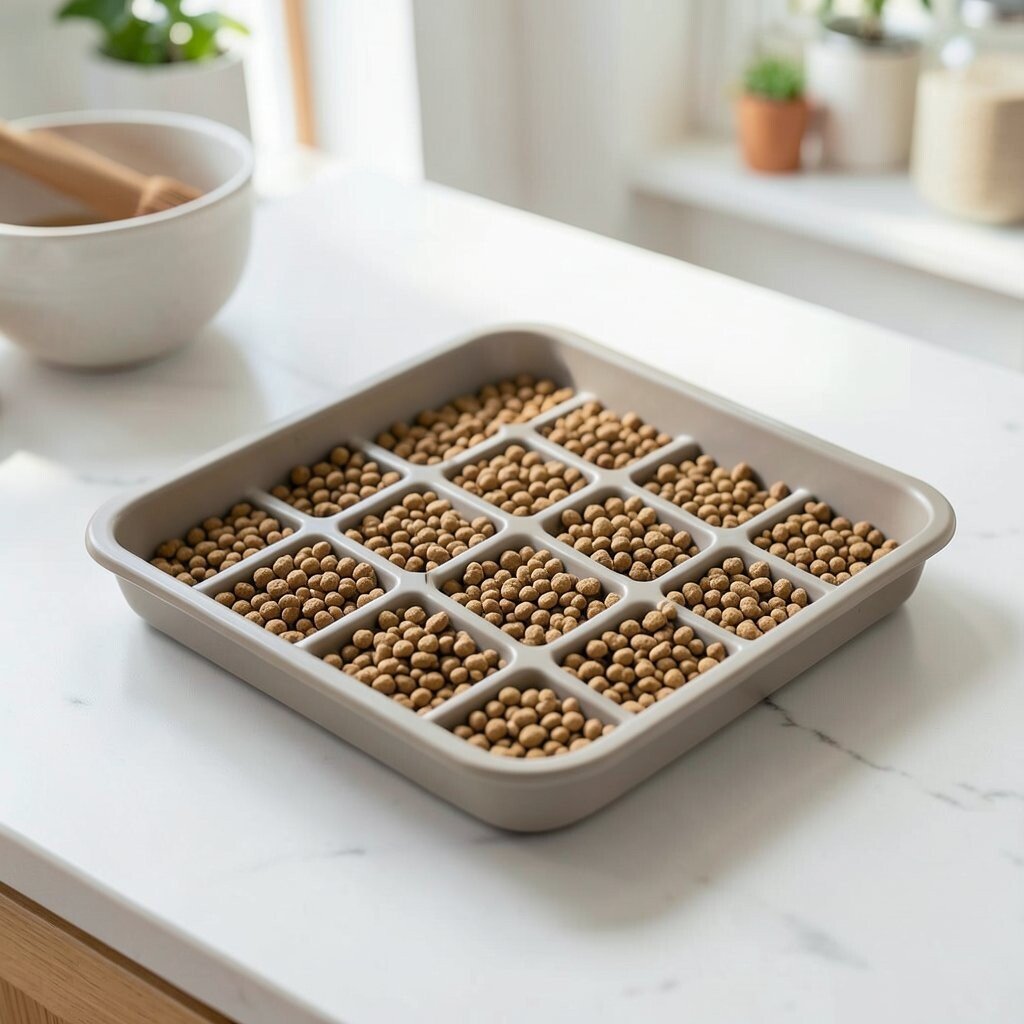
You can make a slow feeder using safe, pet-friendly tools. For example, use a clean shallow tray, then spread kibble with spacing, like a simple grid. You can also add a small barrier made for pets so food spreads out.
This idea is unique because it matches your space and your pet’s habits. You can test one setup and watch how your pet eats. If your pet clears it too fast, add more spots or make the paths harder.
Cost can be very low, since many items are from your kitchen. Personalize by trying different shapes, and always supervise at first so your pet stays safe.