Regular movement helps your body feel better each day. You can use simple exercises that fit into your home, your school day, or your walk to the store.
1. Walk Outside for a Short Loop
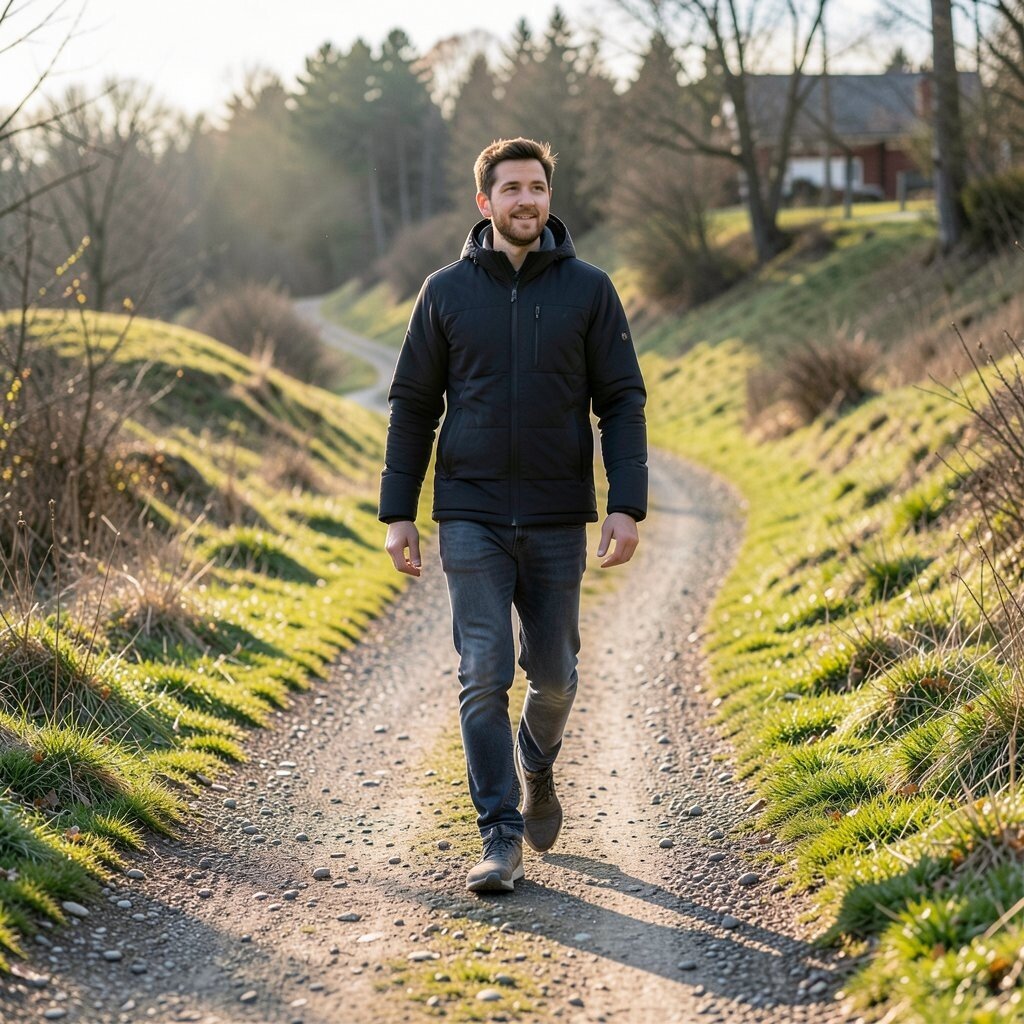
Pick a loop near your home or a safe path in your area. Look ahead and keep a steady pace, like you are going to a friend. You can do this in the morning, at lunch, or after dinner.
This helps your heart work well and can lower stress. You may also feel more awake and ready to do tasks. If it is hot or cold, dress in layers and watch the ground for slips.
Try to add small changes, like walking up a mild hill or using a longer route once a week. If you want to track progress, note how long you walked and how you felt after. The cost is low, and all you need is comfy shoes.
2. Do a Quick Chair Stretch at Home
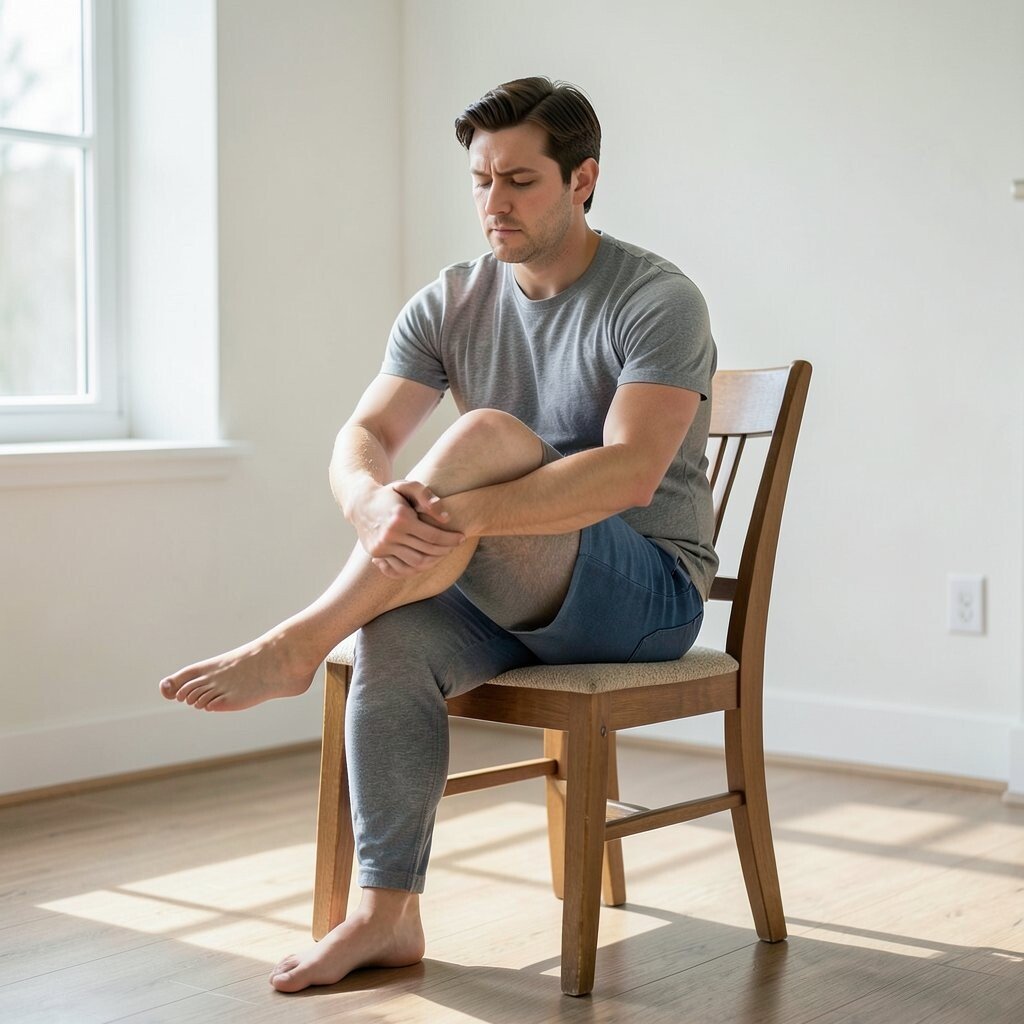
Use a sturdy chair in a quiet spot. Sit up tall, then gently pull one knee toward your chest while keeping your back relaxed. Next, switch sides and keep your breathing calm.
Chair stretches can help with tight hips, legs, and lower back. A clear benefit is better comfort during the day. This is easy to do while you wait for food to cook or while you watch a short video.
You can personalize it by choosing the areas that feel tight. For example, if your shoulders feel stiff, roll them back slowly. You can also use a light towel for extra grip if you need it. There is no cost, and the setup is simple.
3. March in Place While You Watch the News

Stand tall and lift your knees in a slow and steady way. Keep your arms moving lightly, like you are walking without going anywhere. Match your steps to the pace of the show or news.
This helps your legs get moving and can raise your heart rate a bit. It also gives you a clear visual cue, since you can see your body moving in place. Many people like this option because it feels easy to start.
Make it fit your day by setting a short goal, like one show segment. If you want variety, add side steps for one part and then return to marching. This trend is common because it works well for busy schedules and small spaces.
4. Try Wall Push-Ups for Stronger Arms

Stand facing a wall and place your hands on the wall at about chest height. Step back a small amount and lean in. Bend your elbows slowly and then push back to a straight arm position.
Wall push-ups help you build upper body strength without needing floor space. They can also help with posture and daily lifting tasks. A common benefit is less soreness when you carry bags or move furniture.
You can personalize the difficulty by moving your feet farther from the wall. If your wrists feel tired, spread your hands wider. This is low cost since you only need a wall, and it is a steady option for beginners.
5. Add Gentle Yoga Moves from a Mat

Lay down a mat and try simple poses like child’s pose and a gentle forward fold. Move slowly and pay attention to how your body feels. Visual cues help here, like rounding your back in one move and stretching long in the next.
Yoga moves can help with flexibility and calm focus. Many people also find it helps their sleep quality. Keep your comfort first, and stop if you feel sharp pain.
Personalize by choosing moves that match your tight spots, such as stretching hamstrings or opening the hips. You can follow a basic routine you save on your phone. Mat yoga is a popular trend, and it often fits home life well with little cost.
6. Use a Light Resistance Band for Easy Work
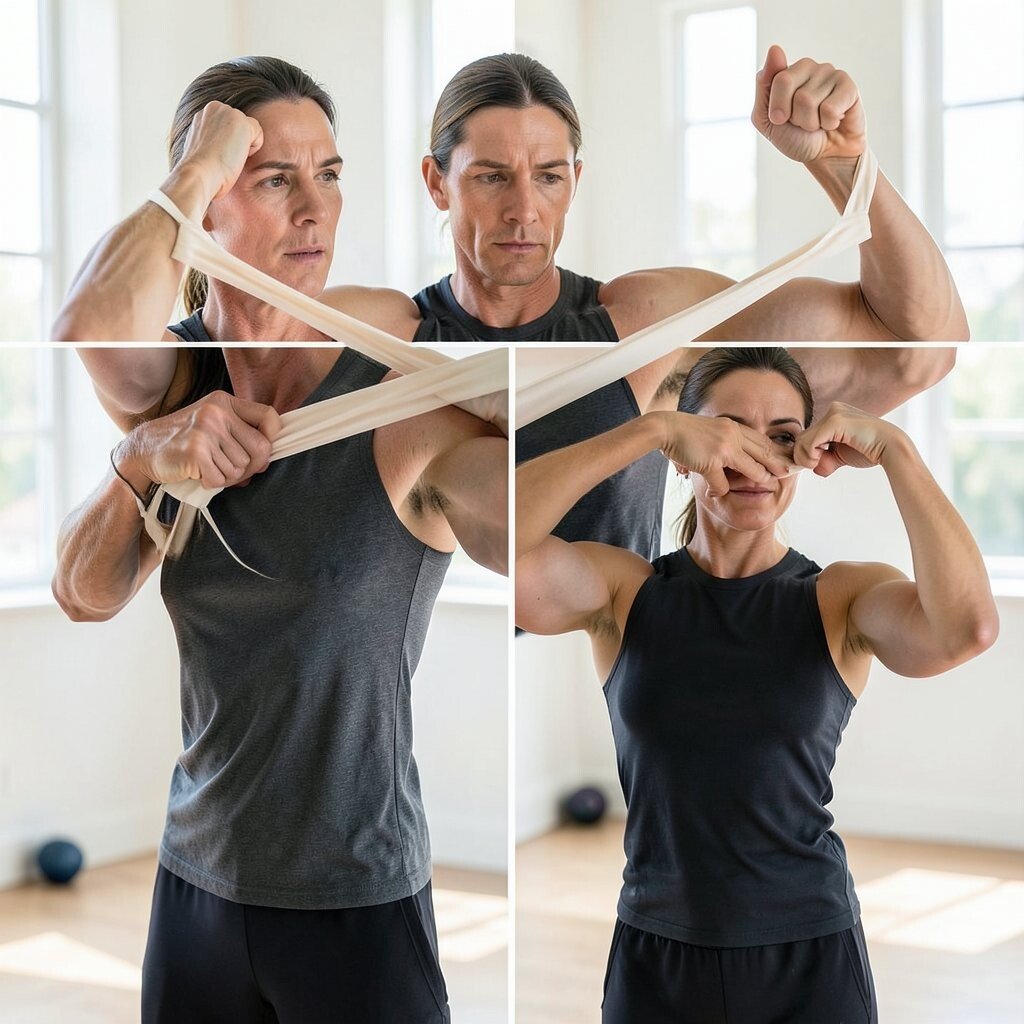
Find a light resistance band and hold it with both hands. Try a few rows by pulling the band toward your chest while squeezing your shoulder blades. Then do shoulder presses by raising your arms forward and up in a safe range.
Band work can support your back and shoulders, which helps with good posture. It is also a good way to feel your muscles work without heavy weights. You may notice a difference in how you stand and move through your day.
You can personalize by using a longer or shorter band for easier or harder effort. Many people like this because it packs easily and is simple to store. The cost is often lower than gym gear, and it is easy to take on trips.
7. Practice Balance with One-Leg Stands
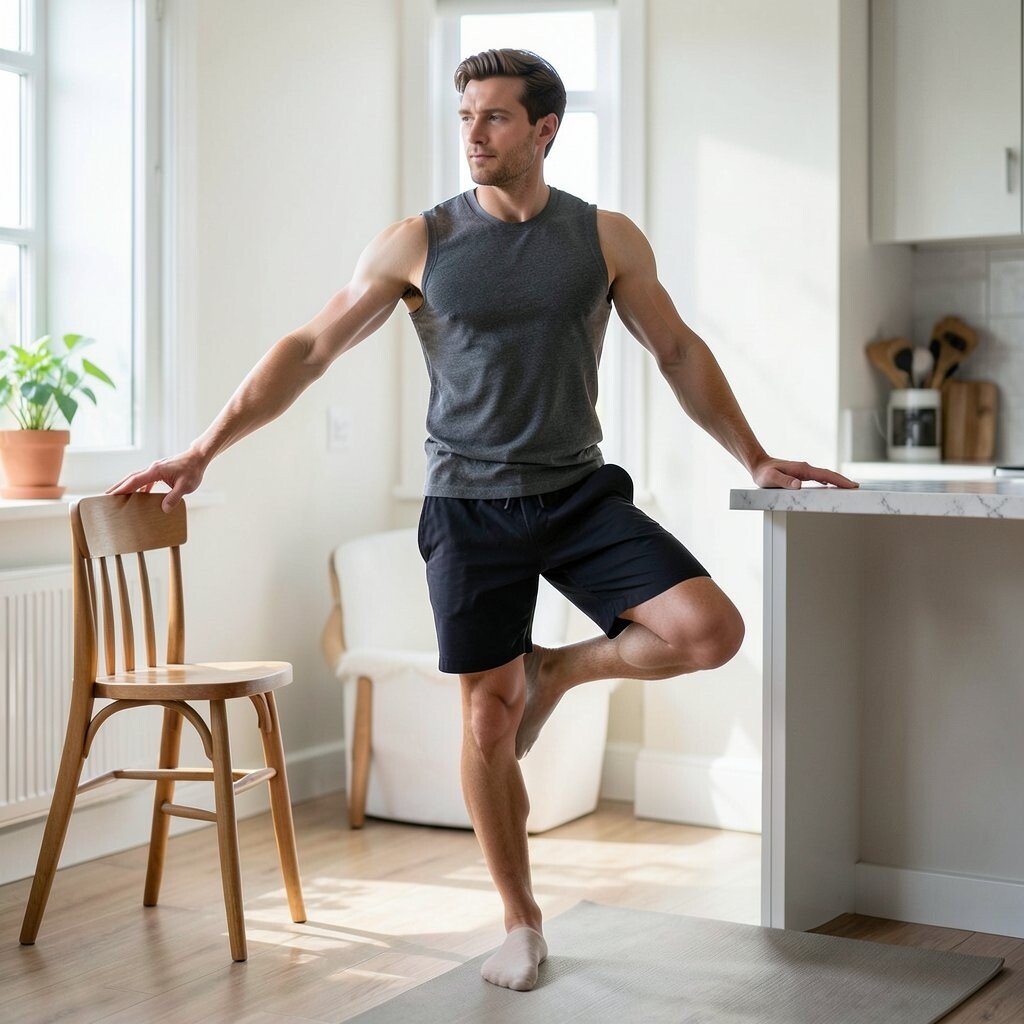
Stand near a chair or counter for safety. Lift one foot a few inches off the ground and hold your balance. Keep your eyes on one spot to help your focus.
Balance work helps your legs and your core work together. A strong benefit is fewer trips and better stability as you move. It also feels different from your usual walking, so it can break up a routine.
Personalize by holding longer when it feels easy or switching to a softer surface like a mat. If you wobble a lot, touch the chair lightly. This type of exercise is a common trend in home fitness because it needs little space.
8. Do Simple Step-Ups on a Safe Stairs
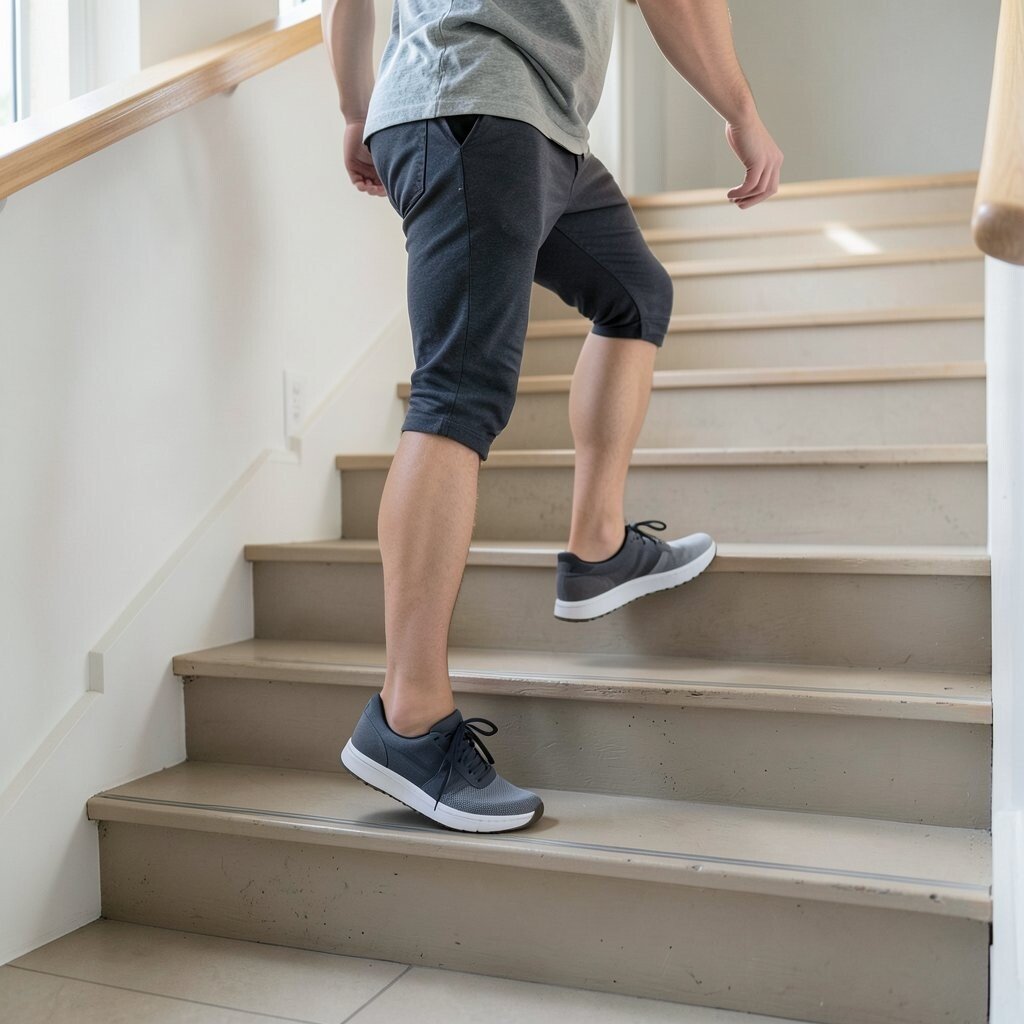
Use a safe step, like one stair step or a low platform. Step up slowly with one foot, then bring the other foot up. Step down with control and keep your body facing forward.
Step-ups can help your legs and glutes, and they can support everyday actions like climbing stairs. You also get a clear visual goal, since you can see your foot landing on the step. Many people find it more interesting than walking in place.
Personalize your level by using a higher step only if it feels steady for you. If you have knee pain, keep your motion smaller and slower. This costs nothing if you use stairs, and it is a useful home option.
9. Sweep and Stretch Like You Mean It
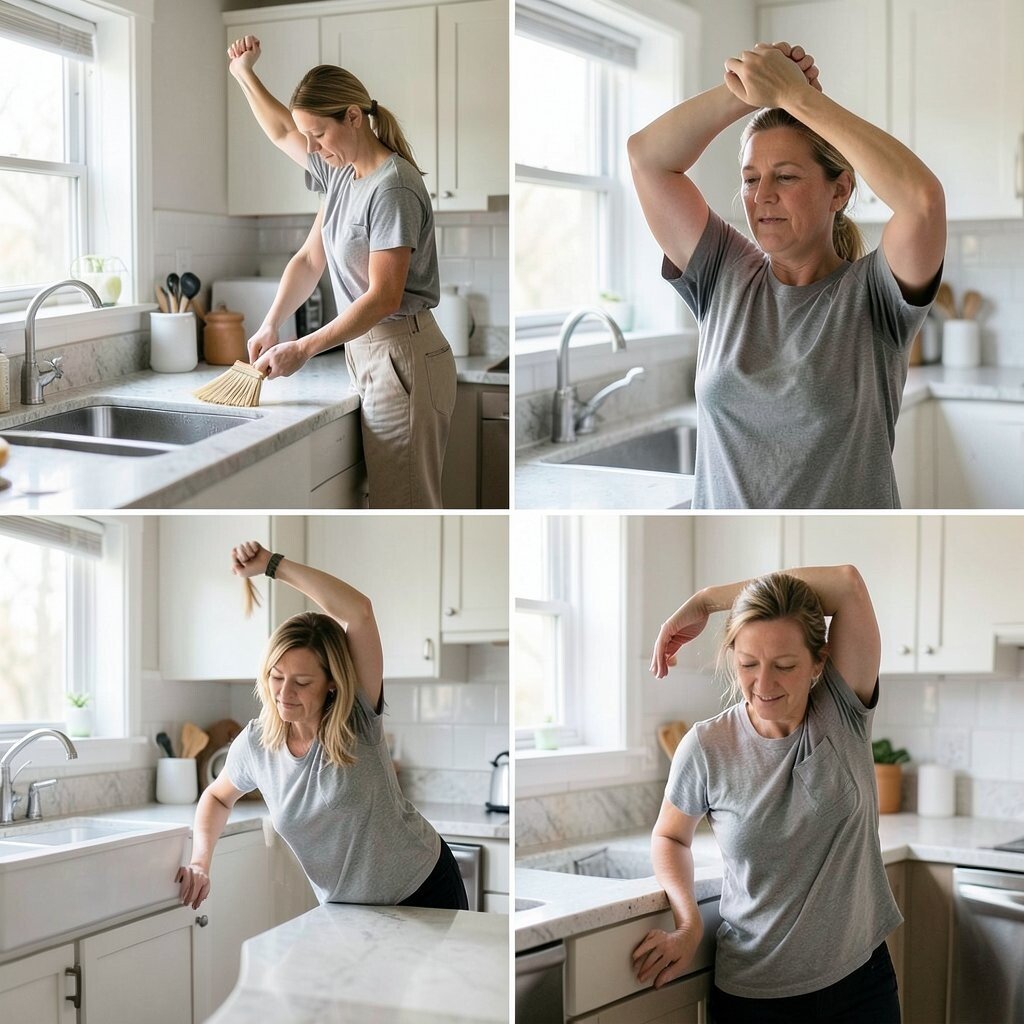
Do a light house task, such as sweeping or wiping a counter, and add small movement breaks. For example, after a few minutes, pause to stretch your arms over your head. Then stretch your sides by reaching one hand up and the other down.
This mixes real daily work with body care. You get benefits like better blood flow and less stiffness after sitting. It also helps your mind stay busy, since you can see what you are finishing.
Personalize by adding stretches that match your job, like shoulder rolls after cleaning. Keep your moves gentle and slow, not forced. This is a low cost way to stay active because you are using things you already have at home.
10. Try a Short Dance Break with Music
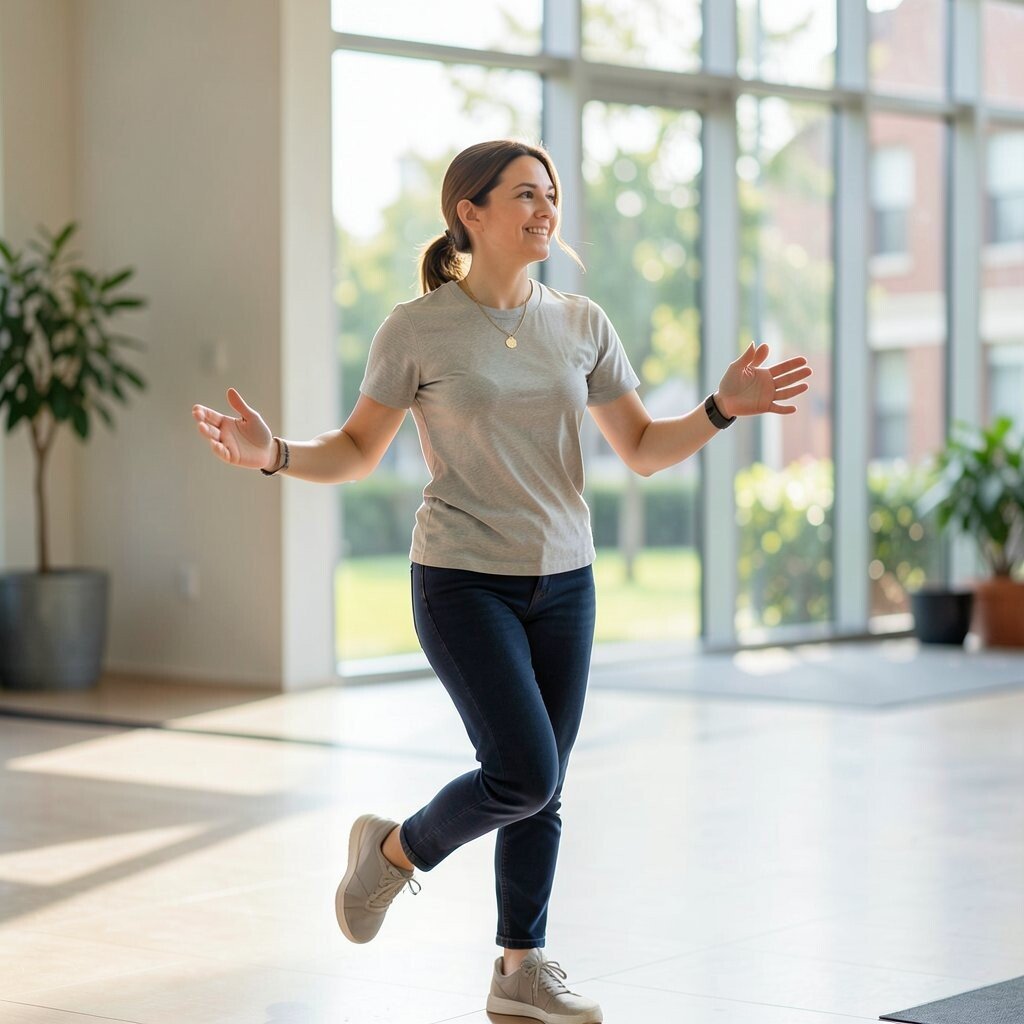
Pick a song you like and move for a few minutes. Step side to side, clap, and swing your arms in a simple way. Watch how your body feels as you move, and keep it easy.
Dance helps your heart beat a bit faster and can lift your mood. People often enjoy this because it feels fun, not like a task. You can also see your energy rise as you keep moving.
Personalize by choosing slower songs on tired days and faster songs on days you feel good. If you prefer a calmer style, try gentle sways and arm circles. This is a popular trend because it uses music and makes movement feel normal.
11. Build a Mobility Routine for Hips and Shoulders
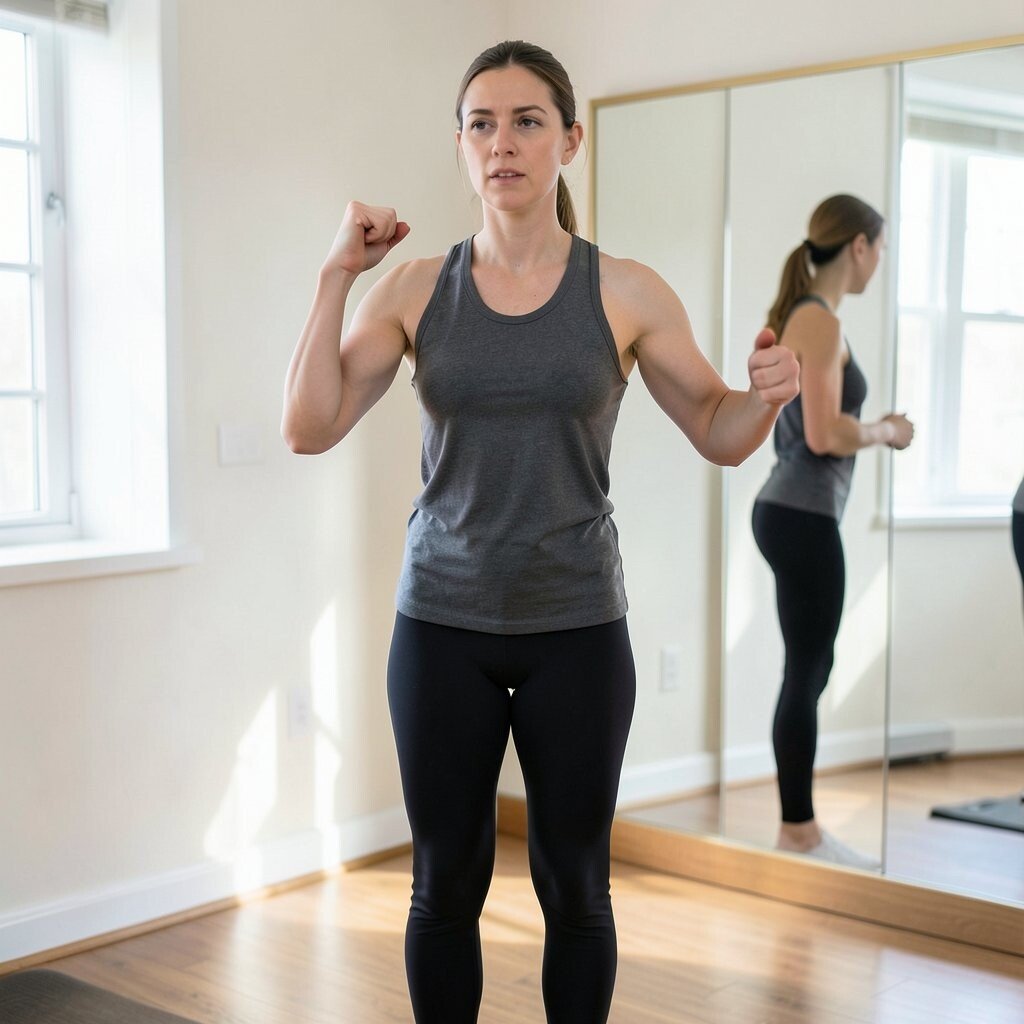
Spend a few minutes on joint movement, like circles for your shoulders and gentle hip sways. Stand with relaxed knees and move in small ranges first. Keep your breathing slow and do not rush.
Mobility work can help stiffness and make you feel freer in your joints. A benefit is that you may move with less discomfort during daily tasks. It can also help if you sit for long periods.
Personalize by focusing on the area that feels tight, like neck and shoulders after screen time. You can use a mirror so you can see your form. This routine is often shared online because it is easy to fit into any day.
12. Do a Floor Bridge for Glute Strength
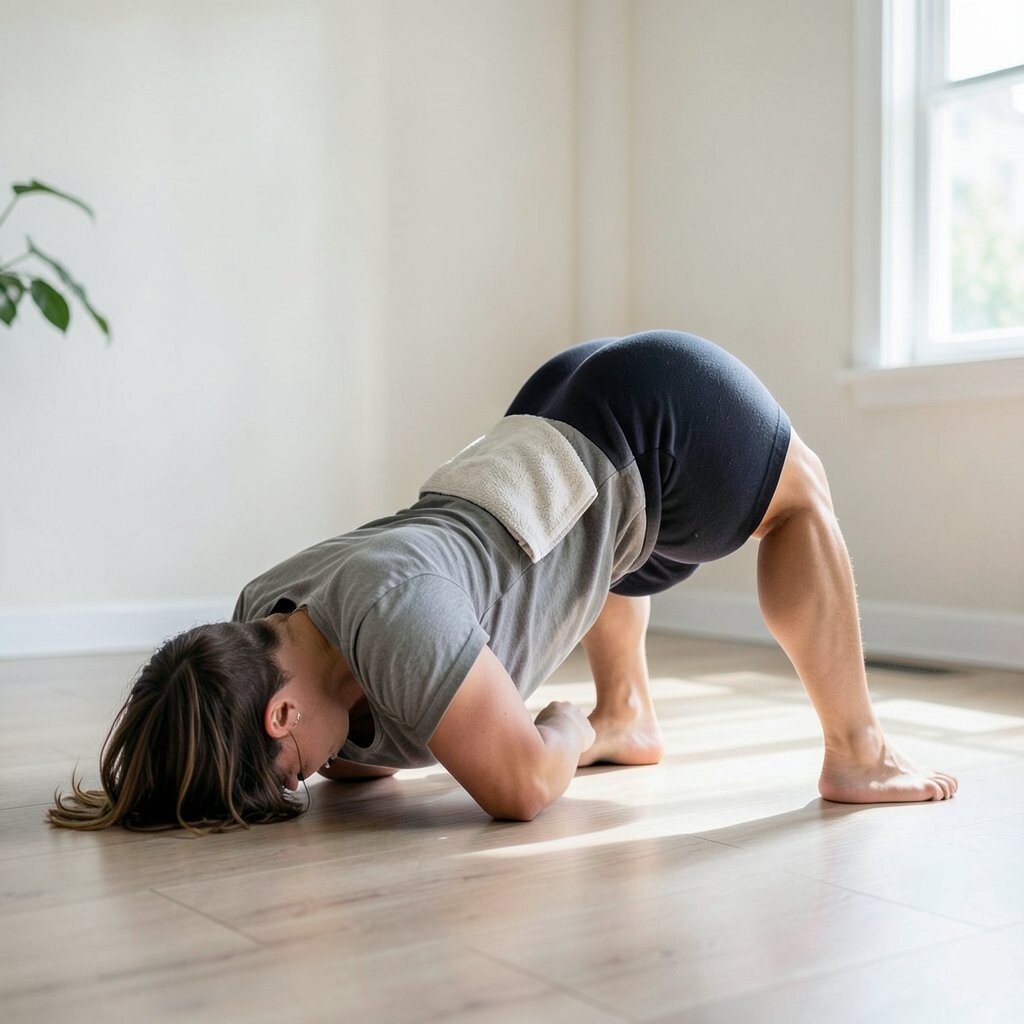
Lie on your back and bend your knees with feet flat on the floor. Push through your heels to lift your hips, then lower slowly back down. Keep your ribs relaxed and do not arch your lower back too much.
Bridges target your glutes and support your back. This can help you stand taller and feel more stable when you walk. Many people like this move because it is clear and focused.
Personalize by adding a pause at the top if you can do it safely. You can also place a small towel under your lower back for comfort if needed. This costs nothing and is easy to do at home.
13. Use a Foam Roller or Towel for Light Release
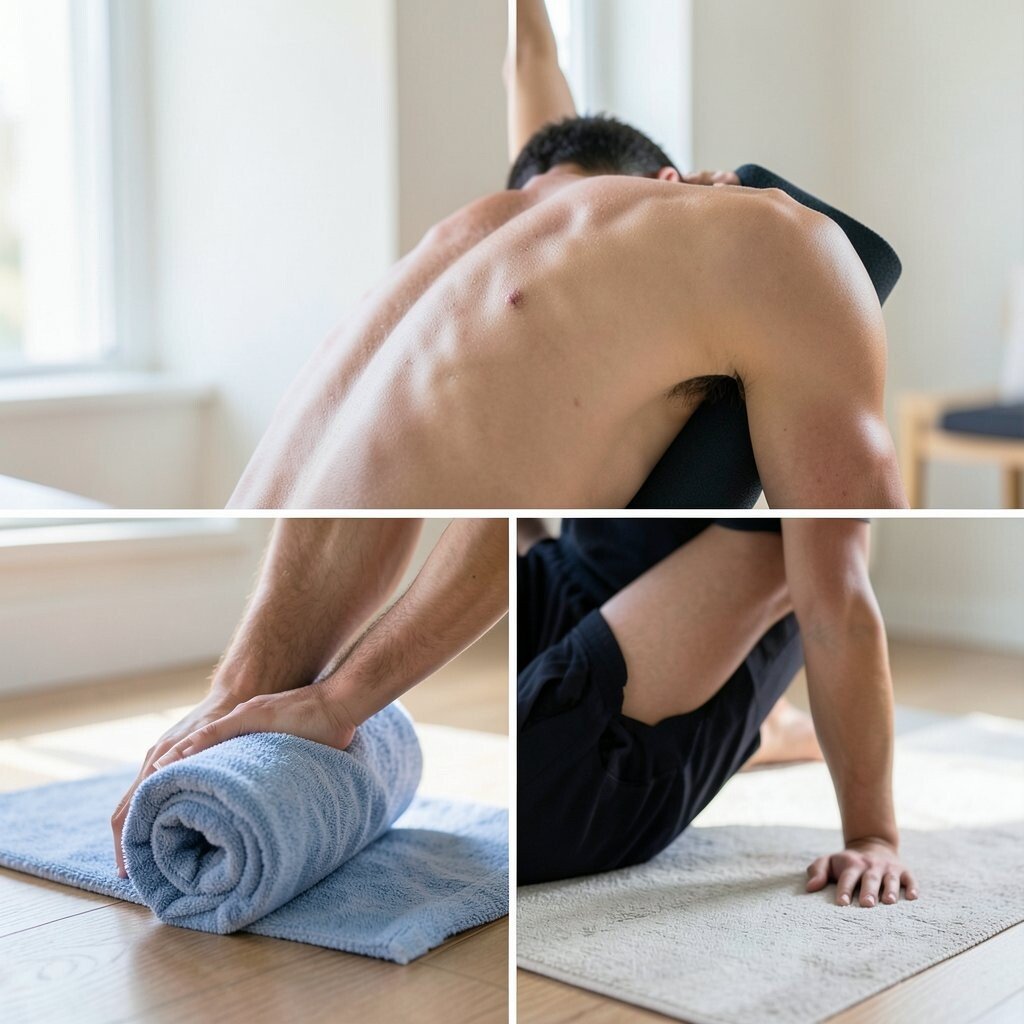
If you have a foam roller, use it gently on tight spots, like your upper back or calves. Roll slowly and stop if you feel sharp pain. If you do not have a roller, use a folded towel and press lightly instead.
This can help with muscle tightness and make you feel more loose. A benefit is that your body may feel better after a long sitting day. Keep it slow, since strong pressure is not always better.
Personalize by choosing one or two areas that feel worst that day. You can pair this with stretching, like rolling first and then doing a gentle hamstring stretch. Foam rolling is a common trend in fitness because it is simple and easy to learn.
14. Make a Personal Plan with a Few Daily Signals
Pick a few simple signals you already do each day, like after brushing your teeth or before dinner. Tie your movement to that signal, so you do not need to think too much. For example, do one short routine after brushing and a short walk after dinner.
This helps you stay consistent, which is a key part of staying active. You also get the benefit of building a habit without big effort. A clear sign you are doing well is that you start looking forward to the movement time.
Personalize your plan by choosing exercises you enjoy and that match your energy level. You can change the routine each week so it stays fresh. This approach follows a common trend of small steps and simple daily cues, and it works with any budget.