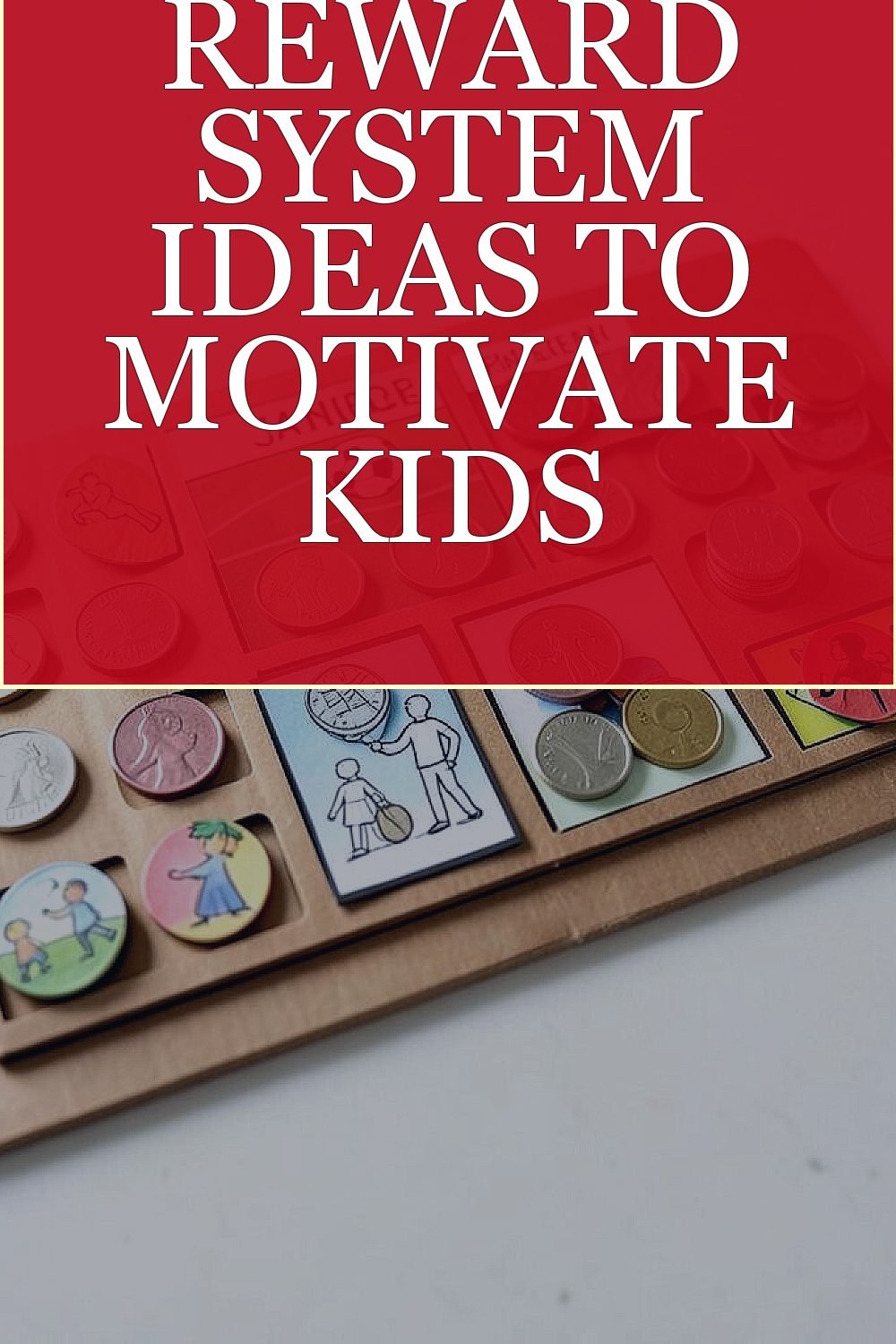
Kids work better when they see clear rules and fair rewards. A good plan also helps kids feel calm, try again, and learn good habits.
1. Sticker Charts With Real Goals

A sticker chart is an easy way to track chores and small wins. You can set a few clear goals, like making the bed or packing a bag. The child earns a sticker each time they finish the goal.
Kids like the visual look of a chart on the fridge or wall. It also makes progress easy to see, which can reduce fights. For benefits, it helps kids build routines and feel proud of steady work.
To personalize it, let your child pick the sticker theme, like animals or space. Cost can stay low since you can buy a small pack of stickers. A simple tip is to use the same chart size each week so the child knows what to expect.
2. Token Boards That Match Behavior

A token board uses small items, like coins or printed tokens, to show points. You can pick behaviors you want to teach, such as calm talking or using kind words. Each time the child does the behavior, they move a token to the right box.
This works well for kids who like rules and clear steps. It gives quick feedback, so they can connect actions to results. The visual boxes help kids stay focused and try again without long talks.
For uniqueness, you can theme the board to match your child’s interests, like soccer or art. For cost, you can use paper tokens and a cardboard board. A helpful tip is to set a short time window, like one day, so the reward feels close.
3. Choice Rewards Instead of Only One Thing

Choice rewards mean the child can pick from a small list of rewards. You can offer options like a book at bedtime, a board game turn, or a snack with their favorite fruit. This helps kids feel in control in a safe way.
It also keeps rewards from getting boring too fast. When kids choose, they often work harder to get the chance. You still guide the list so it fits your budget and family rules.
Personalization is easy here, since you can make the list based on the child’s likes. The cost can stay low by using simple things you already have at home. A tip is to review the list each week so the choices feel fresh.
4. A “Mystery Prize” Box for Good Work
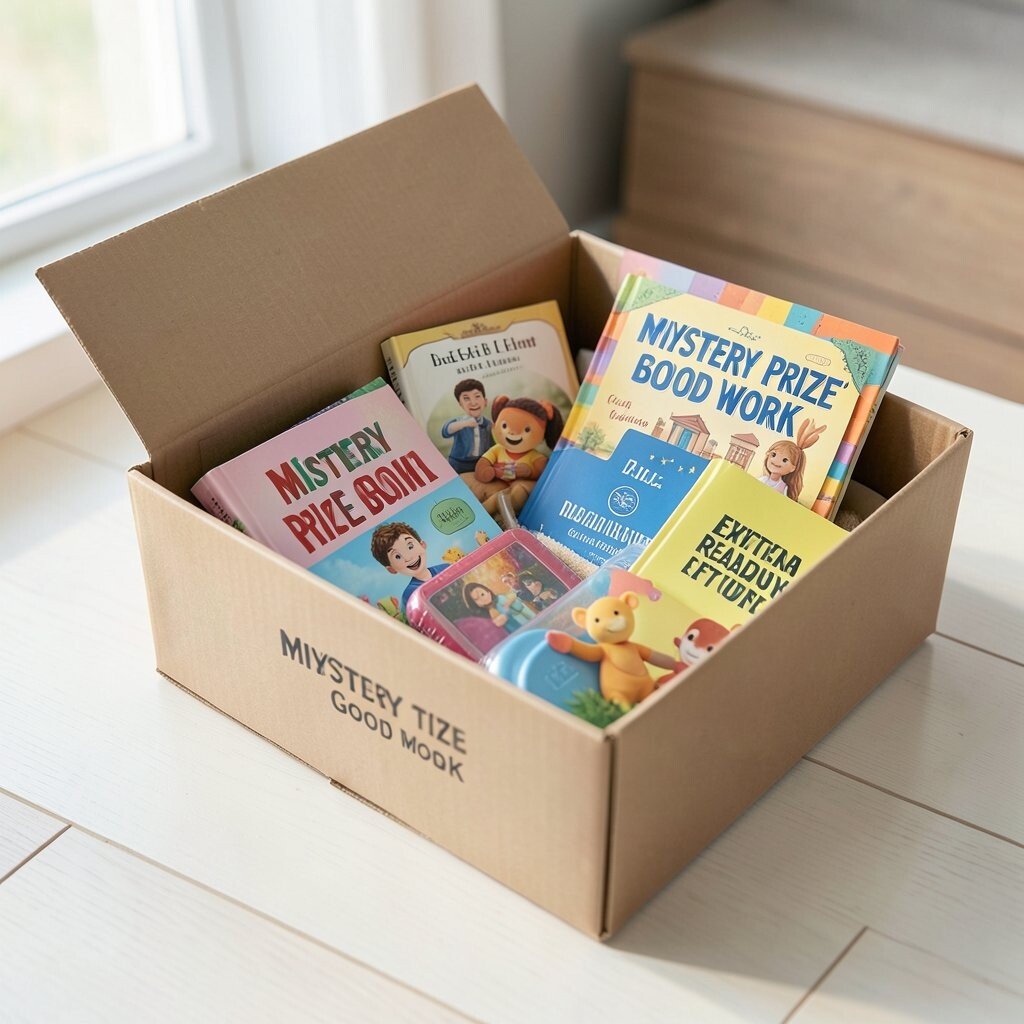
A mystery prize box is a container filled with small items and fun activities. You can include things like mini puzzles, short crafts, or a coupon for extra reading time. When the child earns it, they pick one item without guessing ahead of time.
This can make reward time feel exciting, even for kids who get used to the usual prizes. The uniqueness comes from the surprise, but the rules stay clear. It can also help kids stay patient because the next prize is not always the same.
Cost can be controlled by using low-cost items, like free library books or dollar-store crafts. To personalize, add a few items that match the child’s hobbies. A good tip is to keep the box sized so you can track what you use and restock.
5. Time-Based Rewards With Calm “Try Again” Time
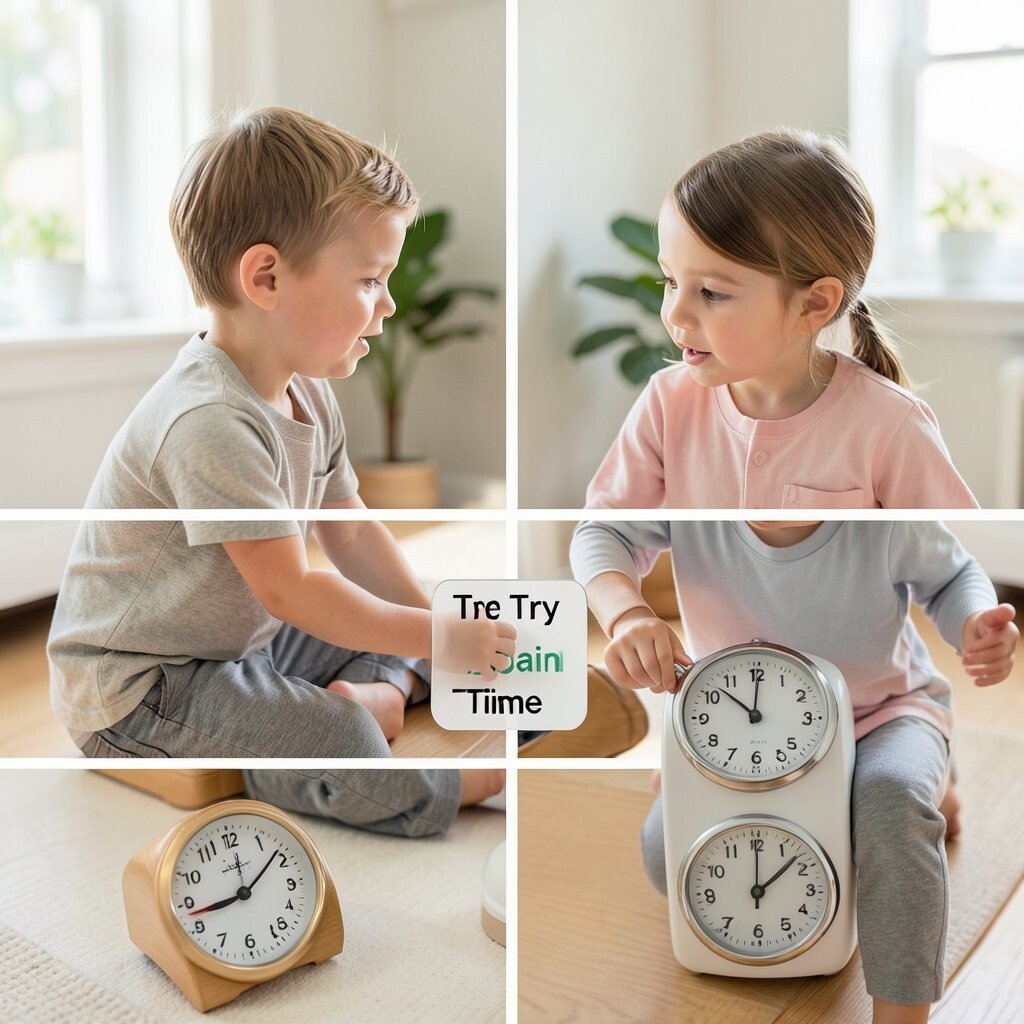
Some kids do better with time-based rewards rather than item rewards. You can set a short plan, like quiet time with focus, and then reward after the time is done. The reward can be something active, like a short walk or a game.
This helps kids practice self-control because they see time as a goal. It also supports a calm approach when they miss a step. The benefit is that the plan can lower stress during busy days.
To personalize, match the time length to your child’s age and attention span. Cost can be near zero when the reward is an activity you can do at home. A tip is to use a timer that the child can see, so the goal feels clear.
6. Behavior Contracts With Simple Steps

A behavior contract is a written plan with clear do’s and don’ts. You can use plain paper and simple words, like “Use inside voice” or “Put toys back.” The child signs it, and you both agree on what earns a reward.
This is useful for kids who need firm structure. The contract makes expectations clear, which can cut down on confusion. For benefits, it can help kids feel fair treatment and practice responsibility.
For uniqueness, you can add a kid-friendly name at the top, like “My Week Plan.” Cost is low since it is just paper and a pen. A tip is to start with a small number of goals so the plan feels doable.
7. Parent-Led Praise With Specific Notes
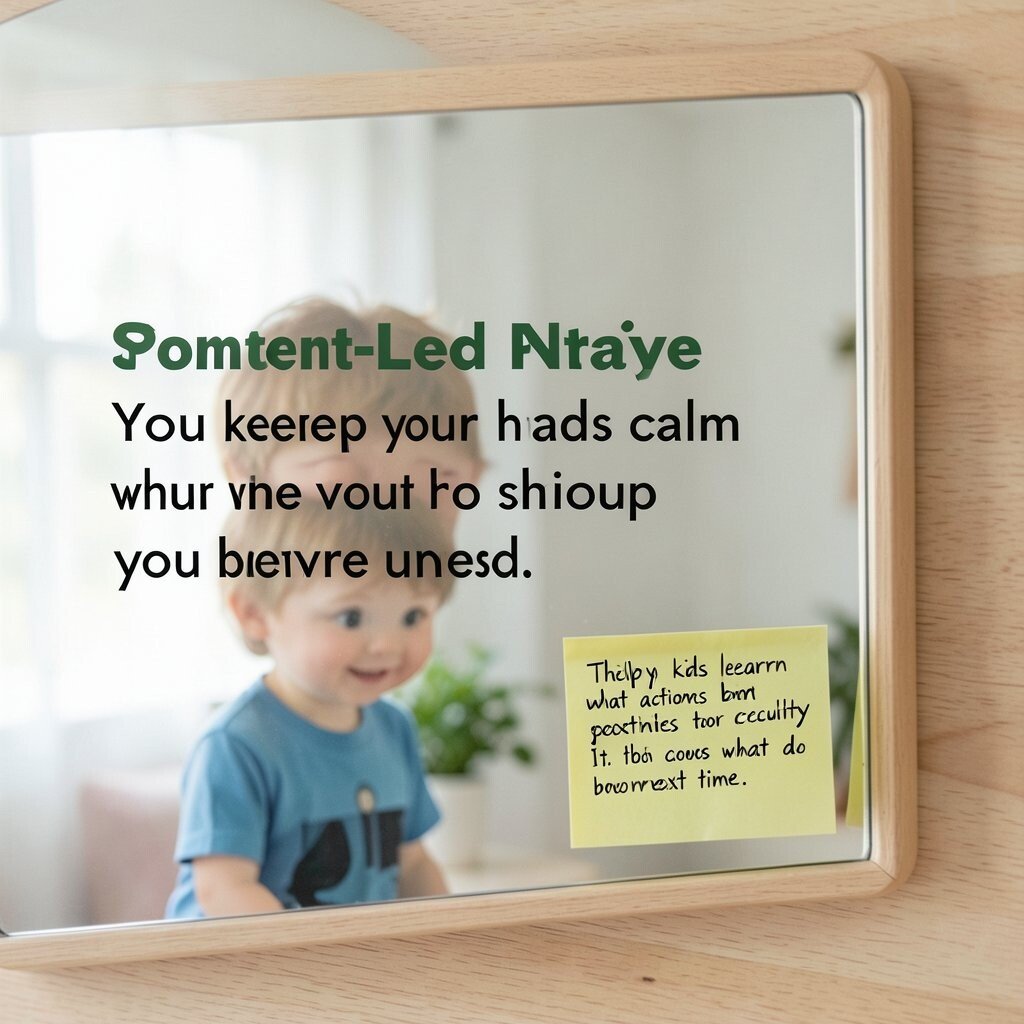
Praise is a type of reward, and the best praise is specific. Instead of “Good job,” try “You kept your hands calm when you were upset.” You can also add a short note, like a sticky with the exact behavior you liked.
This helps kids learn what actions bring good results. It also supports learning because the child knows what to do next time. The visual part can be a small note on a mirror or lunch box.
Personalization is simple since you can praise traits your child shows, like patience or creativity. Cost is very low because you mainly need paper. A tip is to praise right away, so the child links praise to the moment.
8. Class Style Rewards at Home for Team Play

Some kids enjoy a team feeling, like a classroom game. You can set up points for the whole family during a day, like “Everyone helps clean up.” Then you pick a group reward at the end, like movie night or a snack picnic.
This can reduce the “all on me” feeling for one child. It also teaches teamwork, since every person helps. The benefit is a shared goal that can make chores feel less heavy.
Uniqueness can come from the theme, like a space station mission at home. Cost can stay low when the reward is a simple activity. A tip is to make roles fair, so the child gets tasks that match their age.
9. Reward Experiences: Small Trips and Mini Events

Experiences can be a strong motivator, especially when kids like new settings. You can plan small events, like a park visit, a craft class at the library, or a short museum day. These rewards often feel bigger than small toys.
Kids remember time together, and that can make the plan feel special. It also helps kids learn social skills when you go out. For benefits, it adds variety and can make routine days feel fun.
Cost depends on the activity, so you can pick low-cost options like free community events. Personalize by choosing places linked to your child’s hobbies, like animals, trains, or art. A tip is to plan in advance so you can budget and avoid last-minute stress.
10. Progress Rings for Skills Like Reading or Practice
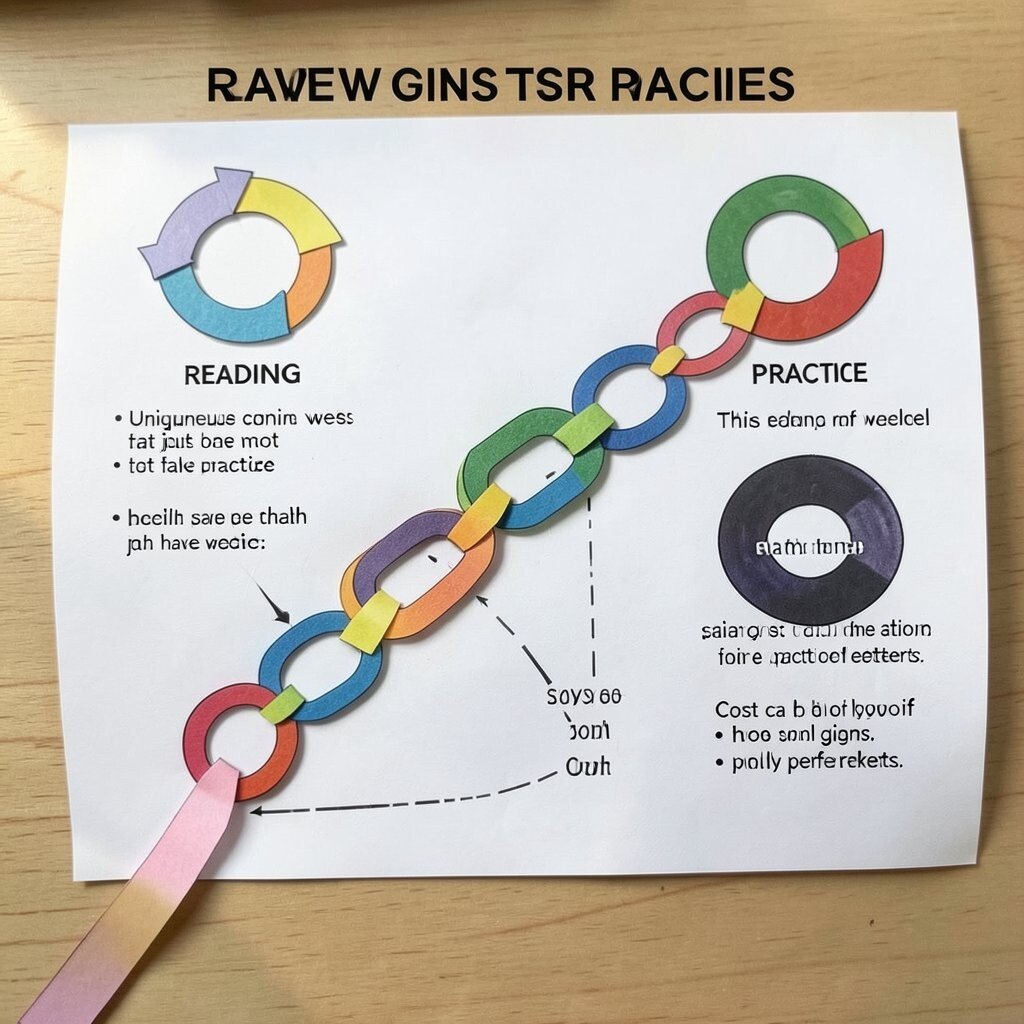
Progress rings show effort in a simple visual way, like a chain of steps you can see grow. You can use paper rings, a draw-on chart, or a printed progress circle. Each ring stands for a skill goal, like reading minutes or practice time.
This works well for skills that take weeks, not just one day. The visual growth can motivate kids because they can see how far they have come. The benefit is that the child learns patience and the joy of practice.
Uniqueness comes from the skill choice, like math games, piano practice, or learning letters. Cost can be low if you use paper and markers. A helpful tip is to celebrate small gains, not only perfect results.
11. Simple “Reward Bucks” With Weekly Use

Reward bucks are a playful currency that a child earns for meeting goals. You can make them using paper with stamps or numbers, like “one buck for clean up.” Each week, the child can trade bucks for a reward from your list.
It is helpful for kids who like to count and save. The weekly trading time keeps the plan from turning into constant shopping. For benefits, it teaches delayed reward and helps kids manage their own choices.
To personalize, create a reward menu with items that match your values, like books, games, and family time. Cost is controllable since you decide the value of each reward. A tip is to keep the list clear so the child does not feel tricked.
12. Using Digital Rewards With Screen Time Limits
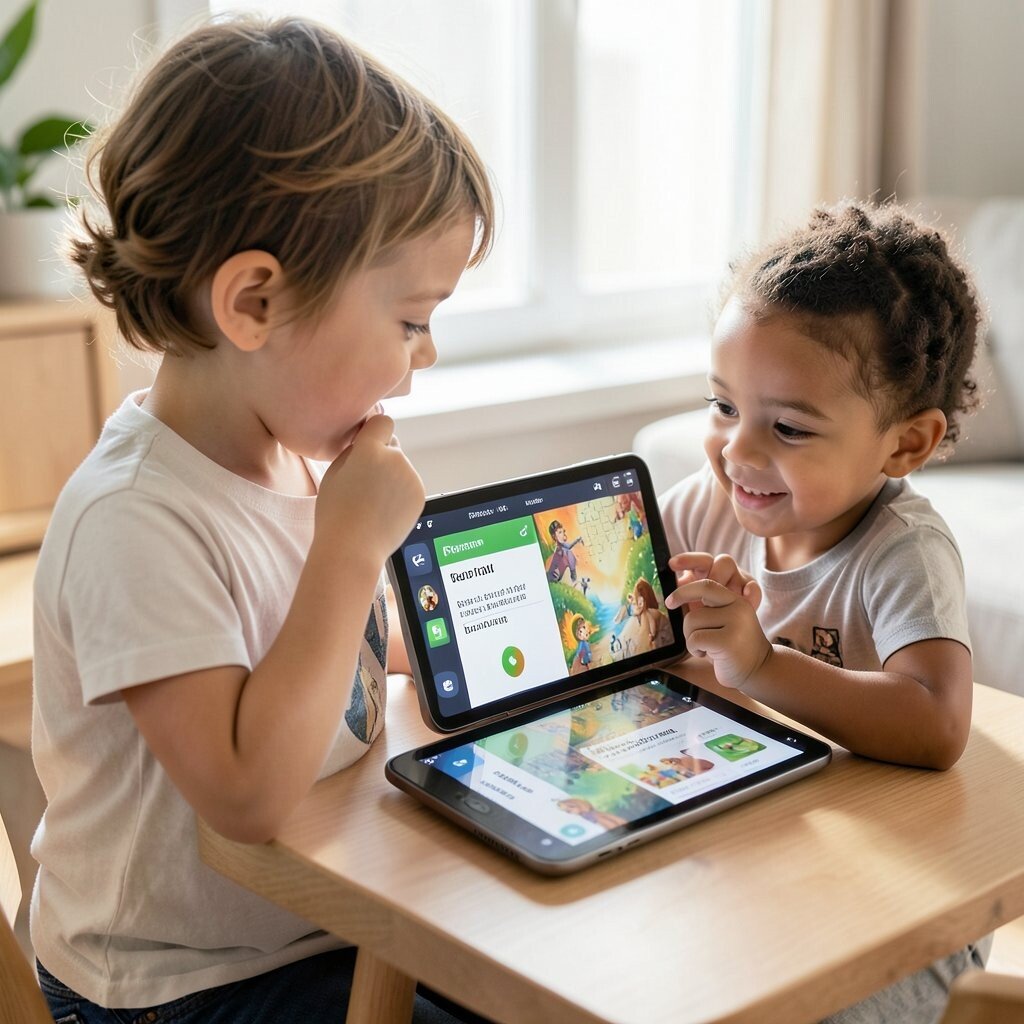
Digital rewards can work when you set clear limits and keep it fair. You can use a simple points app on your tablet or a family reminder page that shows tasks completed. Then the child earns short screen time or a game session after tasks are done.
This fits current trends since many families already use phones or tablets for schedules. It also can reduce power struggles because the plan is easy to check. The visual checkmark system can keep kids on track without extra arguing.
Personalize by choosing digital rewards your child likes, like a puzzle app or an art game. Cost can be low if you use free tools, but watch any app fees. A key tip is to set limits before starting, so the reward feels safe and not endless.