Goats do best when their feed is set up with care. These tips use simple steps to help you plan meals that keep goats healthy and calm.
1. Know what your goats actually need
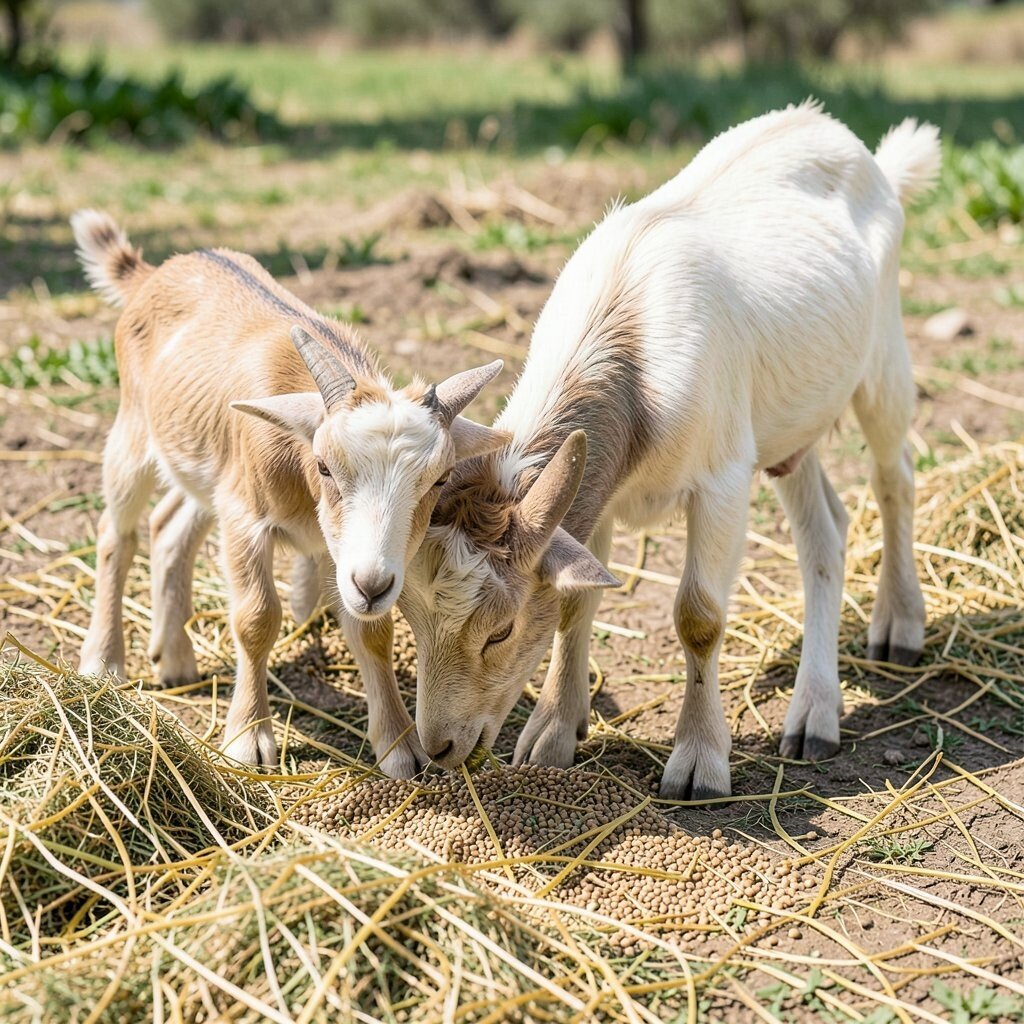
Start by learning the basics of goat nutrition. Most goats do well with good hay, a small amount of grain, and clean water. If you guess, your goats may not get the right balance.
Look at your herd and think about age and body size. A kid, a pregnant doe, and a working wether can have different needs. When you match the feed to the goat, you often see better weight and better coat.
2. Feed mostly hay every day
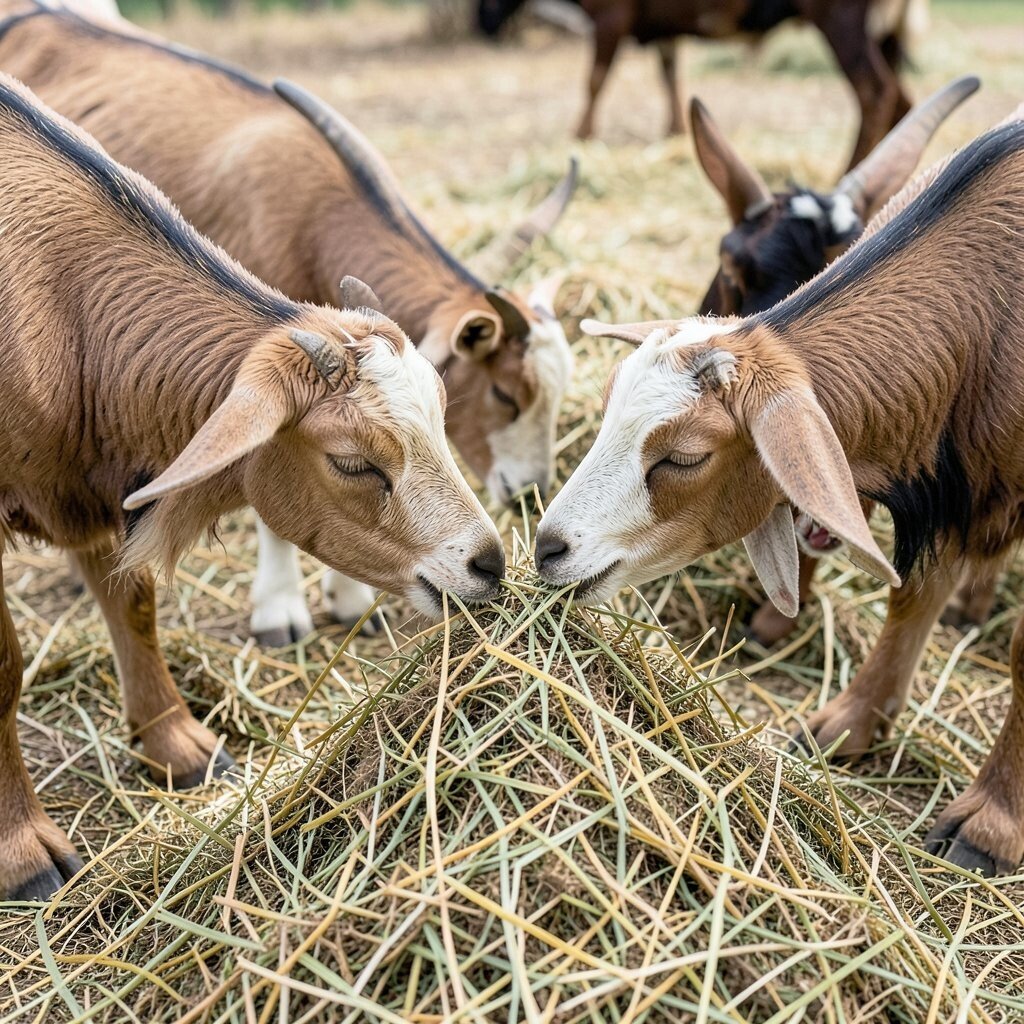
Hay should be the main part of many goat meals. You will often see goats chew it for a long time, which helps their digestion. Good hay also helps keep their teeth worn down the right way.
Use hay in a steady routine so the gut stays used to it. When goats get hay at the same times, they are less likely to act hungry or bossy. Clean, dry hay in a feeder also helps cut down waste.
3. Choose hay that looks and smells right
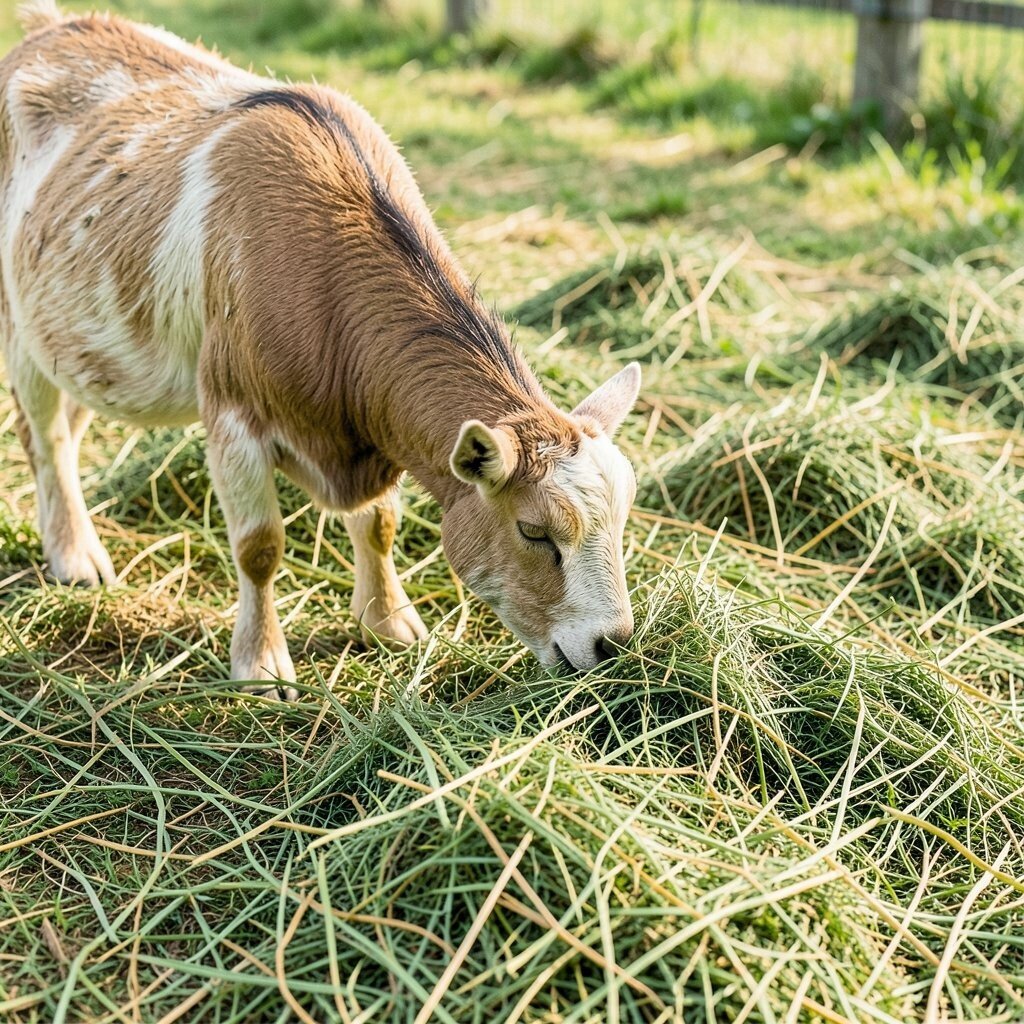
Good hay looks green, not gray. It should smell fresh, not sour, and it should feel dry but not dusty. If you see mold, clumps, or a bad smell, do not use it.
Different types of hay can work for different groups. Some farms use timothy, some use orchard grass, and some mix types. Trying small batches can help you find what your goats eat well.
4. Use a feeder that fits goats
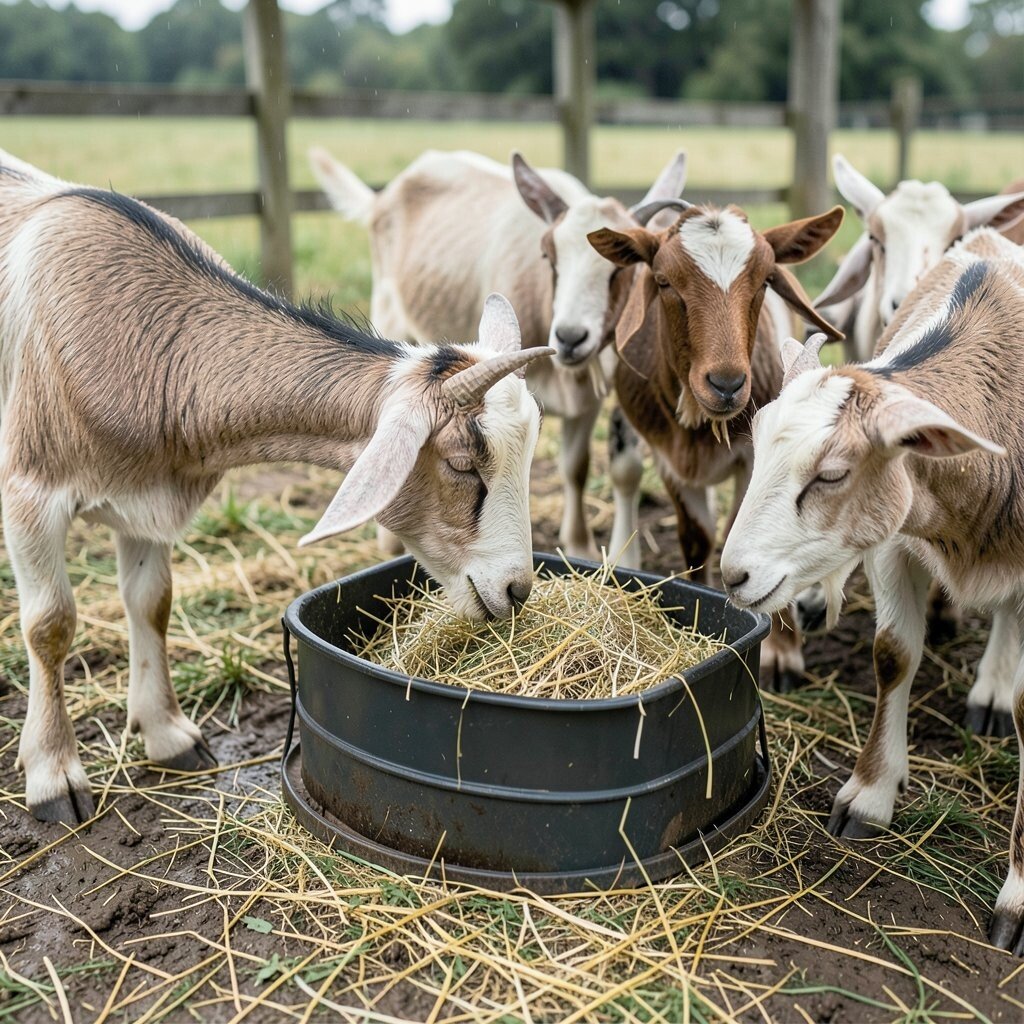
A solid hay feeder can help goats eat more and waste less. You may see less hay on the ground when the feeder keeps it up and steady. It also helps protect feed from mud and rain.
Pick a feeder size that suits your herd. If the opening is too big, goats may push hay out. If it is too small, they may not eat well and may get stressed.
5. Start grain slowly and keep it small
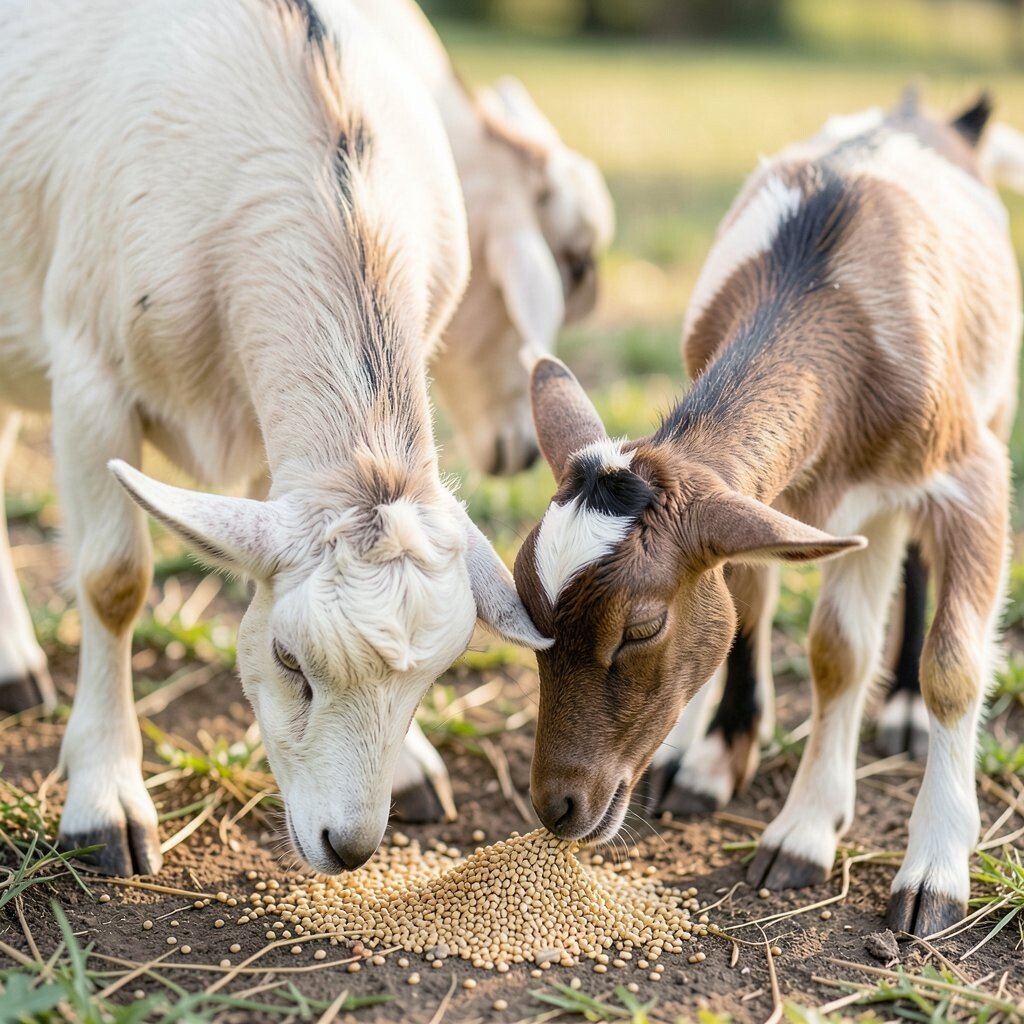
Grain can add energy, but it can also upset a goat’s stomach if you rush it. If you add grain for the first time, begin with a small amount. Then watch how the goats act and how their manure looks.
Many goat owners use grain only when it fits the goat’s stage. Lactating does, fast-growing kids, and active animals may need more. For goats with normal body size, too much grain can cause weight gain and health issues.
6. Pick the right mix instead of guessing
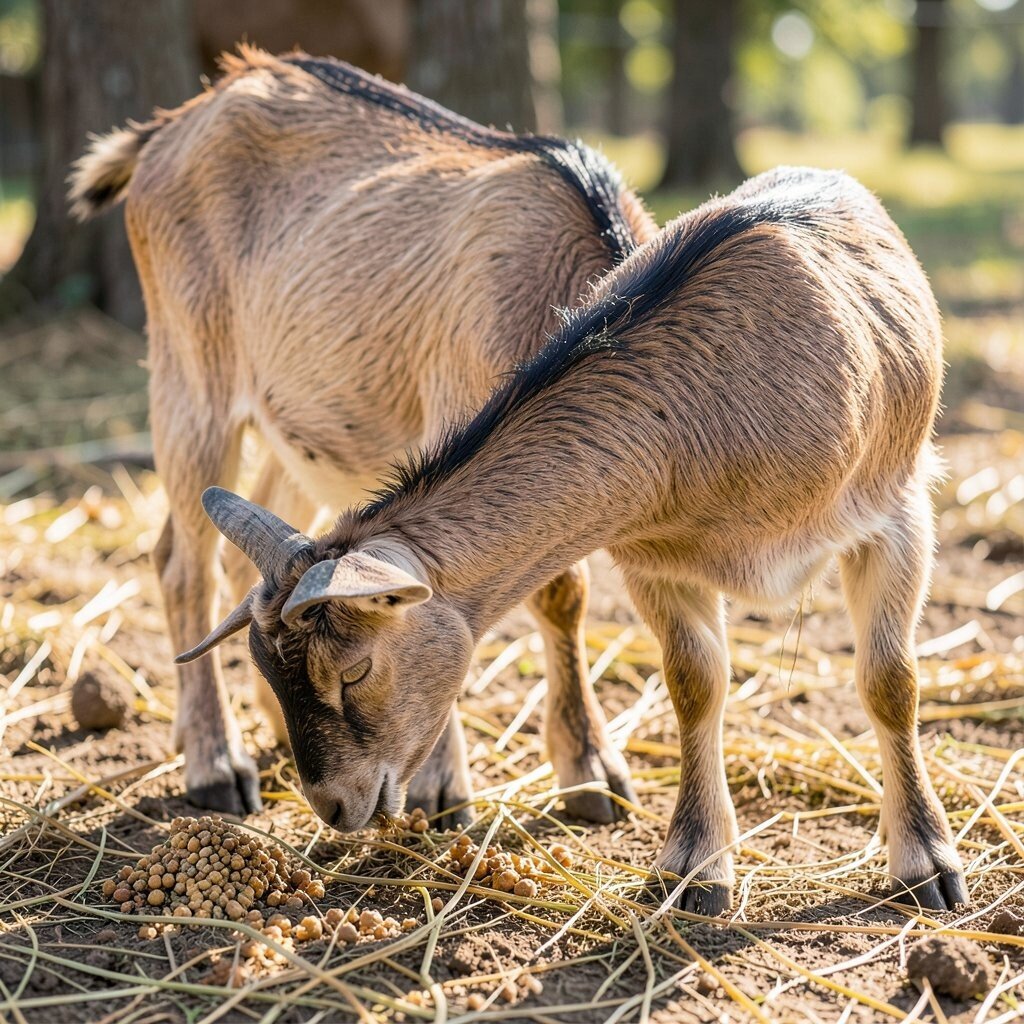
Goat feed mixes are not all the same. Some mixes focus more on protein, and others focus more on energy. Choose a product made for goats and follow the label guidance.
If you can, ask a local feed store or a vet for ideas. They may suggest a mix for your area and weather. This can also help with cost because you avoid buying the wrong thing.
7. Provide clean water and check it often
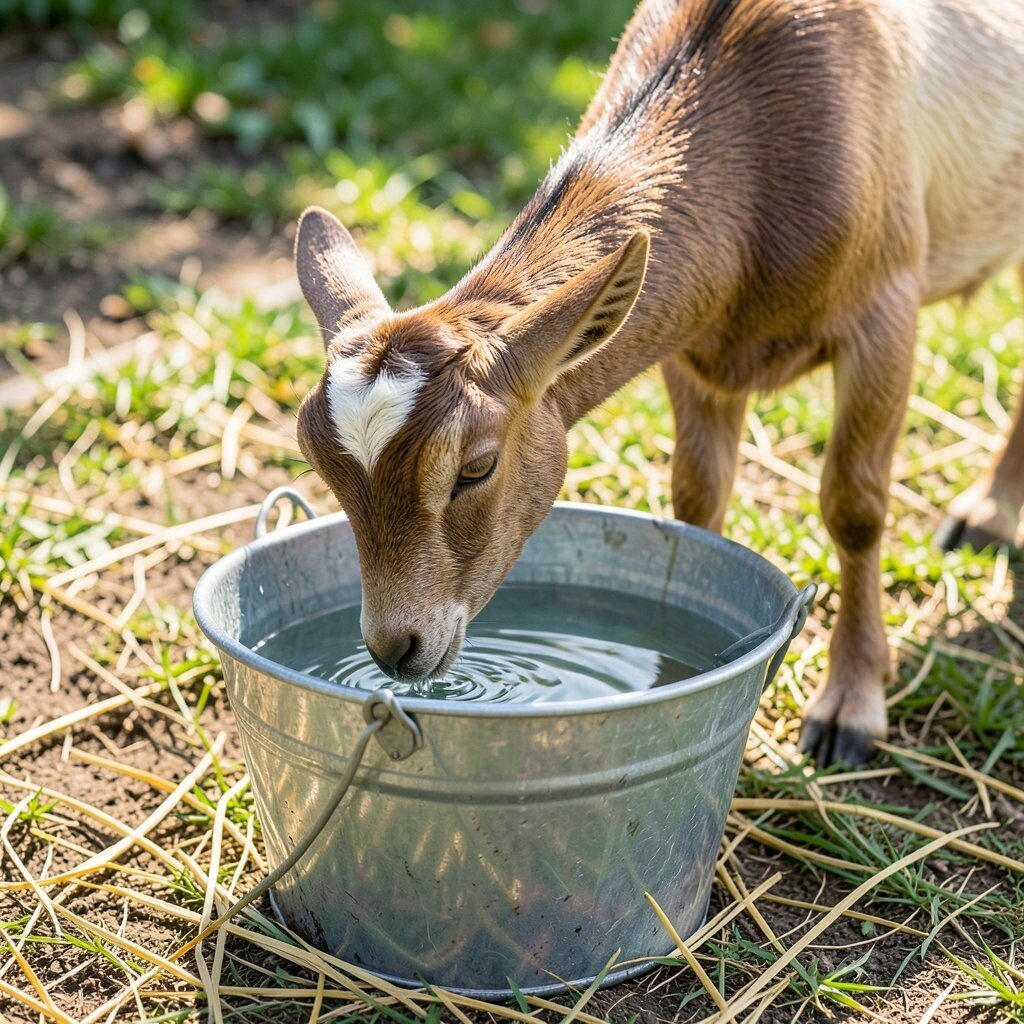
Fresh water matters just as much as hay. Goats drink to help digestion work well. A water bucket that stays clean also helps keep sickness away.
In warm weather, water can get dirty fast. In cold weather, buckets can freeze, so you may need a plan. When goats can drink easily, you often see steadier feed intake.
8. Keep mineral and salt available all the time
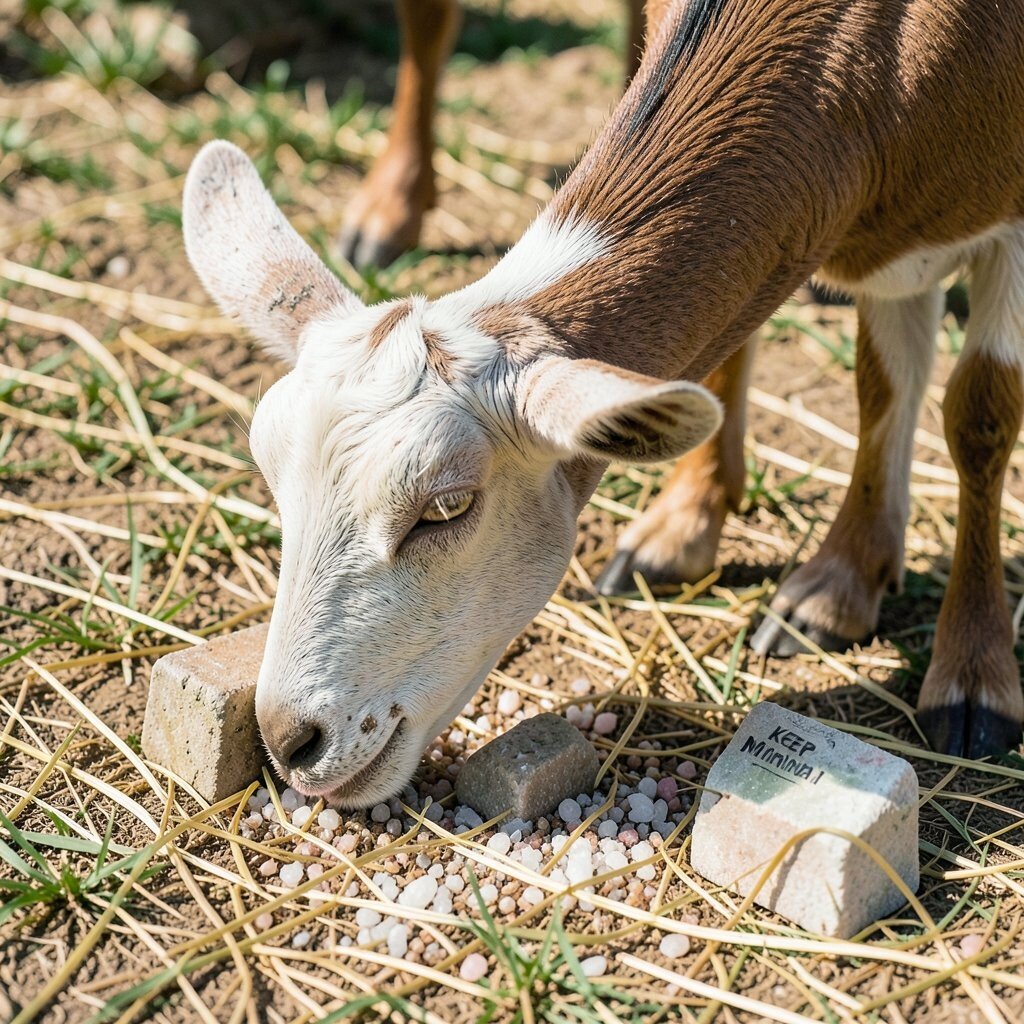
Minerals help fill gaps that hay alone may not cover. Many goat owners keep a mineral block or loose mineral out in a safe place. You may notice goats lick it when they need it.
Use minerals made for goats, not cattle or horse-only products. Goat mineral needs can be different. If your goats are not using the mineral, check placement, mold, and whether it is the right type.
9. Add browse carefully and watch for safe plants
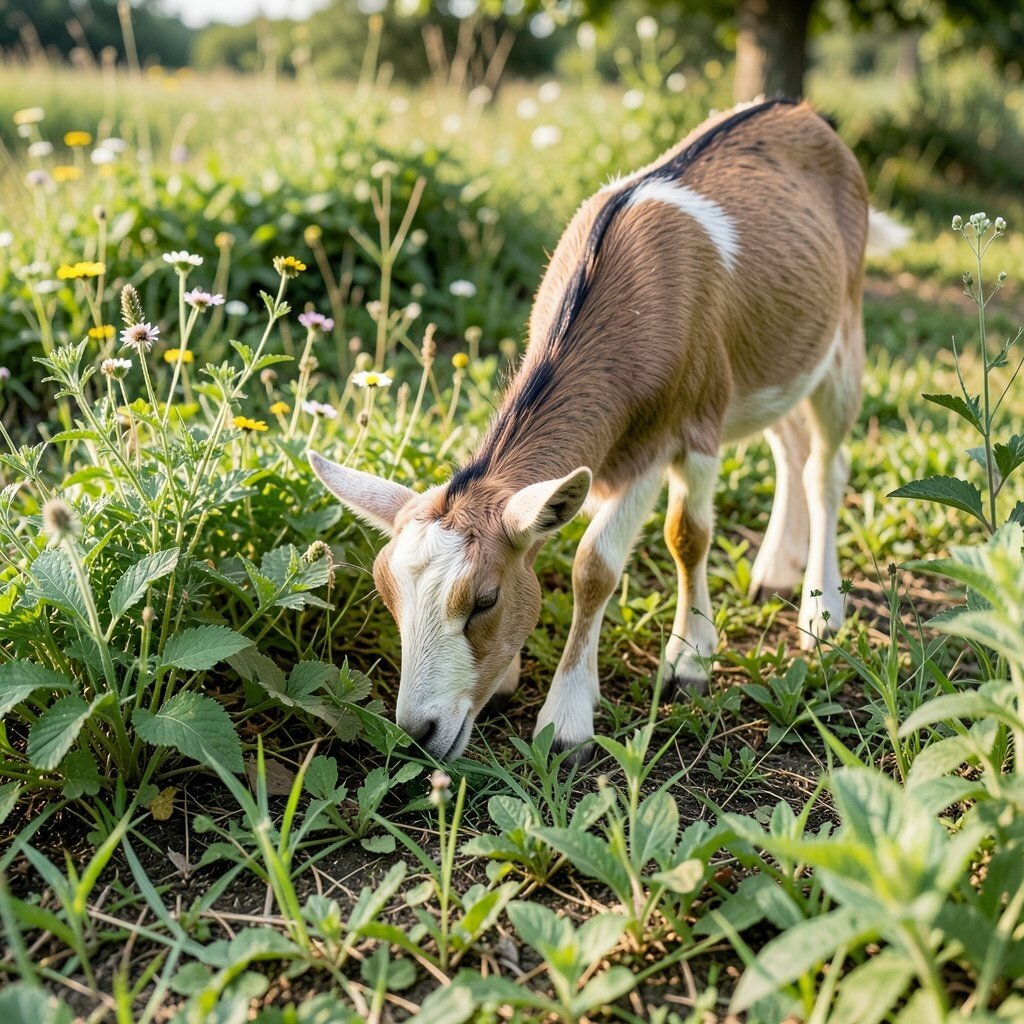
Goats love to browse, and you can use this as part of feeding. Browse can include leaves, safe shrubs, and controlled pasture plants. The key is to only use plants that are known to be safe.
Take time to learn what grows around your land. If you are not sure, do not risk it. When browse is safe and not overdone, goats often seem calmer and more busy.
10. Use treats in small amounts
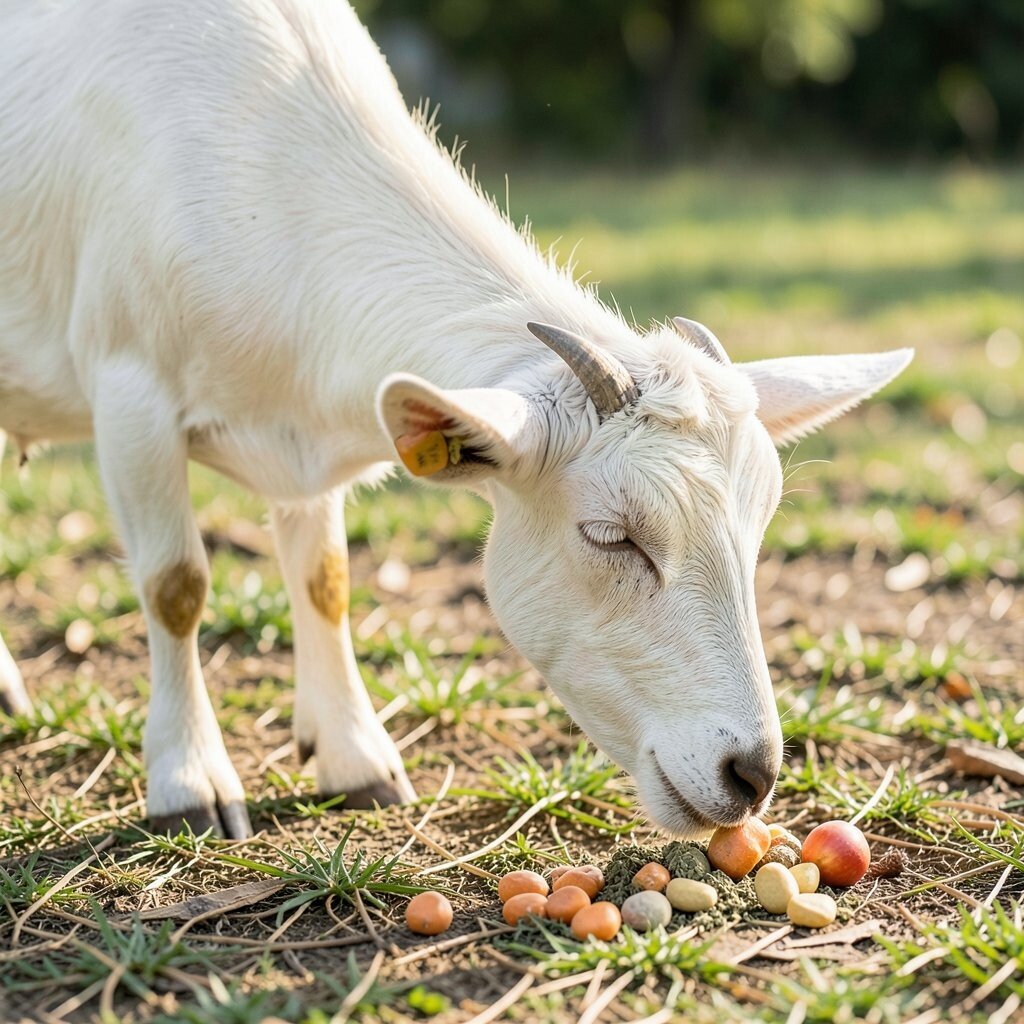
Many people like to give treats like apples or carrots. Treats can be a nice way to bond, but they should be small. Too many treats can push out the main feed and upset the gut.
Try a simple rule: treats are for training and comfort, not for filling the day. Use plain, clean treats and cut them into small pieces. You can also use dried herbs in tiny amounts if they are safe.
11. Keep feeding spaces tidy and dry
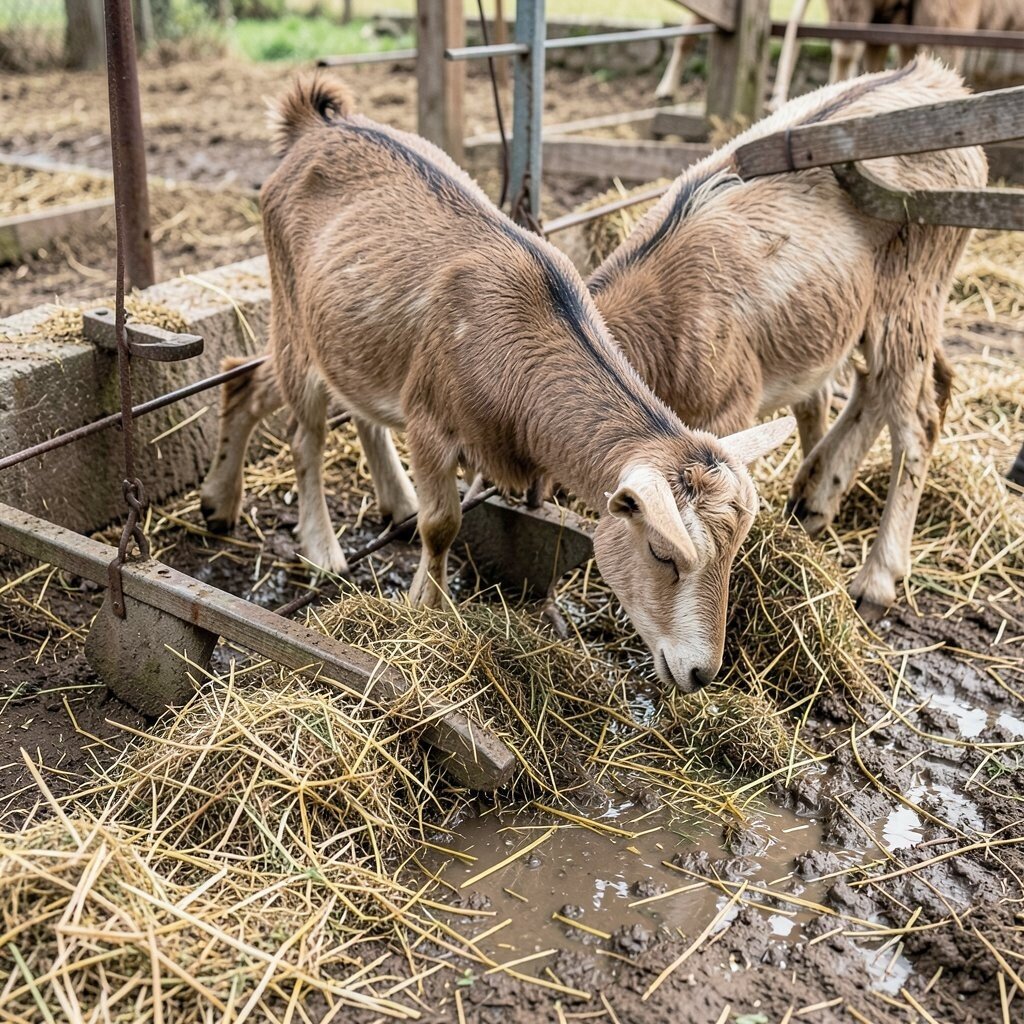
Wet feed can grow mold, and mold is not safe for goats. Try to keep the area under feeders clean and dry. If hay gets wet, remove it instead of feeding it.
Look for mud and puddles near the feeder. Standing water can bring bugs and germs. When the feeding spot stays clean, you often spend less money on wasted feed and vet visits.
12. Match feed to each goat’s body and job
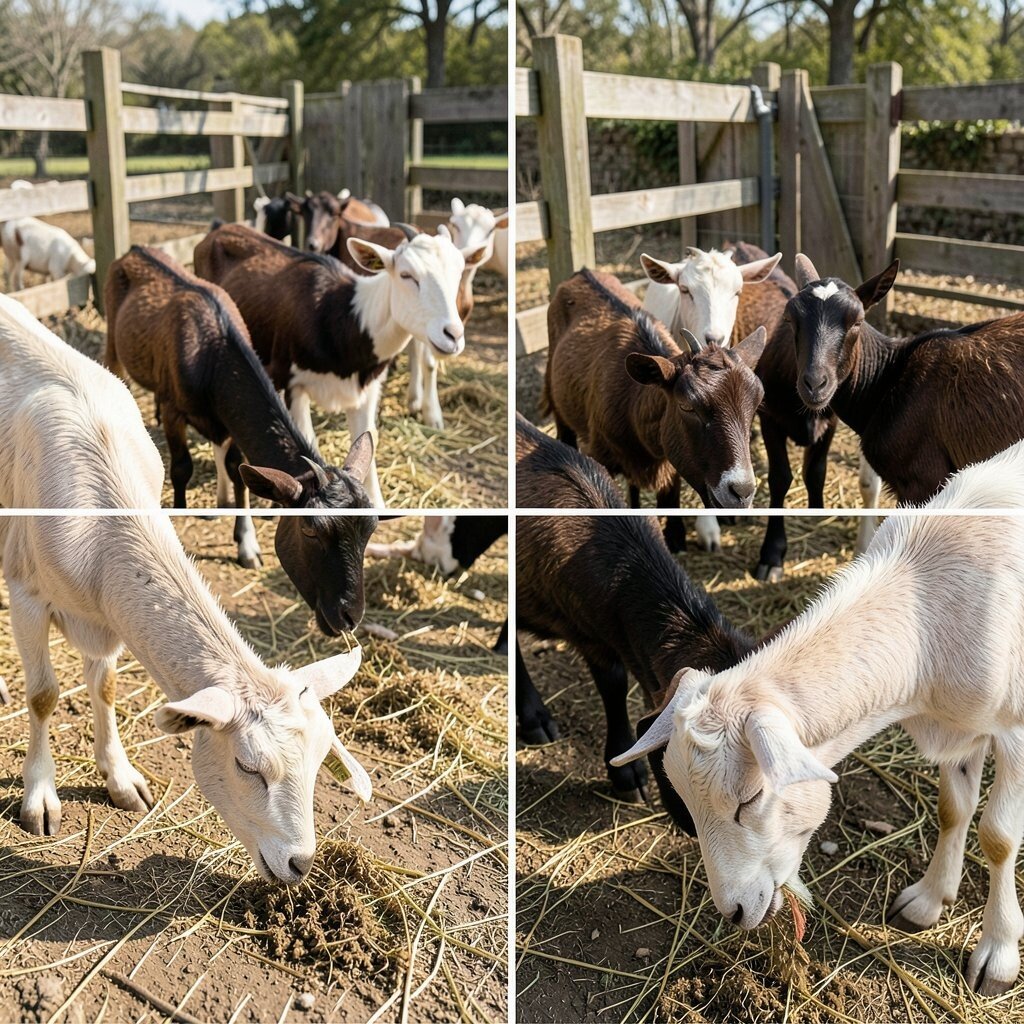
Not every goat should eat the same amount. Some goats are thin, some are growing, and some are older. Watch their body shape and energy each week.
If you have a mixed group, you can still personalize feeding. You can set up feeding lanes, use separate pens, or feed in timed groups. This helps shy goats get enough and helps bossy goats from overeating.
13. Separate goats when needed
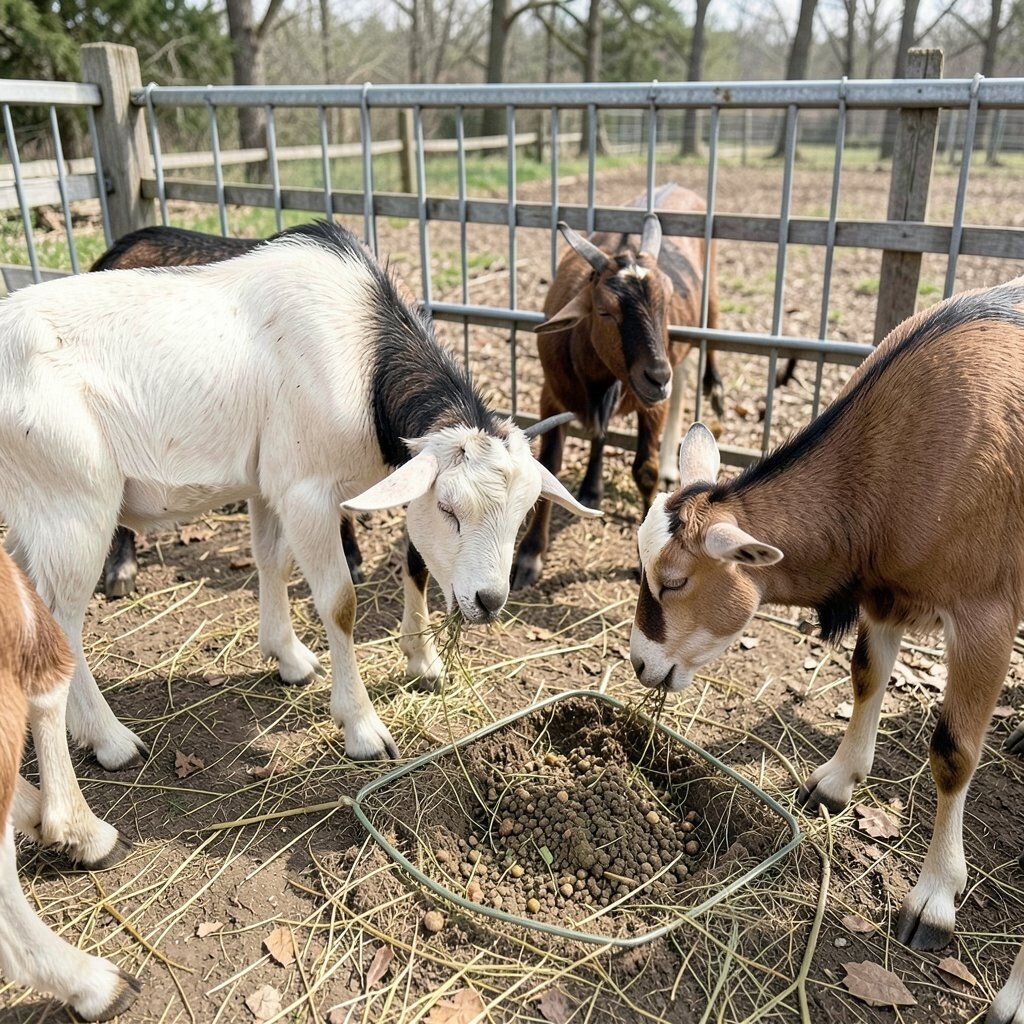
In some cases, you will want to separate goats to prevent bullying at the feeder. Young kids may need gentler feed, and pregnant or nursing does may need more steady care. A simple pen setup can make this easier.
You can also separate goats based on health. If one goat has a stomach issue or is not gaining weight, giving it separate feed helps you control what it eats. This can lower stress for both the sick goat and the rest of the herd.
14. Watch for signs your goat is not doing well
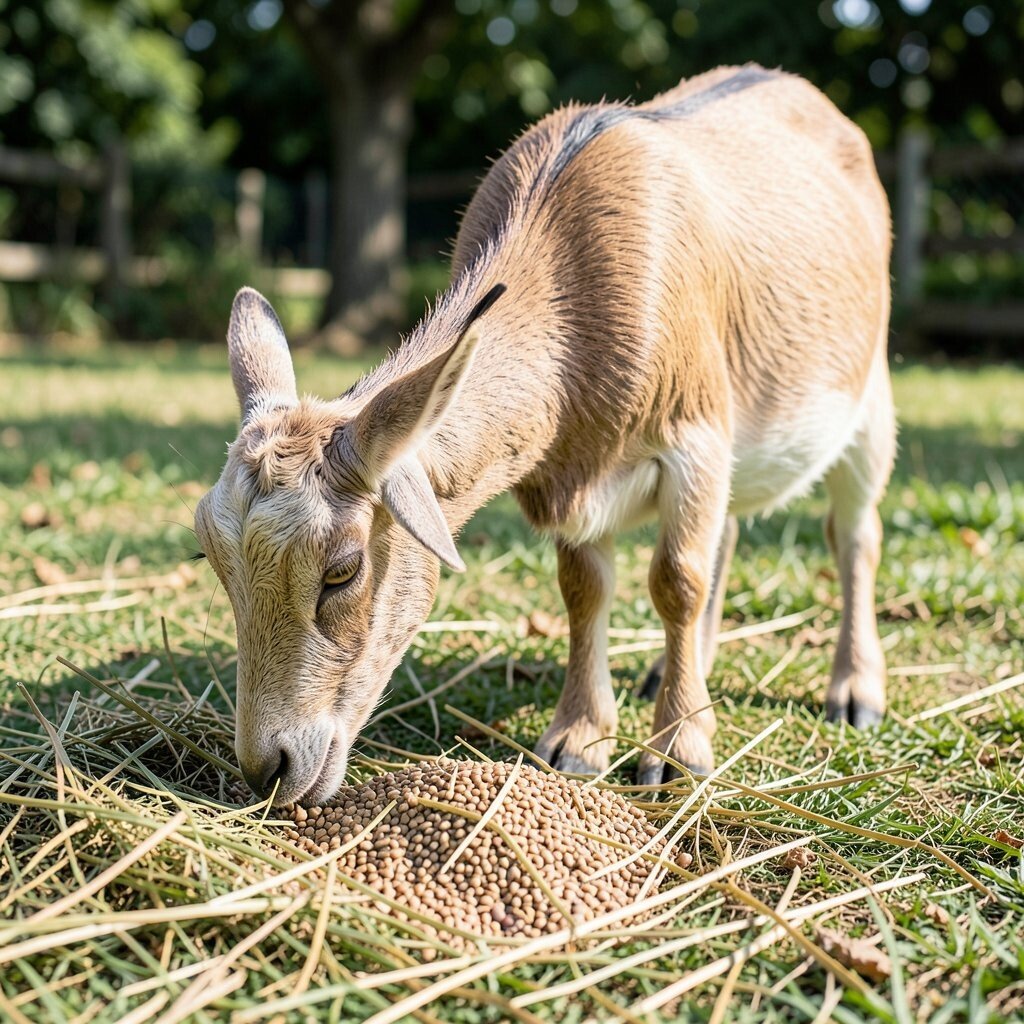
Pay attention to how goats chew, eat, and move. If a goat stops chewing or seems off feed, it may be a feed problem. Loose stool, bad body shine, and low energy can also be warning signs.
Check the feed first when you see issues. Look at hay quality, grain amount, and water cleanliness. If problems keep happening, call a vet and share what you changed and when.
15. Plan feed costs and avoid waste
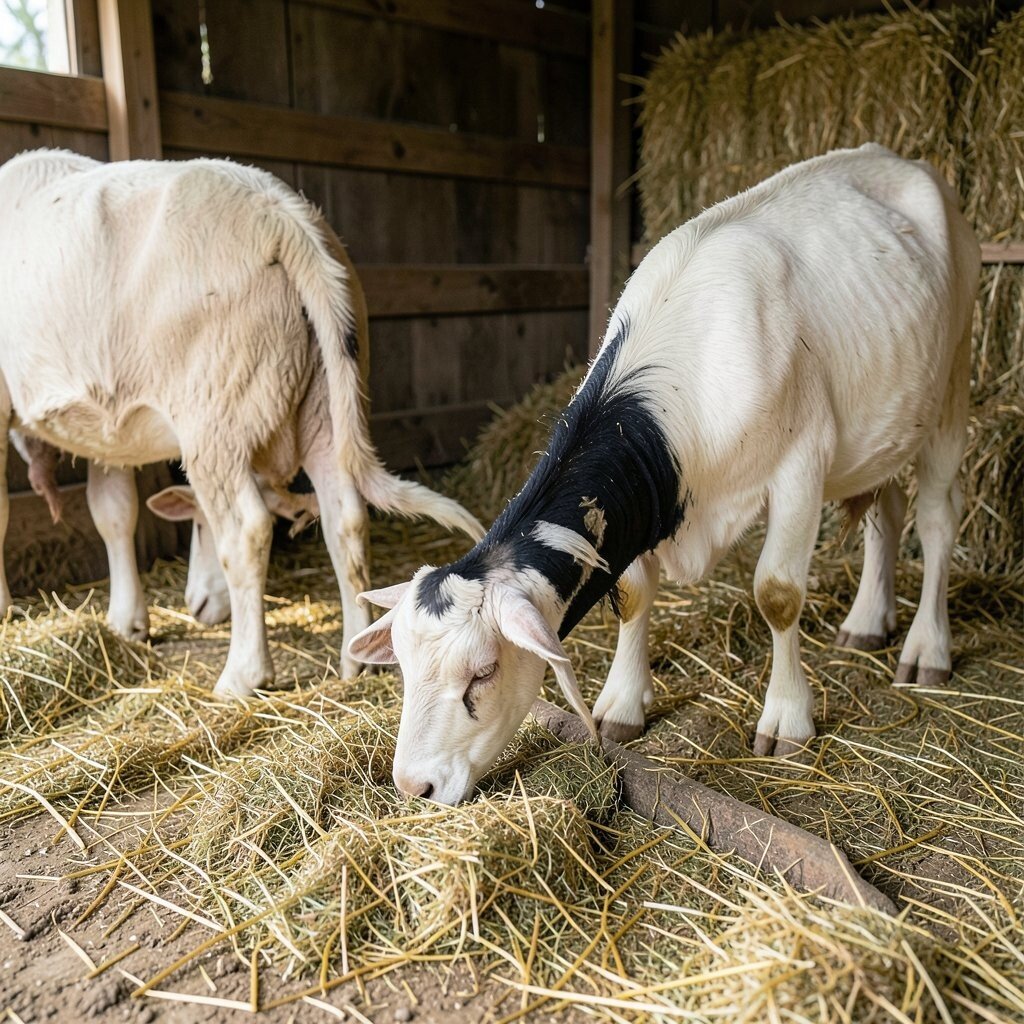
Feed cost matters for many farms, so plan ahead. Buying too much hay or storing it wrong can lead to loss. When hay is in a good storage area and covered, you usually save money over time.
Try to measure how much the herd eats in a week. Then you can buy in the right range instead of guessing. Using feeders that reduce trampling can also cut waste, which helps your budget.
16. Use modern trends, but keep the basics
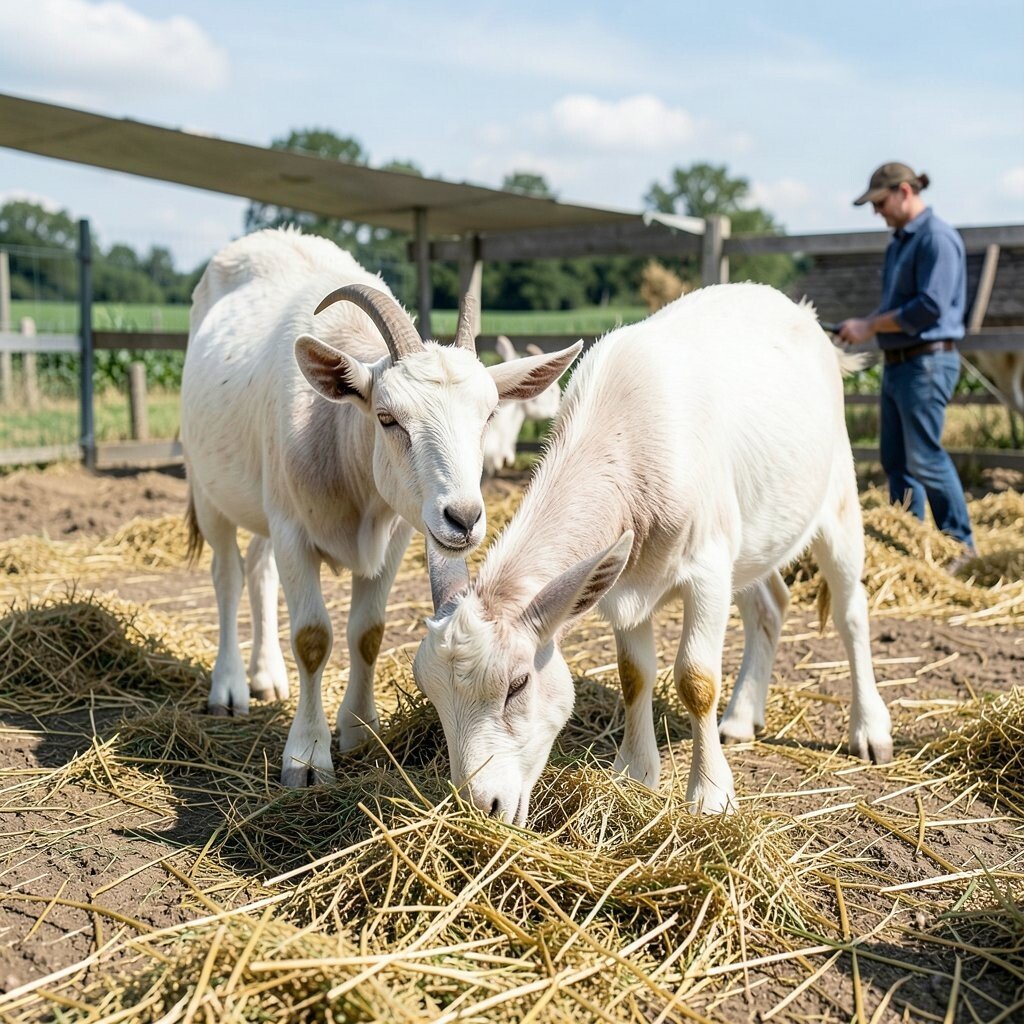
Some farms now use better tools like scale feeding, phone reminders, and clearer feed labels. You may also see more people test hay quality or track body scores. These trends can help you spot issues early.
Even with new tools, the basics still lead. Good hay, clean water, safe minerals, and slow changes to grain help most goats thrive. When you add one small upgrade at a time, it is easier to see what helps your herd.