Hamsters do best when their cage feels safe and fun every day. You can set up a home that helps them sleep well, move a lot, and stay calm.
1. Deep Bedding With Safe Nesting Spots
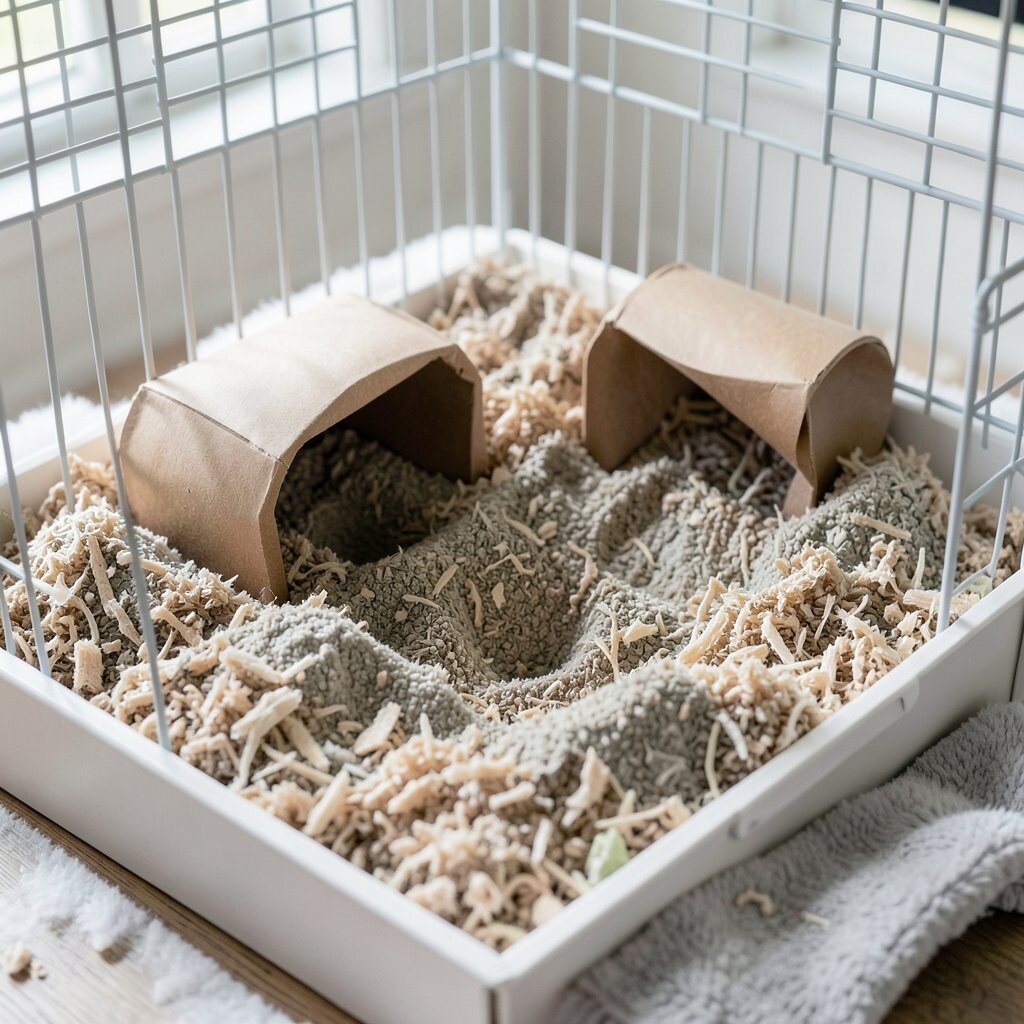
Give your hamster a thick layer of bedding so it can dig. You can picture a soft, gray or white floor that looks like a small burrow area. This keeps them busy and helps them act more like they do in the wild.
Use paper-based bedding and keep it dry. Add a small hide box or a rolled up corner so they have a quiet place to rest. This can lower stress because they can choose where to be.
If you want to keep it neat, spot clean often and change the bedding on a regular schedule. A deeper bedding setup can feel cozy without being hard to care for. It can cost a bit more, but it often lasts longer than thin layers.
2. Multiple Levels With Easy Ramps
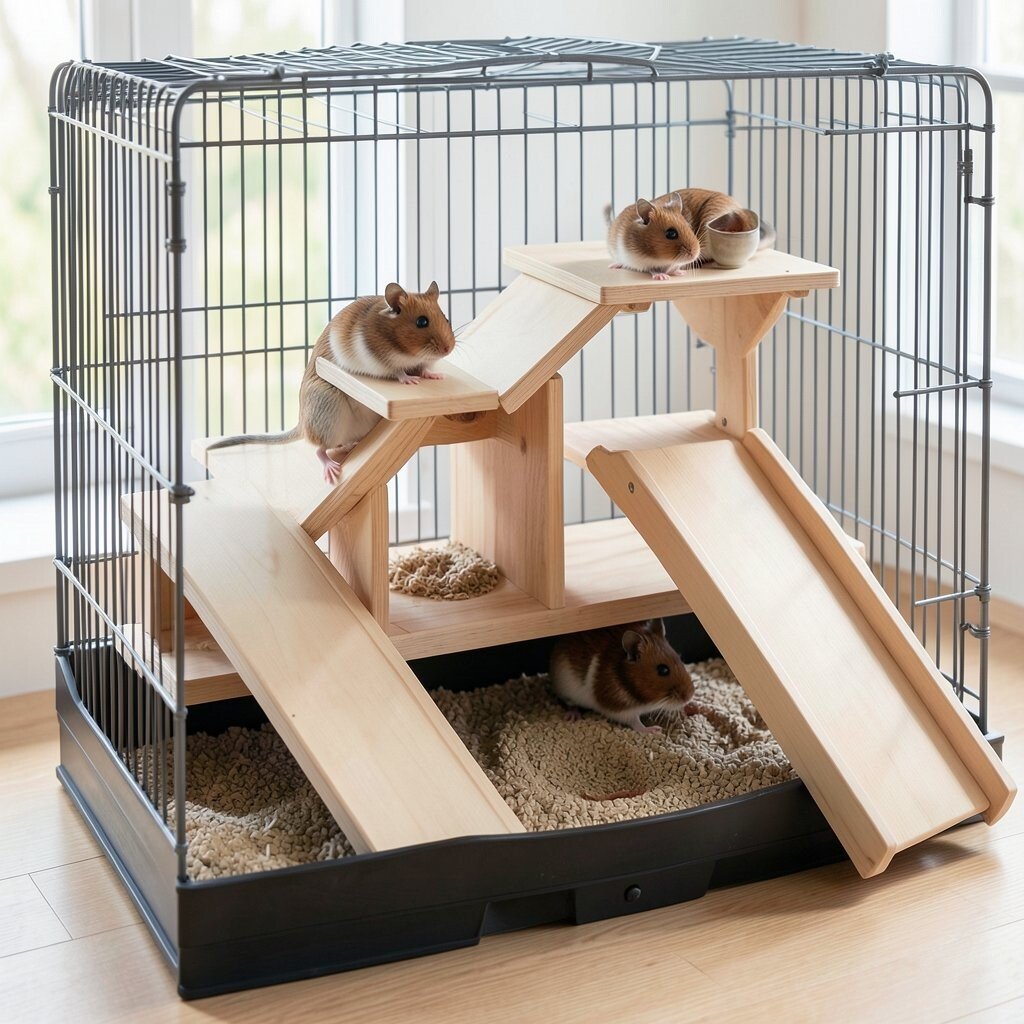
Use ramps and platforms so your hamster can climb and move around. You might see a gentle path from level to level, with flat steps that do not look steep. This adds variety and uses their natural habits.
Choose ramps that are wide enough for small paws and not slippery. A simple wood or plastic ramp can work well if it has a safe surface. Always check that it feels stable when you test it with light pressure.
This idea is unique because it lets you build a “maze” inside the cage. You can also personalize it by adding a hide under one platform and a feeding spot near another. Look for budget platforms online or use pet-safe pieces you already have.
3. A Running Wheel That Fits Their Body
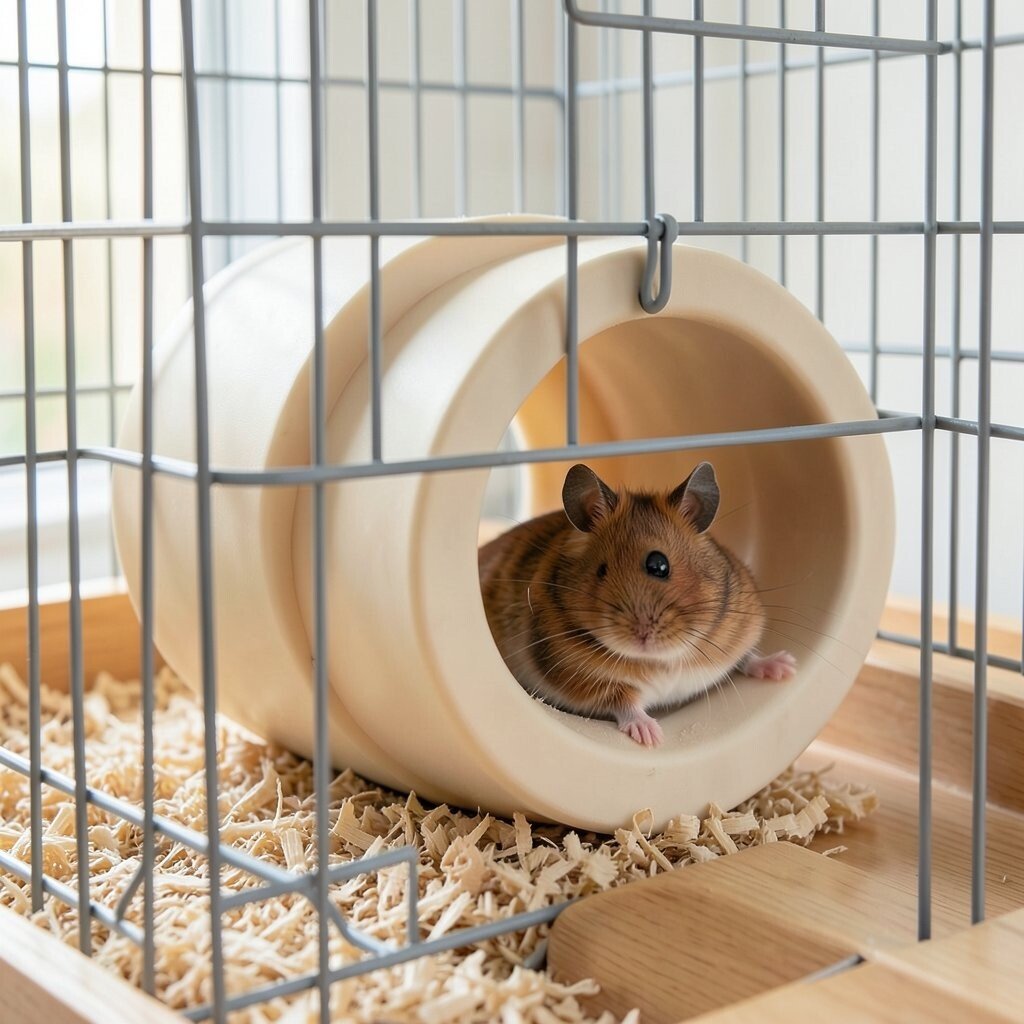
A good wheel helps your hamster run and burn energy. You will notice the wheel sits in one clear spot, and your hamster uses it like a daily habit. A wheel that fits well can help them stay comfortable and active.
Pick a wheel with a solid surface, not one with wide gaps. For comfort, keep the wheel clean and listen for odd sounds. If the wheel wobbles, tighten it or switch it out.
There are newer styles in pet stores that focus on quiet running. Even if you choose a simpler wheel, you can still improve the setup by placing it where bedding will not get inside. This can cost more at first, but it is one of the most used items in the cage.
4. Cozy Hideouts in Different Shapes
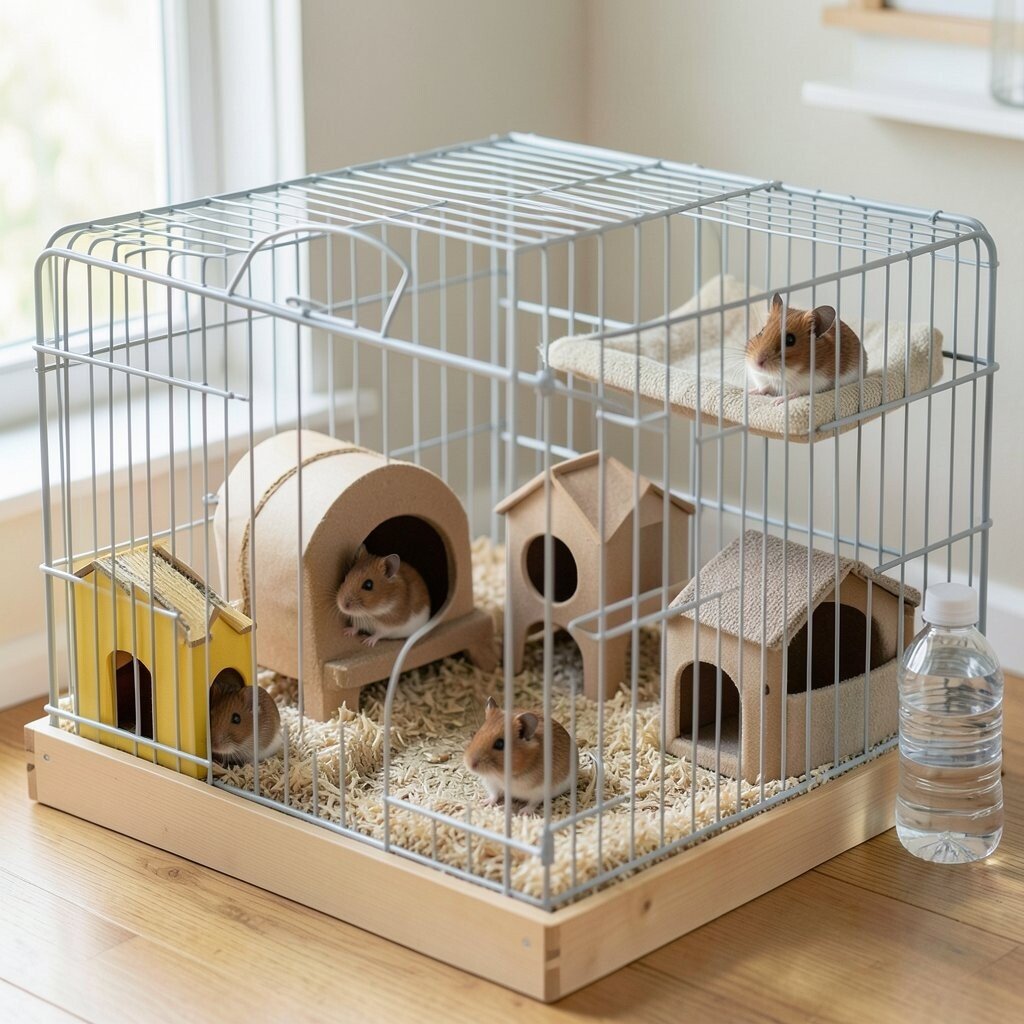
Hamsters like to have more than one hiding place. Put a tunnel here, a small house there, and maybe a box corner for backup. The cage will look like a small town with quiet rooms.
Choose hideouts made for pets, and avoid sharp edges. Cardboard can be fun for short use, but always watch for chewing. Plastic hides are easy to wash, while fabric hides can be softer but need extra care.
To personalize, pick colors your home already uses. You can also place hides near areas they like, like by the wheel or by the water bottle. A set of small hides can fit many budgets if you buy a few at a time.
5. Tunnels and Safe Chew Zones
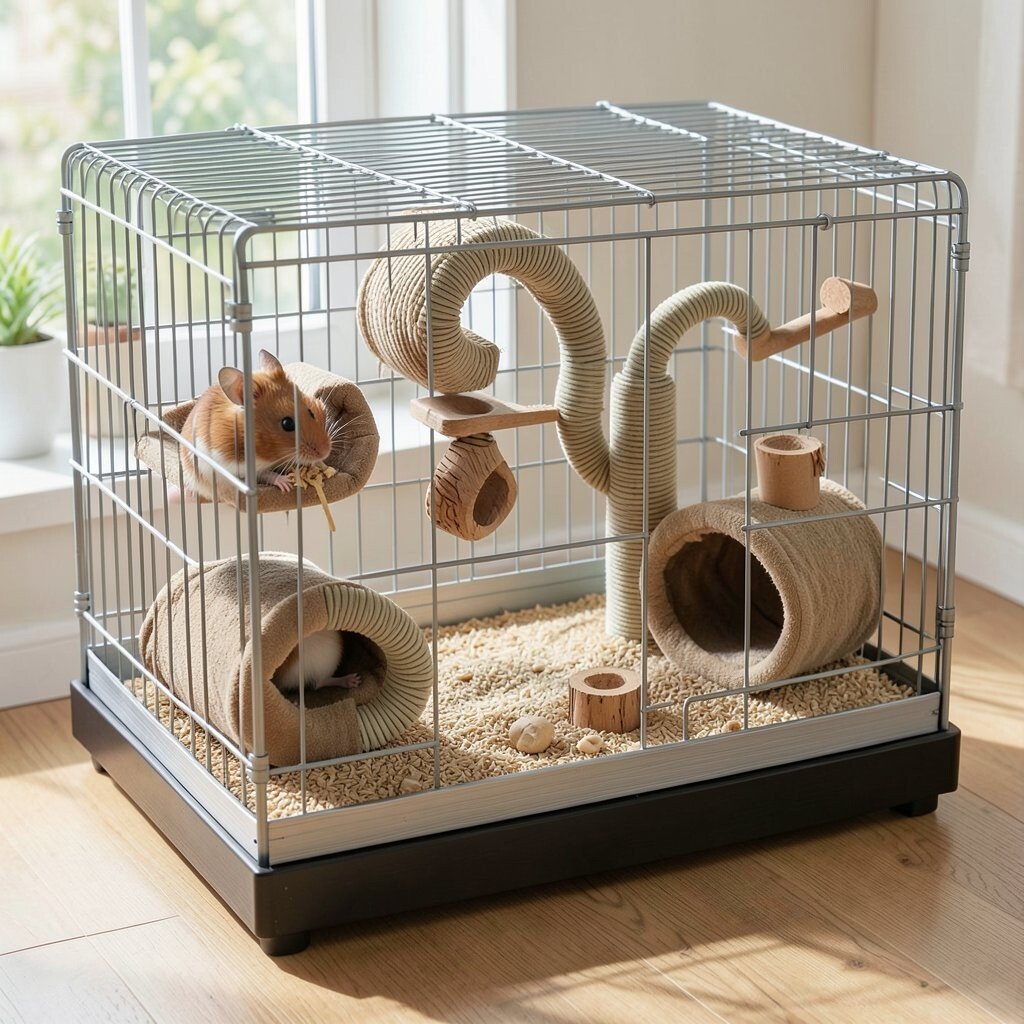
Add tunnels that connect key areas like the wheel, food, and sleeping spot. When you look in the cage, you can trace a path that makes the hamster feel safe. This gives them a way to move without going out in the open.
Use tubes made for hamsters and choose the right size. Too big can let them get stuck, and too small can limit their comfort. Also add chew items so they can gnaw in a safe place.
Safe chew zones can include pet wood blocks and safe cardboard tubes. This helps keep teeth in better shape and gives them a job to do. It can be a low cost idea if you use a mix of simple items and rotate them.
6. A Tray for Sand or Dust Baths
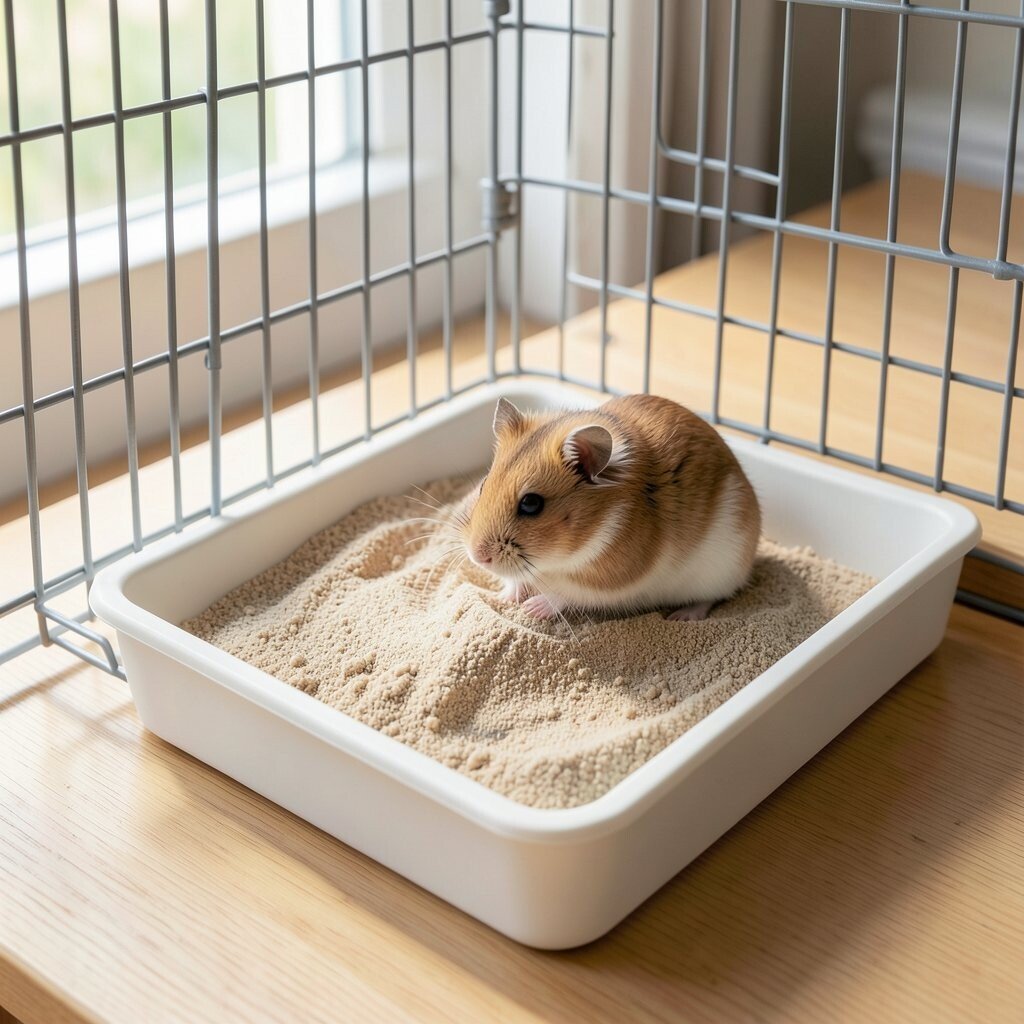
Some hamsters enjoy a dust bath area, and it can help their coat feel better. You can set it up like a small corner tray with soft sand on the bottom. The sight of a tidy bath spot can make the whole cage feel more cared for.
Use chinchilla-style dust made for small pets, and only add a thin layer. Keep it in a tray so mess stays in one place. If you notice dust on bedding, you can adjust the amount or change the tray position.
This is a good way to use trends without going too far. Many pet owners now focus on coat care tools, but you can keep it simple. Cost can vary based on the brand, yet it usually lasts a while.
7. A Clean Feeding Area With Simple Bowls
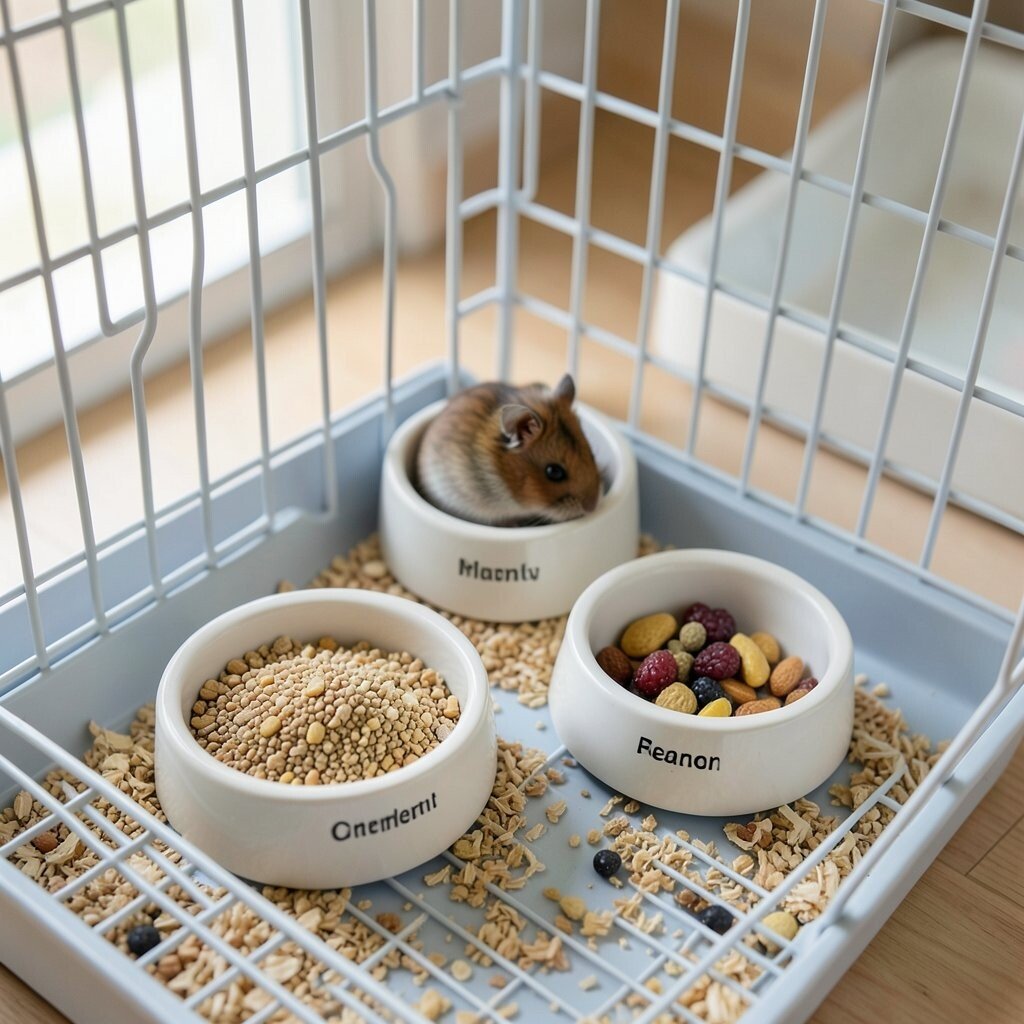
Create a set feeding area so food does not spread across the whole cage. Put a small bowl or dish near the corner where your hamster sleeps least. You can picture a neat spot with a clear “feed zone” and less mess.
Use ceramic bowls if you want something that stays steady. Plastic can work too, but it may get light and tip more easily. Offer dry mix in one bowl and add fresh treats in small amounts.
For personalization, label the bowls in your mind by function: one for daily food and one for a small treat. This also helps you track how much they eat. It can be a low cost idea because basic bowls are not pricey.
8. Water Setup That Is Easy to Check
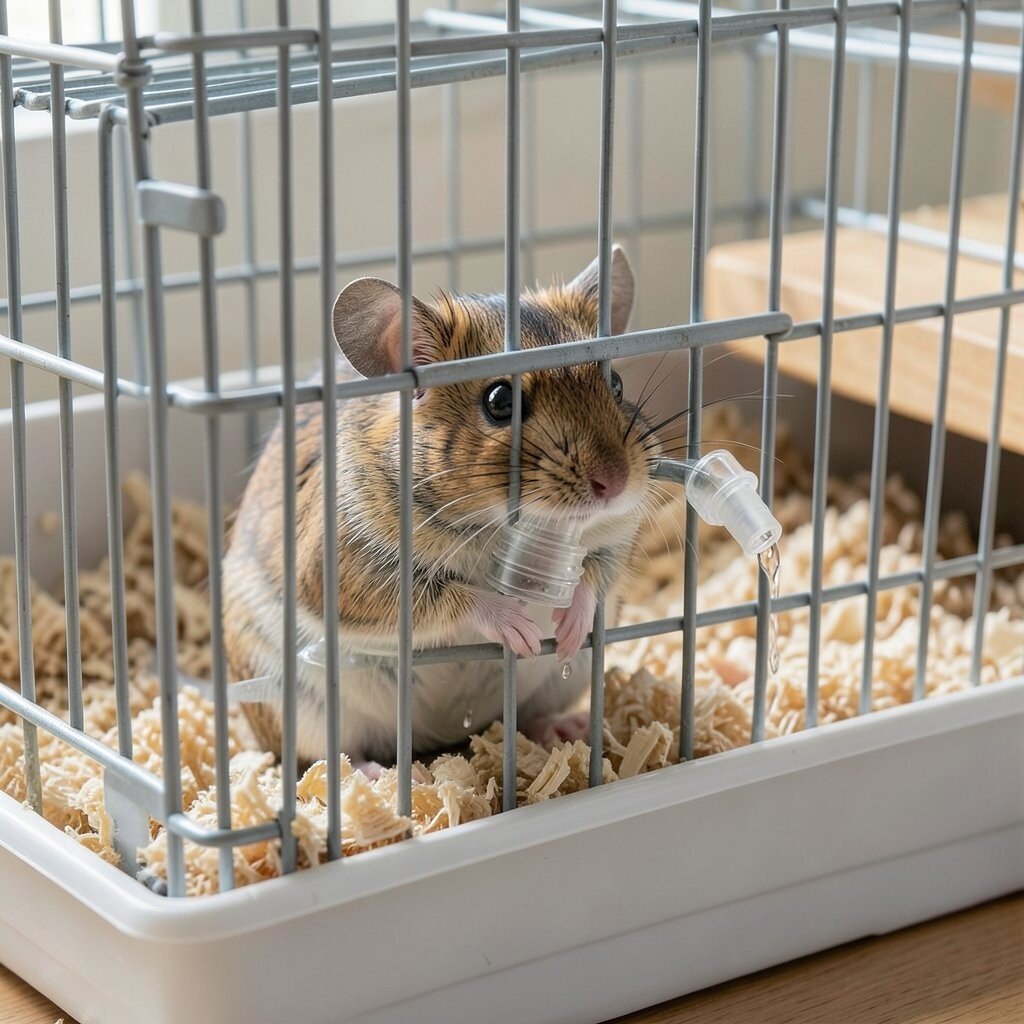
Choose a water bottle or a small bowl that stays clean. Many cages use a bottle, and you can see the nozzle at a reachable height. This helps your hamster stay hydrated with less chance of water spills.
Check the water each day and make sure it flows well. Wipe the bottle tip if you see buildup. If you use a bowl, pick a heavy one so it does not tip.
A helpful tip is to test placement during cleaning, so the bottle does not hit bedding. Many owners now prefer parts that are simple to remove for fast washing. This can save time, and it can still fit a tight budget.
9. Chew-Safe Wood and Natural Looking Branches
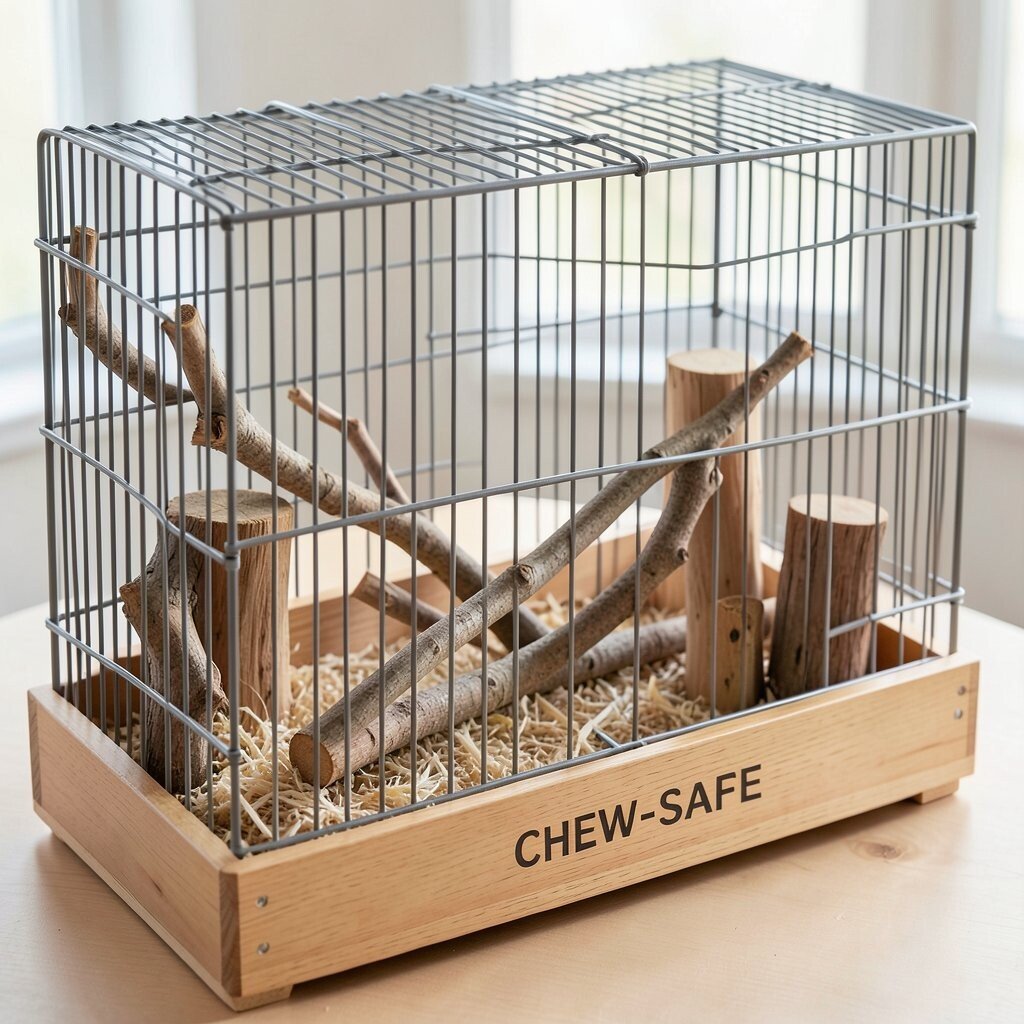
Add wood pieces made for pets so your hamster can chew and climb a bit. You may see smooth branches that sit like little sticks inside the cage. This can make the setup feel more natural and fun.
Only use safe wood and avoid wood from unknown sources. Make sure any branch is not treated with chemicals and has a safe shape. If you are not sure, ask a pet store worker or check for pet-safe labels.
This idea is unique because it mixes play with care for teeth. You can personalize the look by choosing different thicknesses, like small sticks and thicker posts. Costs vary, but natural items can be worth it if they last and stay safe.
10. Safe Flooring Style for Easy Cleaning
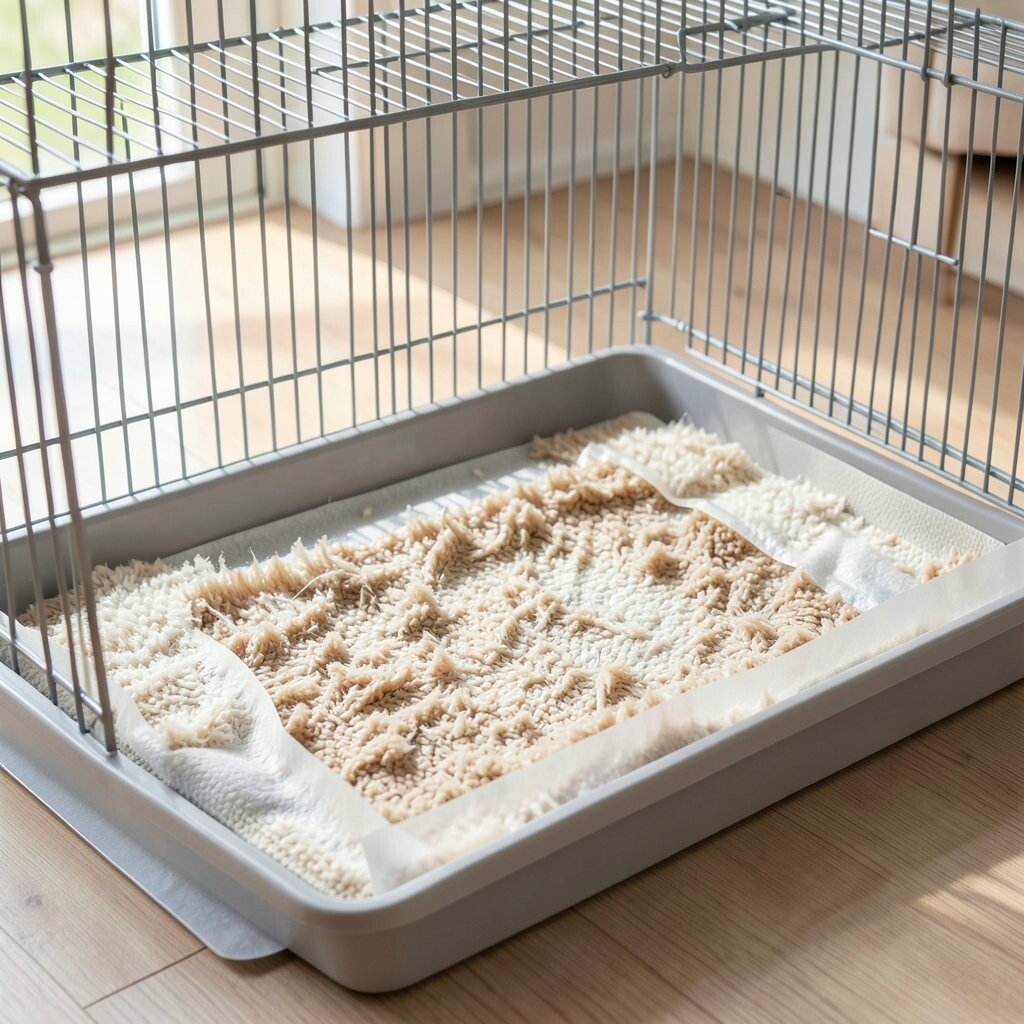
Think about how the cage floor will look after you clean it. Some owners use liners under the bedding to make cleanup faster, while others keep it simple. A clean floor can help you spot wet bedding quickly.
You can add a water-safe mat under part of the bedding or use a removable tray if your cage has one. This makes daily tasks easier when you wipe up mess. It also helps you keep the cage smelling fresh.
Cleaning trends now often focus on quick rinse parts and removable bases. This is helpful if you have a busy schedule. Cost can be low if your cage already has a tray, and it can save money over time by reducing bedding waste.
11. Map the Cage Layout for Clear Routes
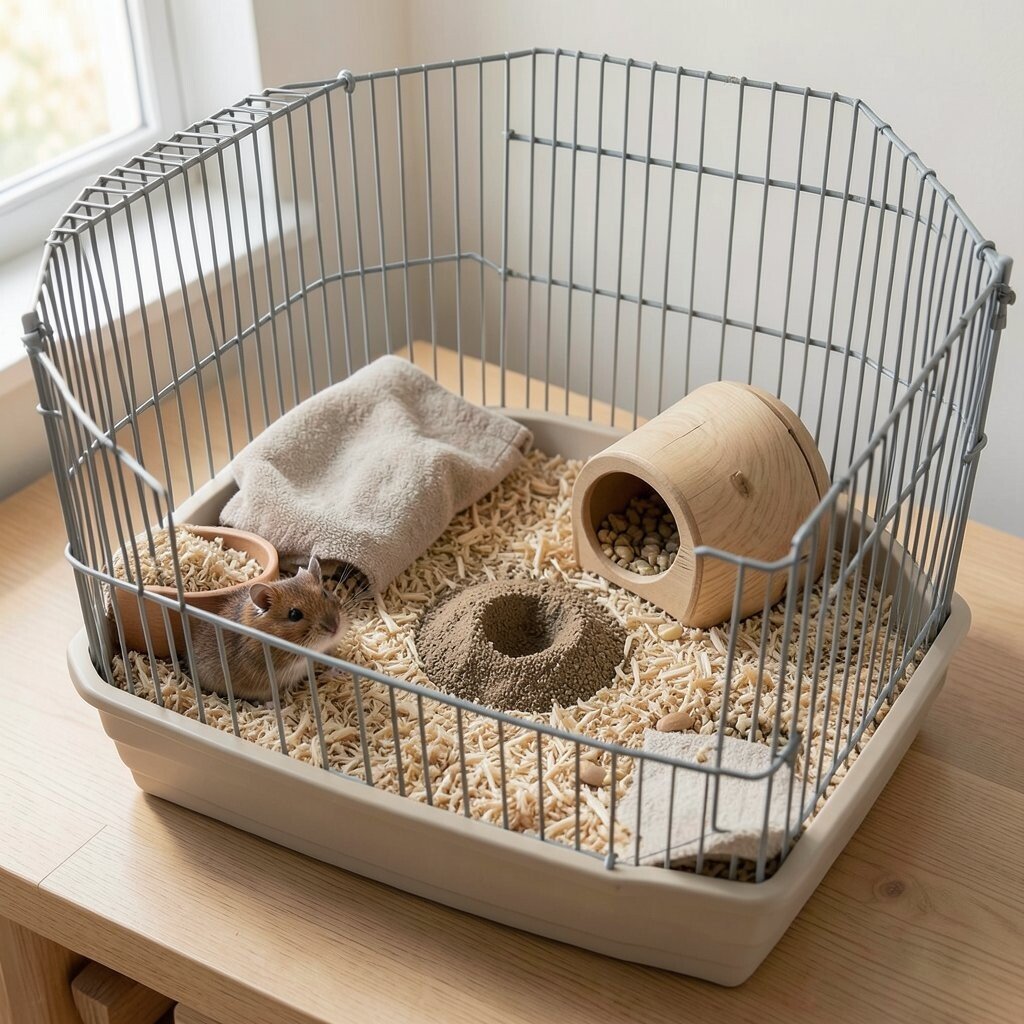
Plan where each item goes before you put it all inside. You can imagine a simple layout where the sleeping area stays quiet, the wheel sits in an active lane, and food stays in one corner. This helps your hamster move in clear routes.
Try to keep sharp corners minimal and leave space for digging. Place hides so the hamster can turn around without getting stuck. Then check every part after you set it up to be sure nothing blocks paths.
This is the most personal idea because you can match the layout to your hamster’s habits. Watch how they move for a few days, then adjust one item at a time. It often costs nothing, but it can make your cage feel calmer and more organized.