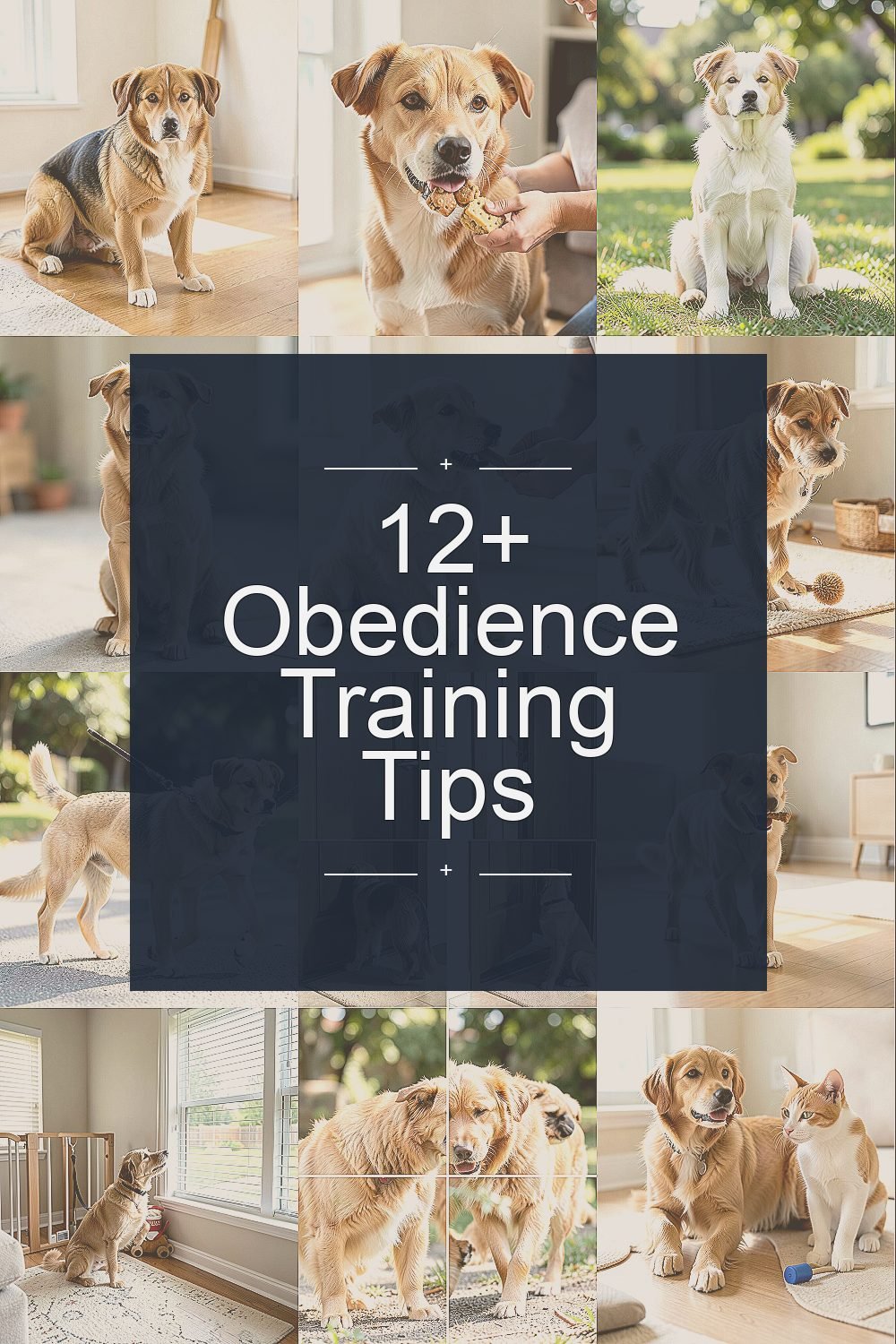
A good training plan helps your pet feel safe and act kindly at home. With small daily practice, you can build trust and keep both of you calm.
1. Start With Short Sessions
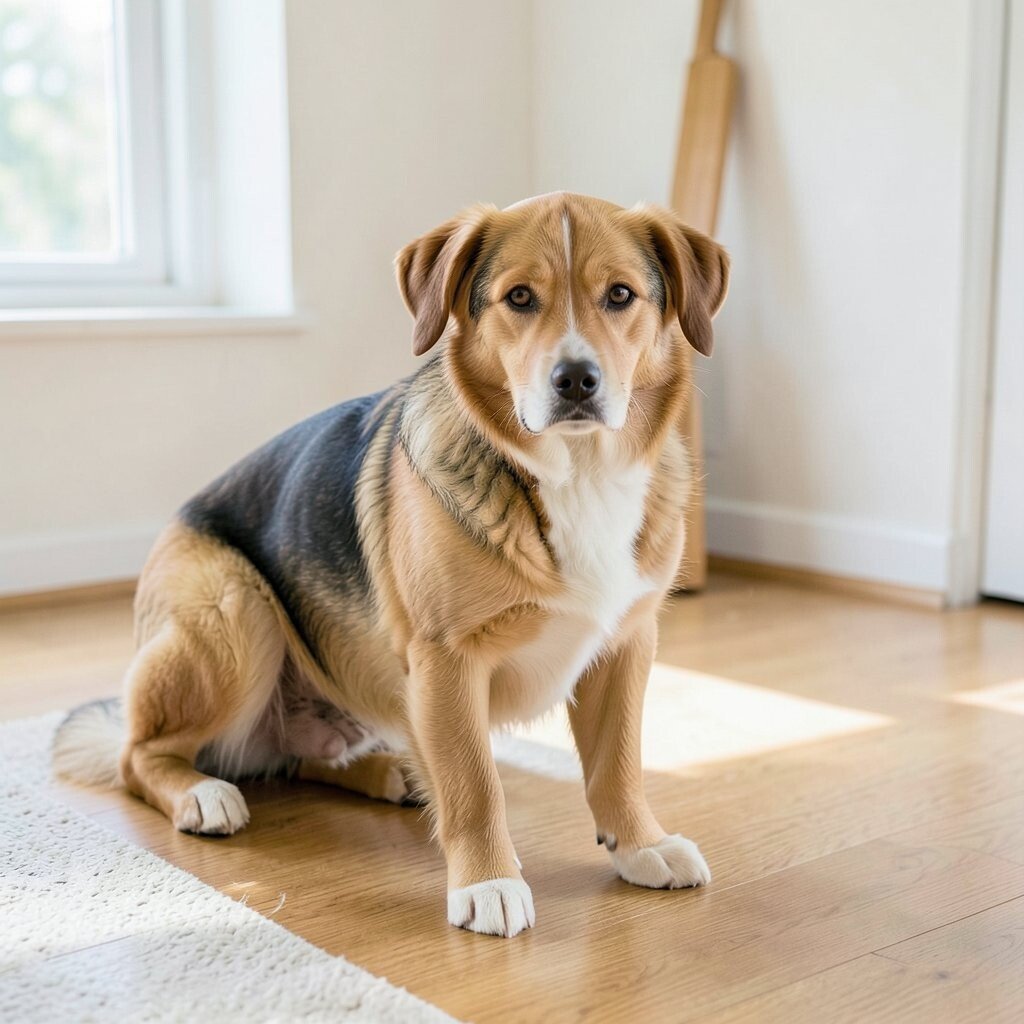
Try training for a short time each day. Many pets do better with a quick practice than a long one. You can end before your pet gets bored or tired.
Watch your pet’s body language. If your pet looks away or starts sniffing the room, pause and try again later. Short sessions help your pet learn faster and feel good.
For a simple setup, pick one room with few surprises. Use the same spot each time so your pet knows what to expect. This can cut stress and make training easier.
2. Use Treats That Your Pet Likes
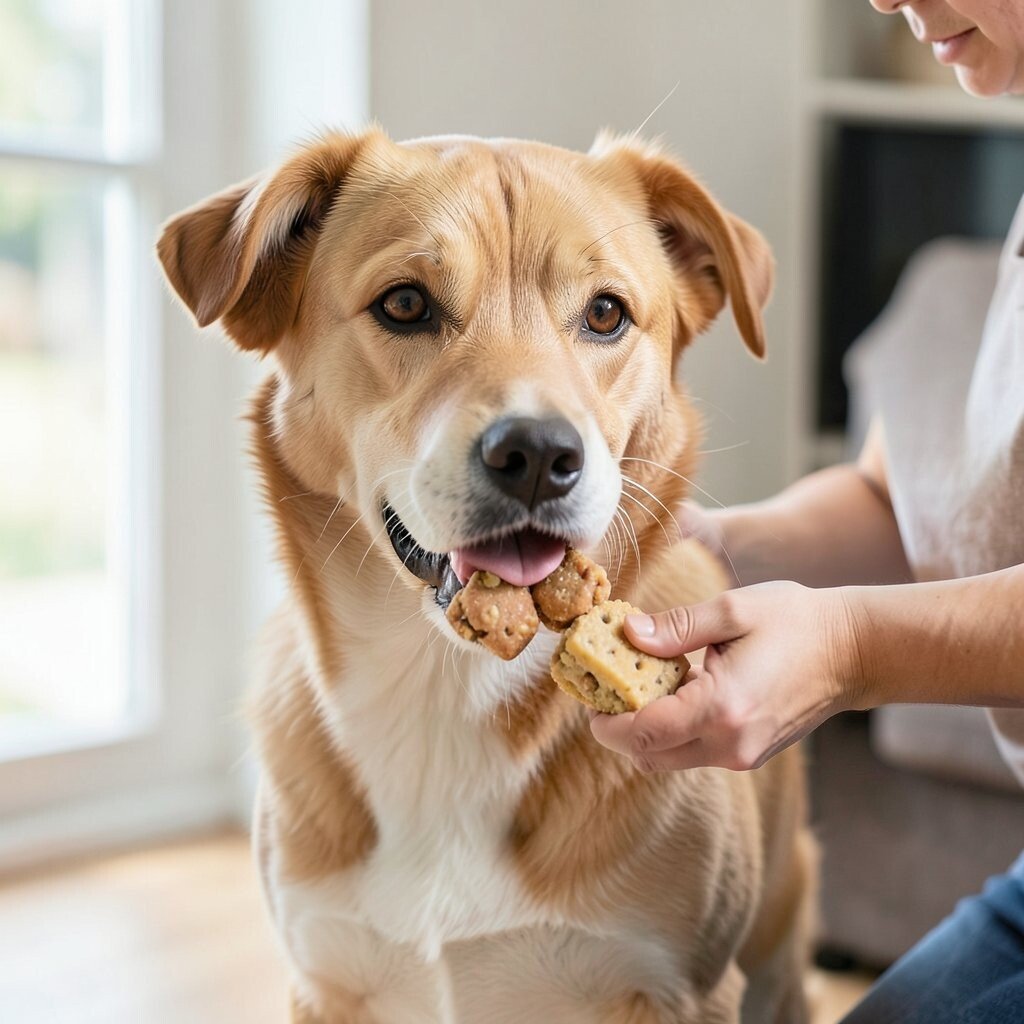
Choose small treats your pet enjoys. Small bites help you reward often without upset stomachs. Many owners use bits of dog food, small cheese bits, or store treats made for training.
Make the treat fit your pet. A picky dog may like chicken or turkey, while a cat may like lickable treats. You can also use a toy or gentle praise if treats are not a good fit.
Keep treats easy to grab. A pocket pouch or treat bag works well and helps you reward right away. Quick rewards make the training message clear.
3. Pick One Skill to Focus On
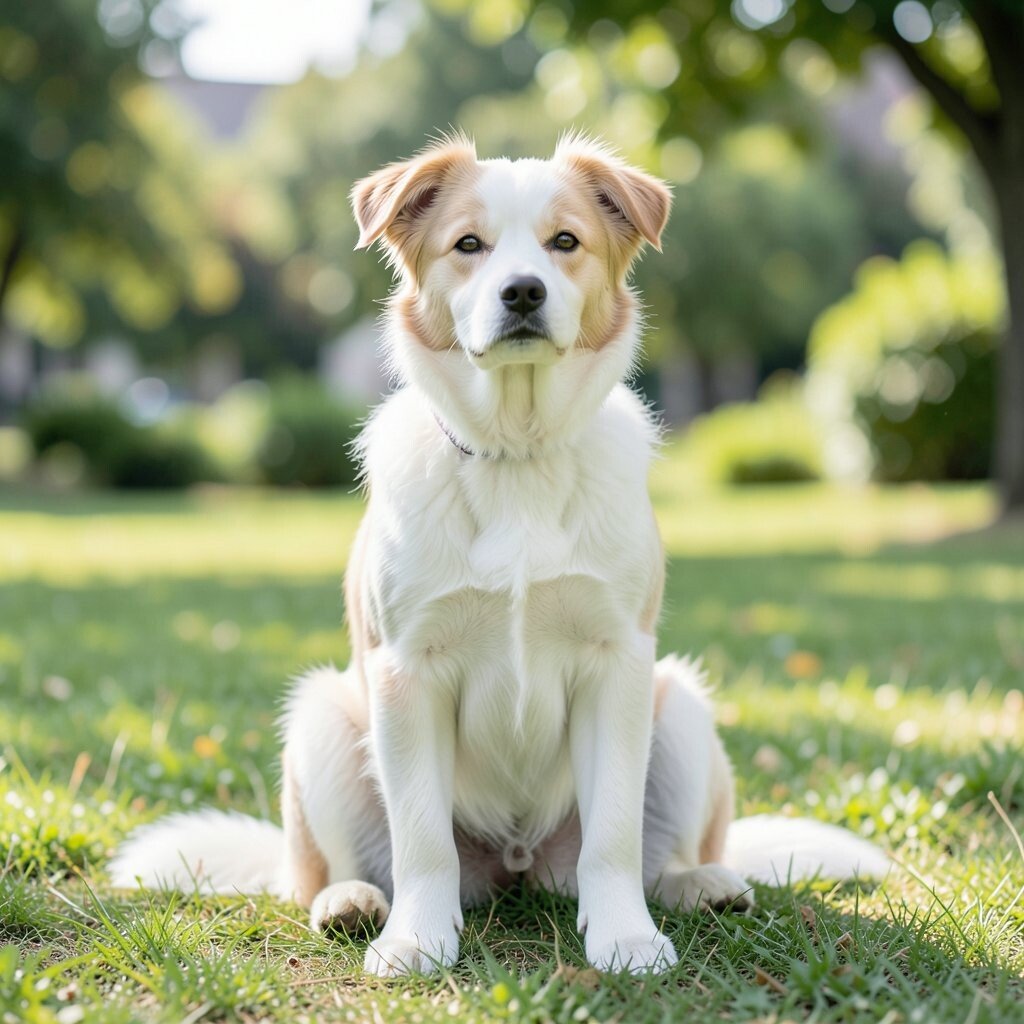
Do not try to teach many skills at once. Pick one skill such as sit, stay, or come. When your pet gets one skill steady, then add the next.
Set a clear goal for each session. For example, aim for your pet to sit when you say one word. This helps you see progress and lowers confusion.
Use the same cue each time. If you change your words, your pet may not know what you want. Clear cues help your pet learn and feel secure.
4. Reward the Behavior You Want
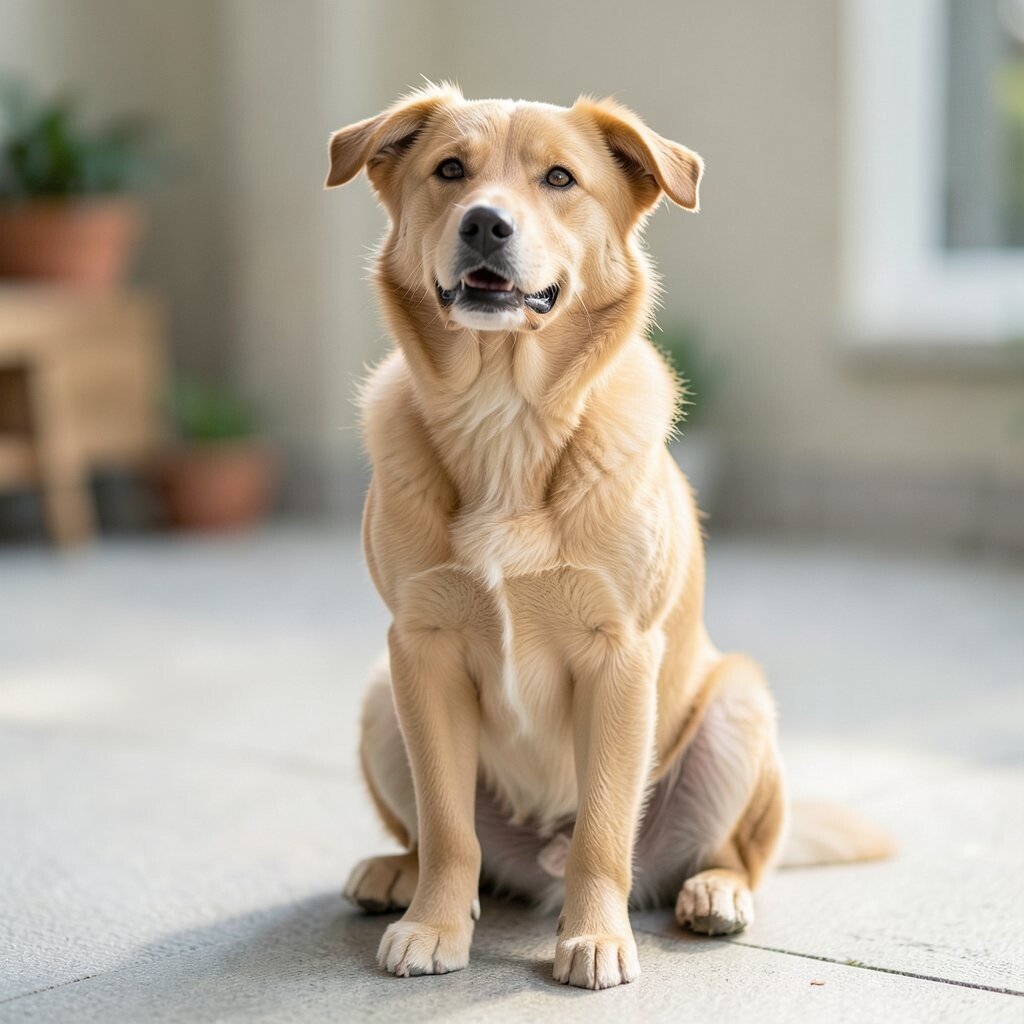
Timing matters a lot in obedience training. Reward right after your pet does the right action. If you wait too long, your pet may learn a wrong link.
Use a quick, calm voice and simple body cues. When your pet sits, point or nod the way you want. Then give the treat and simple praise right away.
Try to reward in small steps. If your pet cannot sit yet, reward a moment of calm or a step toward sitting. This keeps learning moving in a kind way.
5. Teach With Positive Patterns
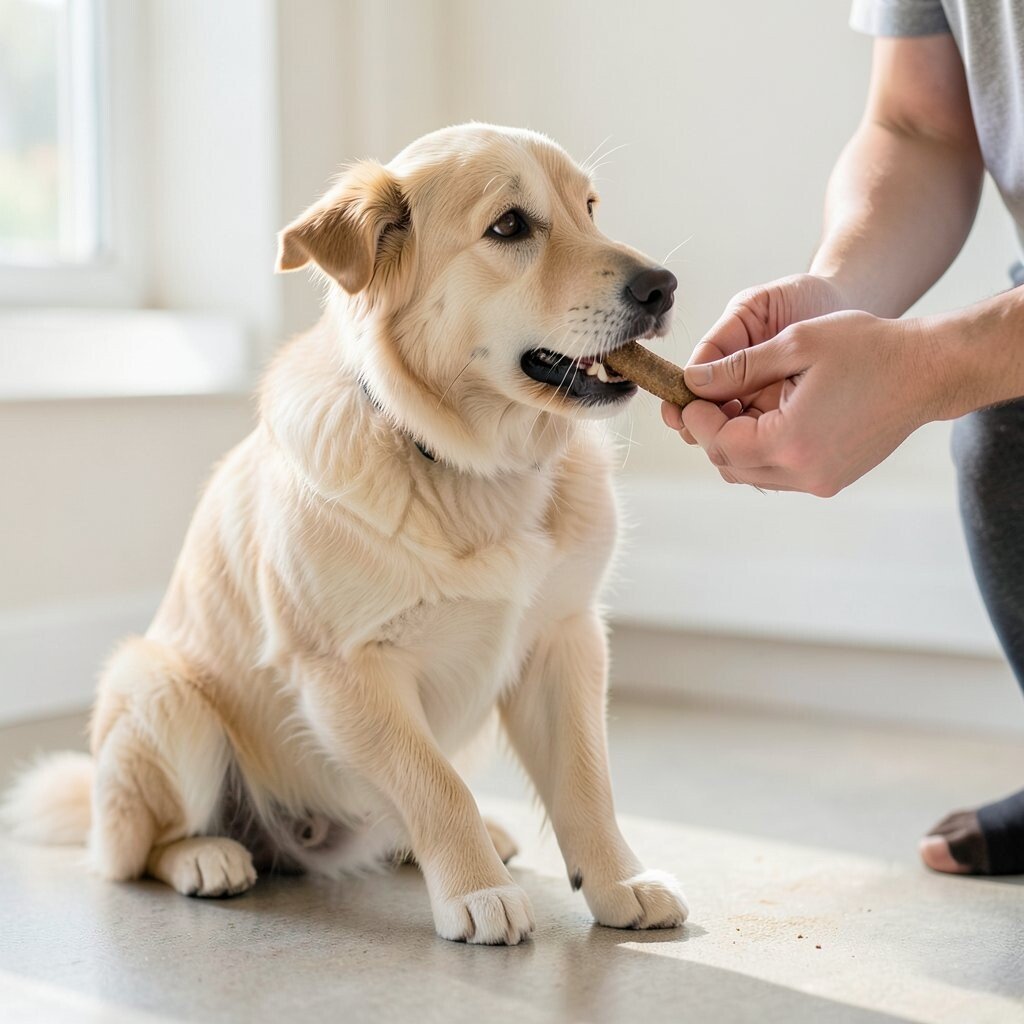
Training works best with kind actions and clear rewards. When your pet makes a mistake, you can reset and try again. You do not need yelling or harsh moves to get good results.
Instead of correcting with force, guide with a lure. Hold a treat near your pet’s nose to show the move. Then let your pet do the step you want and reward.
Make sure your pet can succeed. If the task is too hard, break it into smaller parts. Success builds confidence and helps your pet keep trying.
6. Use a Consistent Routine at Home
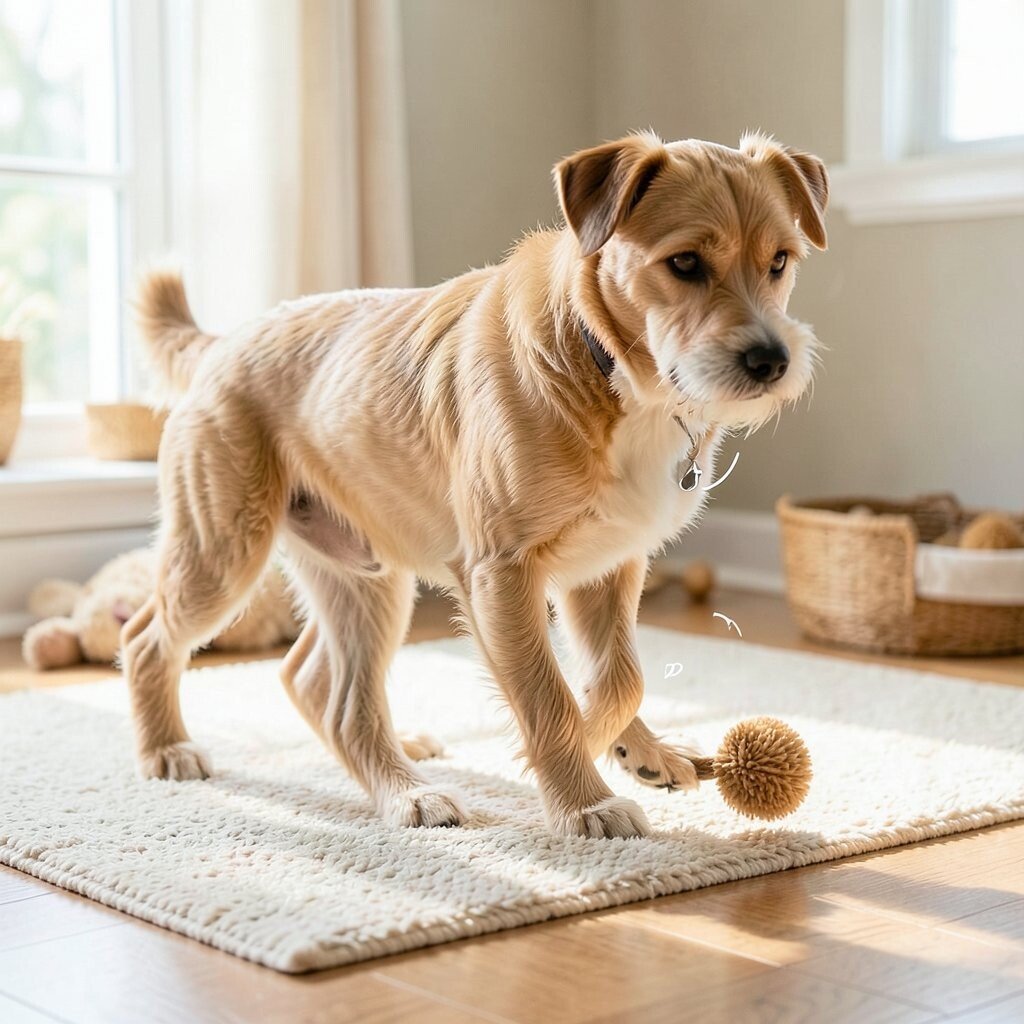
Pets learn from what happens each day. Use a steady schedule for walks, meals, and play. When life is more clear, training becomes easier.
Add short practice after meals or before a walk. Many pets feel ready to listen at these times. You can use the same cue words in the same order each day.
Keep the house rules simple. For example, decide where your pet can rest. A steady routine helps your pet follow daily life without stress.
7. Practice Leash Manners in Small Steps
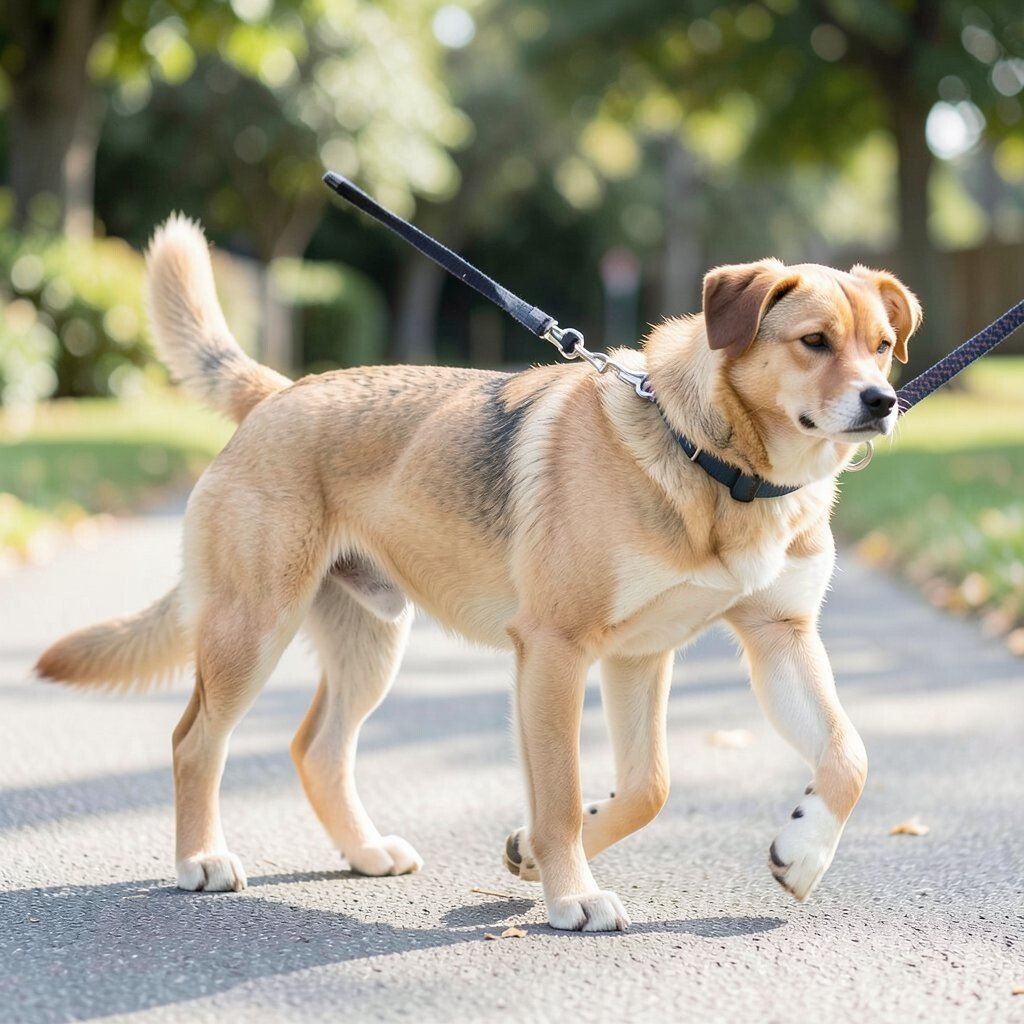
Leash training should start in a safe and quiet space. Put the leash on for a minute while your pet stands calmly. Then try a few steps and reward good walking.
When your pet pulls, stop and wait. Many trainers use this idea because it shows that pulling does not move forward. Once the leash feels loose again, move and reward.
Make it personal to your pet’s pace. A young dog may need more breaks, while an older dog may prefer slower walks. The goal is calm movement, not speed.
8. Teach “Wait” and “Door Calm”
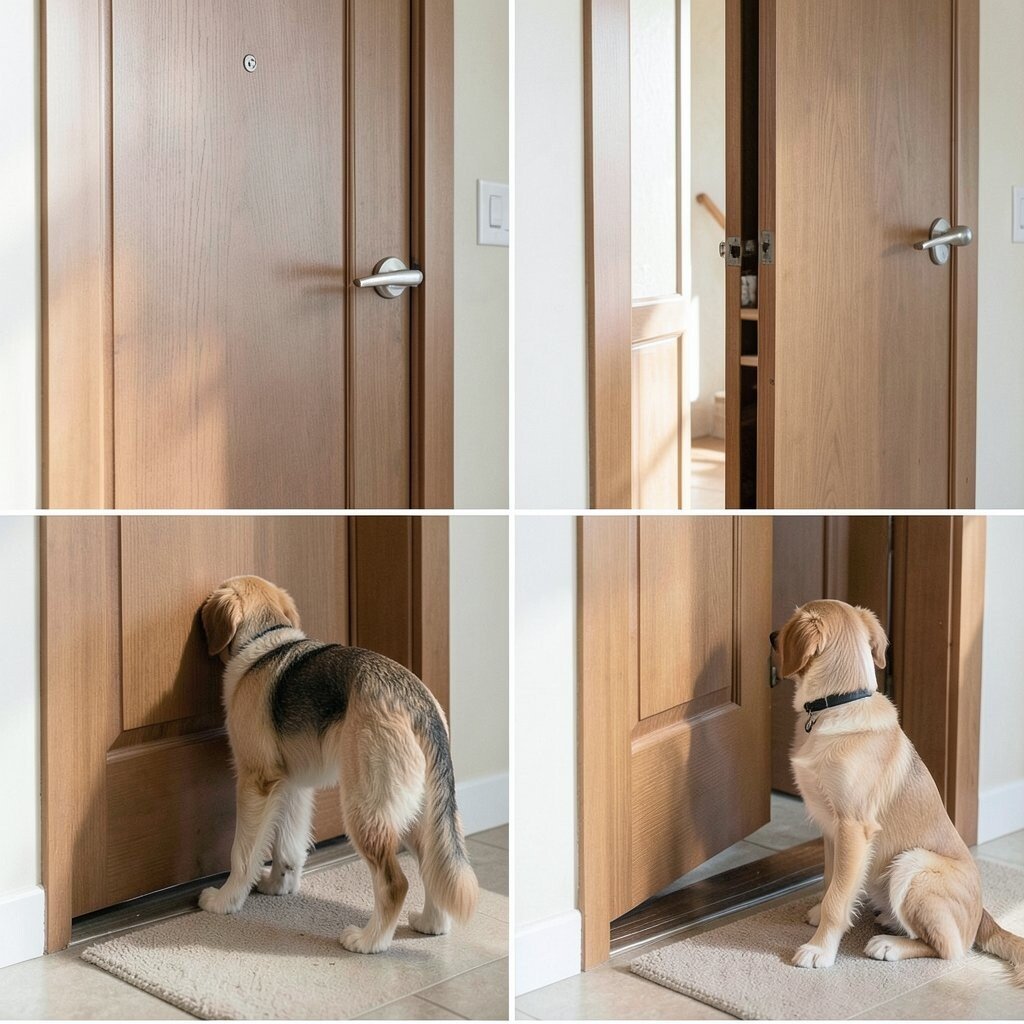
Door moments can be hard for pets. Teach a “wait” cue before you open the door. Start with a closed door and reward your pet for staying still.
After your pet can wait, add a small step. Open the door a crack, pause, then close it again if your pet stays calm. Then reward and try again.
Visual check helps here. You can picture your pet by the door, body facing forward, with a relaxed tail. This calm look shows you are training the right habit.
9. Build Reliable “Come” Training
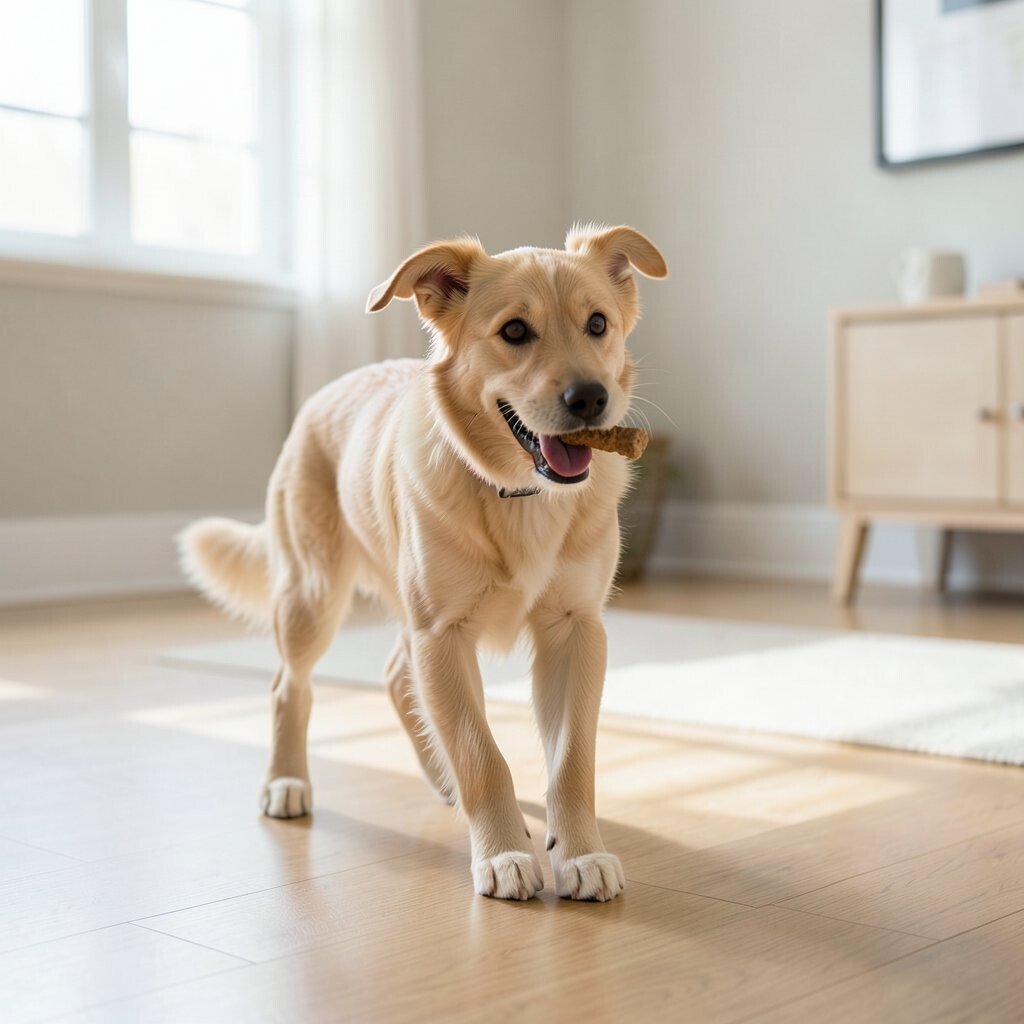
Come training needs lots of safe practice. Start indoors in a space with few distractions. Say the cue, then reward when your pet comes to you.
Use a happy but calm tone. If your pet runs over and you act excited, keep it simple and steady. Over excitement can make some pets run past you for more play.
Make the cue worth it. Try using better treats for come than for other cues. You can also add play as a reward so your pet wants to return.
10. Manage Common Behavior Problems Early
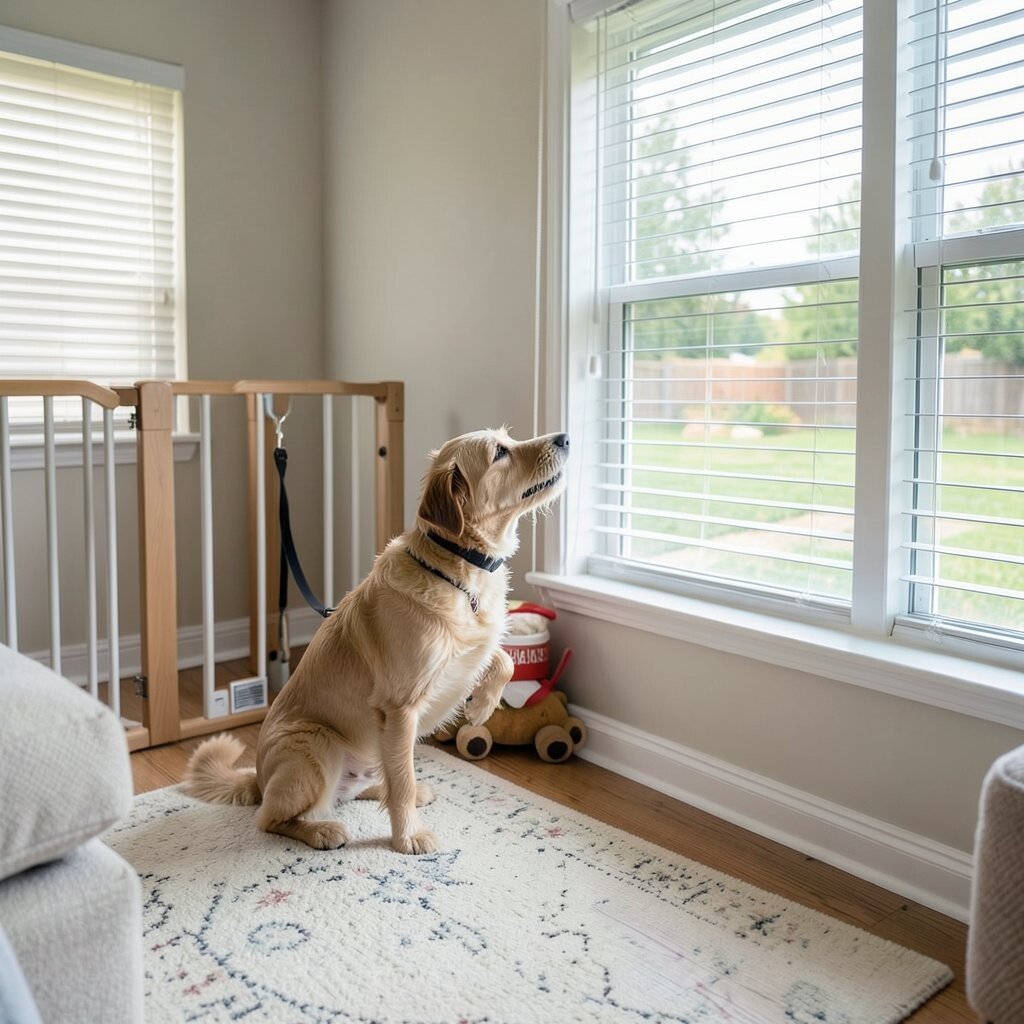
It helps to notice patterns as soon as they start. If your pet jumps on guests, work on calm greetings right away. If your pet barks at the window, practice quiet time near the glass.
Set up the room to reduce triggers. Close blinds, use a baby gate, or choose a calmer walking time. When the hard part is smaller, training is more likely to work.
Use the right cost plan for your needs. A simple baby gate or leash clip is often cheaper than repeated trips to a trainer. Some homes may also need safe chew toys for biting or chewing issues.
11. Add Short Practice for Tricks and Fun
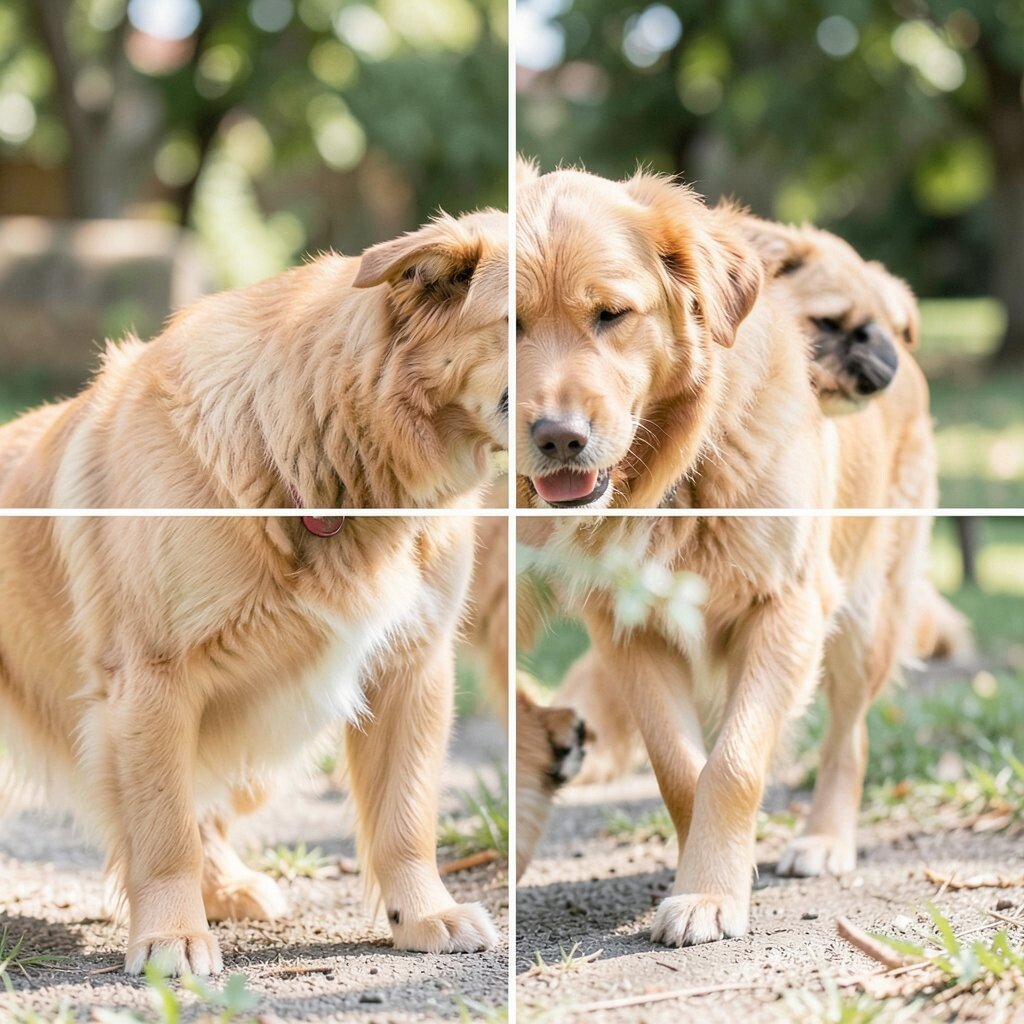
Tricks can be fun and they still build obedience skills. A simple trick like “touch” or “spin” helps your pet focus on you. These skills also make walks and home time more smooth.
Keep the steps easy. For touch, aim for a nose tap to your hand or target stick. Then reward right away and stop once your pet does it well.
Many owners notice a unique change when play and training mix. The pet seems more eager to learn and less unsure in new spots. This can make behavior issues less common over time.
12. Personalize Training for Age and Breed
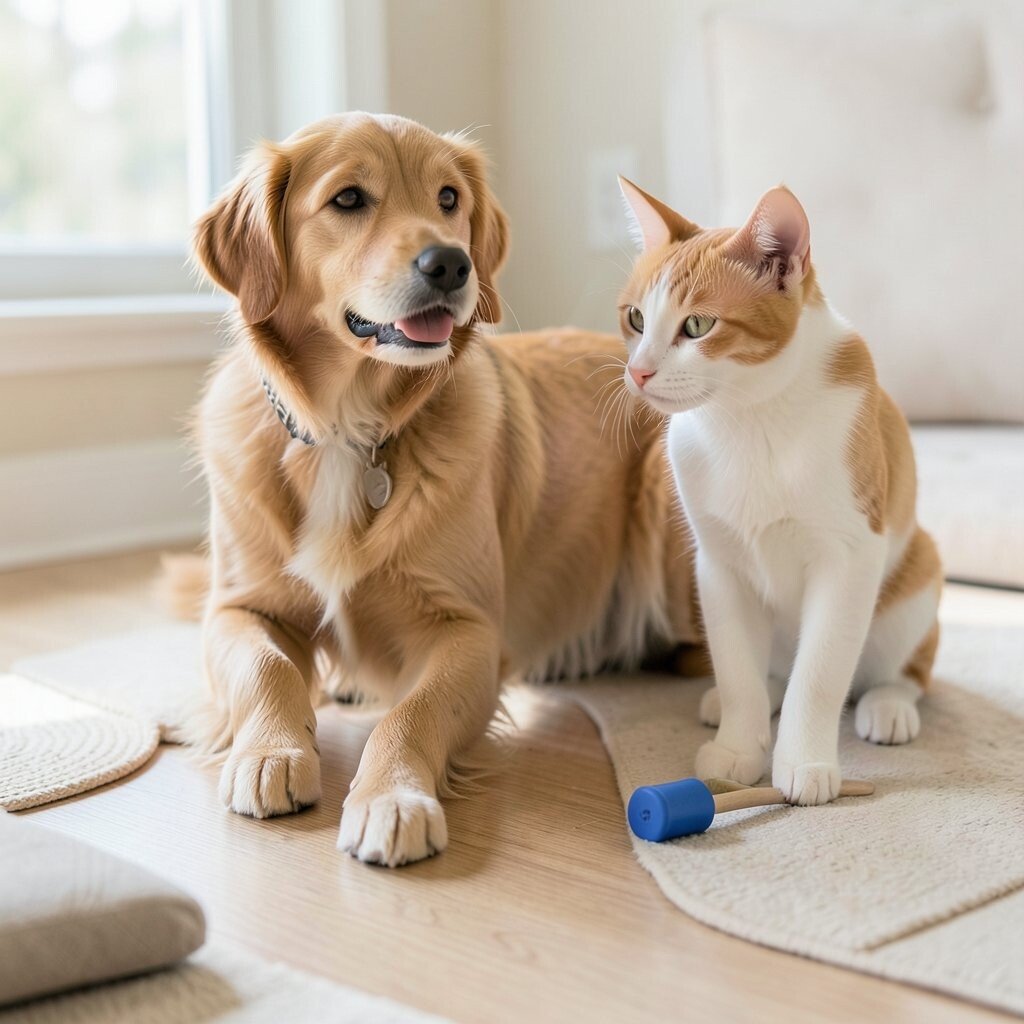
Age matters in training. Puppies often need more rest breaks, while adult pets may learn best with slower pacing. Older pets may need shorter sessions and comfort-friendly surfaces.
Breed can also shape how your pet learns. Some dogs learn fast and need more variety, while others prefer gentle repetition. Cats may need different cues and slower reward timing.
Use your pet’s body limits. If your dog has joint pain, choose floor exercises over jumps. If your cat dislikes touch, use a target stick instead of grabbing. Personal fit helps you avoid stress.
13. Use Modern Tools the Right Way
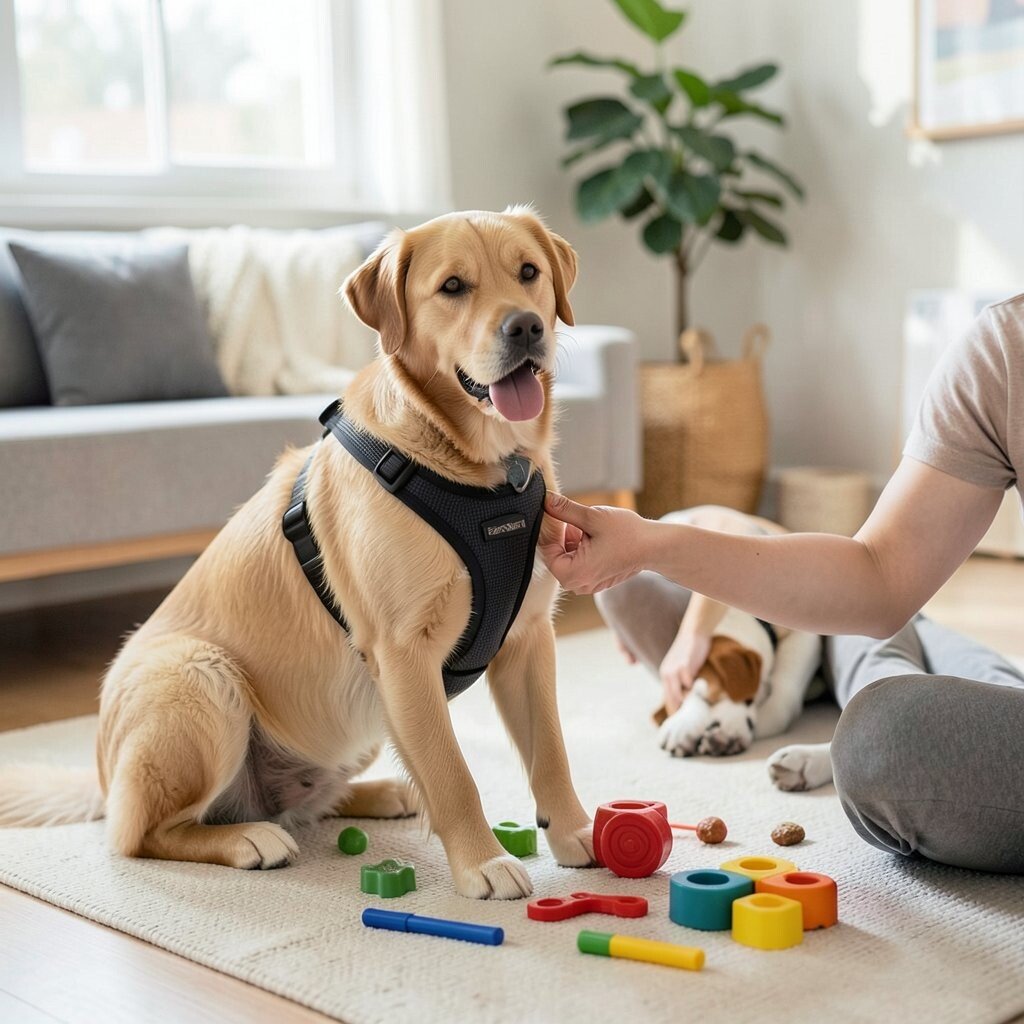
Today, many people use helpful tools for training. A clicker can mark the exact moment your pet does the right thing. Some owners also use treat bags, target sticks, and puzzle toys to support learning.
But tools should help, not take over. If you use a clicker, pair it with treats so your pet learns the meaning. If you use a harness, choose one that fits well and does not rub.
Watch trends, but keep what works for your home. Social media can share new ideas, yet each pet is unique. Try one tool at a time, track results, and adjust based on your pet’s comfort.