Warm water makes daily tasks easier and more comfortable. If your tank heater is not working well, these ideas can help you keep the water warm and steady.
1. Wrap the Tank With a Thick Insulation Blanket
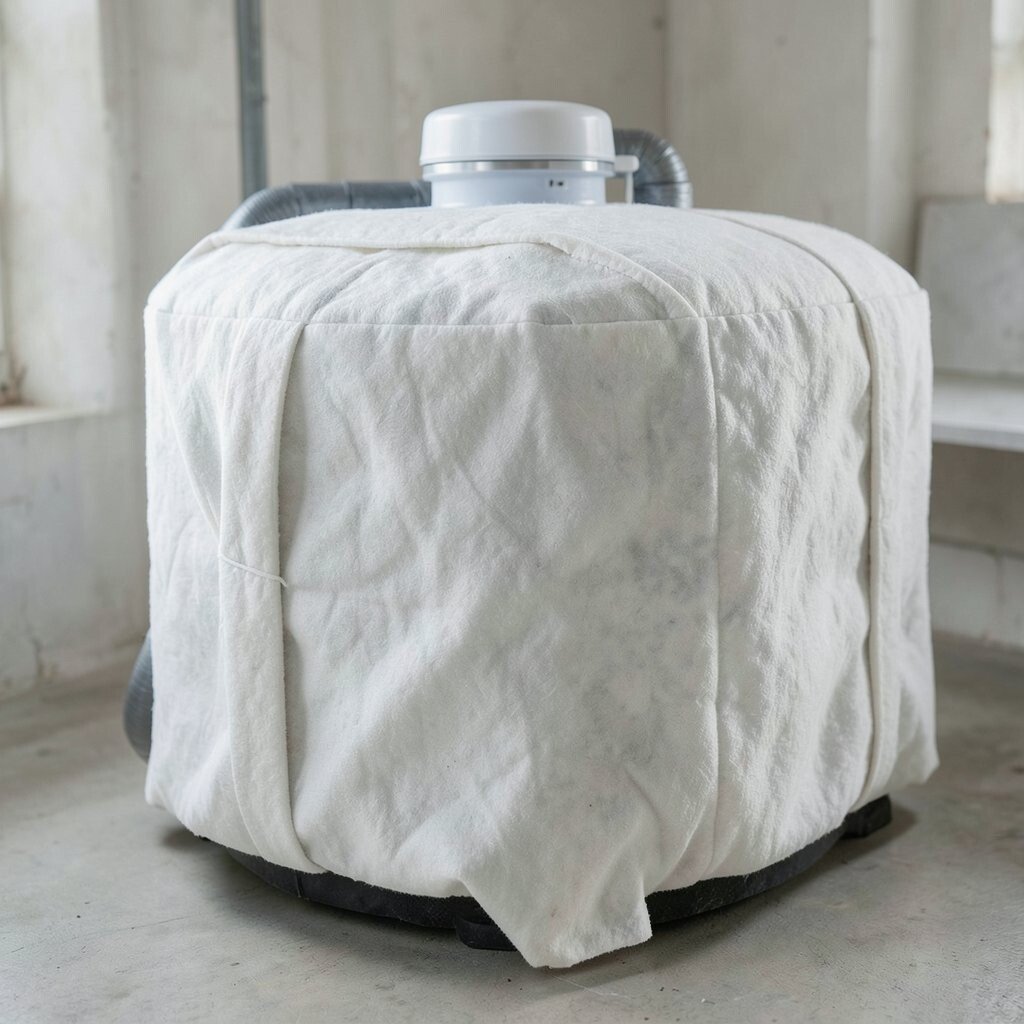
A thick insulation blanket is a simple cover you put around the tank. You can picture it like a snug coat that helps slow heat loss. This can keep water warmer for longer between heating cycles.
Check the tank size first and buy a blanket made for that type of tank. Look for covers that use safe materials for water heaters. A good fit and tight straps can help the heat stay where you want it.
For cost, this is often a lower-cost fix compared to new parts. It is also easy to personalize by choosing a thicker layer if your area is cold. A nice trend right now is using better insulation wraps that are easier to install and less messy.
2. Add a Pipe Heat Cable for the Cold Runs

Some water cools down after it leaves the heater and travels through pipes. A heat cable can run along the pipe to help keep that line warm. You will notice less waiting time for hot water at the tap.
Use a cable made for plumbing and follow the label for spacing and power needs. Many people start with the longest cold pipe sections that are in unheated spaces. This kind of setup can also help in winter when pipes sit near drafty walls.
Cost can vary based on pipe length and the type of controller you choose. For personalization, you can add a timer or a simple thermostat so it runs only when it should. This is a practical trend because more homes are using controls to cut extra energy use.
3. Improve Hot Water Flow With a Recirculation Pump
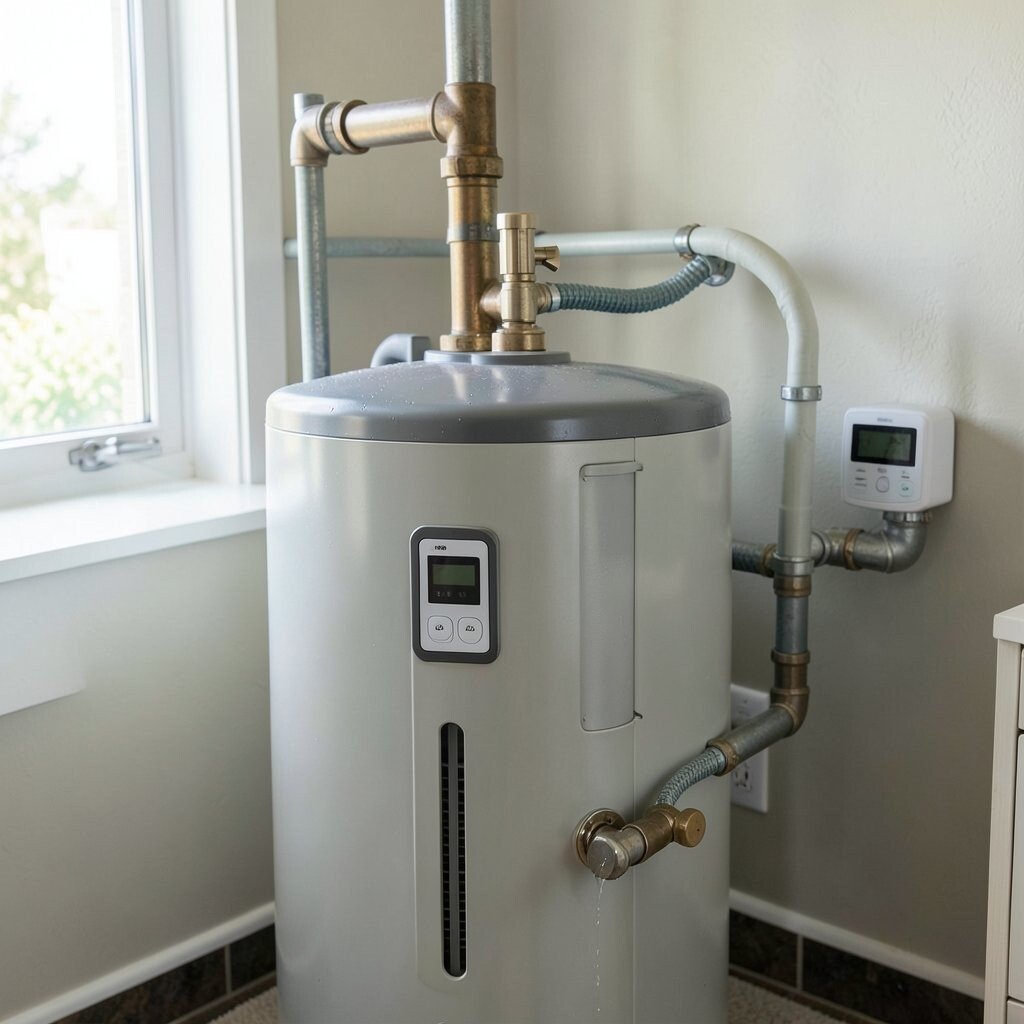
If your home has a long route from the heater to the bathroom or kitchen, hot water can take time. A recirculation pump keeps hot water moving so it reaches fixtures faster. The visual is a small pump unit and pipes that loop hot water back.
This can help with comfort, especially in the morning when you want hot water right away. It also reduces the amount of water that runs out while you wait. When set right, it can make routines feel easier.
Many systems allow schedules, so you can run them only during peak hours. That helps with cost by reducing heating outside those times. A trend is adding smart timers that let you change the schedule from your phone.
4. Keep Sediment Down With Regular Tank Flushing

Sediment can build at the bottom of a tank and reduce heat transfer. When this happens, the heater may work harder and still make less hot water. You might see cloudy water or hear rumbling sounds from the tank.
Flushing is a maintenance step where you drain part of the tank and rinse out built-up debris. You should follow the maker’s guide for how often and how to do it safely. This helps the heater stay efficient and steady.
For cost, flushing usually costs little other than your time. You can personalize the schedule to your water quality, since some areas have harder water. A common trend in home care guides is more focus on simple tank care steps rather than upgrades.
5. Seal Drafts Around the Heater and Patch Gaps
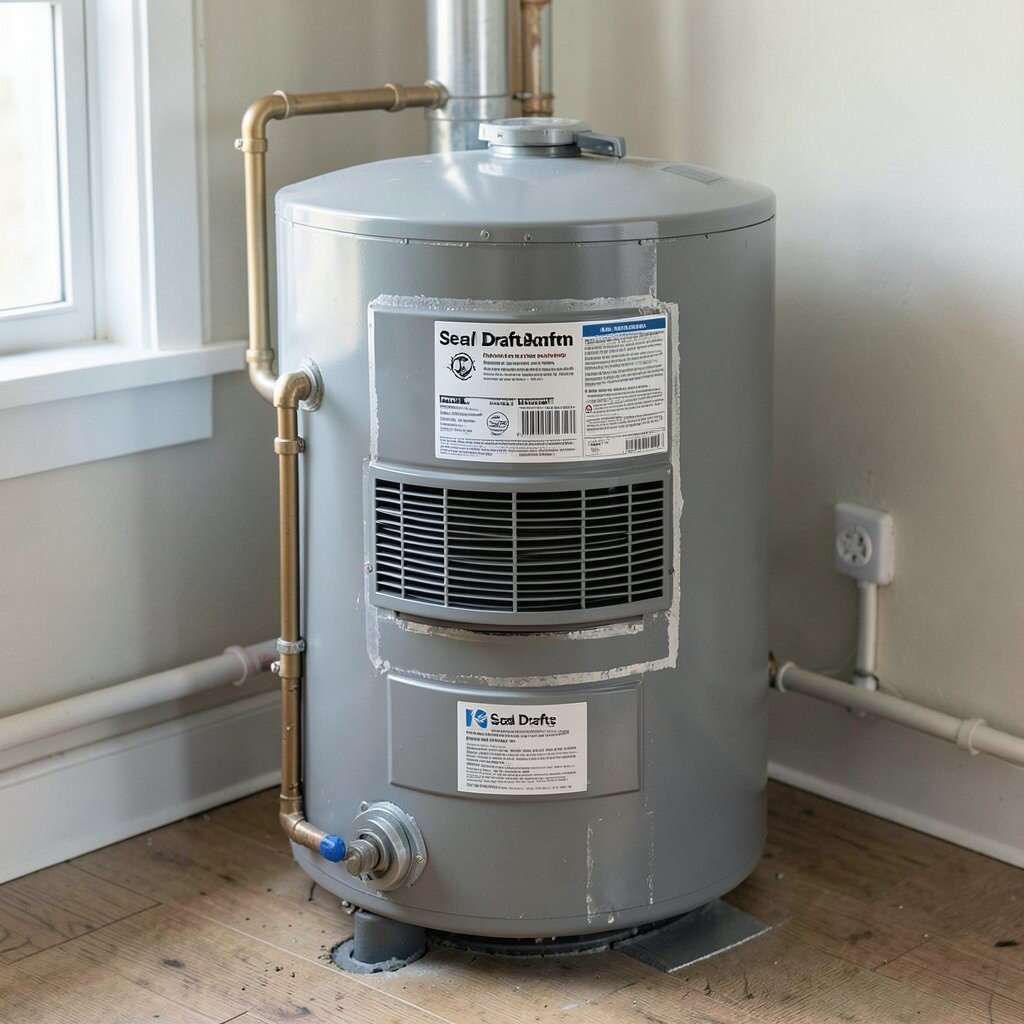
A heater loses heat faster when the space around it is drafty. Cold air can slip in and warm air can leak out. This can be as simple as seeing gaps near doors, vents, or the panel around the tank.
Use safe sealing products for the area and follow label directions. Check around piping holes and where cables pass through walls. When you reduce drafts, the tank does not have to keep reheating as often.
This idea can be low cost since sealing materials are usually cheap. It is also an easy personalization project because you can focus only on the spots you find. Many homes now use small air sealing fixes as part of energy saving trends.
6. Set the Thermostat and Use a Simple Mixing Strategy
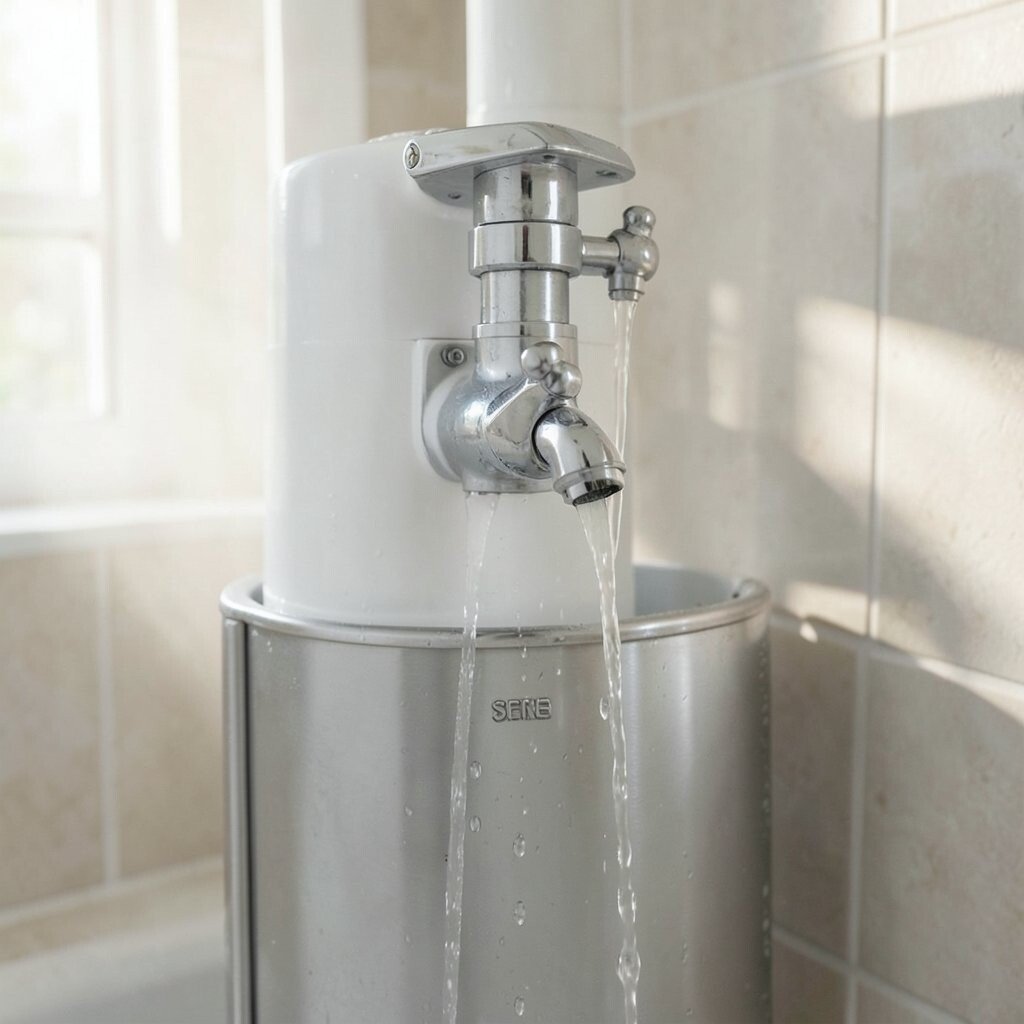
Turning the thermostat up too high can waste energy and may be unsafe. A better plan is to set it to a safe level and use mixing to get the right hot water feel at the faucet. You can picture a small mixing valve that blends hot and cold.
This helps keep water at a steady comfort level for showers and washing. It can also protect your skin from water that is too hot. If you have kids or elders at home, this is a helpful safety step.
Cost is often moderate, depending on what valve or control you add. You can personalize the hot feel by adjusting the mixing point. A trend today is more focus on safe water temperature control, not just “hotter.”
7. Use a Timer to Heat Only During Your Typical Use Hours
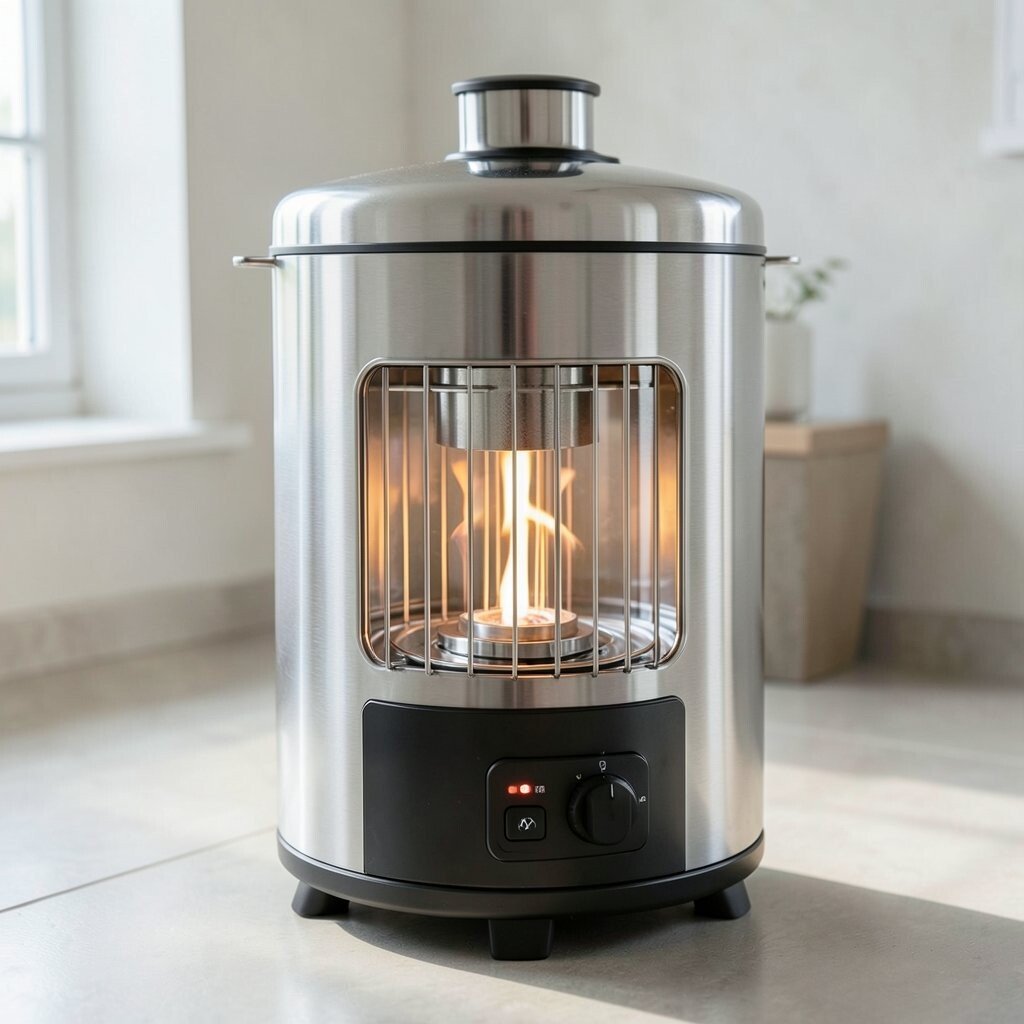
Many tanks do not need to heat all day. A timer can help the heater run more when you need it, like mornings and evenings. The visual is a small control on the heater that turns heating on and off.
This can help with comfort by matching heat to your routine. It can also help reduce cost on days when you are not home much. If you keep notes on when you use hot water, you can set the timer more accurately.
Cost depends on whether your system already has a timer option. You can personalize settings by testing a few schedules for a week or two. This is a growing trend because many people want more control over energy use.
8. Choose a Better Location With More Insulation and Less Cold Air
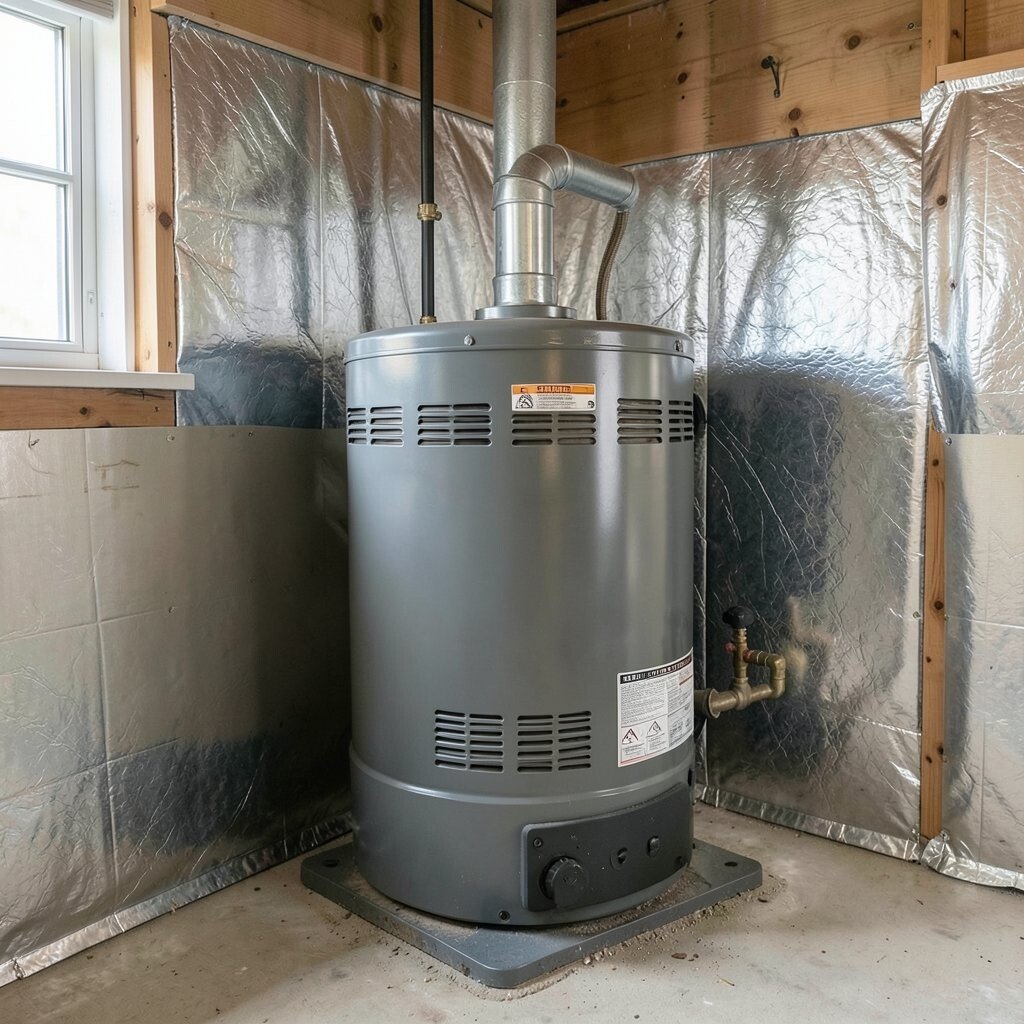
The place where your tank sits affects heat loss. A tank in a cold garage corner or under a drafty area can lose warmth fast. If you can move or re-position it safely, you may see better results.
Even small changes can help, like placing it away from direct cold airflow. You can also add insulation to nearby walls if it is allowed by your setup. This helps the tank keep heat longer.
Cost can be low if you only adjust the area and add safe insulation. Personalization is easy here since you can focus on your tank’s worst exposure spots. A trend is more care in how utility rooms are set up for comfort and energy savings.
9. Add a Hot Water Tank Jacket With a Reflective Inner Layer
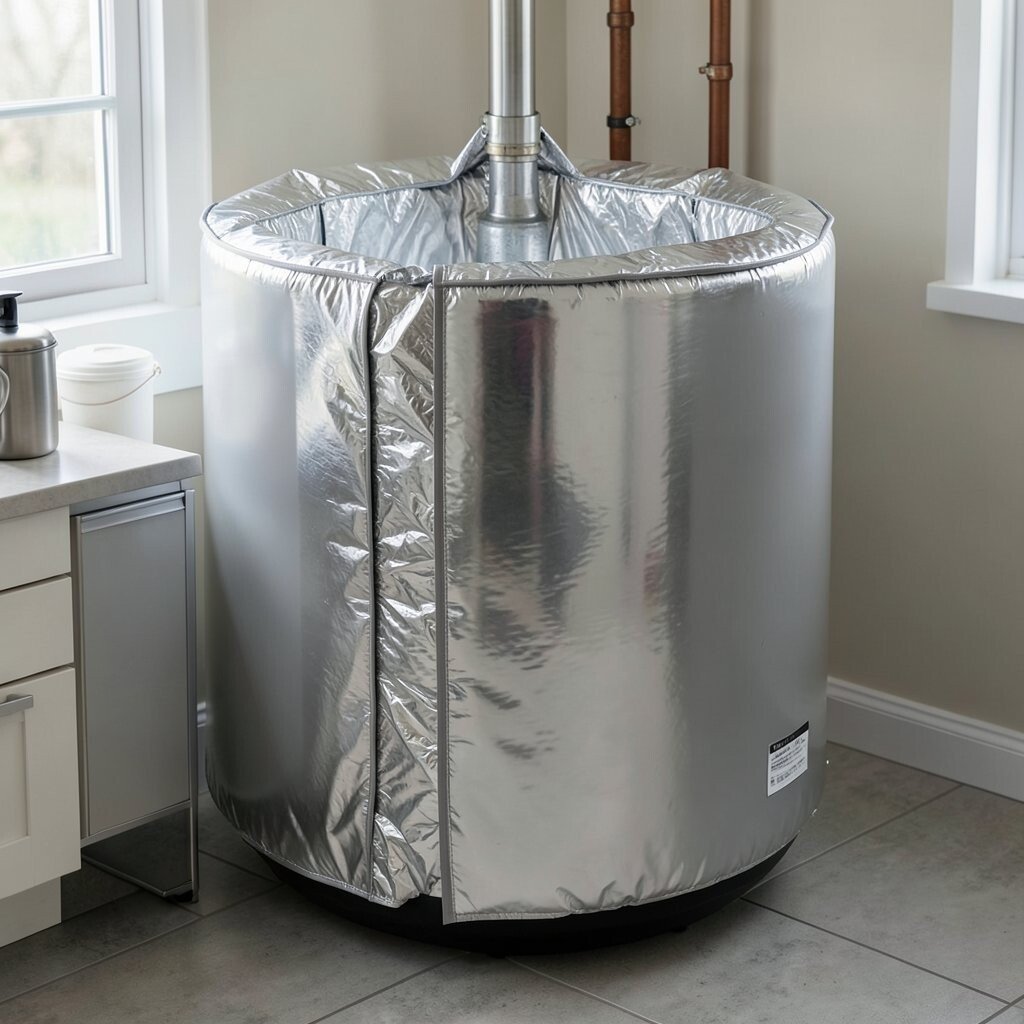
Some tank jackets include a reflective inner layer that helps bounce heat back. This can improve how well the heater keeps warmth in. You may see a shiny inside surface under the outer insulation.
When used correctly, a reflective jacket can reduce heat loss in cold rooms. It can be a good step if your current blanket is thin. Also, make sure it does not block vents or safe clearance areas.
Cost can be higher than a basic blanket, but it may still be a good value. You can personalize by picking a jacket thickness that fits your space and climate. A trend is more types of jackets that fit better and look neat in utility rooms.
10. Cover and Insulate the Water Lines Near the Tank
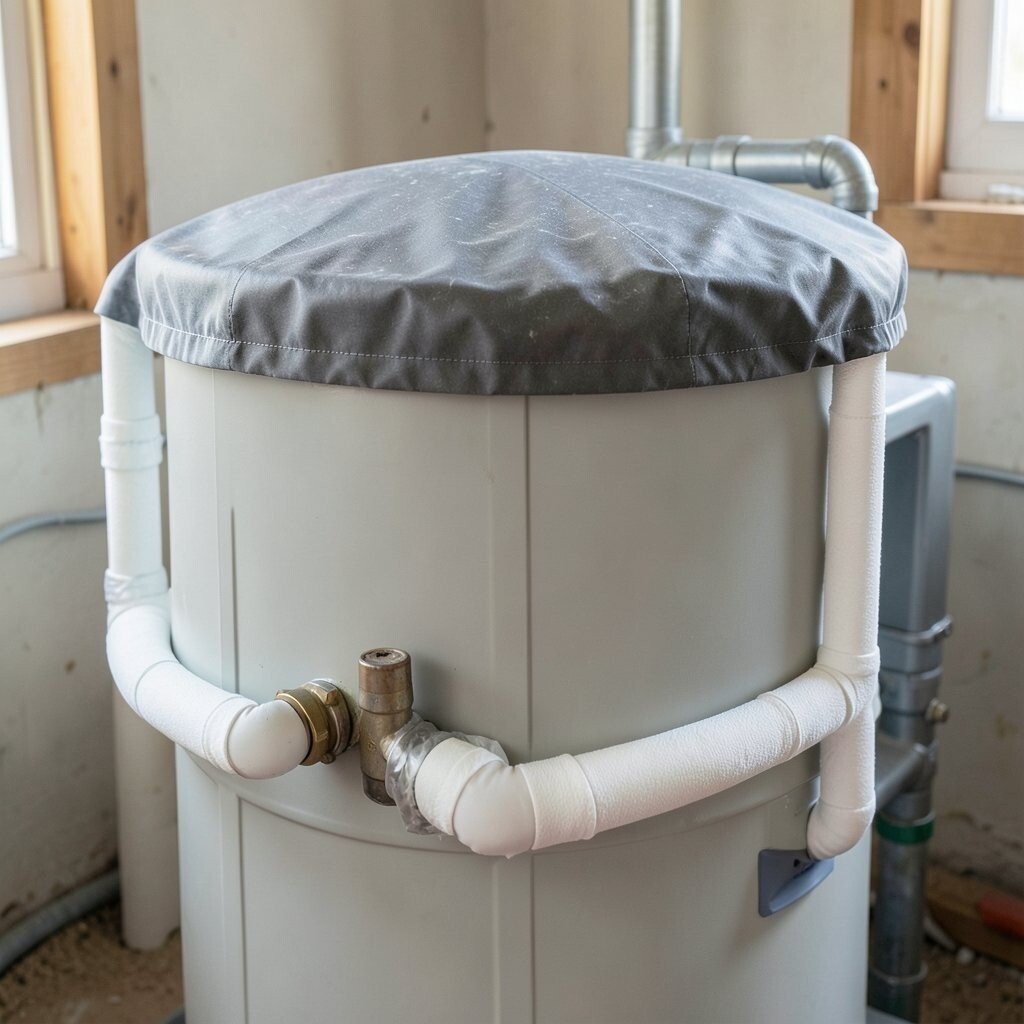
Even if the tank is insulated, the water pipes close to it may still cool down. Adding foam pipe insulation near the tank can help keep hot water ready. The visual is small foam tubes fitted over the hot line and secured neatly.
This can help with quick hot water at nearby taps. It also reduces the heat loss from pipes in unheated spaces. It is especially useful for short pipe runs that still pass through cool spots.
Cost is usually low since foam insulation is inexpensive. You can personalize by choosing different thickness levels for different pipe sections. A trend is using pre-cut insulation pieces so homeowners can install them faster.
11. Install a Stratification Device to Use Heat Layers Better
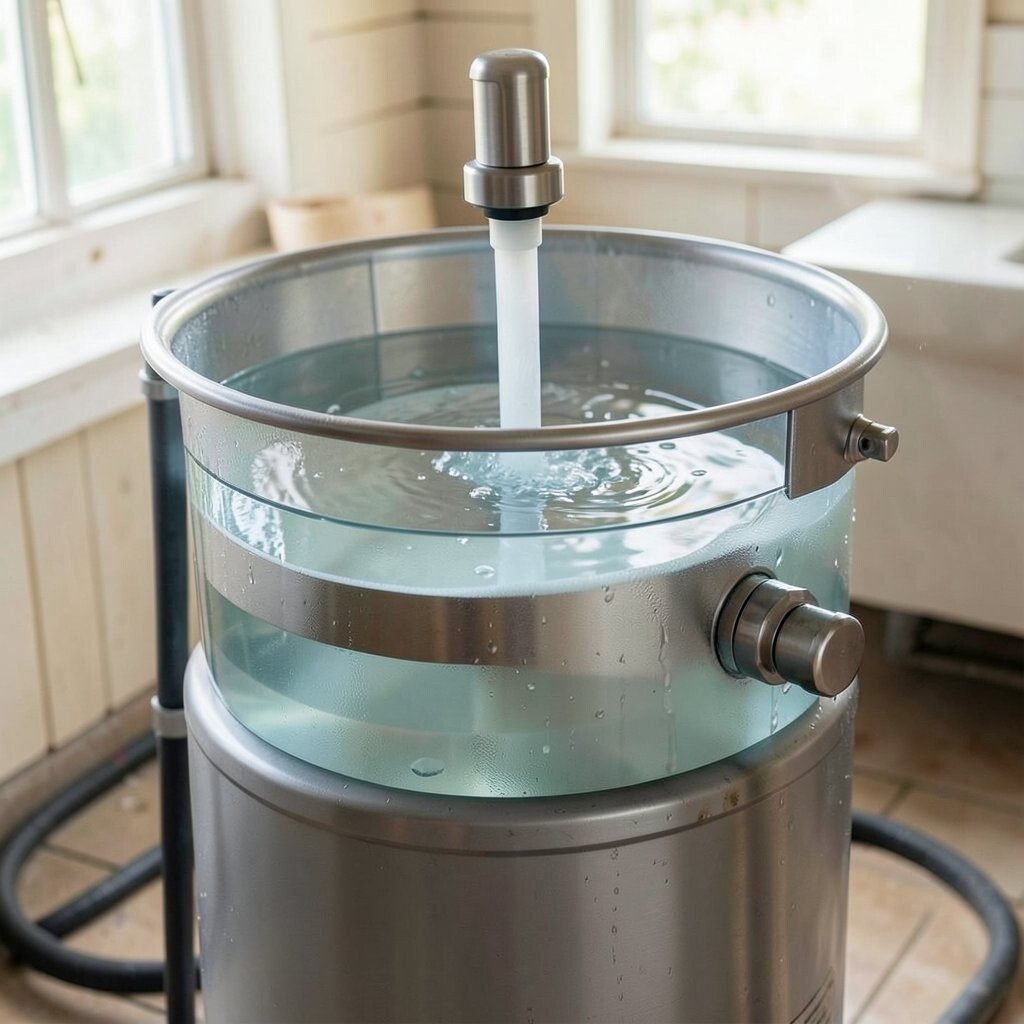
Water in a tank can form layers, with hotter water on top and cooler water on bottom. A stratification device helps keep those layers more stable. That means you can use hot water more effectively without as much mixing.
You may notice a more steady hot water feel, especially when you draw water several times. This can also help the tank use heat in a more planned way. It can be a good choice if your household uses hot water in bursts.
Cost may be higher than simple insulation, depending on the part. Personalization includes choosing a device type that matches your tank model. A trend is more focus on water temperature efficiency using smarter tank fittings.
12. Upgrade the Heater Control With a Smart Thermostat or Monitor
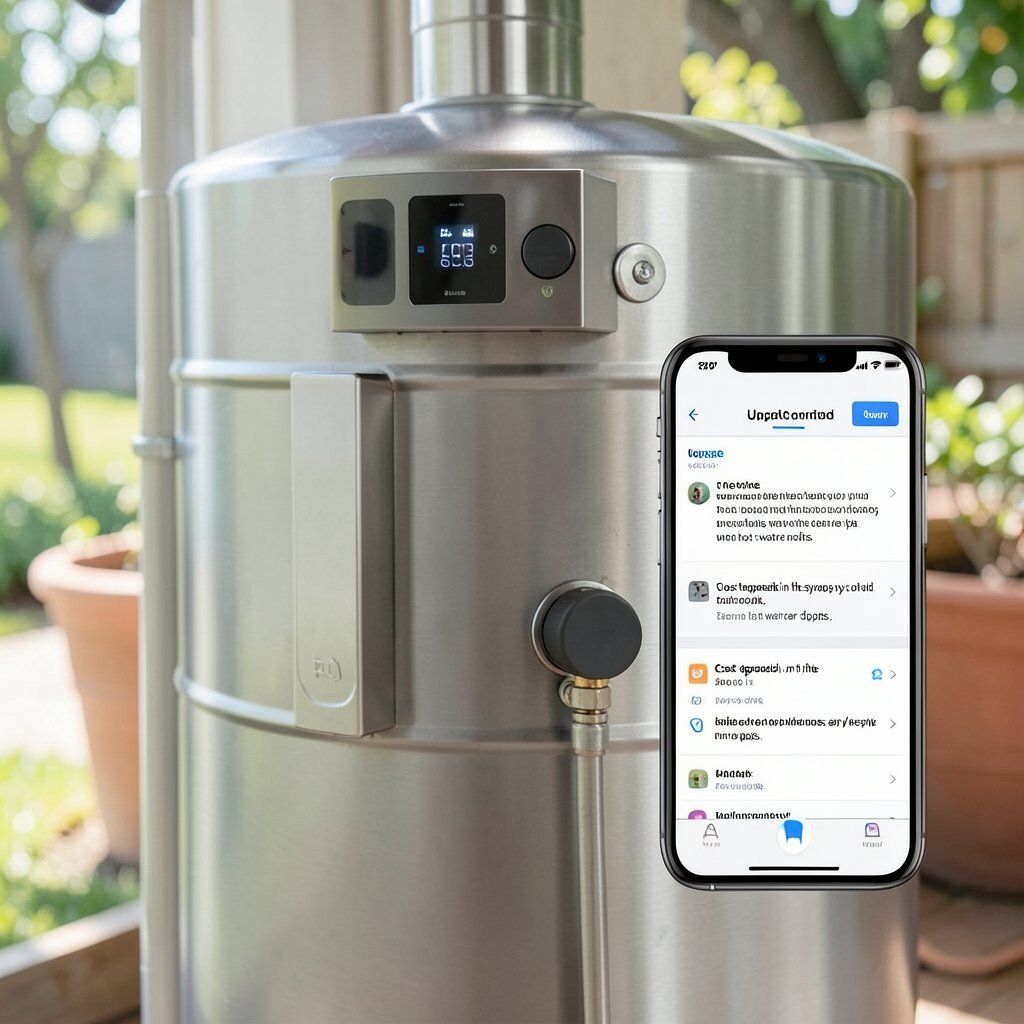
A smart thermostat or monitor can help you see and control heating better. You can check water temp trends and adjust settings based on your real use. The visual is an app on your phone plus a sensor near the tank.
This can improve comfort since you can plan heating for your schedule. It can also reduce cost by avoiding extra heating when it is not needed. Many people like that they can spot problems early when hot water drops.
Cost depends on the system you pick and whether you need extra sensors. You can personalize with schedules, alerts, and different temperature targets. A strong trend right now is using monitoring to reduce waste and keep systems running well.