Good training should help you feel better and work better. These ideas are simple and positive, so you can try them in real life.
1. Keep a Short Training Journal
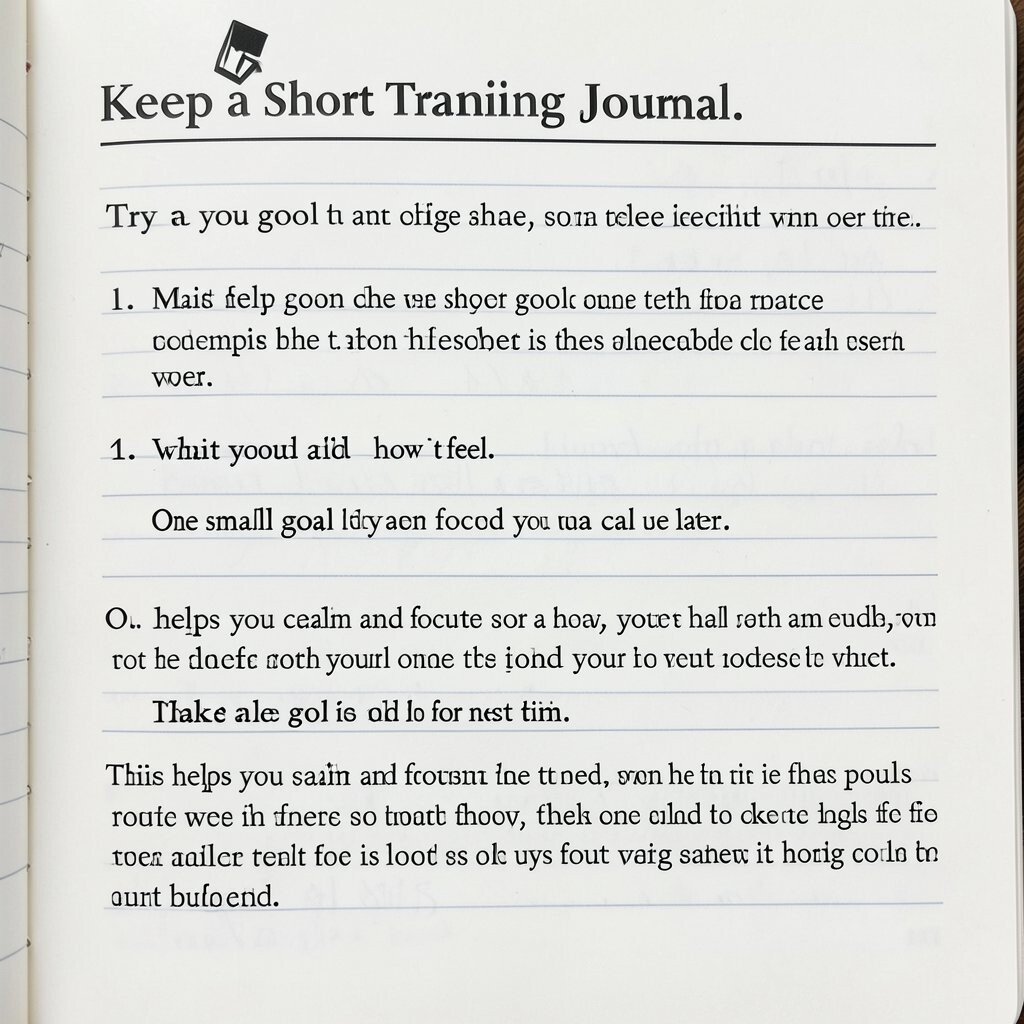
Write a few lines after each session. Note what felt good and what felt hard. A simple page can help you see small wins over time.
Try a steady format: what you did, how it felt, and one small goal for next time. This helps you stay calm and focused. You also build a clear record you can use later.
Make it personal by using your own words. You can use a notebook, an app, or notes on your phone. Cost is low, so it fits most budgets.
2. Set a “Do This, Not That” Focus
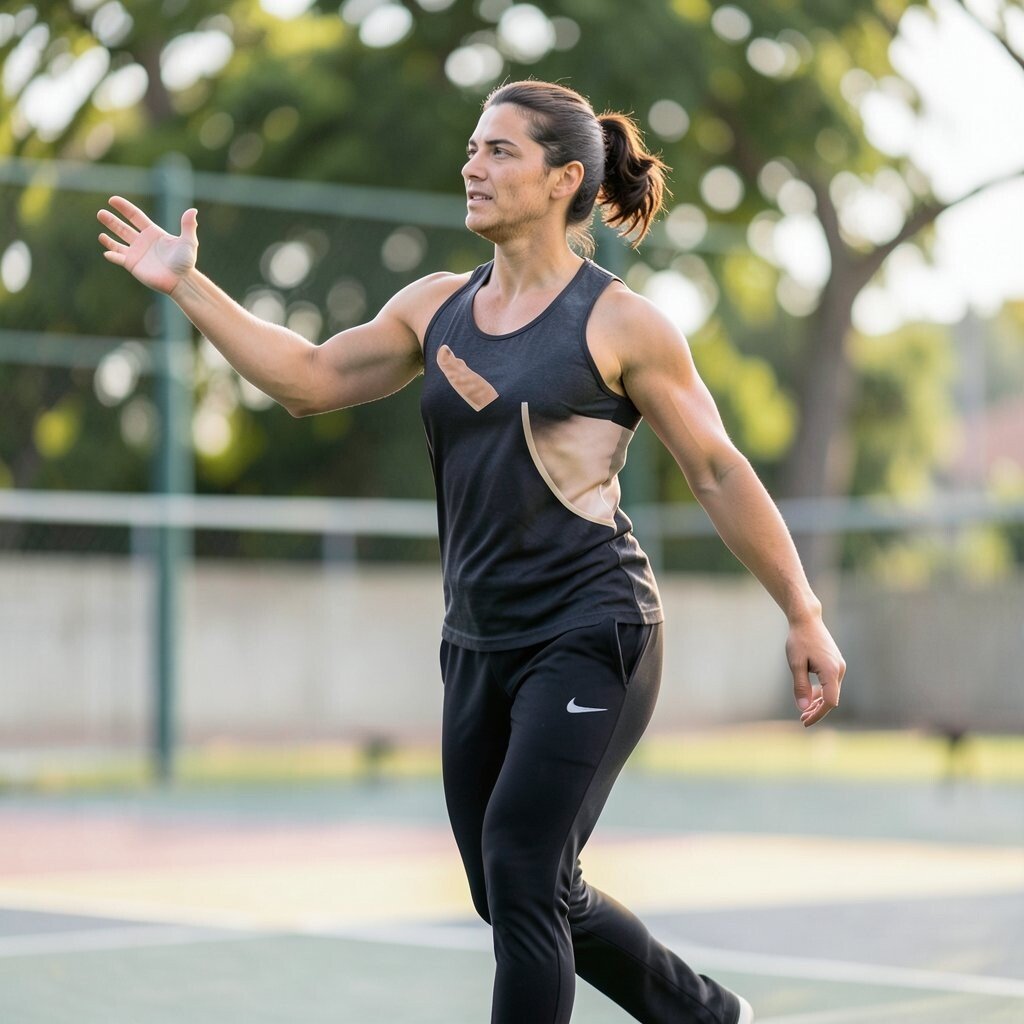
Pick one thing to do during training. For example, you might focus on smooth movement or good posture. Then you pick one thing to avoid, like rushing or slouching.
Visualize the goal before you start. Picture your body in a good position, like a quick photo in your mind. This can make your effort feel more clear.
Keep the focus small and change it often. If you try new cues each week, you learn faster. This idea is easy to use with any skill.
3. Use Video Clips for Honest Feedback
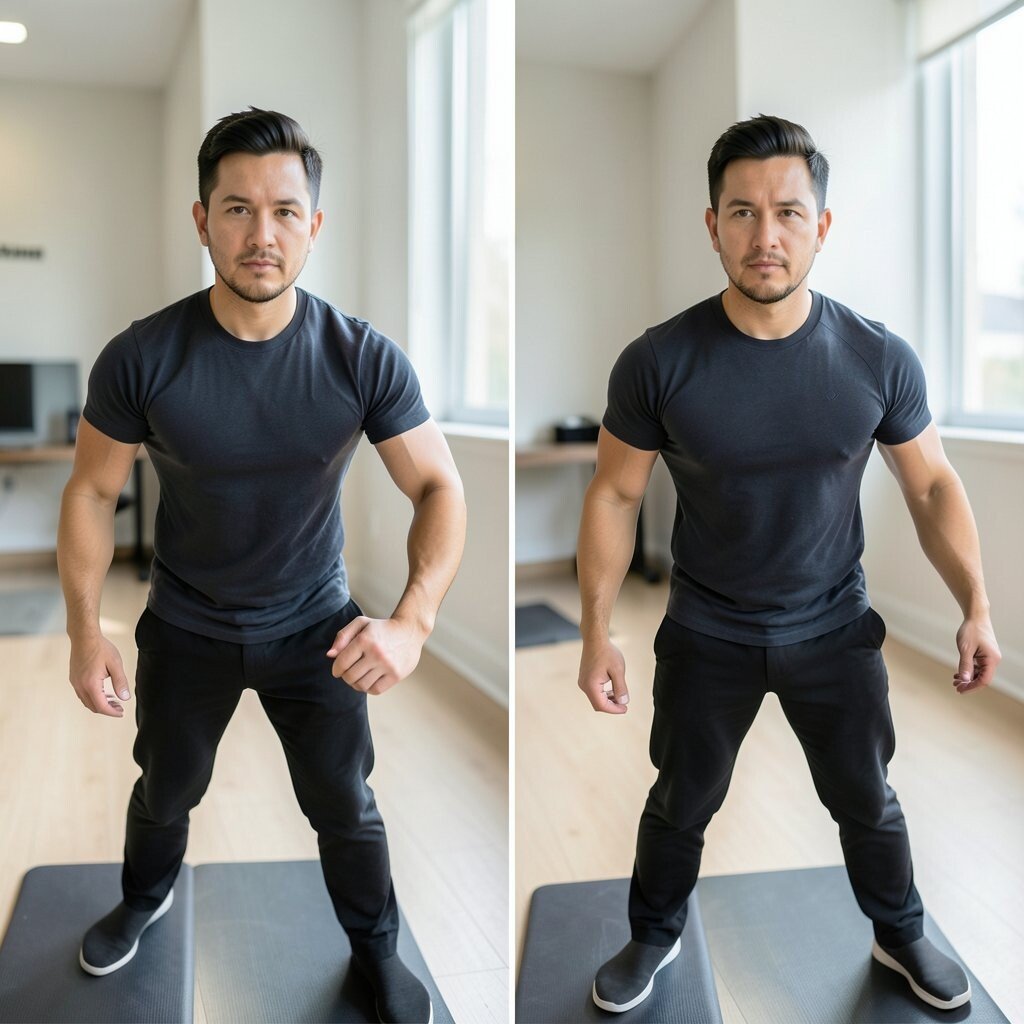
Record a short clip during practice. Watch it after, not during. You are not judging yourself, just checking what you can improve.
Look for one detail at a time, like timing, form, or balance. A clear view helps you spot patterns you miss in the moment. It also helps you compare “before” and “after” fairly.
You can use a phone camera at low cost. Many people enjoy seeing a simple side-by-side comparison. Start with one or two clips per week, so it stays easy.
4. Try a Skill Ladder Instead of One Big Goal
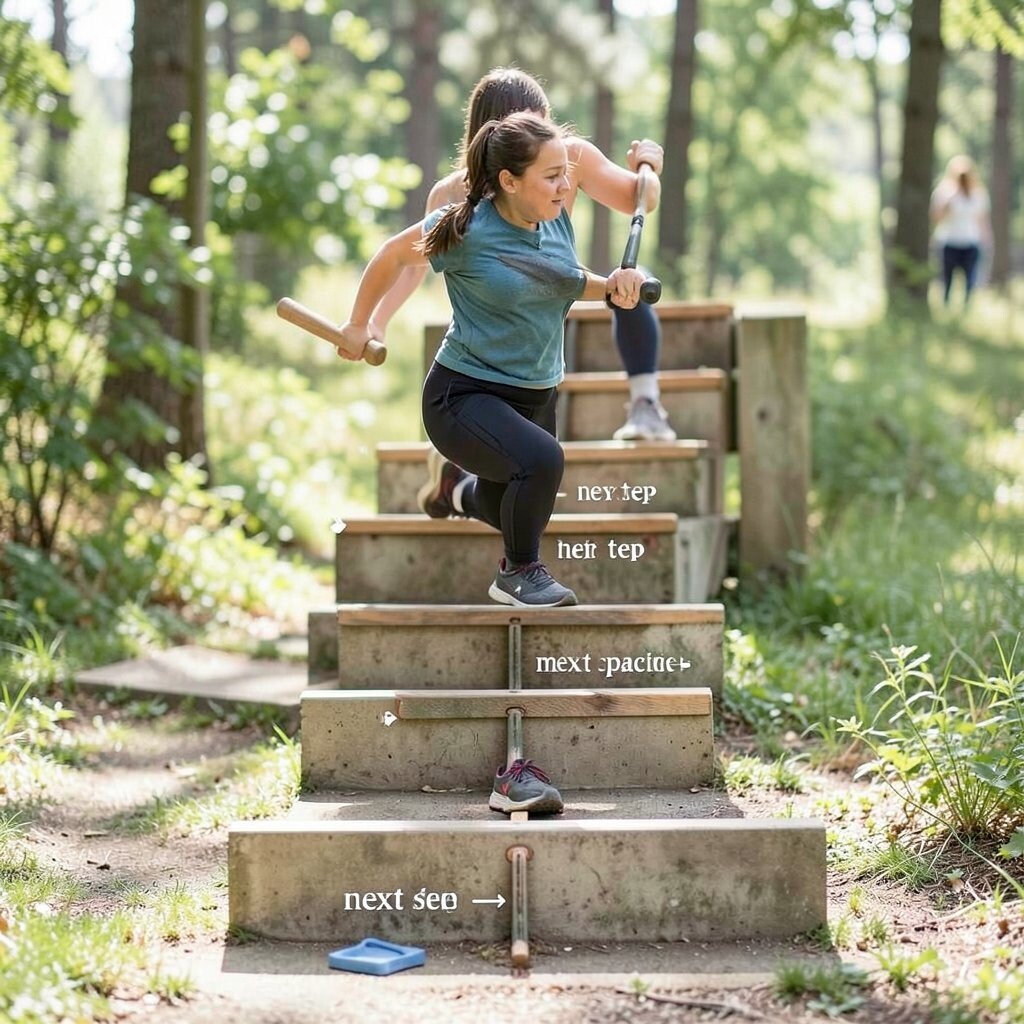
Break your goal into small steps. For example, if you want to run faster, you can start with a steady pace and add small changes. Each step should be something you can reach.
Set a “next step” for each practice. When you finish, mark that step as done. This helps you feel progress and keeps you from getting stuck.
Make your ladder match your life. Choose steps that fit your time, energy, and space. This is a practical way to make training feel safe and steady.
5. Use Positive Self-Talk During Practice
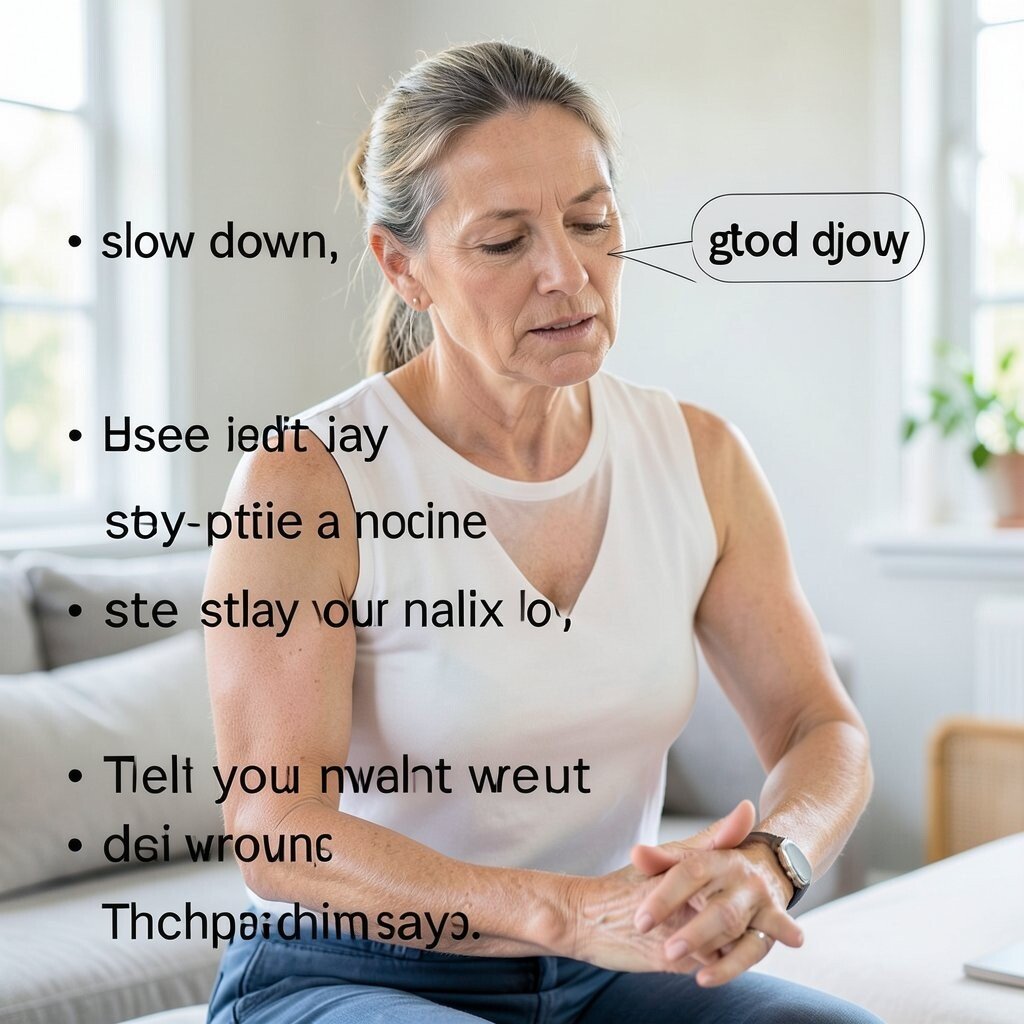
Pick a few short phrases you can say while you work. Use words like “slow down,” “stay steady,” or “good job.” Keep them simple so you can remember them fast.
When you make a mistake, keep the talk kind and clear. Tell yourself what to fix next, not what you did wrong. This helps your mind stay calm.
Personalize the phrases to your style. Some people like short commands, and some like gentle reminders. Cost is zero, and the change can be quick.
6. Practice with a Timing Plan

Plan your time blocks before you start. For example, do a short warm-up, then focused work, then a cool down. A simple schedule helps you use your effort well.
Try a “start easy” rule for the first minutes. This helps your body and mind settle in. After that, you can push a bit more.
Keep notes on what time lengths work for you. Trends can show up, like you do better with shorter sets or longer rest. This helps you personalize your routine.
7. Make a Small Warm-Up That Fits Your Body
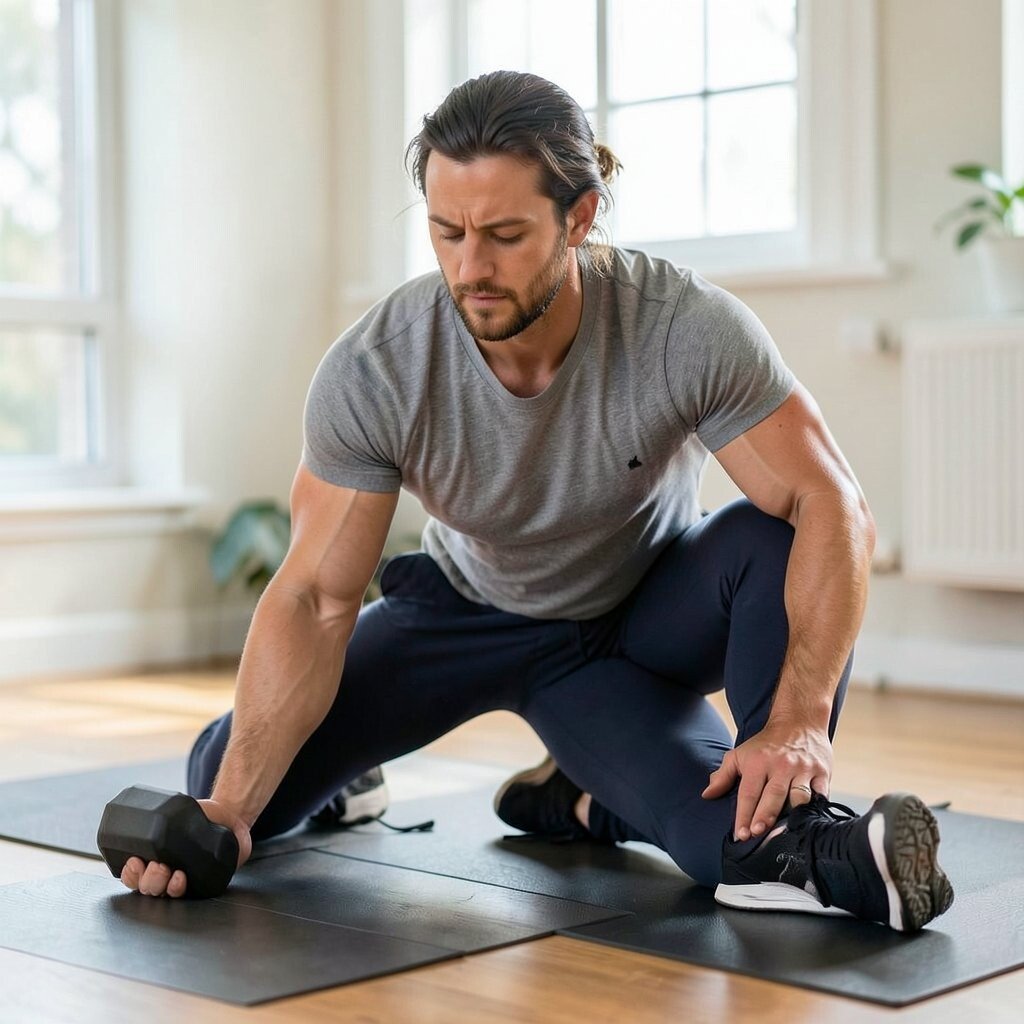
Choose warm-up moves that match what you will do later. If you train for strength, warm up with light weight. If you train for movement, start with slow, easy reps.
Do not rush. Your warm-up should feel like you are waking up, not like you are testing yourself. A calm start can improve control and reduce stress.
Try adding one move that targets your weak spot. For example, add mobility work for a tight area. Warm-ups can be low cost and done at home.
8. Train with a Friendly Buddy or Small Group
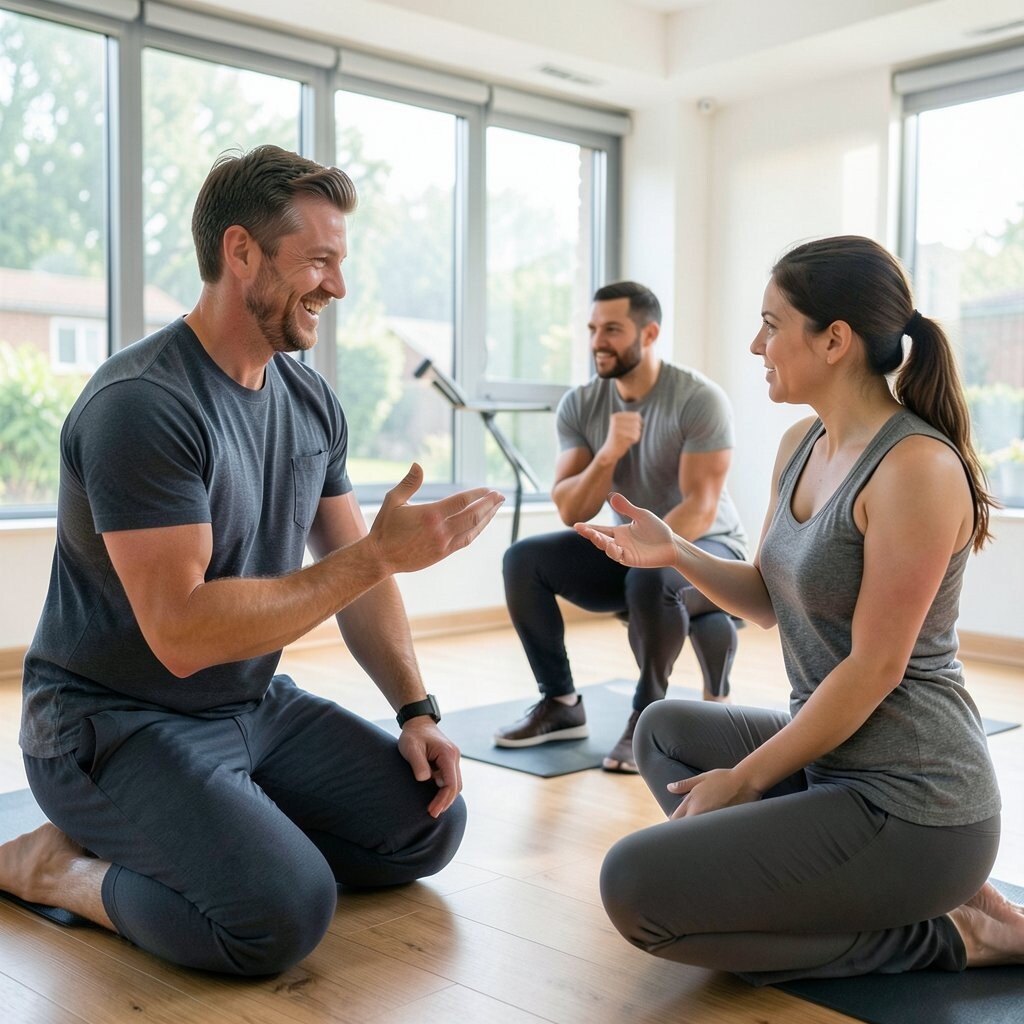
Find one person who shares your goal. You can swap tips, set small challenges, and keep each other on track. Even one training partner can make practice feel more fun.
Use simple rules for support. Tell your buddy what you did well, and ask for one helpful tip. This keeps feedback kind and useful.
Keep the group small if you can. A small group helps people talk more and share ideas. This trend of small teams can also boost comfort.
9. Add Variety with Short “Swap Days”
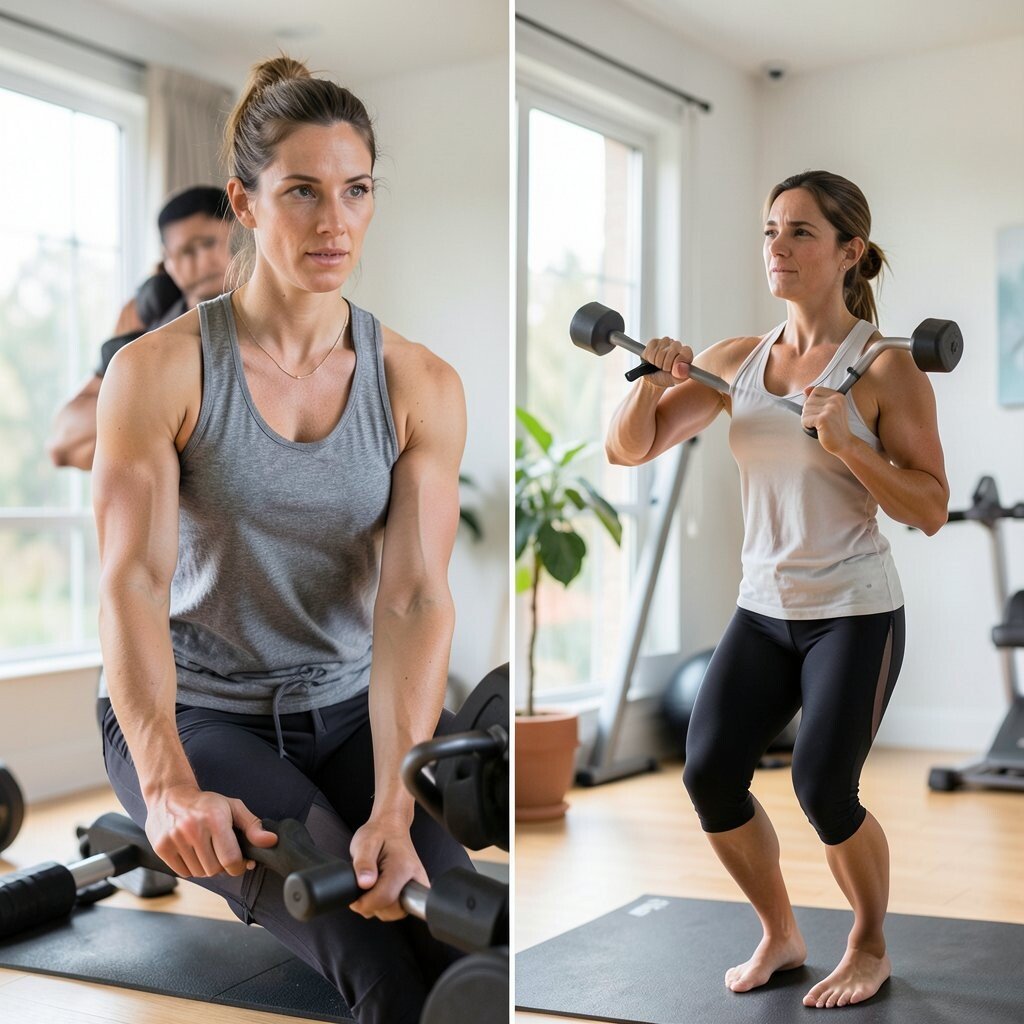
On some days, swap one part of your routine. You could change the tool, the space, or the order. Variety can help your skills grow without burning out.
Keep the swap small. For example, if you do drills, swap to another drill with the same goal. This keeps your training clear and not random.
Track how you feel after swap days. You may notice you learn faster after you change things. Personalize the schedule to your energy and schedule.
10. Use “Try It, Then Adjust” Practice Rules
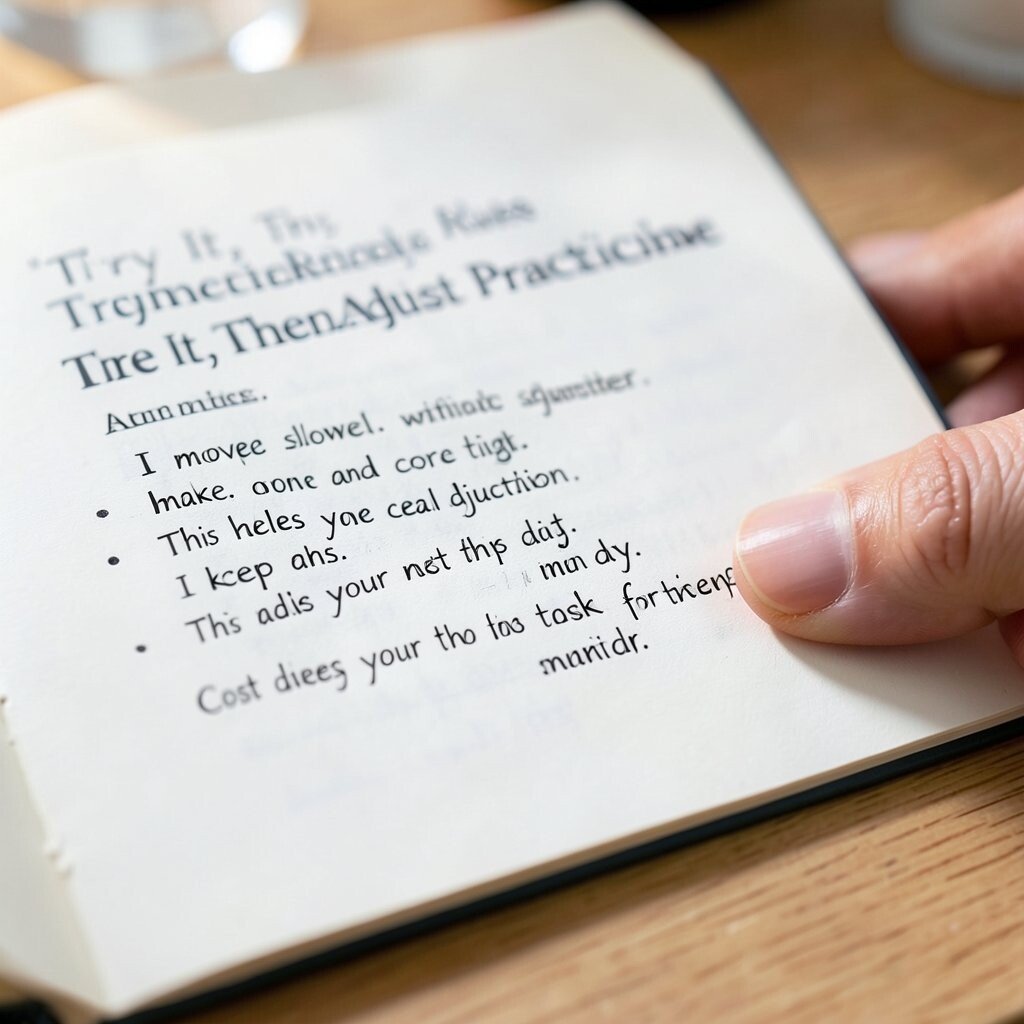
When you attempt a new skill, do it for a short time. Then stop and make one clear adjustment. This helps you learn without feeling stuck for too long.
Write the adjustment in your journal. For example, “I moved slower,” or “I kept my core tight.” This makes your next try smarter.
Keep the rule kind to yourself. If it feels too hard, make the task easier for that day. Cost is low, since the main tool is your plan.
11. Keep Rest Days Active and Simple

Rest does not have to mean doing nothing. Take a walk, stretch a bit, or do gentle mobility. Light movement can help your body feel better.
On rest days, focus on recovery habits like sleep and water. You can also do easy practice, like slow drills. This can help you keep skills ready without heavy strain.
Personalize your rest based on how you feel. If you feel tight, do more stretching. If you feel tired, choose a calm walk instead of more work.
12. Use Checklists for Form and Safety
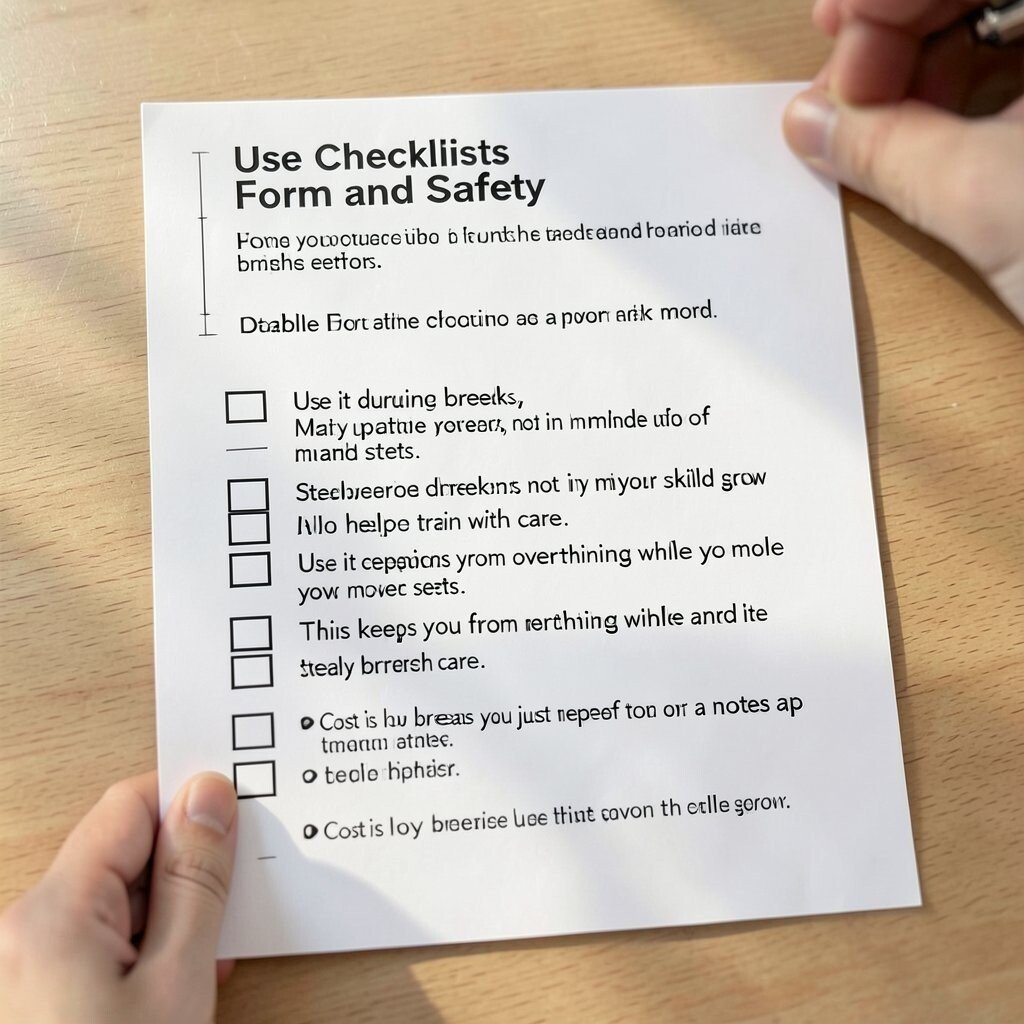
Make a simple checklist for your training sessions. Include key form points, like stable stance, smooth movement, or steady breathing. A checklist helps you focus and avoid risky errors.
Use it during breaks, not in the middle of hard sets. This keeps you from overthinking while you move. It also helps you train with care.
Cost is low because you just need paper or a notes app. You can update the list as your skills grow. Many coaches use this type of tool, and it stays useful as trends change.
13. Aim for Small “Public Wins” When You Are Ready
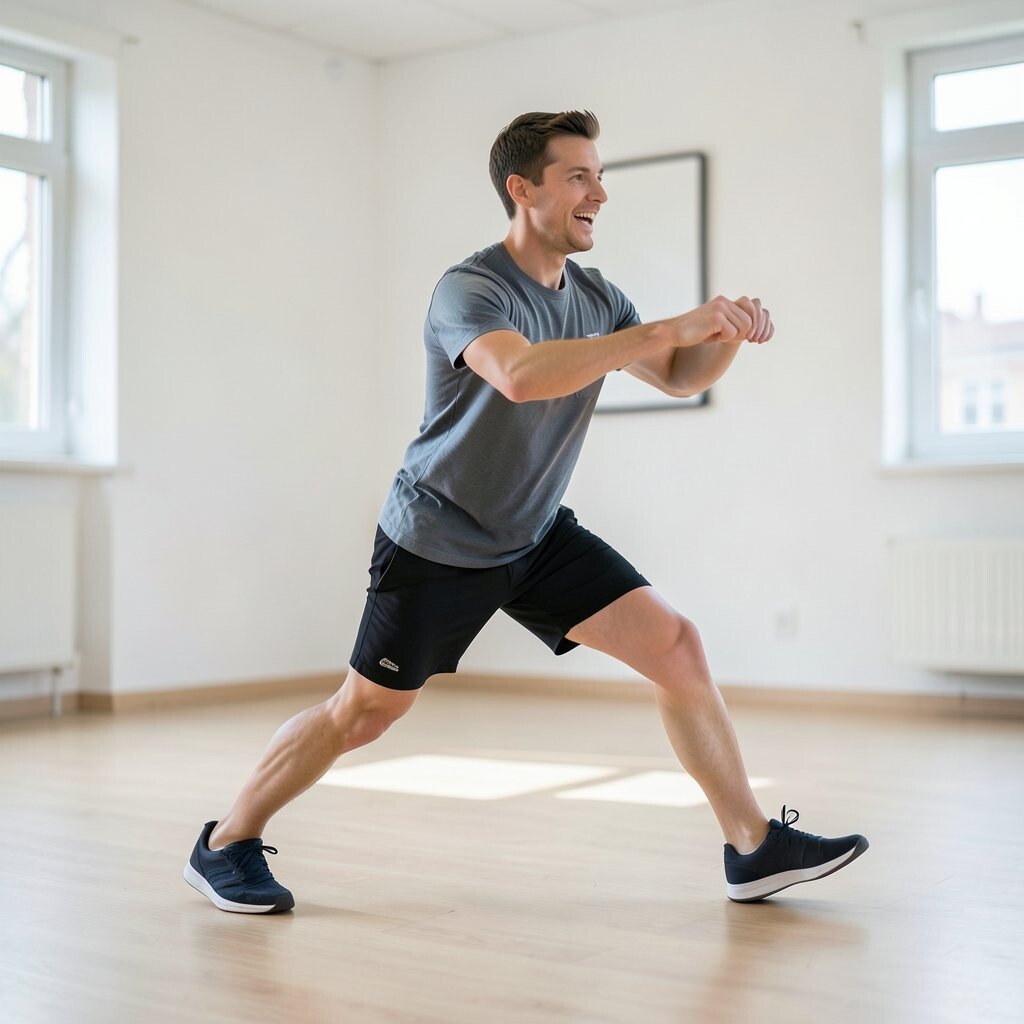
When you feel ready, try a small showing of your work. This can be a short practice demo, a class, or a local meet. Public practice can build confidence and make goals feel real.
Keep it low pressure. Focus on showing effort, not being perfect. If you prepare your routine, you can feel more in control.
Personalize your “win” goal. It can be trying one new move, or finishing without missing your steps. Costs vary, but many events are cheap or free.
14. Learn from One Coach Tip or One Article Summary
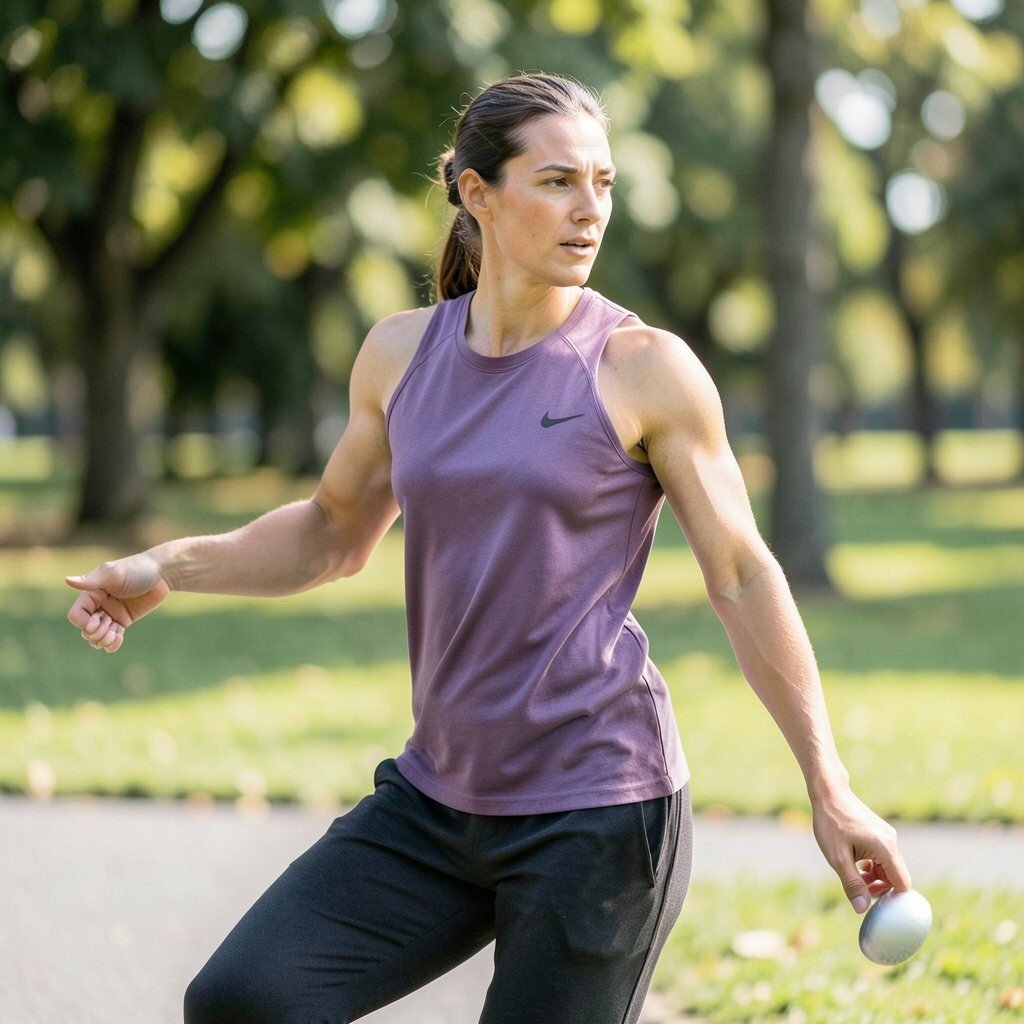
Pick one trusted source and save one main idea. It could be a cue, a drill idea, or a small safety note. Keep it to one idea, so you can use it right away.
After you read, test the idea in your next practice. Write what changed, even if the change is small. This helps your learning stick.
Make it personal by picking tips that match your skill level. If the tip feels too hard, scale it down. Many people like this trend of short, focused learning instead of long reading sessions.
15. Create a “Skill Menu” for Easy Choice
List several drills or practice options you can choose from. Think of them like choices on a menu. When you do not feel like one thing, you can pick another option.
This helps you stay consistent. If you have a bad day, you still can practice something that fits your energy. You also avoid skipping training because of mood.
Personalize the menu to your goals and your tools. Add options you can do at home, with gym gear, or outdoors. Cost can stay low, since you can include simple drills that need little equipment.
16. Review Your Progress with a Fair Comparison
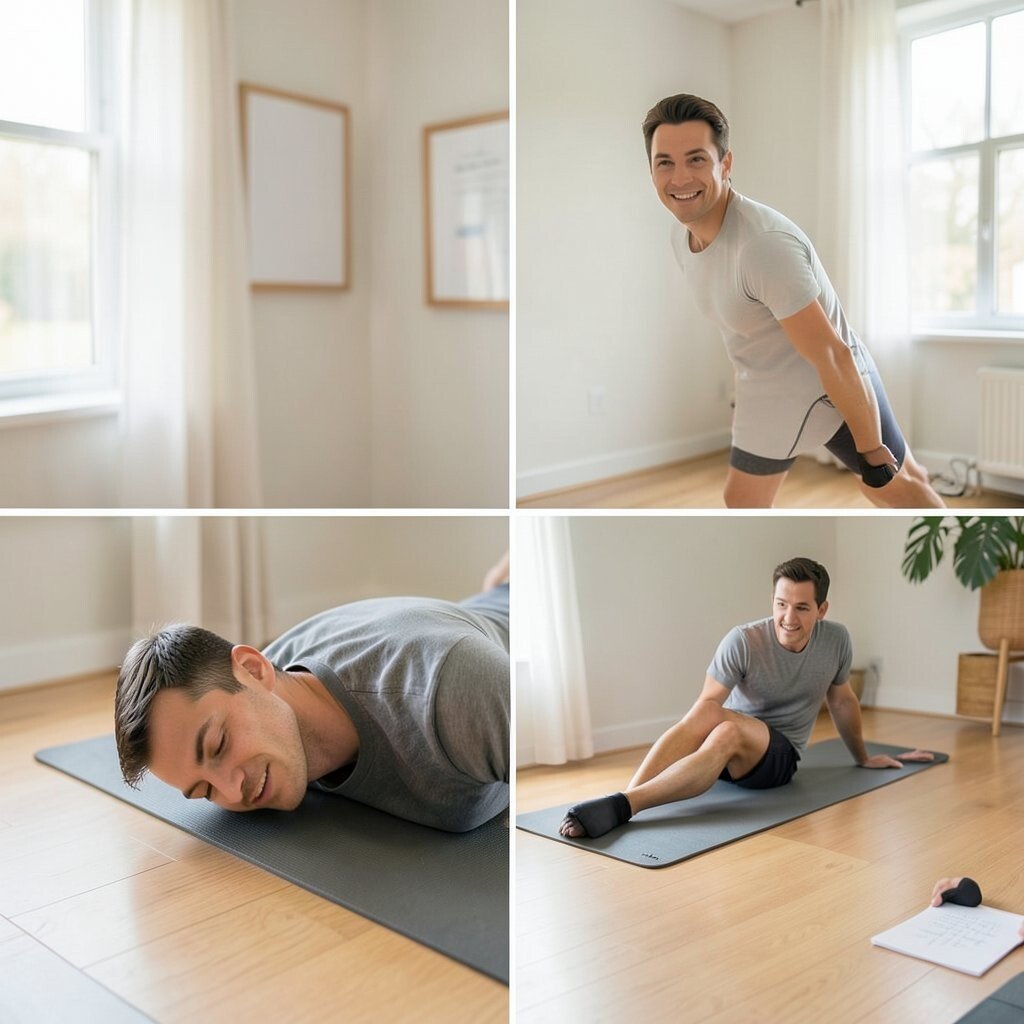
Once in a while, look back at what you could do before. Compare it to what you can do now, using the same type of test. A fair comparison helps you see real growth.
Use simple measures, like time, reps, or comfort level. Also note confidence and control, not just speed. Visual proof can help, like photos, notes, and short clips.
Keep your review calm and honest. If progress is slow, you can adjust the plan instead of quitting. This helps you stay steady and keep improving over time.