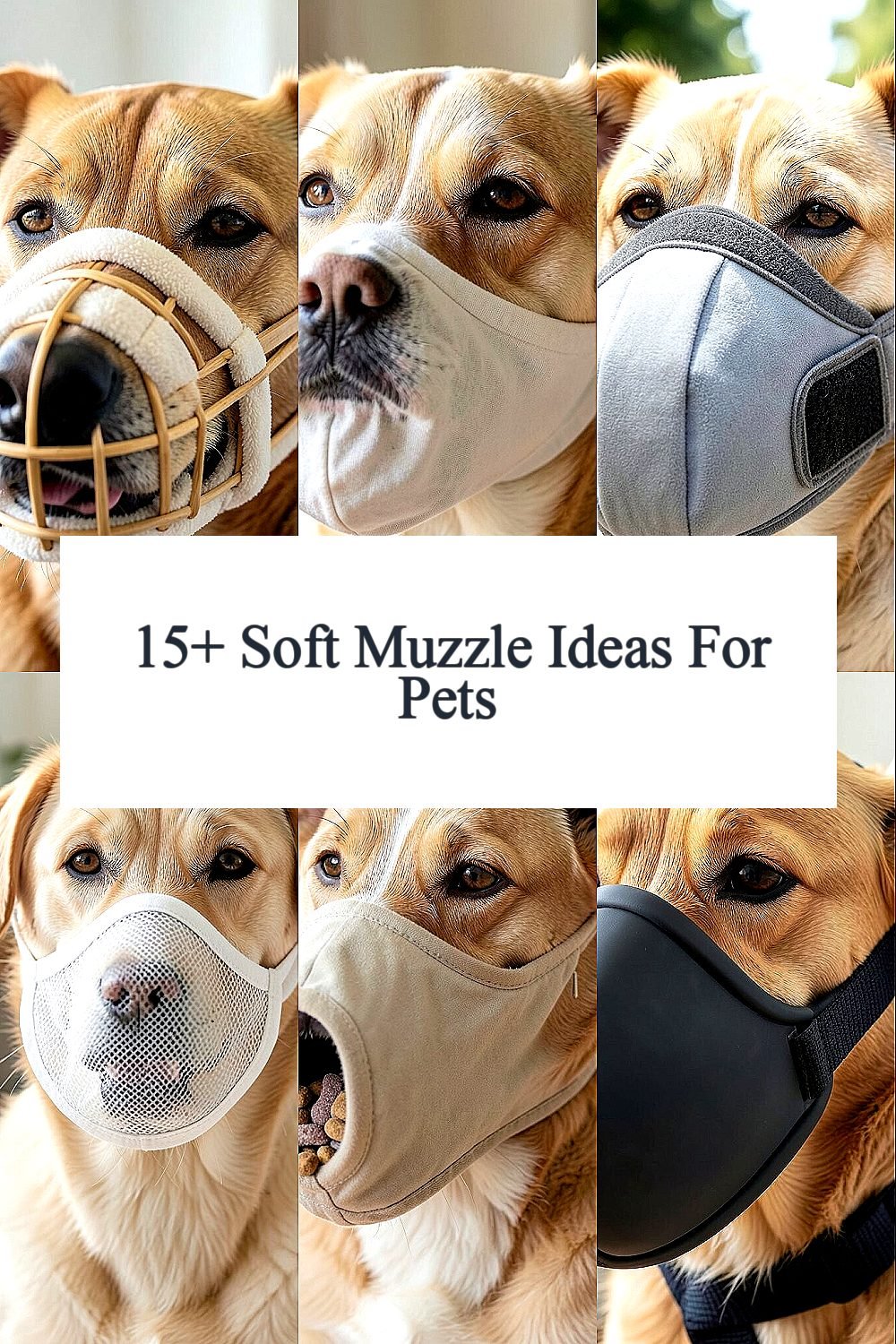
Soft muzzles can help some pets feel safer during hard moments. They also help you stay calm because you have a clear plan.
1. Basket-Style Soft Liner
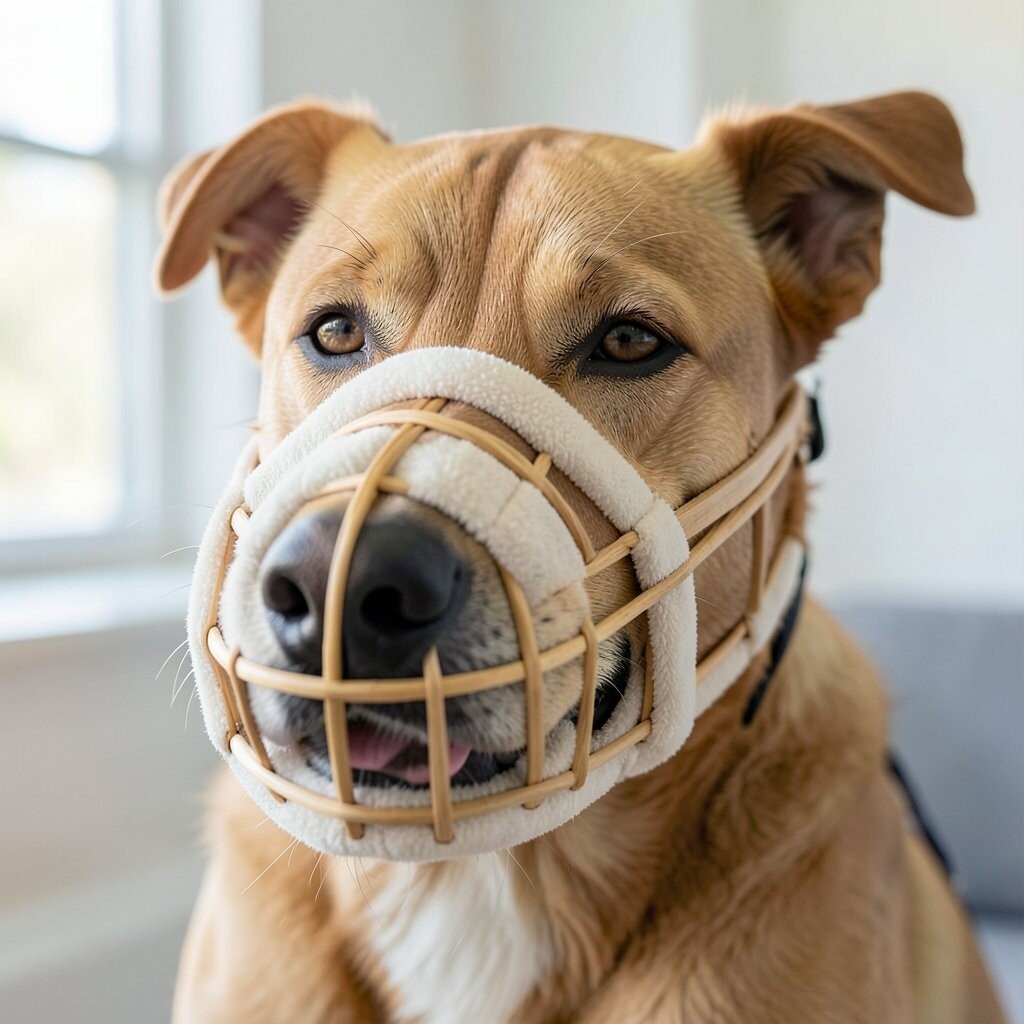
A basket muzzle with a soft liner can feel gentle on a pet’s nose. You will see the air gaps and the pet can still pant and sniff. Many owners like the open look because it feels less tight.
This can help when a pet gets tense at the vet or during a car ride. The soft layer can reduce rub marks on the nose and whiskers. A good fit also helps the muzzle sit steady, not shift.
To try this, measure your pet’s nose length and girth first. Add the liner only if it does not block airflow. For cost, you can often find liners as add-ons, not only full new muzzles.
2. Fabric Wrap With Snout Cover

A fabric wrap that covers the front of the muzzle can look like a small soft sleeve. You may use light cloth that covers only the nose area, not the whole face. Some pets calm down because the fabric feels smooth and predictable.
This style can help with mild fear or bothersome licking. It can also help when your pet needs to stay focused, like during grooming. Keep in mind that you still want the pet to breathe and drink water as needed.
For tips, start with short trial times and give treats during each step. Pick fabric that is easy to wash and does not itch. For personalization, choose colors that your pet already likes, like the ones on their favorite bandana.
3. Velcro Comfort Muzzle

A soft muzzle with wide Velcro straps can be easy to set up. You will see straps that hold the front and sides without hard edges. Many owners like this because it can adjust in small steps.
This idea can help pets that dislike a tight fit. With careful fitting, it may keep the muzzle in place during walks. It also can help you feel less rushed in busy places.
Use a sizing guide and check fit each time. Add a thin soft pad if your pet rubs the same spot. The cost is often mid-range, and the straps can last a long time.
4. Short-Cover Soft Mesh
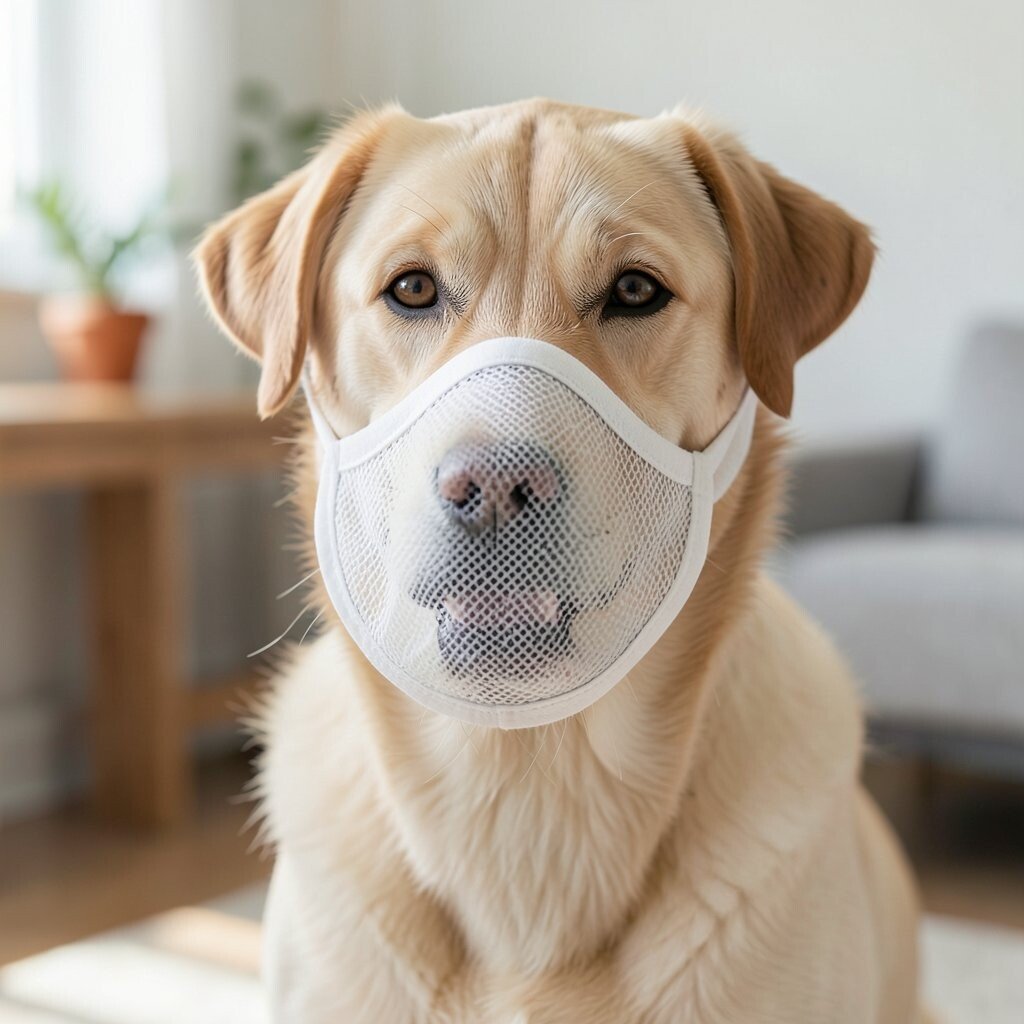
Soft mesh with a short cover can look light and breathable. The fabric should let air move and still limit mouth contact. Some pets do well because they can feel air flow and do not feel stuck.
This can help during training when your pet might nip or grab. It can also help at home when you need time for calm handling. A good benefit is that it still lets your pet open their mouth a bit to cool off.
Try this with slow steps and treats. Offer a chew toy or a food pouch so your pet links the muzzle with good things. A trend lately is using light mesh that feels more “everyday” and less bulky.
5. Soft Muzzle With Treat Pouch Opening

A muzzle that has a small opening for treats can look like a simple cover with a front gap. The idea is that you can feed small bites without taking it off. You may also see a small pocket area near the cheek.
This helps a lot during vet checks or calm sit sessions. It can teach your pet that the muzzle brings food, not just fear. It also gives you a quick way to manage moments when your pet is near stress.
For tips, use tiny treats that are easy to drop in. Keep feed times short so your pet stays calm. For cost, this can cost more than basic muzzles, but the added feeding feature may save time.
6. Flexible Silicone Comfort Edge
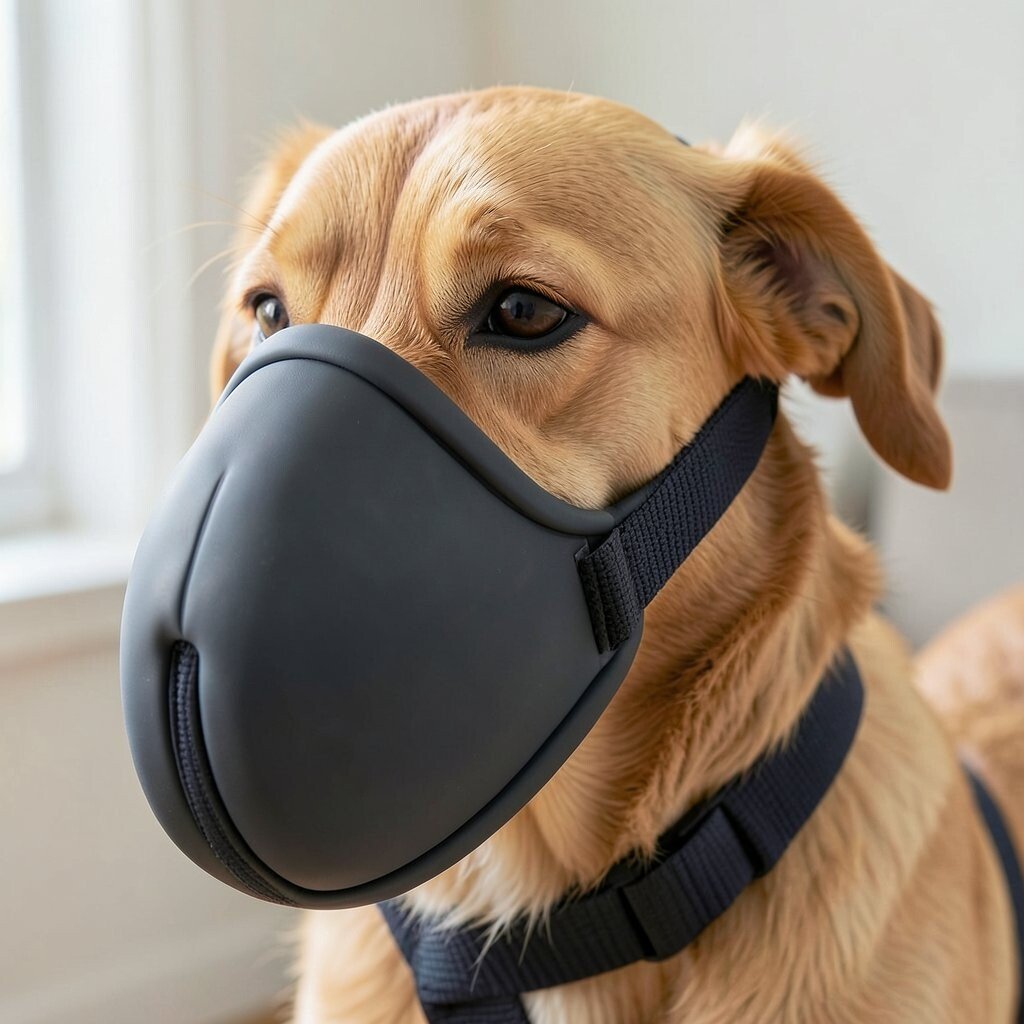
A muzzle with a soft silicone edge can look smooth and rounded. It can help block direct contact while still feeling gentle at the rim. Many owners like silicone because it is easy to wipe clean.
This can help with quick fixes, like when you need a short break from barking mouth play. It may also help during grooming when your pet tries to bite the brush. With the right size, it should not press too hard on the nose.
Pick silicone that is not too thick. Test fit at home and check for rubbing after ten minutes. For personalization, you can pair it with a matching harness for a neat look.
7. Soft Muzzle Lanyard for Quick Holds
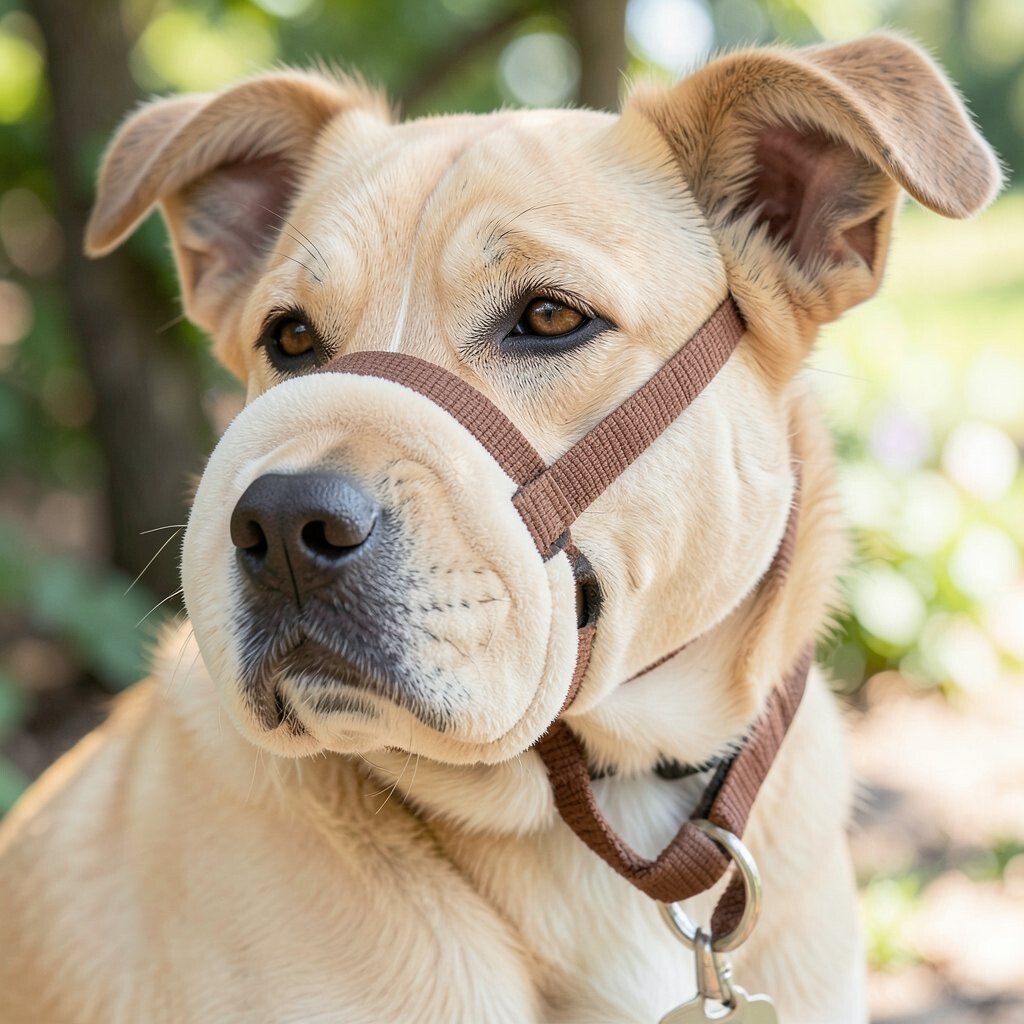
A soft muzzle with a lanyard strap can look like a muzzle plus a handle loop. This can help you guide your pet when you need control in tight spaces. You can often hold it gently without yanking the face.
This is useful when your pet feels unsure in new places. It can reduce the risk of your hand moving too fast near the head. The benefit is a calmer hand motion, which can help your pet relax too.
Use the lanyard only to steady, not to pull. Keep your grip light and guide with slow steps. Cost is usually low, and some designs fit most common soft muzzle shapes.
8. Removable Nose Pad Insert
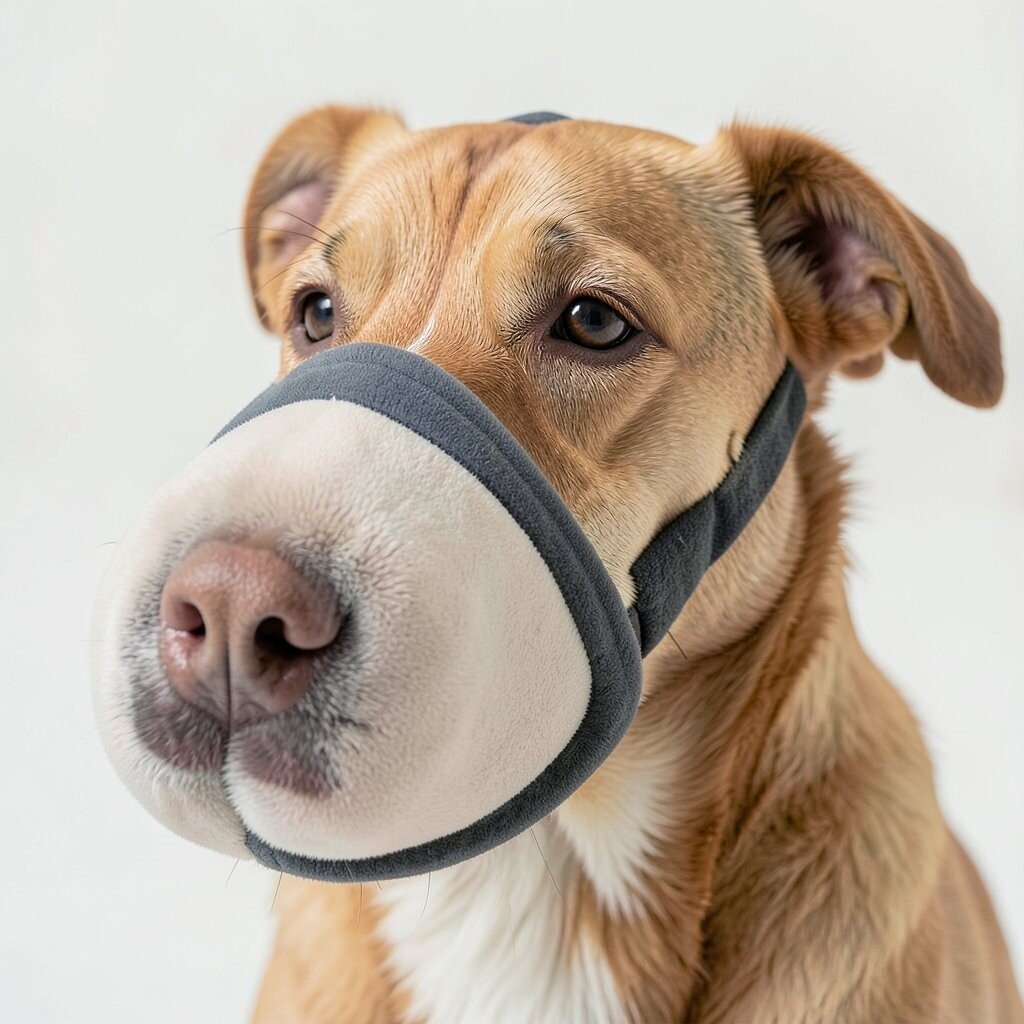
A muzzle with a removable nose pad insert can look like a normal muzzle with a soft plate. The pad sits at the front and can be taken out for washing. This makes it easier to keep things clean.
This can help pets that get sore noses or have sensitive whiskers. It can also be good for longer sessions, like training blocks. You get a clear visual sign of comfort because the pad can cushion the pressure.
To personalize, choose a pad that matches your pet’s needs, like extra thick for a rub spot. Check the pad edges so they do not lift. For cost, you may pay a bit more at first, but replacements can be cheaper later.
9. Head-Harness Style Soft Basket
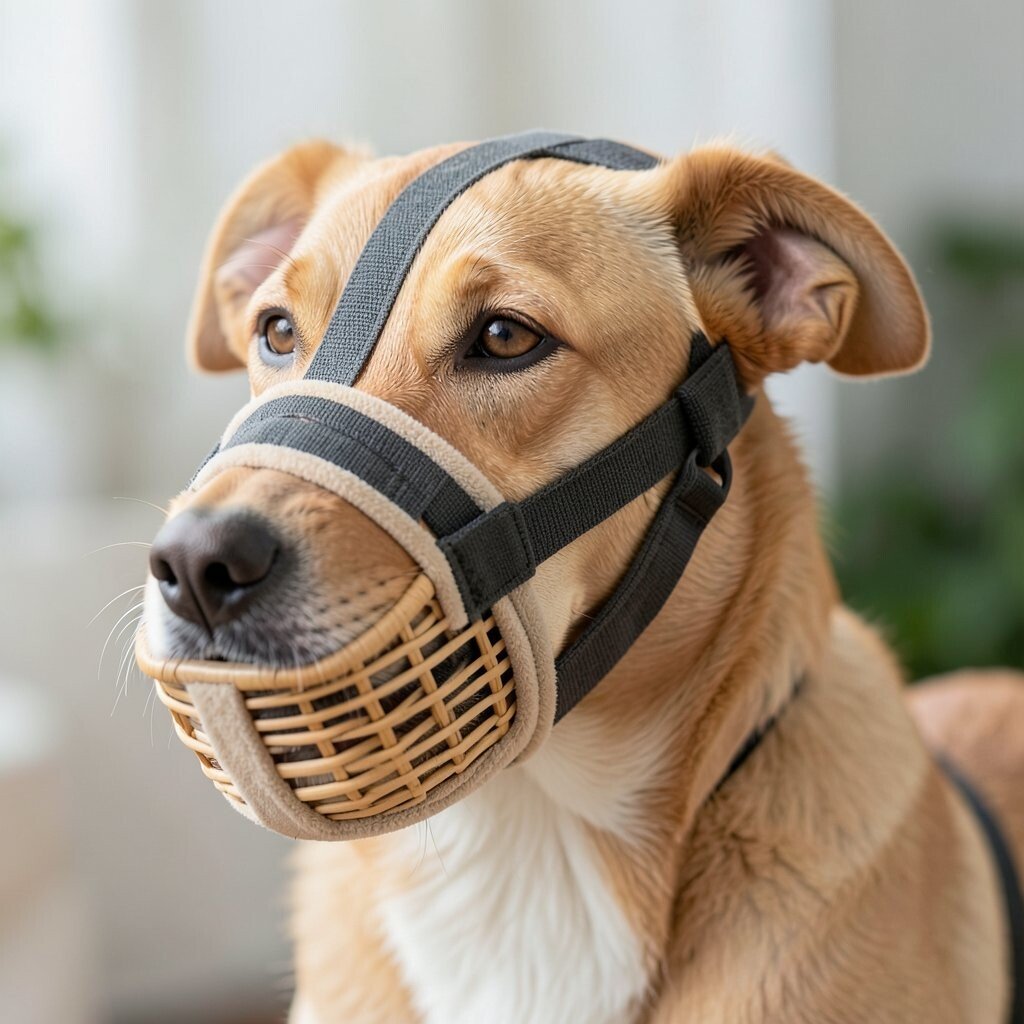
A head-harness style muzzle can look like a soft basket that connects to a head strap. This setup can spread the pressure across the head and behind the ears. Many pets do better because the muzzle feels less tight on one spot.
This can help with active pets that pull forward. It may also help during training when you need steady body control. The benefit is that your hands are free for treats and calm cues.
Start with a short time and watch for rubbing. Adjust so the muzzle does not slide when the pet moves. Trends show more people using harness-style gear for safer, more even fit.
10. Light Denim Soft Cover

A light denim cover can look like a small front panel with soft edges. Denim can feel firm but still be softened by proper lining. Some owners like this because it looks simple and tough.
This can help when your pet mouths during play and you need a gentle limit. It can also work during short grooming tasks if your pet tries to snap. The benefit is clear structure, so the muzzle stays where it should.
Choose a lining that is soft on the nose, like thin cotton. Wash it often so it stays fresh. For cost, denim covers can be made at home, which can lower spending.
11. Cooling Gel Pack Insert (Short Use)

A muzzle insert with a cooling gel pack can look like a small padded pocket. The gel can help bring down heat on hot days. This makes it easier for some pets to stay calm when they are already warm.
This can be helpful after a short walk or during summer vet visits. A cool feel may reduce stress and fast breathing. Use it for short times and do not place the gel too close to the skin.
Follow the gel maker’s rules for safe use. Wrap the gel pack in a thin cover so it is not hard on the nose. The cost can be higher than simple muzzles, but it can help on hot days.
12. Soft Muzzle for Bite-Block Training
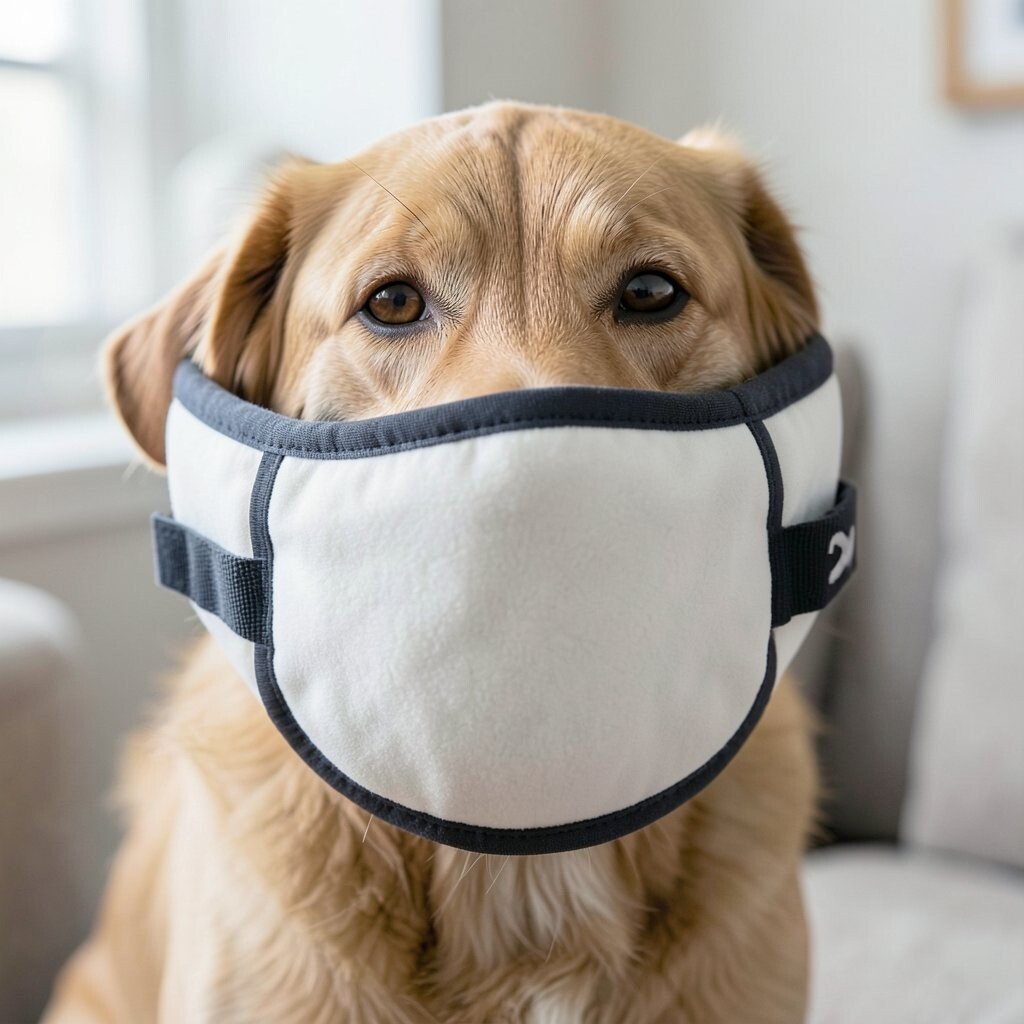
A soft muzzle for bite-block training can look plain, but it is built for practice. You will often see extra padding at the rim so it does not rub. The goal is to use it like a tool, not as a punishment.
This can help your pet learn new habits with time and calm steps. It can also make training safer for you and for others nearby. The benefit is a clear limit while you work on calm behavior.
Personalize by setting a training plan that matches your pet’s pace. Keep sessions short and end on a good note. For trends, many trainers now use muzzles as part of fear-safe, slow training.
13. Soft Muzzle With Side Vent Holes

A soft muzzle with side vent holes can look airy on the cheeks. The vents help airflow and can reduce stuffy feelings. Many pets seem more at ease when they can breathe easy.
This can help during car rides or waiting rooms where heat builds fast. It may also help pets that pant a lot when they are nervous. A clear benefit is comfort during long pauses.
Check that vents do not pinch the fur. Measure fit and test for any slip after a few minutes. Cost is often in the middle range, and some brands offer replacement parts.
14. Adjustable Soft Foam Rim
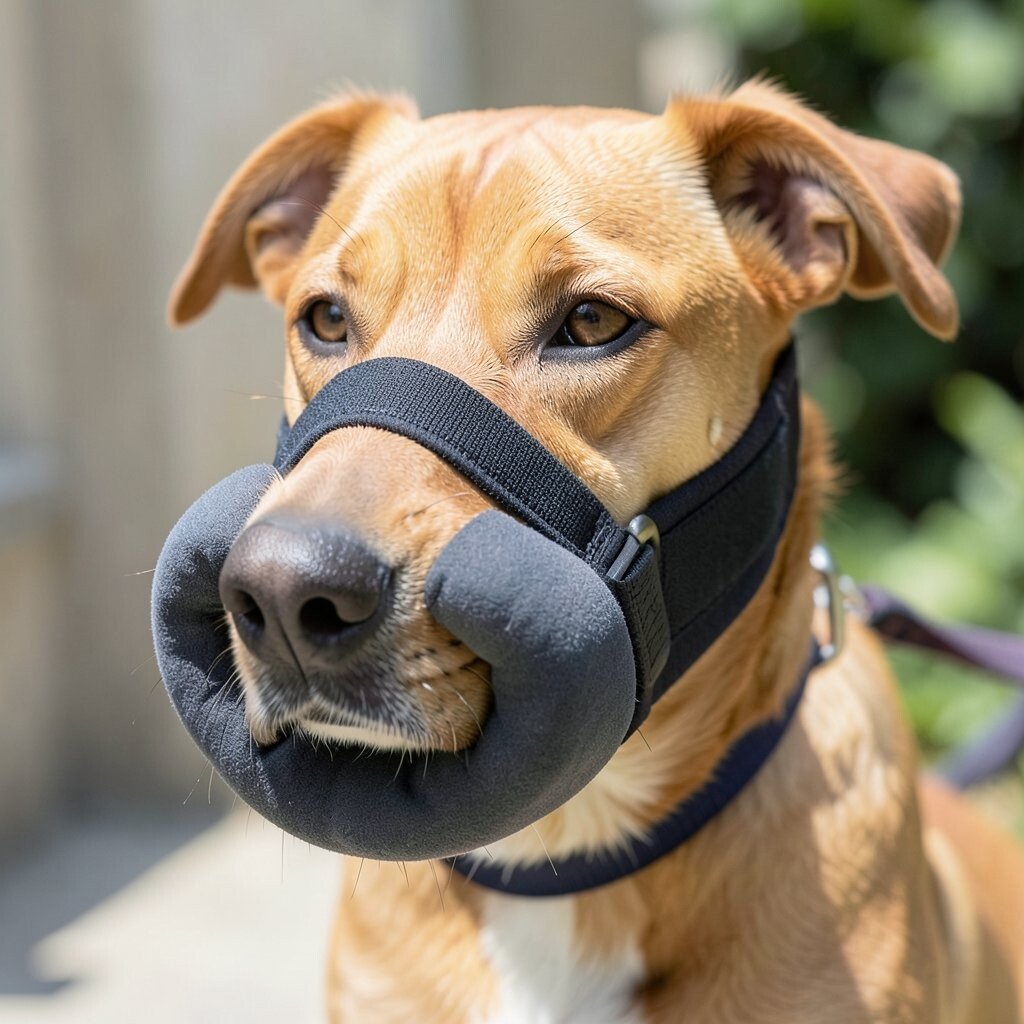
An adjustable soft foam rim can look like a simple muzzle with a cushioned ring. You may see foam that is held in place with straps for easy changes. This style can fit pets with slightly odd nose shapes.
This can help pets that rub the same spot no matter what you try. With a foam rim, you can reduce pressure points. The benefit is less rubbing and more “normal” feel for your pet.
Trim foam only if the maker says it is safe. Test the fit by checking for red marks after a short session. For personalization, you can match the strap color to your pet’s leash set.
15. Soft Muzzle for Car Seat Routine

A soft muzzle made for car seat routines can look like a compact cover that sits steady. You may see a design that works well with seat belts and travel harnesses. This can help your pet link the muzzle with a calm, set routine.
This idea helps with travel stress when your pet tries to mouth or bark. It can also help keep your hands safe while you buckle up. The benefit is a repeatable step that tells your pet what comes next.
Try it with one short ride at first and reward calm behavior. Keep the muzzle on only as long as you need. For cost, travel-ready designs can cost more, but they may last through many trips.
16. Soft Muzzle With Personalized Color Trim

A soft muzzle with color trim can look friendly and less harsh. You will see a soft edge band in a chosen color, like blue, green, or red. Many owners like it because it looks like a pet gear item, not a scary tool.
This can help when you want your pet to accept the muzzle without extra fear. The color does not fix behavior alone, but it can help you feel more at ease. The benefit is a calmer routine for you and a clearer start for your pet.
Personalize by matching trim to your pet’s collar or bandana. Use the right fit first, then choose the color. For trends, custom trims and washable covers are growing in popularity because they look neat and stay usable.