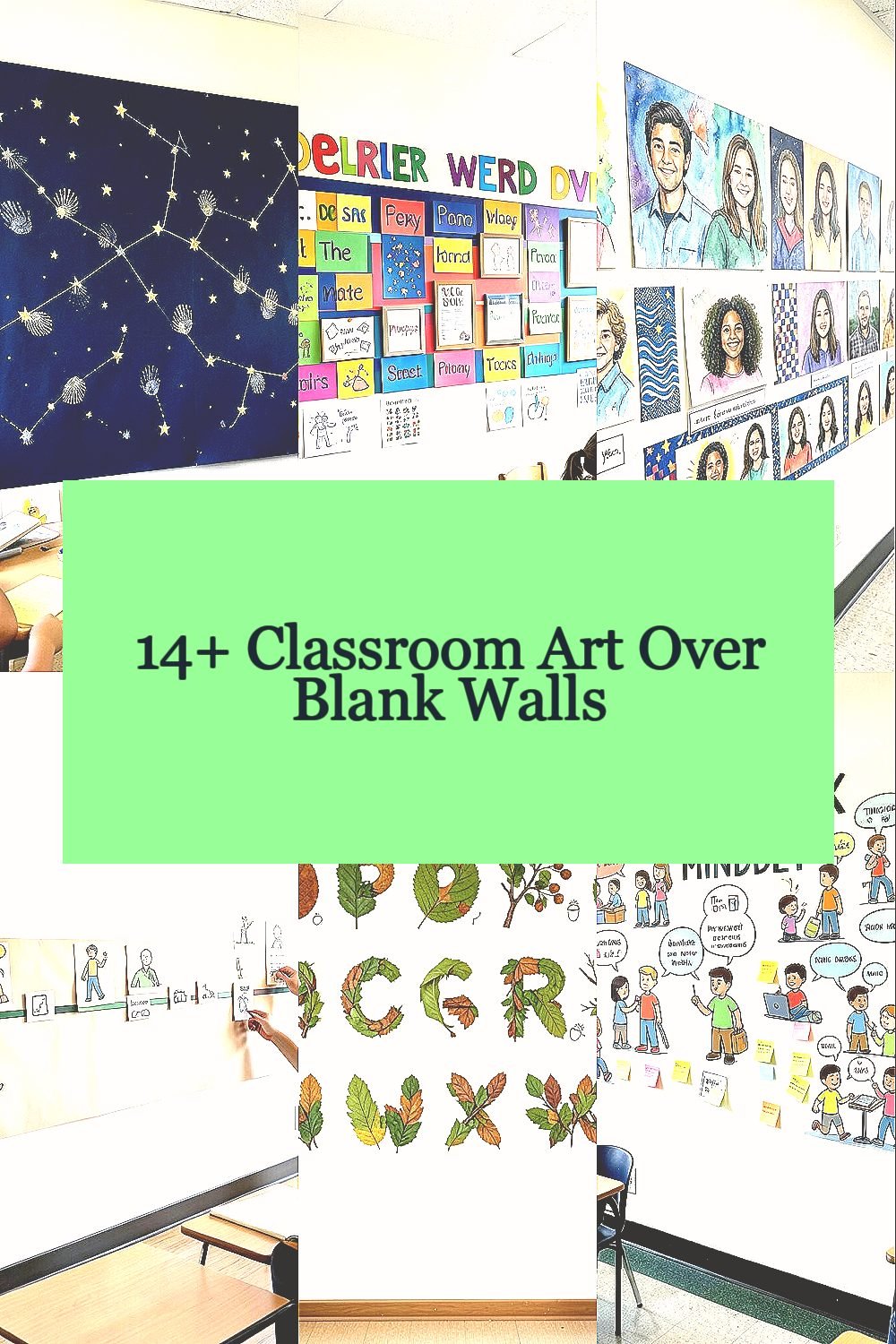
Blank walls can feel like a pause in the day. With the right art, that space starts speaking.
When you give students something visual to react to, learning becomes warmer and more personal.
1. Classroom Constellation Gallery

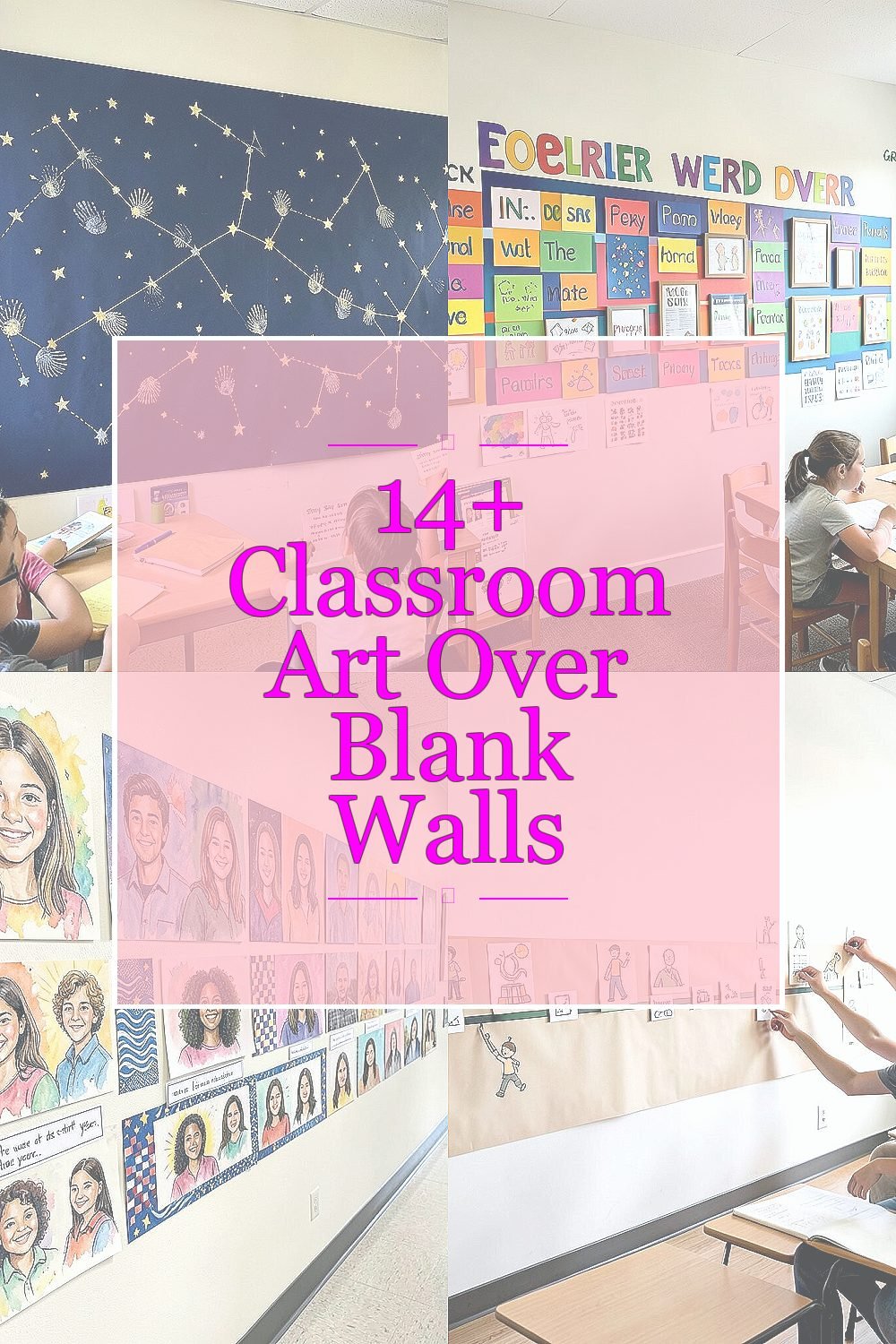
Cover one wall with a constellation theme made from student fingerprints, dots of glow-in-the-dark paint, and tiny cutout stars. Each “star” can represent a student’s hobby, kindness moment, or favorite book character.
Choose a dark blue craft paper base and outline a few simple star patterns to keep it readable. Students enjoy seeing their mark placed among others, and it builds a sense of belonging. To personalize, let each group add one “story star” that they can explain in a quick share during morning meeting.
2. Color-Block Word Wall Mural

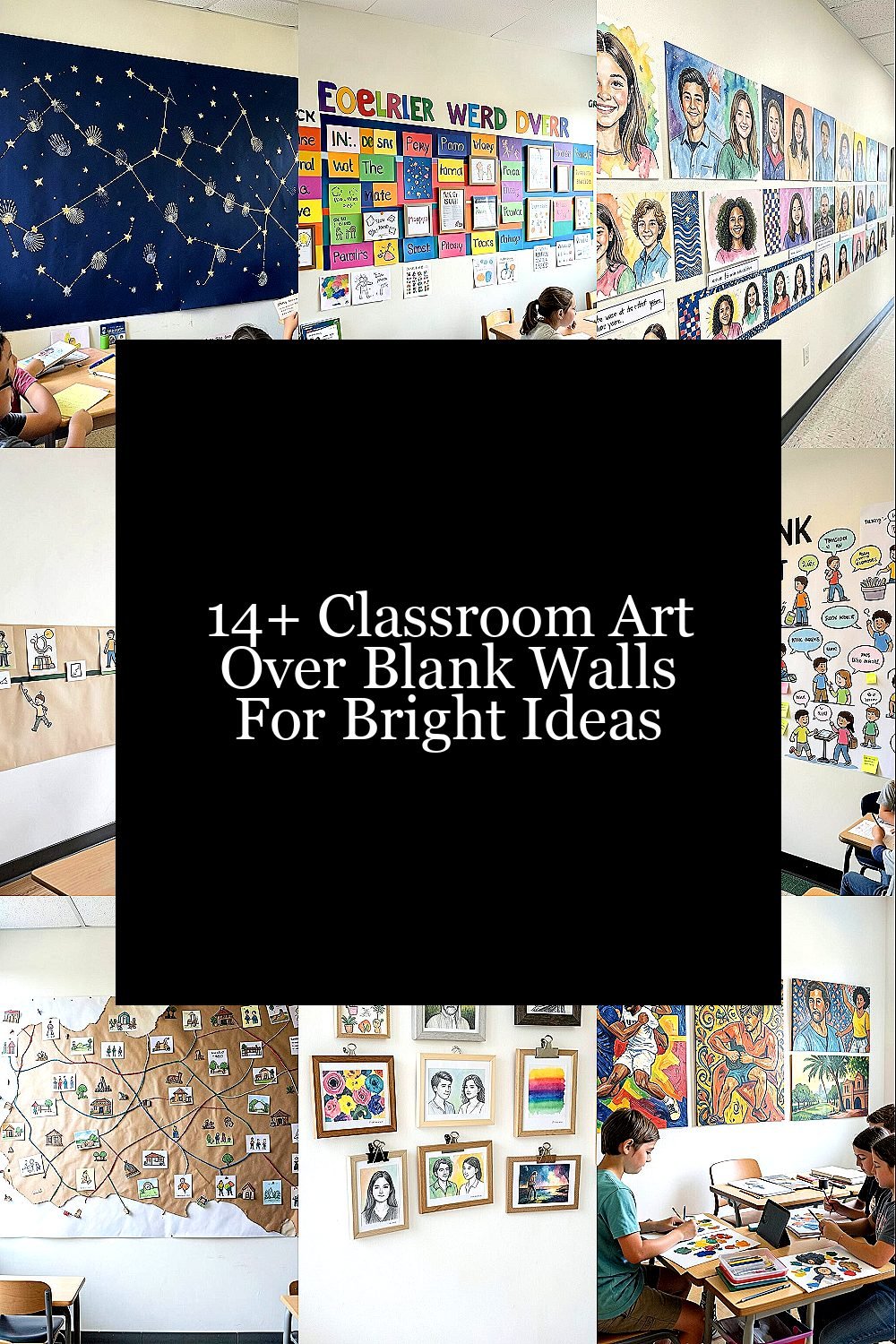
Turn your word wall into a bold mural using paint chips, colored paper strips, and student-made lettering. The wall becomes lively instead of plain, and the design helps key terms stand out from the rest of the classroom.
Pick a few priority words and assign each one a color family, then repeat that color around the room. Students remember more when they see patterns, and you can update the mural each unit. For cost, use scrap paper, donated frames, and free printable letters, then laminate only the pieces you will reuse.
To keep it practical, leave a small “growing area” where students can add new words. Use marker and small stencils for consistency, and encourage students to decorate the edges with simple doodles that match the mood of the theme.
3. Student Self-Portrait Time Capsules

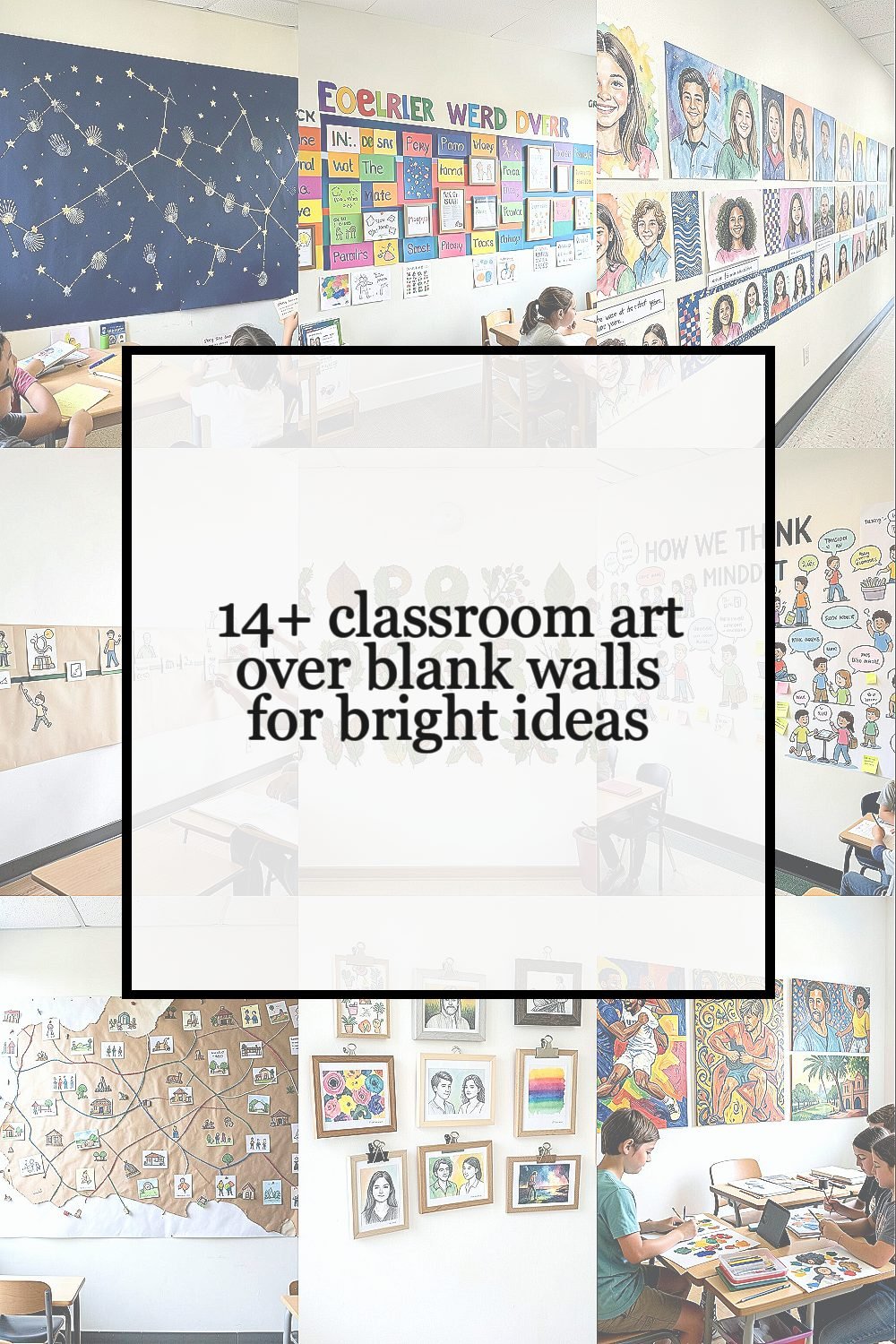
Create a hallway or side-wall display of self-portraits made from mixed media. Students can combine watercolor, collage, and texture rubbings to show their style, their favorite colors, and what they are proud of.
This kind of art looks striking from far away and detailed up close, so it keeps attention moving. It also becomes a powerful routine because you can revisit it later with a new prompt and compare growth.
Use inexpensive materials like paper, glue sticks, markers, and old magazines for collage. Add a label area where students write one sentence about who they were at the start of the year, then keep it short and meaningful. Personalize the format by letting students choose a border pattern that matches their personality, like waves, stars, or checkers.
4. Interactive Timeline With Moveable Pieces

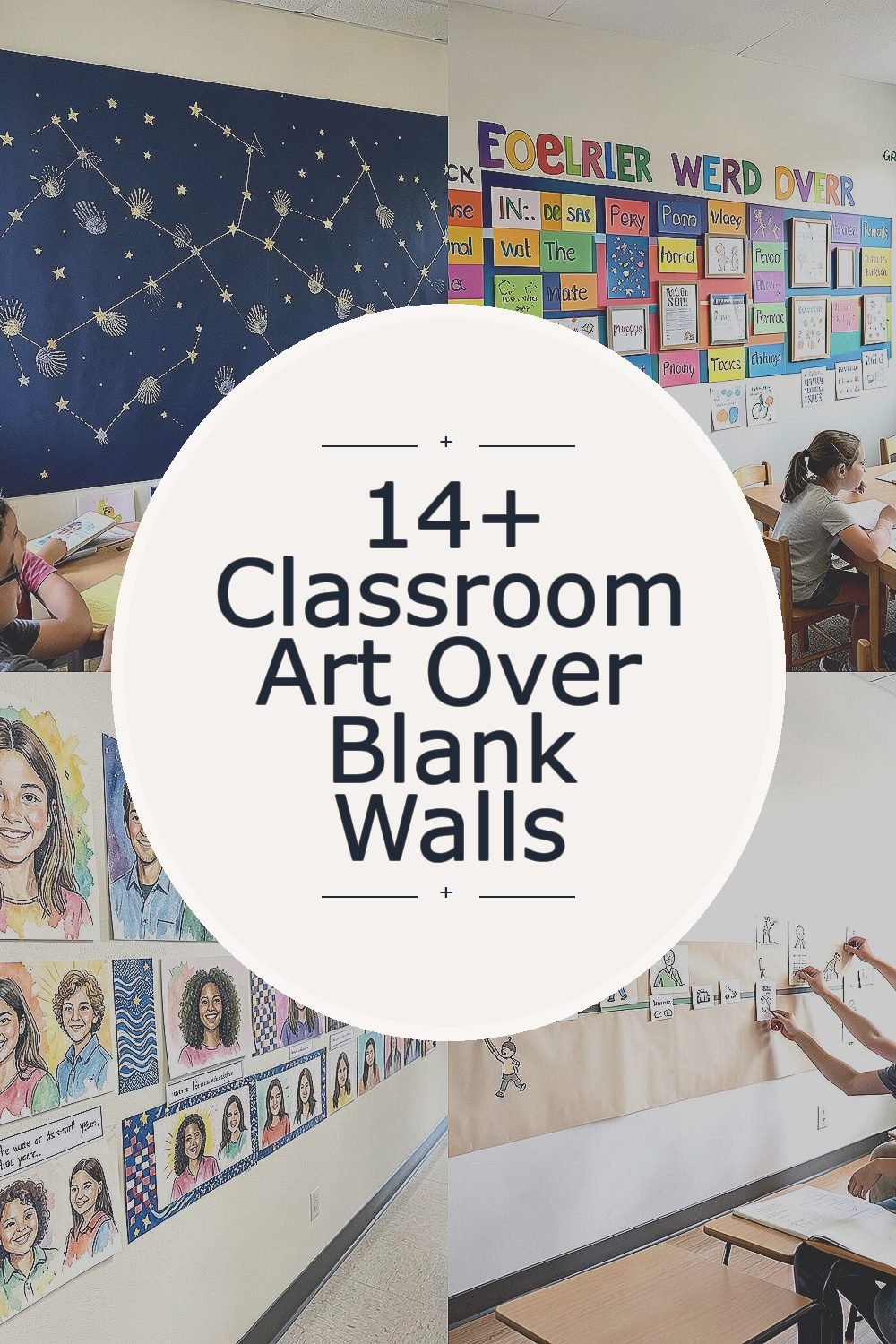
Build a timeline mural on the wall with eras, milestones, or math history, then let students move pieces around during lessons. Use a long strip of butcher paper or fabric so the art has a smooth base and clean look.
The big visual creates clarity for students who learn by seeing, and it turns a poster into something active. Keep pieces big enough to handle and label each section with simple symbols so students can act independently.
5. Nature Pressed Leaf Alphabet

Spell out the alphabet using pressed leaves, leaf prints, and painted branches. You can design each letter space to hold a single texture or shape, like a vein pattern for “V” or a curved edge for “C.”
The wall looks calm and fresh, and it supports science learning while letting art be the main voice. Students gain patience and observation skills when they collect, press, and place natural elements carefully.
For practical setup, press leaves in a book for a week, then seal them with clear craft spray or lamination for long-lasting results. Budget-friendly options include tree clippings from the school yard and paint made from classroom supplies. Let students personalize by adding one tiny doodle inside each letter shape that matches the letter sound, like an acorn for “A” or a leaf swirl for “L.”
6. Classroom “How We Think” Mindset Mural

Paint a large mural showing everyday learning moves like trying again, asking questions, and using strategies. Instead of just hanging a motivational poster, make each learning move a mini scene with characters, speech bubbles, and simple icons.
This approach makes the message feel real and student-centered, not distant. When a student struggles, the wall gives them a visual reminder of what to do next.
Use black paper cutouts for outlines and bright colored paper for speech bubbles, then add small sticky notes for rotating messages. Keep it manageable by designing a few template characters and letting students take turns filling in details during art time. Personalize by letting classes vote on which “think moves” to feature each month so the mural grows with your curriculum.
7. Map of Our Learning Community

Create a big map mural showing your classroom community as a playful geography. Use string lines for “routes,” small illustrations for favorite places, and simple icons that represent student clubs, family traditions, or local spots.
The visual makes the room feel connected and helps students see that learning is shared. It also gives you a fun backdrop for lessons about neighborhoods, culture, and collaboration.
Choose a large sheet of paper and layer different materials like fabric scraps and colored thread to create depth. Keep costs low by using brown paper for land shapes and recycled cardboard for miniature landmarks. To personalize, let each student add one “landmark card” with a drawing and one short fact, then pin it neatly on a matching color coordinate.
8. Gallery Wall of Mini Masterpieces

Instead of one big project, make your wall a rotating gallery with small frames or clipboards. Students create mini pieces like self-made patterns, pencil portraits, or watercolor gradients that fit inside simple frame sizes.
This method keeps art fresh, encourages pride, and gives students a reason to keep practicing. Rotating regularly also helps you manage storage and reduces the stress of keeping every project forever.
Use inexpensive frames from discount stores or repurpose thrifted frames, then add binder clips for quick swapping. Make it practical by keeping a weekly schedule for “gallery change day.” Students personalize their work by choosing a title card and a color theme that matches the assignment goals.
9. Famous Art Style Student Remix

Pick one well-known art style and guide students to remix it in their own way using classroom-safe materials. Students might try bold shapes, textured brushstrokes, or patterned backgrounds, then add details connected to their interests.
The result feels unique, because students borrow the style and build their own meaning on top. It also supports art history learning without turning it into a lecture.
For practical tips, provide reference images and a limited set of materials so results stay cohesive. Keep costs reasonable by using tempera paint, construction paper, and simple collage supplies that you already own. Personalize the final piece by letting students choose a “theme filter,” like sports, music, nature, or favorite stories, then align their added elements to that filter.
10. Inspirational Quote Art With Student Voices

Make quote art using student-written lines instead of copying famous sayings. Students can craft short phrases about perseverance, kindness, or curiosity, then illustrate them in a style that matches their mood.
This gives your wall a real heartbeat, because the words come from your own learners. It also supports writing practice when students revise their phrases to make them clear and strong.
Choose a simple design plan like placing quotes in large text blocks with watercolor splashes around them. Cost stays low when you use cardstock, black marker lettering, and watercolor half-pans. Personalize by letting each student pick a background pattern, like stripes or dots, and add one symbol that represents what their words mean.
11. Math Patterns in Friendly Shapes

Use the wall to celebrate math through colorful patterns, tessellations, and number art. Students can create repeating designs with paper cutouts, then arrange them into a big mural that looks like a quilt of thinking.
This makes math visible and joyful, and it helps students see connections between shapes, rhythm, and reasoning. It also gives you a great visual tool for later review when you are teaching symmetry or multiplication patterns.
Keep materials simple with grid paper, rulers, colored paper, and glue. For practical display, mount the finished pieces on a backing sheet so it stays flat and clean. Students personalize by choosing their favorite pattern type and adding one “math fact bubble” that explains how their design repeats.
12. Classroom Book Cover City

Build a “city” on the wall using book covers or book-spine art turned into buildings. Add roofs shaped like letters, street signs made from cardstock, and tiny windows that contain favorite lines or character traits.
This is one of those displays that feels like a story before students even read it. It boosts reading enthusiasm, and it works beautifully for literacy centers because the wall becomes a map for browsing.
To manage costs, use recycled materials, print cover-like rectangles on plain paper, or ask families to donate old books you can cut safely. Keep it practical by securing pieces with removable adhesive so you can swap buildings as reading lists change. Personalize by letting students design one building connected to a genre they love and place a small “stop here” marker near it for quick book recommendations.
13. Community Gratitude Wall With Hands and Promises

Create a wall of paper hands where students add a message about gratitude and teamwork. Each hand can be cut from colored paper, then layered with textures like tissue scraps or crayon rubbings.
The visual feels warm and human, and it turns kindness into something seen and practiced. Students benefit because the wall gives them a gentle reminder of how to support others every day.
Use a simple color palette for cohesion, then allow variety in design so each hand still feels personal. For cost considerations, paper and markers are usually enough, and tissue scraps can come from old arts activities. Personalize by inviting students to include one small promise, like “I will listen,” then place it where they can track it during the week.
14. Acrylic Resist Rainbows on Clear Film

Make striking rainbow art using acrylic resist techniques on clear film or smooth plastic sheets. Students paint with resist tools, then add color in layers so lines stay crisp and bright.
The wall effect is stunning because light catches the glossy surface, making it feel almost like stained glass. This display also ties into current maker trends, where mixed-media and light-based art are popular in classrooms.
For practical tips, use thick markers, allow drying time, and secure the artwork with clips or frames so it stays flat. Keep costs low by using recycled clear folders, inexpensive craft paint, and basic tools. Personalize by letting students choose a sky theme, like storm, sunset, or soft clouds, and add tiny details with a fine brush once the main rainbow is done.
15. Cultural Pattern Borders for Every Season

Design a long border around the classroom with cultural patterns that change by season. Students can study shapes and motifs from different backgrounds, then recreate them using simple pattern rules in their own style.
The border frames the room like a friendly costume, and it helps the space feel updated without needing total redecorating. It also builds cultural awareness through respectful looking, careful drawing, and thoughtful discussion.
Use practical materials like cardstock strips, washable markers, and repeating stencils you can reuse. Cost considerations are easy here because you only need strips, glue, and basic supplies, plus a few reference prints. Personalize by letting students pair a pattern with a season memory, then add a small icon that matches the memory, like a pumpkin, snowflake, kite, or blossom.