The first minutes of your morning set the tone for everything that follows. With a few gentle moves and mindful habits, you can feel steadier, calmer, and more ready to go.
1. Morning Scalp Massage for Instant Wakefulness

You can sit up and lightly massage your scalp with your fingertips as if you’re waking up your head from a long nap. Notice the soft pulsing under your hands and the way your shoulders feel like they drop a little.
Try slow circles at the temples, then move toward the top of your head. Keep your breathing steady and relaxed while you work. If you wear glasses or have a sensitive scalp, use lighter pressure and stop if anything feels uncomfortable.
2. Gentle Neck Rolls and Shoulder Sweeps

Stand or sit tall and roll your neck slowly, like you’re drawing tiny arcs in the air. Then sweep your shoulders back and down, watching your chest open with each motion.
Go easy and keep the movements smooth, not sharp. Pair the routine with a quick check-in on posture so you can feel how your spine lines up.
If you spend time at a desk, this helps counter that tight, forward-leaning habit. Many people are adding short mobility breaks to their morning routines because they match the fast pace of modern workdays.
3. Sun-Linked Breathing with a Warm Window

Find a bright spot near a window and breathe in while you look toward the light. As you exhale, notice how your body feels warmer and your mind feels less cluttered.
Try inhaling for a steady count, then exhaling a little longer, so your nervous system gets a calming signal. You can even time it with the sunlight shifting on the floor, which makes it feel like a mini morning ritual.
This practice is popular in wellness circles right now because it mixes breathwork with real-world cues. It also costs nothing beyond finding a good patch of daylight.
4. Easy Cat-Cow Flow on a Mat
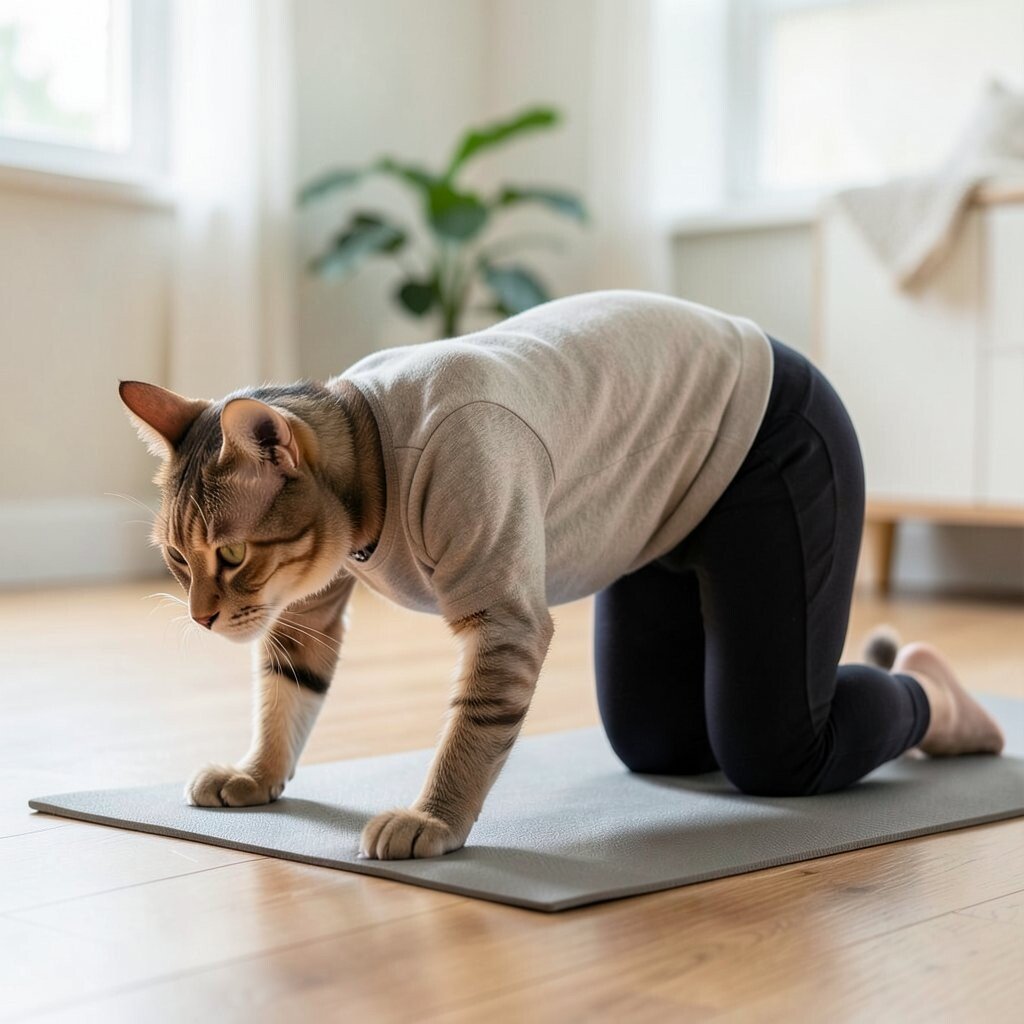
Place a small mat on the floor and get into a tabletop position, hands under shoulders and knees under hips. As you move into cat pose, round your back, and as you switch to cow pose, let your belly soften and your gaze lift.
Move at a comfortable pace and keep your breath matching your motion. You’ll see how your spine wakes up, one segment at a time, and how your posture starts to feel more natural.
5. Wrist and Forearm Reset for Text-Friendly Energy
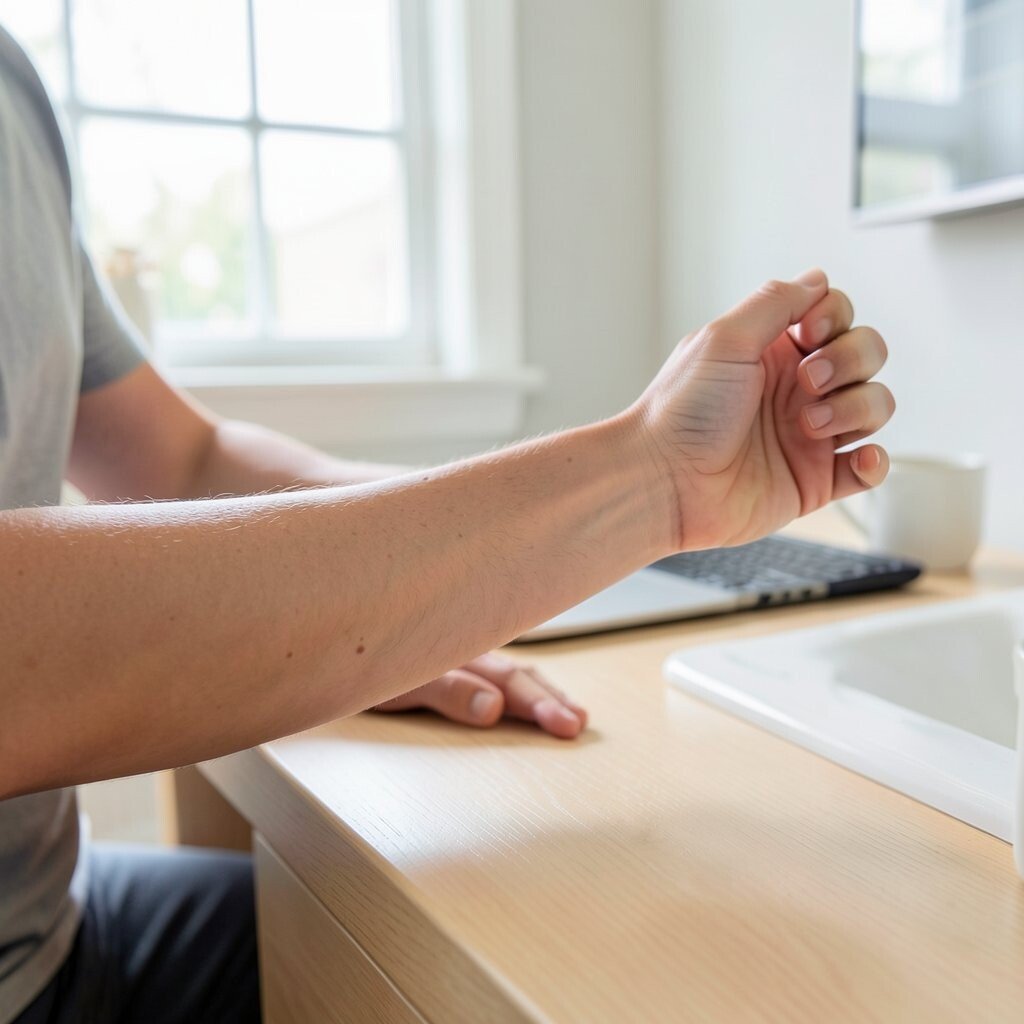
If your hands feel stiff, start with simple wrist circles and gentle stretches that you can do right at your desk or by the sink. You’ll likely notice your fingers feel more flexible right away, almost like they’re ready to type without resistance.
Extend one arm, pull the fingers back lightly, then switch sides. Add a soft shake of your hands between moves to keep it feeling light and not like hard exercise.
This routine fits today’s screen-heavy routines, especially for people who use phones, tablets, and laptops all day. It’s also easy to personalize by choosing longer stretches only on the side that feels tighter.
6. Hip Opener Marches for Better Morning Movement
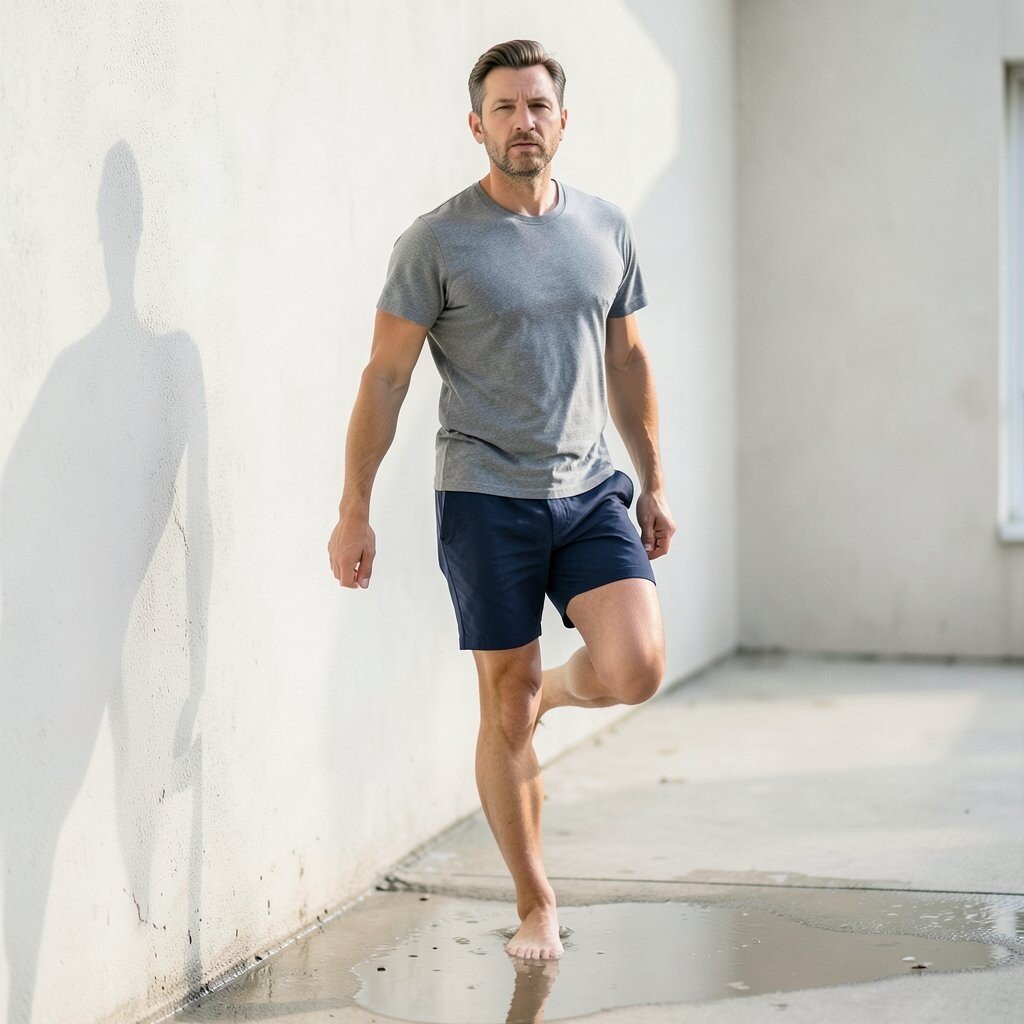
Stand and do slow marching steps, lifting one knee at a time like you’re stepping over small, invisible puddles. Keep your torso tall and feel your hips move in a controlled way.
As you lift each knee, try to exhale and relax your shoulders. If you catch yourself wobbling, hold a wall lightly for balance.
You can make it more personal by doing smaller steps on busy mornings and larger steps on weekends when you have time. Many people find hip-focused warm-ups help them feel smoother during walking, stairs, and even stretching later.
7. Seated Forward Fold with a Soft Gaze

Sit on the edge of a chair or on the floor with your legs relaxed, then hinge forward gently. Let your head hang slightly and keep your gaze soft, almost like you’re listening inward.
This kind of fold can feel visually calming, especially when you picture your shoulders melting down. Keep your back comfortable rather than forcing a deep bend.
8. Wall Push-Ups for a Steady Upper-Body Wake-Up

Stand facing a wall and place your palms on it at about shoulder height. Step back slightly, then bend your elbows and push your arms straight again with control.
As you watch the wall move closer and farther through your peripheral vision, you’ll feel your chest and arms warm up. Keep your body in a straight line and stop if you feel any sharp pain.
This is a practical strength warm-up that works for many fitness levels, from beginners to active movers. It costs nothing and can be done in tiny spaces, which matches modern apartment and home routines.
9. Calf Raises with a Slow Count and Quiet Focus

Stand near a counter and lift your heels slowly, pausing at the top for a beat before lowering. You can feel the movement in your calves right away, like a gentle engine turning on.
Try keeping your eyes on one spot so your balance feels steady and your brain feels less rushed. If you want an extra challenge, do it with one hand lightly holding the counter while the other hand stays free.
This warm-up supports walking and standing activities, and it can make you feel more grounded when you’re rushing out the door. It’s also easy to personalize by choosing a smaller range of motion when you’re tired.
10. Lightweight Morning Stretch with a Towel

Grab a towel and hold it with both hands, then gently pull it toward you to stretch your shoulders and chest. You’ll see your arms draw a smooth shape, like a soft bow, and you might feel your posture straighten.
Try standing tall and raising the towel slightly while keeping your neck relaxed. If your shoulders feel tight, keep the towel movement small and comfortable.
11. Brief Walk-and-Listen Outside for Sensory Calm

Step outside for a short walk and focus on what you hear, like birds, distant traffic, or footsteps on pavement. Let your senses lead you for a few minutes, and you’ll feel your mind settle into the present.
Look at the way the morning light hits leaves or building edges, and notice small details you usually skip. This keeps the routine feeling fresh, not repetitive, because the scene changes every day.
Many people are choosing these “sensory first” routines as a response to stress and screen fatigue. It costs nothing and you can keep it very short, especially on school or work mornings.
12. Micro Balance Practice Near a Stable Support

Stand next to a sturdy chair or counter and lift one foot slightly off the ground. Keep your gaze on a fixed point and feel how your body searches for balance.
Switch sides after a short moment, and try to keep the motion slow rather than rushing. If your ankle feels unsteady, use both hands for support at first and then reduce it when you feel ready.
This warm-up is unique because it teaches control instead of speed, and it can improve how confident you feel while walking. It’s also easy to customize by adding a gentle arm movement, like bringing hands together, to see what your balance prefers.
13. Cozy Body Scan While Hydrating

As you drink water, pause for a quiet body scan starting at your toes and moving upward. Notice warmth, tension, or any spots that feel stiff, then soften your focus like you’re turning a dial down.
Let your eyes relax and keep your breathing slow, as if you’re giving your body a friendly check-in. You can make it feel more personal by choosing a favorite time of day and pairing it with the same cup or bottle.
This routine fits modern habits because it uses a normal moment, like hydrating, to add calm and readiness. It costs nothing and often pairs well with other warm-ups without adding extra time.