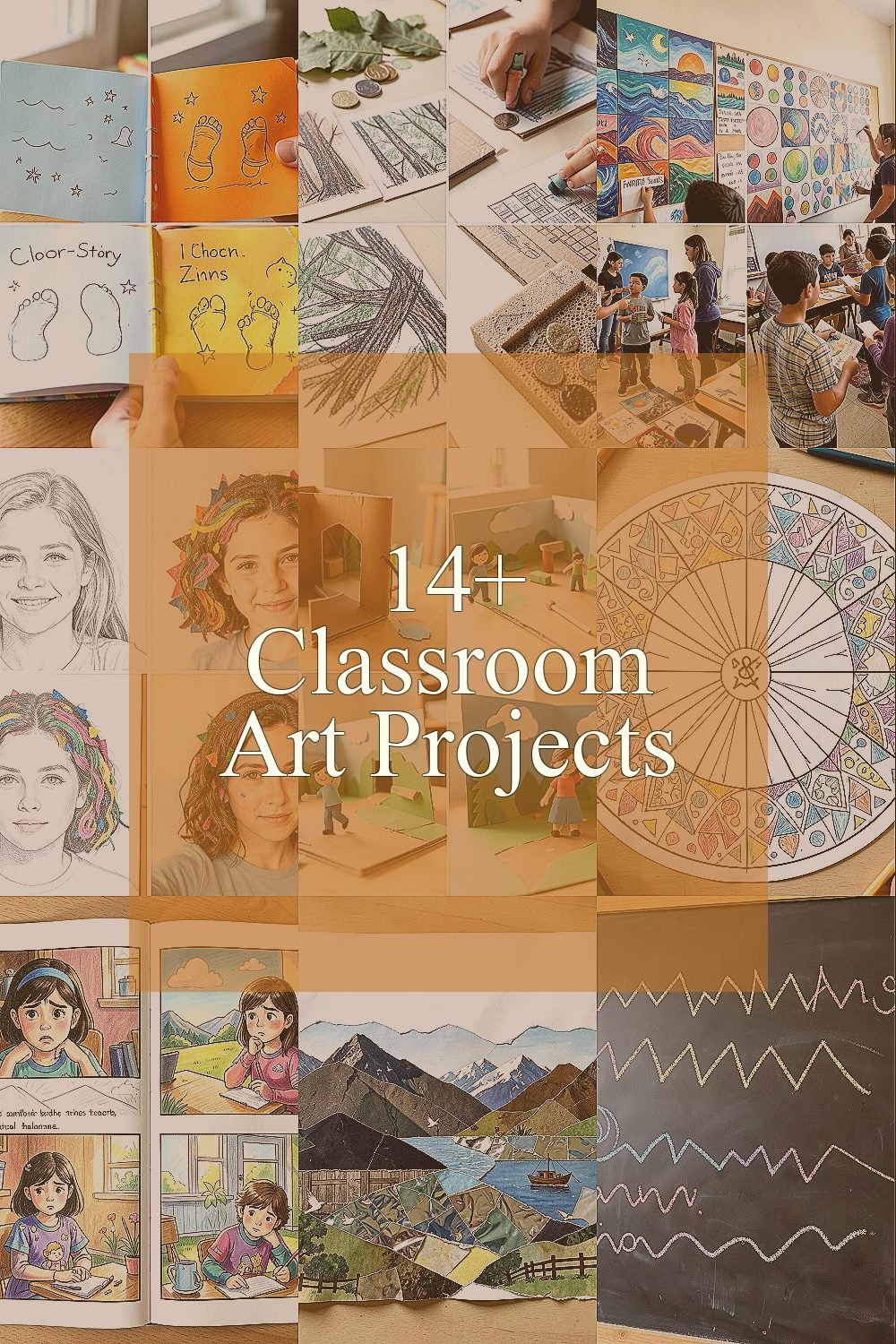
The art room can feel electric when students have a fresh way to use their hands and eyes. These projects keep materials simple while ideas stay big.
Each activity is designed for real classrooms, with clear steps, room for personal style, and gentle ways to build confidence. You can mix, match, and repeat what works best for your group.
1. Color-Story Zines

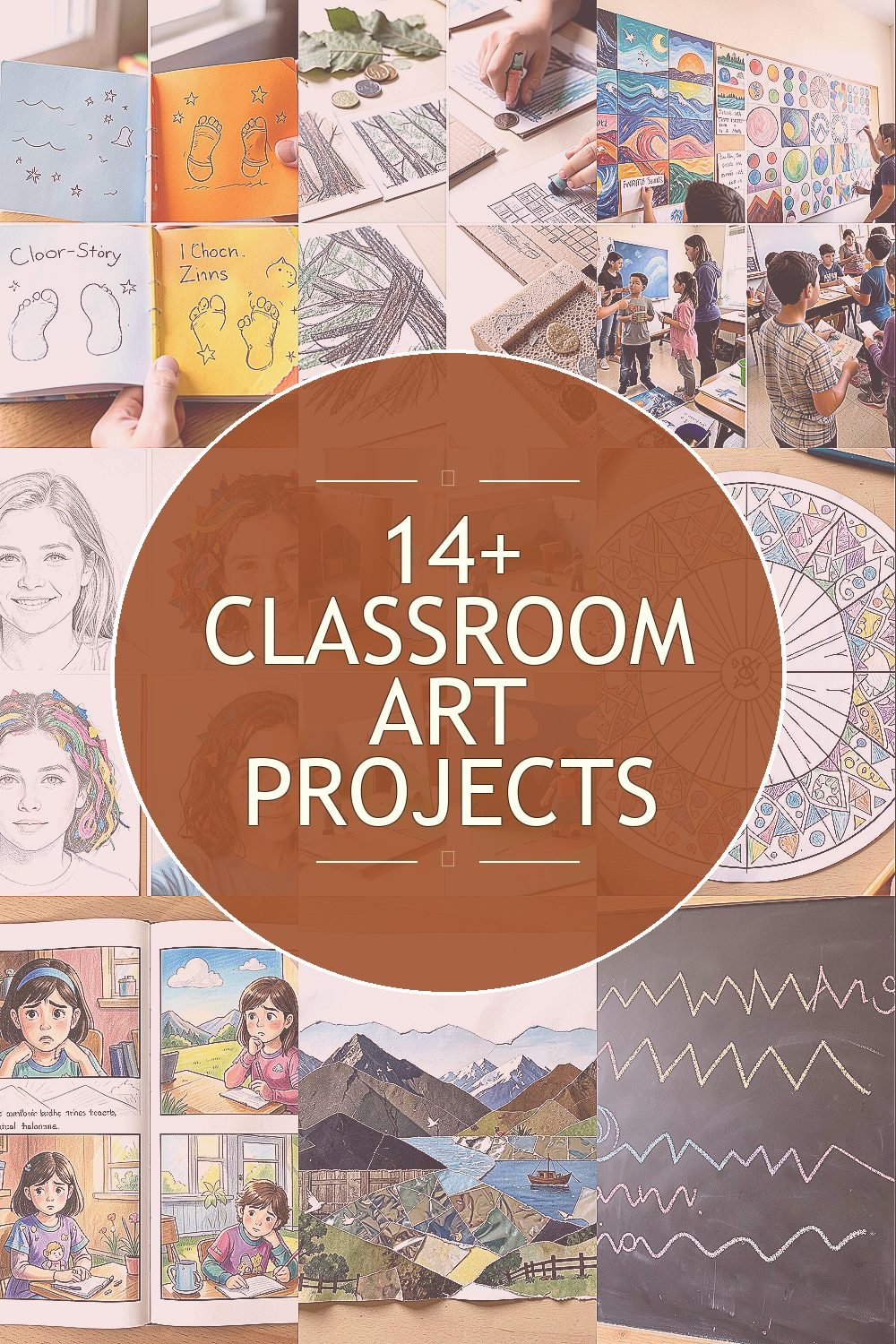
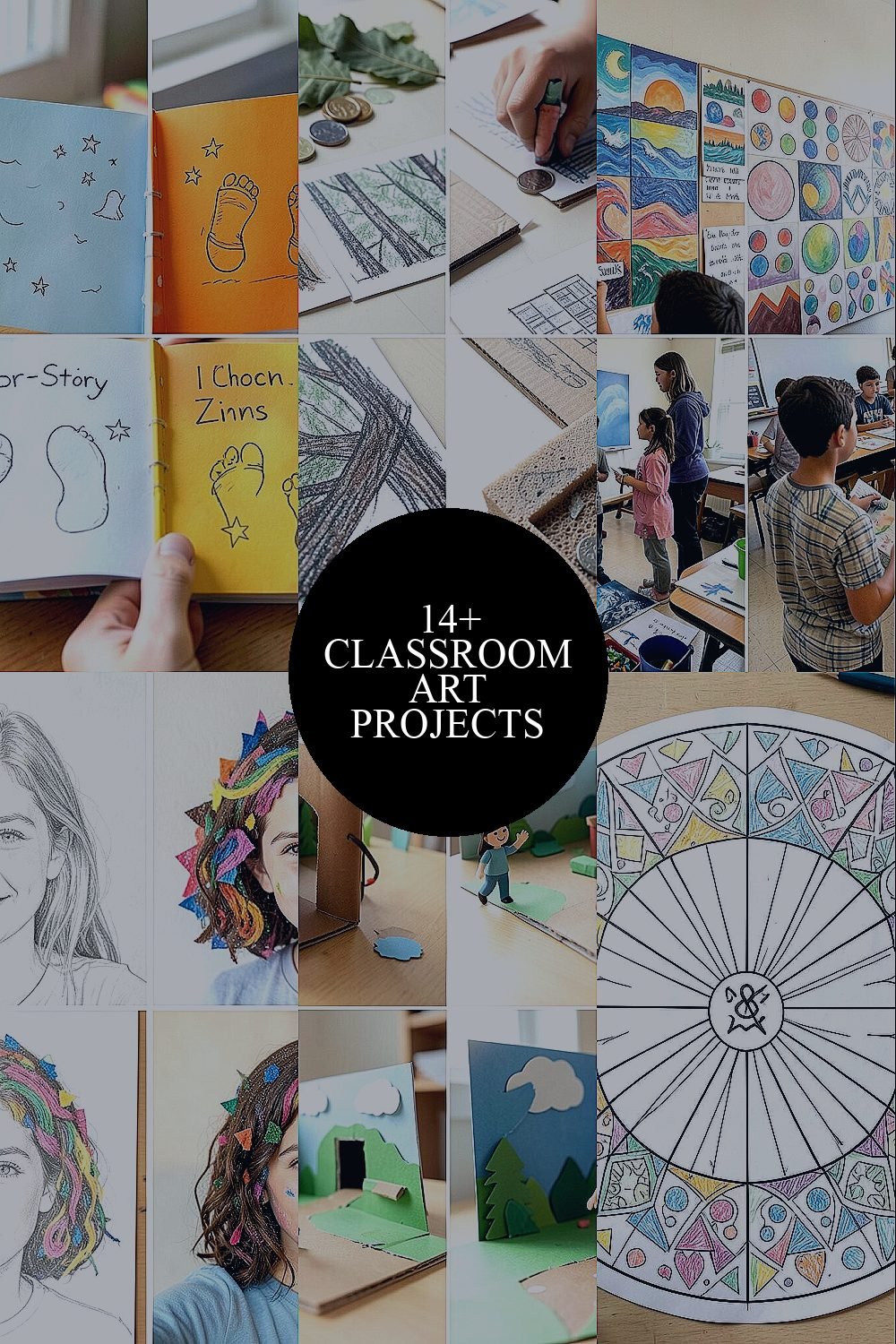
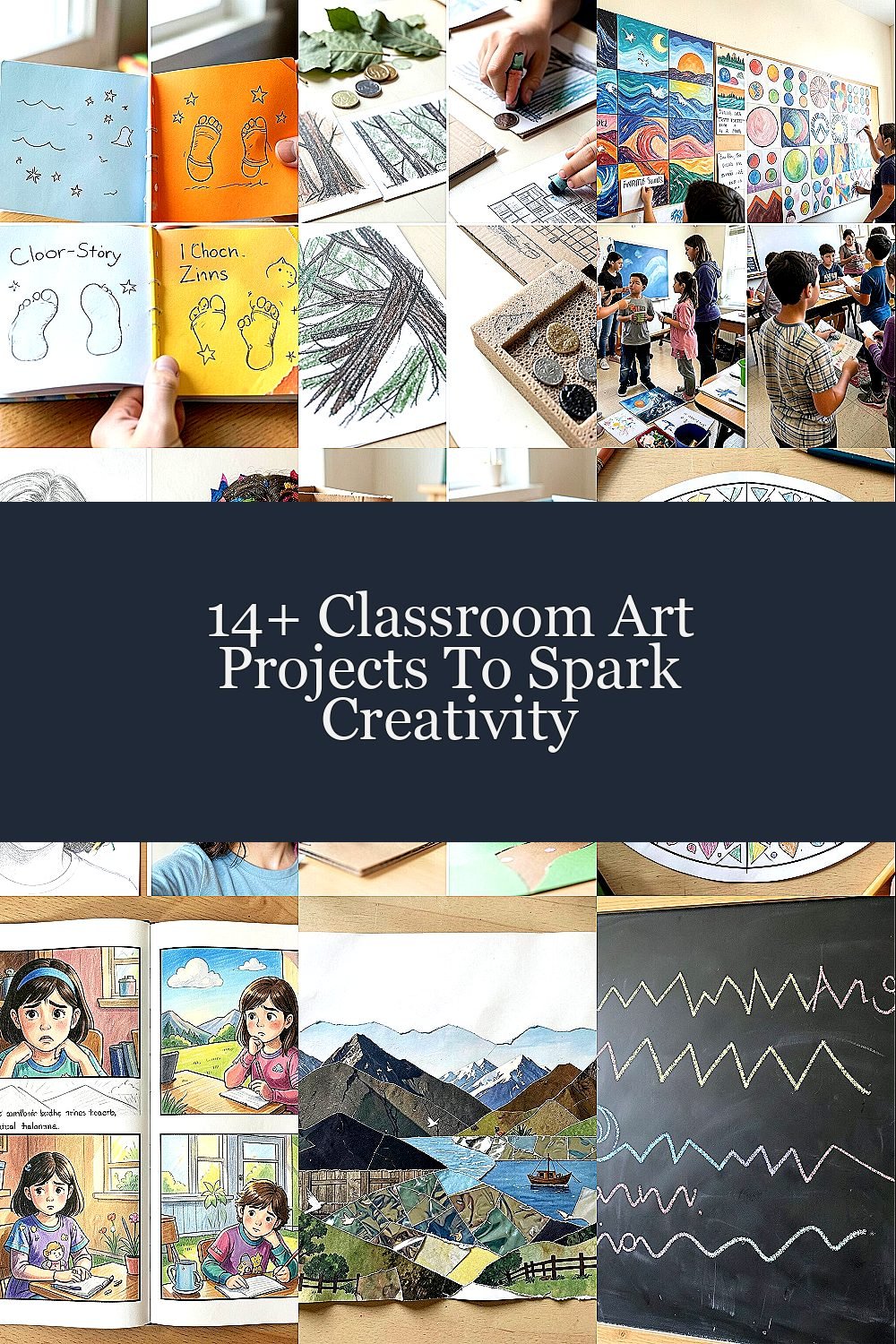
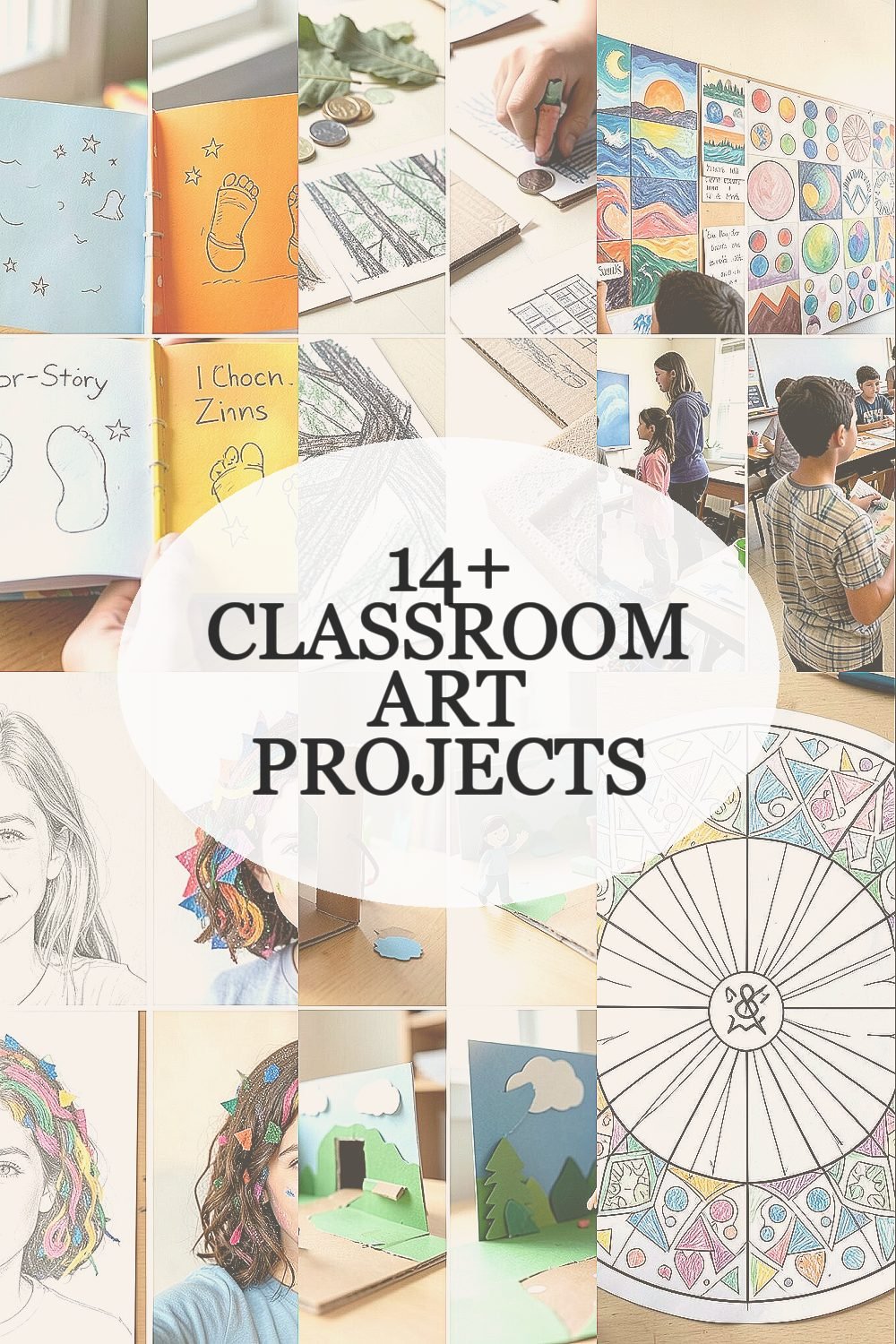
Students fold paper into a small booklet and give each page a single mood. A page might look calm with soft blues, then suddenly turn bright with orange and yellow to show excitement.
Have them sketch quick symbols or shapes, like waves, stars, or footsteps, then choose a title that matches the color feeling. They can use markers, crayons, or collage scraps, and they can staple or tape the spine. To make it practical, set a time limit for each page so it stays playful instead of perfect.
2. Texture Rubbings From Everyday Objects

Set out objects with different surfaces, like leaves, coins, fabric, cardboard, and textured foam. Students place paper over the object and rub with the side of a crayon until patterns show up clearly.
Invite them to layer rubbings to form scenes, such as a forest made from leaf textures or a city made from cardboard grids. This builds fine-motor skills and helps students learn how light, pressure, and placement affect what they see.
For personalization, let each student choose a “theme box” of objects, then require at least one rubbing that surprised them. Keep cost low by using free household items and recycling old cardboard, and you can save time by pre-sorting objects by texture strength.
3. Collaborative Mural With a Secret Prompt
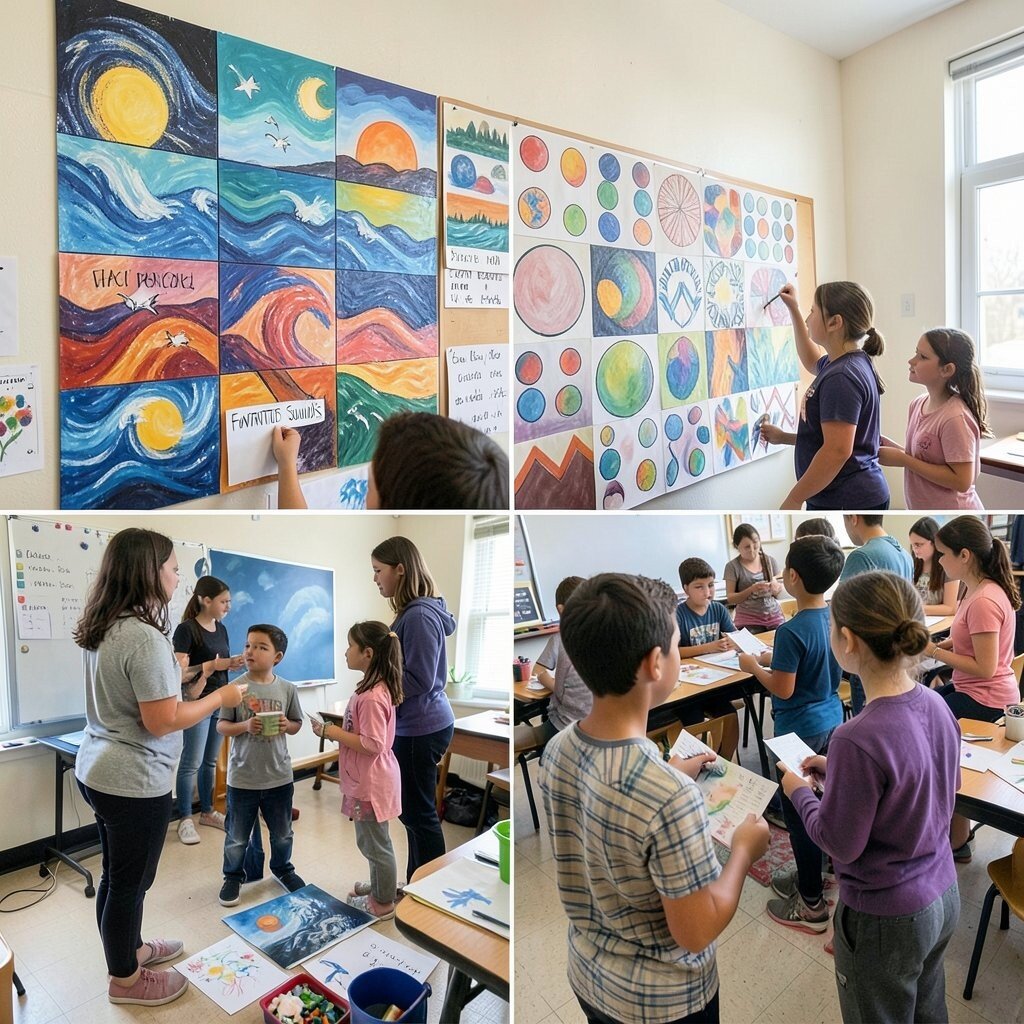
Divide the class into small groups and give each group one secret prompt card before they start painting. One group might create “weather,” another might create “favorite sounds,” and another might create “cool shadows.”
When groups finish a section, everyone takes a quiet look and connects the style, color, and line choices across the whole mural. The visual result can look like a living quilt, with bold edges and smooth blends meeting at unexpected places.
To keep it easy, plan a simple grid on the wall or on large sheets so students know where their section fits. They can personalize by using a repeating shape, like circles or zigzags, that helps the mural feel unified. This kind of group art also supports teamwork and classroom community, which is a real benefit beyond the final artwork.
For current trends, consider using limited palettes inspired by popular digital color schemes, like warm sunsets or cool ocean tones. Let students vote on the next palette for the next mural day, and you will see engagement rise fast.
4. Self-Portraits in Three Materials

Students create self-portraits using three different materials they can handle easily, such as pencil, oil pastel, and fabric scraps. Their hair might be drawn with pencil lines, then highlighted with chunky pastel swirls, and finally accented with tiny cut shapes.
This project teaches them that the same subject can look different depending on the tool. They also practice observation by noticing how eyebrows, shadows, and highlights work together.
To make it actionable, give a simple checklist like eyes, nose, mouth, and background choice, and remind them to rotate materials when time runs out. Personalization comes naturally when students choose textures that match their own vibe, like glittery highlights or smooth backgrounds.
5. Stop-Motion Mini Worlds With Paper Characters

Students build tiny worlds from paper, then create a short stop-motion video using a phone or tablet. They can cut a doorway, a path, and small props, then stand their paper characters on the floor.
Step by step, they take a photo, move the character slightly, and take another photo until a simple action appears, like walking, waving, or turning a corner. The visual energy feels magical, and it connects art with storytelling and technology skills.
For practical setup, use a flat box as a “stage” so backgrounds stay consistent. Cost stays low because craft paper, recycled packaging, and scrap glue are enough, and you can even reuse materials across groups. To personalize, let students add a “soundtrack mood” using a free audio app and let each scene match a color or weather theme.
6. Mandala Layouts With Radial Symmetry

Give students a circle template and ask them to design a mandala that repeats around the center. They can start with a dot in the middle, then draw lines outward and fill each section with patterns.
As they work, they feel the calm rhythm of repeating shapes and spacing. This supports focus, patience, and spatial reasoning, and it looks stunning even with simple patterns.
For tips, remind them to choose a small set of elements, like triangles and circles, and repeat them in every section. Personalization can be as simple as picking their own color family and adding a hidden symbol in the center that means something to them.
7. Storyboard Paintings for a One-Page Book

Have students plan a short story using a few rectangular frames, then paint each frame to show key moments. A single scene might show a character looking worried, followed by a bright resolution across the next frame.
The benefit is that they practice sequencing, and the finished artwork becomes a visual timeline. Encourage them to use both foreground and background so the picture feels like it has depth.
To keep it practical, pre-draw light pencil boxes so time goes to painting. Personalization comes from letting each student create a unique character costume using markers, then choose a matching color scheme for the setting.
8. Collage Landscapes From Magazine Mix-Ups

Students cut images and textures from old magazines, then build layered landscapes on a sturdy sheet. Mountains can come from photo shadows, and water can be made by repeating shiny paper scraps.
Collage strengthens visual thinking because students decide what belongs where. It also helps students learn that art can be built from real fragments, not only from blank paper.
For cost considerations, ask families for magazine donations or save issues from the school office. To personalize, let students add small hand-drawn details like birds, fences, or tiny boats so the landscape feels personal instead of copied.
To match current trends, encourage a “mixed-media” look by adding a little torn paper texture, then sealing with a glue-water mix for a smooth finish.
9. Chalkboard Line Poems

Bring out colored chalk and ask students to draw lines that match a poem they choose. A fast poem can become jagged zigzags, while a gentle poem might turn into soft curves.
They can write the poem words lightly near the edges, then let the lines carry the emotion more than the letters do. This project supports literacy connections and gives students a new way to show meaning visually.
For practical tips, start with a short read-aloud and let students pick one line or phrase that stands out. Personalization is easy because everyone can choose a different poem mood and a different line style, like spirals, dots, or thick ribbon strokes.
10. Fingerprint Animals and Habitat Pages
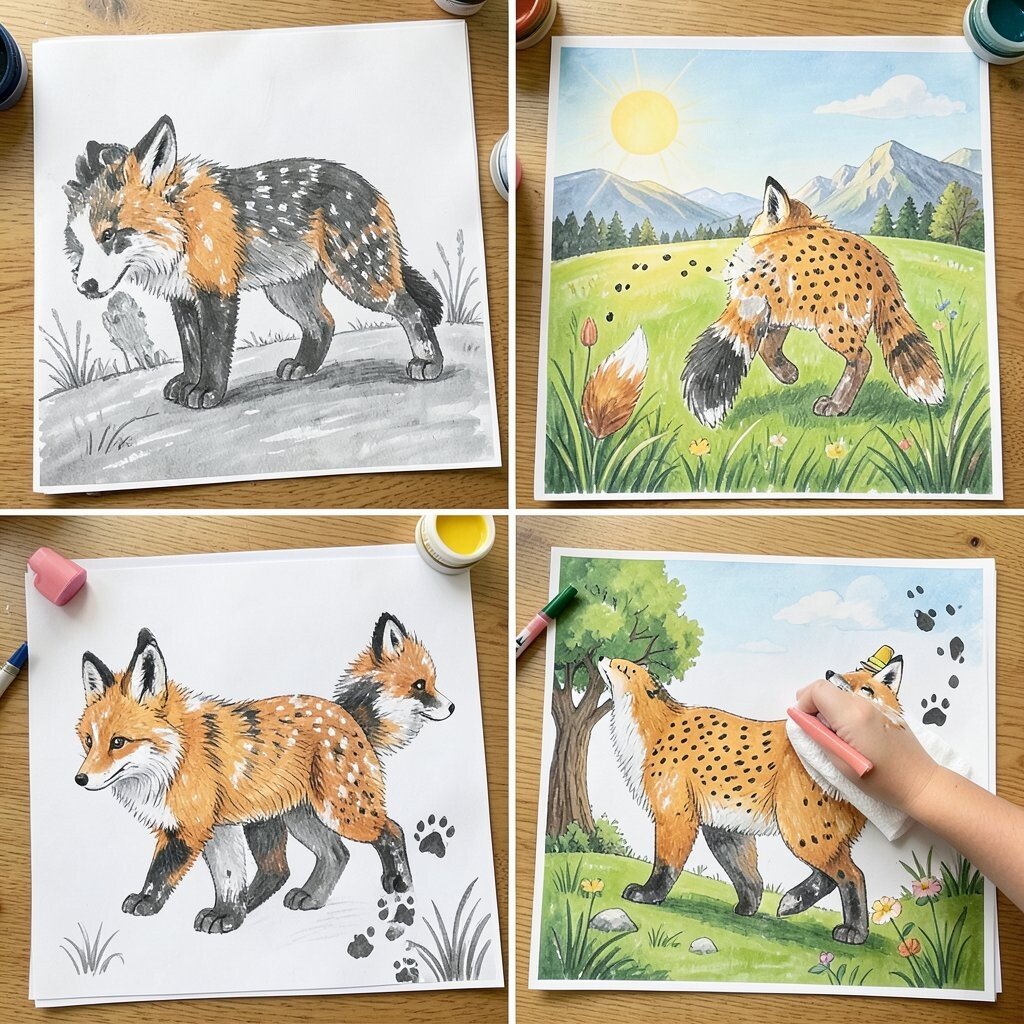
Students use washable ink to make fingerprint patterns that become animal bodies and details. One class might make fox tails from thumb prints, while another uses tiny dots for fish scales.
Then they create a habitat page where the background matches the animal, such as a snowy gray scene or a sunny green field. It’s visually bold and instantly recognizable, which helps students feel proud quickly.
For a smoother workflow, set up small ink stations and give each student a single paper wipe option for clean-ups. To personalize, ask students to add one “extra feature” like a secret smile, a funny hat, or a trail of paw prints that leads somewhere.
Cost is low because ink pads and white paper work well, and you can swap ink for paint if needed. This also fits a current favorite style of “micro details,” where small additions make a simple picture feel special.
11. Paper Sculpture Creatures With Hinges

Students build a sculpture creature using folded paper, tabs, and simple hinges created from strips. A hinge can let a head move, a tail wiggle, or a wing flap slightly.
The artwork becomes a blend of drawing and engineering, and it makes creativity feel active instead of only flat. Students learn how structure supports form, and they see that art can be built, not just decorated.
For practical tips, demonstrate one hinge method and make sure every student can repeat it before they go wild with their design. Personalization ideas include choosing a creature type, giving it a color pattern, and adding a “behavior” like sneaking or dancing.
If cost matters, use scrap paper, old flyers, and packaging instead of buying new sheets. You can also keep durability by adding a thin layer of clear tape at stress points.
12. Architecture Sketches With One Vanishing Point

Students draw buildings using one vanishing point so lines guide the eye into space. They create roads, windows, and doors that shrink toward the horizon, making even a simple scene look realistic.
This project strengthens geometry awareness and helps students understand perspective without heavy textbooks. The benefit shows up in how confidently students hold their rulers and manage spacing.
For practical setup, draw a horizon line and mark a vanishing point on each page, then let students choose the building height. Personalization comes from selecting a style, like cozy houses, futuristic towers, or old castles, then adding details such as balconies, plants, or signage.
13. Dyed Paper Flags for a Class “Festival” Wall

Students create small paper flags using safe dyes like food coloring in water or washable tie-dye techniques. They fold and twist paper, then apply color so patterns bloom as the paper dries.
When the flags hang on a string, the wall looks festive and alive. This supports creativity while also teaching patience, because students learn how time changes the final colors.
To keep it practical, protect desks with trays or plastic and plan drying time in a well-ventilated spot. Personalization is built in when students choose a color theme, like ocean blues or autumn oranges, and add simple stitched or drawn symbols to the flag corners.
14. Collaborative “Museum Night” Portrait Gallery

Students each create a portrait of someone special, such as a family member, a teacher, or a favorite fictional character. They then add a small narrative element by drawing meaningful objects in the background, like a book, a soccer ball, or a hobby tool.
After everyone finishes, the class arranges a gallery layout and labels the portraits with handwritten sentences that describe the mood. This builds communication skills and makes students practice presenting their work clearly.
For cost considerations, portraits can be made with pencils, crayons, and scrap paper, and you can reuse framing folders or poster boards as “display space.” Personalization becomes powerful when students pick objects that matter to them, turning the gallery into a story of real interests.
To keep it current, encourage a “soft spotlight” style by adding one glowing color highlight behind the face, similar to popular social media portrait lighting effects.
15. Remix a Masterpiece With Your Own Rules
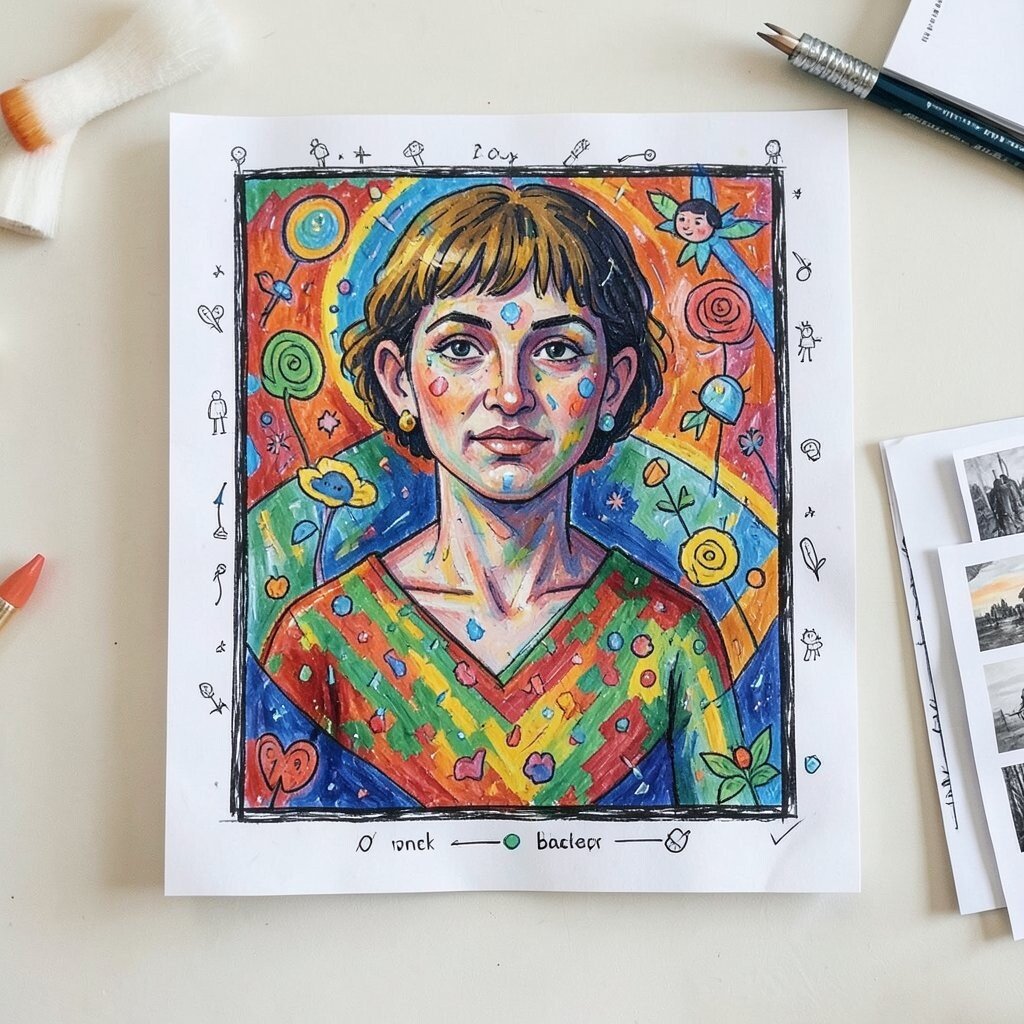
Students choose a well-known artwork style as a reference point and then remix it with new rules they create. They might keep the color scheme but change the subject, or keep the composition but alter the texture and pattern.
The benefit is that students learn what makes an artwork work while still using their own voice. It feels unique because every remix ends up different, even when students start from the same inspiration.
To make it practical, provide a simple guideline like “pick one rule for color, one rule for shape, and one rule for background,” and keep supplies limited to common classroom items. Personalization ideas include swapping a realistic background for a collage one, adding a bold border, or drawing tiny symbols that connect to the student’s life.
Cost can be kept low by using printouts, sketch paper, and affordable art supplies, and you can reduce prep by selecting a small set of reference images for students to choose from.