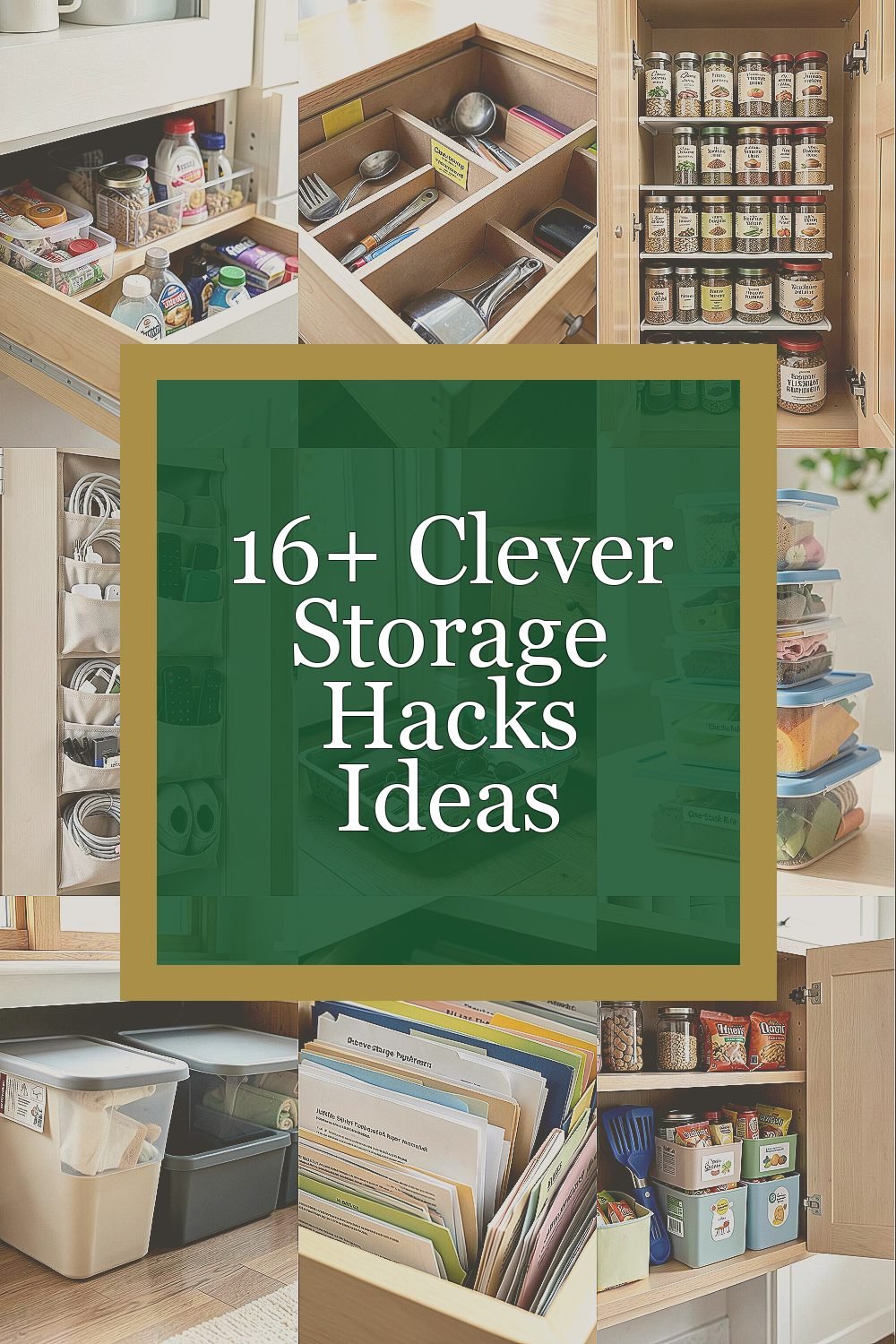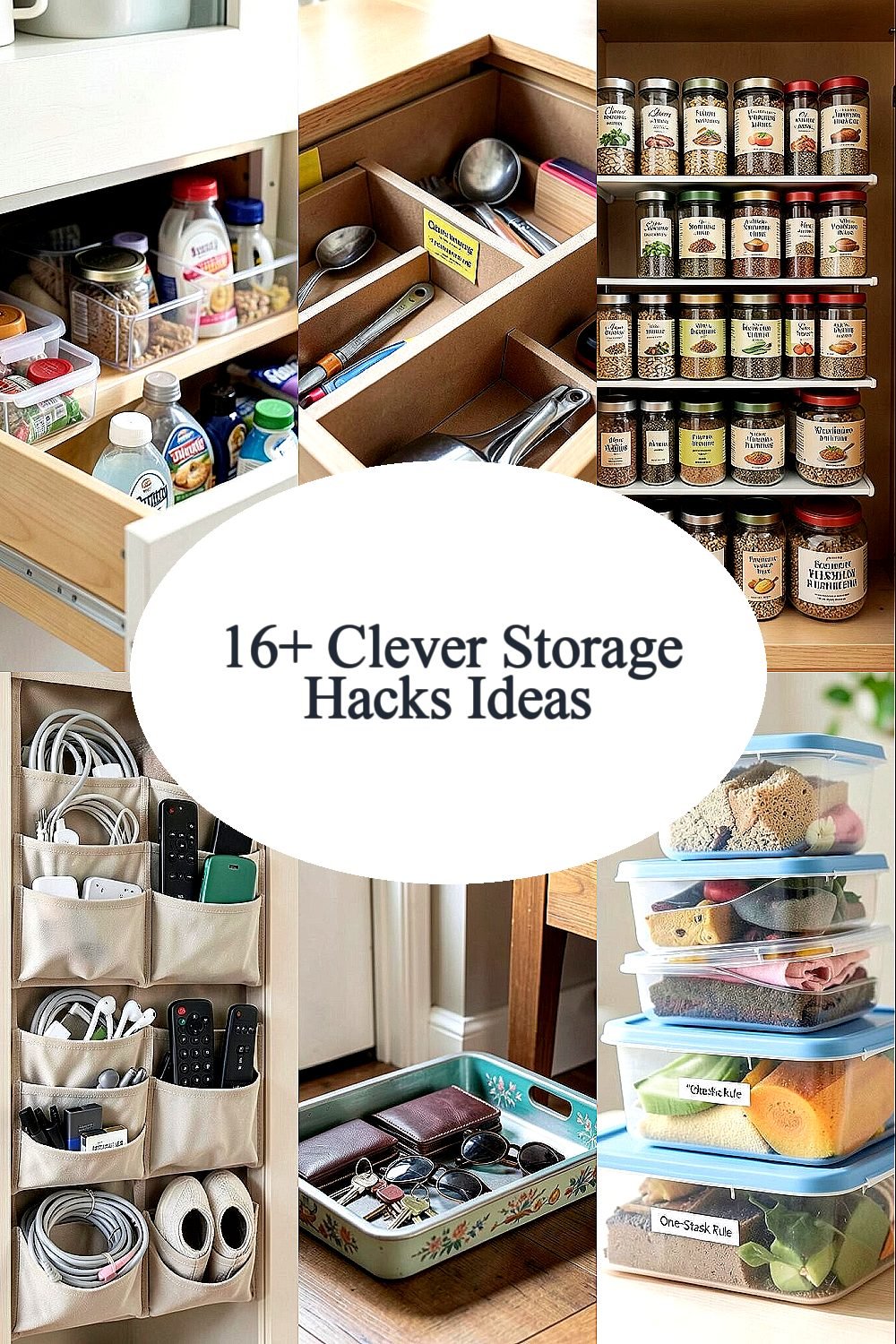
Your home can feel lighter when everything has a home. Small storage changes can make daily life smoother and calmer.
Start with what you already own, then match the storage to your habits. You will be amazed how quickly your space starts to behave.
1. The “Front-Row” Rule for Everyday Items
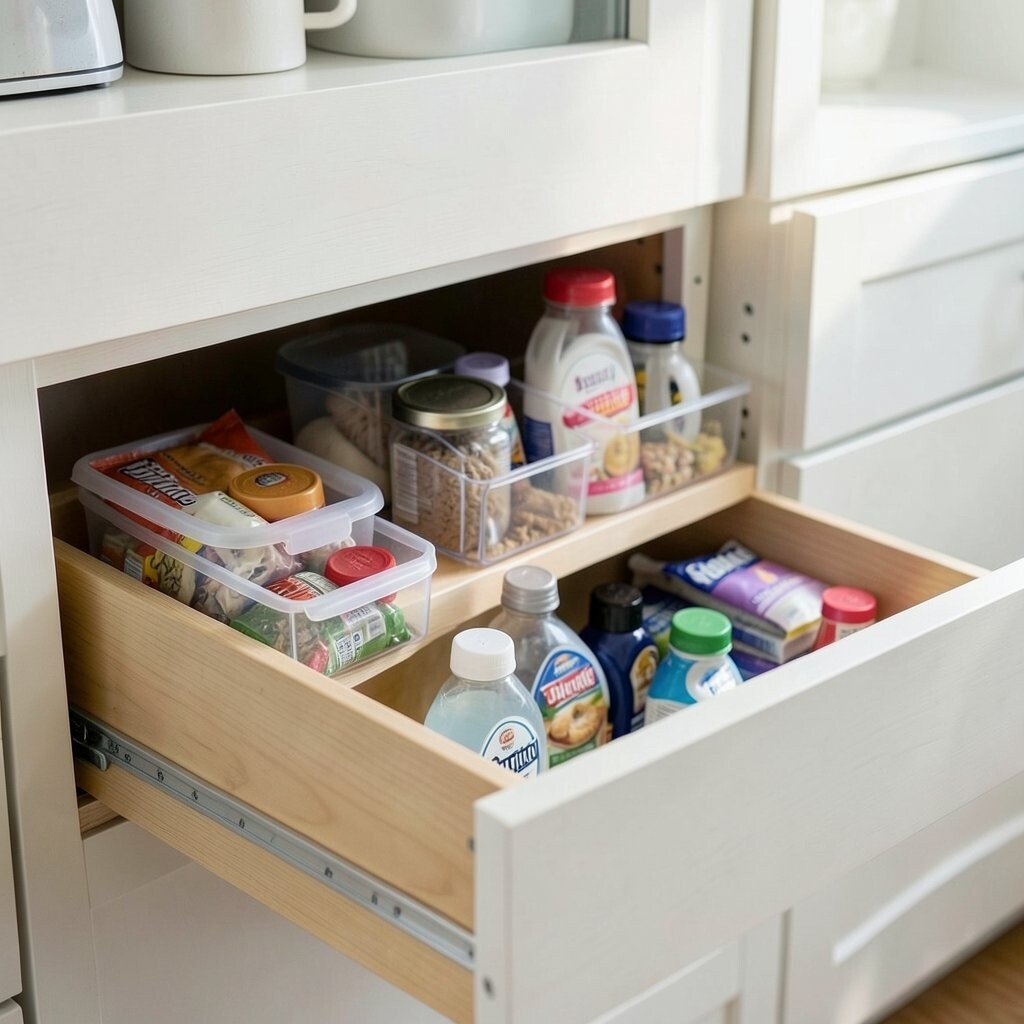
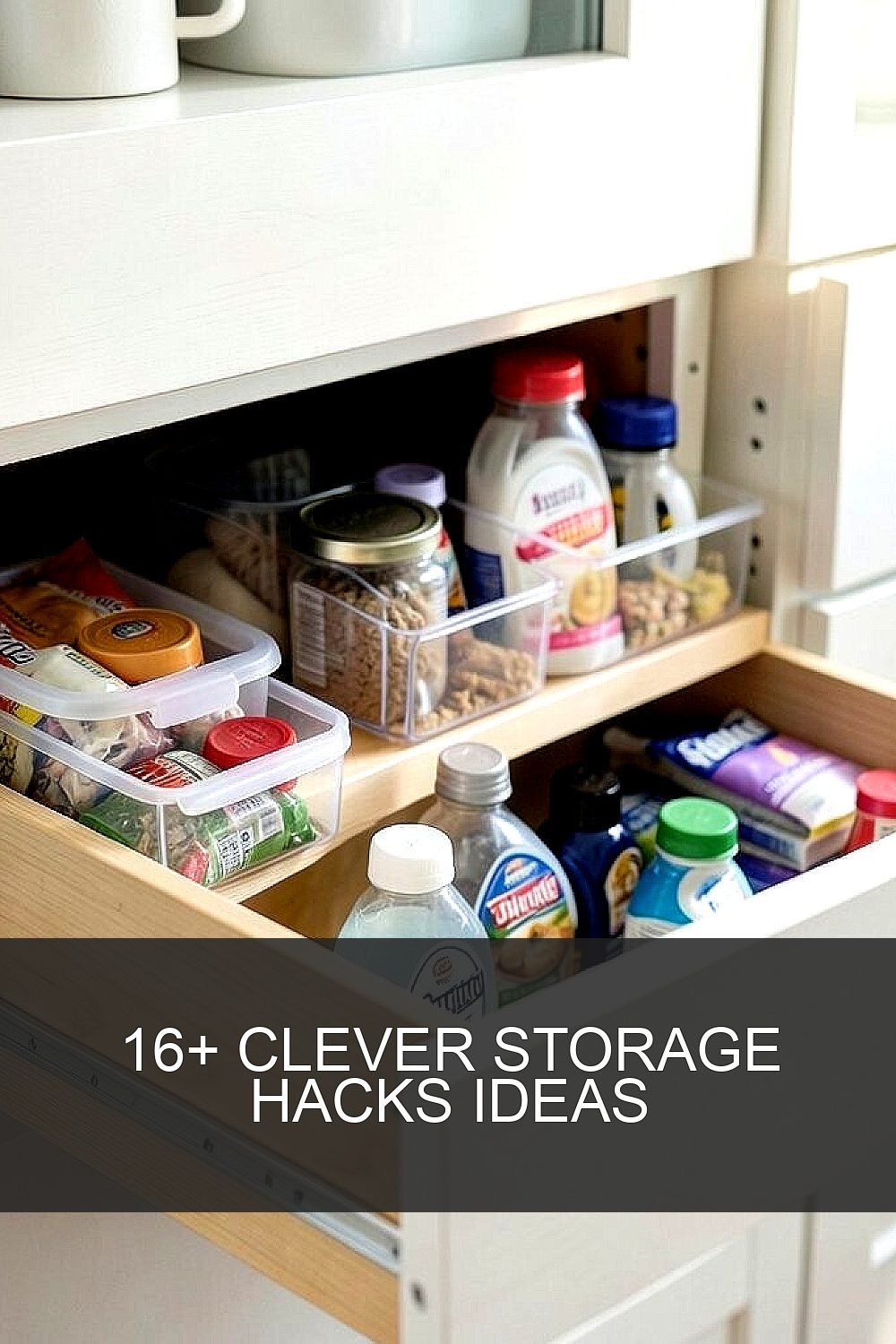
Place the stuff you touch most near eye level and within easy reach. When you open a drawer or cabinet, the first thing you see should be the items you use today, not last month.
Choose one spot for each routine, like morning coffee, dish soap, or pet supplies. You can use clear bins, small organizers, or simple shelf risers to make everything instantly visible.
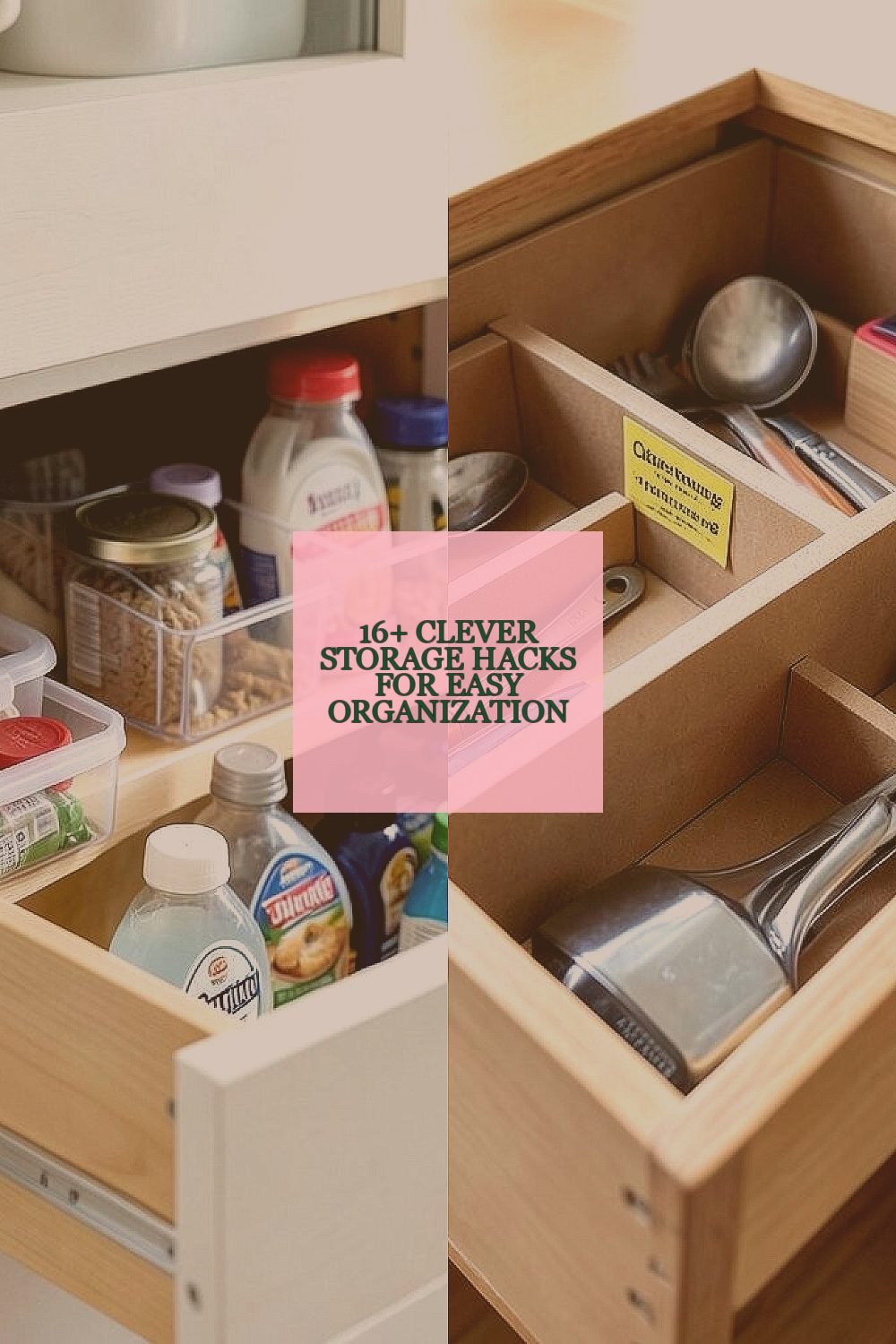
2. Drawer Dividers Made From What You Already Have

Instead of buying lots of plastic dividers, cut or repurpose sturdy materials like cardboard, foam board, or old cutting boards. Slide them into the drawer to create custom lanes for utensils, craft tools, or chargers.
The visual difference is huge because each item gets a neat border and stops sliding around. Labeling is optional, but you can add small icons or color tape for quick recognition.
This hack saves money and feels personal since you designed the layout yourself. For a smoother setup, measure drawer width first and aim for dividers that fit snugly.
3. Vertical Can Storage for Spices and Small Packets

Turn many flat containers into upright storage by using small holders and slim racks. You can picture a tidy row where spice jars face forward like books on a shelf.
That layout helps you spot what you have, so you stop buying duplicates. Keep labels on the front and group by cooking style or meal type for faster planning.
If you like a neat look, mount a compact rail on the inside of a pantry door. For cost reasons, start with what you can mount or repurpose, then add only a few upgrades at a time.
Seasoning storage is also trending toward transparent containers so people can see levels at a glance. Choose clear jars or lids that match your kitchen colors for a cohesive look.
4. Use a Hanging Shoe Organizer for Cables and Accessories

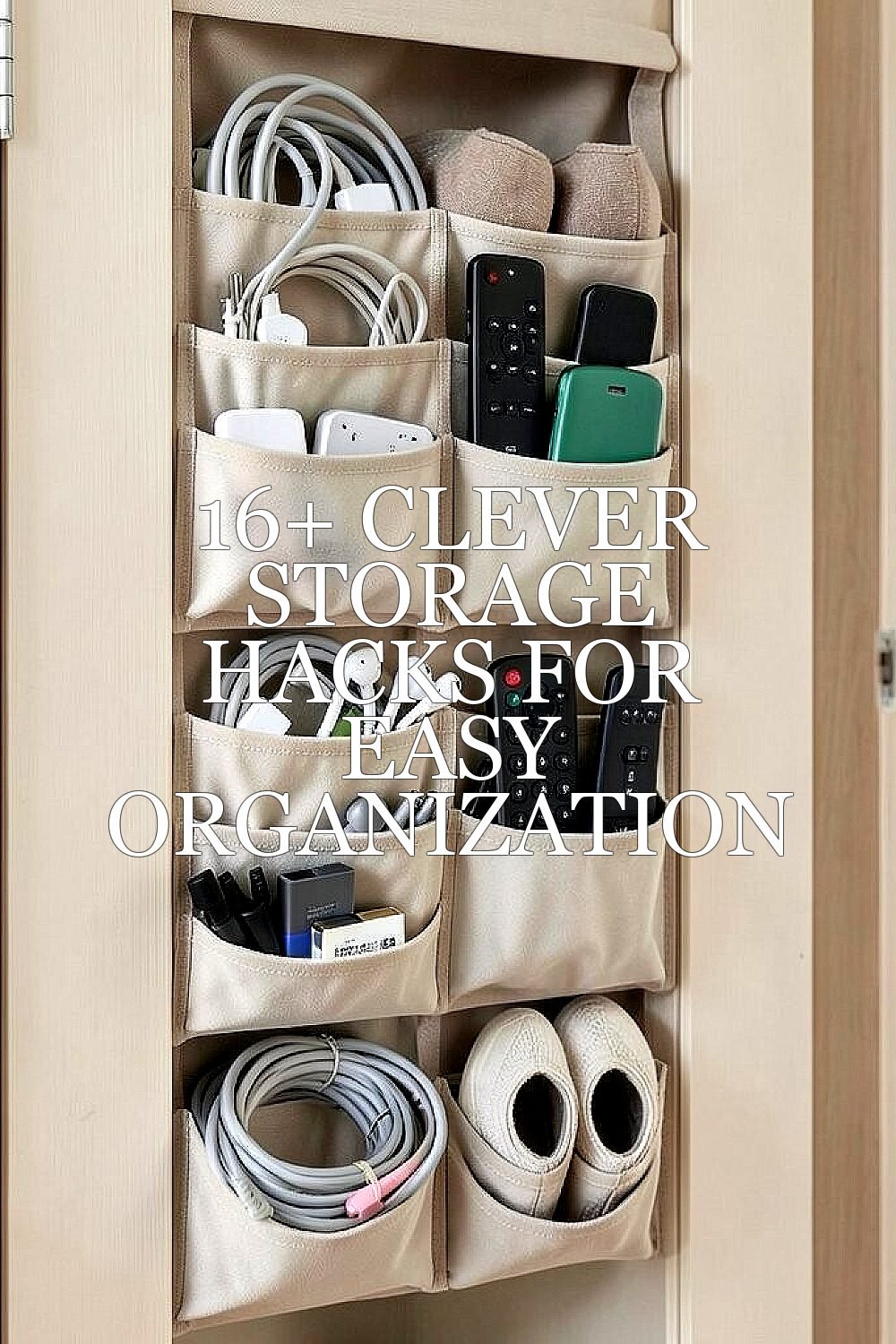
A hanging shoe organizer is not only for shoes anymore, and the pockets work great for small tech items. Imagine a closet door lined with tidy sections for chargers, earbuds, remotes, and spare batteries.
When each item has a pocket, cords stop tangling and everything stays easy to grab. This feels especially helpful if multiple people share the same devices at home.
5. Create a “Drop Zone” With a Decorative Tray

Place a shallow tray near the spot where people naturally set items down, like by the front door or near a hallway console. You can picture keys, sunglasses, and everyday wallets all resting in one neat cluster.
This simple change reduces the daily scavenger hunt and helps guests instantly understand where things go. It also keeps small clutter from spreading across tables and counters.
Use something you already own, like a metal baking tray or a wooden desk organizer. If you enjoy personalization, paint the tray a color that matches your home decor.
6. Stackable Storage With a “One-Stack Rule”

Stack items only when the stack stays stable and useful, then keep the stack to a clear maximum. Think of it like building a mini tower that you can reach without climbing or shifting.
Using stackable bins, lidded containers, or nesting organizers makes it easy to see what is where. If you label stacks by category, you will stop rummaging and start grabbing quickly.
7. Turn Old Tubs Into Lidded Under-Bed Storage

Under-bed storage can be a game changer, and old tubs are perfect for it. Slide in low-profile bins and you will see a clean base while your seasonal items stay hidden.
This method is unique because it reuses everyday containers instead of buying brand new storage. Choose clear bins if you want fast sight checks, or use solid colors to match your room style.
For practical setup, tape a short inventory card to the side so you remember what is inside. Measure the height first so lids stay closed and the bins glide smoothly.
8. Add File-Style Folders for Paper Clutter
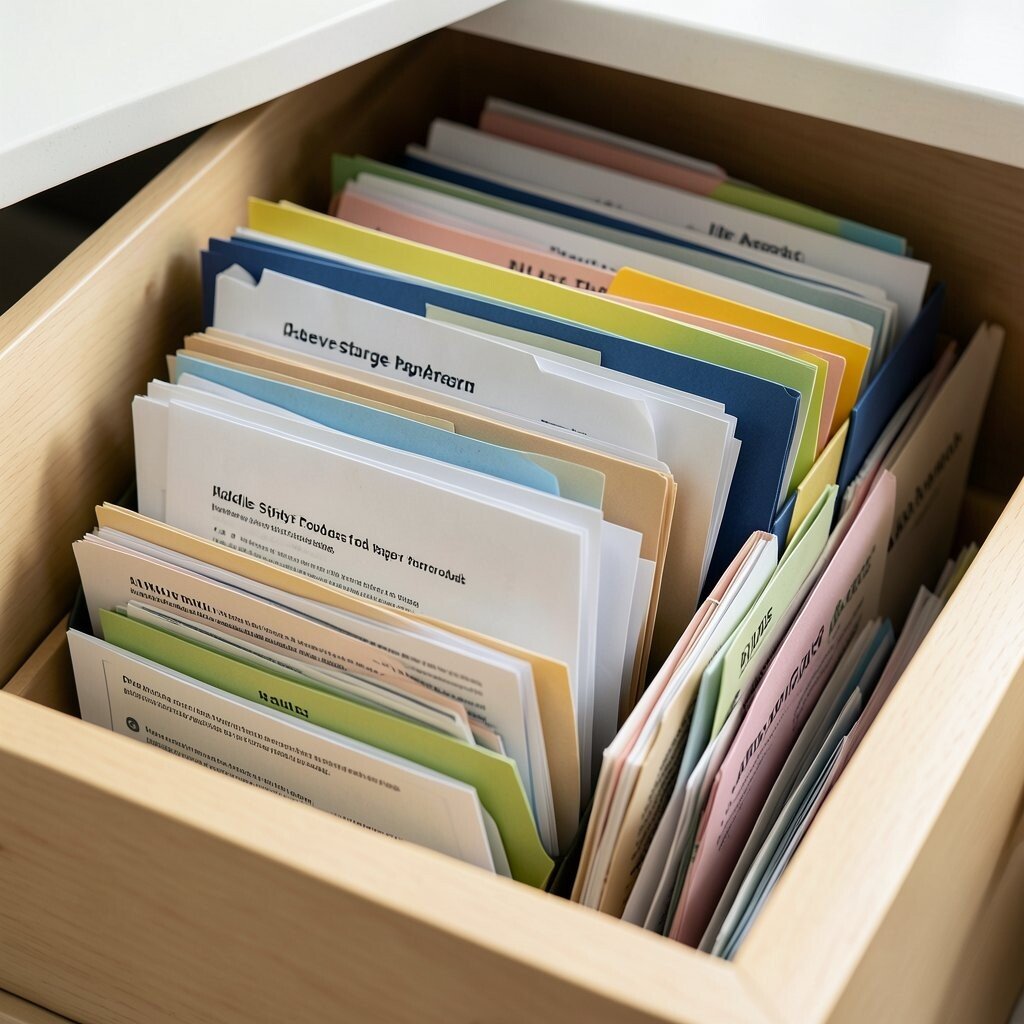
Make paper behave by using hanging folders or vertical file organizers in a drawer. It creates a visual stack that feels organized, like you can reach any document in seconds.
You will waste less time searching and you can sort mail, warranties, and school papers without piles. Use dividers based on life areas, like home, personal, and bills.
9. Small-Space Bins on Cabinet Doors

Cabinet doors are often empty space, so use slim bins or pocket organizers for lightweight items. Picture cleaning tools and snack backups lined up behind the door, out of the main cabinet.
This keeps the inside shelves for bigger items while still giving everything a home. It is especially helpful in apartments and kitchens with limited cabinet space.
For personalization, choose bins in a matching color set or add little theme labels with simple stickers. Start with the door you open most often to get the biggest daily benefit.
10. Label With Color Dots Instead of Writing Everything
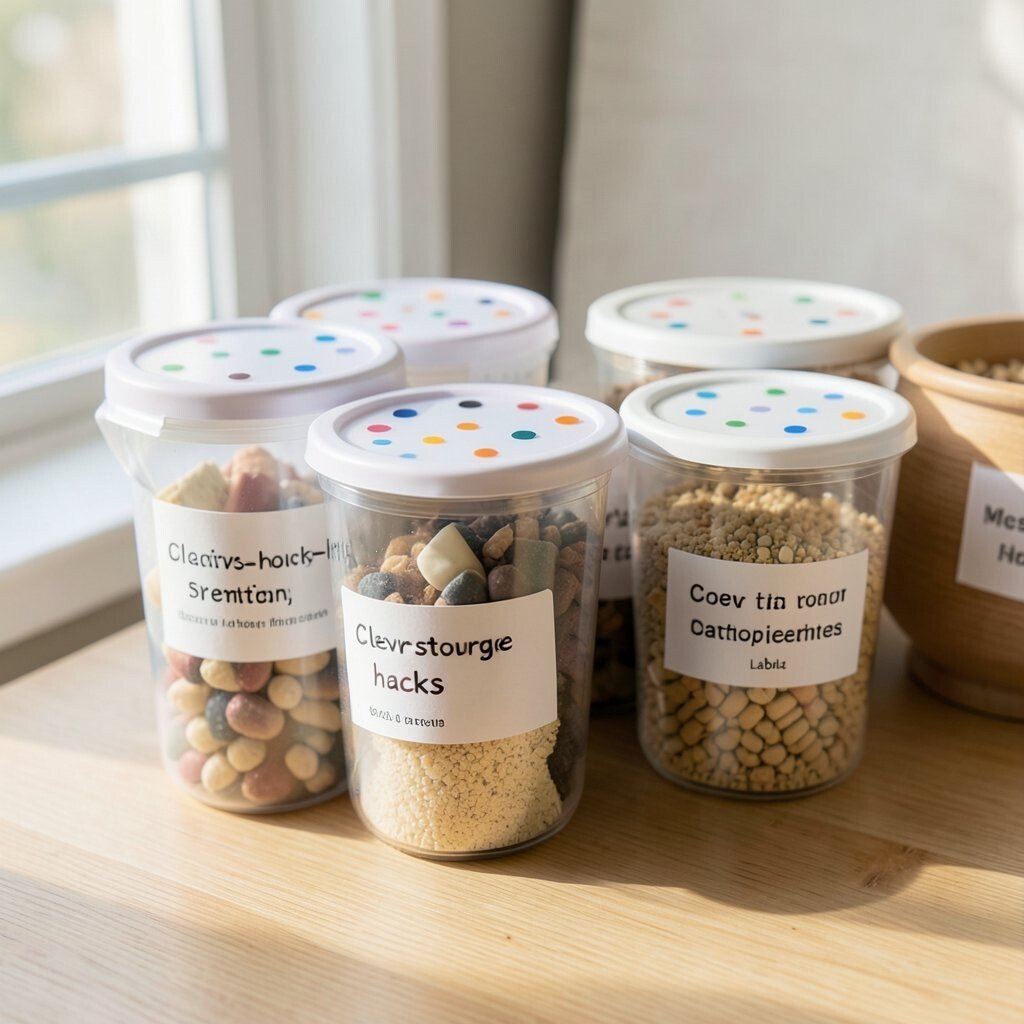
Labels help, but you do not need long handwriting or fancy tags for every container. Use small color dots on lids and bins so your brain can scan quickly.
When the colors match a simple system, you will feel organized without cluttering the look. This is practical for households because different people can identify categories fast.
11. Organize Laundry by Zone, Not by Product
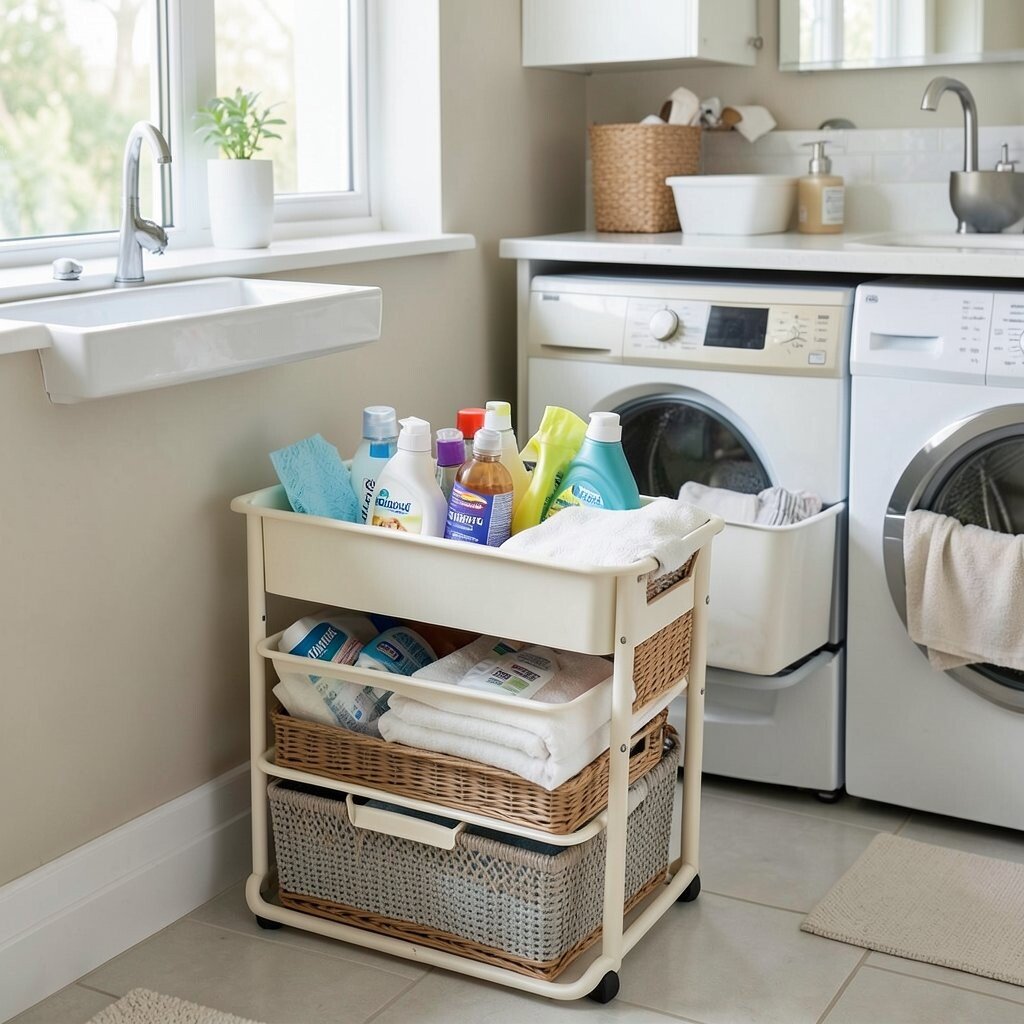
Sort laundry storage into zones like stain removal, washing essentials, and drying items. You can picture a small caddy where stain spray, wipes, and detergent stay together for easy weekend loads.
This approach reduces digging because you grab the whole set at once. Keep a separate pocket for items you use less often, like special treatments or bulky sheets.
Try a stackable system with one bin for each stage so you can see the workflow. If you want to keep costs low, use repurposed containers and upgrade only the ones that do not fit well.
Many people now prefer compact, vertical laundry setups that keep rooms looking tidy and calm. Match your containers to your bathroom or laundry room color palette for a modern feel.
12. Build a “Sometimes Box” for Keepsakes

Not everything needs daily access, and keepsakes often create clutter because they are handled too often or stored too vaguely. Put them into a single bin and keep it for “sometimes” moments.
Use a lidded box and arrange items gently so they look neat even when you open the lid. This helps you enjoy the memories without turning your shelves into storage chaos.
13. Magnetic Strips for Tools, Scissors, and Metal Items

Mount a small magnetic strip inside a cabinet or near a work area for metal items. Imagine scissors, tape measures, and small tools lined up where you can see them in seconds.
This method frees drawer space and keeps frequently used tools from disappearing in bins. It also makes the area feel cleaner because items are stored vertically.
If you are cost-conscious, use an inexpensive magnetic strip and test placement before installing. For personalization, place it at a height that matches your most common grabbing position.
14. Use Lazy Susans for Pantries and Fridge Shelves
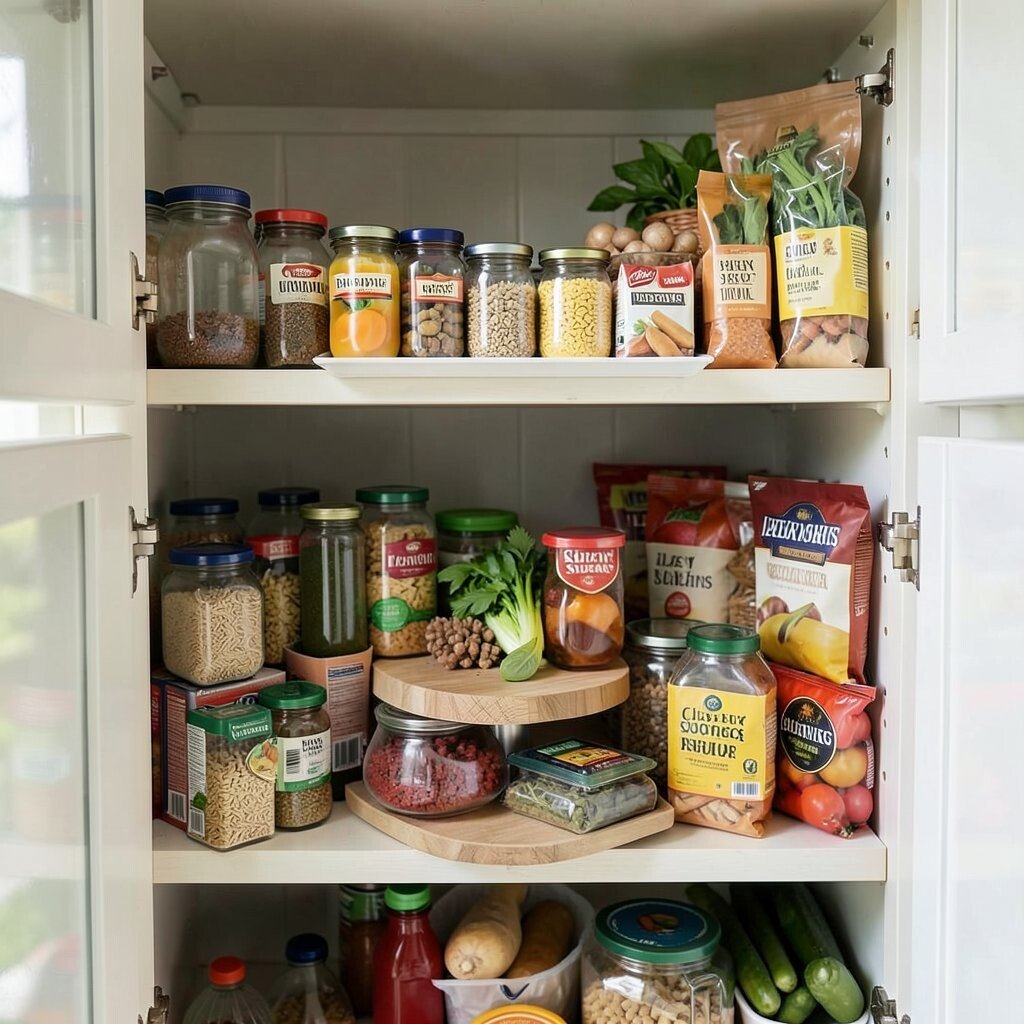
A lazy Susan turns a circle of items into a visible lineup instead of a hidden pile. When you spin it, everything comes into view like a small rotating display.
This hack helps prevent food waste because you can see what is old and what is new. It also makes meal prep faster since you can grab ingredients without digging.
Choose a size that fits your shelf or pantry width so it sits securely. Look for adjustable or removable trays if you want flexibility as your habits change.
15. Roll-Up Storage for Towels, Wraps, and Sheets
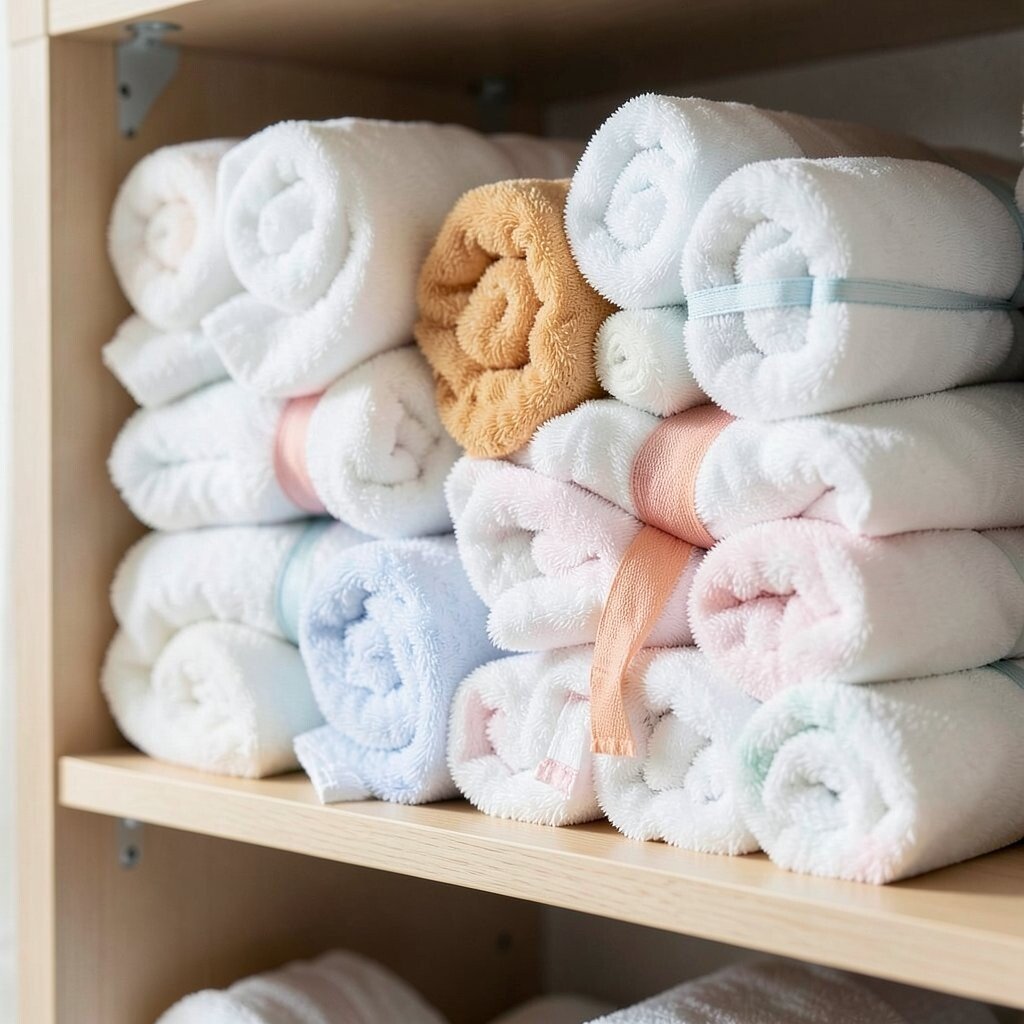
Instead of stacking linens into tall columns, roll them into neat cylinders. Picture a shelf where towels and extra sheets sit like organized scrolls, easy to pull out and fold again.
Rolling saves space and makes it simpler to see sizes at a glance. Use fabric ties or a simple strap to keep rolls from unraveling.
This can feel unique because you can color-code by person or by room. If you have limited storage time, rolling is also a quick daily reset after laundry.
16. Sort by “Where It Returns” for Cleaning Supplies

Cleaning products tend to multiply because they are stored far from where they get used. Keep them close to the job area by grouping them by where they return.
For example, store bathroom sprays together near the bathroom, and kitchen supplies near the kitchen sink. You will notice less mess on countertops because each bottle lives in a predictable spot.
Use a small caddy or labeled bin for each room so you can carry everything at once. This hack saves time and reduces the chance of buying duplicate bottles because your inventory is easier to see.
Clean organization is trending toward “grab-and-go” systems that keep routines smooth. Choose containers that match the room style so the setup looks intentional, not accidental.
17. Transform the Inside of Lids Into Mini Organizers

The underside of cabinet doors, drawer lids, or storage lids often goes unused, but it can hold tiny tools. Add hooks, small mesh pouches, or clip-on holders so small items stay controlled and easy to reach.
For a visual, imagine a drawer lid where keys, scissors, or measuring spoons sit flat and visible instead of buried in a drawer. This helps your storage feel more complete and less empty, which makes it easier to keep up with.
Use personalization to match your household needs, like a pocket for kid-friendly items or a spot for reusable bags. Keep cost in mind by using simple adhesive hooks or repurposed clips before investing in anything permanent.
When you store smaller items this way, you free up bigger shelves for bulk items. The result is a space that feels calmer every time you open a door or pull out a drawer.