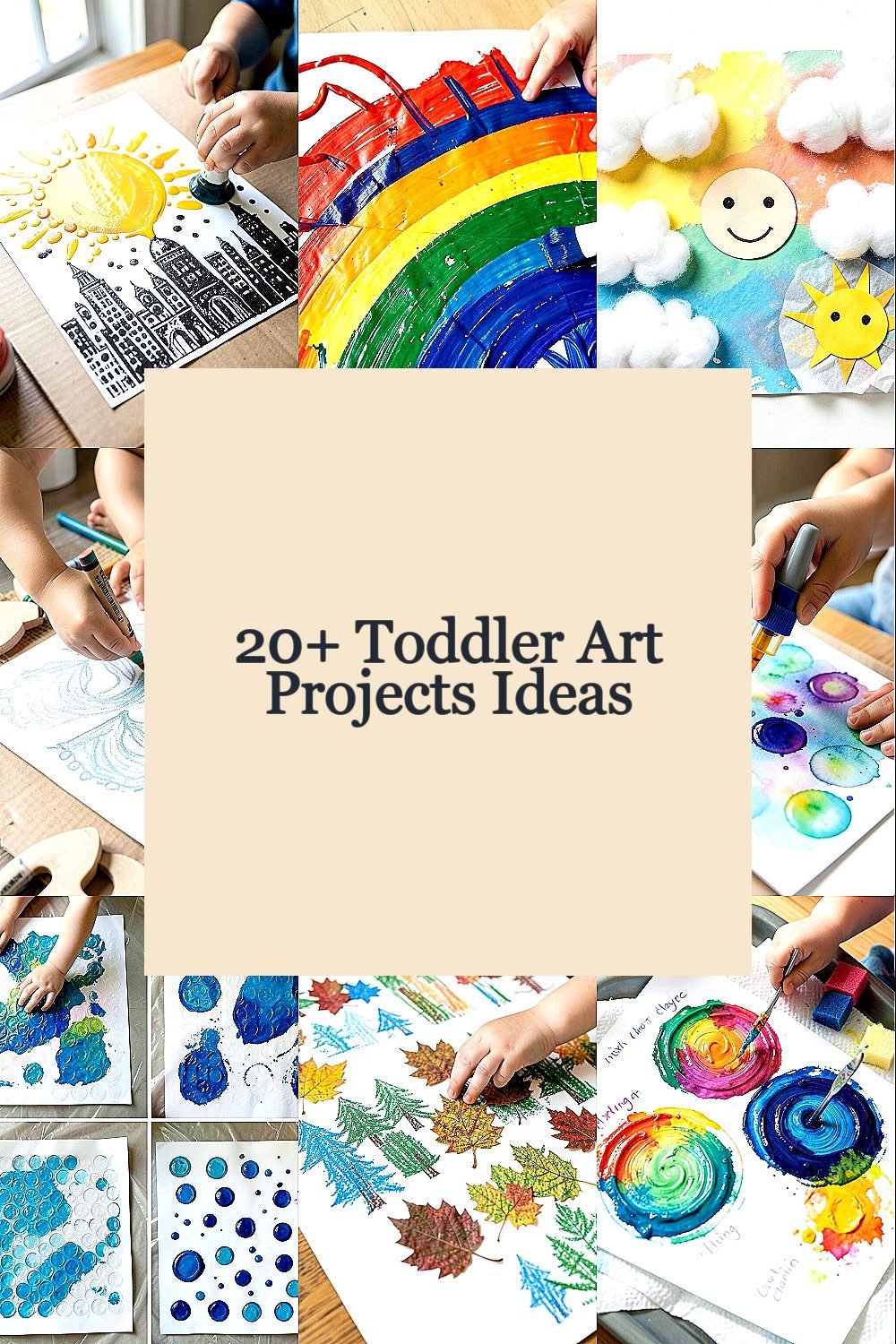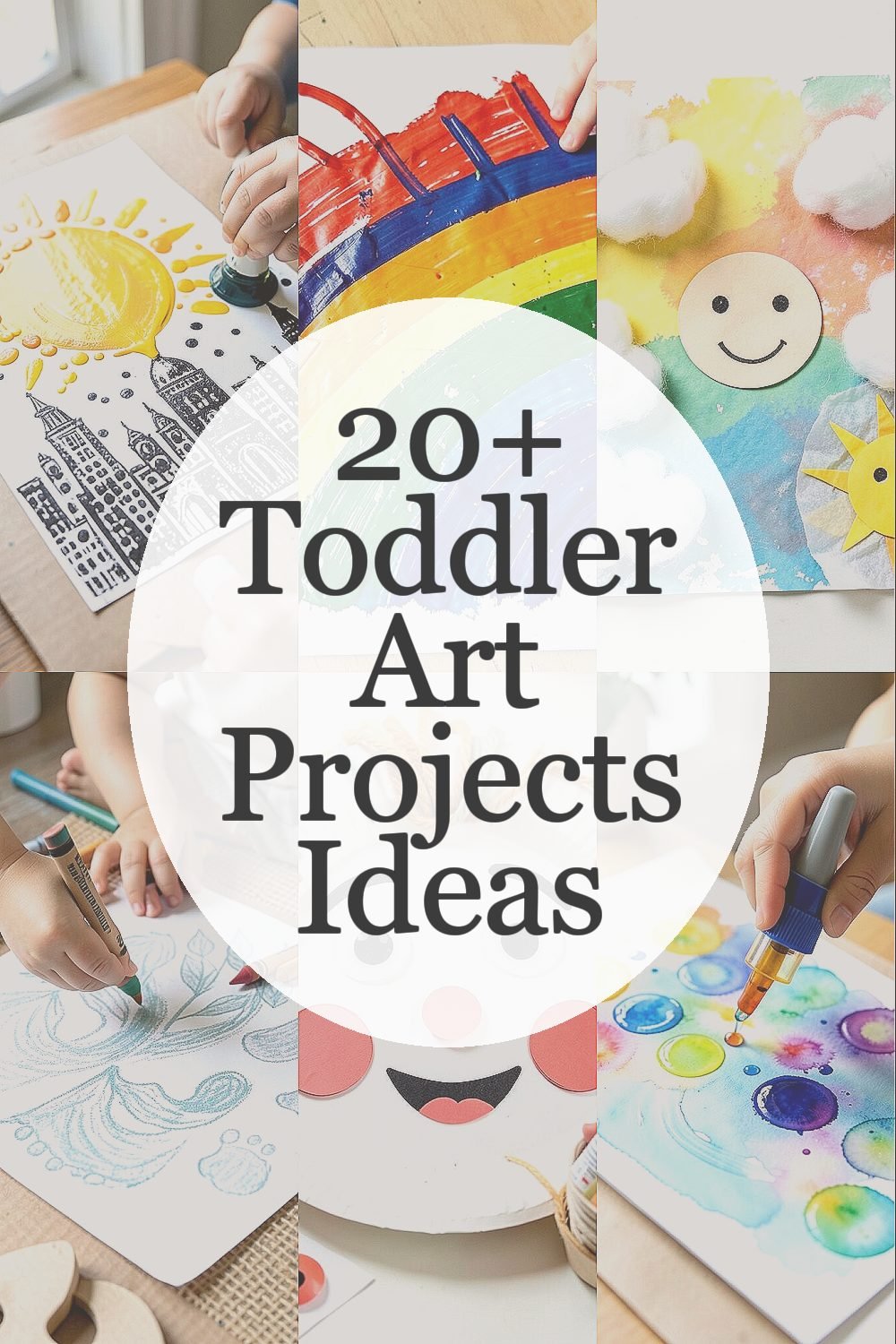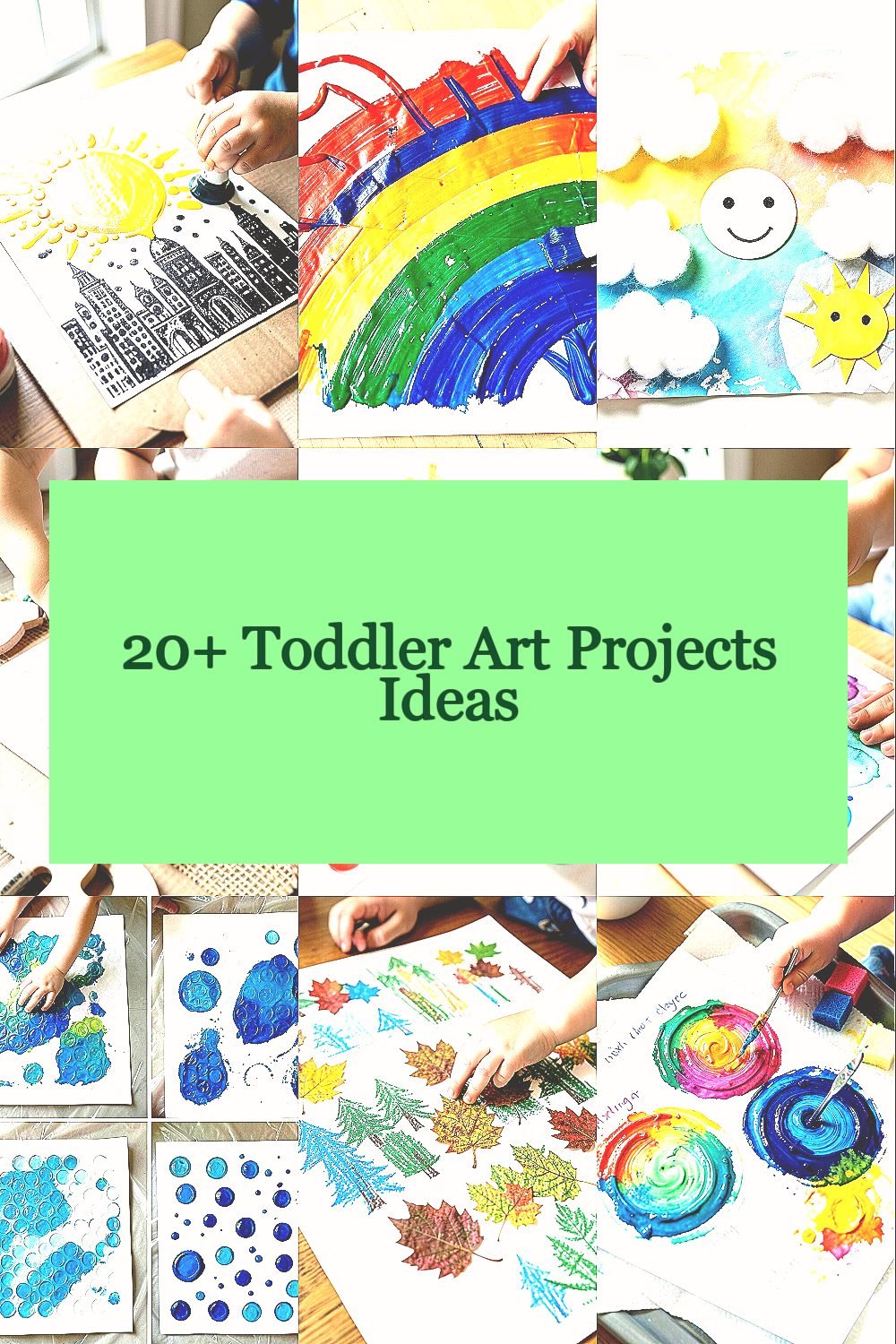
Color on paper is more than play for toddlers. It helps them feel proud, curious, and brave with new ideas.
These hands-on projects use simple stuff you likely already have at home. Each one encourages big feelings, small moments, and fresh imagination.
1. Sticker Stamps With DIY Patterns
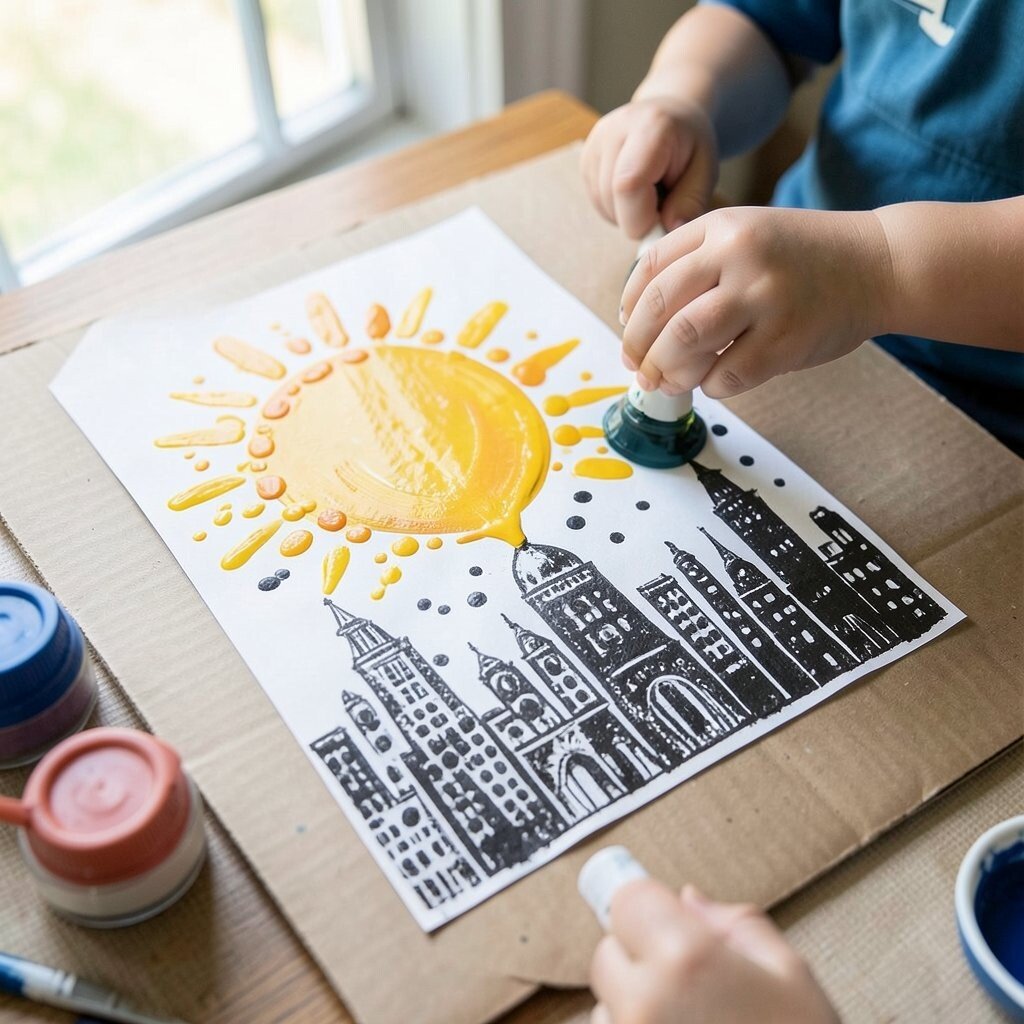
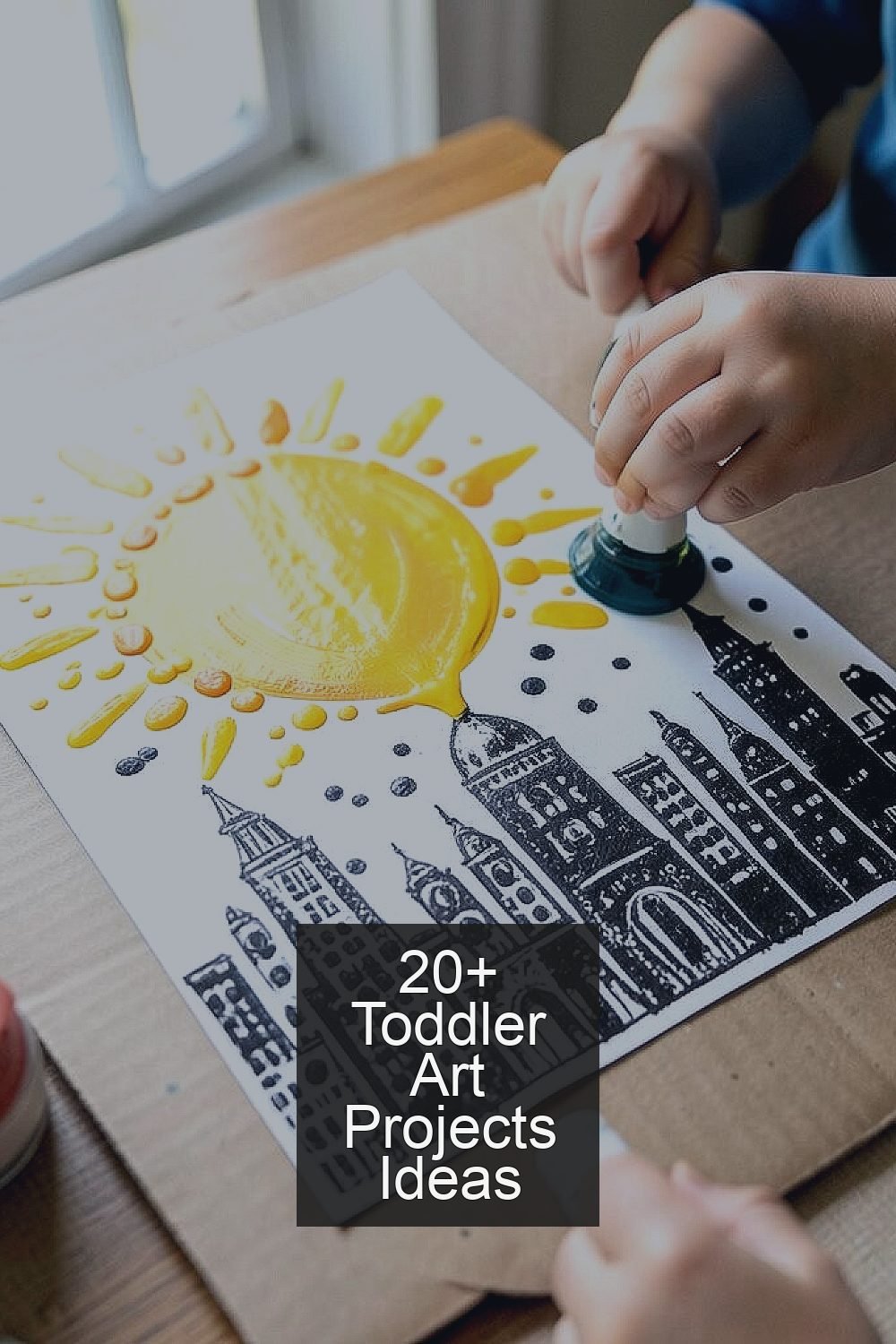
Press sticker dots onto paper to make a bold “stamp” picture. You can arrange them into a sun, a heartbeat, or a busy city skyline.
Try thick markers or washable paint dabbers on a piece of cardboard first, then press the sticker onto the painted surface. This gives a clear visual pattern and helps toddlers practice gentle pressure. When they peel stickers, they see cause and effect right away.
2. Tape Resist Rainbow Lines
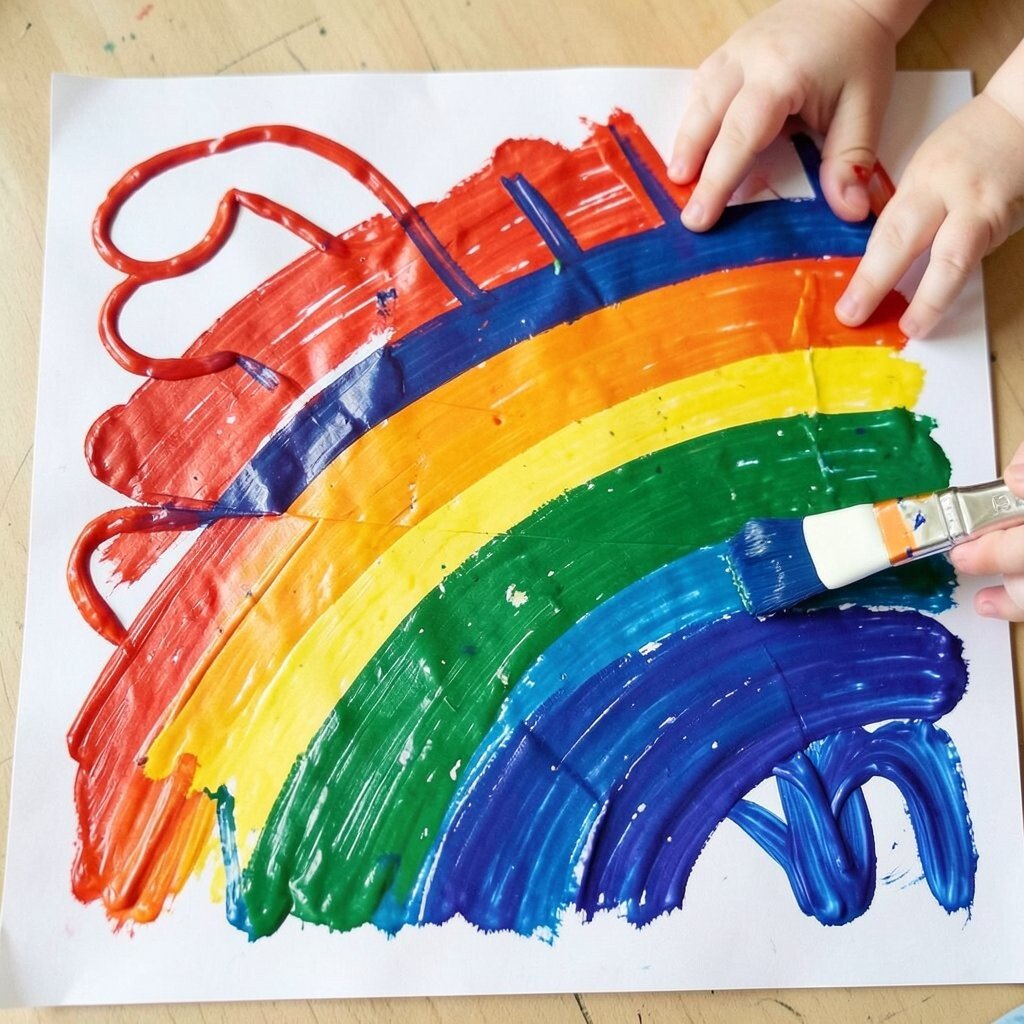
Lay painter’s tape in curvy lines on white paper before painting. Then paint over everything with bright colors, like a rainbow burst.
When the paint dries, pull the tape off slowly to reveal clean stripes. The contrast looks striking, and toddlers love the “magic” moment. Keep the strips short so little hands can manage them easily.
Use thick paper or a kids’ art pad so paint doesn’t bleed through. Personalize by making a favorite theme, like dinosaur stripes or galaxy streaks. For cost, painter’s tape and washable paint are usually inexpensive, and you can reuse scrap paper again and again.
3. Cloud Collage With Cotton and Tissue
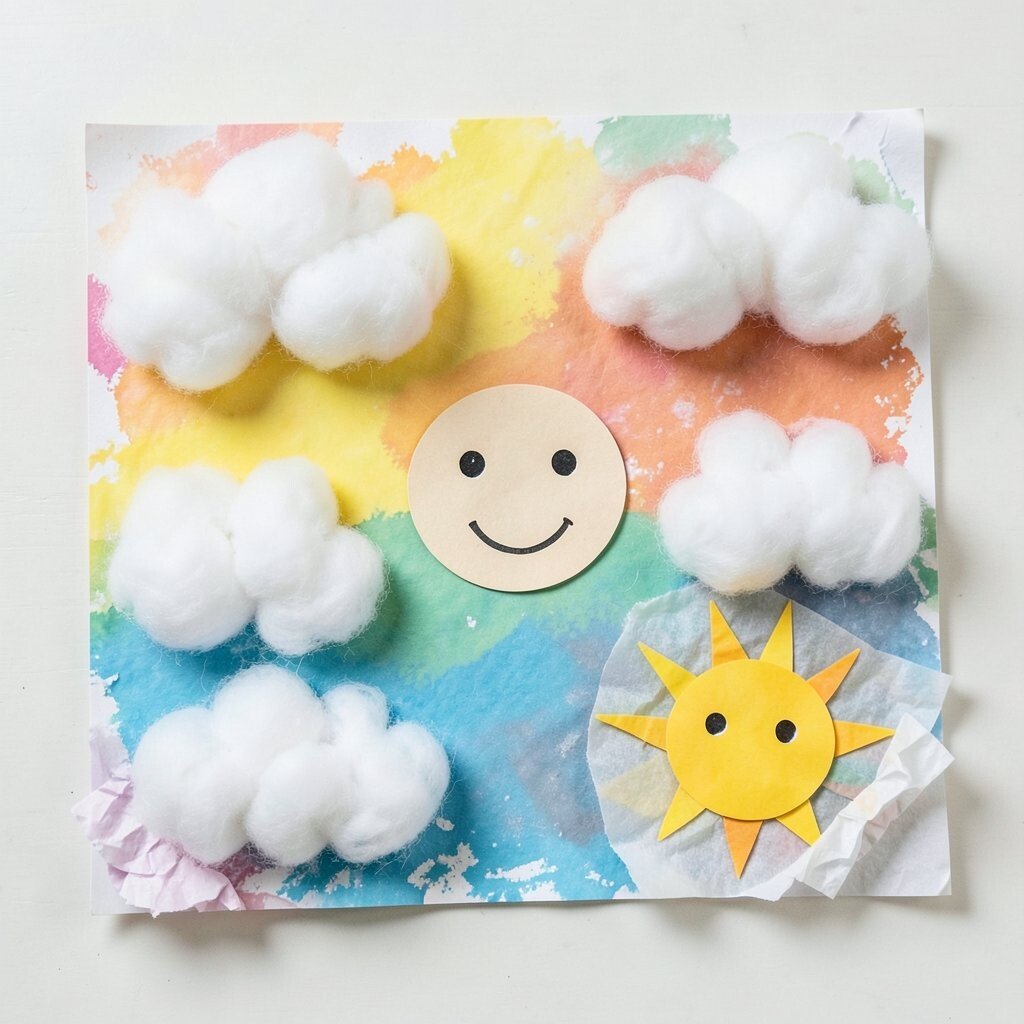
Glue cotton balls and torn tissue paper to a sheet of cardstock. The clouds will look fluffy and soft against the colorful background.
Let your toddler choose colors, then help them place pieces like they’re building a sky. This project supports fine motor control and teaches color blending without complicated steps. It also gives a gentle sensory experience that feels cozy, especially on calm days.
Use a washable glue stick so clean-up stays easier. For a trend feel, try “weather art” that matches the real day outside, like sunny yellows or rainy grays. If you want to keep costs down, save cotton swabs and tissue scraps for this.
Make it personal by adding a sun circle cut from paper or a simple smile face. Add textured highlights with crumpled paper near the edges for extra depth. Your child’s unique cloud shapes will be the point, not perfection.
4. Crayon Rubbings From Safe Textures
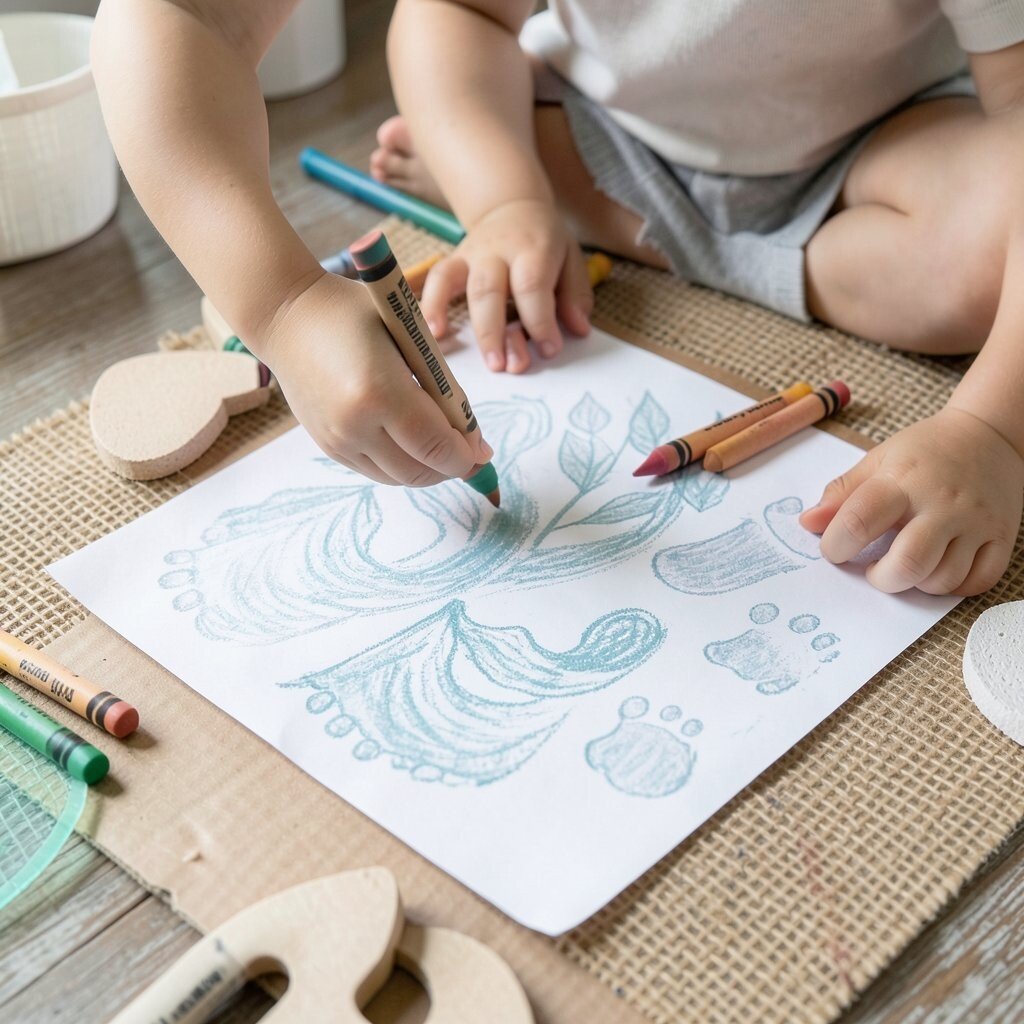
Place paper over sturdy cardboard or a textured mat and rub with crayons. You’ll see leaves, waves, or fabric-like patterns appear in a ghostly way.
Choose safe textures like a plastic mesh basket, cardboard doilies, or large craft foam shapes. This builds patience and hand strength while keeping the activity relaxing. It also helps toddlers notice details they might usually ignore.
Use short crayons and let them experiment with different pressure levels. Try personalization by matching textures to interests, such as animal footprints or flower petals. Clean-up is simple since crayons stay on paper, not on skin if you use a mat.
5. Paper Plate Face Builder
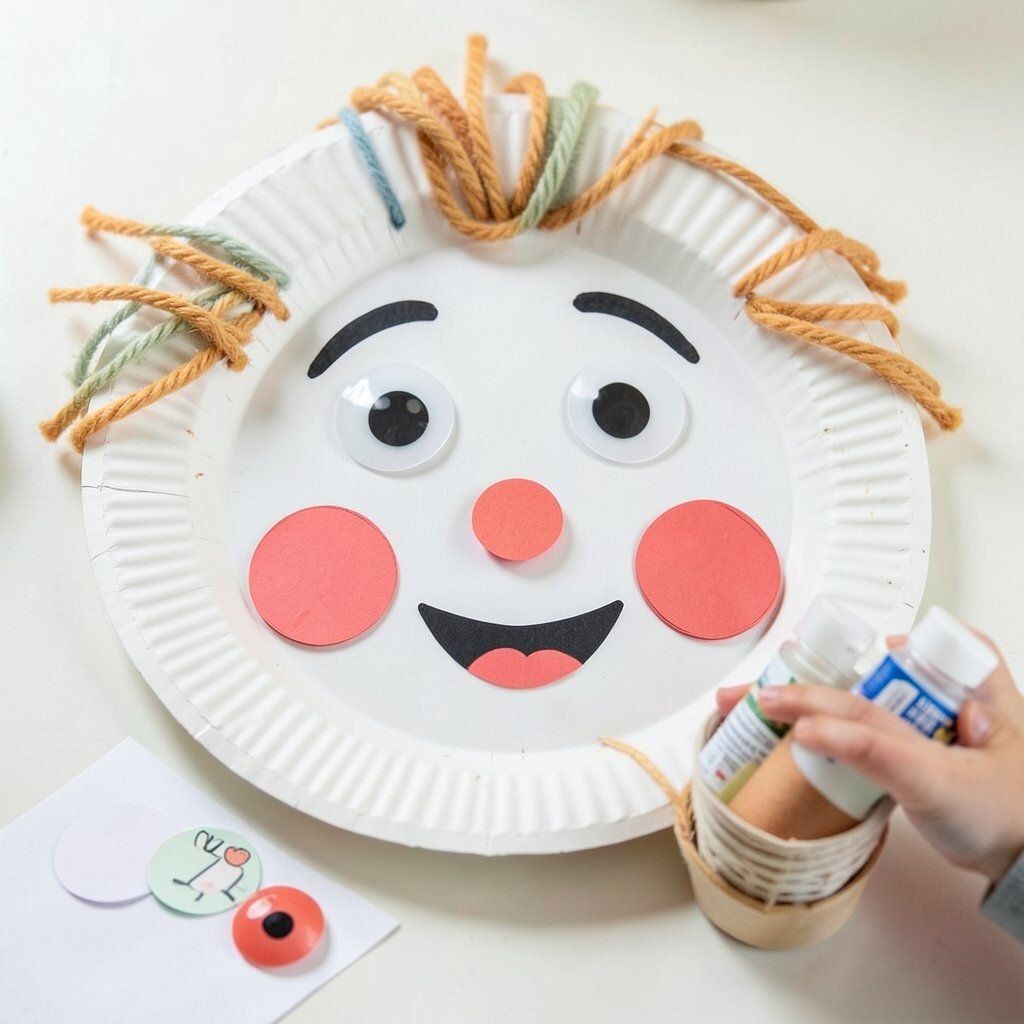
Cut a paper plate into a round “face” and invite your toddler to add features. Use shapes for eyes, circles for cheeks, and yarn for hair.
This kind of collage helps toddlers practice planning and makes art feel meaningful. When they create a face that looks funny or silly, their confidence grows fast. It’s also a great way to talk about emotions in a gentle, playful way.
Give a small basket of materials like googly eyes, craft foam, or magazine cutouts. Keep pieces large so they’re easy to grab, and use child-safe glue. For cost, paper plates and scrap paper are budget-friendly, and the same materials can work for many faces.
6. Color-Drop Watercolor With Droppers
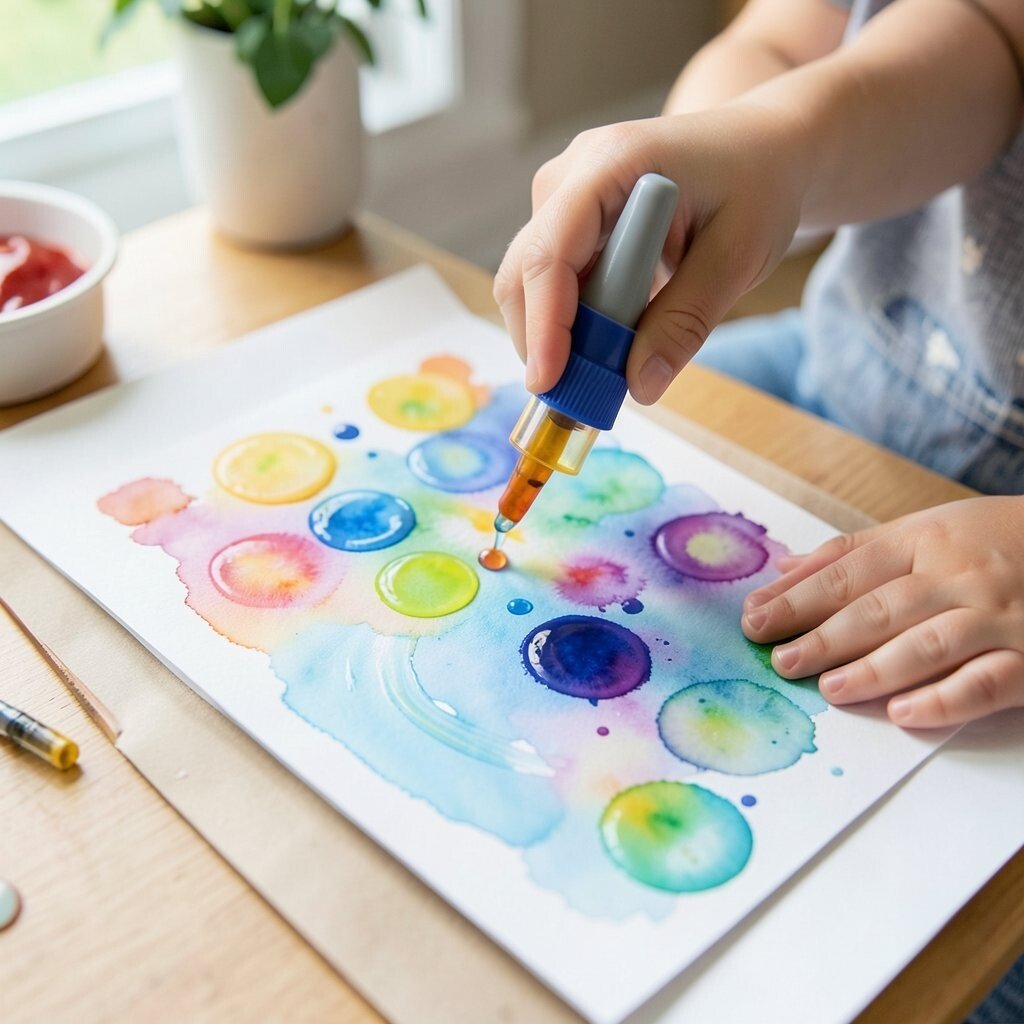
Put a few drops of diluted washable paint on watercolor paper using a dropper or small eyedropper. Watch colors bloom into soft circles and streams.
Let your toddler tilt the paper gently so paint flows in new directions. The visual effect is mesmerizing, and it builds patience while encouraging curiosity. This also helps them learn that small actions create big changes.
7. DIY Bubble Wrap Prints
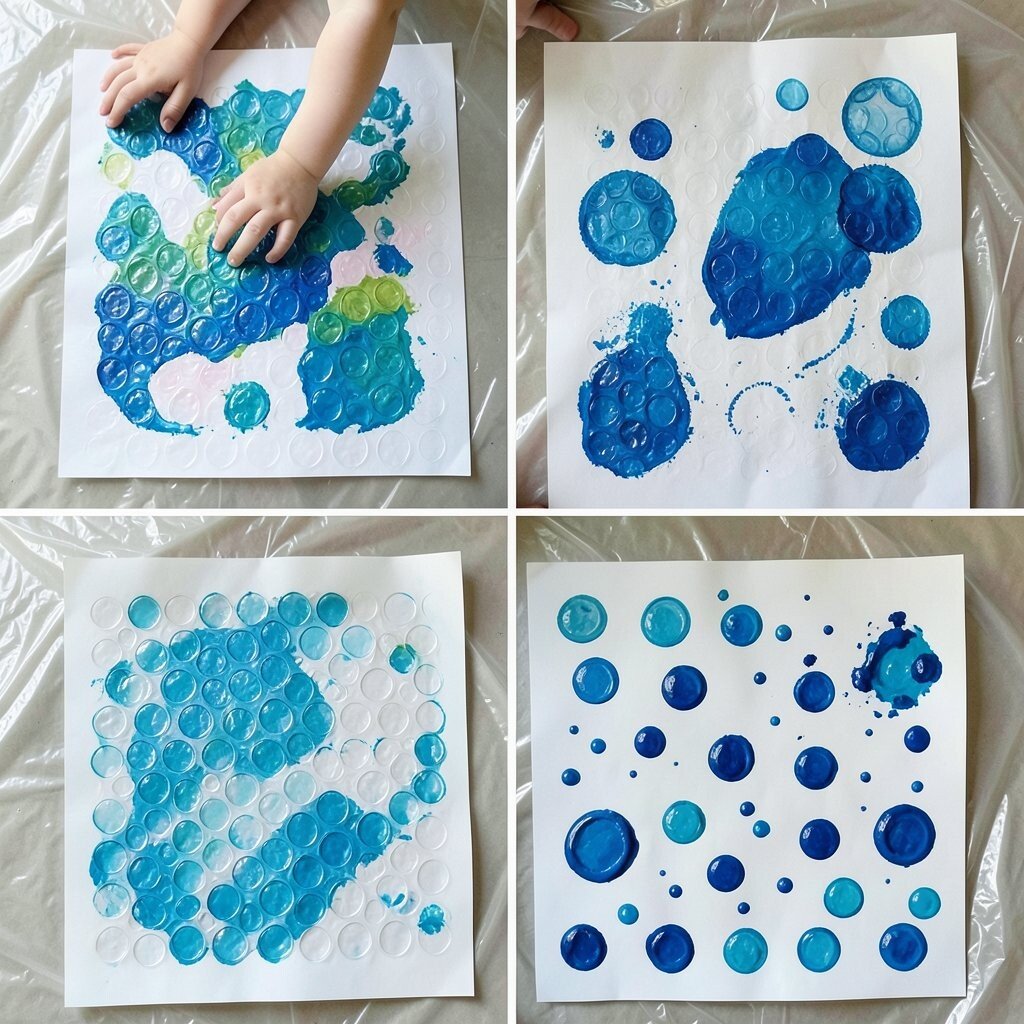
Press bubble wrap onto paint, then stamp it onto paper for bouncy circles. The texture looks fun and modern, like playful patterns you might see on wrapping paper.
Try different sizes of bubble wrap to make different shapes and heights. This project supports grip strength and gives a clear, satisfying result. It also helps toddlers understand repeating patterns, which is a key part of early math thinking.
Personalize by pairing prints into categories, like “ocean bumps” or “space dots.” Use washable paint for easy cleanup and cover your table with a plastic sheet. For cost, bubble wrap often comes for free in packages, and you can save it for art time.
8. Leaf and Crayon Forest Scenes
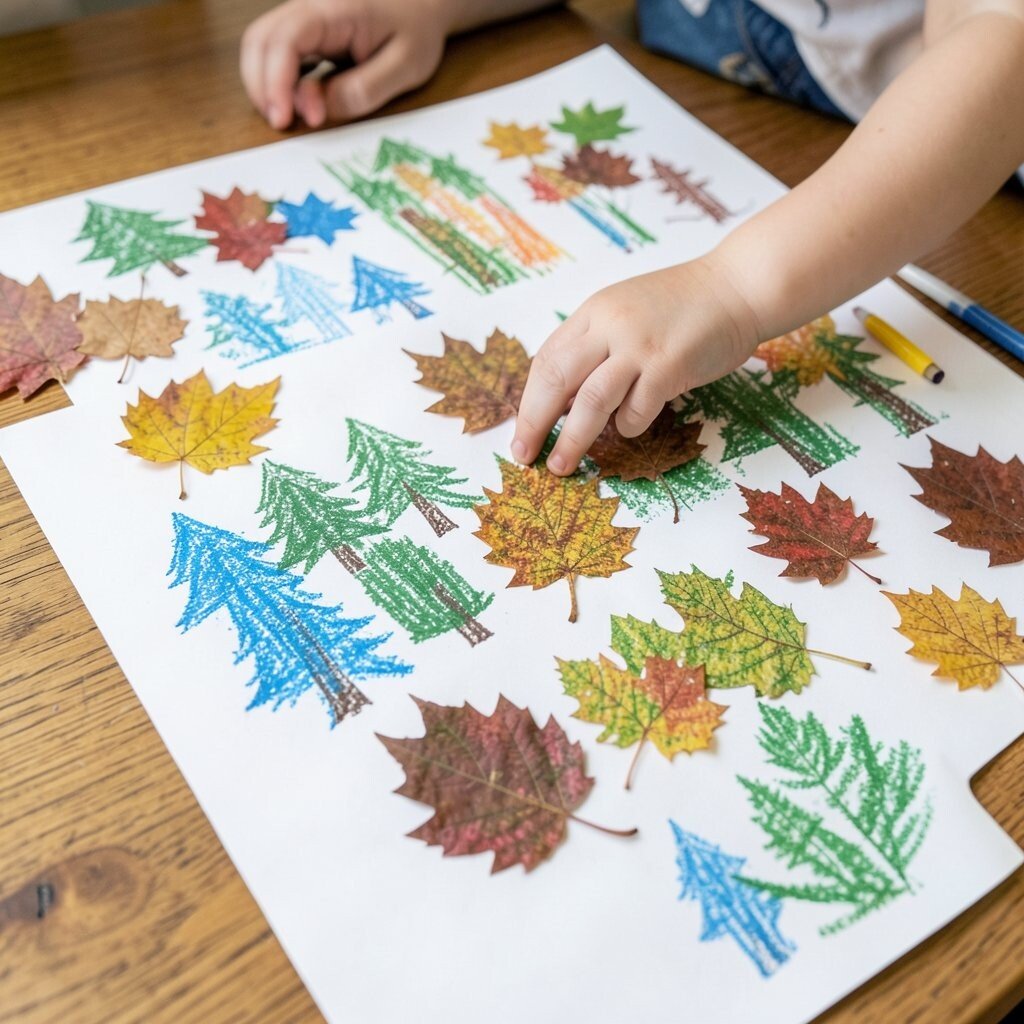
Gather leaves and place them on paper, then rub a crayon over the top. The leaf shape shows through like a tiny forest map.
Use different leaf types so each print looks unique and real. This activity is visually rich and encourages toddlers to slow down and pay attention. It also brings nature indoors, which many families love during busy weeks.
9. Color Mixing by Sponging Over Circles
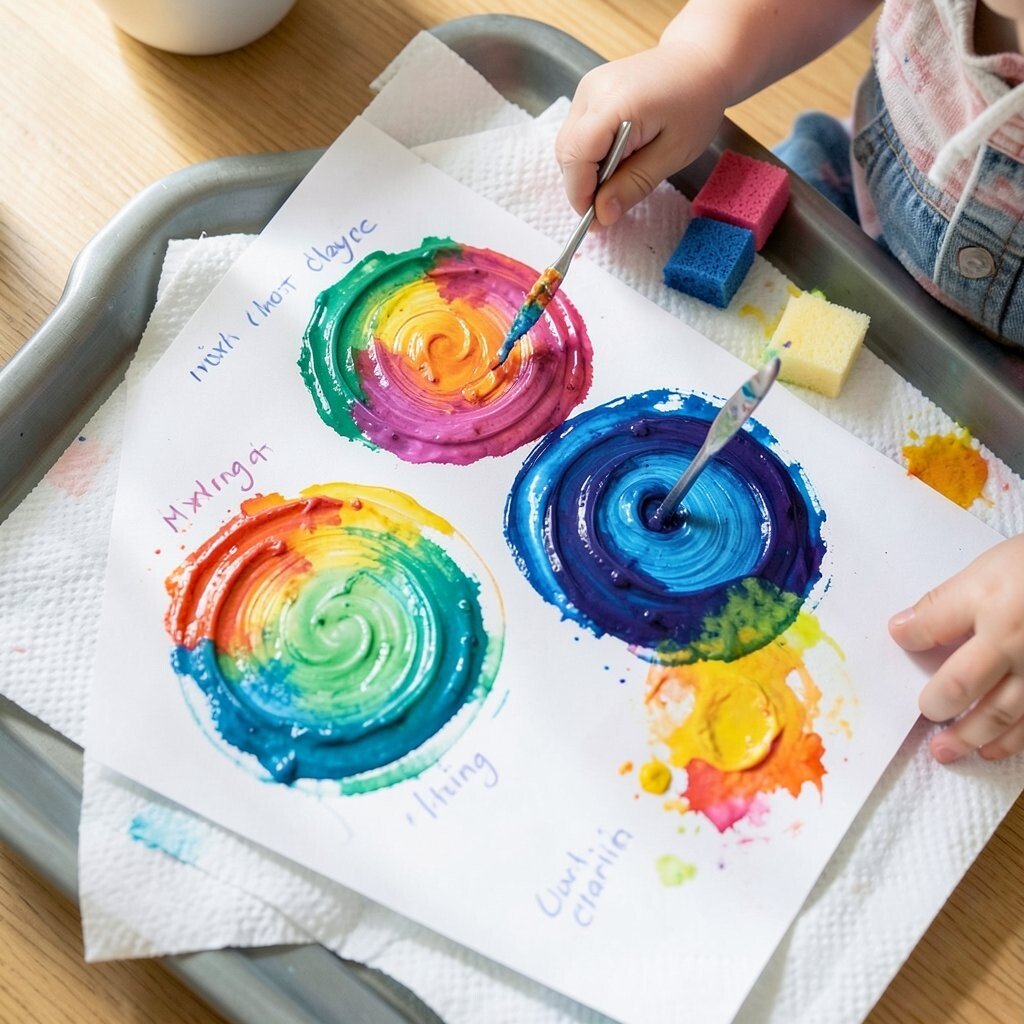
Draw big circles on paper and label them with matching colors using light marker. Then have your toddler sponge paint inside each circle and watch the edges blend.
When one circle overlaps another, mix happens right on the page. The visual is bright, and toddlers feel like they’re making their own magic. This builds early science thinking about cause and effect without heavy explanations.
Use kitchen sponges cut into small pieces for easier handling. Personalize by making a “mixing chart” for your child’s favorite colors. For cost, you can reuse sponge scraps and use inexpensive washable paint.
Make cleanup easier by working on a tray lined with paper towels. Keep the circles large so spills are still manageable. Encourage them to choose their own color combinations for a personal touch.
10. Rolling Paint Trucks With Tape Tracks
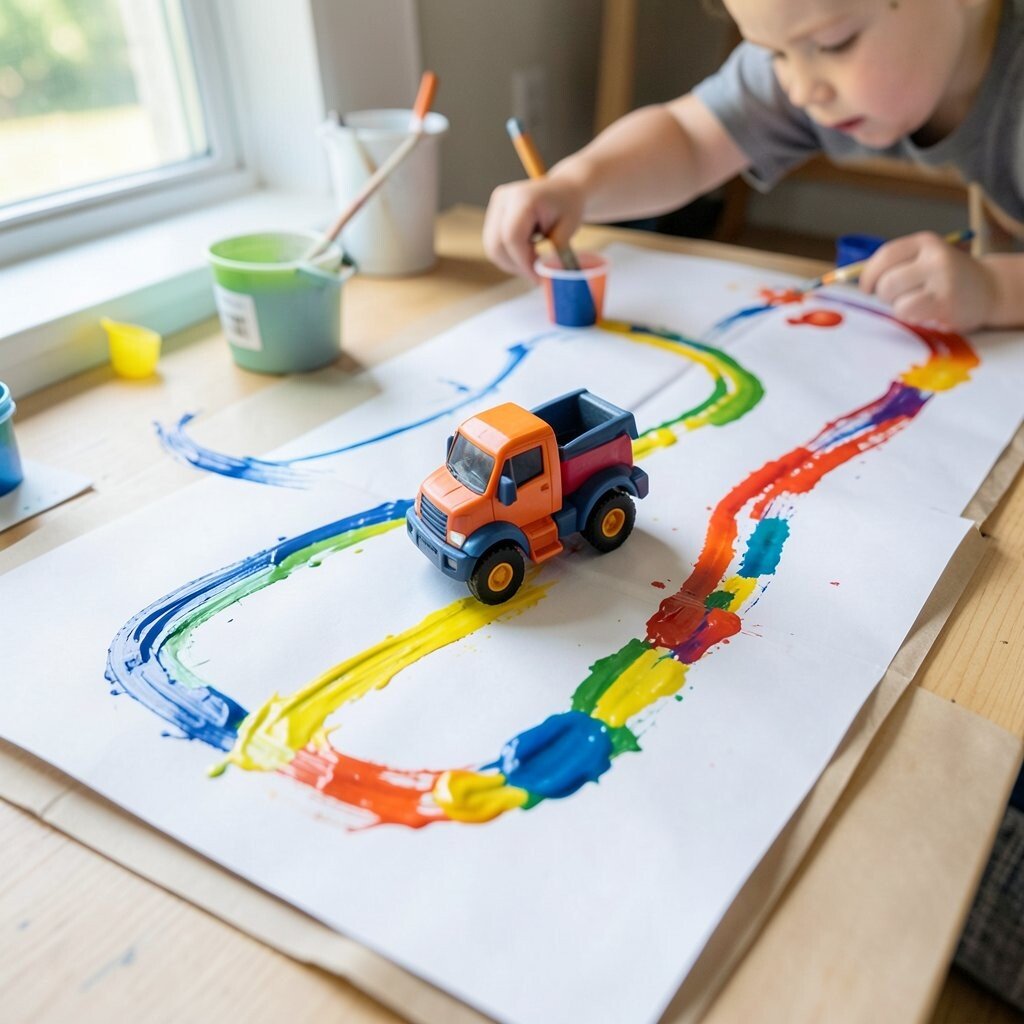
Make simple “tracks” on paper using painter’s tape, like roads that curve and stop. Add paint along the track edges and roll a toy car through.
As the wheels move, they drag color and create lively lines. The result looks like moving art and feels exciting for active toddlers. This also strengthens coordination because they follow the path with their car.
11. String Pull Art for Wiggly Lines

Coat one end of string with paint and lay it across paper. Then lift and pull the string gently to drag color into curves.
The lines look like scribbles that turned into something real. This project builds motor control and teaches toddlers that different speeds create different results. It also feels like a game, which keeps attention steady.
Use thicker string or yarn for easier gripping. Personalize by shaping the pulled line into a letter for your child’s name or a fun animal outline. For cost, string and yarn are usually already in the home and work for many sessions.
12. Foil Texture Collage With Crinkle Cuts
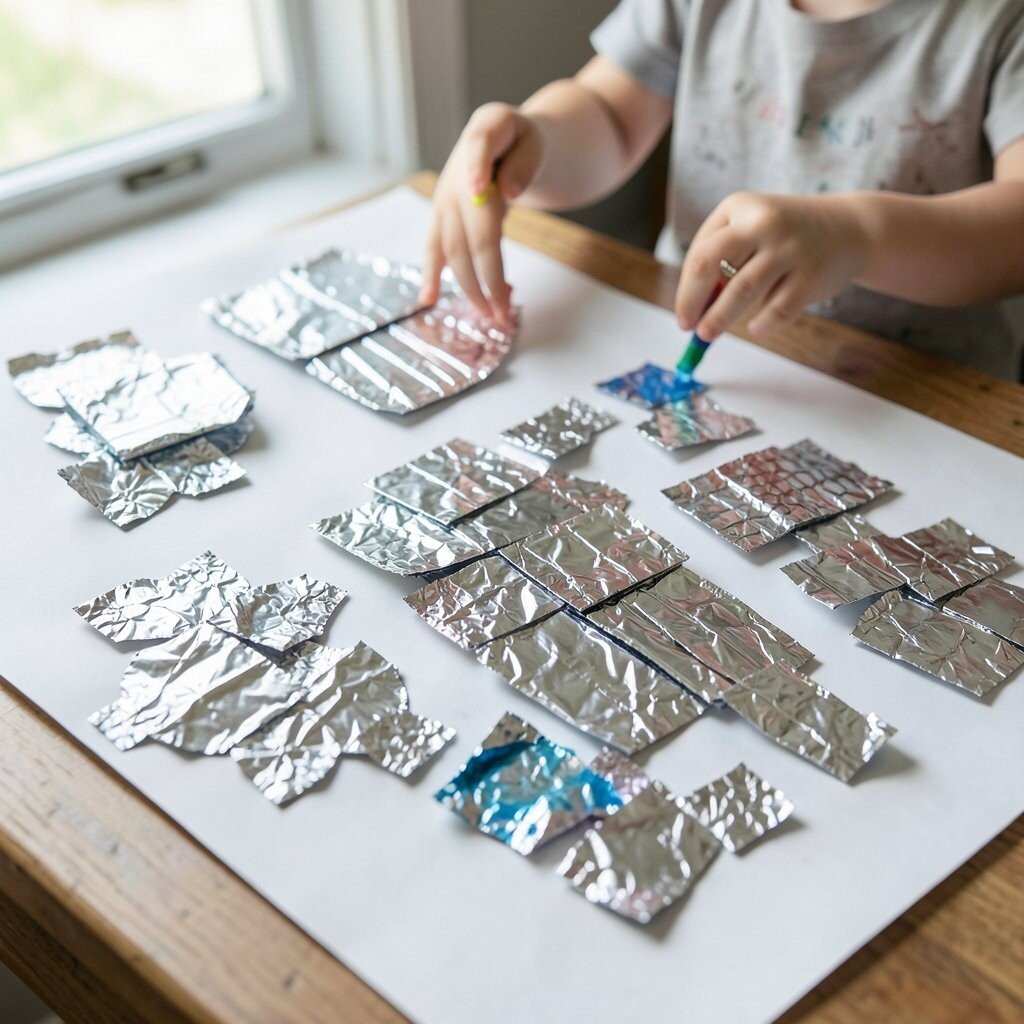
Cut small foil squares and let your toddler crinkle them slightly. Glue them onto paper to create a shiny collage with strong texture.
The metallic sparkle looks amazing under window light and makes each shape pop. This builds sensory awareness and encourages creative choices about size, placement, and color pairing. It also helps toddlers practice sticking without pressing too hard.
Keep foil pieces large and use washable glue so the experience stays safe and easy. Personalize by making “robot skin,” “dragon scales,” or “star confetti.” For cost, foil is cheap in small amounts, and you can save leftovers from cooking.
13. Shadow Art With Paper and Tape Frames
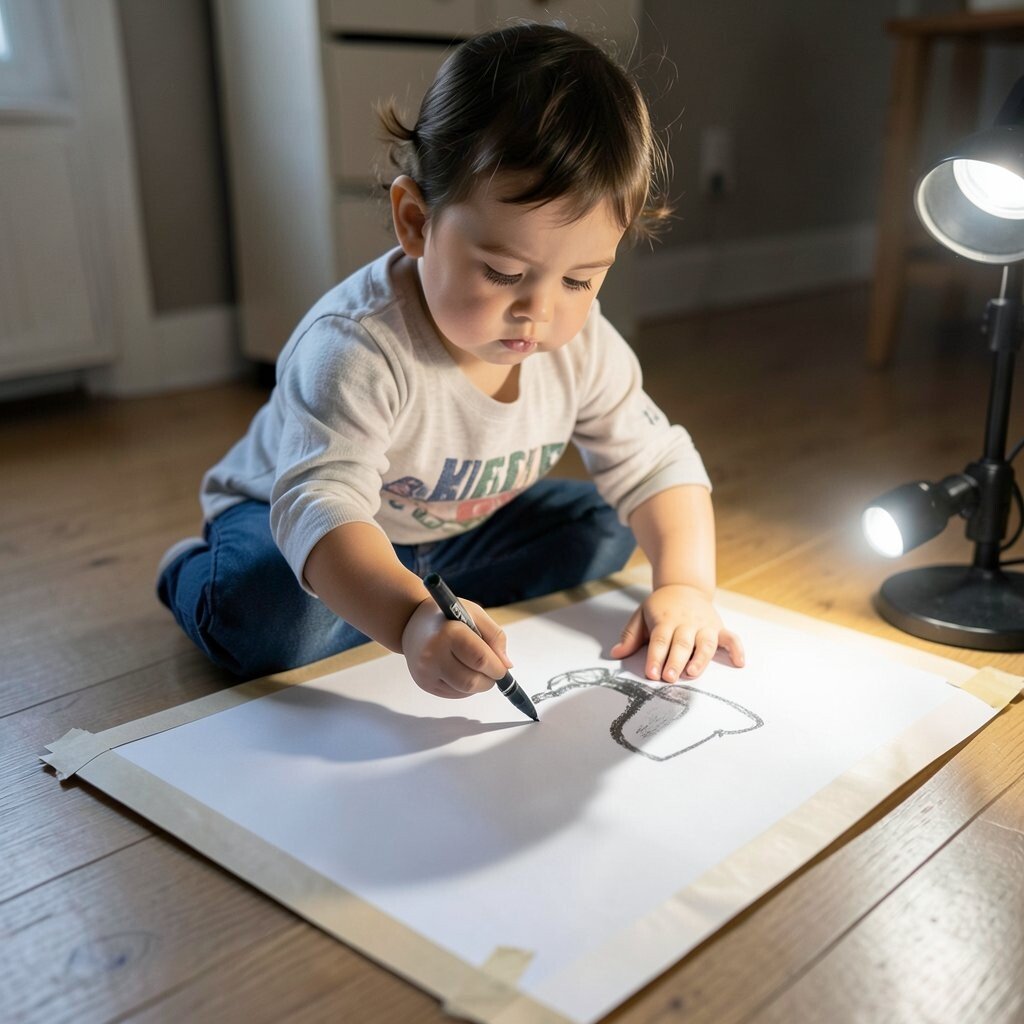
Place paper on the floor and make a frame with tape so it stays put. Then lay a flashlight or lamp nearby and add objects to cast shadows on the paper.
Your toddler can trace the shadow shape with a fat marker when the light moves. The visuals feel dramatic and real, like mini theater scenes. This activity supports observation skills and helps toddlers connect what they see with what they make.
14. Watered-Down Paint Resist With Glue Lines
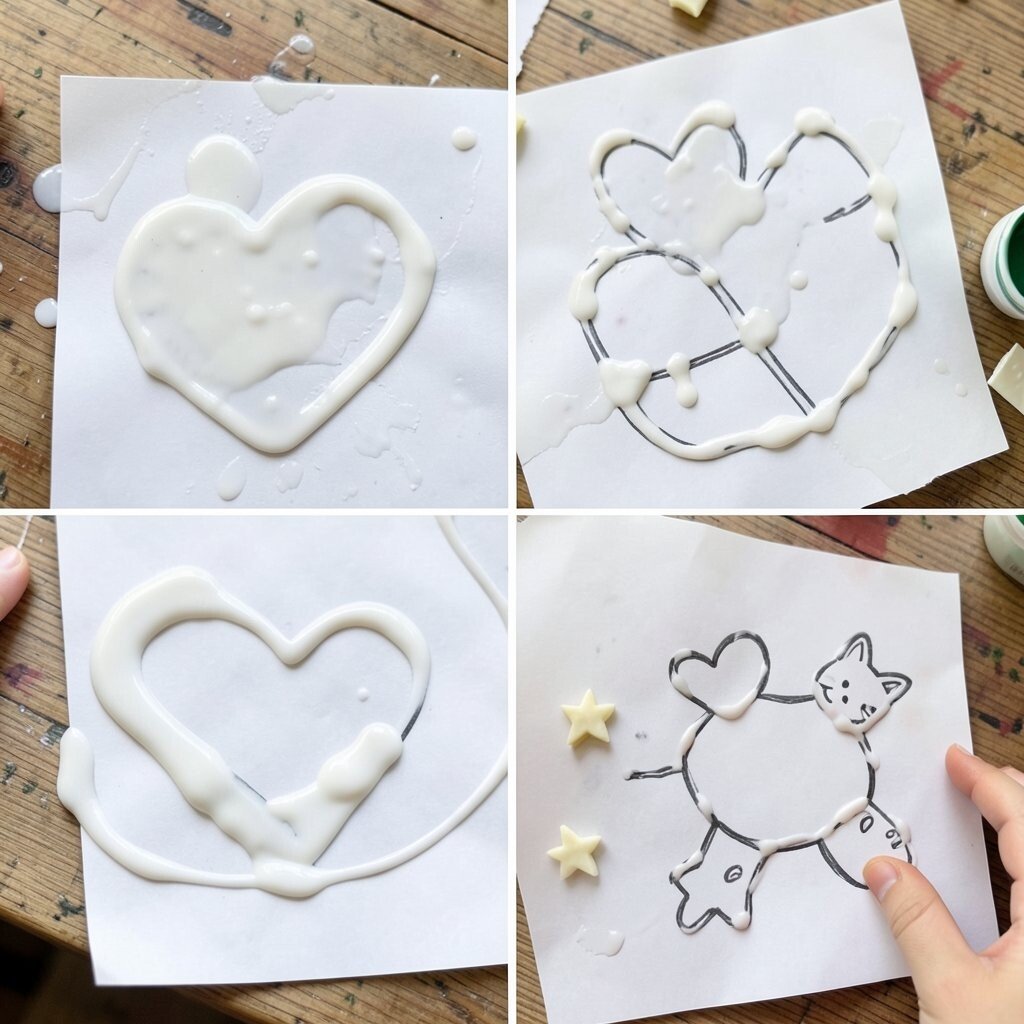
Draw shapes using white glue on paper, then add watered-down paint over the surface. The glue resists the paint slightly, creating clean lines and bumpy texture.
Watch as colors pool and spread around the glue, forming soft edges. This looks unique and gives a fun 3D feel even without clay. It also encourages toddlers to plan where they want lines and how big they want their shapes.
Use thick glue for stronger “resist” effects and let it dry fully before touching. Personalize by drawing simple symbols like hearts, stars, or favorite animals. For cost, school glue and washable paint are affordable, and you can reuse paper scraps for quick sessions.
15. Pastel Chalk City on Sidewalk Paper
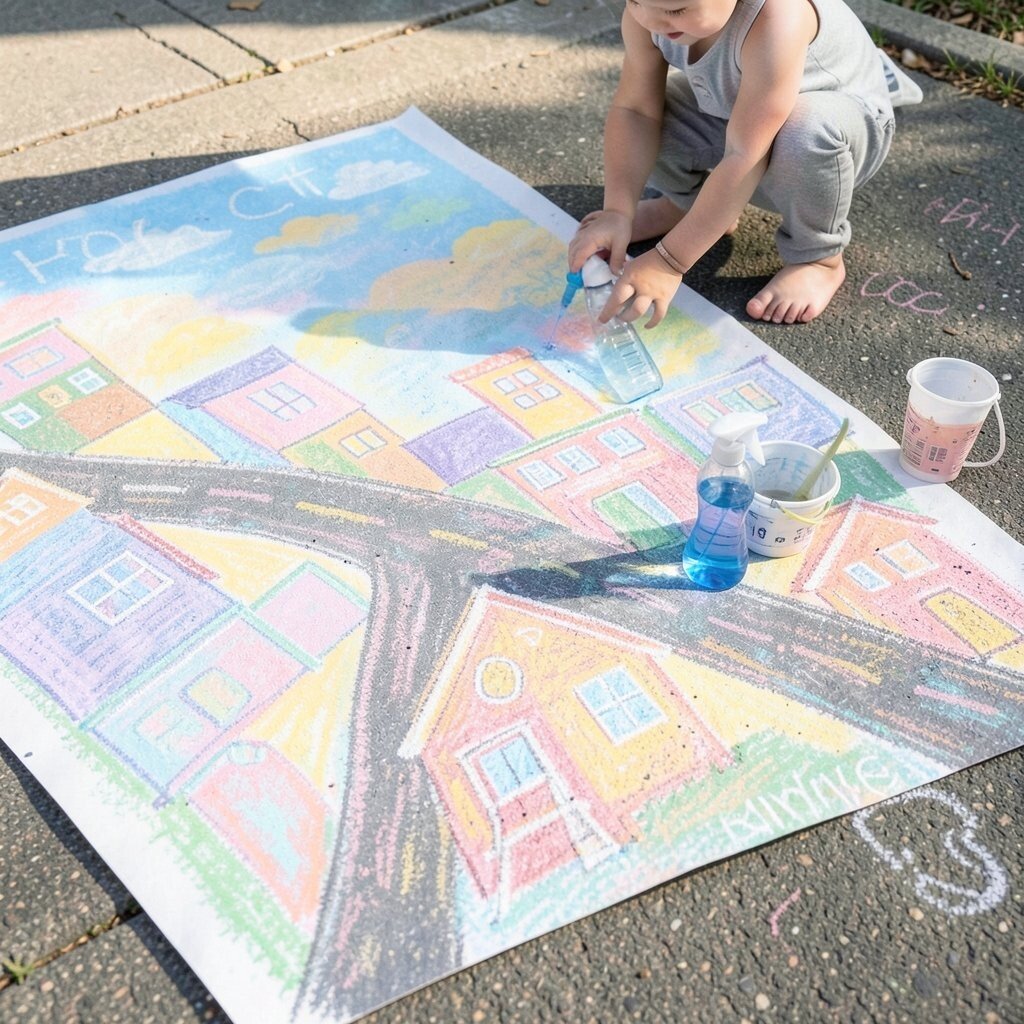
On sidewalk paper or thick craft paper, draw buildings and roads with chalk. Add layers of pastel colors to make the city look warm and bright.
If you have pavement chalk, let your toddler draw on a large flat surface too. The bright visuals feel lively, and outdoor art builds big energy release. This project also teaches toddlers about bold lines and how to fill a space.
Use a spray bottle of water on some drawings so colors blur into soft skies. Personalize by making a “home” building with a window shape or a “school” with a slide. For cost, chalk is usually cheap, and sidewalk paper can be saved and reused for short marks.
Choose a shaded area if the sun is strong, and keep a small bucket for easy cleanup. Encourage them to sign their work with their own scribbly name.
16. Leaf Vein Painting With a Spoon
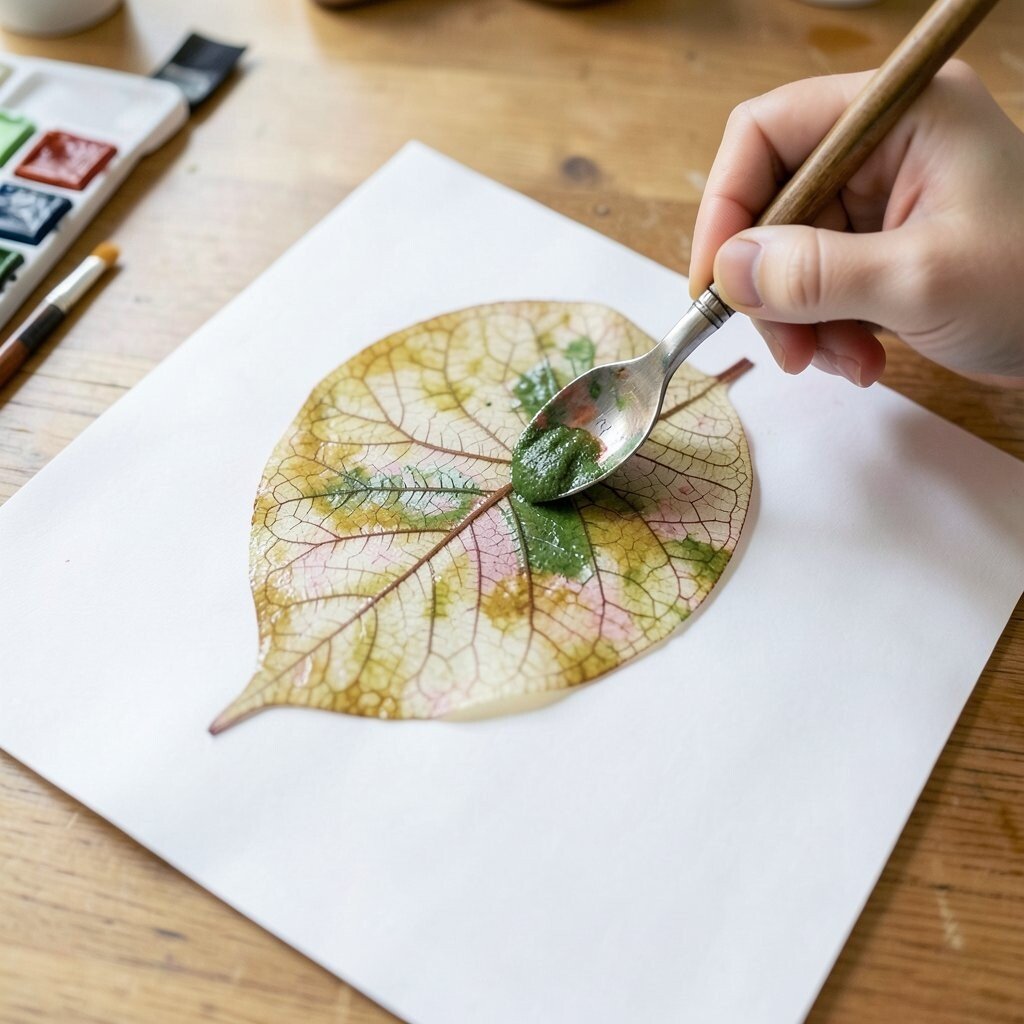
Place a leaf on paper and paint over it lightly using a spoon or sponge. Then lift the leaf to reveal a leaf-vein pattern.
The image looks delicate and detailed, like a natural printing press. This helps toddlers notice shapes and edges while building confidence through repeatable success. It’s also a great sensory activity because the leaf’s texture transfers into the paint.
17. Colored Rice Sensory Globe Picture
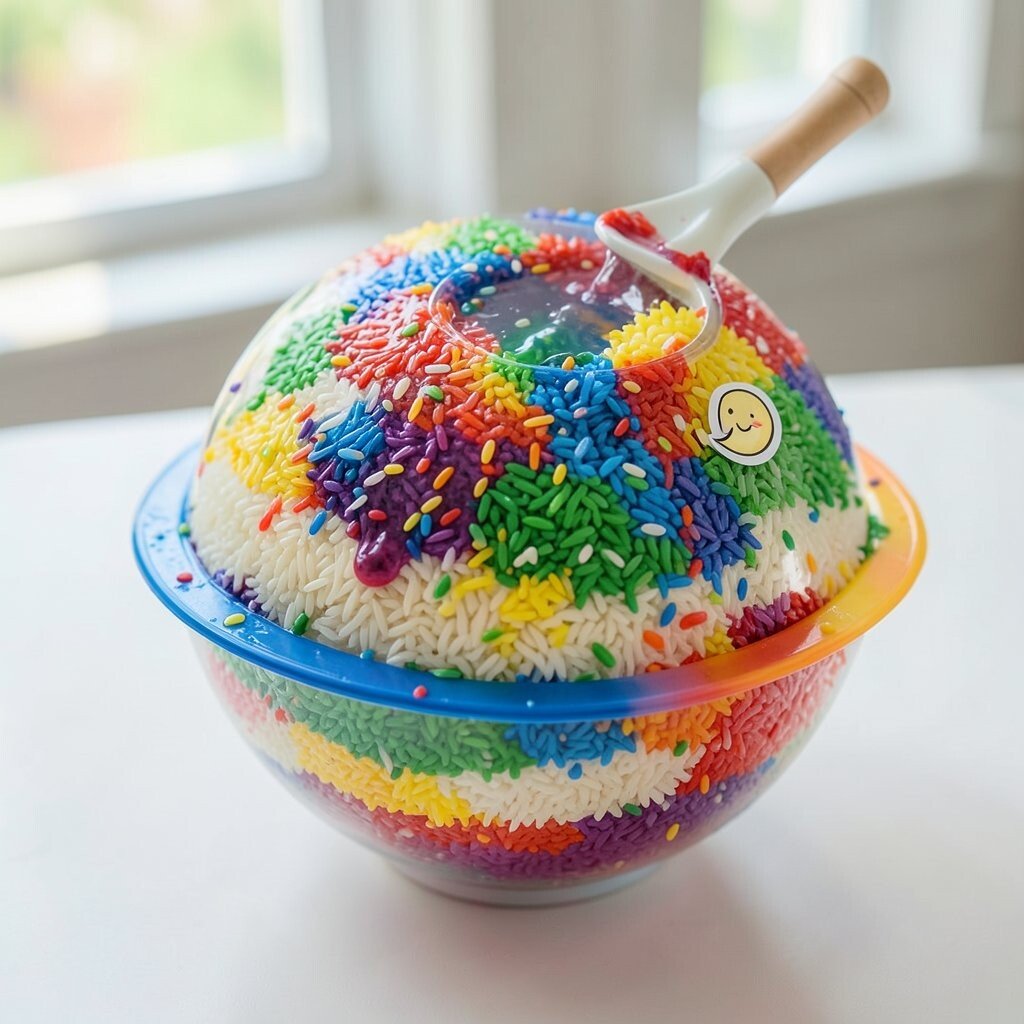
Spread glue inside a circle outline, then sprinkle colored rice on top. When it dries, the rice becomes a textured globe with bright color.
Show how to tap and pour so they control the amount of material. The finished piece is visually eye-catching and feels unique every time. This supports fine motor skills and patience, which many toddlers enjoy when the steps are short.
To keep costs down, use regular uncooked rice and tint it with a few drops of food coloring or washable paint. Personalize by making a “planet” with rings using a different color rice. Add a small sticker moon for extra fun and easy decoration.
18. Masking-Tape Animal Tracks
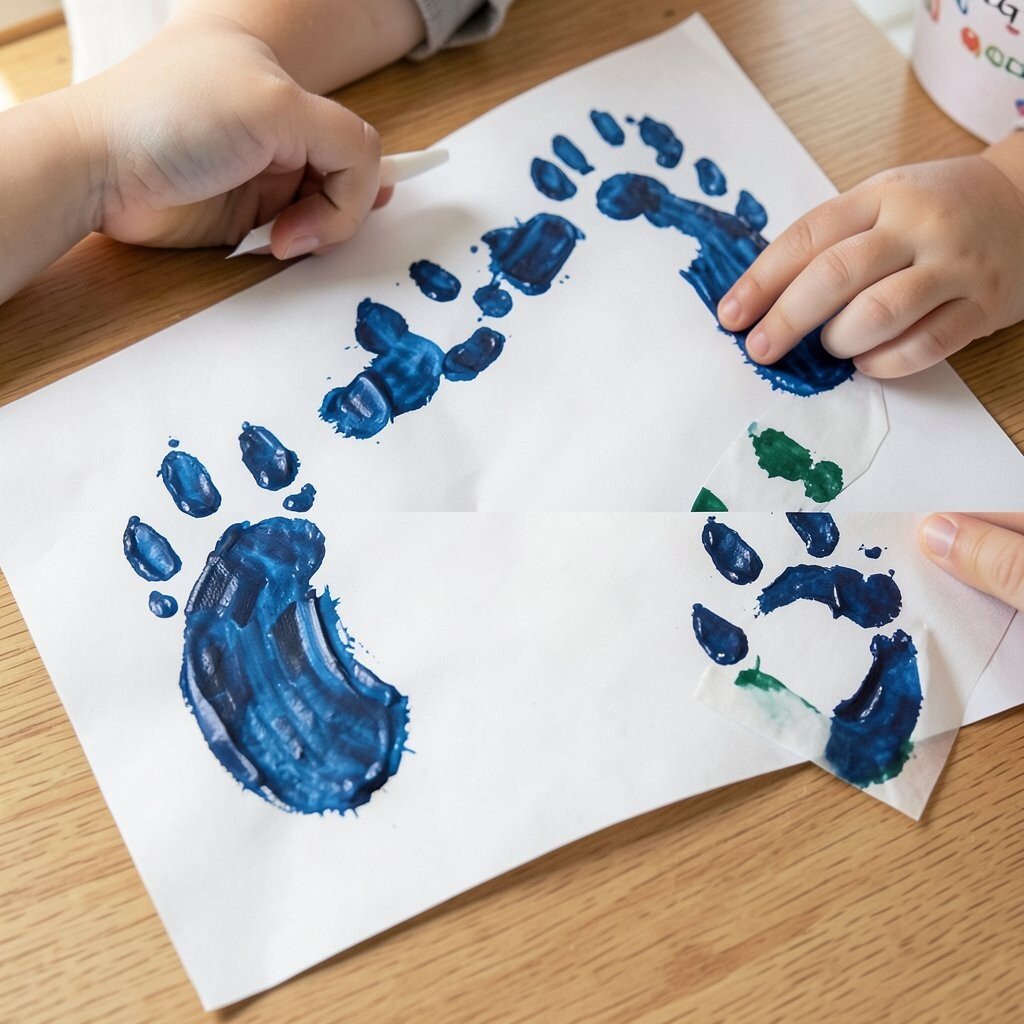
Create animal track shapes by sticking masking tape onto paper, then paint over them. Pull the tape off after drying to reveal clean track silhouettes.
The visual looks bold and graphic, like tracks you’d spot in a storybook. Toddlers enjoy guessing what the tracks might belong to, which makes conversation part of the art. This also helps them practice predicting what will happen after paint.
19. Sponge Print Butterflies With Paper Wings
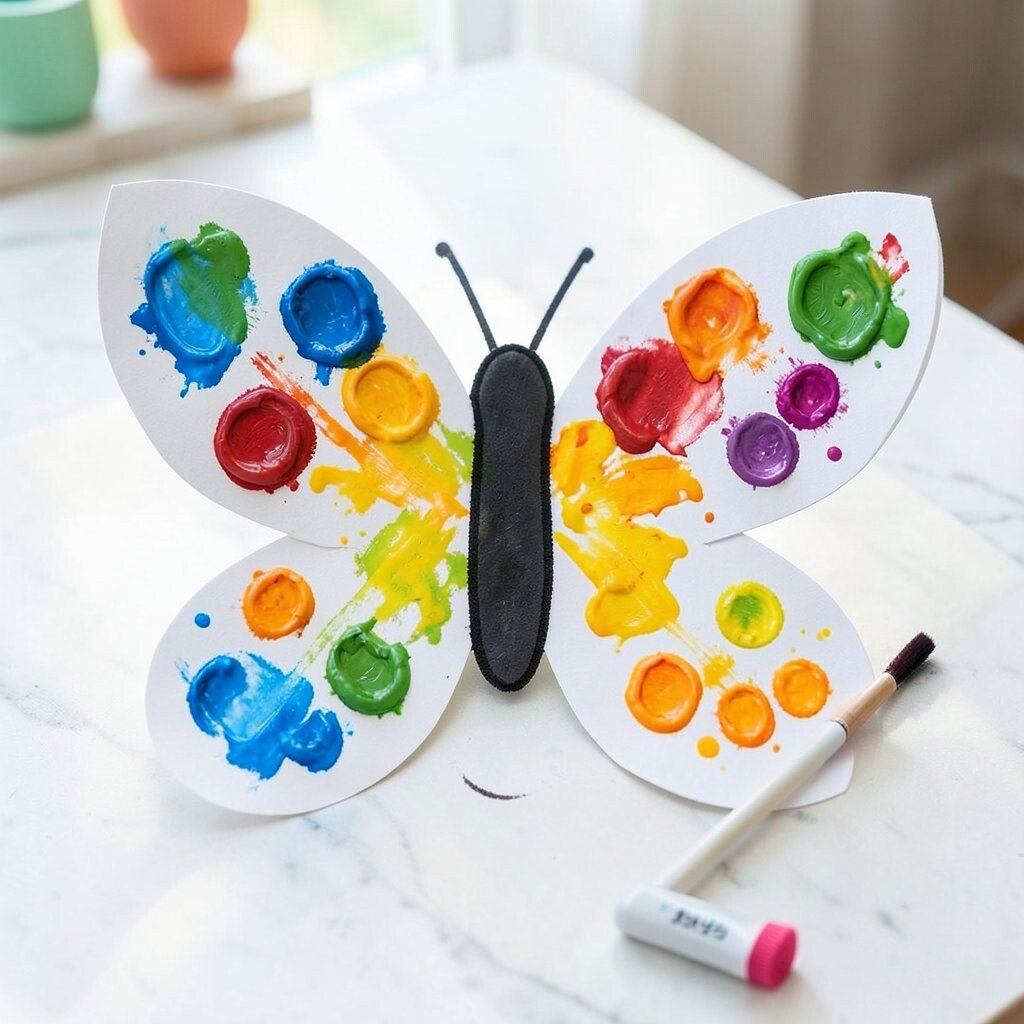
Cut two wing shapes from paper and place them like a butterfly body. Use sponge stamps to add patterns on the wings with bright washable paint.
The final image looks cheerful and lively, especially when you add a simple black line body. This helps toddlers practice symmetry in a fun way, because they can print one side and then try the other. The process feels like building a character, not just coloring.
Personalize by using your child’s favorite colors and adding a tiny smile with a marker. Use a foam sponge brush so paint spreads evenly without mess. For cost, paper scraps and sponges are easy to find, and the same butterfly template idea can work for many themes.
Let them choose how many spots they want, since the randomness makes it feel truly theirs.
20. Bubble Wrap “Alphabet” Scribble Cards
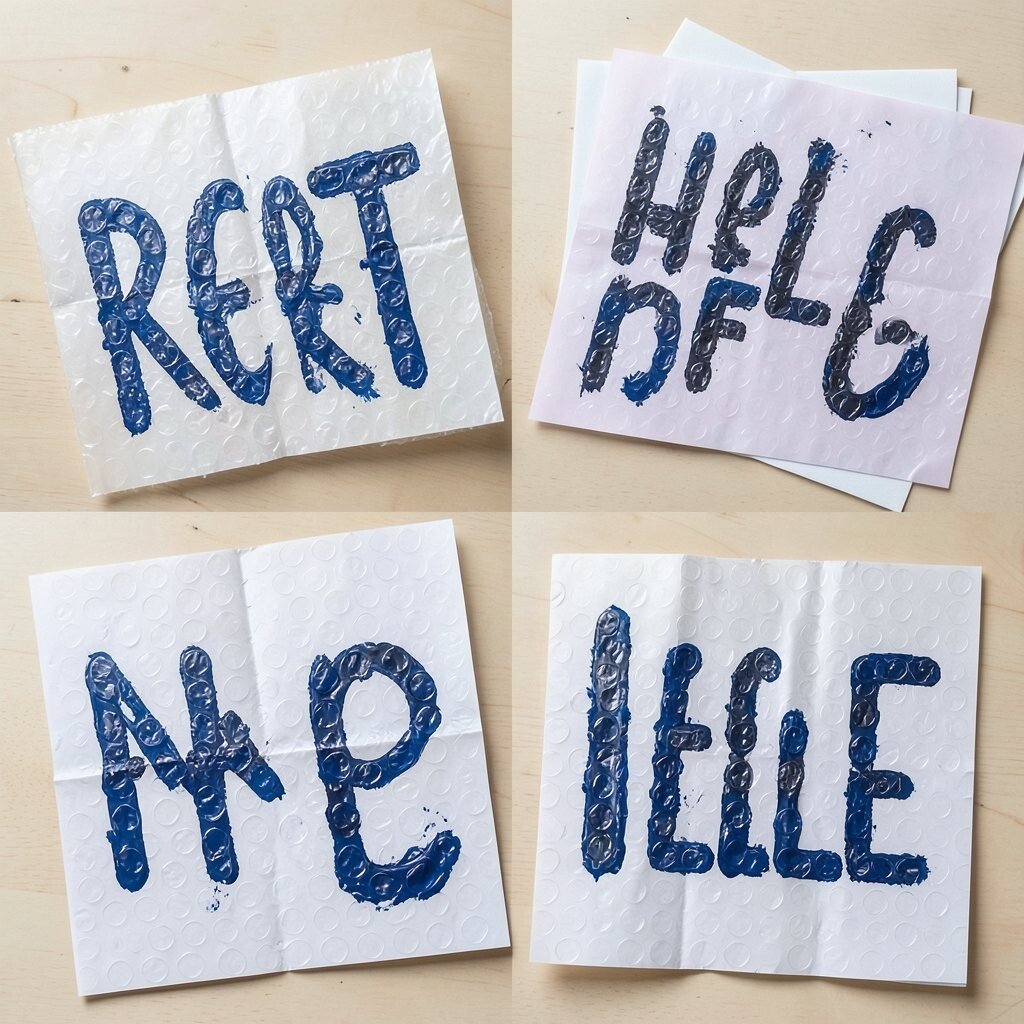
Press bubble wrap onto inked paint to make repeated letter-like shapes. Then fold the paper into cards so each print looks like a greeting message.
Even when the shapes aren’t perfect letters, toddlers learn rhythm and pattern. The bold texture feels modern and playful, matching trends in tactile art. It also creates a fun keepsake you can display or mail to family.
Personalize by making cards for birthdays or just to say “hello” in your child’s own way. Use washable paint pads to keep setup quick and cleanup calmer. For cost, bubble wrap and paper are often free or already around, and ink can be a small addition rather than a full expense.
21. Collage Letters From Scrap Materials
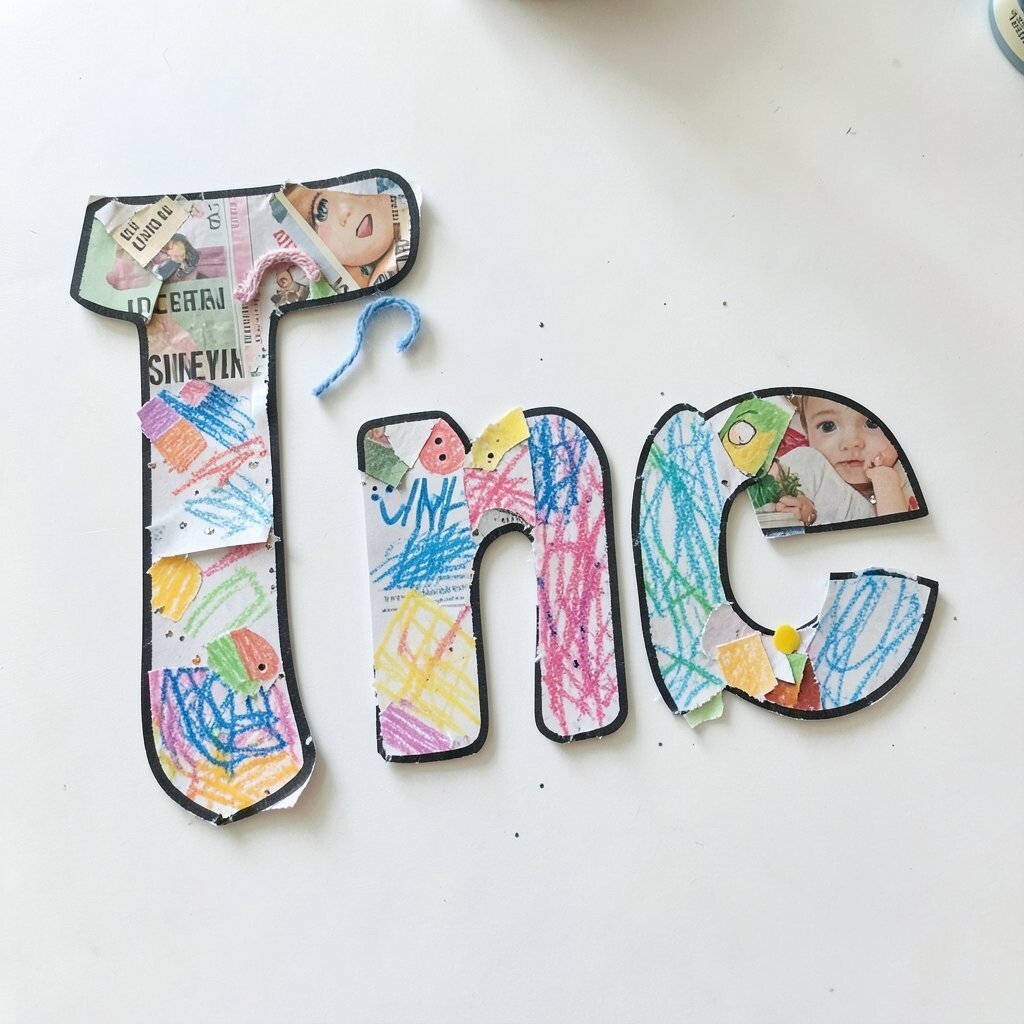
Choose one letter your toddler likes, then cut or tear scrap materials to fill it. Use magazines, wrapping paper, fabric bits, and crayon scribbles for color.
The letter becomes a visual mosaic that looks unique and personal. Toddlers love seeing their name letter or a favorite initial because it feels connected to them. This project supports focus and decision-making while practicing early letter recognition in a low-pressure way.
Use a thick outline of the letter so it’s easier to cover, and try glue stick first for less mess. Personalize by adding tiny details like a “moustache” made from yarn or sparkles made from paper holes. For cost, scrap materials are free, and the only new items might be glue and a marker.
Keep pieces big and simple, and let your toddler lead the placement. If they want to change the design halfway, treat that as the best part of the process.