A yard of odds and ends can turn into a friendly creature with a heartbeat of yarn and imagination. Get ready to make puppets that grin back at you from the recycling bin.
These projects are playful, budget-friendly, and perfect for hands-on fun. You’ll also get the satisfaction of giving old materials a second chance in a brand-new outfit.
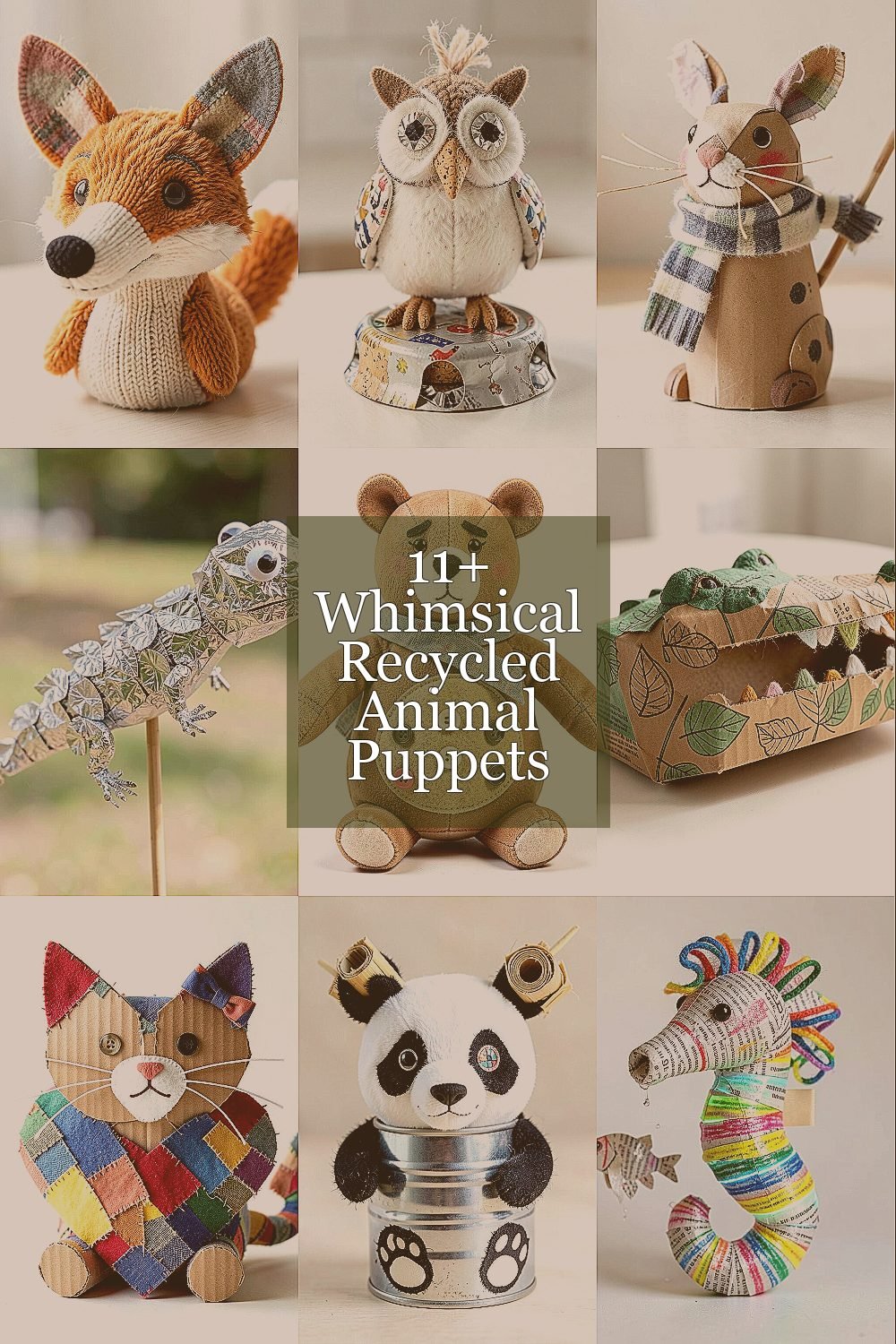
1. Sock-Snouted Fox With Patchwork Ears

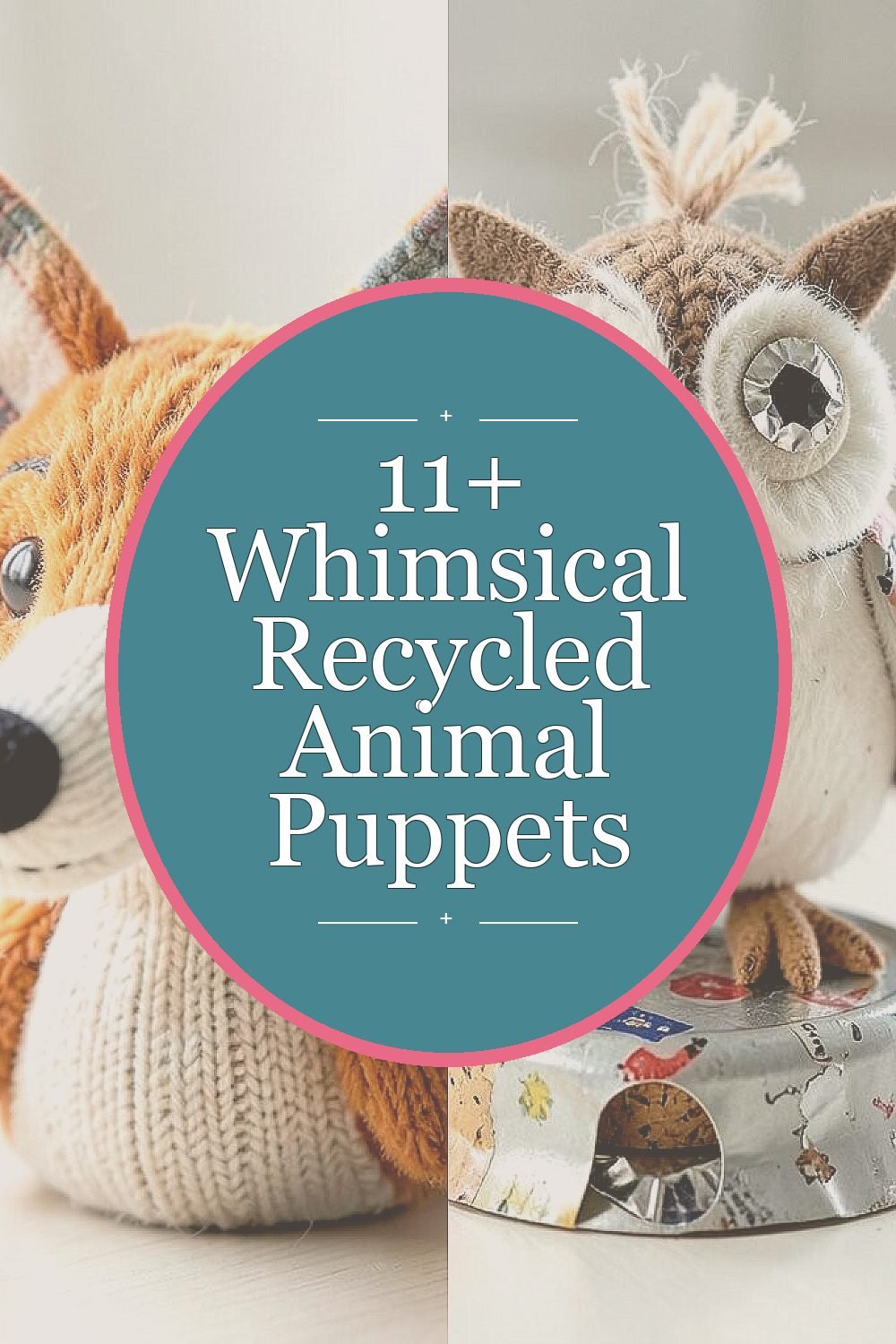
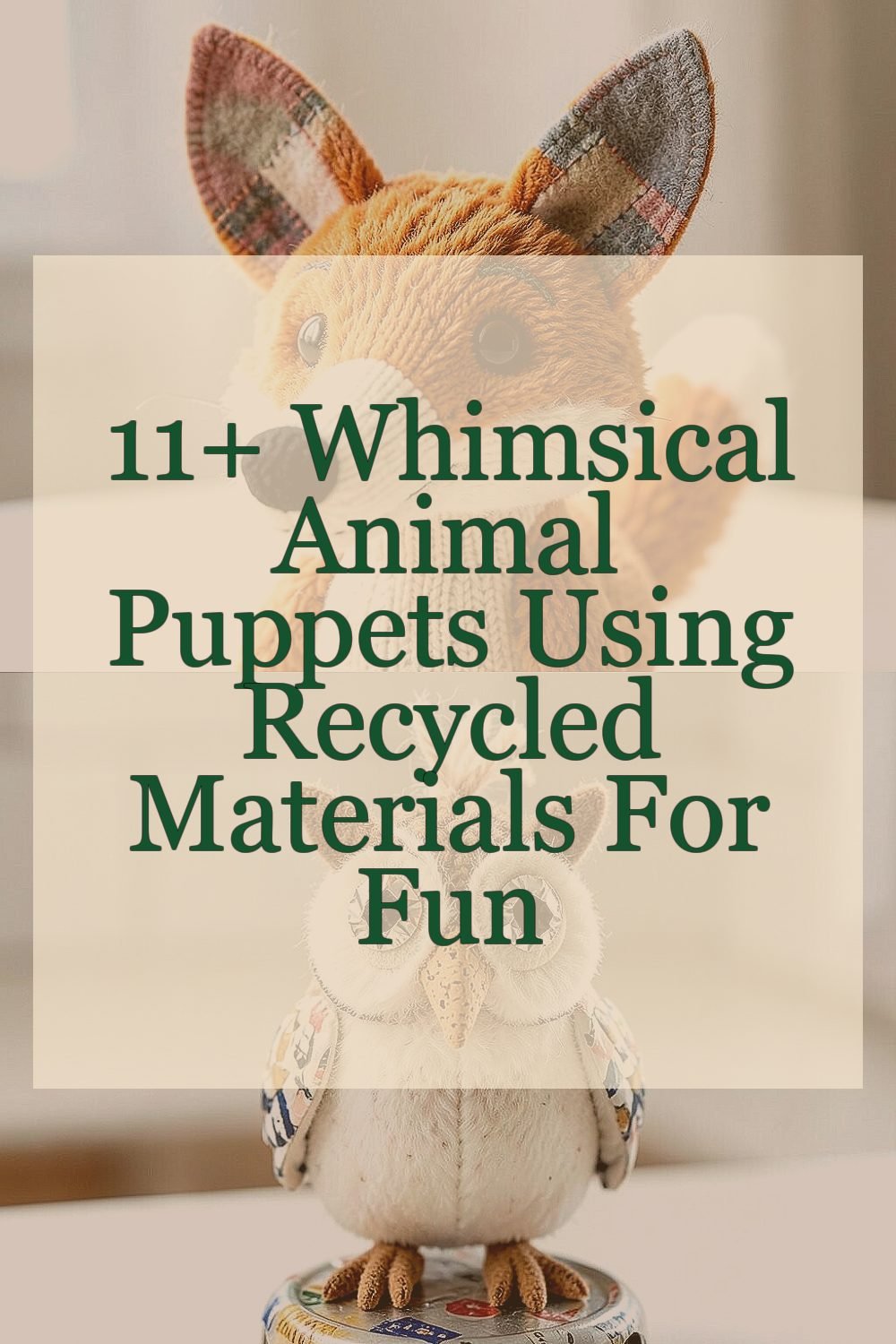
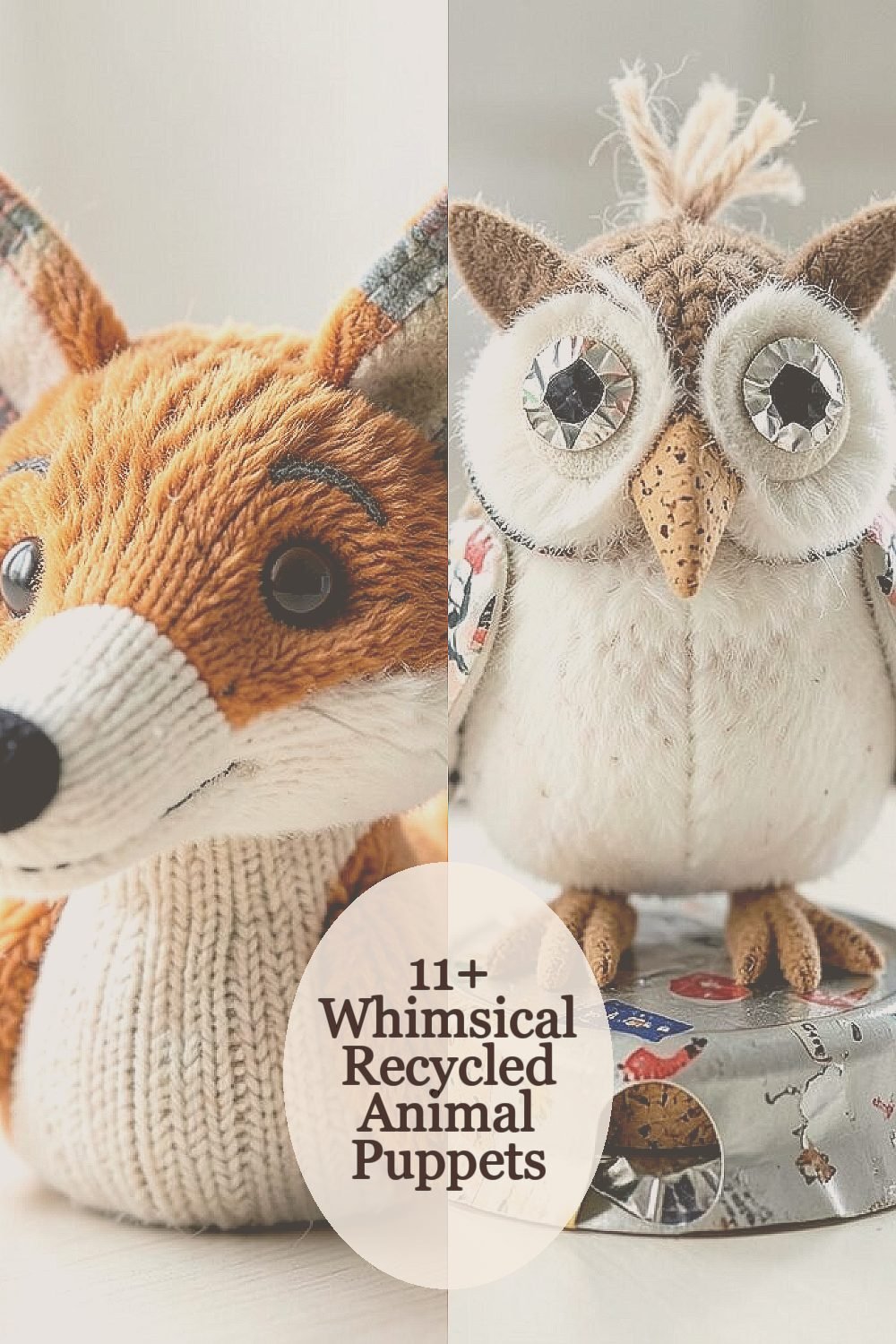
Picture a warm, fuzzy fox made from an old sock, with a slightly floppy snout that makes it look like it’s always mid-whisper. Add two felt scraps for ears and stitch them on so they stand up like curious antennae.
When you glue or sew on a button nose, the puppet suddenly feels full of personality, like it’s ready to tell a little story. Use the sock’s heel as the head bump for extra character, and stuff lightly so it can be posed without getting lumpy. This kind of puppet is great for practicing fine-motor skills because sewing and stuffing feel steady and doable.
2. Bottlecap Owl With Corky Beak
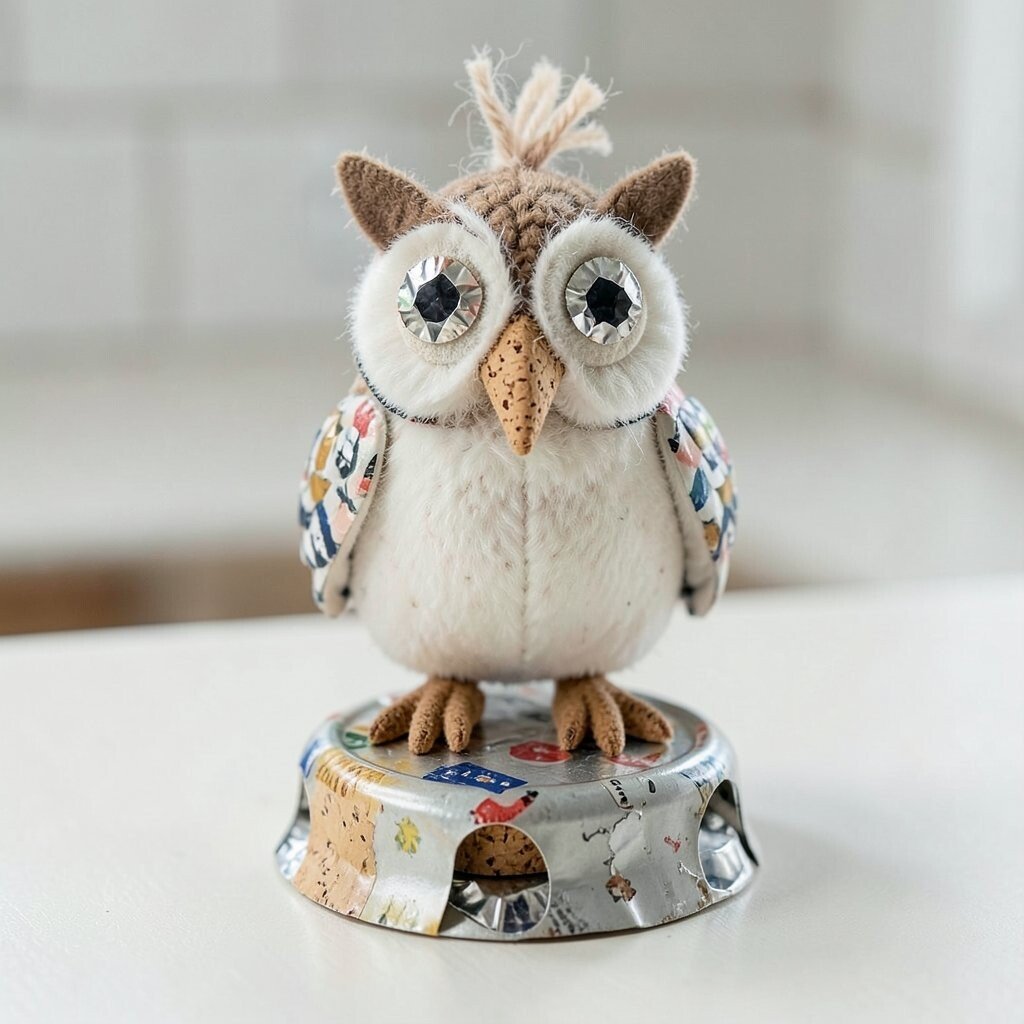
Imagine a tiny owl perched on a recycled bottlecap, its eyes made from shiny bits of leftover packaging. A cork scrap can become the beak, giving it a speckled, natural look that feels oddly wise.
This puppet is unique because it uses small, glossy materials that catch light and make the owl look alert. It’s also a low-waste choice, since bottlecaps and cork bits are often waiting in drawers or kitchen bins. For best results, roughen the smooth surfaces a bit before attaching pieces so the glue grips better.
You can personalize the owl by adding a yarn tuft on top or a scrap-wing pattern around the sides. Many classrooms and makers now enjoy mini builds like this because they’re fast, shareable, and great for showing off on shelves. If you keep a small “craft shine” jar with bottlecaps and foil scraps, your costs stay low and your ideas stay flowing.
3. Paper-Tube Rabbit With Springy Whiskers
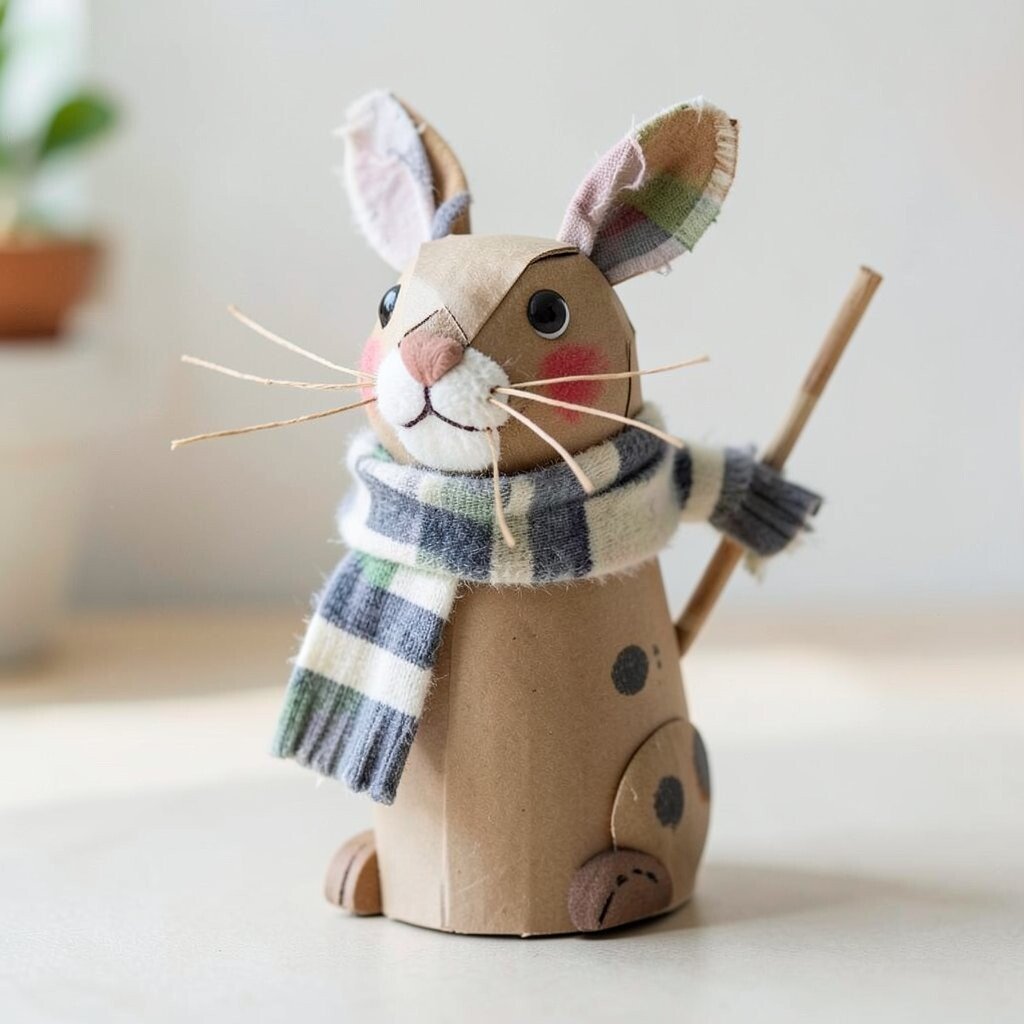
Visualize a rabbit shaped from a cardboard paper tube, wearing a fluffy scarf made from an old T-shirt strip. Its whiskers can be thin twine, gently curved so they look like they’re bouncing when the puppet moves.
This design feels practical because tubes provide a sturdy base, letting the rabbit stand while you perform. Cut two small ovals for ears, then wrap them with fabric scraps so they look soft, even from a distance. The result is whimsical without being fragile, which is ideal for kids who want to play repeatedly.
Personalize the rabbit with painted spots, or use fabric markers to draw rosy cheeks and a tiny nose. A fun current trend is “reuse-first crafts,” and paper-tube characters fit perfectly because they look creative while using what you already have. If you save tubes from paper towels and shipping packages, you’ll be ready for this project anytime without extra spending.
You can also swap materials to match seasons, like using green scraps for spring or brown for cozy autumn vibes. For easier movement, add a simple handle by taping a stick to the back inside the tube, then secure it with cloth tape.
4. Tinfoil-Leaf Lizard On a Stick Frame

Think of a lizard with scales made from crumpled foil, stretched into little leaf shapes along the body. A simple stick frame turns it into a puppet you can lift like a flag, and the foil catches light when you move it.
This puppet stands out because foil creates a shimmering, crinkly texture that feels alive in your hands. It’s a great recycling win since foil often comes in snack wrappers and cooking packs. For safety and comfort, cover sharp edges with tape and keep foil pieces smooth, so nobody gets poked.
To make it more playful, add googly eyes made from leftover plastic or bottle caps and attach them with hot glue or strong craft glue. Personalize the “scales” by cutting different sizes of foil leaf bits, so the lizard looks patterned like a real friend. If you’re watching costs, the project can be almost free because foil and sticks are easy to save.
5. Old-Glove Bear With Button Belly

Picture a friendly bear built from an old glove, where the fingers become little arms and the thumb becomes the head. Stitch on a felt patch belly and sew buttons in a row so it looks like the bear has a cozy, happy tummy.
This puppet is unique because it uses a recognizable item shape, so the bear instantly feels wearable and expressive. It’s also practical since gloves already have padding and seams that help pieces stay in place. Add a strip of fabric for a tiny scarf and you’ll get instant personality without needing expensive supplies.
To personalize, paint or stitch simple eyebrows that shift the mood from sleepy to silly. Many craft trends now encourage “character casting” by using familiar materials as the body, because it makes the creative process feel faster and more fun. If the glove is a bit worn, that’s perfect for a grumpy-grin bear who looks well-traveled.
For best comfort during play, reinforce button attachments with extra thread, especially if children will act out stories for a long time. Keeping a small box of spare buttons and felt scraps means you’ll always have finishing touches ready.
6. Cereal-Box Crocodile With Yarn Teeth

Imagine a crocodile made from a flattened cereal box, then folded into a long, curved grin. Yarn scraps become toothy shapes along the mouth, making the puppet look like it’s smiling before a playful chomp.
This project is helpful because cardboard gives the body structure, so the puppet holds its shape while you move it. It’s unique because the “teeth” can be thick and soft instead of sharp, which makes it child-friendly and still dramatic. Cut edges carefully and cover them with fabric tape so the puppet feels smooth in hands.
You can personalize the crocodile with marker scales, or glue on cut-out leaf patterns from junk mail for a textured look. A current trend is using packaging as art, and cereal-box characters fit right into that style. Cost stays low since cereal boxes are plentiful, and yarn can be rescued from old scarves or thrifted bundles.
7. Cardboard-Heart Cat Using Fabric Scraps
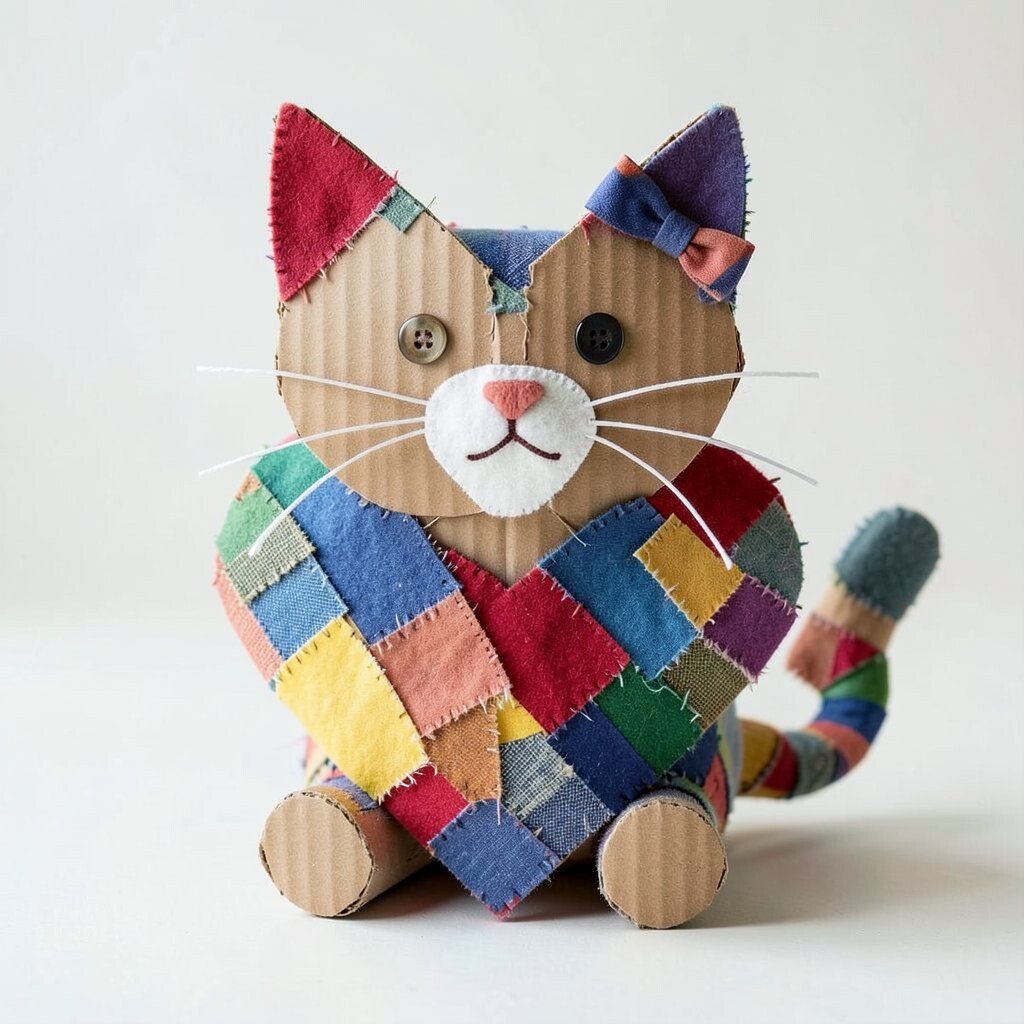
Picture a cat whose body is shaped like a big cardboard heart, then wrapped in colorful fabric strips like a patchwork coat. The ears can be triangles cut from scrap felt, and the tail can be a curled strip of paper or cloth.
This puppet feels whimsical because the heart shape makes it look sweet even when it’s doing a dramatic “meow.” It’s practical too since cardboard is easy to cut and offers a light but sturdy frame for play. Glue or sew fabric strips in layers so gaps don’t show, and press them down firmly for neat edges.
Personalize by adding a fabric bow on one ear or using buttons for eyes, which makes each cat feel different. Many makers love cozy, mixed-material patchwork right now, especially when they can use leftover clothing bits. If you save fabric ends from sewing projects, this becomes a nearly zero-cost craft with lots of color choices.
To make the puppet more expressive, attach thin yarn whiskers and let them fan out naturally. For extra charm, add a tiny pocket made from a scrap sleeve cuff where a “mouse” finger puppet can hide.
8. Tin-Can Panda With Bamboo-Scrap Bamboo Ears

Imagine a panda puppet using a cleaned tin can as the body, with a soft black-and-white look made from scrap fabric or painted paper. Add ears from a tiny bamboo strip or a rolled piece of straw-like material to create that natural, curious shape.
This design has a bold uniqueness because a simple can can look like a character once it’s wrapped and decorated with care. It’s also practical since the can’s weight helps the puppet stay steady while you perform. When you glue, let layers dry fully so the fabric won’t slide during handling.
For personalization, draw little paw pads on the front and add a patch for a patchwork eye, so the panda looks artsy rather than perfect. Current trends in upcycling often highlight “object-to-character” crafts, and this one fits that mood well. Costs can be low if you collect cleaned cans over time, then use scrap fabric and paint you already own.
9. Newspaper-Roll Seahorse With Crayon-Glowing Stripes
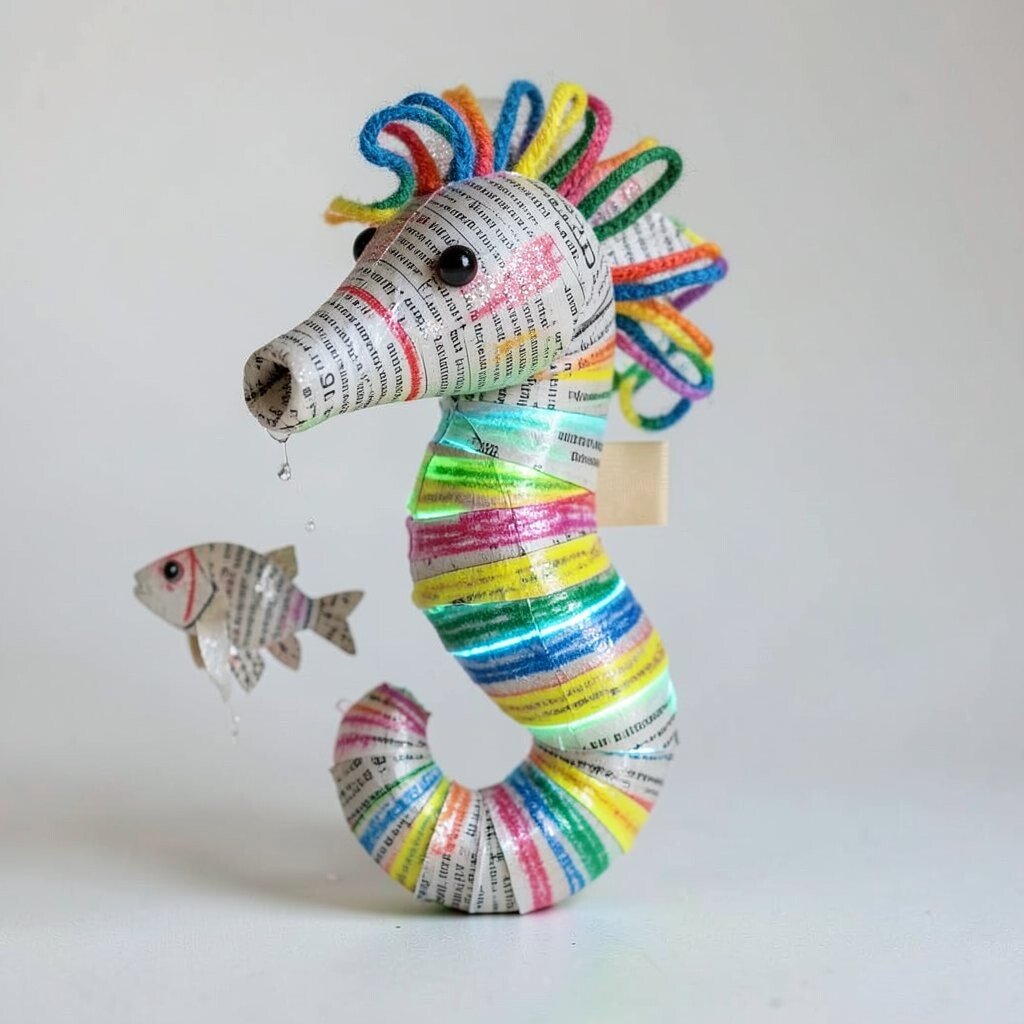
Picture a seahorse made from newspaper rolls, twisted gently to form a curved body. Wrap it in thin paper strips or cloth remnants, then add bright stripes with crayons so it looks like it glows in water.
This puppet is unique because it has a spiral texture that feels handmade in a special way. It’s practical since rolled paper is lightweight, easy to shape, and easy to store between uses. If the paper unravels, seal it with a thin layer of glue mixed with a little water, then let it dry thoroughly.
Personalize the seahorse by adding a curled yarn mane and using metallic markers on the stripes for a “sparkle” effect. Many craft spaces are leaning into recycled paper art lately, especially when it results in texture you can see up close. Keeping an old crayon collection or using bits of broken crayons helps manage cost and boosts color variety.
To make it puppetry-friendly, attach a small handle to the back with sturdy tape, so you can lift the seahorse for “swimming” stories. For extra fun, tuck a mini paper fish behind it so your performance feels like a whole ocean scene.
10. Milk-Jug Elephant With Sock-Puppet Trunk
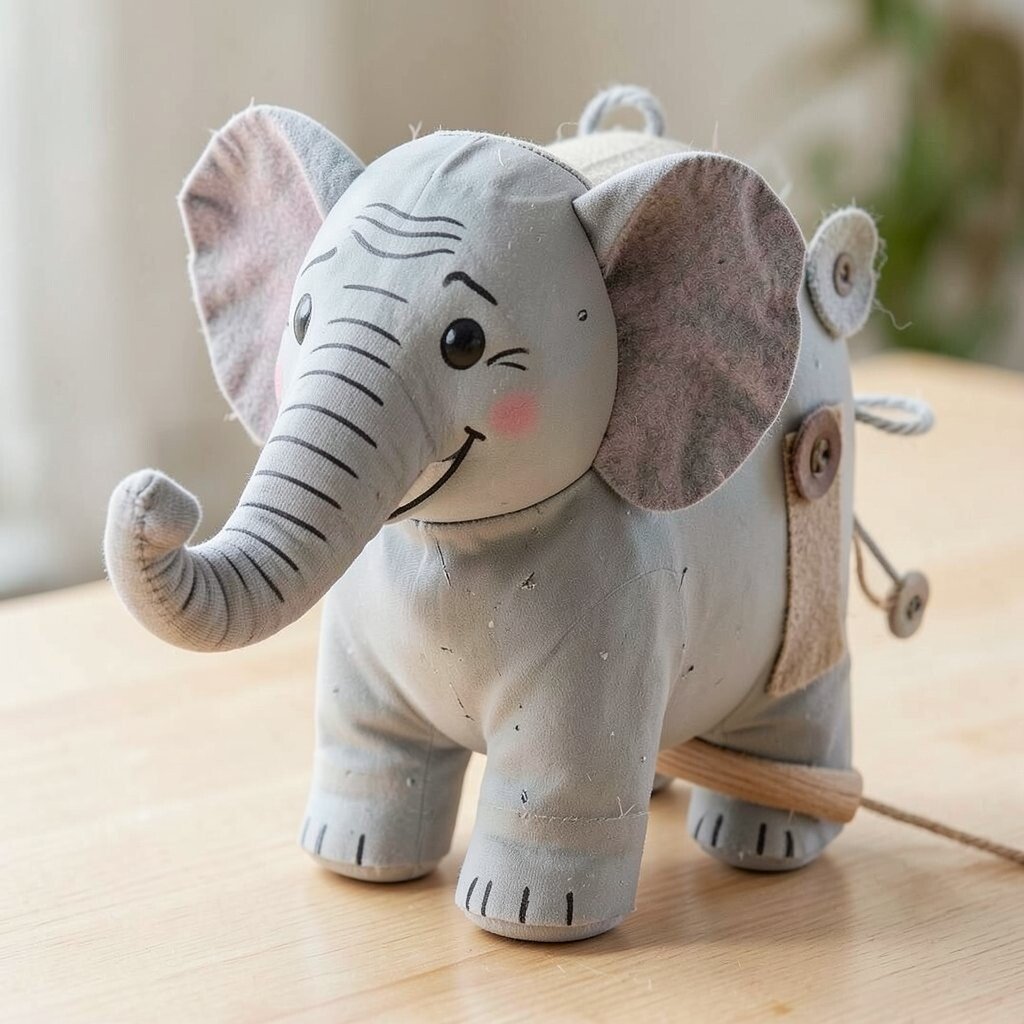
Imagine an elephant shaped from a cleaned milk jug, painted in gentle gray or wrapped in scrap fabric. Its trunk can be made from a soft sock piece, stitched into a tube that curls slightly at the end.
This craft is practical because the jug provides a roomy body, giving you space for decorations and sturdy attachment points. It’s unique because using a bottle container as a puppet body creates an instant silhouette that looks iconic. For best results, scuff the surface before painting or gluing so materials adhere without peeling.
Personalize the elephant with drawn wrinkles, a felt ear patch, and a friendly painted smile that looks different each time. Current trends in eco-crafts often highlight household recyclables, and milk-jug characters are a popular way to start. Costs are easier to manage since you’re using something you’d otherwise throw away, then spending only on small extras like buttons or felt.
If you want it extra fun, add small cloth loops on the back as “bubbles,” then slide yarn through them for movement during play. A sturdy handle can be made from a scrap yardstick taped along the side, so the elephant feels easy to hold.
11. Cardboard-Box Donkey With Fabric Ear Flaps

Picture a donkey made from a flattened cardboard box panel, shaped into a friendly body and head with simple fold lines. Fabric scraps become ear flaps that wiggle when you shake the puppet gently, giving it a lively bounce.
This puppet feels unique because the ear flaps act like built-in motion, so the donkey looks like it’s listening even during quiet play. It’s practical as well since cardboard is easy to cut, and fold lines help pieces stay aligned. Smooth any rough edges with tape or glue so handling stays comfy for little hands.
Personalize the donkey with a mane made from yarn strips and a small paper saddle decorated with markers. Many kids enjoy crafts that allow “stage directions,” and wiggly ear flaps make it easy to act out scenes like sneaking, marching, or calling friends. Keeping scrap fabric from old clothes also helps you control cost while building a richer color palette.
12. Egg-Carton Flamingo With Pipe-Cleaner Legs
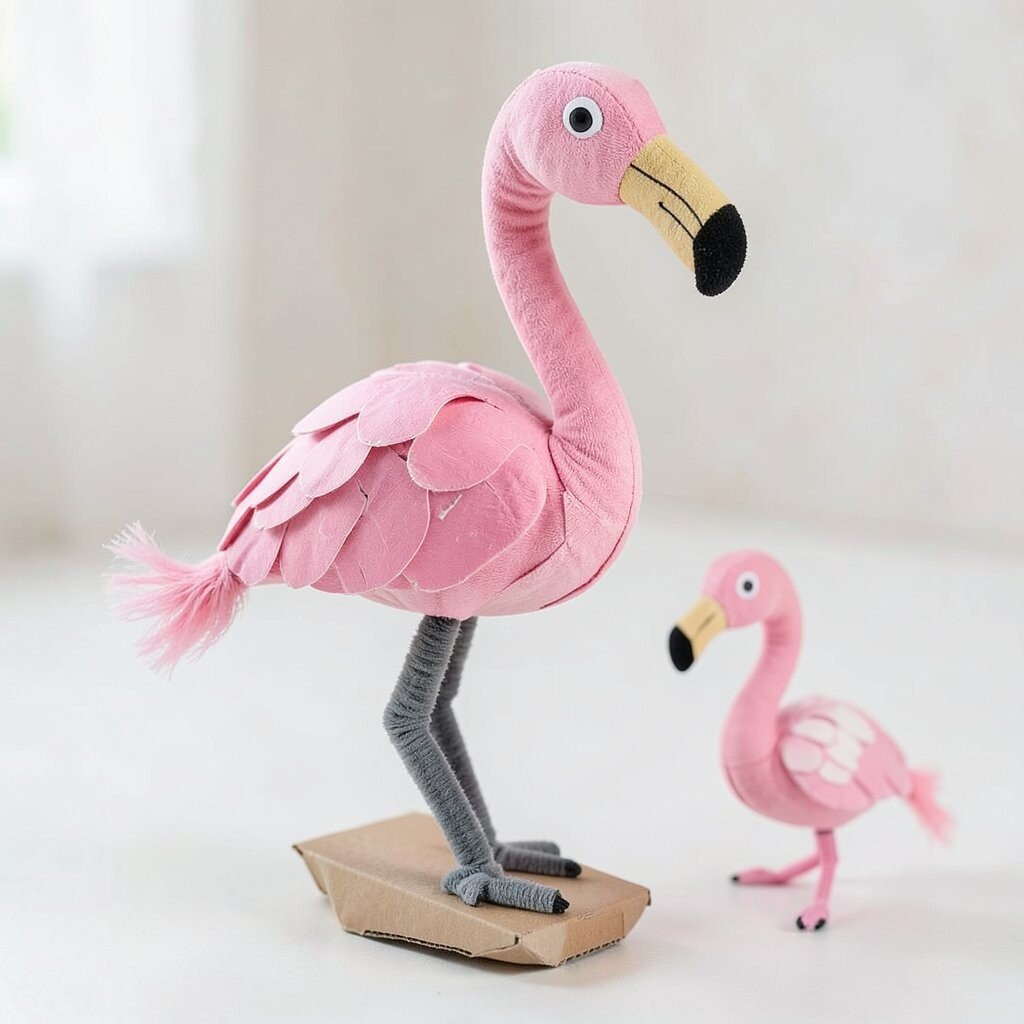
Imagine a flamingo using egg cartons as the textured body, with painted pink petals that look like feathery layers. Pipe cleaners for legs let the puppet pose in silly stances, like balancing on one foot for dramatic performances.
This puppet is unique because the ridges in the egg carton naturally mimic bird feathers, saving you time on texture. It’s practical since the carton parts hold shape and are lightweight, so you can make a whole mini “flock” without heavy materials. If you want extra stability, glue a small cardboard base behind the legs so it stands or sits during play.
Personalize the flamingo by adding a yarn tail puff or tiny eye details made from craft leftovers. Current trends in playful upcycling often highlight painted recycled paper and cartons, and flamingos are a perfect match because they look bright even with simple materials. Cost considerations are gentle here since egg cartons are usually free if you save them, and pipe cleaners can be pulled from old craft kits.
For a fun twist, make a “party set” by using different shades of pink and adding one feather pattern in each bird. If you’re working with a group, this design is easy to customize quickly, and everyone gets a flamingo that feels like it belongs to them.