Your home should feel like you, not like a showroom that never lived in. Small choices add up fast, and the wrong ones can quietly drain comfort and style.
The good news is that fixing them is usually simple and surprisingly affordable. Keep reading for practical, everyday ways to make your space look better and work harder for you.
1. Starting With Style Over Function
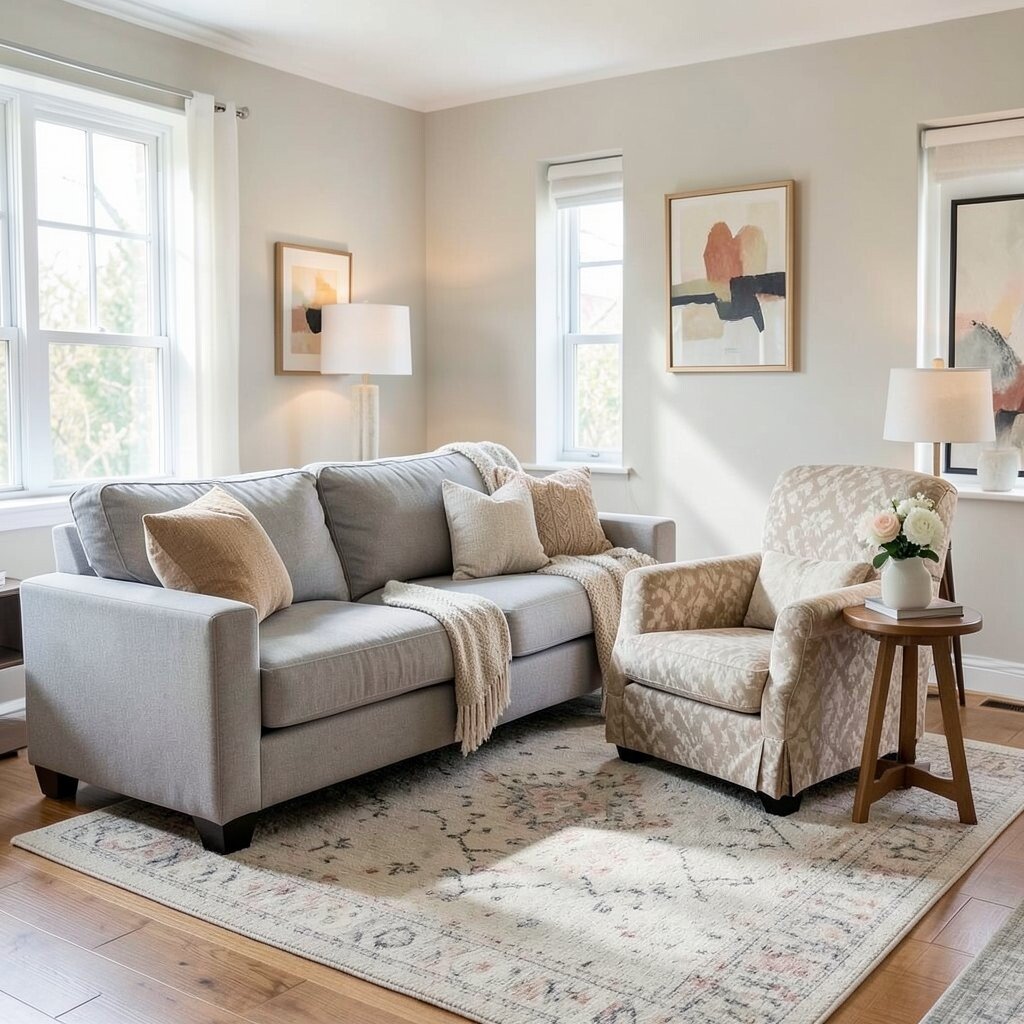
You might fall in love with a pretty sofa, but if it blocks the walkway or feels too bulky, daily life will suffer. When you imagine guests walking in, do the paths feel natural, or do they force awkward turns?
Choose pieces that match how you live, then layer in beauty with texture and color. A comfortable armchair placed for reading, plus a small side table within reach, makes the room feel instantly welcoming.
2. Ignoring Scale and Proportion
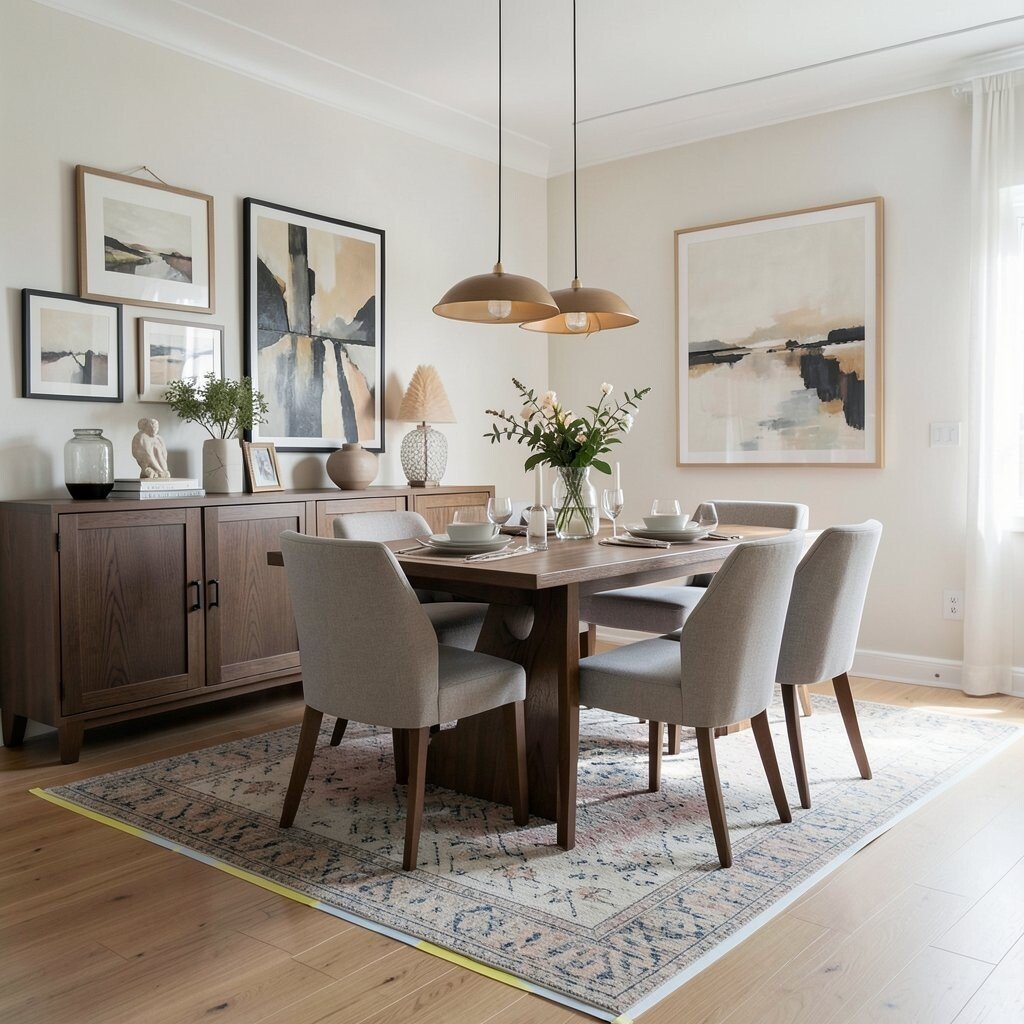
A room can look “off” even when everything seems nice, and scale is often the culprit. Oversized art can overwhelm a wall, while tiny decor can feel lost on a tall cabinet.
When measuring feels boring, think in visual cues instead. A dining table should give chairs room to pull out, and wall decor should sit at a height that matches your eye line.
Try using painter’s tape to outline the footprint of a rug or the placement of a frame before you buy anything. This simple check helps you personalize your layout without wasting money on items that never fit.
3. Buying Everything From One Store, One Mood
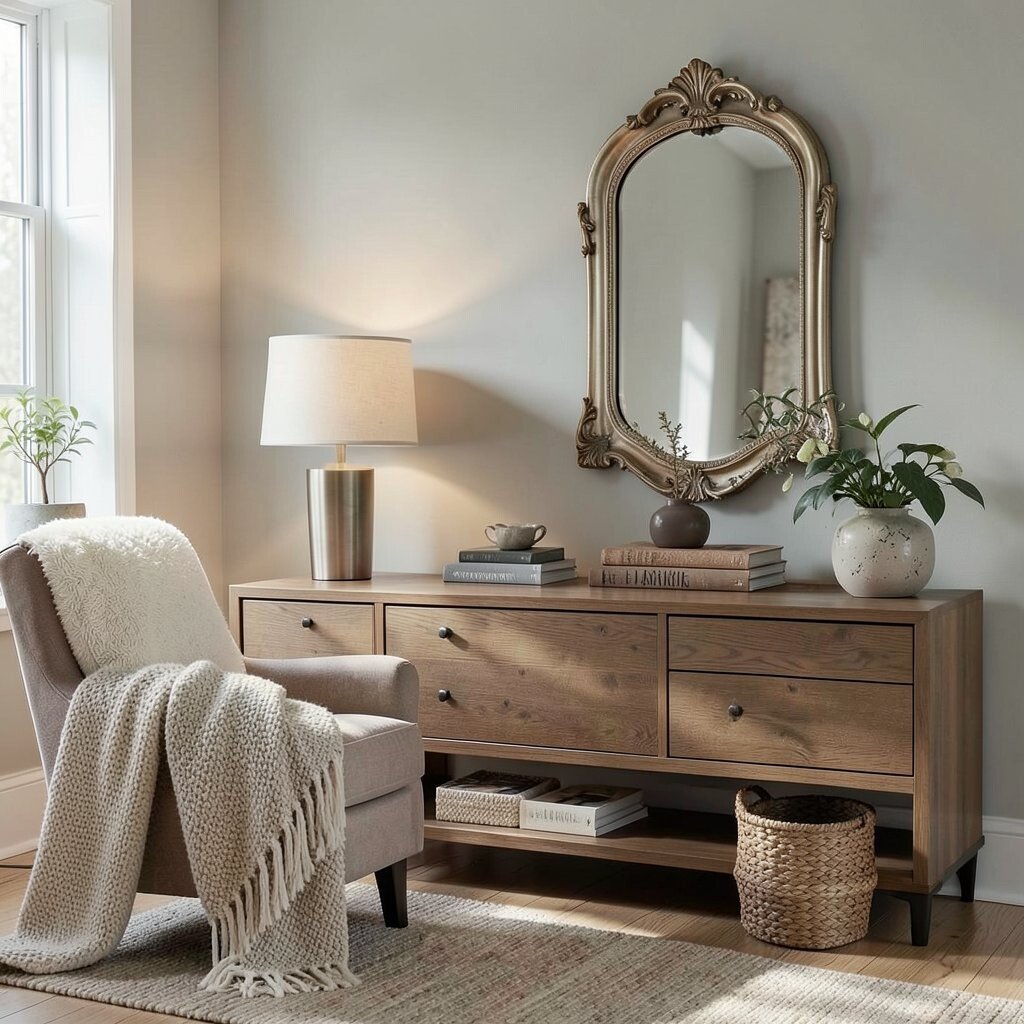
Matching sets can look tidy at first, but they sometimes feel like the same idea repeated. The result can be a space that looks planned, yet strangely lifeless.
Mix styles in a way that still feels intentional, like pairing a modern lamp with a vintage-inspired mirror. This creates uniqueness, because your room reflects real taste and real history.
To keep it balanced, repeat one material across different pieces, such as wood tones or brushed metal. You’ll get a cohesive look while still letting each item feel personal.
Watch current trends too, like warm neutrals, mixed metals, and textured fabrics, then pick one trend that fits your lifestyle. If you avoid buying into every trend at once, the look stays timeless longer.
4. Choosing Color Without Testing Light
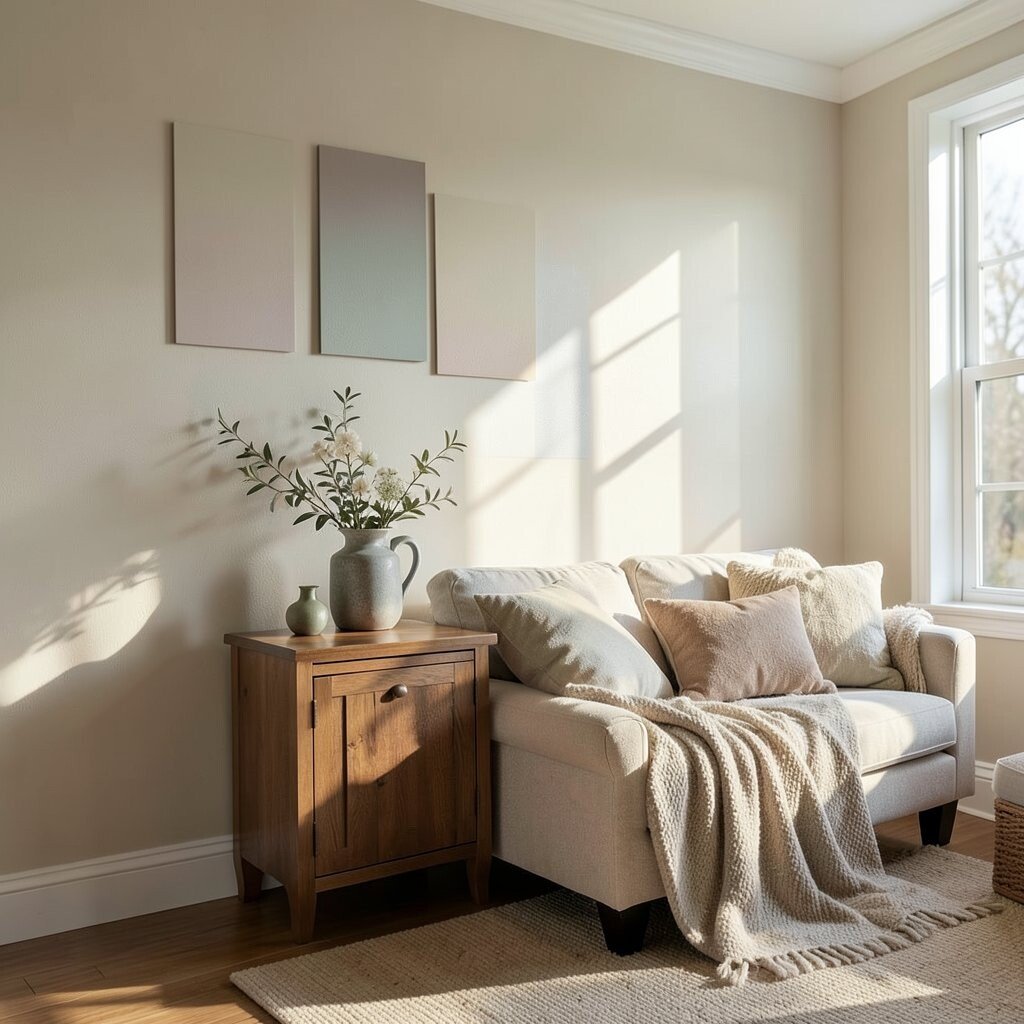
Color can look perfect at the store and completely different at home. Morning sun, afternoon glare, and evening lamps all change how paint and fabrics appear.
Before committing, test swatches on the actual wall and observe them through the day. This helps you avoid the frustration of repainting, which can be costly and stressful.
5. Using Too Many Small Patterns at Once
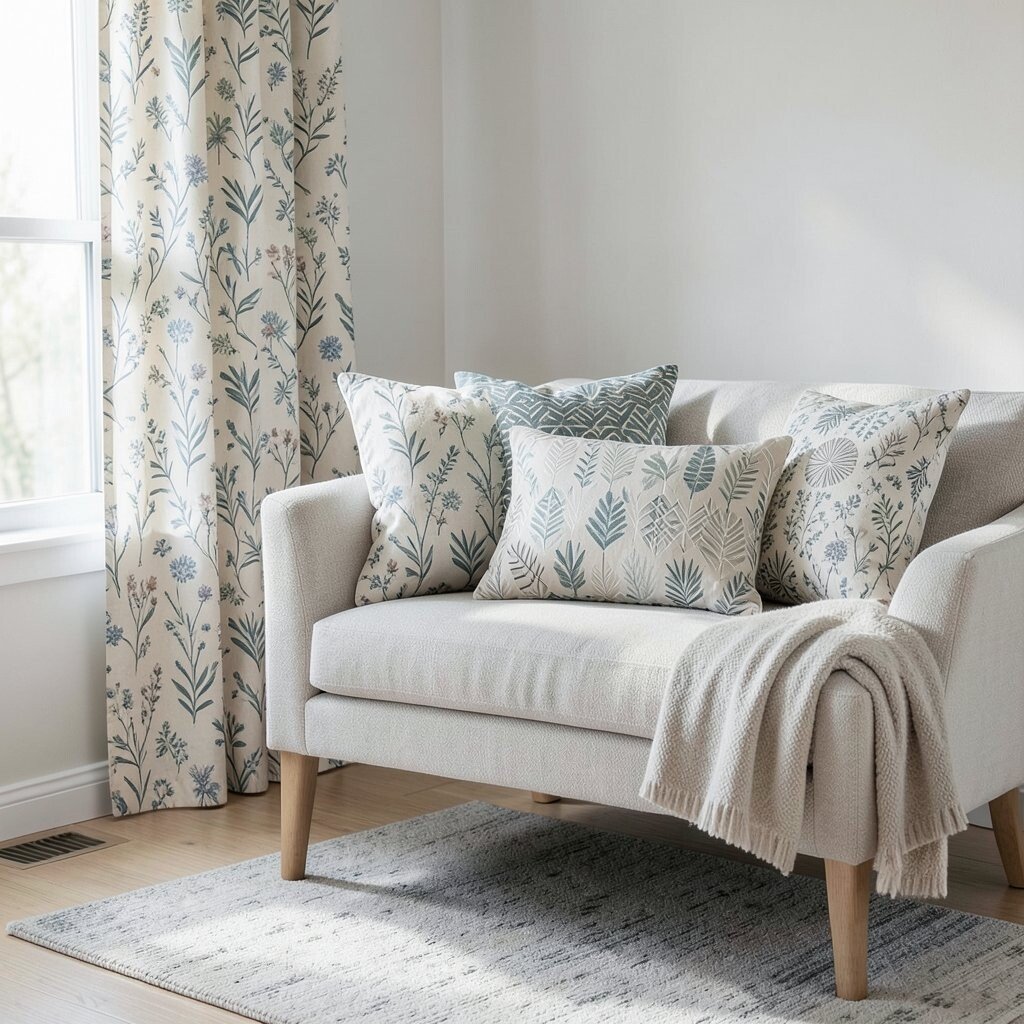
Pattern can make a room feel lively, but too many competing prints can create visual noise. If every cushion, curtain, and rug is busy, your eyes never get a break.
Pick one main pattern and keep the rest simpler, using solids or gentle textures to support it. That approach makes the room feel calmer while still showing personality.
For personalization, choose a pattern that speaks to you, like soft botanical shapes or modern geometric lines. Then repeat one color from that pattern in other decor so everything feels connected.
6. Neglecting Lighting Layers
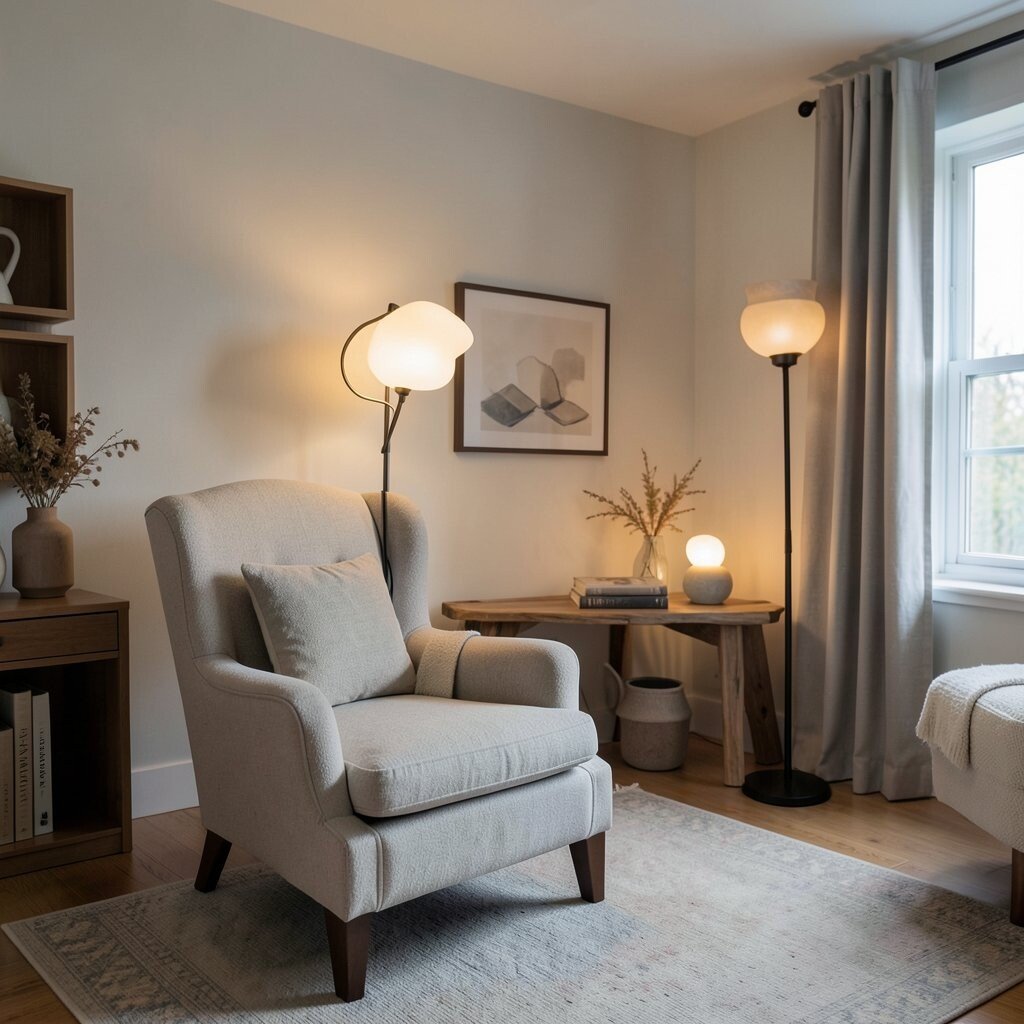
If your space relies only on overhead lights, it can feel harsh and flat. You might notice shadows in corners or that your favorite spot never feels cozy.
Use layered lighting with ambient, task, and accent sources. A floor lamp near a reading chair, warm bulbs, and a small light behind decor can make a huge difference in comfort.
Today’s trend leans toward warmer, softer bulbs and sculptural fixtures. Choosing a lamp with a shape you love adds uniqueness without needing to change the whole room.
7. Forgetting the Power of an Area Rug
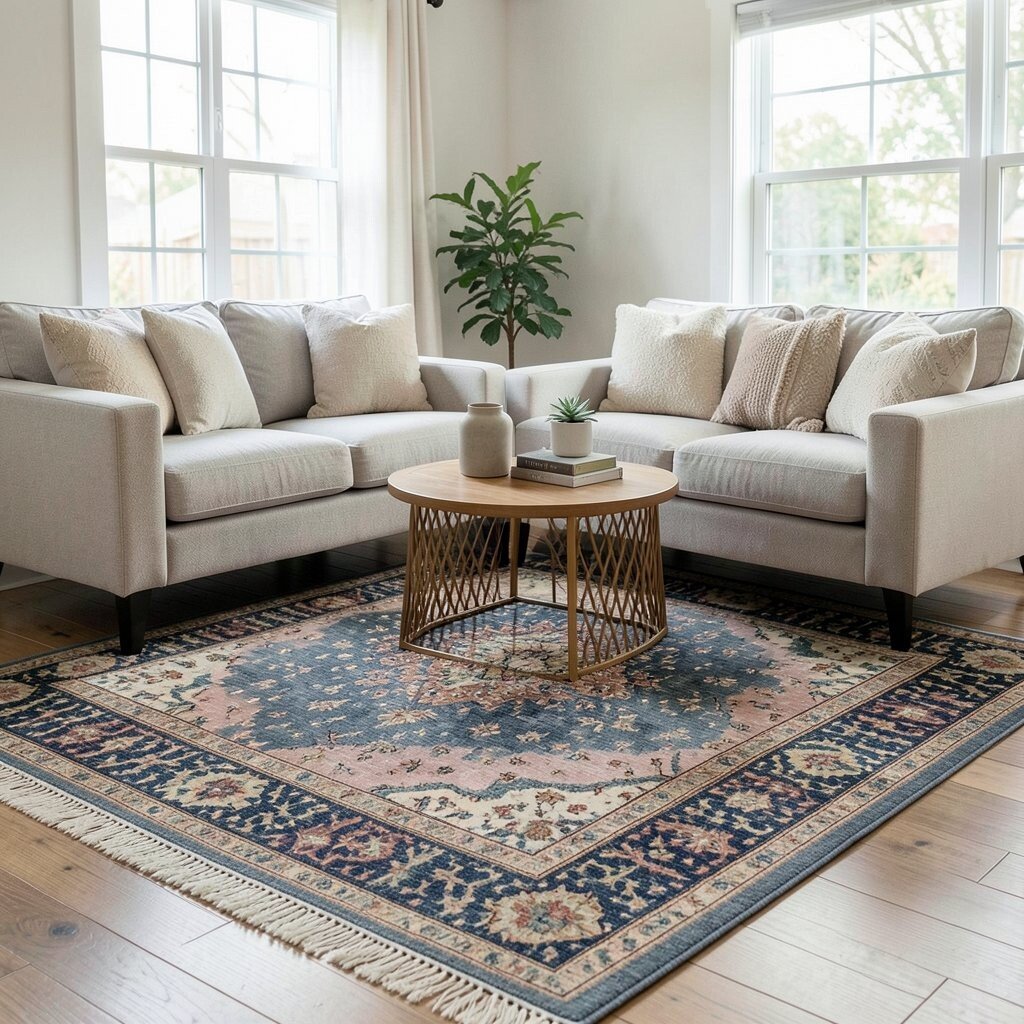
Skipping a rug can make a room feel unfinished, especially when floors are the main visual surface. Even if your furniture is styled, the space may lack warmth and definition.
A well-sized rug anchors everything, helps unify colors, and softens footsteps. It also protects flooring, which is a practical benefit if you have pets or heavy foot traffic.
Look for a rug that fits your layout, then personalize with a pattern or fringe that matches your taste. If budget is tight, choose the right size first and save on extra details later.
8. Overcrowding Shelves and Surfaces
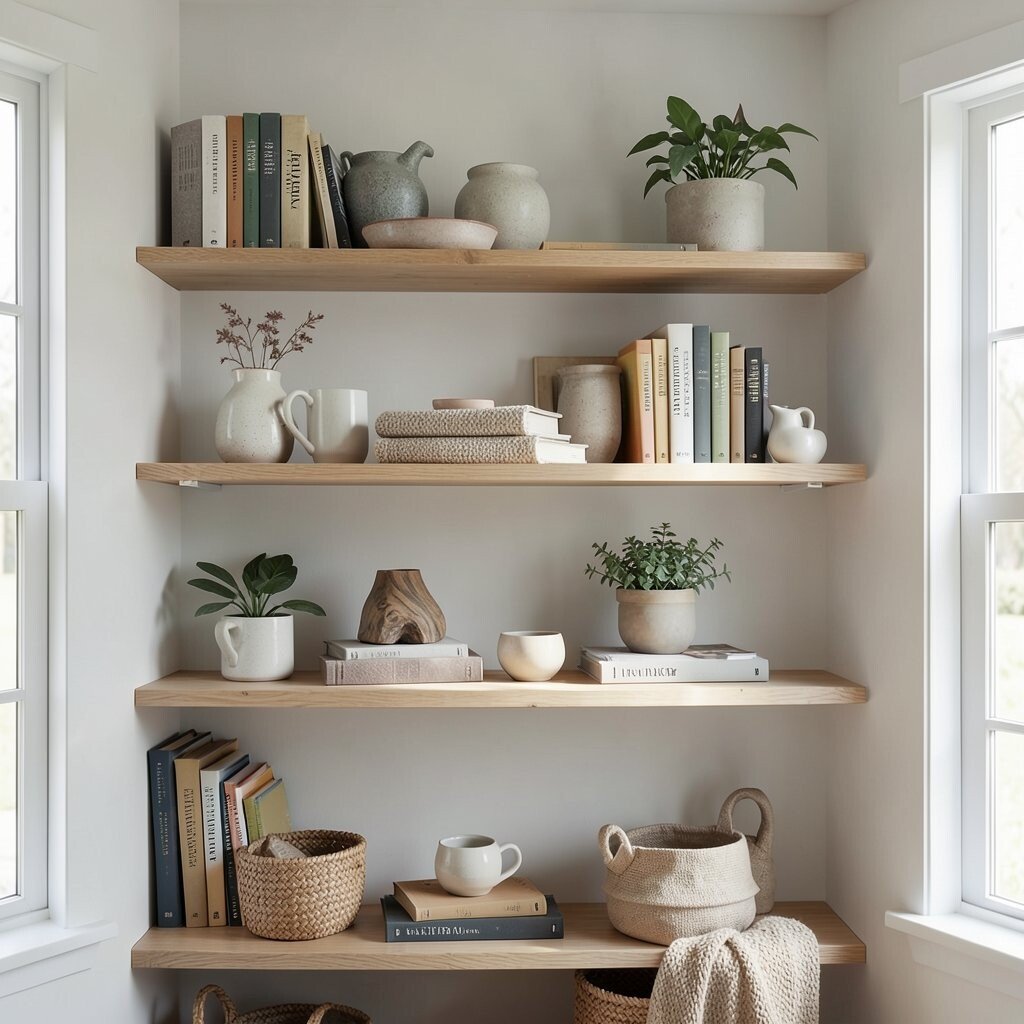
It’s easy to keep adding decor because it feels fun, but clutter can sneak in. When every surface is packed, the room can look busy instead of stylish.
Try leaving breathing space by grouping items and limiting the number of pieces per spot. A clean shelf with a few meaningful objects feels more intentional than a crowded display.
9. Underestimating Storage Needs
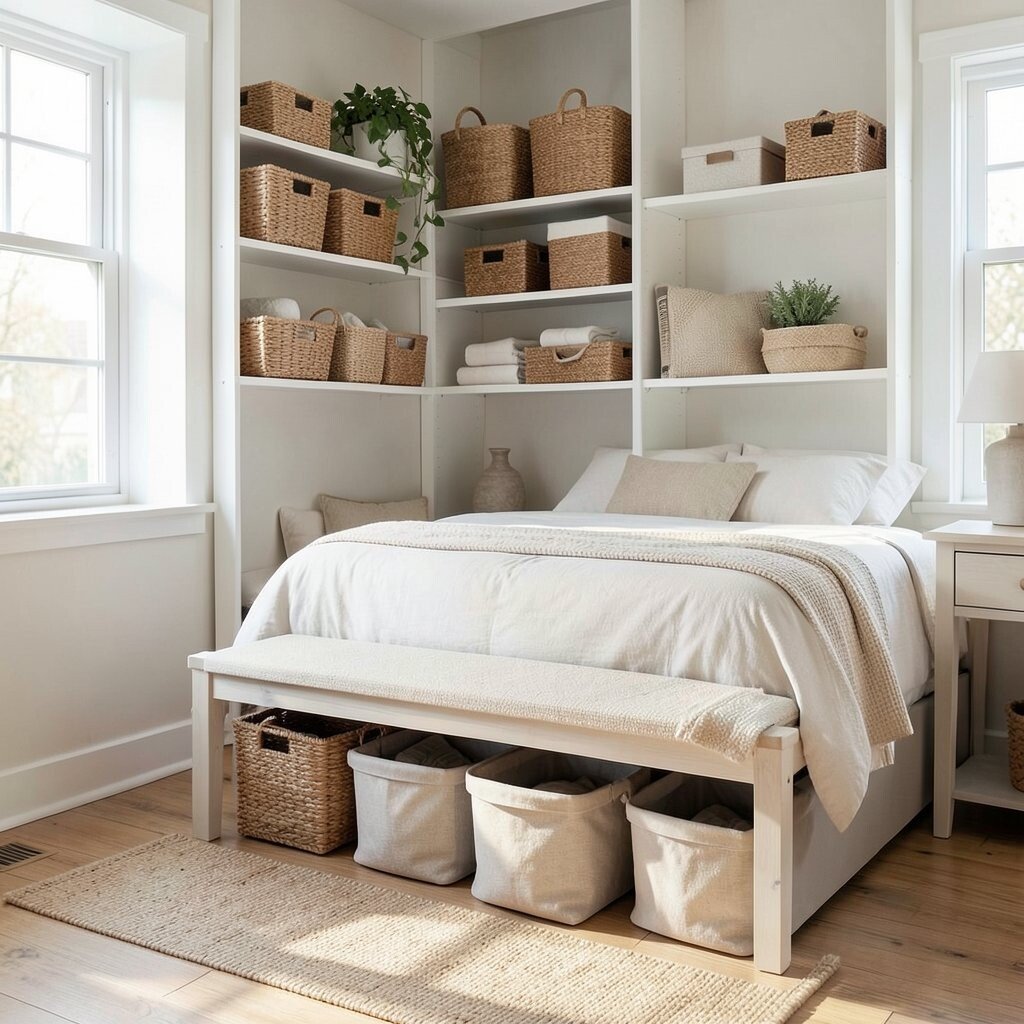
Nothing ruins a beautiful room faster than everyday items that have no place to go. You may keep drawers full and still feel overwhelmed by visible clutter.
Choose storage that matches your style, like baskets that look great on open shelves or bins that slide under the bed. This is a practical, cost-wise way to keep things tidy without replacing everything.
If you live in a smaller space, consider furniture that carries storage, such as benches with compartments. Personalization is easy here too, since you can color-match or label baskets in your own way.
10. Buying Curtains That Don’t Reach or Don’t Flare
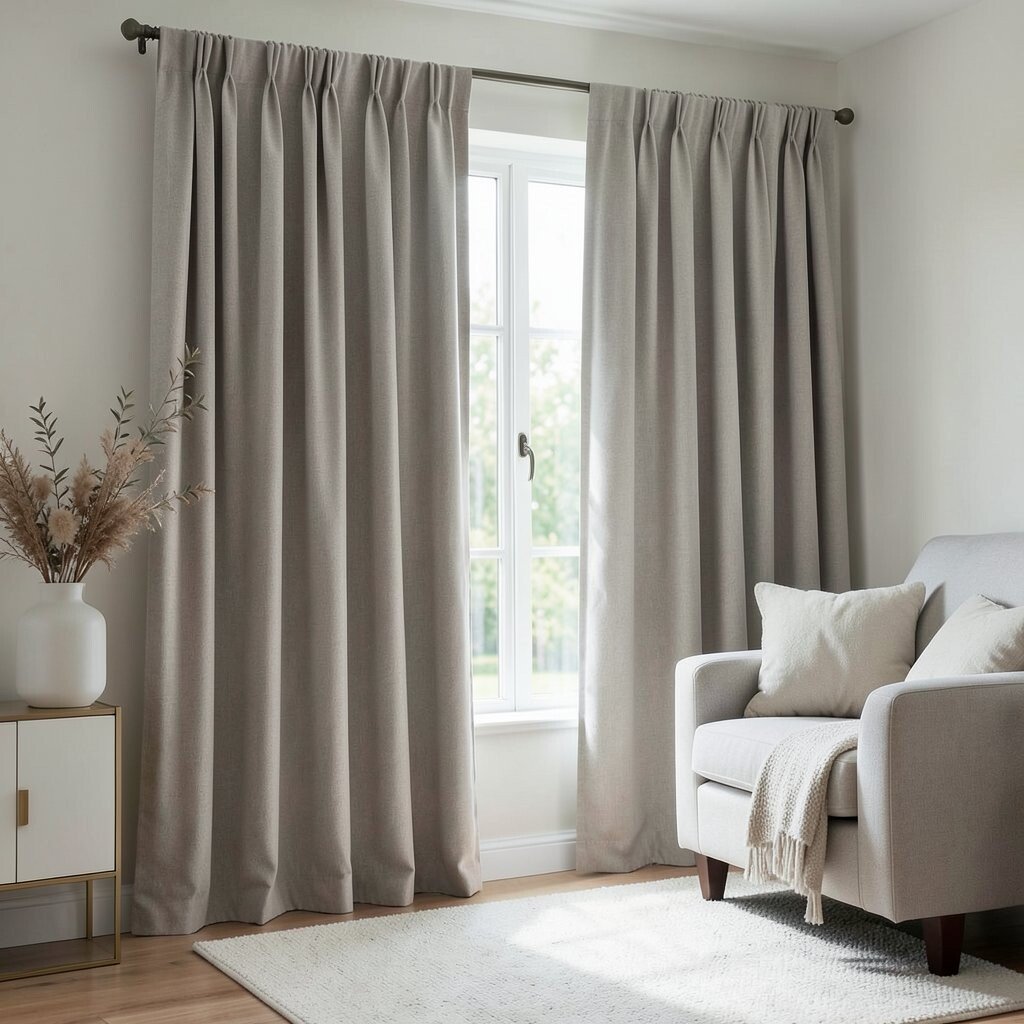
Curtains can make windows look shorter and less elegant when they’re the wrong length. Hanging them too high or too low changes the whole rhythm of the room.
For a polished look, aim for curtains that skim the floor or gently kiss it, and hang them wider for soft fullness. This small change makes the window feel taller and the room feel more finished.
11. Skipping Proper Bedside and Nighttime Convenience
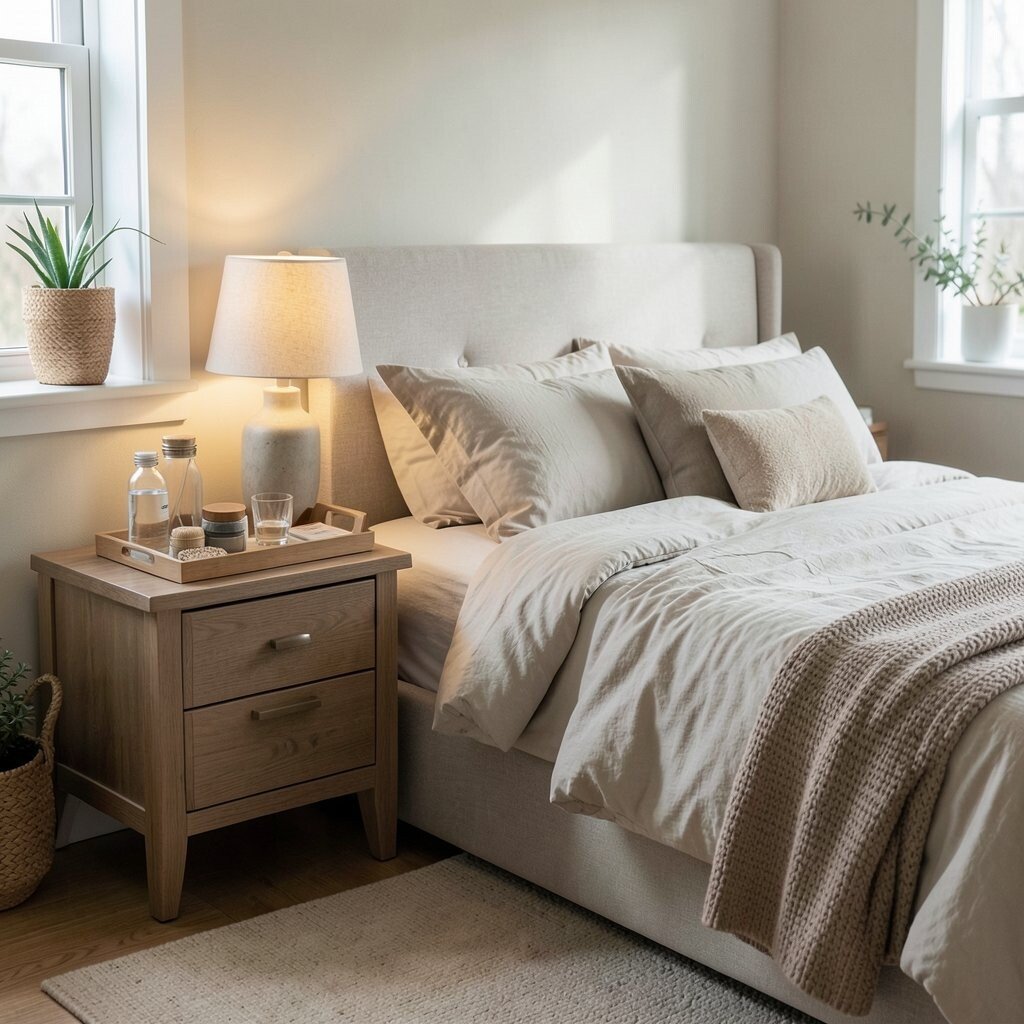
Pretty bedrooms sometimes miss the basics that make evenings easier. If you have to stand up to grab water, glasses, or a book, the room won’t feel relaxing.
Keep a nightstand within arm’s reach and add a lamp that feels warm, not blue and harsh. Personalization can be as simple as choosing a tray for your everyday items so the surface looks styled even on busy nights.
Trends often highlight calm, spa-like bedrooms with muted tones and natural materials. You can get that vibe while still focusing on convenience and comfort.
12. Using Furniture With No Clear Layout Plan
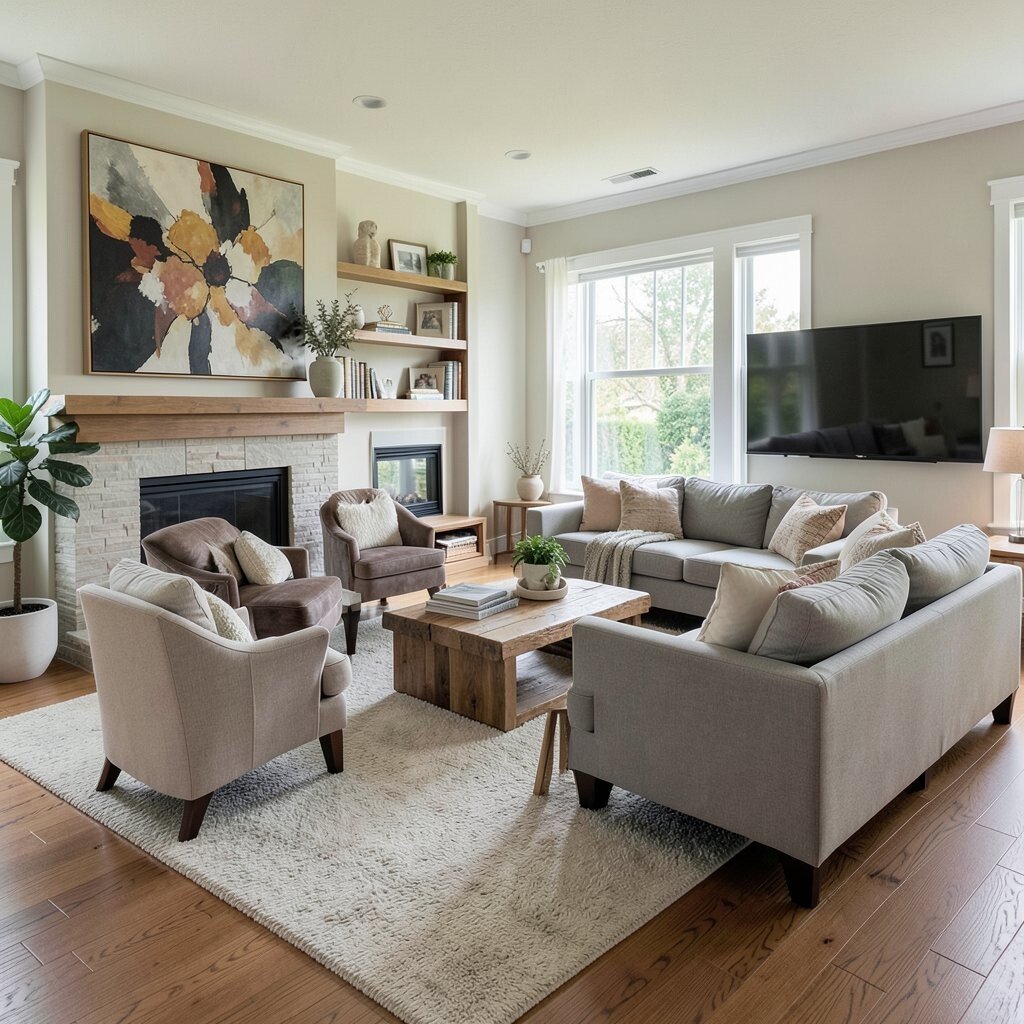
Moving chairs and sofas around without a plan can lead to awkward sightlines and tight walkways. The room may feel like it’s trying to fit too much in one place.
Start with the main activity, like conversations, dining, or movie nights, then arrange furniture to support that flow. When the layout matches how you actually spend time, the room looks better and feels easier.
For personalization, create a focal point such as a fireplace wall, a large artwork, or a media setup. Keeping one area visually dominant helps everything else feel intentional.
13. Choosing Hardware and Fixtures That Clash
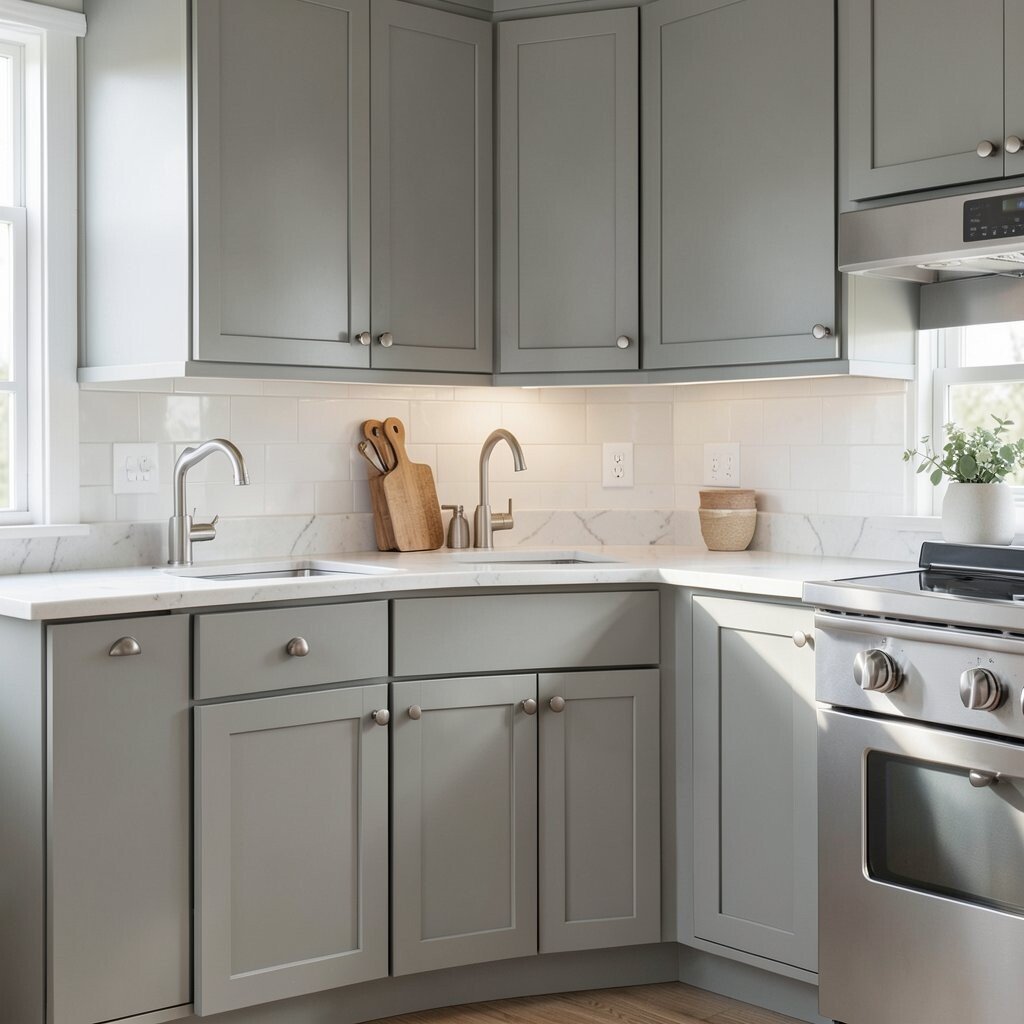
Small details like cabinet knobs, faucet finishes, and light switches can create an unintended mismatch. If everything is different, the room may look scattered even when the big pieces feel right.
Pick a primary finish and repeat it in several places to create visual harmony. This can be a budget-friendly upgrade since you can change hardware without a full renovation.
Current trends include mixing metals carefully, but it works best when there’s a clear “main” finish. Decide what you want to lead, then let secondary pieces support rather than compete.
14. Overlooking Wall Space for Big-Impact Changes
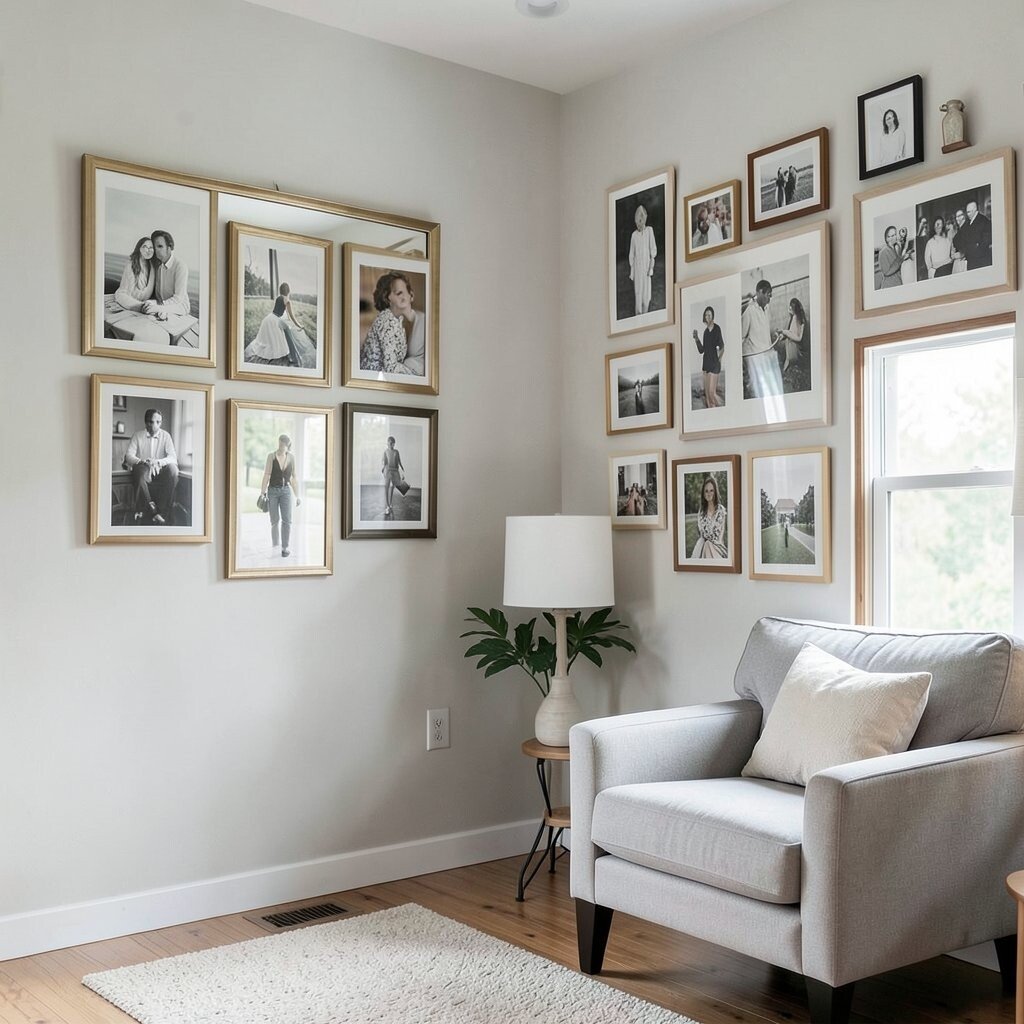
Walls can feel blank, and blankness can make rooms seem smaller or less alive. Even good furniture can look lonely if the wall behind it is ignored.
Choose artwork or a large mirror to add depth and personality. A mirror also helps reflect light, which can make the room feel brighter and more open.
Personalization can come through in size, frame style, and subject matter that matches your life. If you’re on a tighter budget, try a gallery wall using affordable prints that you can swap later.
15. Paying for Trends Instead of Lasting Basics
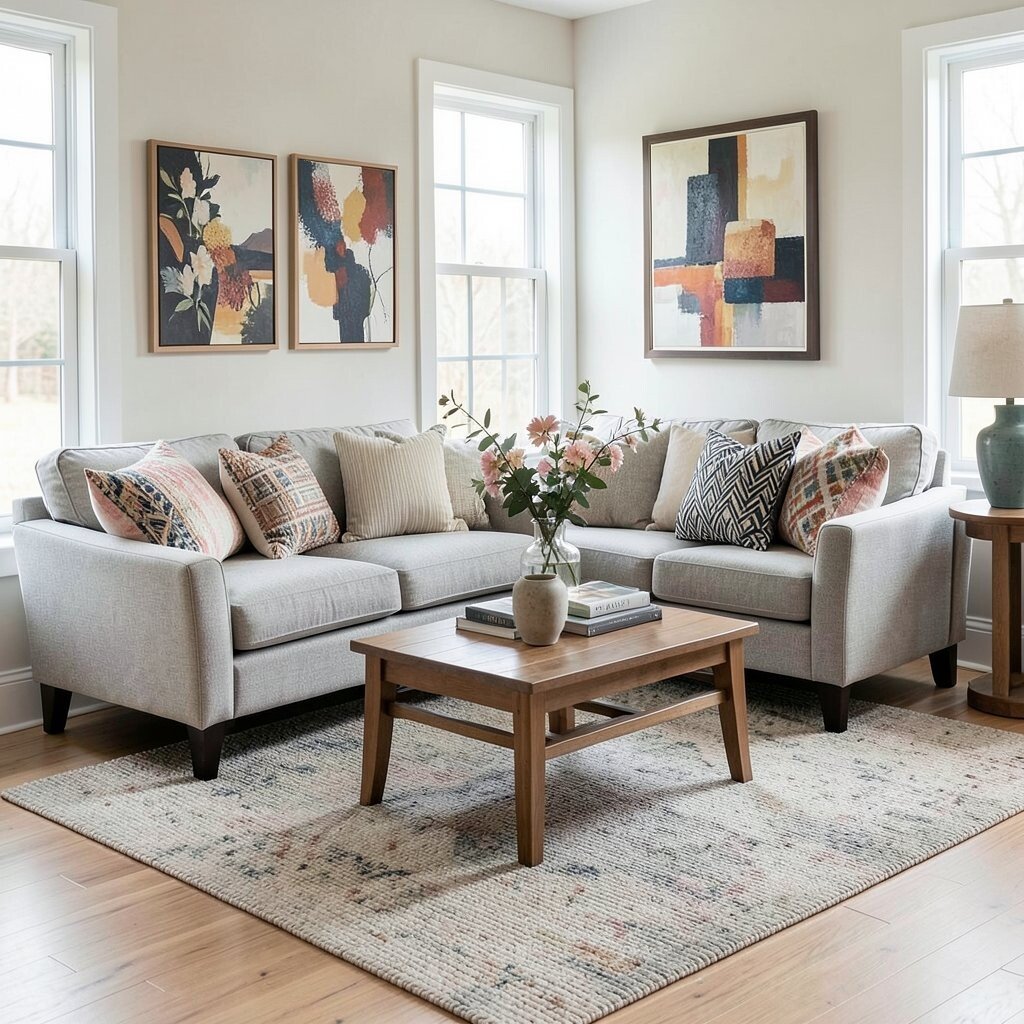
Trend pieces can be tempting, especially when they’re everywhere on social media. But if the item doesn’t fit your daily routine, it becomes a purchase that doesn’t earn its keep.
Balance trendy accents with classic basics like neutral rugs, durable fabrics, and sturdy frames. This lets you switch decor seasonally without constantly replacing furniture.
When you do add trend items, keep them in smaller zones such as throw pillows, wall art, or a decorative vase. That strategy keeps costs lower and your look fresh without constant spending.
Uniqueness still matters, so choose one bold accent that feels like you. Let everything else be a supportive backdrop that lets that piece shine.
16. Ignoring Texture and Material Variety
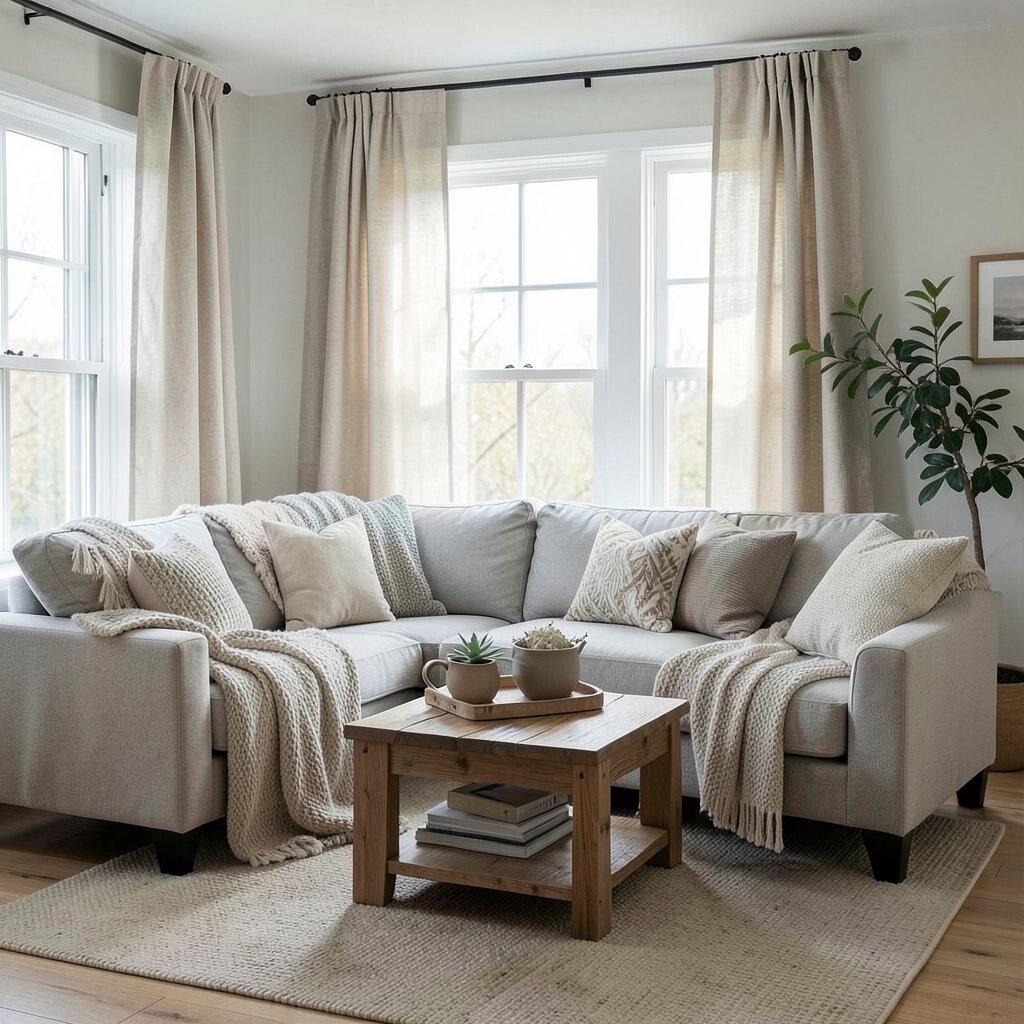
A room can look flat when everything is smooth and shiny, like glass meets plastic meets bare wood without any cozy layers. Texture is what makes a space feel touchable and real.
Add variety with knits, boucle, linen curtains, matte ceramics, and natural wood. Visual description becomes easier when textures work together, because the room gains depth even with simple color palettes.
For personalization, choose materials that fit your comfort, like soft throws for couches or washable covers for chairs. It’s a practical move that keeps your decor looking good in everyday life.
17. Forgetting to Style the “Back of the Room”
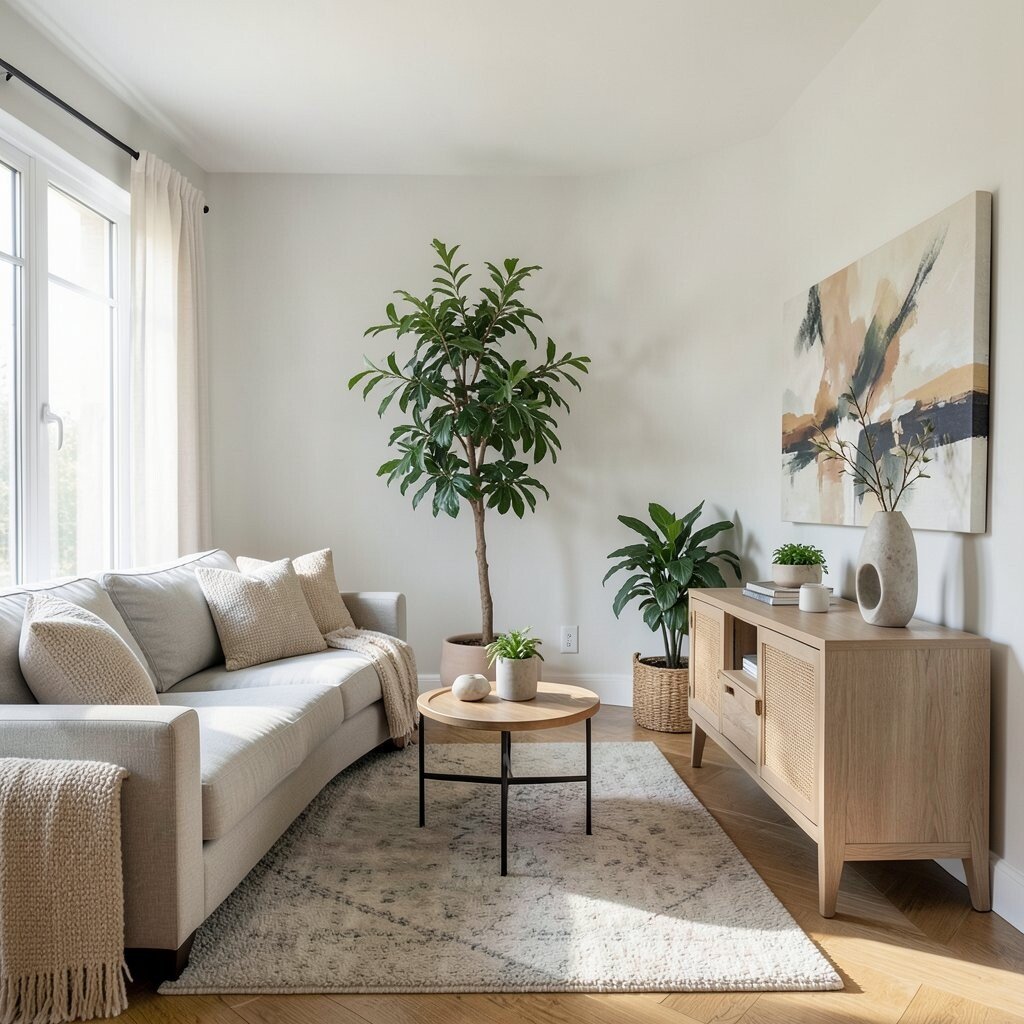
The front of the room often gets attention, but the side and back views matter too. If you have a sofa facing away from the entry, a plain or bare wall behind it can feel unfinished.
Add a console table, a tall plant, or a piece of art in that space to make the room feel complete from every angle. That kind of invisible improvement changes how your home photographs and how it feels to live in.
Personalization can be simple, like using a planter that matches your color scheme or a small sculpture that you genuinely love. This is also cost-aware because you can update one area rather than redecorate everything at once.
Current trends often feature plants and natural elements, which can bring life without clutter. Choose the right size for your light and your schedule so it’s enjoyable rather than stressful.
18. Relying on Cheap Bins Without a Plan
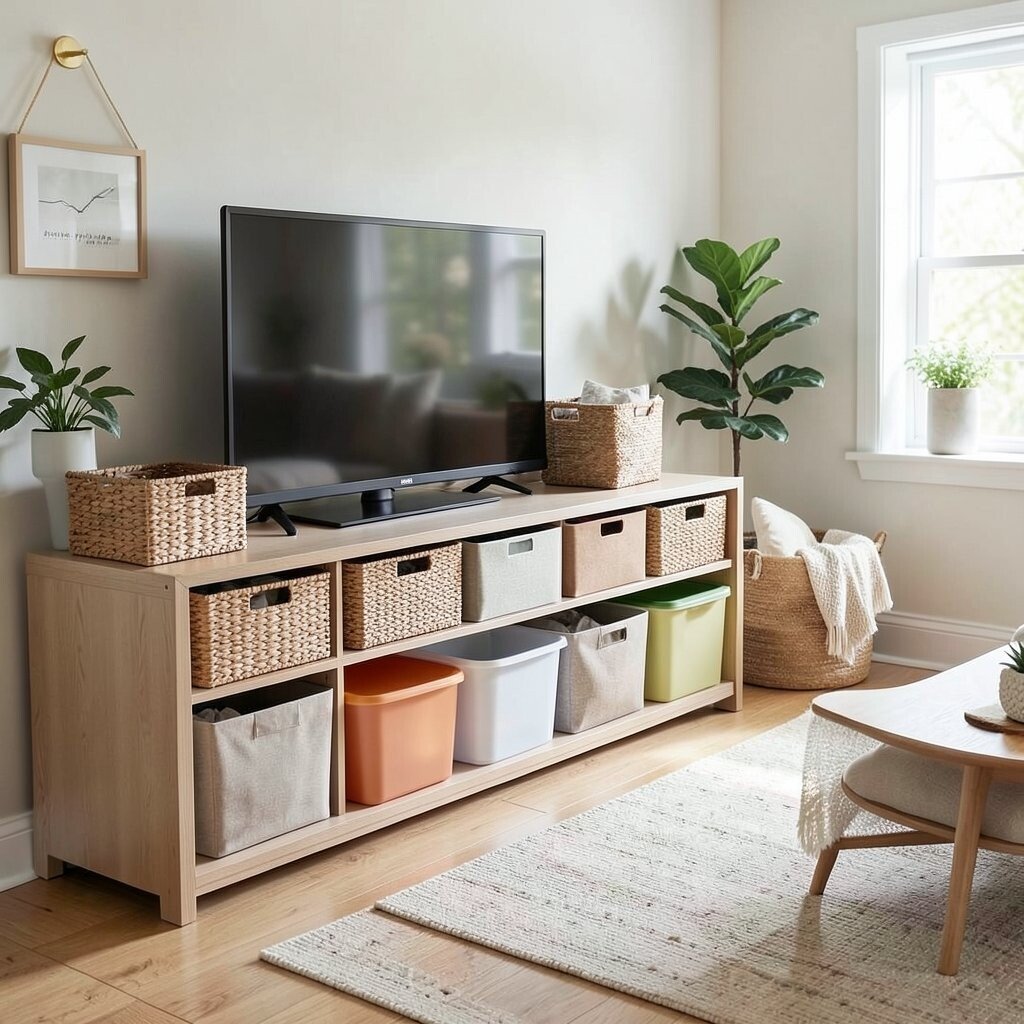
Using storage without thinking about how it looks can create a different kind of mess. Bright plastic bins or mismatched containers can make a tidy room feel less designed.
Pick storage that blends into the room, like woven baskets, matching fabric bins, or neutral containers. This boosts visual calm while still supporting organization.
When budget is limited, focus on the areas you see most, like the living room media zone or entryway shelf. Personalization can happen with labels, color-matched covers, or choosing one style that repeats throughout the home.
19. Not Letting Your Space Evolve
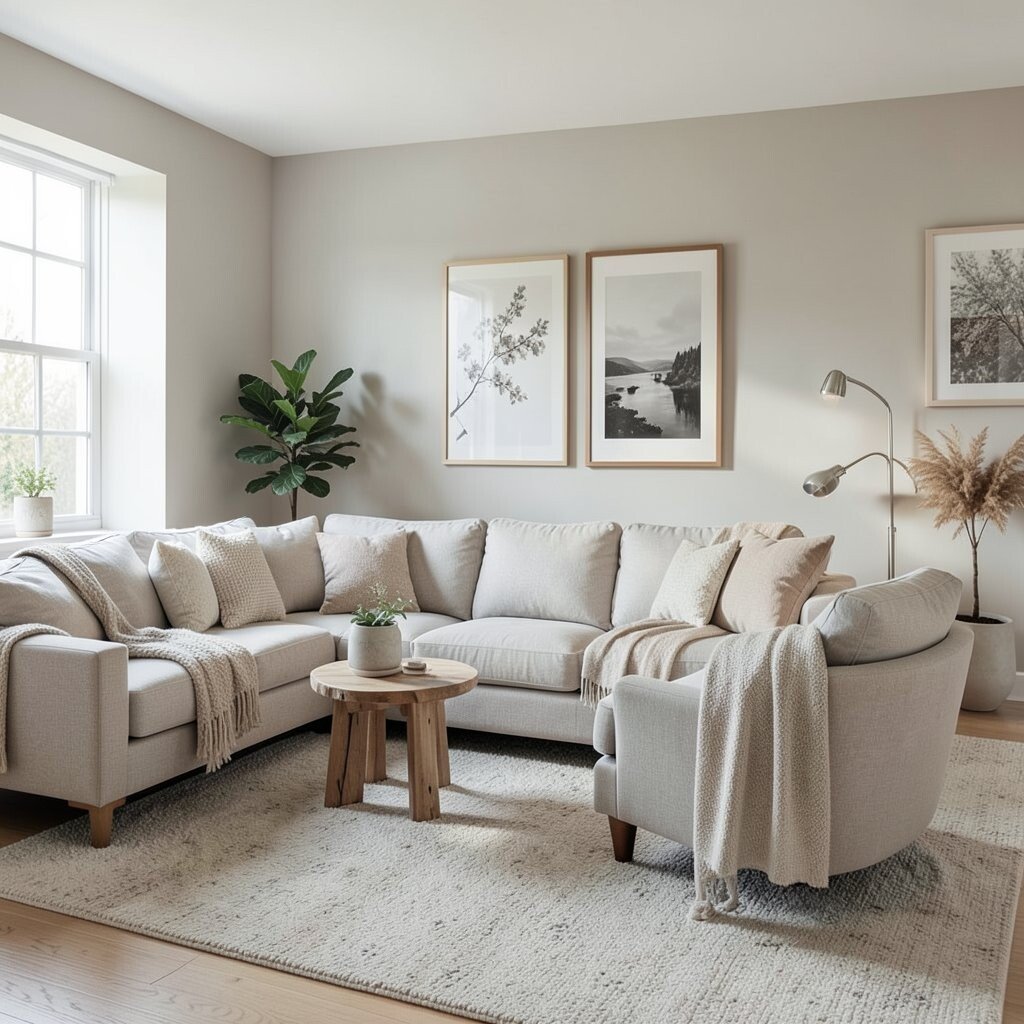
Some decor plans assume you’ll stop changing once the room looks right. Real homes change with seasons, hobbies, and new routines.
Create a flexible foundation by choosing durable pieces and neutral backdrops, then rotate accents as your tastes shift. This keeps costs under control because you’re not replacing everything every year.
Uniqueness grows when you add items over time, like frames you collect on trips or art created by someone you know. Practical tips include saving receipts and measuring before swapping furniture, so the updates stay smooth and stress-free.
Current trends like layered neutrals and cozy minimalism fit perfectly here, because they support gradual updates. Your home will feel more you, and it will stay inviting for longer.