Fashion boards can make your closet feel like a story you’re excited to live in. When you build them with intention, getting dressed starts to feel simpler and more fun.
1. Theme-Forward Mood Board
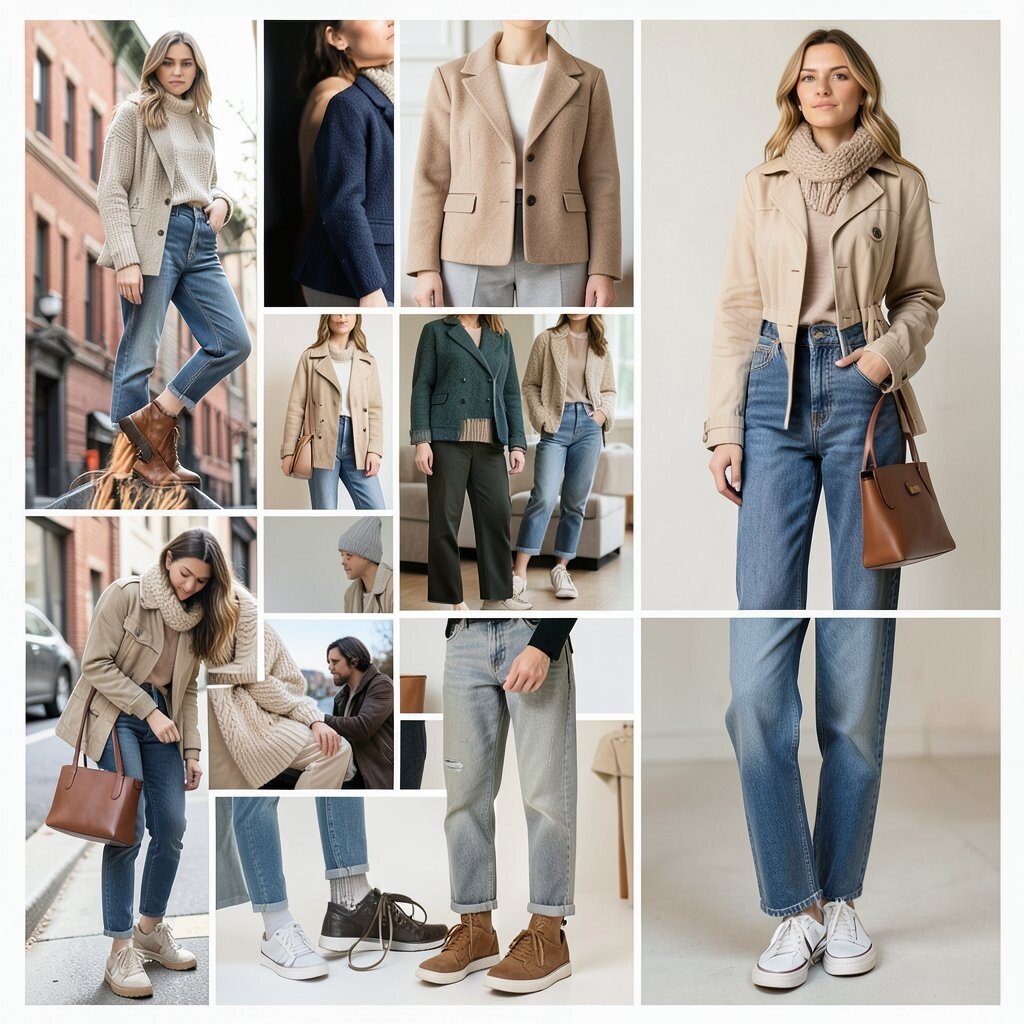
Pick one mood and let it guide everything you pin. You might choose “cozy city,” “sunlit minimal,” or “bold night out,” then fill the board with outfits that match the feeling.
As you scroll through photos, notice the colors, fabrics, and silhouettes that keep repeating. That repetition becomes a helpful shortcut when you’re shopping or styling in the morning. Keep it practical by adding a few real-life details like your favorite shoes, your go-to bag shape, and the colors that already work for your wardrobe.
2. Color Story Board With Swatches
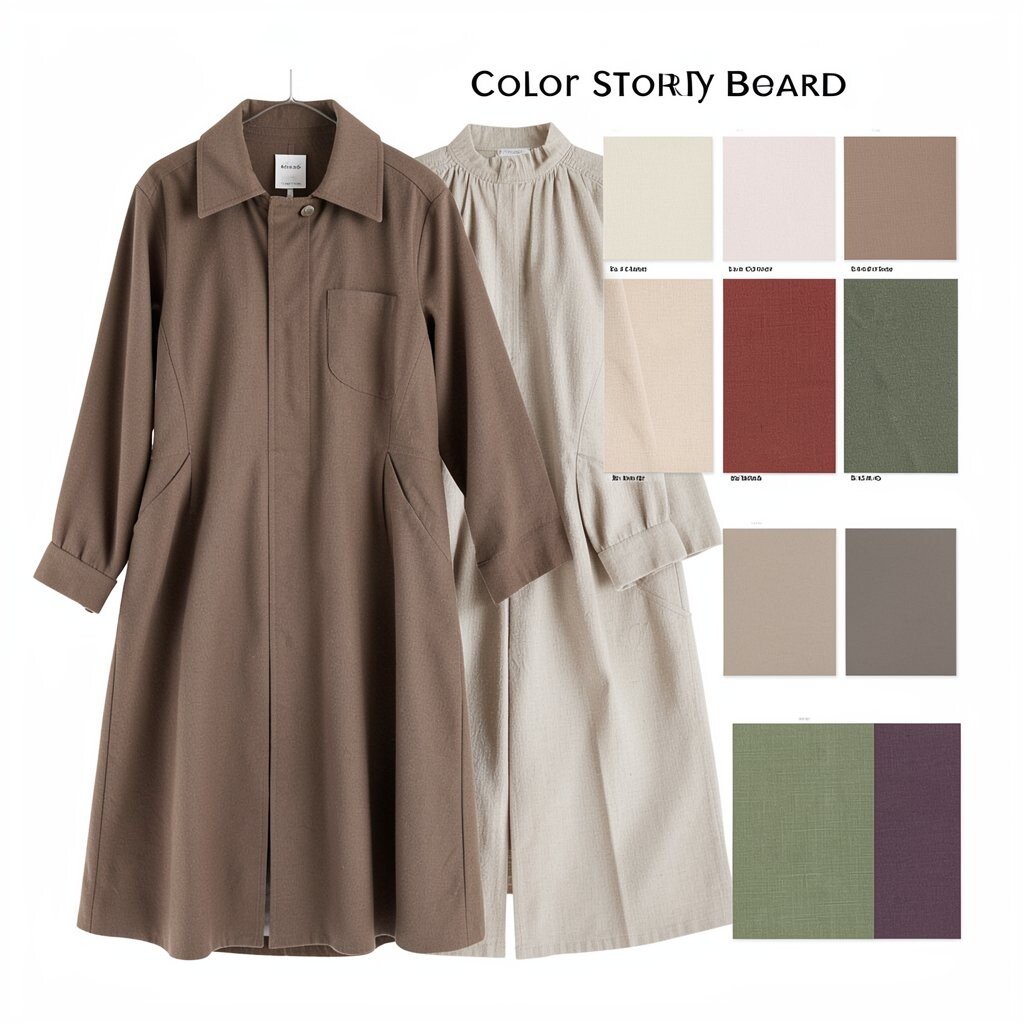
Make a board built around a tight color story so every outfit feels coordinated. Choose a main color, a supporting neutral, and one pop shade for interest.
When you add little swatches, you can see how tones work together even before you try anything on. This is a great way to avoid impulse buys that never fit your existing palette. For a personal touch, include one color that makes you feel confident, even if it’s not “the safe choice.”
Stay current by pulling one trend color from seasonal previews and pairing it with your usual neutrals. If you’re on a budget, use fabric scraps or printed color cards from old packaging to build the swatches. You’ll still get that organized look without spending much.
3. Outfit Formula Board for Quick Styling
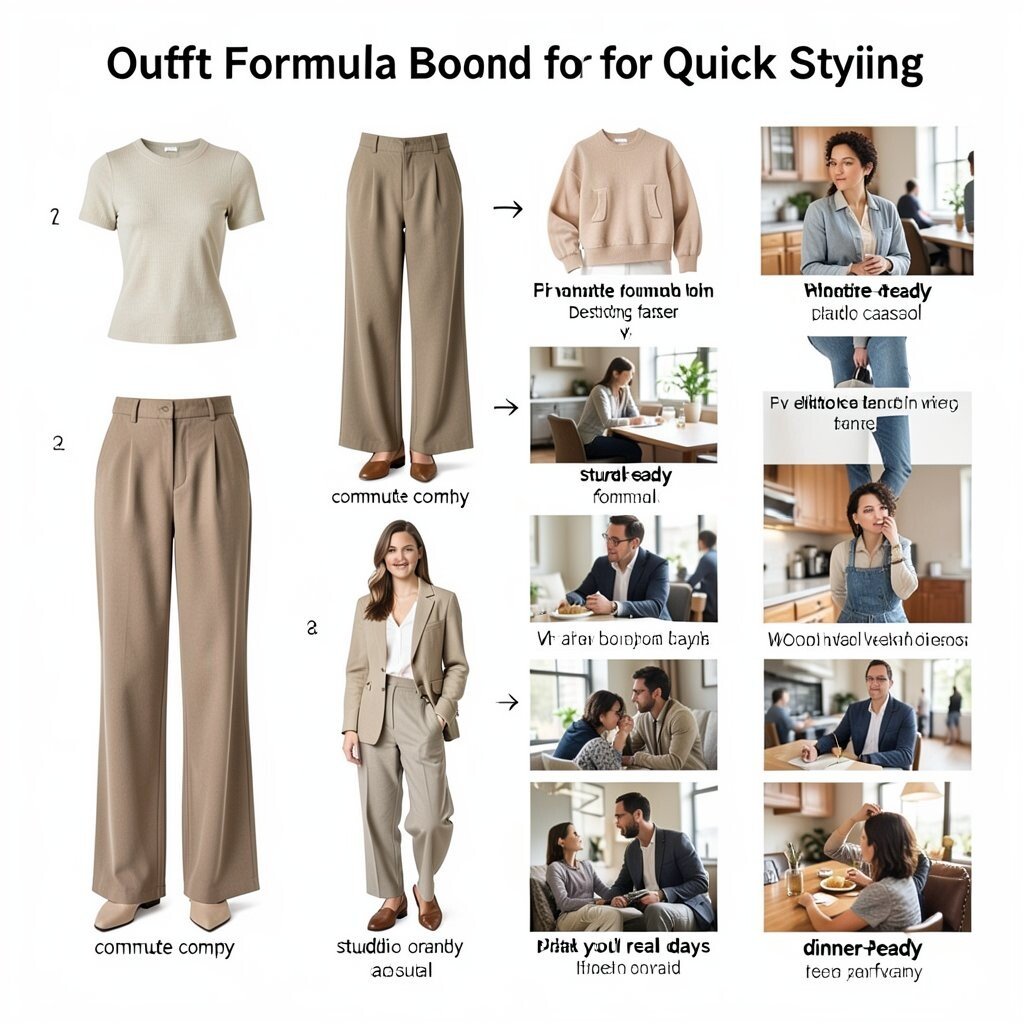
Create a board that shows outfit formulas instead of single looks. For example, pair a fitted top with wide-leg pants, then swap the shoe style for different vibes.
Visual repetition helps your brain remember what works, and that makes dressing faster. You can also plan for real days by adding images that show where you’ll wear each formula, like work, errands, or weekend dinners. Make it unique by choosing formulas around your lifestyle, like “commute comfy,” “studio casual,” or “dinner-ready.”
To keep it affordable, pin outfits using pieces you already own and then fill gaps with similar items from thrift stores or sales. If you notice a trend silhouette, like relaxed tailoring or cropped layers, test it through your formula rather than buying a whole new wardrobe at once.
4. Texture and Fabric Reference Board
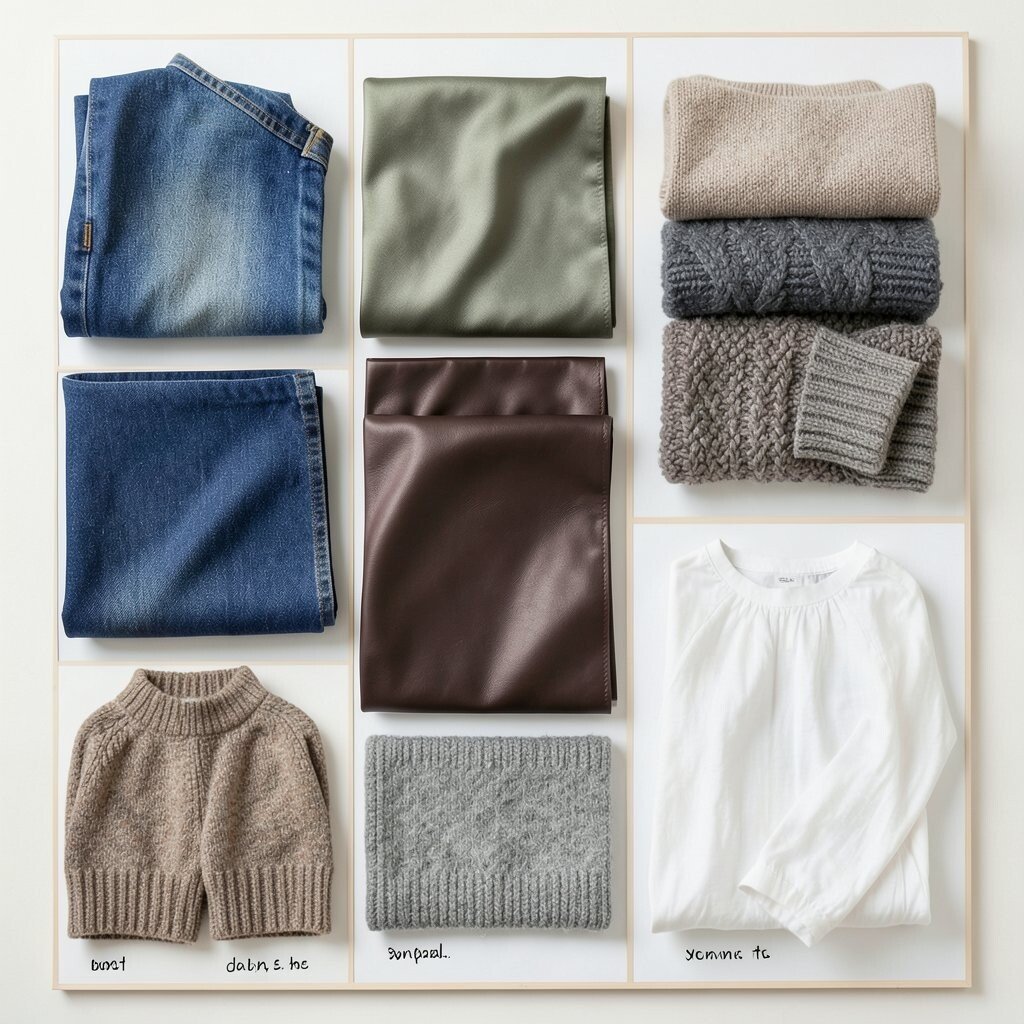
Focus on textures, because texture tells a story even when two outfits share the same color. Pin images of denim, satin, wool, knits, leather, and airy cotton so you can mix them intentionally.
This board is especially helpful for practical styling because you’ll start to see how fabrics behave. You’ll know what feels warm, what drapes well, and what looks polished for longer wear. Add small notes in your own way by choosing images that match your climate, like breathable layers for heat or thicker knits for cold mornings.
5. Accessory-First Board for Maximum Impact
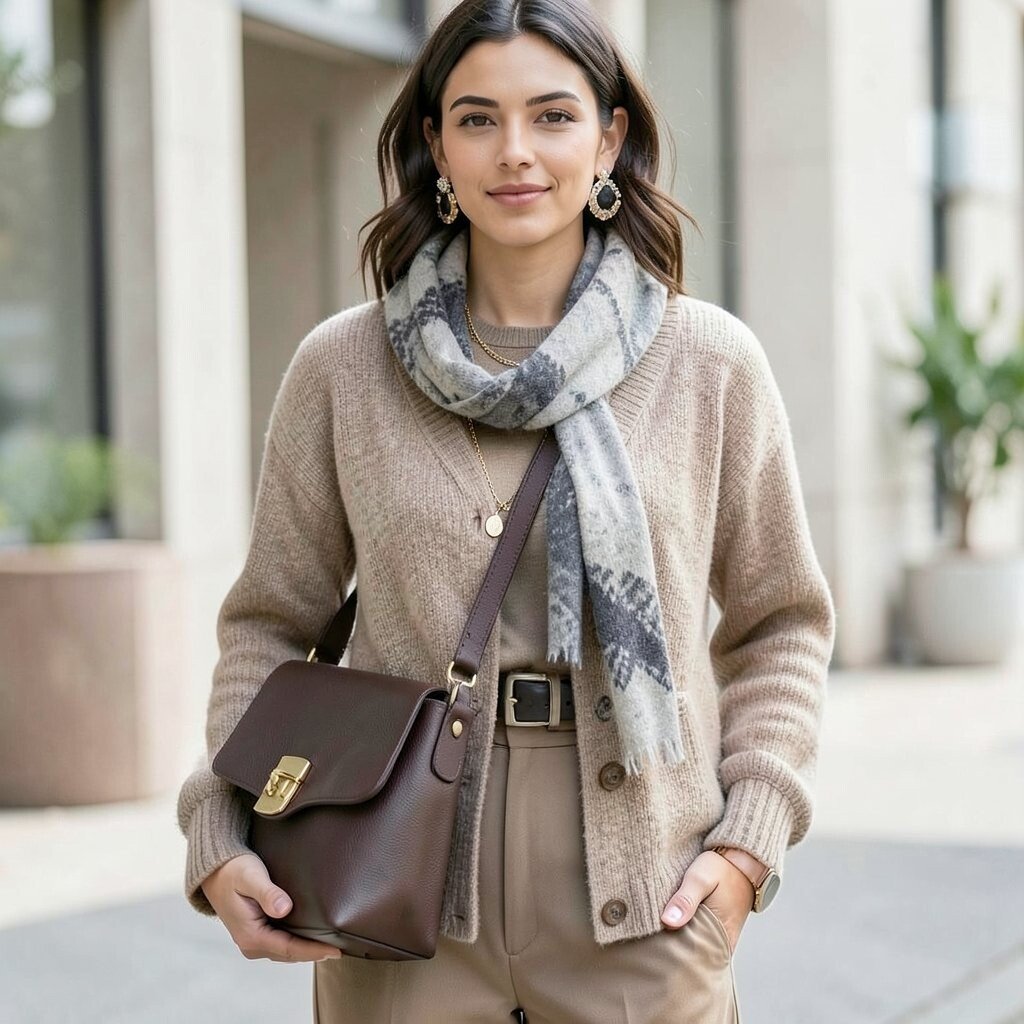
Start with accessories and let them steer the outfit. A statement earring, a structured bag, or a scarf can change how the same basic outfit feels.
When you build around these details, you’ll get more variety without buying many new clothes. It’s also a fun way to show personality because accessories can be bold while your main pieces stay simple. For personalization, pick accessories that match your routines, like practical crossbody bags or jewelry that won’t snag on sweaters.
To match current trends, look for styles that are popping in street photos, such as chunky rings, minimal gold chains, or vintage-inspired belts. Keep cost considerations in mind by shopping accessory sections first, because small pieces can be upgraded more easily than full outfits.
6. “Before and After” Closet Upgrade Board
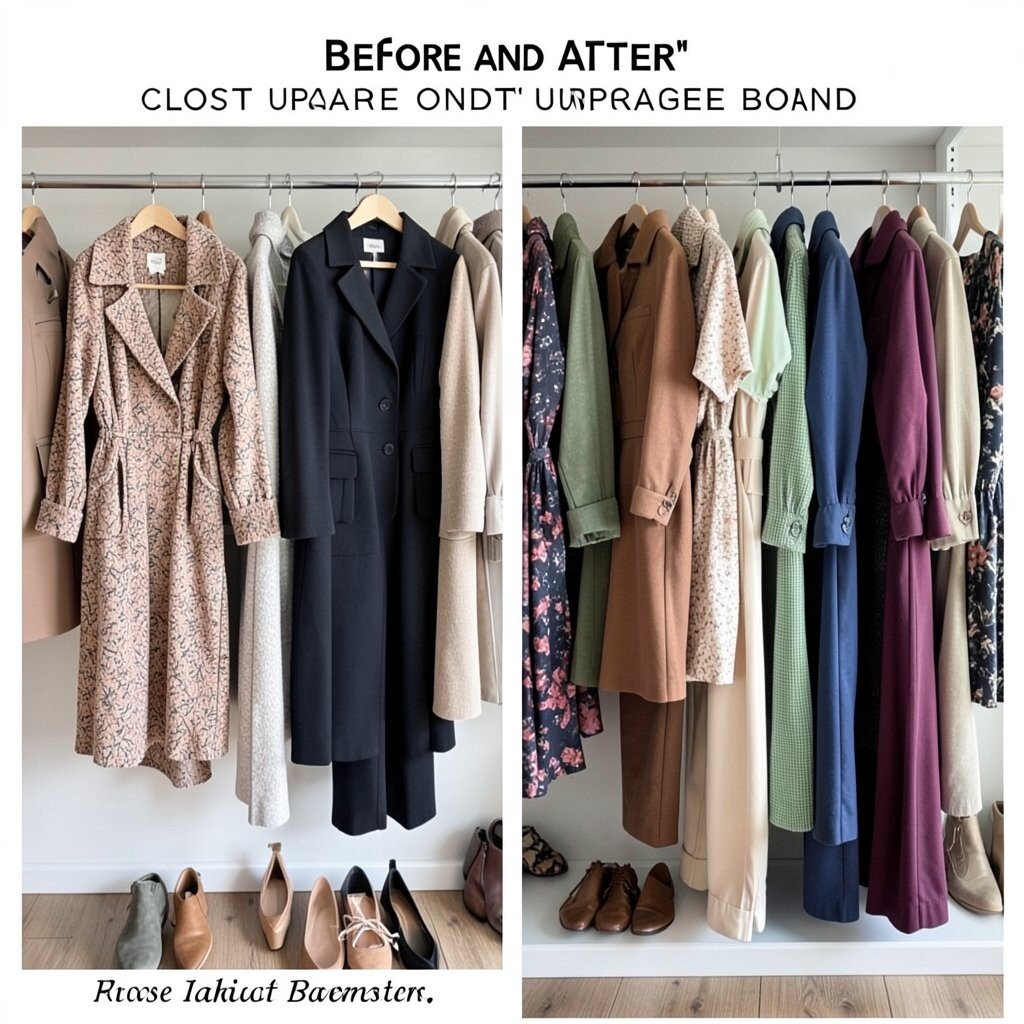
Make a split-style board that shows your wardrobe shift over time. Pin one set of outfits you currently wear and another set that represents your ideal upgrade.
This helps you spot gaps clearly, which saves money because you’ll buy with purpose. When you see what’s missing, you can plan a small shopping list instead of grabbing random items. Keep it unique by setting a personal goal, like adding more tailoring, more color, or more comfort-forward choices.
7. Occasion Planner Board for Real Life
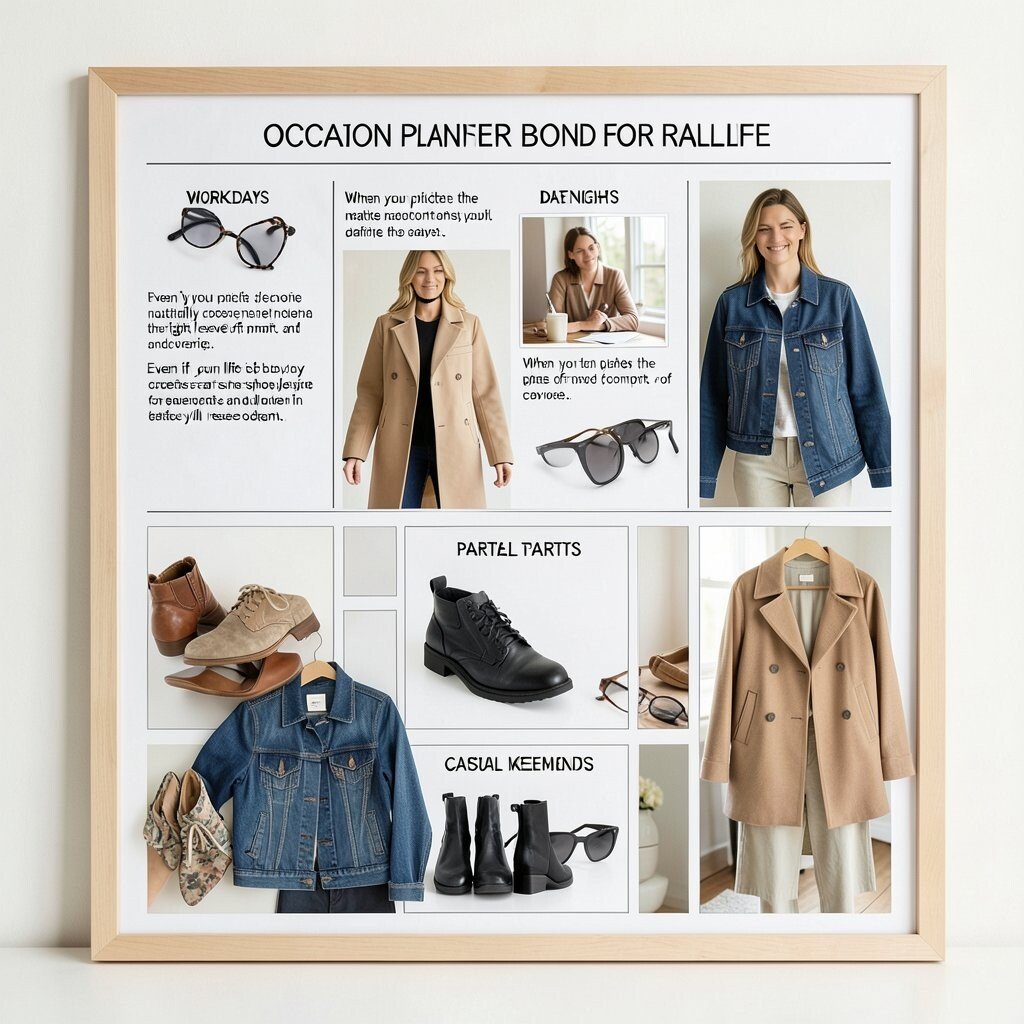
Organize your board around moments, not just outfits. Add sections for events like workdays, date nights, travel, parties, and casual weekends.
Even if your life is busy, this structure makes planning feel calm and doable. When you picture the occasion, you naturally choose the right level of polish, comfort, and coverage. Make it practical by pinning shoes and layers that work with your typical schedule, like jackets you can wear on multiple days.
For trends, add one current style element that fits the occasion, such as sleek sunglasses for summer or a statement coat for cooler months. If costs are a concern, borrow or swap one piece for special events and invest only in basics you’ll reuse often.
8. Body-Shape Friendly Board With Silhouette Clues
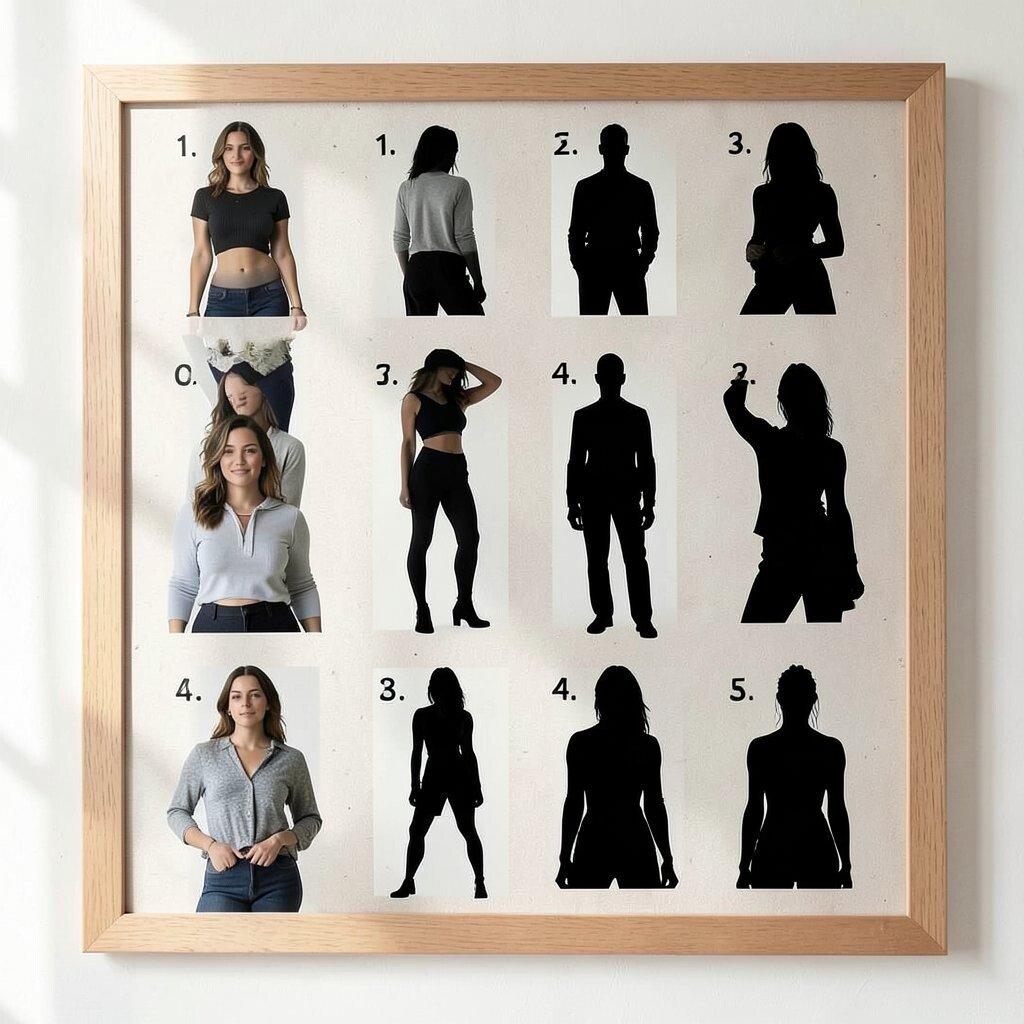
Build a board that focuses on silhouettes that make you feel great. Choose shapes that highlight your favorite areas and create the balance you like.
Seeing these silhouettes in one place makes styling easier, because you can repeat what flatters. It also reduces the stress of trying random trends that don’t feel right. Personalization is key, so select images that match your comfort level, like breathable fits, supportive waistlines, or sleeves you don’t feel restricted by.
9. Style Icons With Your Own Twist
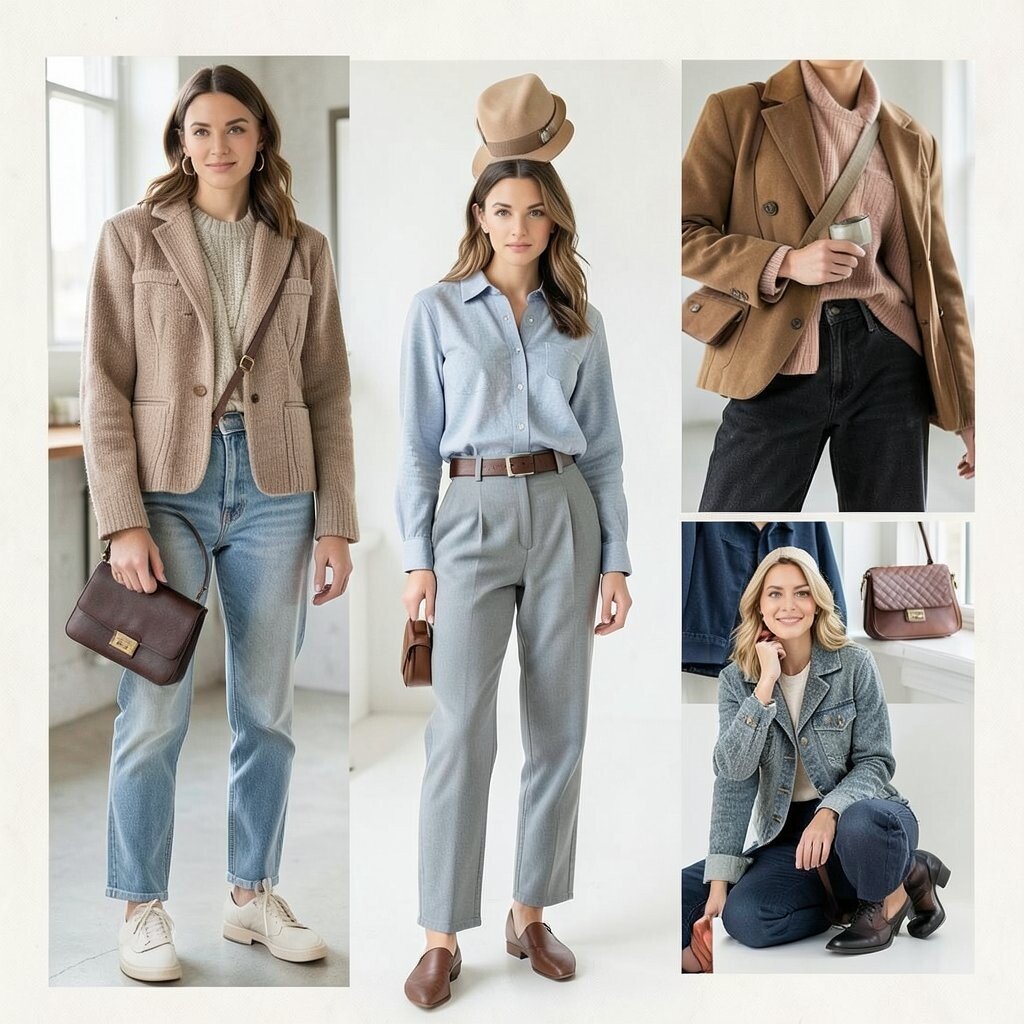
Pin style icons, but don’t copy them exactly. Choose their look energy, then recreate it with your closet and your personal preferences.
This board becomes a creative playground, where you can borrow ideas like a color pairing or a signature accessory. You’ll benefit because your inspiration stays relevant to you, not just to someone else’s life. Keep it unique by adding your own “swap rules,” such as using flats instead of heels, or choosing more relaxed fabrics.
To stay current, pick icons who reflect today’s trends, like modern vintage, clean tailoring, or elevated street style. Cost considerations are easier when you shop for one element at a time, like a belt, a bag, or a jacket that gives the whole outfit that icon vibe.
10. Seasonal Layering Board With Weather Notes
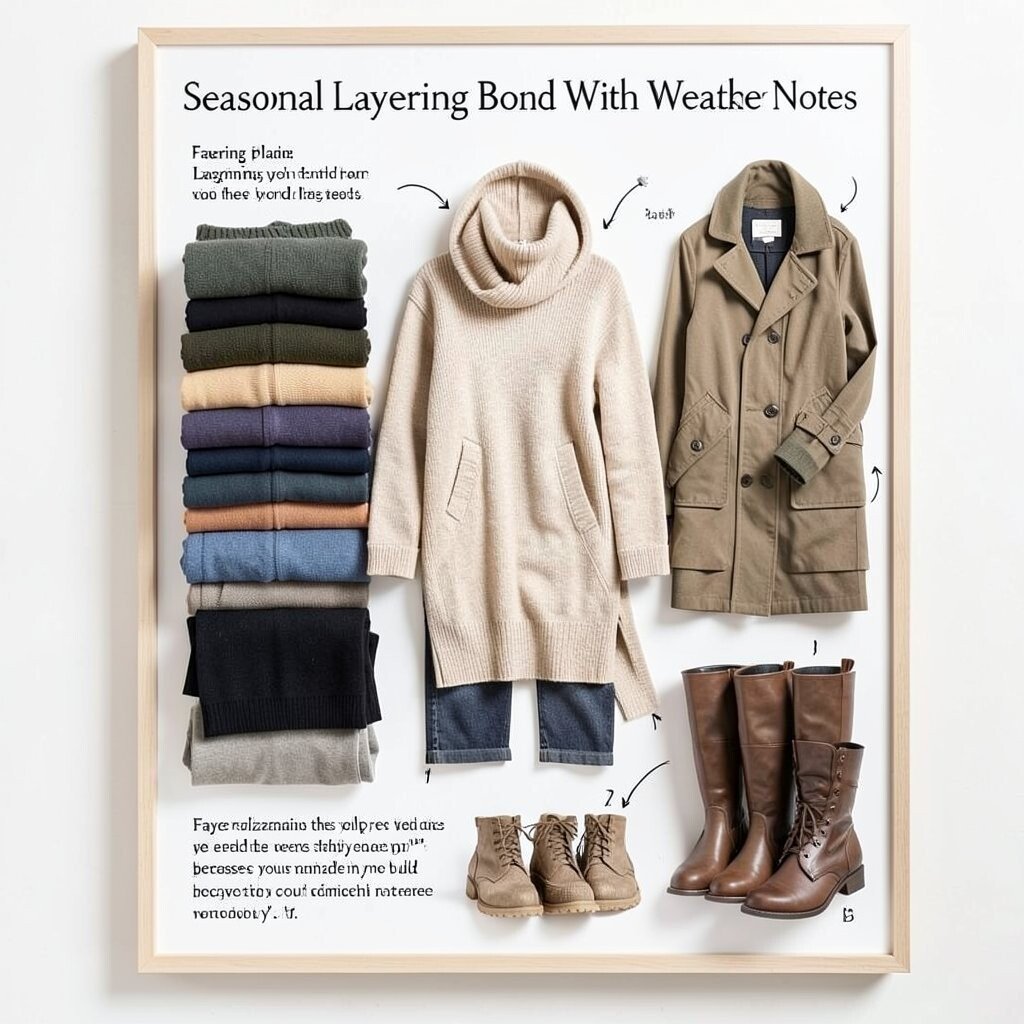
Create a board that shows how you layer through the season. Include base layers, mid layers, outerwear, and shoes that work together.
Layering planning helps you feel ready even when the weather shifts. You’ll avoid the “nothing goes together” feeling because you built combinations in advance. Add personalization by matching your climate reality, like lightweight cardigans for early fall or thicker coats for windy days.
11. Minimalist Capsule Story Board
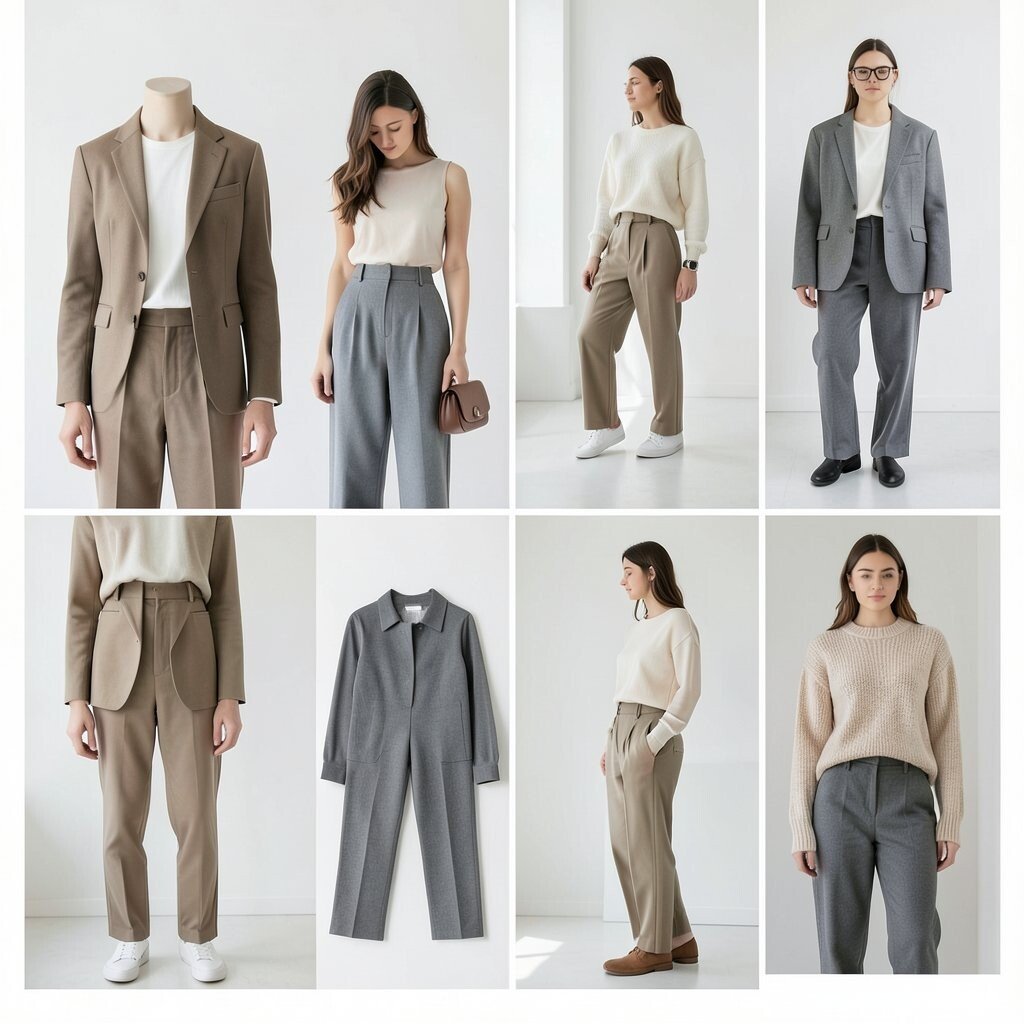
Make a board that tells the story of a capsule wardrobe. Pin a small set of outfits that share colors, cuts, and fabric families so everything mixes easily.
This approach saves time and money because you’re choosing items that play well together. It’s also unique because minimal style can still feel personal when you pick your preferred details, like straight hems, simple necklines, or clean belt lines. Keep it actionable by pinning repeat outfits that can rotate across the week.
For current trends, you can include modern minimalist ideas like slightly oversized blazers or polished knit sets. If budget matters, focus on quality basics like tops and outer layers first, then add one trend-driven accessory for variety.
12. Pattern Play Board With Prints and Pairing Rules
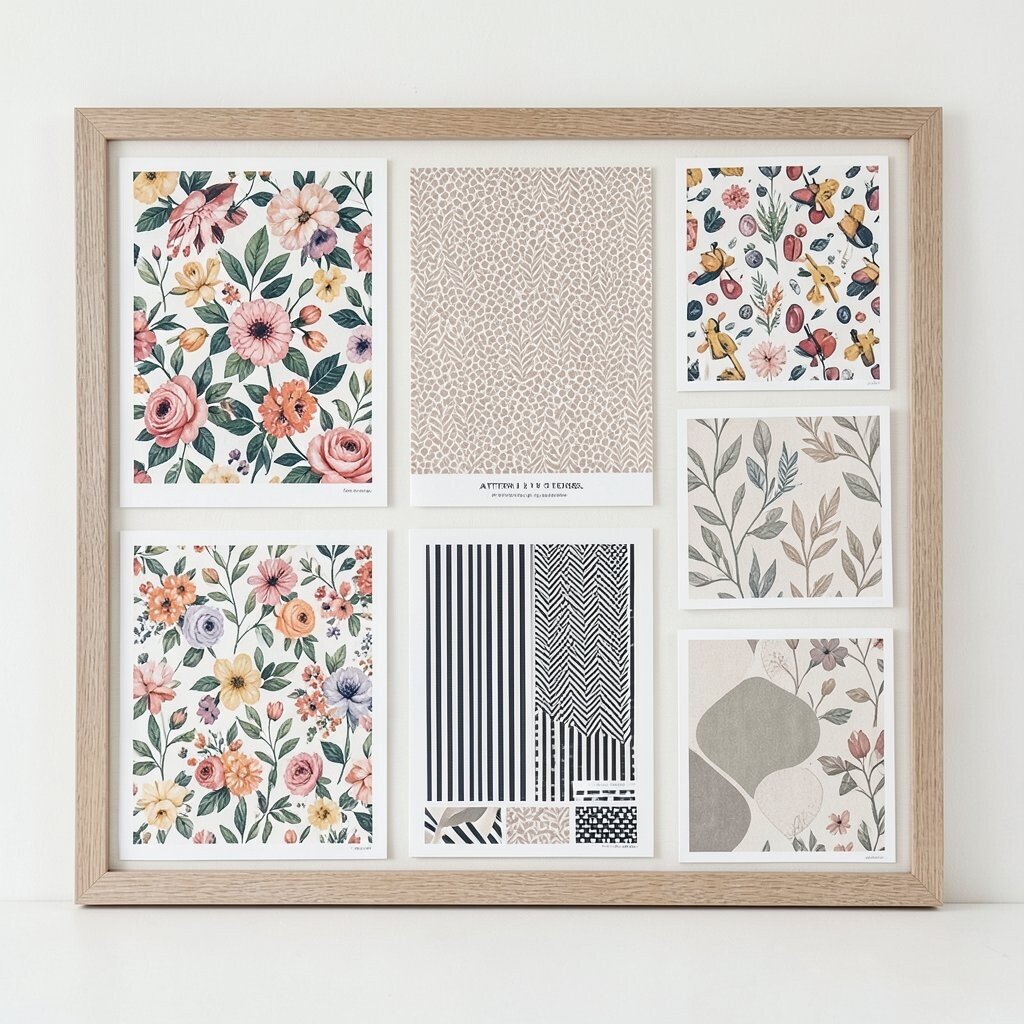
Build a board around patterns, because prints can be playful when you pair them well. Choose one bold print, one subtle companion, and one neutral that calms the look.
Patterns make outfits feel fresh, and a board helps you learn what matches naturally. You’ll gain confidence because you can see pairing ideas again when you’re stuck. Personalization works best here, so select prints that match your taste, like floral for softness, stripes for structure, or abstract shapes for energy.
13. Footwear Love Board for Styling Freedom
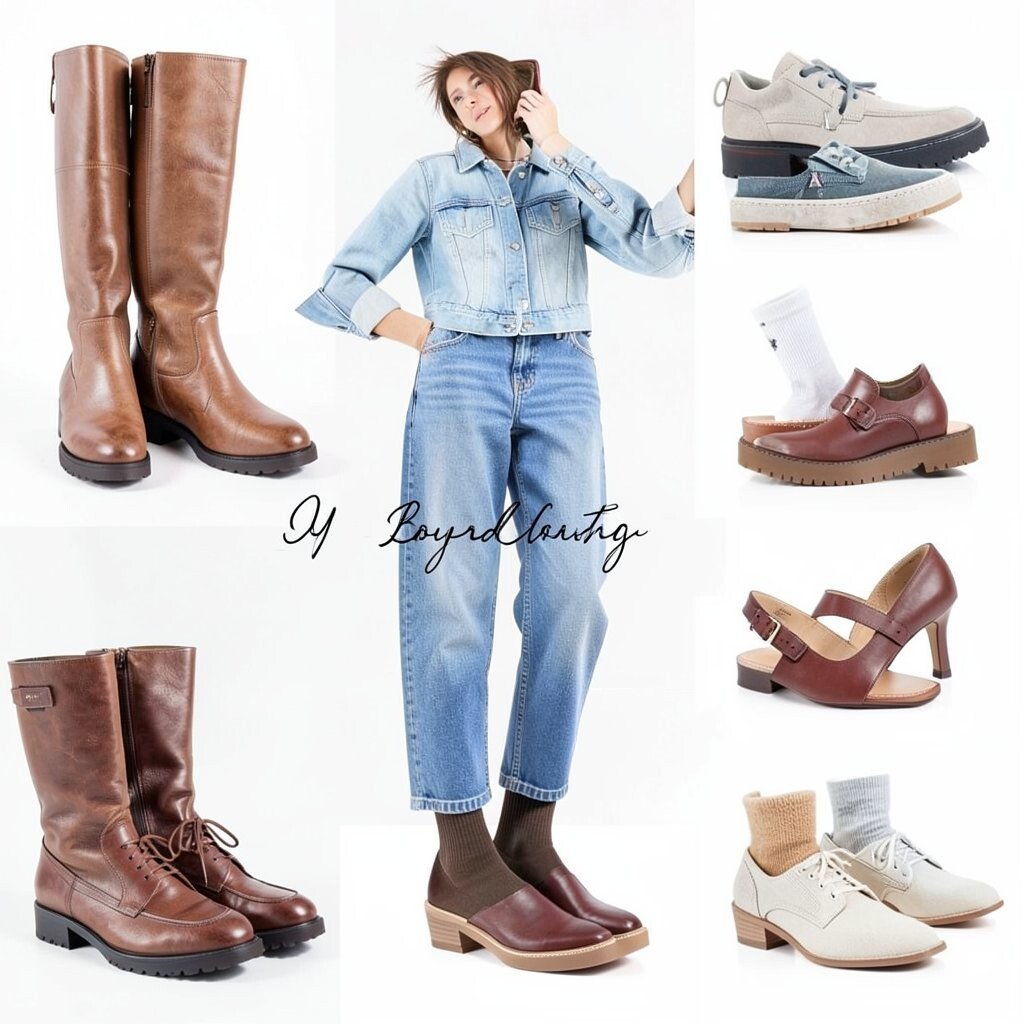
Let shoes drive your outfit choices, because footwear changes the mood instantly. Pin boots, sneakers, loafers, heels, sandals, and flats that fit your daily life.
When you keep a footwear board, you’ll remember which shoes work with which pants and skirts. This is practical because it prevents the common problem of buying shoes that never get worn. Make it unique by selecting styles tied to your needs, like supportive sneakers for walking days or elegant flats for events.
To match trends, look for current favorites like platform soles, sleek ballet-inspired flats, or retro sneaker shapes. Cost considerations can be managed by finding one great pair that does a lot, and then using cheaper swaps like ankle socks, laces, or simple shoe accessories to refresh the look.
14. Color-Blocking Board for Bold but Wearable Looks
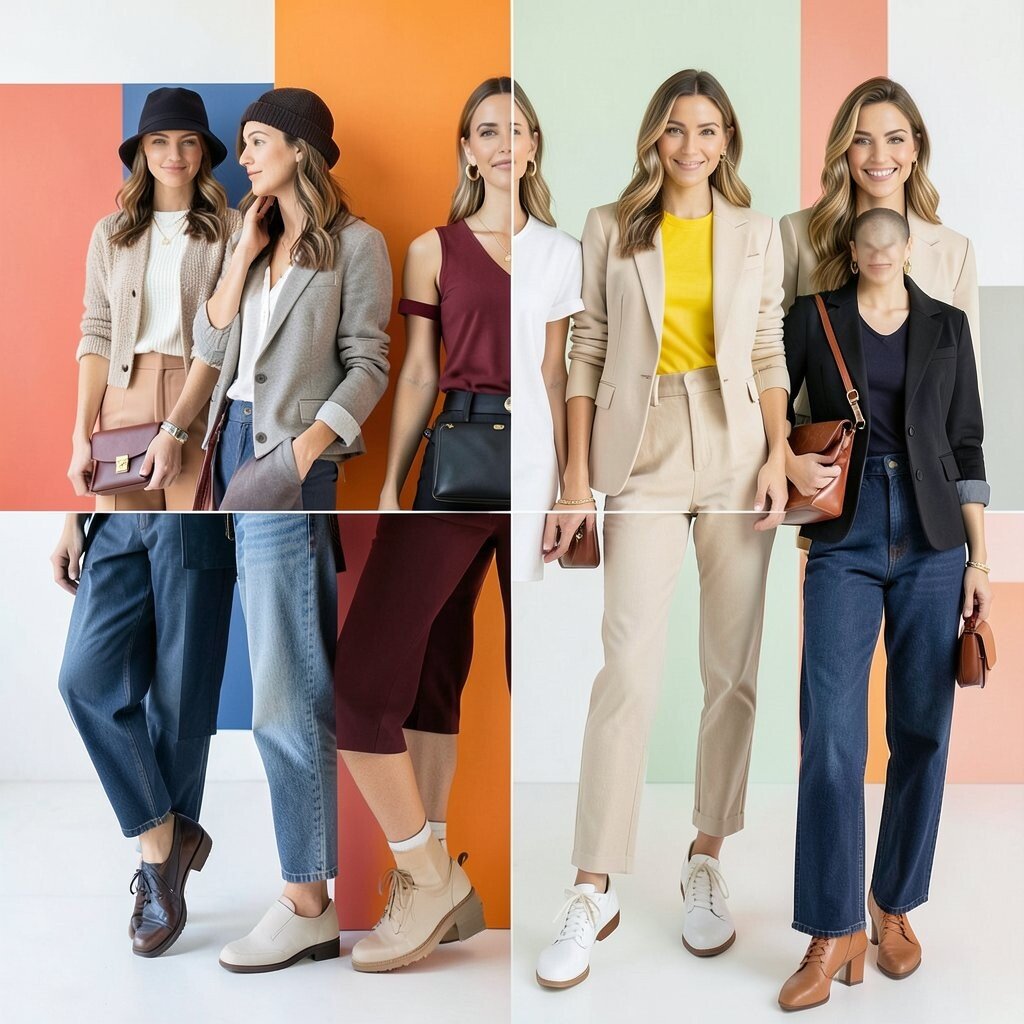
Create a board that highlights color-blocking ideas you can actually wear. Pin outfits where colors are separated cleanly, like panels, contrasts, or color-drenched accessories.
This style feels confident, yet it can still be practical when you choose shades that match your wardrobe. You’ll benefit because color-blocking can reduce decision fatigue, since the outfit structure is already planned. Personalization is easy by using your safe neutrals as anchors and letting one bright color do the talking.
15. Crafty DIY and Upcycling Inspiration Board
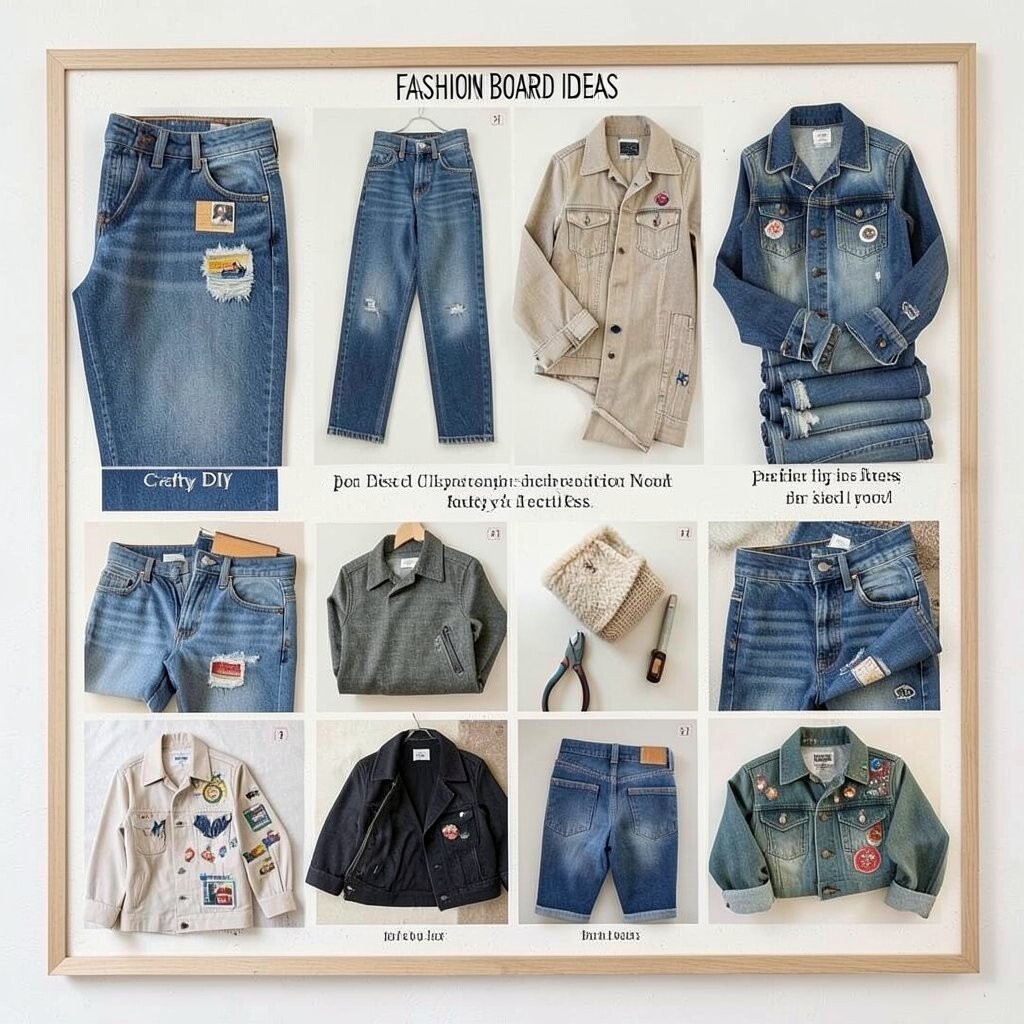
Build a board full of DIY ideas, like hemming jeans, adding patches, or reworking a jacket. Even if you’re not an expert, simple changes can make old pieces feel new.
This board supports creativity and helps you spend less while still looking stylish. You’ll gain uniqueness because your clothes will carry your personal touches, not just store tags. Practical tips matter here, so pin ideas that match your skill level and your available tools, like fabric glue for quick fixes or iron-on patches for weekends.
For current trends, look for the DIY energy that keeps showing up in street style, like customized denim and mixed-material textures. Cost considerations are usually friendly in this category, especially when you shop your own closet first or swap items with friends.
16. Social Media Street-Style Snapshot Board
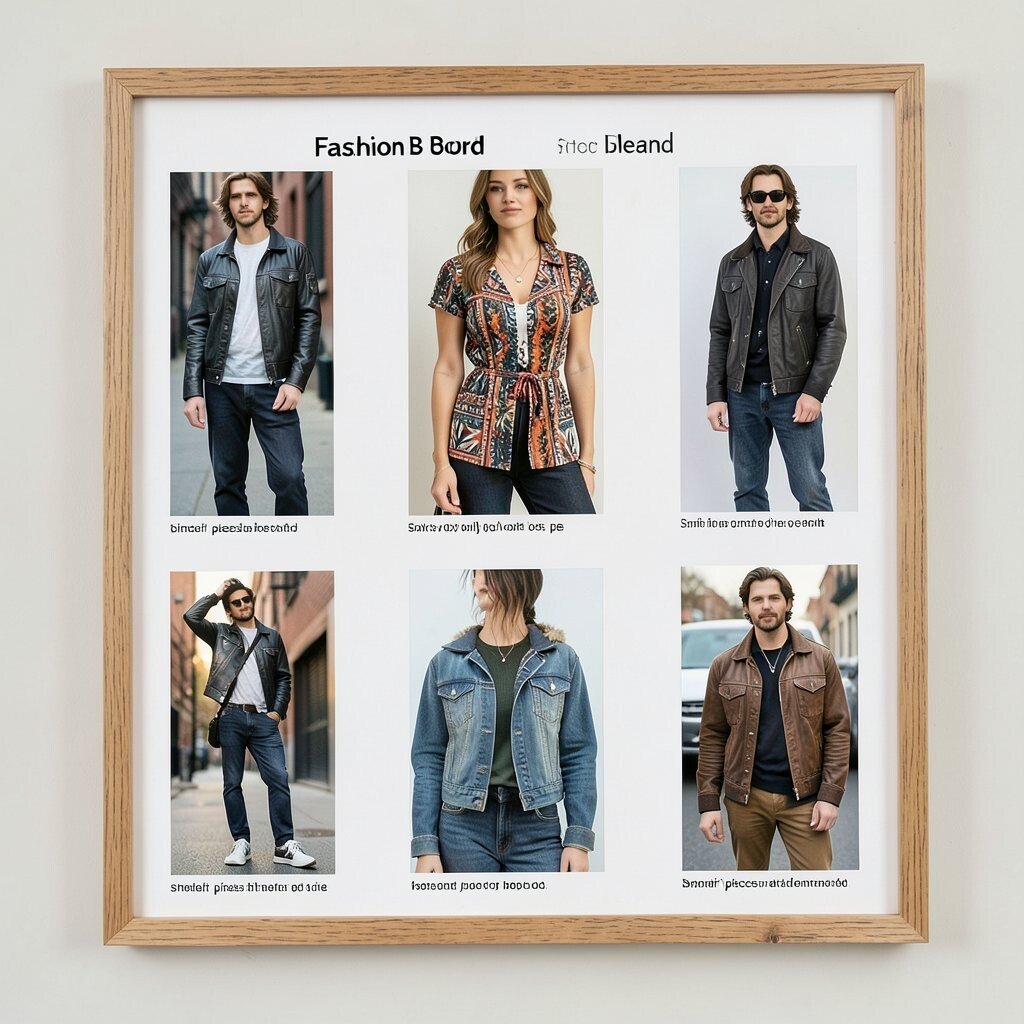
Collect street-style looks from your favorite accounts or local photo stories. Instead of saving random photos, focus on the patterns behind the looks, like how people pair outerwear or balance proportions.
This board benefits you by keeping inspiration fresh and aligned with what people wear right now. You’ll notice trends faster, then you can decide what fits your body, budget, and lifestyle. Make it practical by saving only a handful of looks per week, so you don’t end up with an overload you never use.
To keep it cost-aware, create a “similar pieces” habit when you pin a look. If something is expensive, pin it for the idea, then search for affordable alternatives that match the same silhouette or color combination.
17. Personal Style Manifesto Board
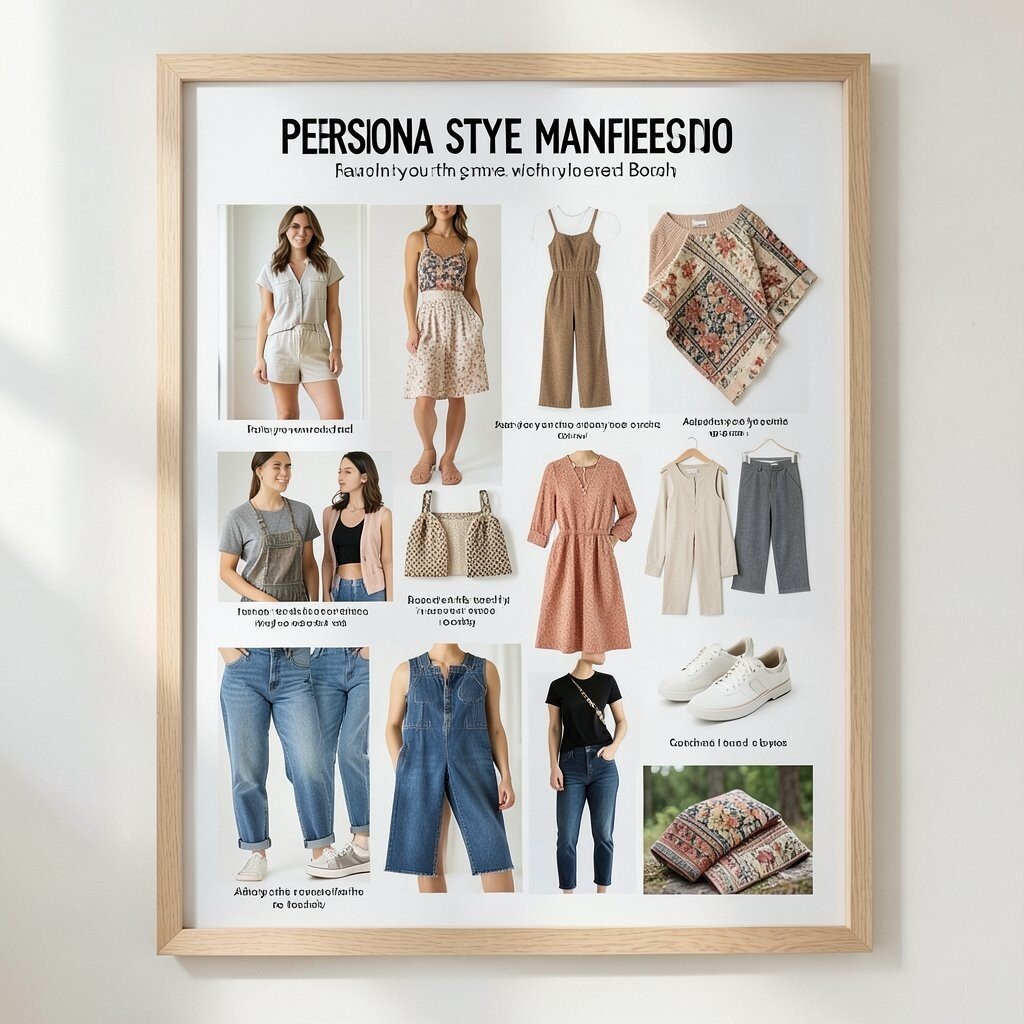
Make a board that explains your style in pictures and small messages to yourself. Add outfit images that match how you want to feel, plus visuals of your preferred fabrics, colors, and silhouettes.
This is one of the most personal boards you can create, because it guides choices when you’re unsure. You’ll benefit by using it like a compass, especially when trends feel too loud or too fast. For personalization, include your daily must-haves, like comfortable shoes, easy layers, or jewelry you reach for without thinking.
To keep it realistic, add cost considerations by pinning affordable versions of your favorite elements first. If you want current flair, choose one trend that matches your manifesto and ignore the rest so your wardrobe stays consistent and genuinely you.