Your home should feel good the moment you step inside. When the layout works with your life, style shows up effortlessly.
1. Clear Pathways That Flow
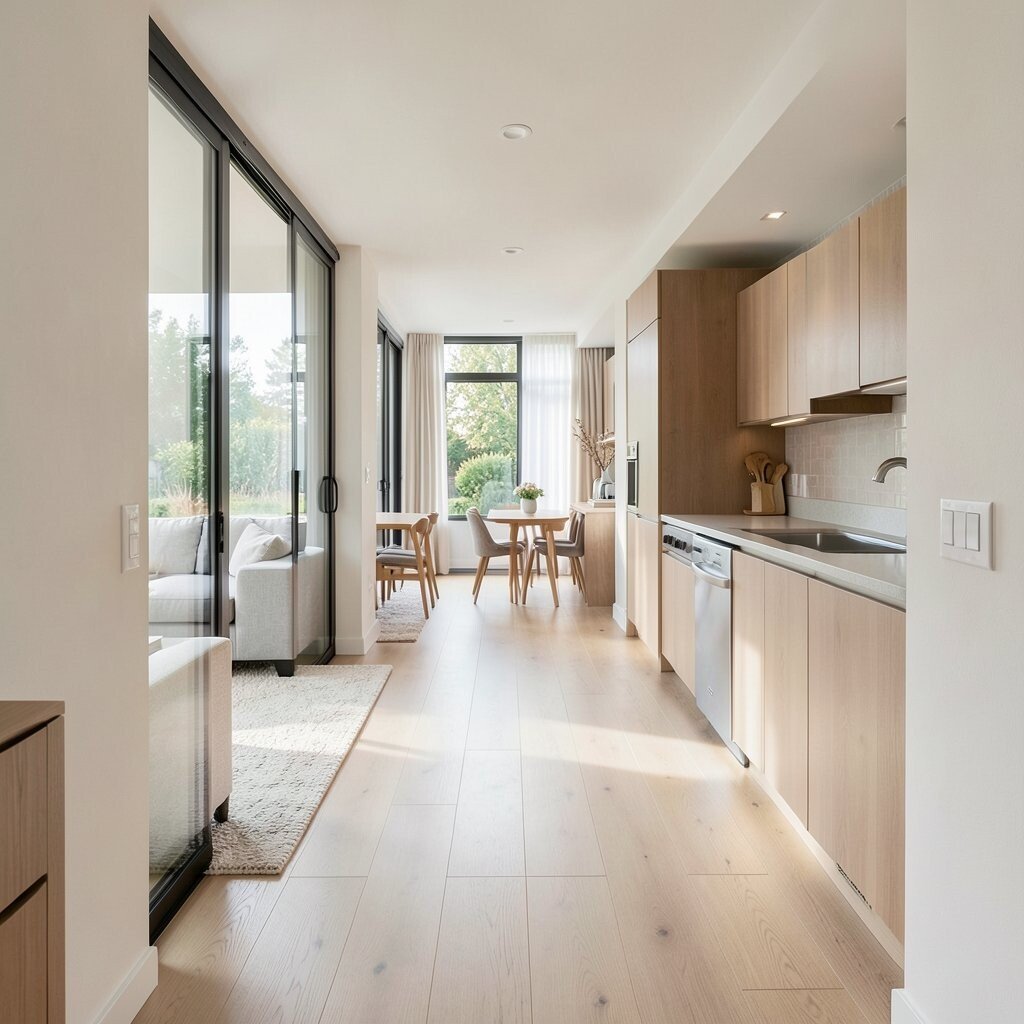
When you walk in, your feet should know where to go. A clear path also makes the rooms feel calmer, even on busy days.
Start by imagining your everyday routes: from the entry to the living area, to the kitchen, and back. Keep the main walkway free of clutter, like loose baskets or extra chairs that block sightlines.
2. Layered Lighting for Cozy Control
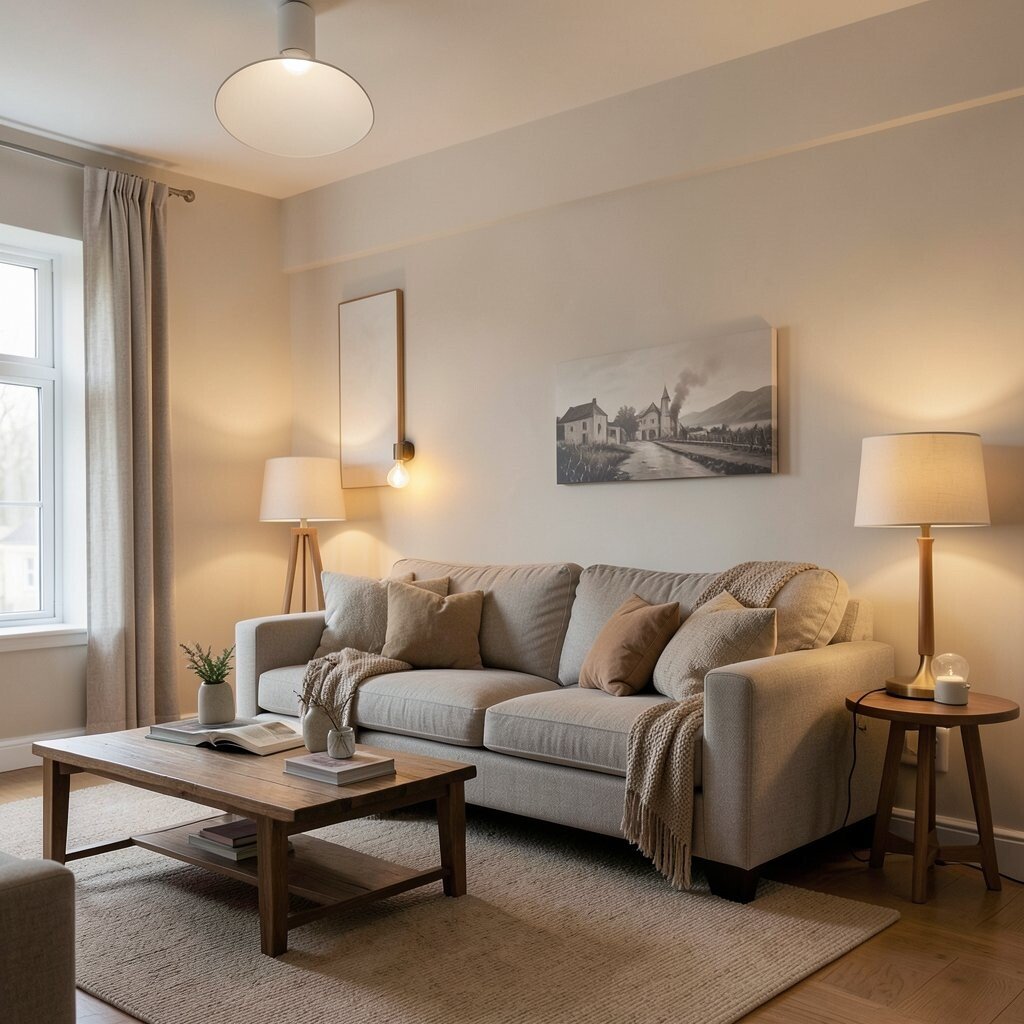
Lighting is one of the fastest ways to make a layout feel intentional. You can create warmth without adding more furniture.
Use a mix of overhead light, task lighting, and soft lamps so every zone has its own mood. Place a lamp near a reading spot and use a dimmable fixture near the couch for evenings that feel slow and friendly.
Try aiming light so it bounces off walls, which helps small rooms feel taller. If you’re updating on a budget, swap bulbs first and add one stylish floor or table lamp to anchor the look.
3. Anchors That Give Rooms a Sense of Order
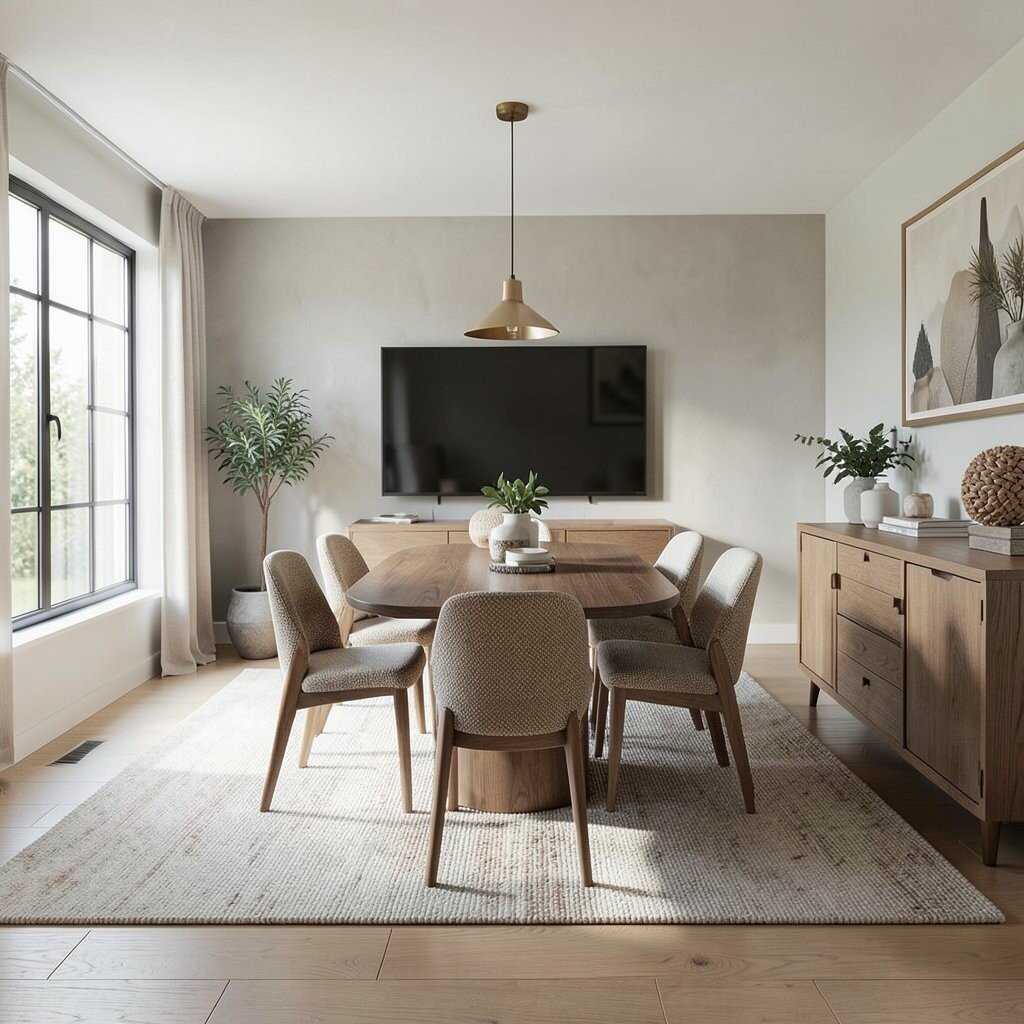
Every room needs a visual “home base” that keeps things from looking scattered. A strong anchor also helps guests understand how to move through the space.
Choose one big element such as a rug, a media wall, a dining table, or a standout chair and build around it. Center furniture so the anchor feels intentional, then use smaller pieces to echo its shape and color.
For personalization, pick a texture you love, like woven fibers or matte wood, and repeat it in a few places. If costs are tight, focus on one upgrade that affects the whole room, like a new rug or a refurbished sideboard.
4. Storage That Hides the Everyday Mess
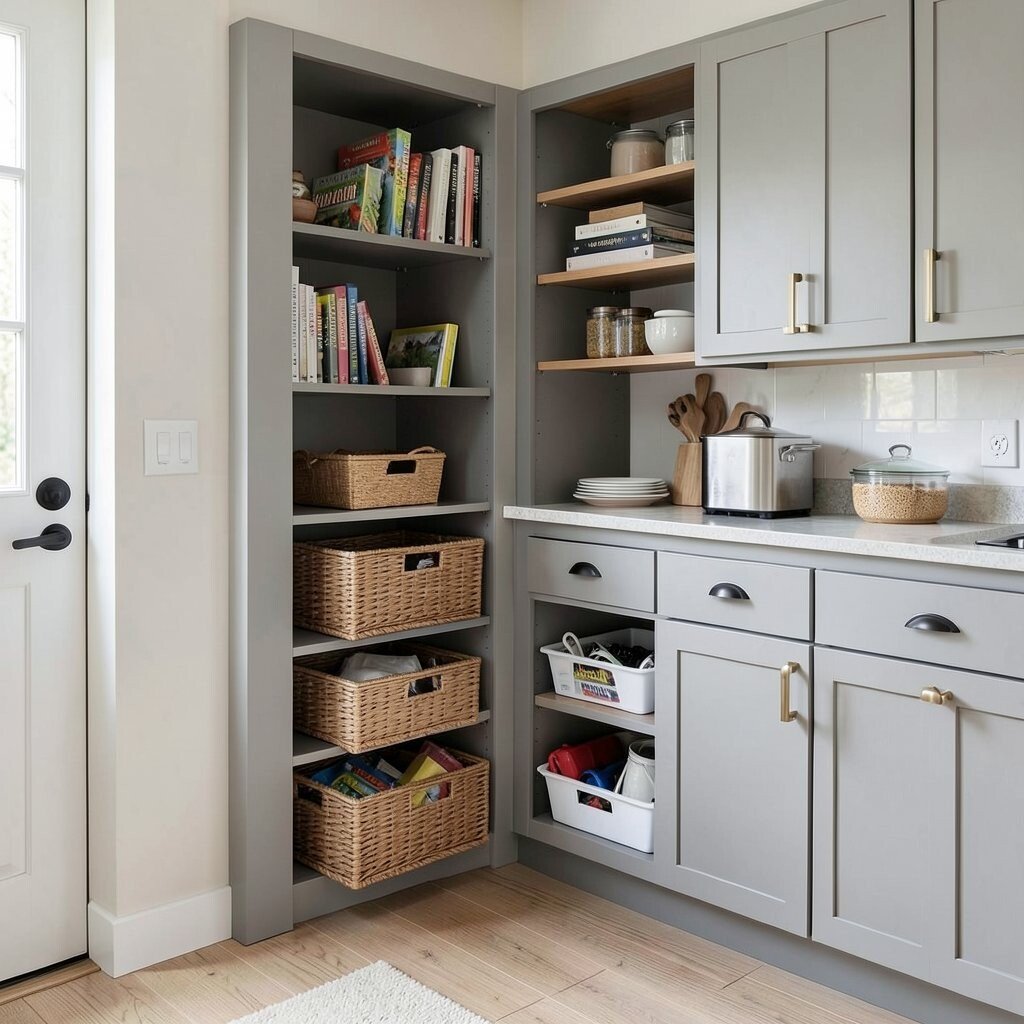
Nothing steals the beauty of a room faster than visible clutter. Smart storage keeps your layout looking neat while still staying practical.
Use closed cabinets for items you use often, like board games, mail, or extra chargers. Add baskets and drawer dividers so small stuff stays put, then place open shelving only where it can stay curated.
To keep it personal, match the cabinet hardware to your favorite metal tones, like brushed brass or matte black. For cost control, prioritize storage in the spaces you see every day, such as the entry and kitchen.
5. Zoning That Matches Real Life
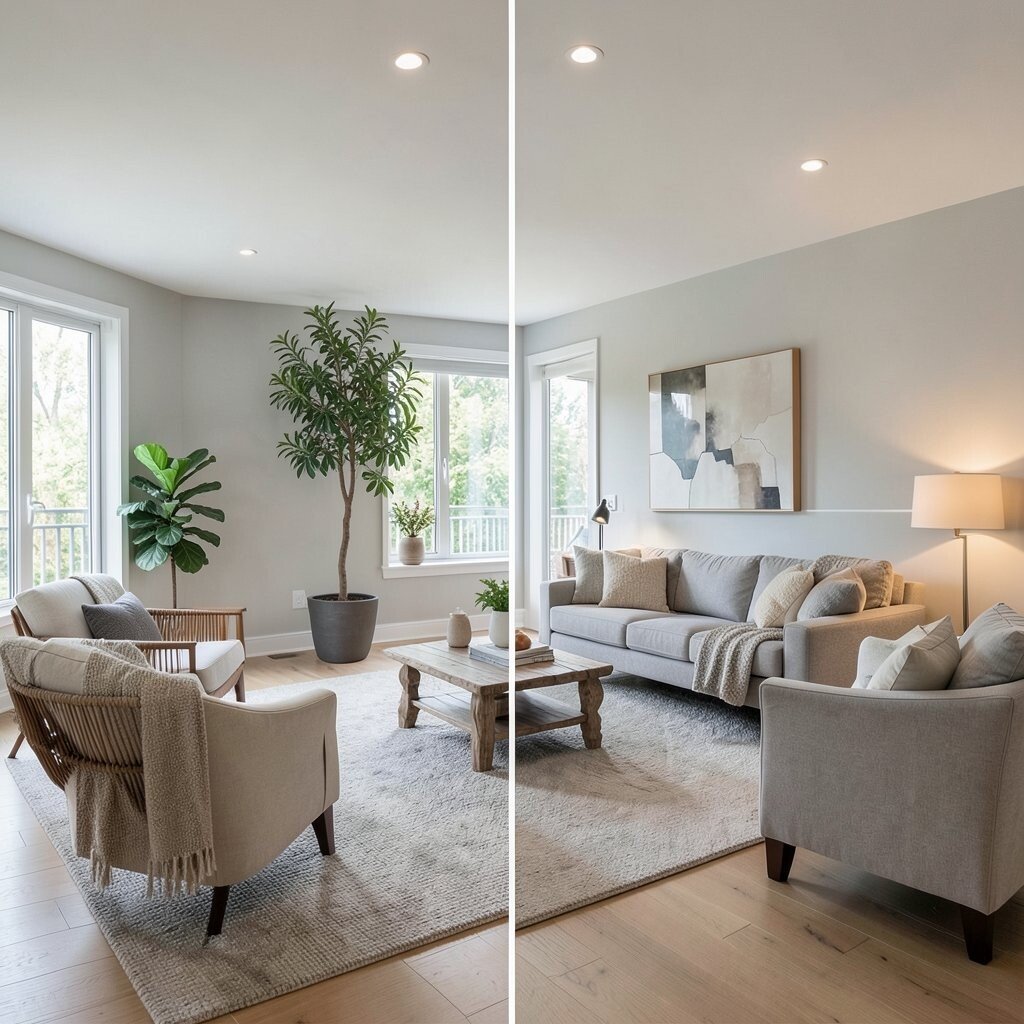
Rooms can do more than one job, but only if the space is zoned well. When each area has a clear purpose, the home feels more organized and comfortable.
Create zones by using rugs, furniture grouping, and even lighting differences. In a living room, put conversation seating together and let the rest of the room feel open for walking and cleaning.
For personalization, choose a color note for each zone, like a green plant corner or a warm lamp shade near the sofa. If you want to budget wisely, start with a rug and reposition furniture before buying new pieces.
6. Intentional Sightlines That Feel Bigger
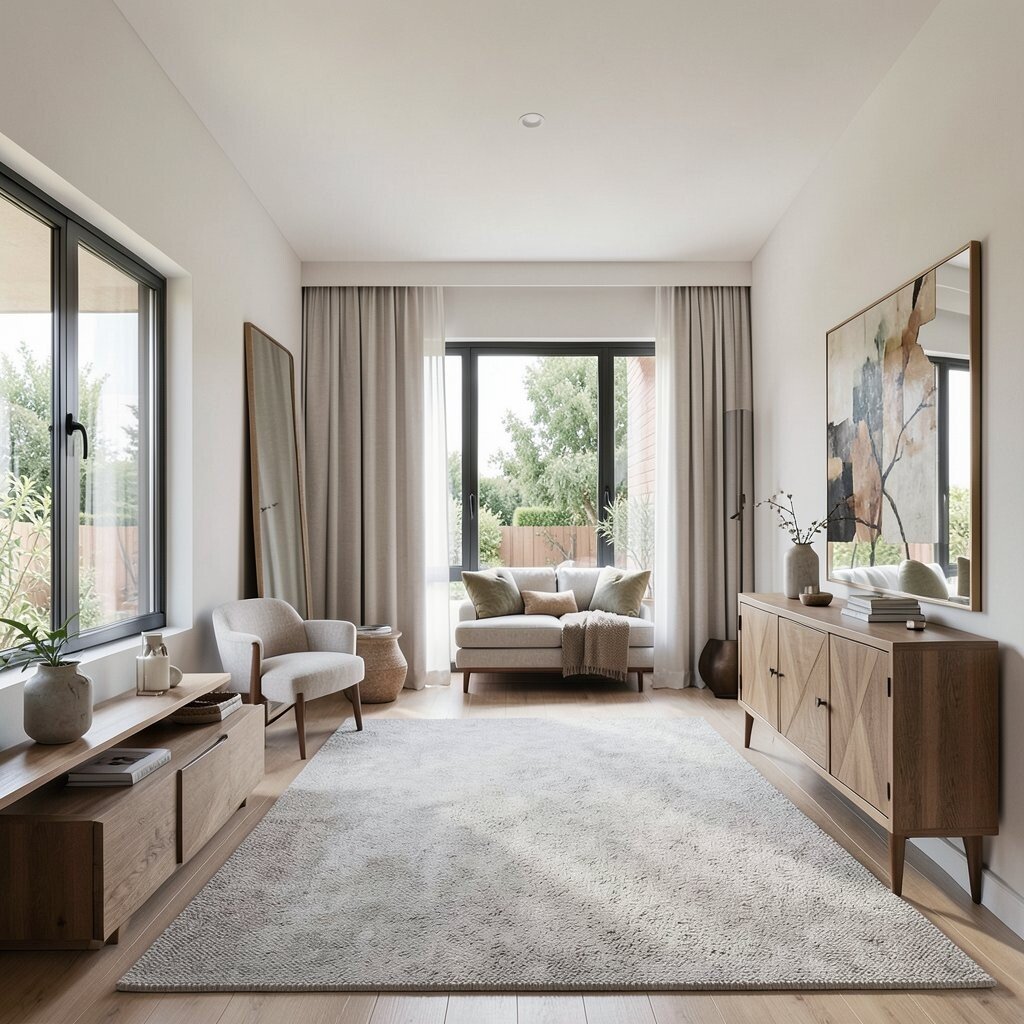
How you see the room matters as much as how it functions. Strong sightlines help spaces feel larger and more welcoming.
Place mirrors to reflect the most attractive parts of your home, like a window view or a piece of wall art. Keep tall items away from key walk-through angles so you don’t block the eye.
Use visual breaks on purpose, such as a console table or low shelving, rather than letting things rise randomly. If you’re working with a smaller budget, a single mirror and better wall styling can make a big difference.
7. Wall Layouts That Support Daily Habits
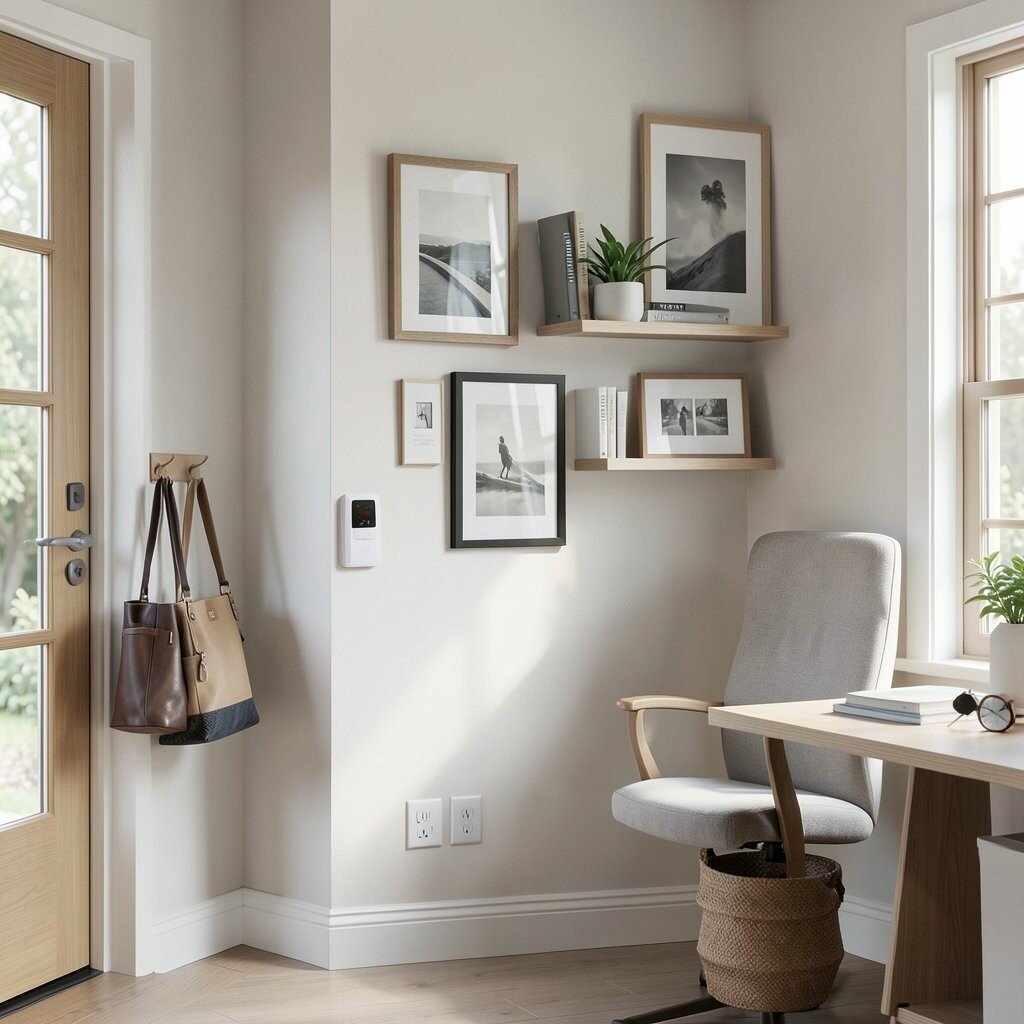
Your walls can be like quiet assistants that help you stay on track. When wall space is used well, the whole layout becomes more useful.
Add hooks for bags and keys near the entry so the morning routine runs smoother. Consider a charging station or a small organizer ledge near where you sit and work.
Personalize by choosing frames or shelving in the same finish as your other hardware. If costs are a concern, focus on one wall first, because even one upgraded area makes the room feel more complete.
8. Furniture Scales That Fit Without Crowding
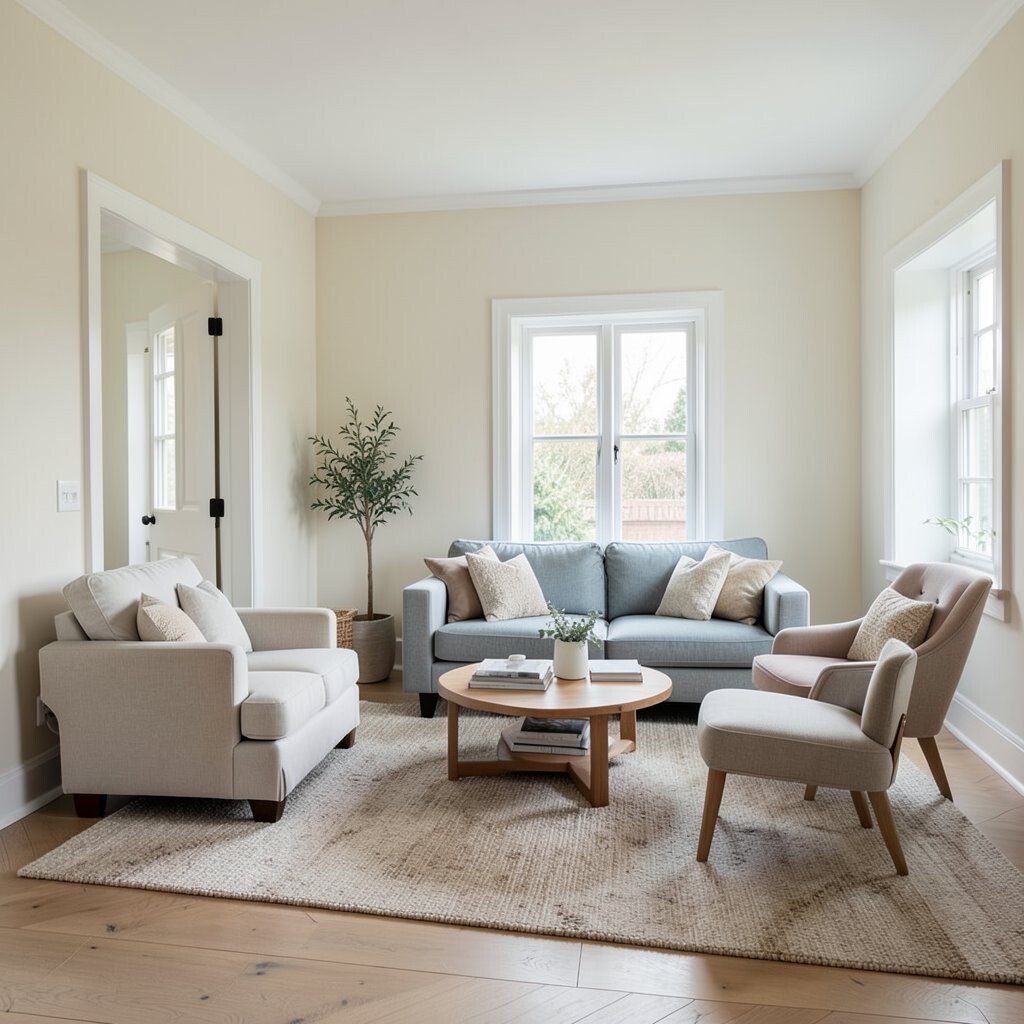
It’s easy to buy beautiful furniture, then realize it doesn’t fit your room. Scale is the secret to comfort, and it’s also the secret to clean-looking style.
Measure doorways and walking spaces before committing, then pick pieces that match the room’s rhythm. In tight rooms, choose slimmer chairs or a compact table rather than trying to force oversized items to work.
For personalization, select one or two statement pieces and let the rest stay lighter in visual weight. If you need to manage costs, consider buying secondhand for larger items and putting money into new upholstery or paint.
9. Dining Setup That Encourages Gathering
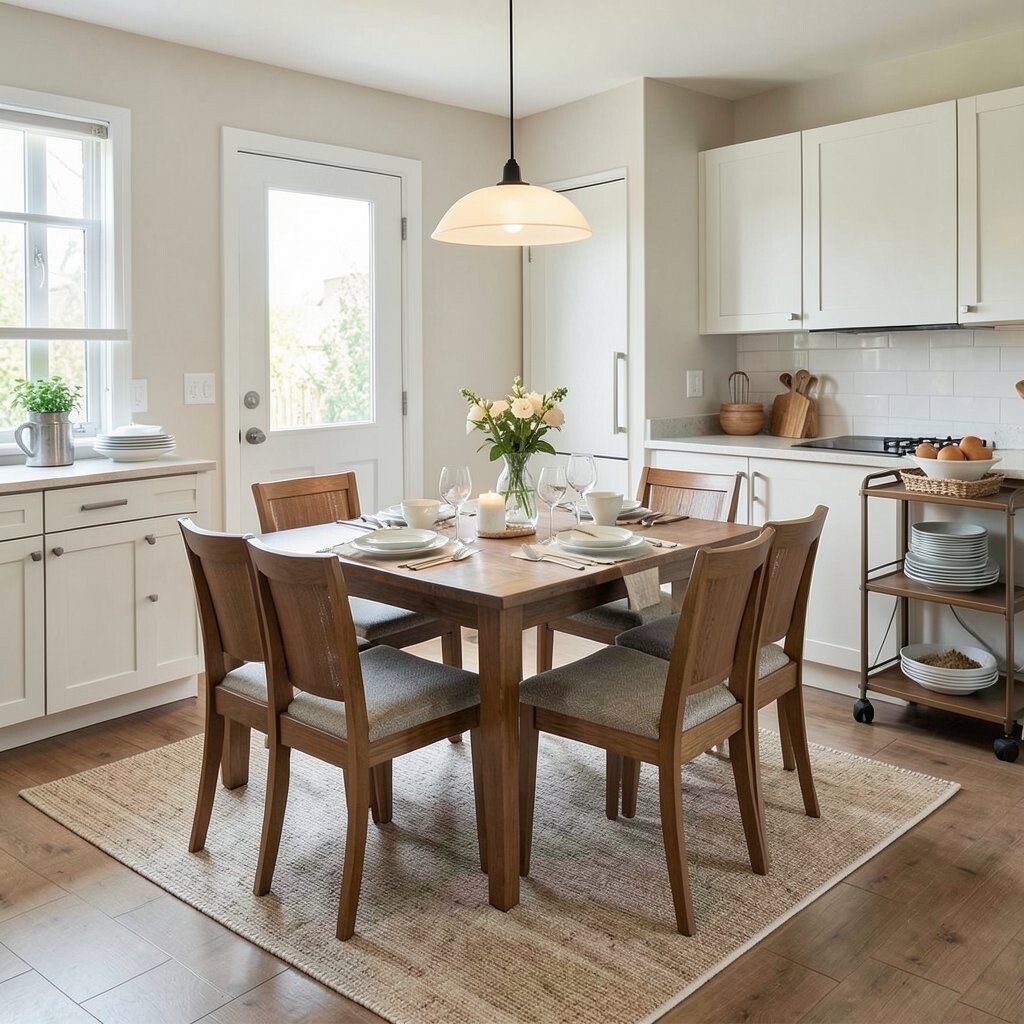
A dining space should invite people to linger, not just eat and leave. When the setup is welcoming, you’ll use the room more often.
Position the table so chairs can pull out easily, with room for at least one person to move comfortably. Keep a landing area near the kitchen door so plates and serving items can travel smoothly.
Add a sideboard or cart for serving, and use a pendant light above the table for a clear visual focus. If you want to stay practical with cost, start with the light and chair arrangement, since those choices change the feel quickly.
10. Kitchen Work Zones That Reduce Chaos
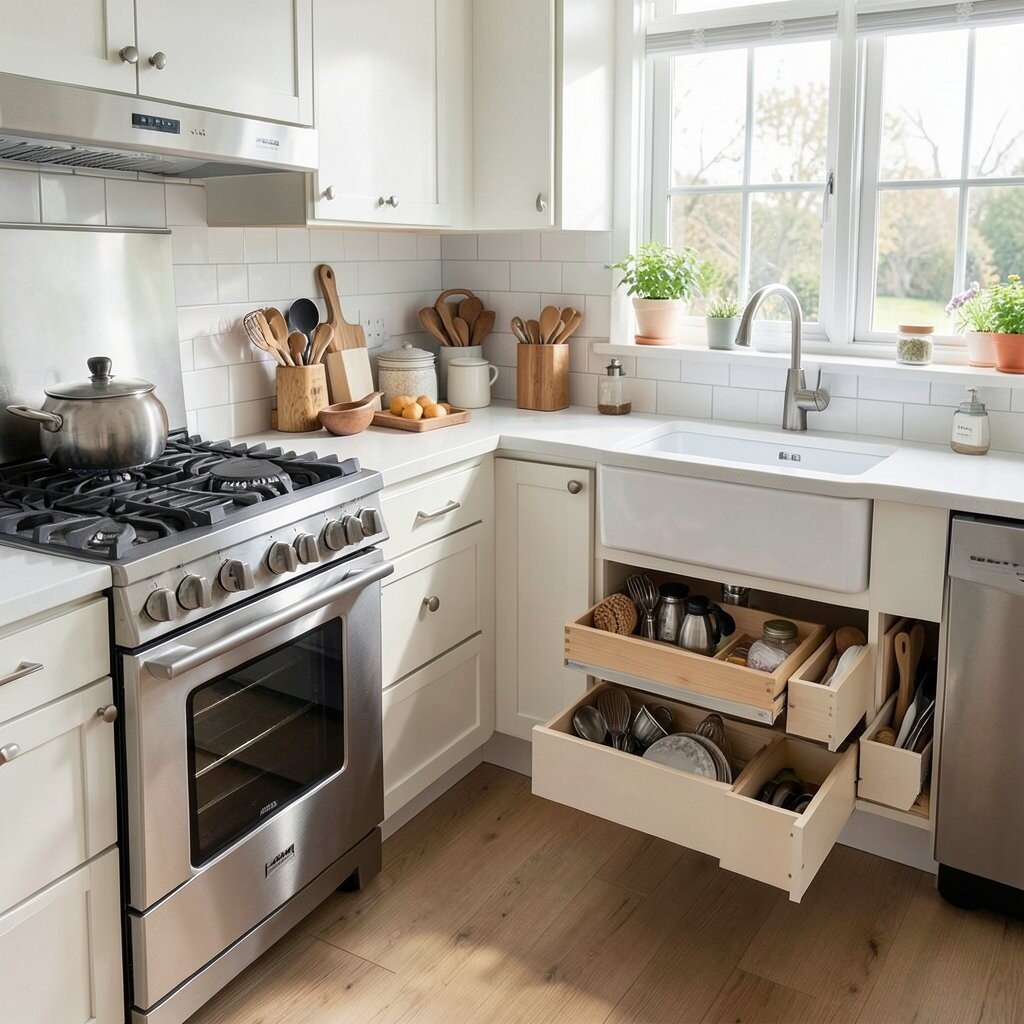
In the kitchen, layout is basically a daily workflow. When work zones make sense, you spend less time crossing the room and more time enjoying meals.
Create a cooking zone with the stove nearby, a prep zone close to the sink, and a landing zone for tools. Keep frequently used items at arm height so you’re not hunting for things while hands are busy.
For personalization, match tray organizers and drawer inserts to your cooking habits, like baking tools or coffee gear. If costs are tight, begin by clearing counters and adding one organizer system, because a tidy surface changes everything.
11. Flexible Corners That Flex With Your Needs
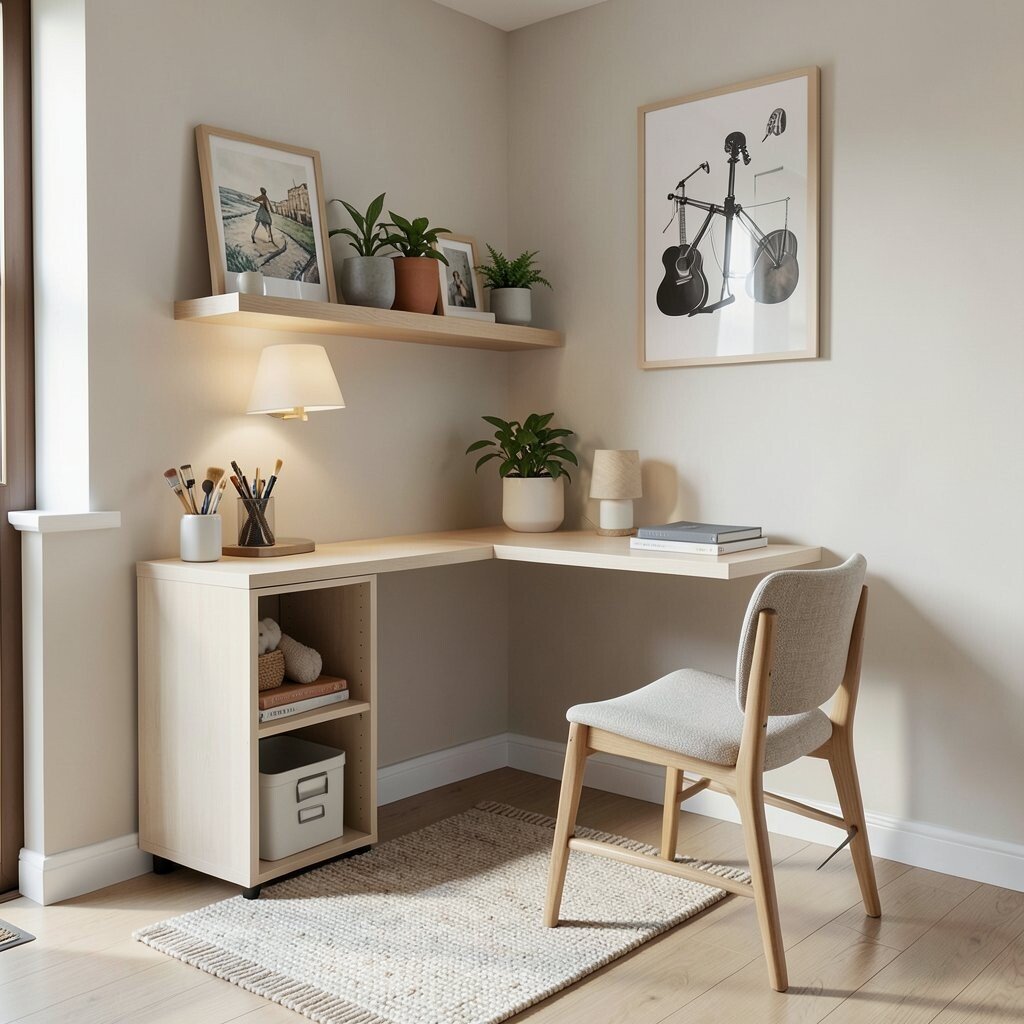
Every home has odd corners that either get ignored or become useful magic. Turning them into functional spots makes the layout feel smarter and more personal.
Use a narrow shelf, a slim desk, or a small reading chair to claim that space. Add a small rug or wall art so the corner feels intentional rather than accidental.
Personalize with a theme you love, like music, crafts, or plants, then keep the tools contained. For cost control, repurpose a cabinet, look for compact furniture, or use built-in-style storage with affordable shelving.
12. Entry Moments That Set the Tone
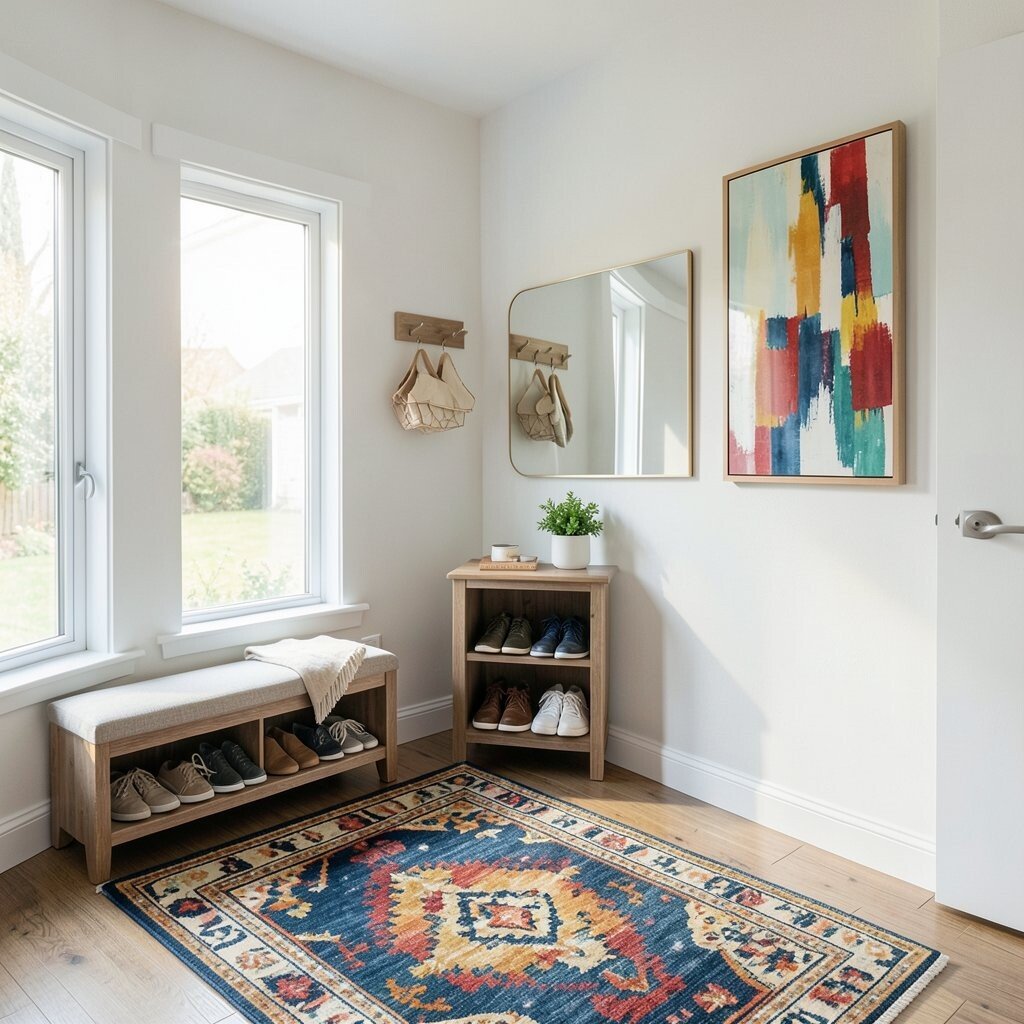
The entry is the first chapter of your home story. Make it feel stylish and practical so guests instantly sense comfort.
Create a landing zone with a bench, small console, or shoe storage so items have a place right away. Add a light and a mirror so the area feels bright, even when it’s busy.
For personalization, choose one signature element such as a bold runner rug or a piece of art with your favorite colors. If you’re watching costs, focus on function first, like hooks and storage, then upgrade the look with small decor.
13. Personal Styling That Looks Purposeful
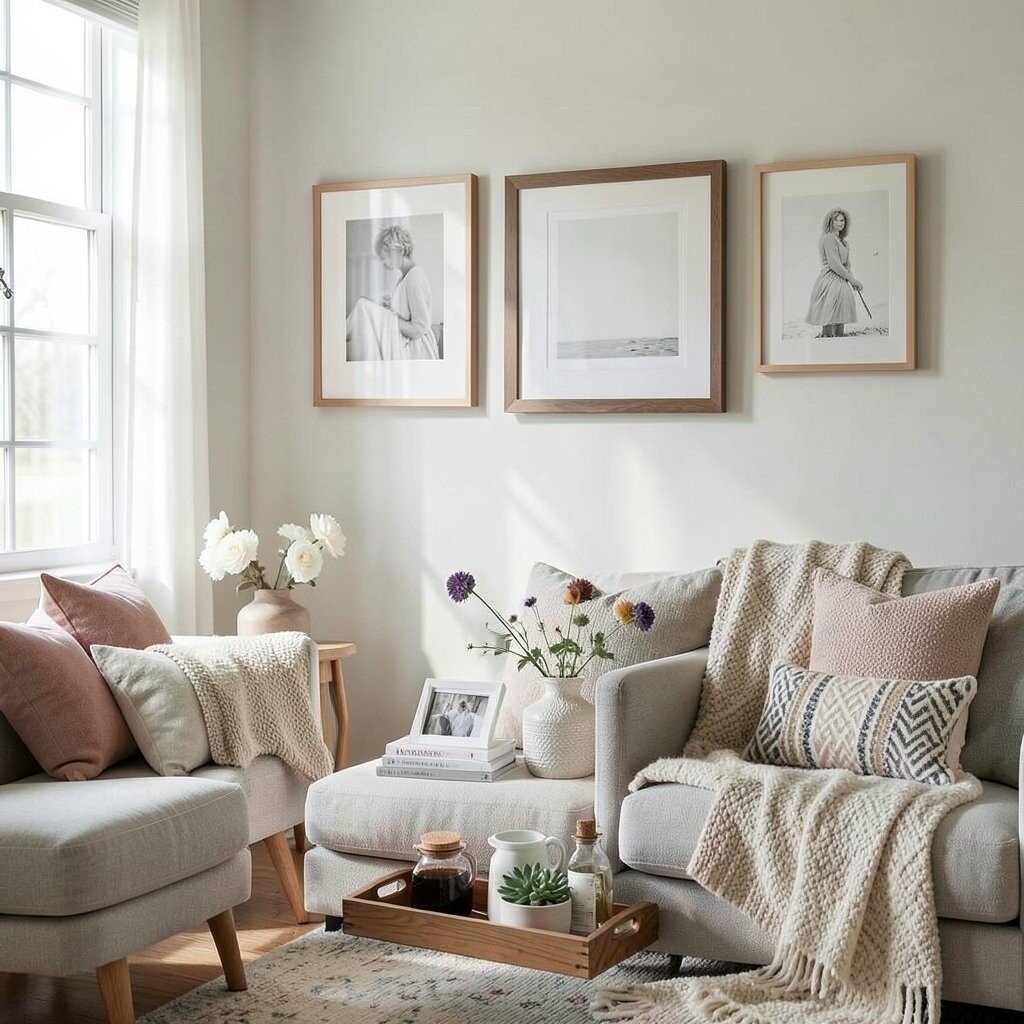
Style becomes more believable when it follows your layout instead of fighting it. When your decor matches the purpose of each zone, the home feels cohesive and lived-in.
Group items in sets, like matching frames, repeated colors, or a few related textures. Keep negative space too, because empty space helps your favorite pieces breathe and keeps the room from feeling crowded.
Personalize by showing what you truly use, like books you reach for, photos from your life, or a tray for everyday essentials. If you want to manage cost, shop your home first, edit gently, and invest in one higher-quality piece that ties the whole look together.
Finally, adjust seasonally with small swaps, like pillow covers or a different centerpiece. This keeps the layout feeling fresh without needing constant renovations.