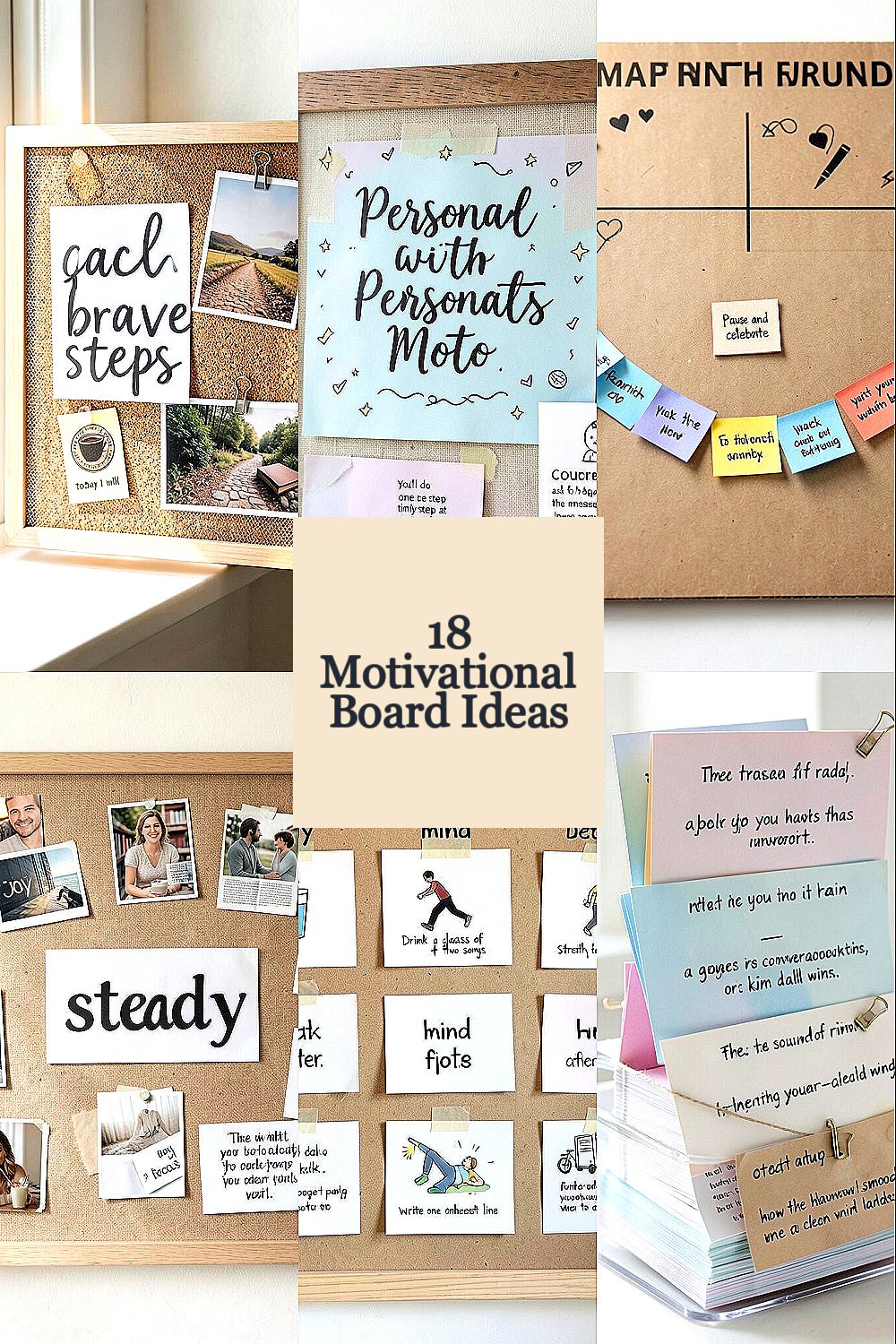
Your mood can change faster than you think. A motivational board gives your brain a gentle nudge every time you look up.
When you set it up in a way that feels like you, it becomes a daily “ready” signal. It can be simple, affordable, and still surprisingly powerful.
1. Morning Window Focus Board
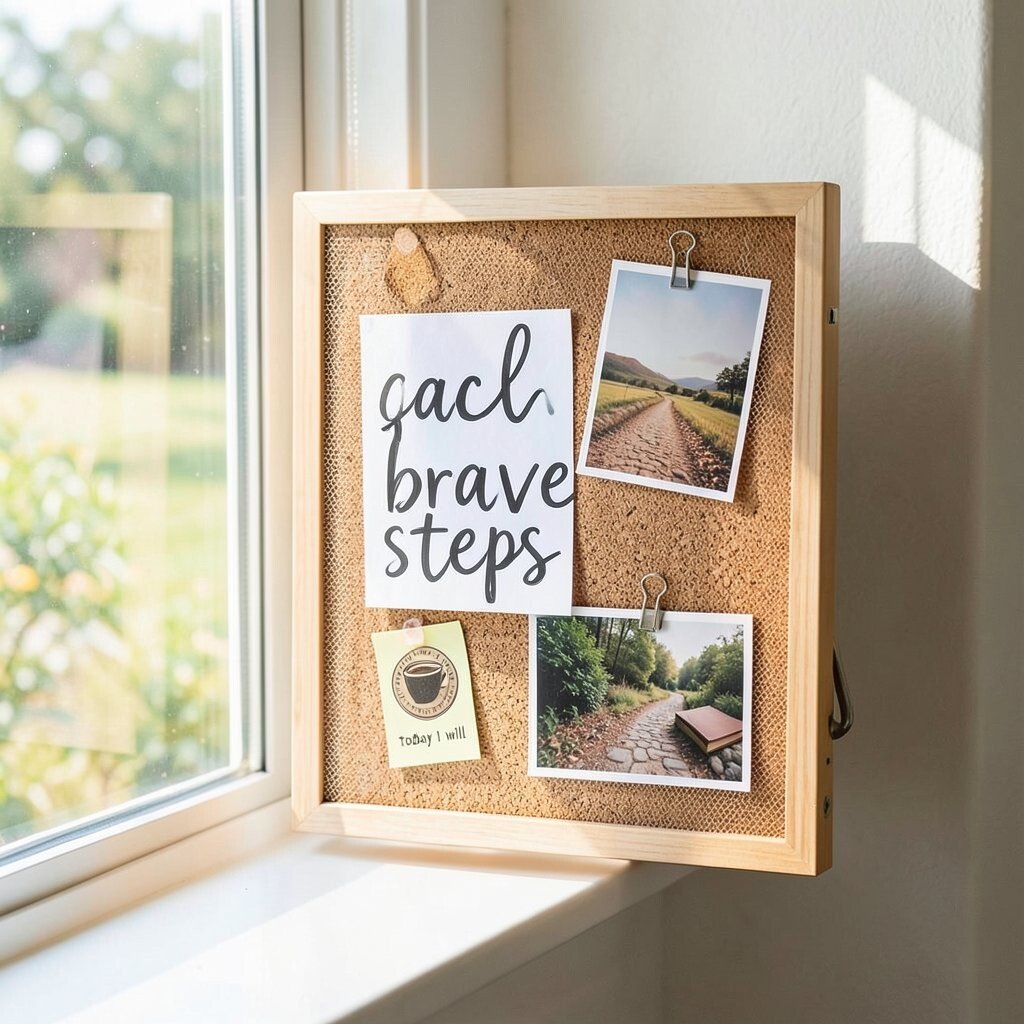
Place your board near a window where light naturally hits during the morning. You can clip photos, sticky notes, and short affirmations onto a small cork panel or a frame with mesh. Seeing the sun and your message together helps your mind wake up with purpose. Keep it small enough that you actually check it before you start the day.
Choose one theme for the day, like calm focus or brave steps, and write it in big letters. Add a short “today I will” note and back it with a matching image, such as a coffee cup, a path, or a book. Rotate the visuals every week so your board doesn’t feel stuck. If you enjoy minimal clutter, use fewer items but make each one meaningful.
2. Personal Motto With Signature Style
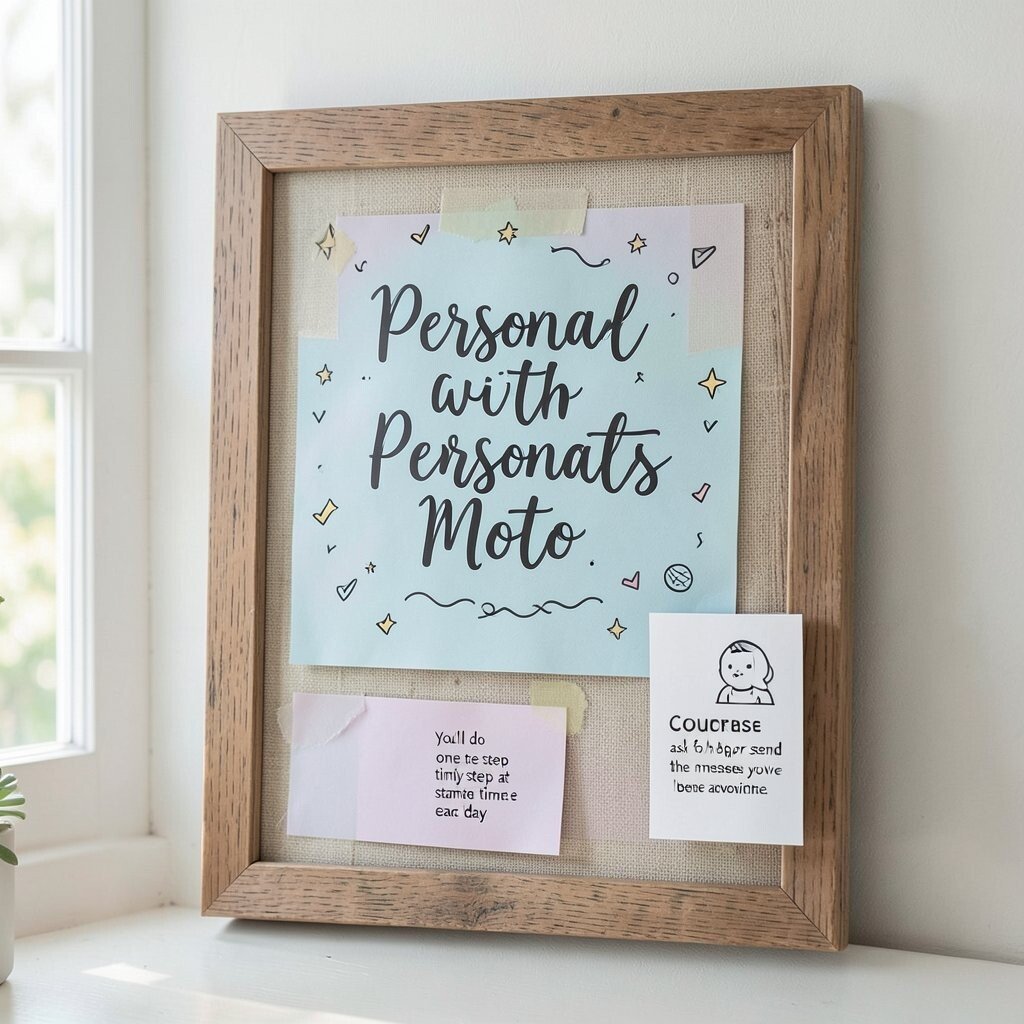
Pick a phrase that sounds like something you’d say out loud. Write it on colored paper or print it in a font you love, then frame it or tape it to your board. For a visual boost, add small doodles around the words, like stars, waves, or tiny check marks. This kind of board feels personal because the design is about your taste, not someone else’s rules.
Keep the motto visible and pair it with one practical action. If your phrase is about consistency, add a card that says you’ll do one tiny step at the same time each day. If your phrase is about courage, add a reminder to ask for help or send the message you’ve been avoiding. You can personalize it even more by using your favorite colors or matching the theme to your room.
To keep costs low, use supplies you already have, like old frames, scrap paper, or markers. A recent trend is using clean typography and soft color palettes, which makes boards look calm instead of chaotic. If you want a modern touch, print a few simple icons and place them beside your motto. The goal is to make it easy to glance, read, and move forward.
3. Goal Map With Sticky Trail Steps
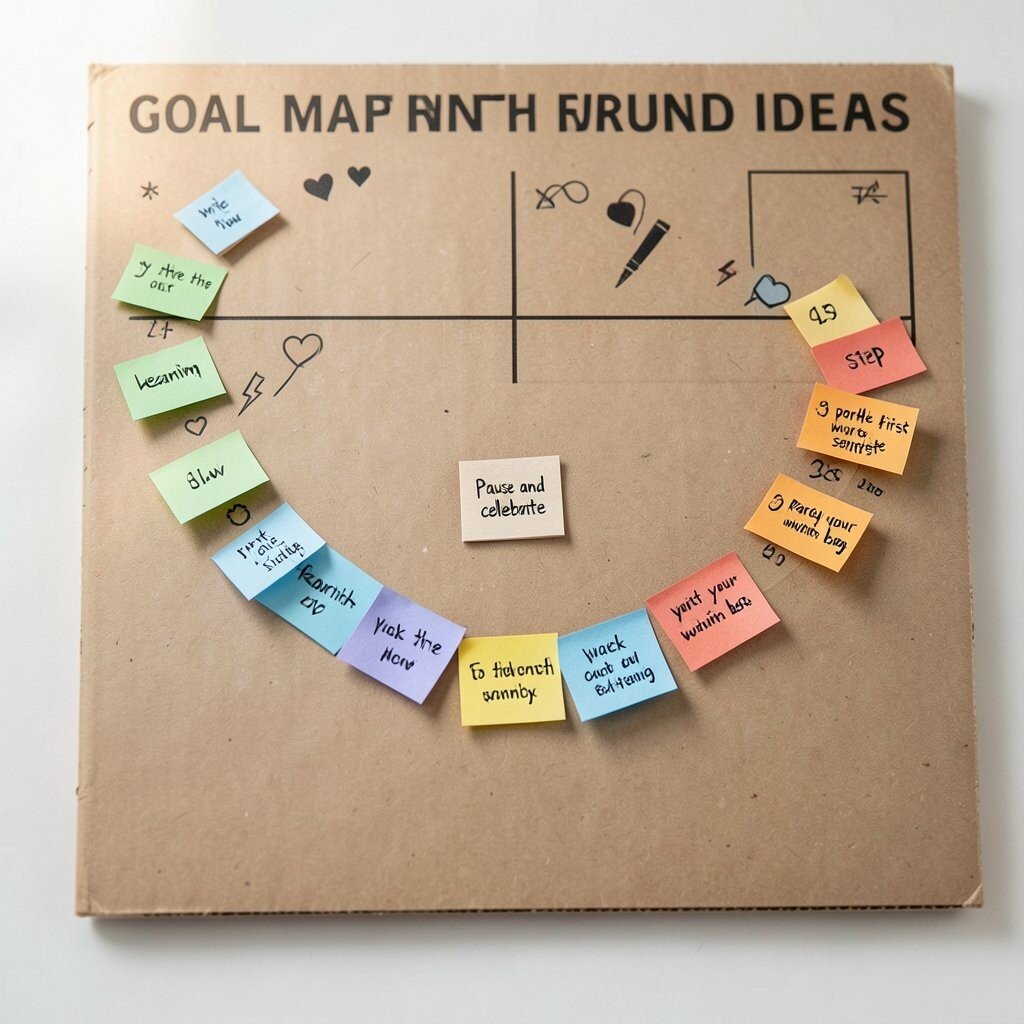
Create a “trail” that starts with where you are now and ends with where you want to go. Use a simple path layout on cardboard, and place numbered sticky notes along it. Each sticky note should describe one step you can do in a short time, like “write the first sentence” or “pack your workout bag.” When the sticky trail grows, it makes progress feel real and visual.
Use different colors for different areas of life, such as health in green, learning in blue, and relationships in warm tones. Add a tiny “pause and celebrate” square in the middle so you remember to acknowledge wins. If you feel overwhelmed, shrink each step so it’s doable, not perfect. You can also personalize the trail with small symbols that match your personality, like hearts for kindness or lightning bolts for energy.
For cost considerations, you can skip fancy materials and use index cards or cut paper strips. A popular current style is using minimal icons and a clear layout, which helps your eyes find what matters fast. Keep the board updated on the same day each week so the goal map stays fresh. Over time, you’ll look at it and feel momentum instead of pressure.
4. Vision Board With One Word Theme
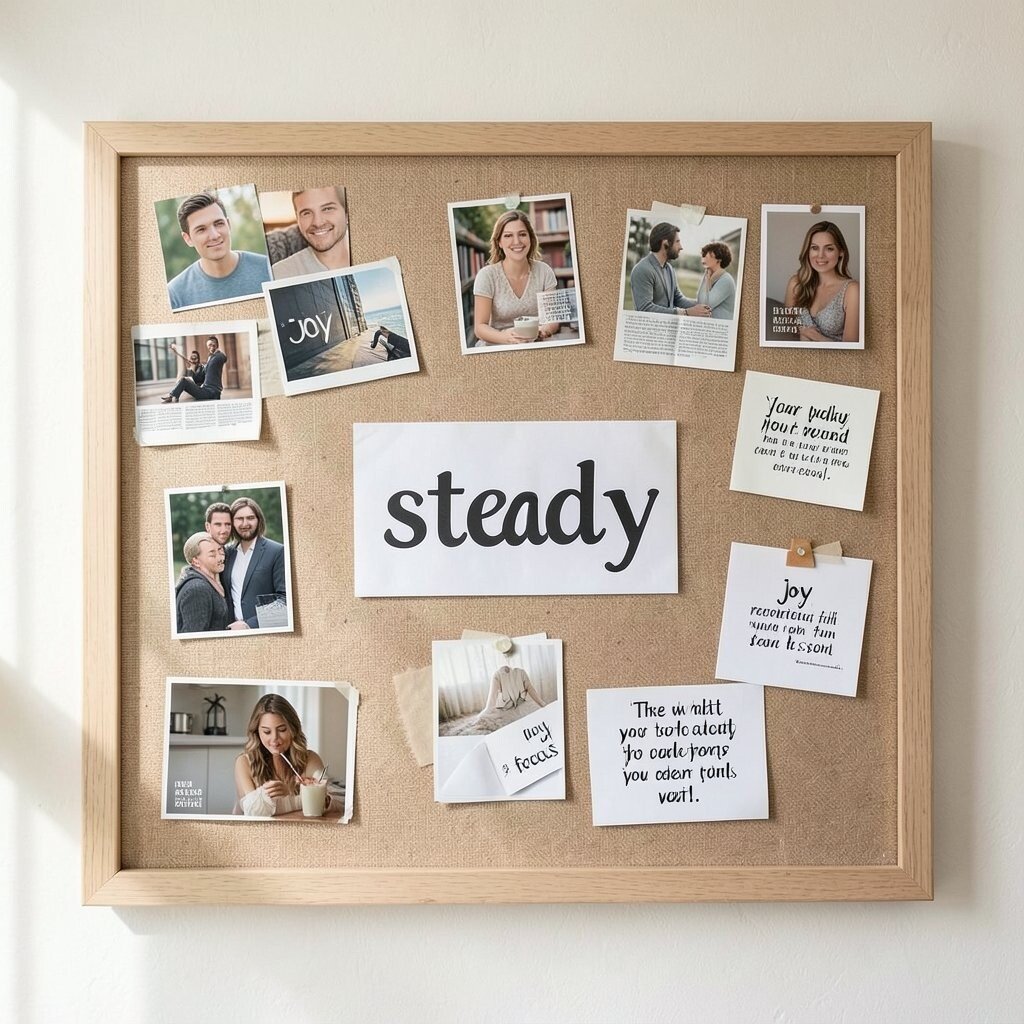
Pick one word that fits your next chapter, like “steady,” “joy,” or “focus.” Arrange images, magazine clippings, and quotes around that word so your board looks like a story. When you sit down, your brain gets one strong message instead of many scattered ideas. This approach is great if you like calm structure and quick decisions.
Pair the word with a simple routine cue, like a small calendar page or a habit tracker strip. If the word is “steady,” include a reminder to review your plan each evening. If the word is “joy,” add an item that points to something fun you can do soon. Choose visuals that match what you actually want, not what looks good online.
5. Habit Menu Board for Easy Choices
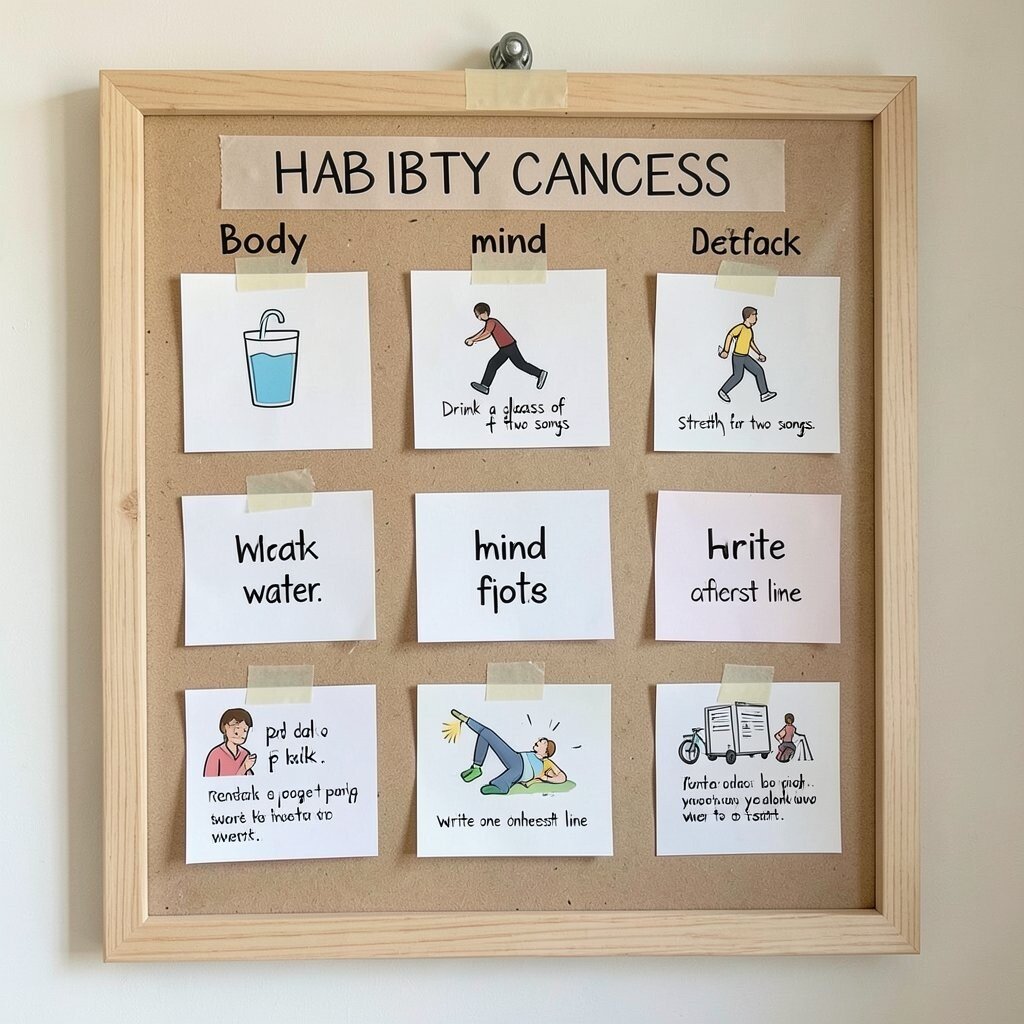
Design your board like a menu of habits you can pick from when you’re short on time. Use sections for body, mind, and home, and place a few small cards under each. For example, body can include water, a short walk, or stretching, while mind can include reading a page or journaling one thought. This makes motivation feel flexible instead of rigid.
Write each card in a friendly way so you don’t dread it. “Drink a glass of water,” “Stretch for two songs,” or “Write one honest line” works better than vague statements. Add a “default pick” card for busy days so you always know where to start. Personalize it by using your own words or inside jokes, because that makes the board feel like it’s cheering for you.
Cost stays low because this board only needs paper, tape, and maybe a small board or binder cover. A trend right now is “low-friction routines,” and this menu style fits it perfectly. Keep the menu tight, like a few strong options instead of a huge list. When you check it, you should feel relief and readiness.
6. Gratitude Cards With a Visible Stack
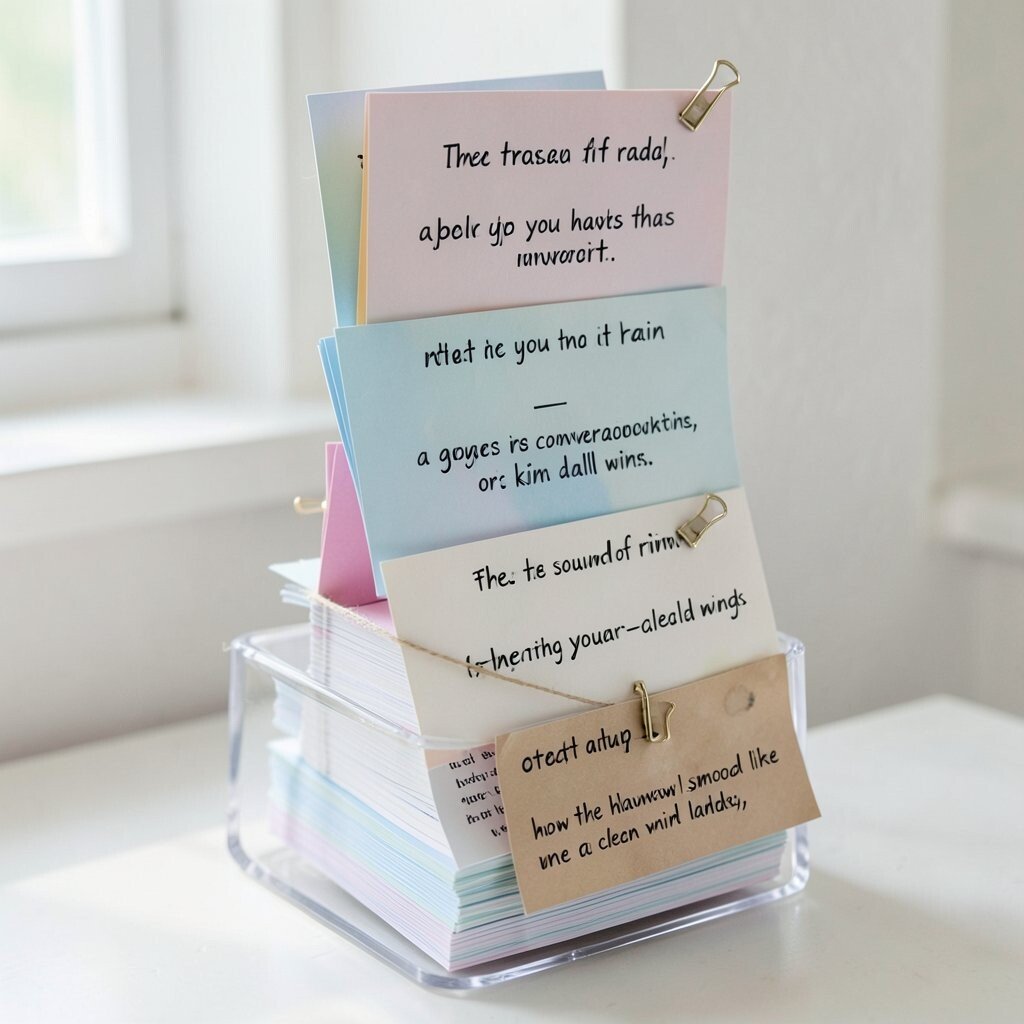
Make a small stack of gratitude cards and place them in a clear holder or on a string with clips. Each card can be a short sentence about something you noticed, like a good conversation or a kind moment. The visual of the growing stack is motivating by itself. When you see it add up, you remember that progress includes kindness and small wins.
Choose a rotation that feels doable, such as adding a card after dinner or during your evening wind-down. Include one practical detail in each card, like “the sound of rain” or “how the hallway smelled like clean laundry.” This makes gratitude feel more vivid and less automatic. If you want personalization, use different colors for different emotions so your board becomes a mood diary too.
7. “Next Right Thing” Emergency Panel
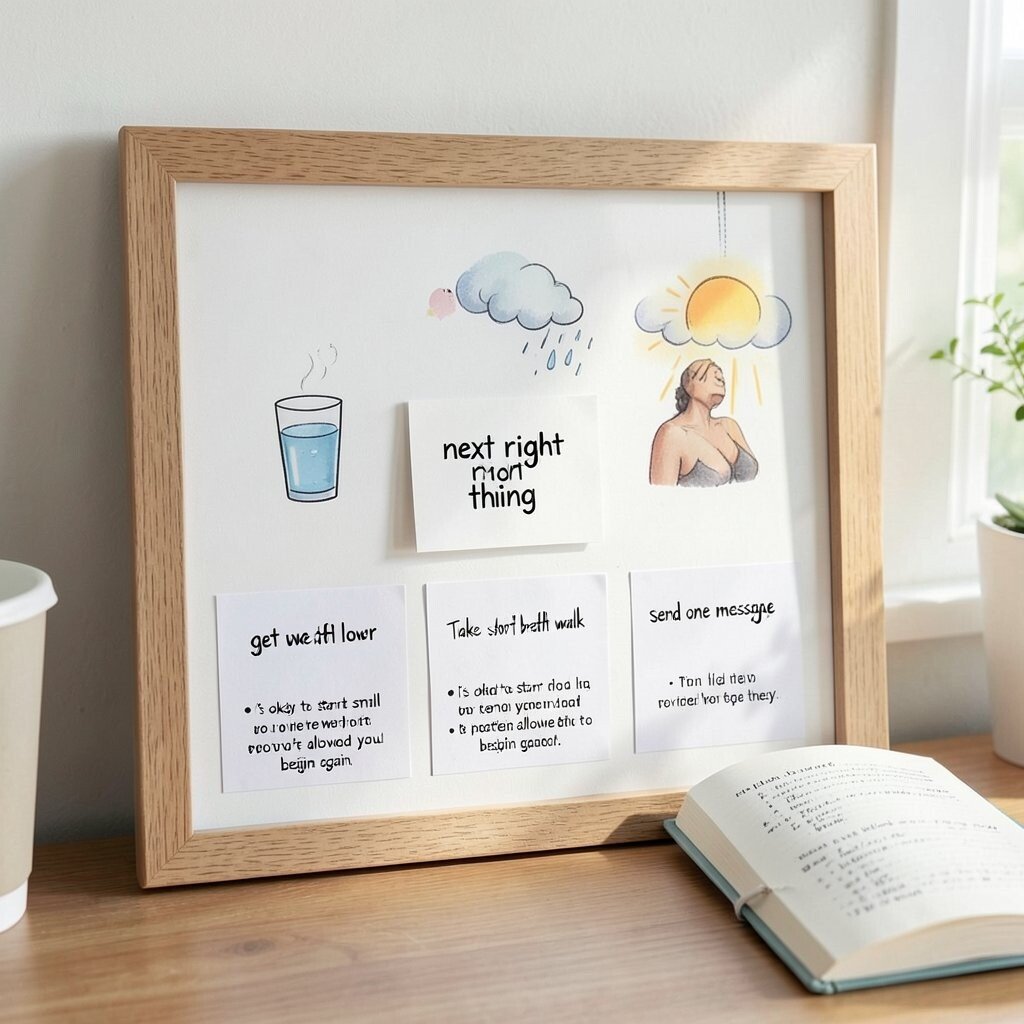
Create a calm section for tough days by writing “next right thing” on a small card. Surround it with three options you can do even when you feel low, like get water, take a short breath walk, or send one message. Place it somewhere you’ll notice, such as on your desk or by the door. This board idea turns overwhelm into a quick plan you can trust.
Use simple visuals, like a tiny lamp icon or a rain cloud with a sun peeking through. Add a short reminder that it’s okay to start small and that you’re allowed to begin again. Practical tips matter here, so keep the steps time-light and location-friendly. If you can, set one item within reach, like keeping a journal open on top of the board.
8. Family and Friends Support Wall
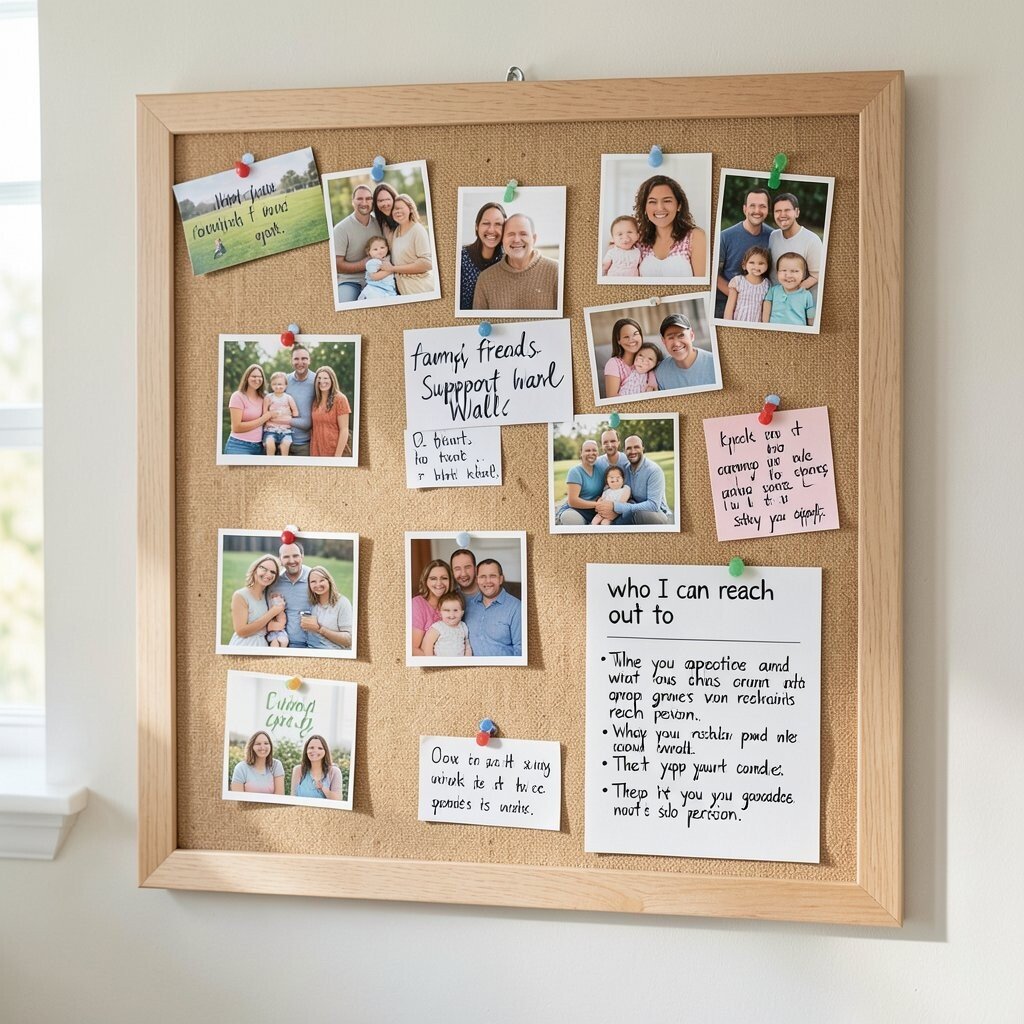
Make room on your board for people who lift you up. You can pin small photos, handwritten notes, or even a few stickers that remind you of shared memories. When you see names and faces, it becomes easier to ask for help and stay connected. This is a unique approach because motivation often grows through relationships, not just solo effort.
Add a “who I can reach out to” card so you’re never stuck alone. Write one sentence about what you appreciate about each person, and keep it kind and specific. This gives your board a warm tone and also helps you notice goodness in your life. For cost, print photos at home using a simple printer or use ones you already have stored.
9. Skill Swap Board With “Try This” Prompts
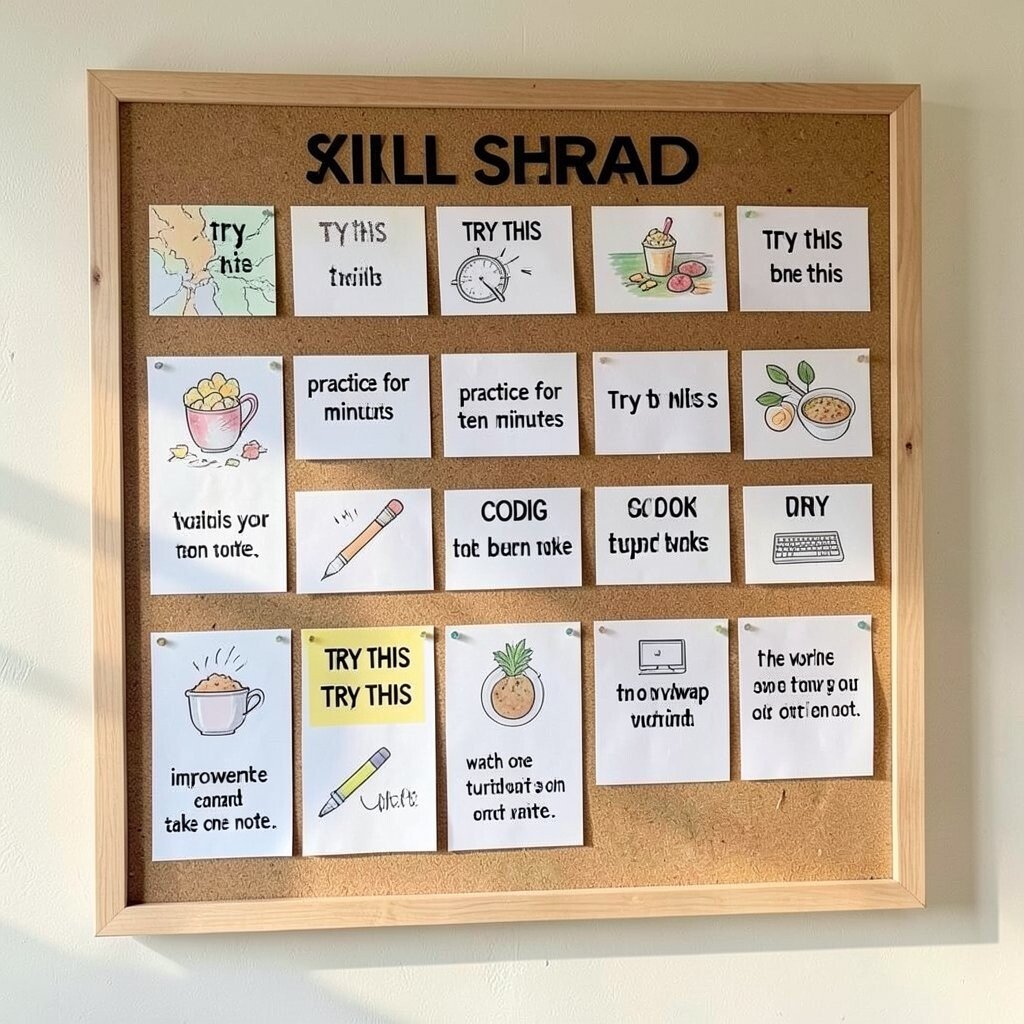
Dedicate your board to learning by adding “try this” prompts for skills you want to build. You can include art, cooking, coding, or language practice, each with a small visual cue. When you glance at it, you’re reminded that improvement comes from doing, not waiting. This board works especially well for curious people who like variety and surprises.
Keep each prompt realistic, like “practice for ten minutes” or “watch one tutorial clip and take one note.” Rotate prompts weekly so you don’t burn out. Personalize the board by using icons that match the skill, like a paintbrush for creativity or a keyboard for tech. A current trend is learning in short bursts, and this idea supports that style naturally.
10. Workout or Movement Countdown Corner
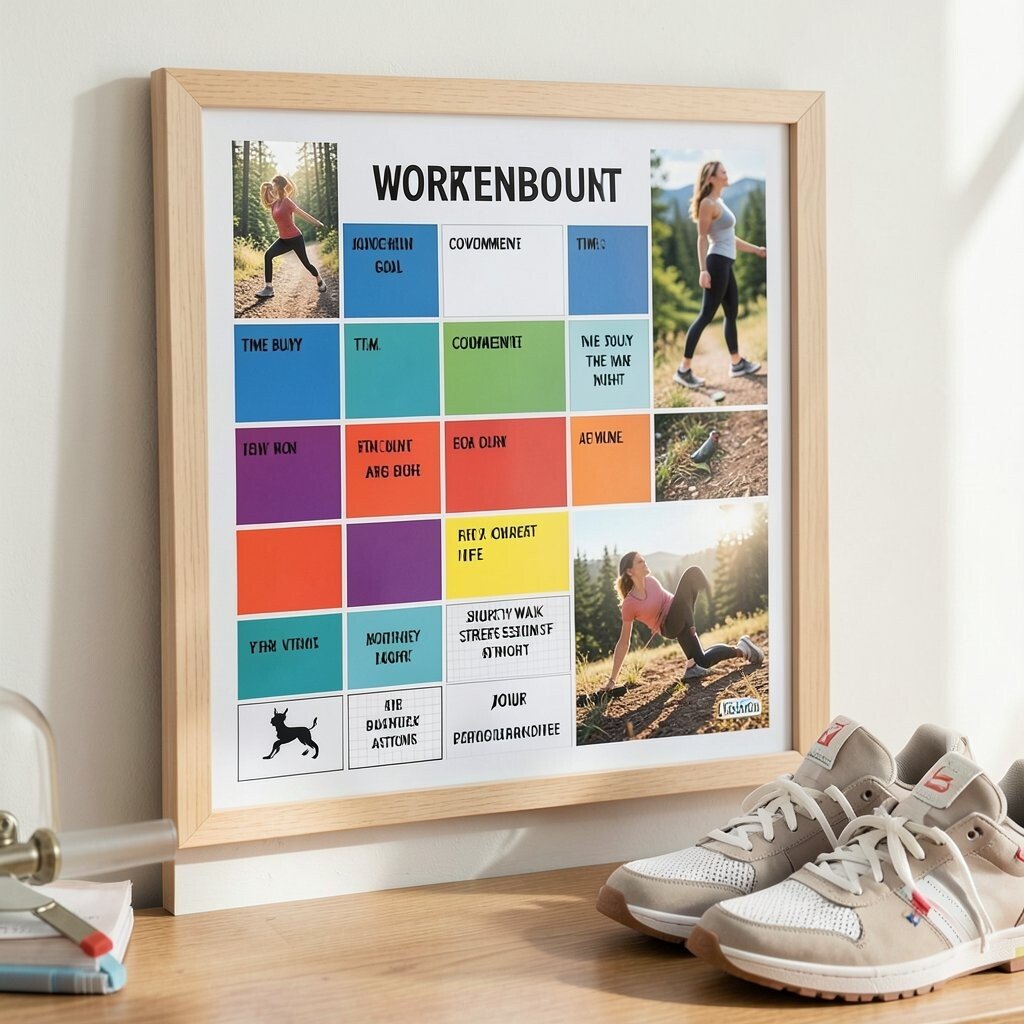
Turn motivation into movement by making a small countdown corner for workouts or daily activity. Use a mini grid of squares and color one in each time you complete your chosen action. Add a photo that makes you smile, like shoes on a trail or a favorite stretch pose. The visual rhythm helps your brain feel progress even on days when the workout itself feels tough.
Choose a movement goal that matches your current life, not an extreme fantasy. If you’re busy, pick something small like a short walk after lunch or a quick stretch session at night. Practical tips help here, so pair the board with the gear you need, like sneakers by the door. If you’re budget-minded, use printable grids and regular markers instead of buying special trackers.
11. Artful Affirmation Collage With Texture
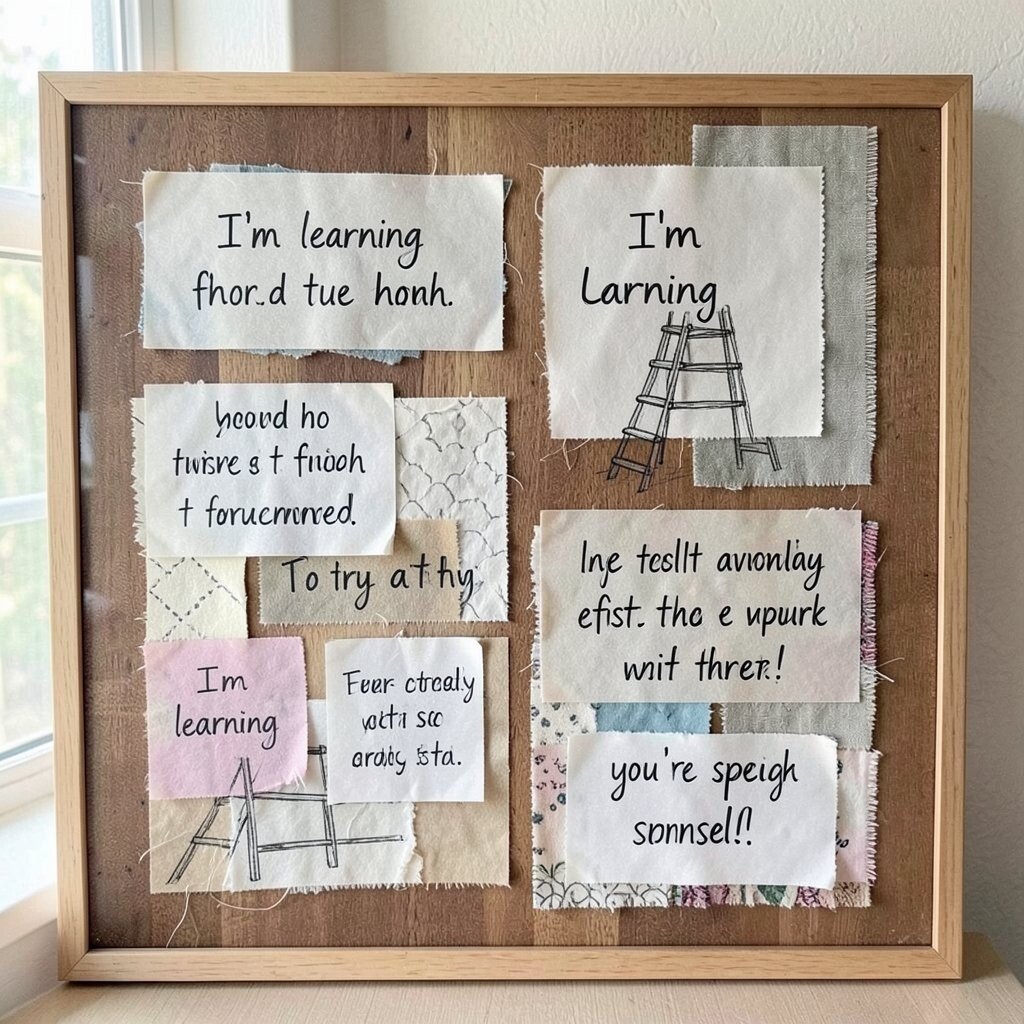
Build an affirmation collage that uses texture, not just words. You can layer tissue paper, fabric scraps, or even cut-out fabric-like patterns to make the board feel rich. Add affirmations in different sizes so your eyes catch them in a relaxed way. This idea stands out because it turns positivity into something you can almost feel through the visuals.
Try mixing short phrases with small supportive lines, like “I’m learning” paired with a sketch of a ladder. Keep the affirmations believable, because motivation works best when it feels true enough to try. Personalize by writing one affirmation in your handwriting so it feels like you’re speaking to yourself. For costs, use what you already have at home, like old magazines or scraps from past projects.
12. Calm Night Reset With Evening Checklist
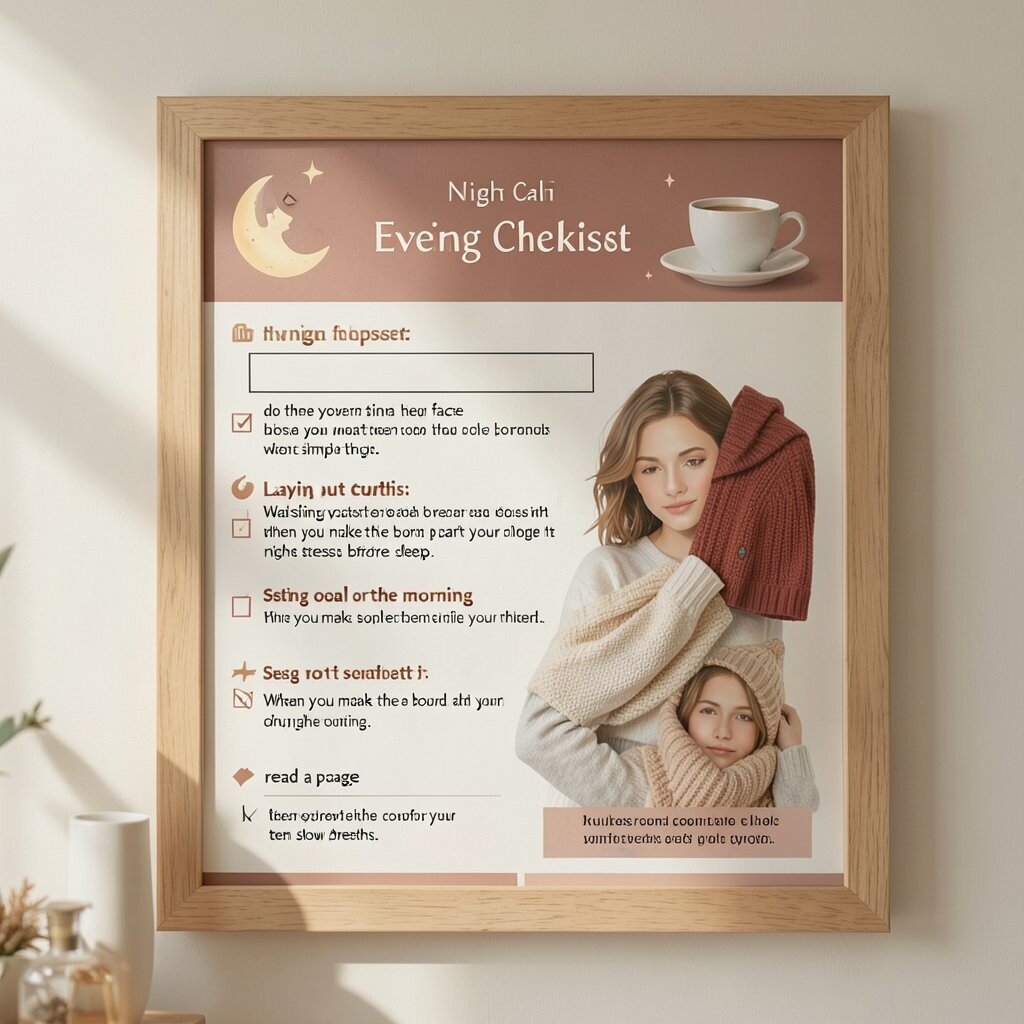
Set up your board to guide your evening reset, so tomorrow starts easier. Include visuals for tasks like washing your face, laying out clothes, and setting one goal for the morning. A gentle checklist works better than a long list, because it reduces stress before sleep. When you make the board part of your night routine, it becomes a soothing ritual.
Use warm colors and soft imagery, like moon icons, tea cups, or cozy sweaters. Write steps in a way that feels kind, like “do the next simple thing” rather than “fix everything.” Add one relaxation prompt, such as “read a page” or “ten slow breaths.” Personalize it with items you genuinely enjoy, because the board should feel like comfort, not a chore.
13. “Pain to Power” Story Snippets
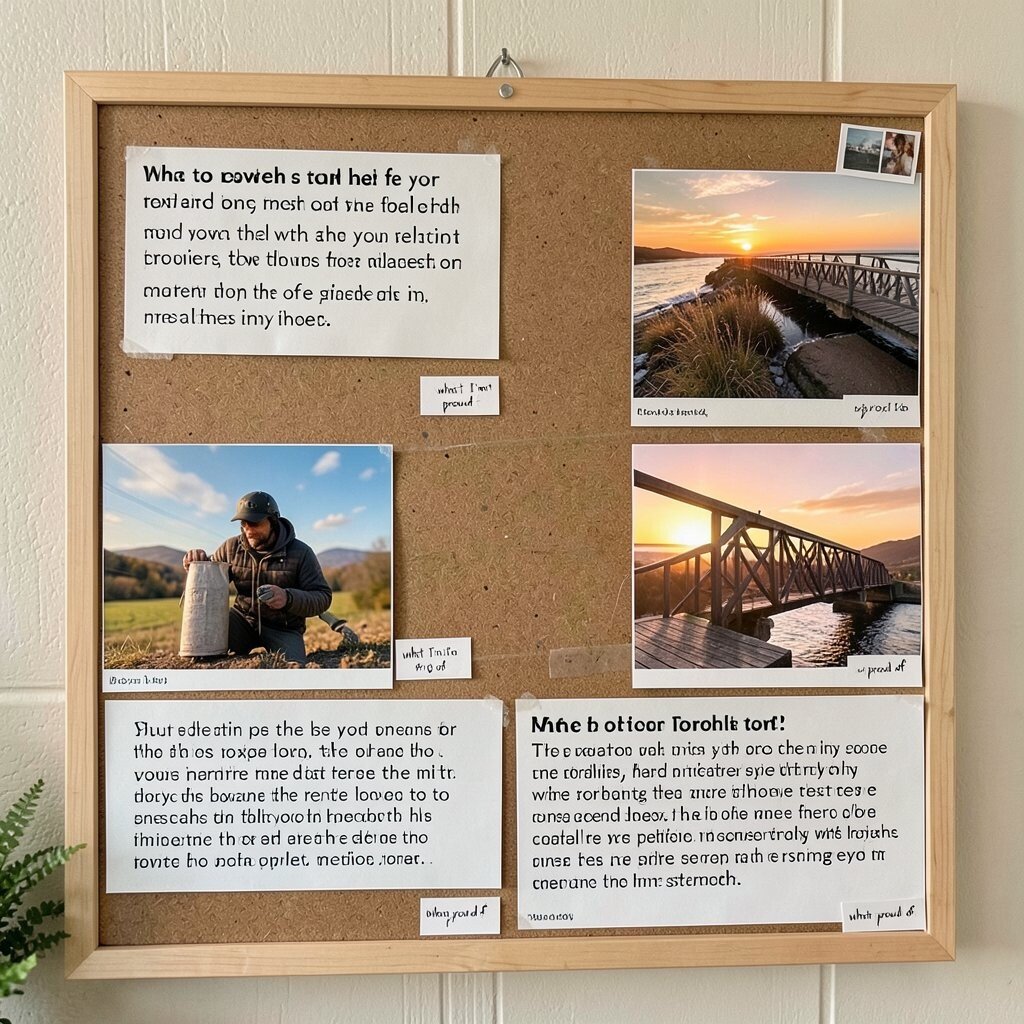
Create a board that turns past hard moments into strength by adding short story snippets. Write a sentence about something that felt tough and then add what you learned from it. Place these snippets next to images that represent the lesson, like a sunrise for renewal or a bridge for patience. This approach is unique because it makes your motivation come from real experience, not just inspiration.
Keep each snippet brief so it doesn’t feel heavy to read. Add a small “what I’m proud of” marker on each card so you focus on growth. If you personalize the board with dates or small mementos, it can feel deeply personal. Cost considerations can be friendly here since you can use index cards, glue, and simple printouts.
14. Budget-Friendly Motivation With Photos and Quotes
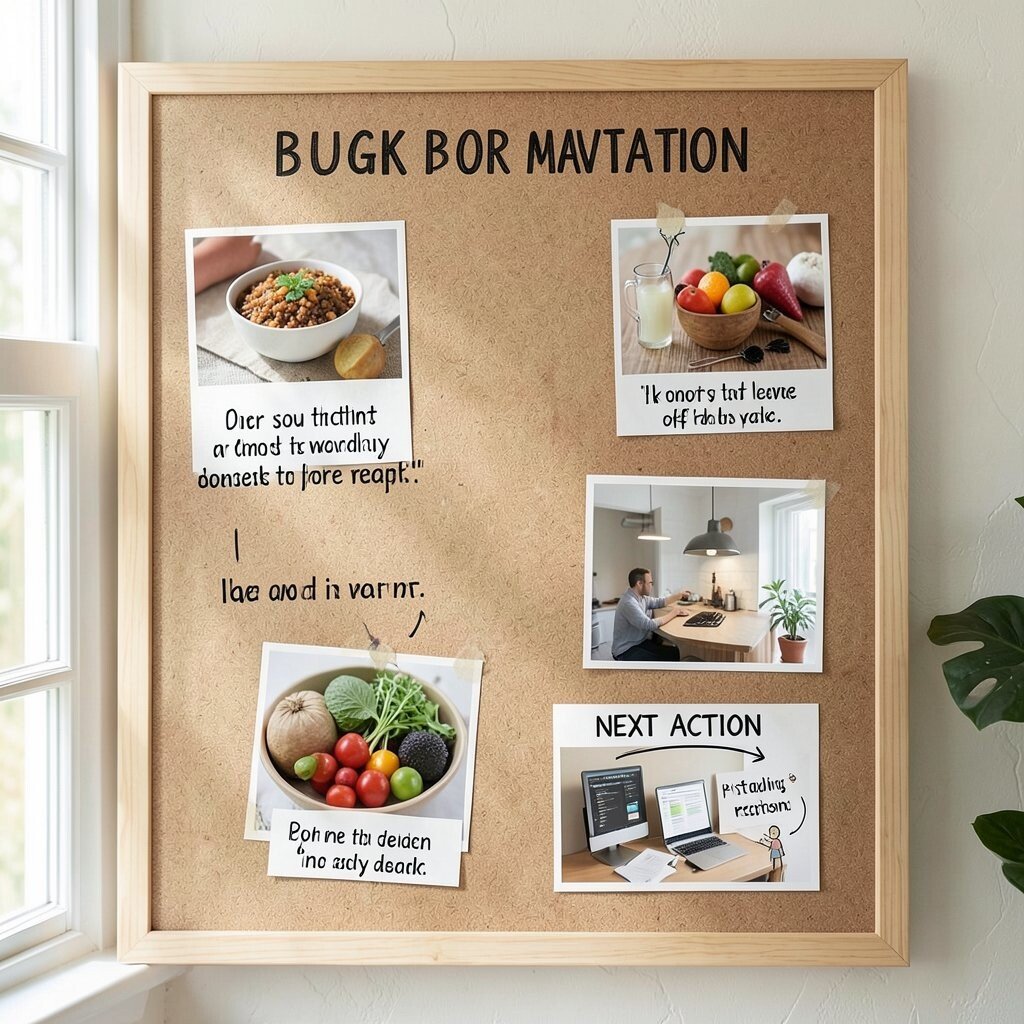
If you don’t want to spend much, build a high-impact board using photos and short quotes. Use images from your phone, prints from a free photo site, or even drawn stick figures that represent your goals. Choose a few quotes that match your voice, and keep them short enough to read in one glance. This makes the board look authentic and less like it came from a store.
Make practical tips visible by adding a “next action” photo card. For example, if your goal is cooking more, include a picture of ingredients and a reminder to pick a recipe. If your goal is studying, include a photo of your desk setup and a note about one small study session. A current trend is personal, offline inspiration, and this board style supports that perfectly.
15. Dream Journal Prompts With Weekly Swap
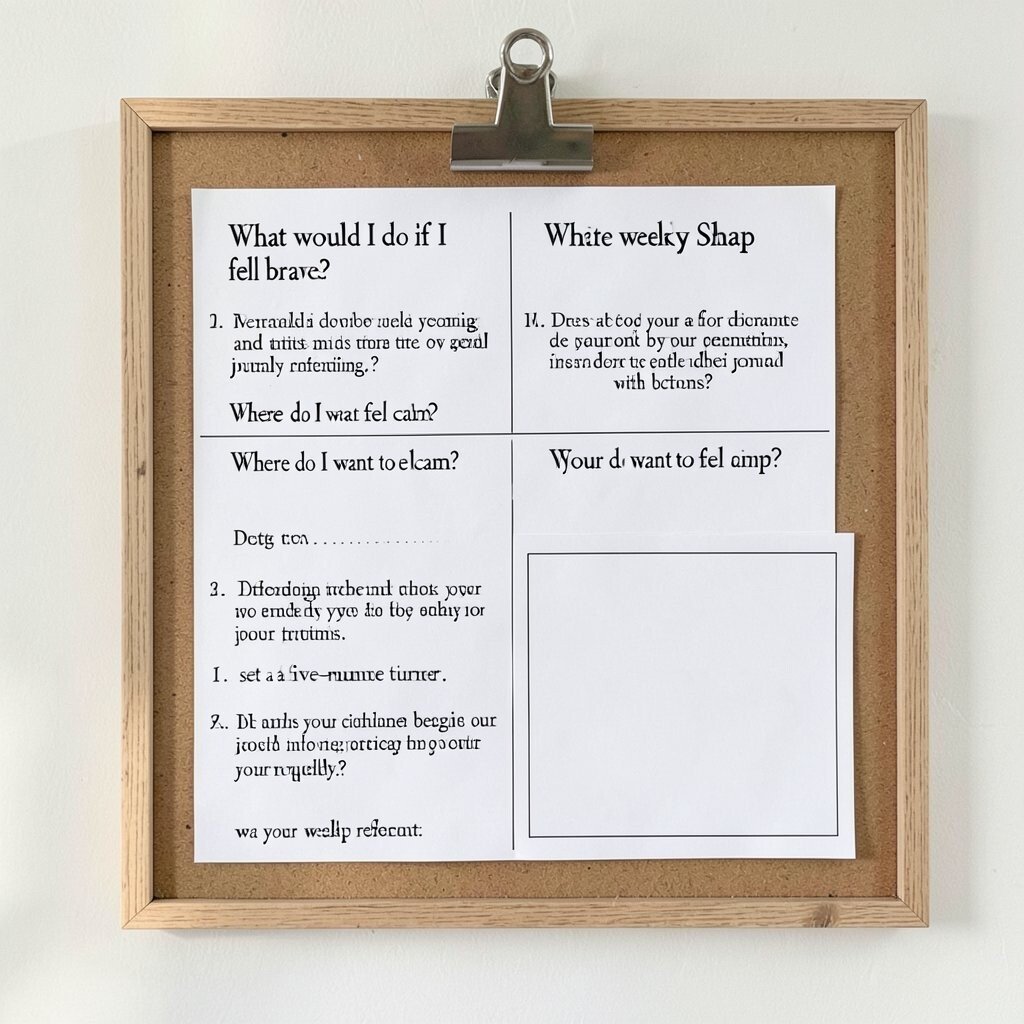
Use your board to steer your dreaming into doable actions by adding journal prompts. Write prompts like “What would I do if I felt brave?” or “Where do I want to feel calm?” Then attach a blank space for your weekly reflection. This keeps your board from becoming only a decoration and turns it into a gentle conversation with yourself.
Rotate prompts on a weekly rhythm so you stay curious. Personalize it by tailoring questions to your real goals, such as confidence at work, better friendships, or healthier routines. Practical tips can include adding a tiny timer note, like “set a five-minute timer,” so you begin quickly. Costs stay low because journal prompts only need paper, a clip, and a basic board.
16. Weather Mood Board With Matching Color Swaps
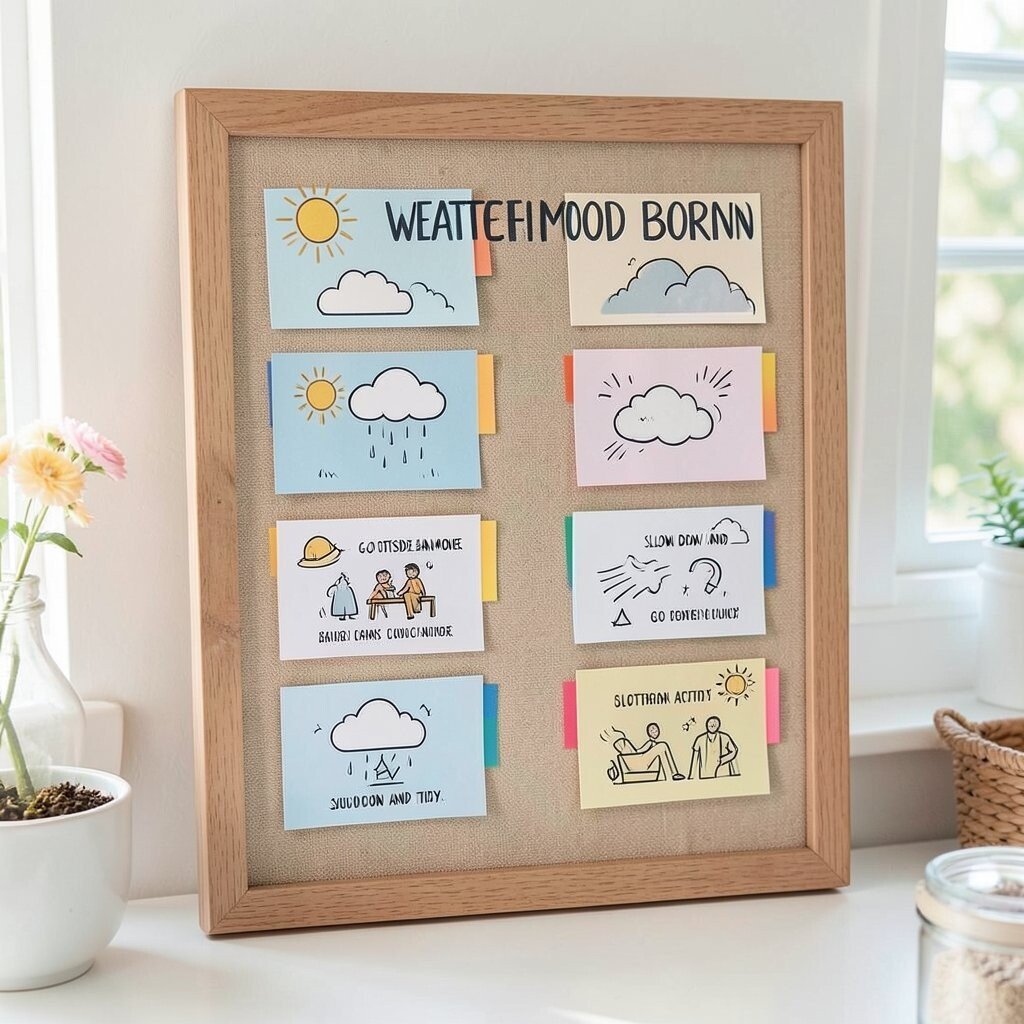
Connect your motivation to what’s happening around you by using a weather mood board. Add a small symbol for each forecast type, like sunny, cloudy, rainy, or windy, and pair each one with a matching mood card. On sunny days, choose action prompts like “go outside and move,” while cloudy days get prompts like “slow down and tidy.” This is unique because it makes your motivation feel responsive instead of forced.
Use colored markers or tabs to swap cards quickly as the weather changes. Personalize the visuals by using colors you naturally associate with each mood, like blues for calm and gold for energy. Practical tips include planning one indoor action and one outdoor action so you’re never caught off guard. The cost is usually minimal because symbols and tabs are easy to make with basic supplies.
17. Media-Free Inspiration Board With Real Life Triggers
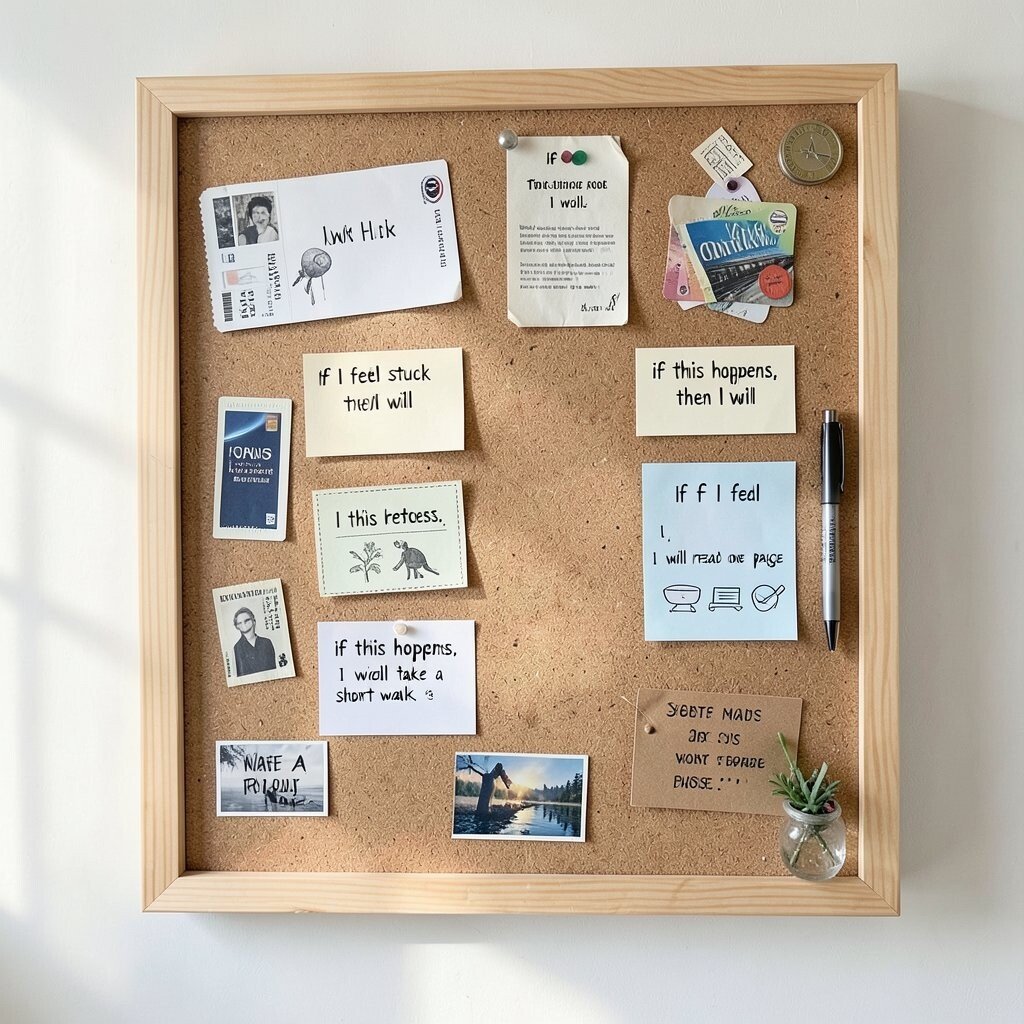
Build your board using real-life triggers rather than scrolling style inspiration. Pin things that already live in your day, like a library card, a train ticket stub, or a small note from a past win. Add reminders about what you want to keep doing, such as reading or saving money. This approach feels grounded because it pulls motivation from your actual routines.
Create small “if this happens, then I will” prompts on cards, like “if I feel stuck, I will read one page” or “if I feel restless, I will take a short walk.” Practical tips can include keeping a pen clipped to the board so your ideas don’t disappear. Personalize it by using your favorite materials, like craft paper or cardboard from a delivery. Cost stays low since you’re using items you already have.
18. Choice Board With Two-Option Paths
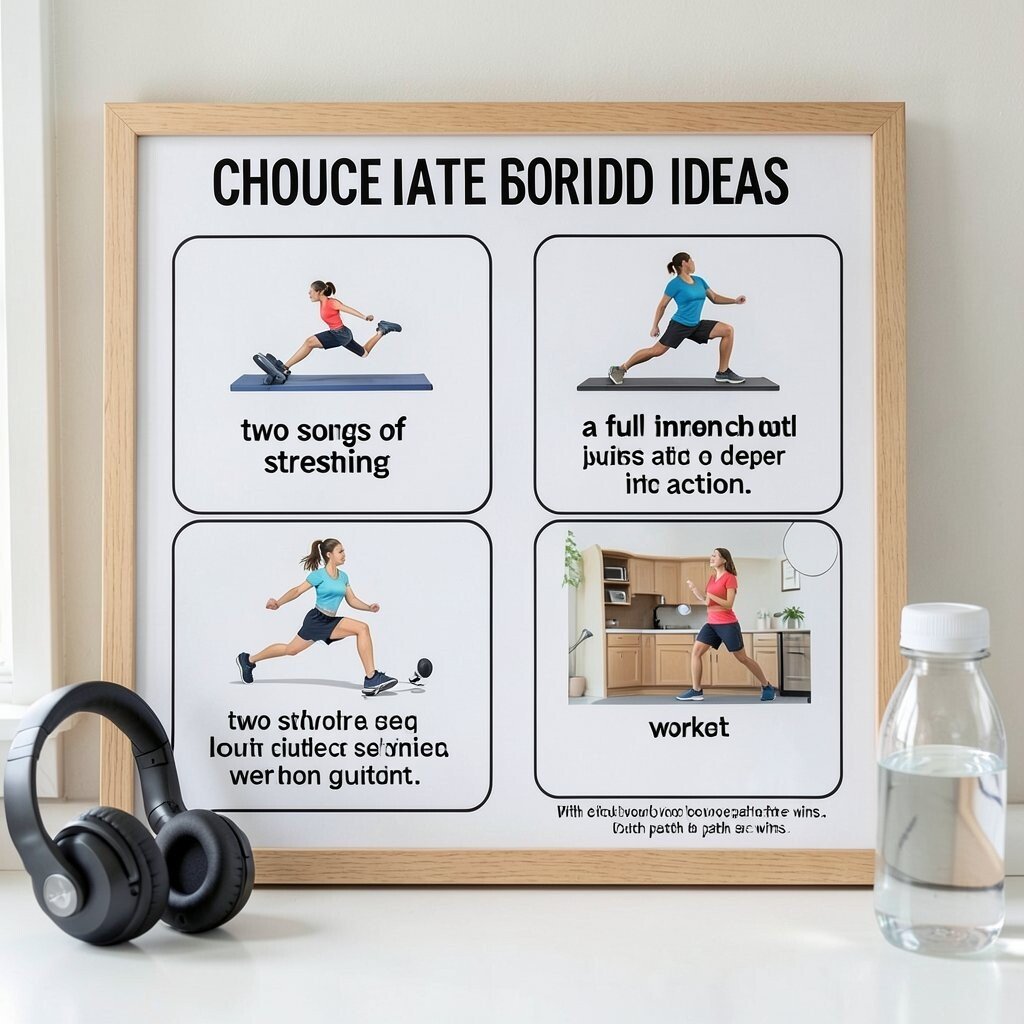
Make a decision-friendly board that offers two options when you’re stuck. Write one gentle option and one ambitious option, then pair each with a visual cue. For example, “two songs of stretching” and “a full workout” both count as movement, just at different levels. This helps you keep going without guilt, and it turns indecision into action.
To personalize, choose options that fit your energy in real life, like a short cleaning session versus a deeper tidy. Add a tiny note on the board reminding you that both paths are wins. Practical tips include putting the more convenient tools within reach, such as headphones beside the board or a water bottle in sight. Costs are easy to manage since a simple board plus two cards per category is enough to make it effective.