
The right rustic touches make a home feel lived in and loved. Warm textures and honest materials quietly do the heavy lifting.
As you shape your rooms, these elements can help you create comfort, character, and everyday beauty that still feels practical.
1. Reclaimed Wood Beams

Reclaimed wood beams instantly add age and story to a space. You might picture sun-bleached grain, nail holes, and knots that catch the light like tiny memories.
They bring warmth to ceilings and can make big rooms feel more grounded. If you want a simple start, use salvaged wood for a feature beam, a mantel, or even a wide shelf, and keep finishes low-gloss so the texture stays visible.
2. Handcrafted Wooden Doors

A handcrafted wooden door can be the first thing people notice when they step inside. Think of solid panels, carved edges, and hardware that looks sturdy enough to last for years.
It adds uniqueness because no two pieces of wood behave the same way. To keep it practical, choose quality hinges and a good weather seal, then paint or stain in a tone that matches your existing trim.
If you like a softer vibe, consider a distressed finish on the outside and a cleaner, more polished look on the inside for daily use.
3. Vintage Farmhouse Lighting

Vintage farmhouse lighting makes corners feel cozy and inviting. You can almost feel the glow from old glass shades and softly curved metal that looks gently worn.
These fixtures add character while also giving you functional light for reading, cooking, or winding down. Look for quality wiring and choose bulbs with a warm color so the rustic materials look rich instead of flat.
For personalization, match the lamp base and the cabinet pulls, or swap just one fixture for a bolder style to create a focal point.
Prices vary a lot, so mix thrift finds with one mid-range piece, and refinish anything you can safely restore.
4. Rough-Sawn Plank Walls

Rough-sawn plank walls bring a natural, tactile look that feels grounded. When the boards are installed with visible grain and slight color variation, the room feels warmer right away.
This element can also help hide minor wall imperfections while adding visual depth. If you want an easier project, start with an accent wall behind a couch or bed, and choose boards treated for indoor use so they stay stable.
To personalize, leave gaps consistent for a rhythm of shadows, and finish with a matte stain that shows texture without looking too glossy.
5. Natural Stone Fireplaces

A fireplace built with natural stone looks timeless and comforting. You may notice how the surface has tiny flecks and color shifts, giving it an organic kind of sparkle.
Beyond the beauty, it creates a strong gathering spot that anchors the room layout. For practical comfort, consider a stone surround paired with a safe hearth finish and good insulation behind the facade.
If you’re updating an existing fireplace, refreshing the mortar lines and sealing the stone can make a huge difference without full demolition.
6. Woven Baskets and Bins

Woven baskets add charm because they feel useful, not just decorative. Picture tight reeds or soft wicker that creates a gentle pattern against wooden floors.
They help you keep things tidy while adding warmth at eye level. For easy personalization, choose baskets in two sizes and place them near entryways, beside sofas, or inside shelving so the look feels intentional.
You can also store blankets, magazines, or extra linens, which keeps clutter out of view and makes daily routines smoother.
Many woven options are budget-friendly, especially if you shop for a few well-made pieces rather than dozens of small ones.
7. Linen and Grain-Texture Fabrics

Linen and grain-texture fabrics make rustic spaces feel soft instead of heavy. Imagine seat covers, curtains, and pillowcases with a slightly uneven weave that catches light in a calm way.
This fabric choice benefits comfort because it breathes and feels good through the seasons. Choose undyed or warm neutrals like oatmeal, sand, and muted clay, then layer different weaves for depth.
To personalize, swap pillow covers with seasonal colors, and keep the base neutral so changes feel easy.
8. Thrifted Mirrors With Patina Frames

A mirror with a patina frame can make a room look brighter while staying rustic. You might love the worn edges, the brushed gold tone, or the painted frame that shows tiny chips like freckles.
It adds uniqueness because vintage frames often carry their own history. For practical balance, hang it at a height that reflects natural light without blinding you, and wipe the glass regularly so the frame’s texture stays the star.
When you shop, check for solid backing and stable hooks so it mounts safely and doesn’t wobble.
9. Galvanized Metal Accents
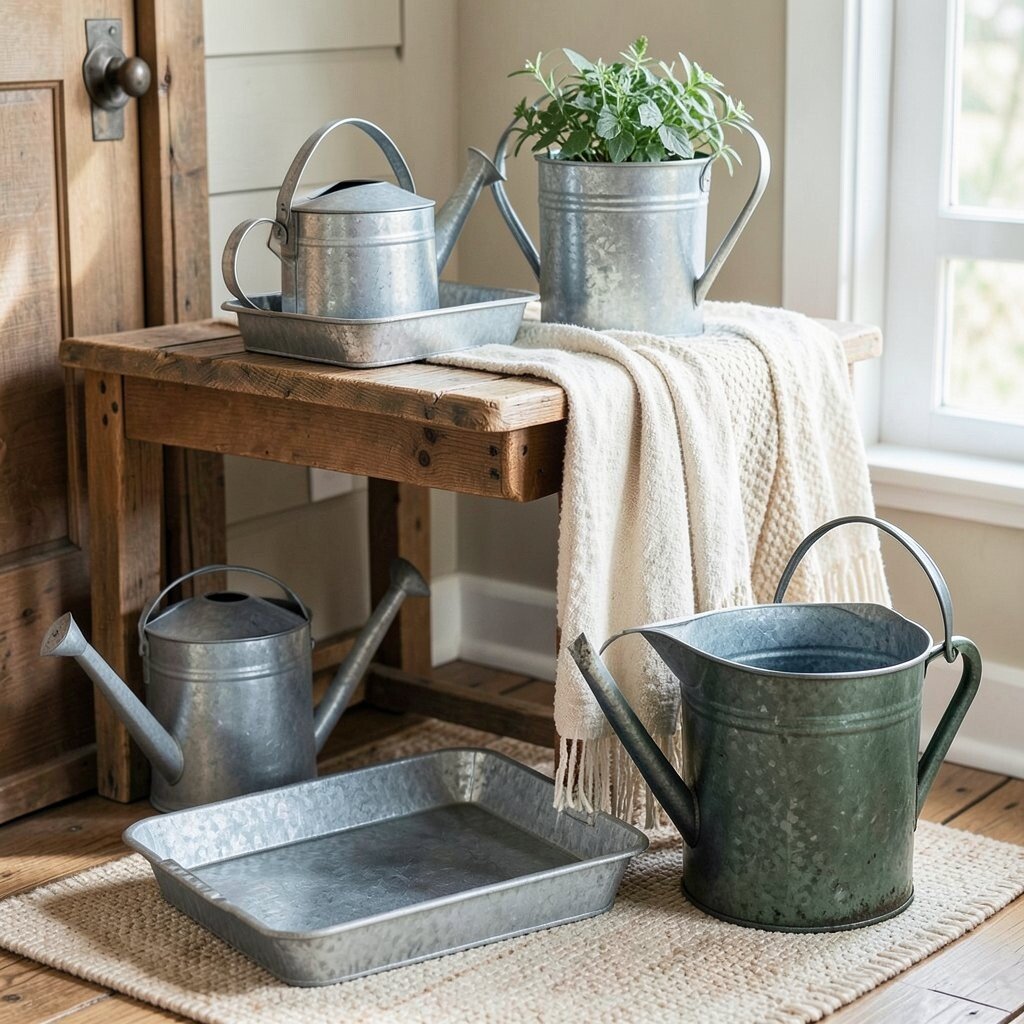
Galvanized metal accents bring a cool, industrial cousin to classic rustic style. Think of matte silver containers, watering cans, and trays that look sturdy and lived-in.
They’re practical because metal can handle daily handling and looks great even when it’s slightly marked. For cost control, start with one tray for the entry table or one planter for the porch, then build from there.
To personalize, pair galvanized items with warm wood and creamy textiles so the room feels balanced instead of too sharp.
You can also spray-paint worn pieces in deep green or soft black to match your palette.
10. Copper or Brass Fixtures
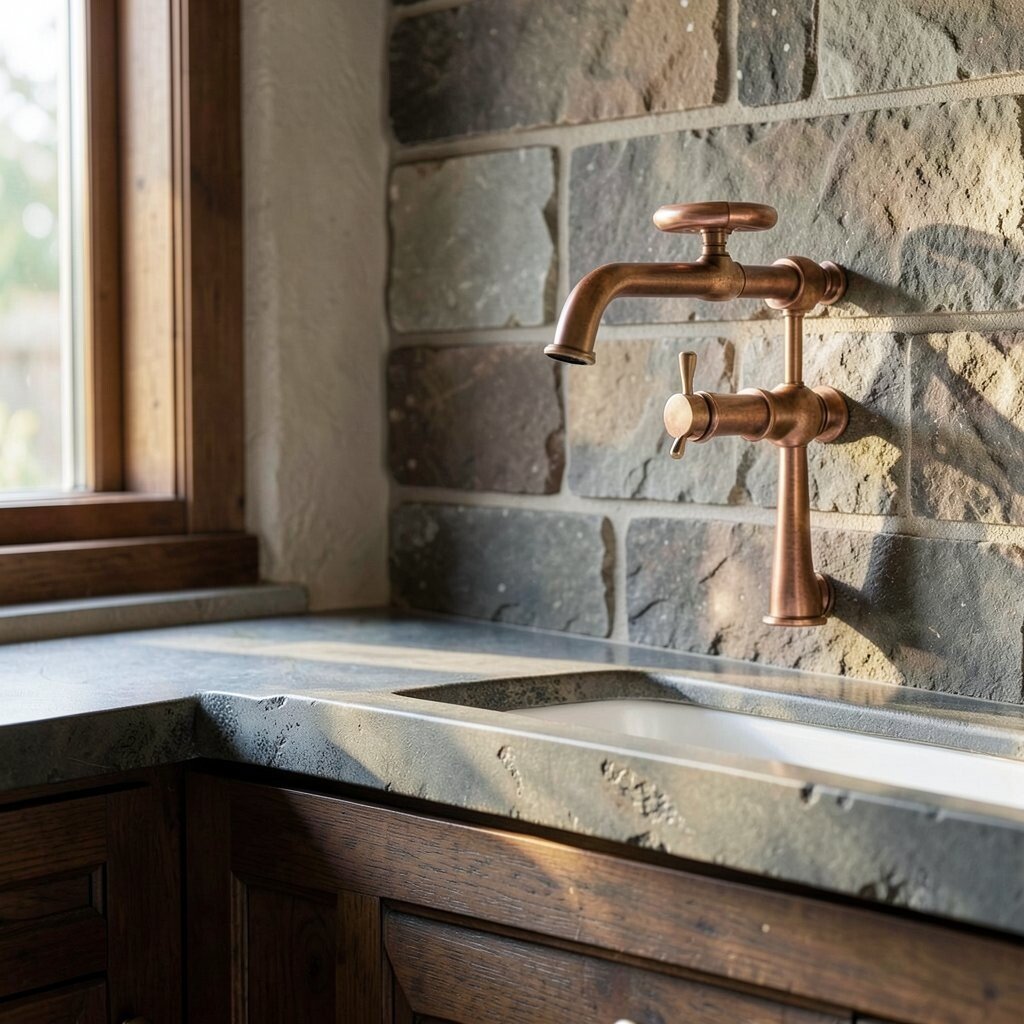
Copper and brass fixtures add a warm glow that makes rustic rooms feel inviting. You may notice how a faucet or cabinet handle looks rich against dark wood and stone.
These metals are unique because they change over time, developing patina that feels personal and natural. For practical tips, keep finishes consistent in the same room so the look stays cohesive, and clean with gentle products that won’t strip the surface.
If your budget is tight, consider one standout piece like a kitchen faucet or a single cabinet pull set instead of outfitting everything at once.
11. Distressed Finishes on Furniture
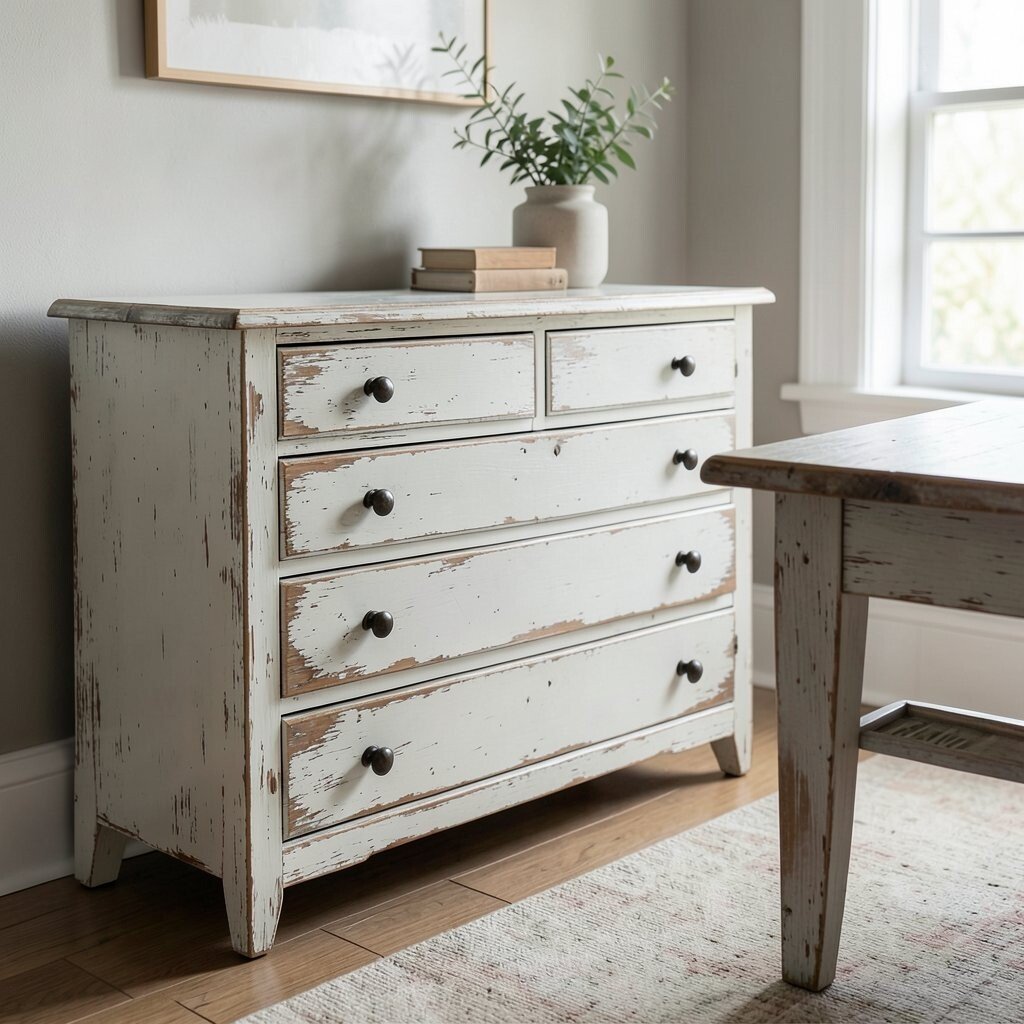
Distressed finishes bring that well-loved, rustic feel without needing a whole house renovation. Picture a dresser with rubbed edges, a table with soft scuffs, and paint that shows the wood underneath.
This element benefits visual interest because it creates depth and highlights craftsmanship. To keep it practical, apply a protective topcoat after distressing so daily use doesn’t quickly ruin the finish.
For personalization, distress in subtle areas like corners and edges, and match the shade to your room so the wear looks intentional rather than messy.
12. Antique Hardware for Cabinets and Doors

Antique hardware is small, but it changes the whole feel of a room. Imagine knobs and pulls with worn edges, carved details, and a slightly aged metal tone.
It’s a simple way to add uniqueness because you can mix styles while keeping a common finish. If you want practical coordination, choose one metal tone and stick with it across handles, drawer pulls, and door hardware.
Before you buy, check measurements and screw sizes, and keep a few spare fasteners so installs go smoothly.
Spending a little more on solid hardware often pays off in smoother doors and drawers.
13. Patchwork Quilts and Throws

Patchwork quilts add warmth you can see and touch. Picture layered fabrics with simple patterns, soft faded colors, and stitching that looks like careful hands made it.
They bring comfort because they invite you to settle in. For practical use, choose machine-washable fabric and keep a throw on the back of a chair or sofa so it’s always ready.
To personalize, repeat one fabric color from your curtains or pillows inside the quilt so everything feels connected.
14. Vintage Rugs With Worn Patterns

Vintage-style rugs help rustic rooms look cozy and finished. You might notice muted tones, faded borders, and patterns that seem to soften the edges of furniture.
They add benefits by tying together multiple materials like wood, stone, and metal. For practical tips, use a rug pad to prevent slipping and to protect the floor underneath.
If you want a cost-smart approach, choose one larger rug for the main seating area and use smaller runners in high-traffic spots like hallways.
15. Exposed Brick or Limewashed Walls

Exposed brick or limewashed walls give a building-like authenticity that feels rooted in the past. You may see rough textures, subtle shadows, and color that shifts in natural light.
This element offers uniqueness because it depends on what’s already in the structure. If you’re starting fresh, consider limewashing for a softer, airy look, or use a safe brick veneer if real brick isn’t available.
For practical upkeep, seal porous surfaces if needed and test cleaner products in a small area first.
16. Rustic Window Treatments

Rustic window treatments make your rooms feel warmer and calmer. Picture simple curtains in linen blends, or layered shades with a natural fiber look.
They improve comfort by softening glare and helping rooms feel cozy at night. To personalize, choose curtain lengths that just brush the floor or hang slightly above the sill, and keep hardware simple and sturdy.
If you want a trend-friendly look, pair natural textures with light-filtering layers for a bright daytime feel.
17. Live-Edge Wood Tables

A live-edge wood table feels like it came from the forest and landed in your home. You might love the uneven rim, the organic curve, and the way natural grain highlights the shape.
This element adds uniqueness because the wood edge is one-of-a-kind. For practical tips, stabilize the surface with a durable finish, then pair it with a thick base or sturdy legs for everyday use.
If you want cost control, choose smaller live-edge accents like a side table or a floating shelf, and then add larger pieces later.
18. Handmade Ceramic Pottery and Dishes

Handmade ceramic pottery adds a slow, artistic feel to everyday life. Picture speckled glazes, irregular shapes, and earthy tones that look great on shelves or tabletops.
It brings benefits because these pieces work as both decor and functional dishware. For practical personalization, display a small collection in matching colors but different shapes, like mugs, bowls, and vases.
To keep things durable, choose stoneware meant for daily use and check for proper sealing on any decorative items that hold water.
19. Antler, Driftwood, or Natural Organic Decor

Organic decor like driftwood, antler-inspired pieces, or stone-like accents can feel rustic without being too themed. You might see smooth driftwood curves, weathered texture, and natural lines that look calm and sculptural.
This element offers uniqueness because nature’s shapes don’t repeat, and that makes each display feel special. For practical tips, keep the scale in mind and choose pieces that fit your wall or table without crowding the room.
If you’re using driftwood outdoors, seal it well, and if you’re mounting decor, anchor it securely so it stays safe.
20. Bookshelves Styled With Natural Objects

Styling bookshelves with natural objects creates a lived-in, curated vibe. Imagine stacked books with warm covers, plus small baskets, ceramic jars, and a few greenery sprigs.
This element helps you personalize while keeping things tidy and visually balanced. A practical way to start is to keep two categories consistent, like one type of metal container and one type of woven basket, then vary heights with book stacks.
For current trends, people love mixing natural textures with simple neutral styling, so try fewer items but more texture per shelf.
Cost-wise, you can build this look gradually by using what you already own and adding just one or two key pieces at a time.
21. Moody Earth-Tone Paint and Natural Stains

Earth-tone paint and natural stains give rustic spaces their steady, comforting mood. You might picture clay walls, deep green shadows, and warm brown woodwork that makes everything feel grounded.
This choice benefits your whole design because it supports nearly every material, from linen to stone. For practical tips, sample paint on different wall sides, since light changes how warm or cool the color feels.
To personalize, consider painting the trim in a slightly lighter shade, and finish wood with a stain that enhances grain rather than hiding it.
If you want a budget-friendly approach, refinish one visible surface like a cabinet or door first, then match the color story across the rest of the room.