A style board can turn a messy pile of feelings into something you can actually wear. When you line up images and textures, your choices start to feel obvious.
Use it as a friendly workspace for your taste, your mood, and your everyday life. It should feel fun, not perfect.
1. The “Today Mood” Collage
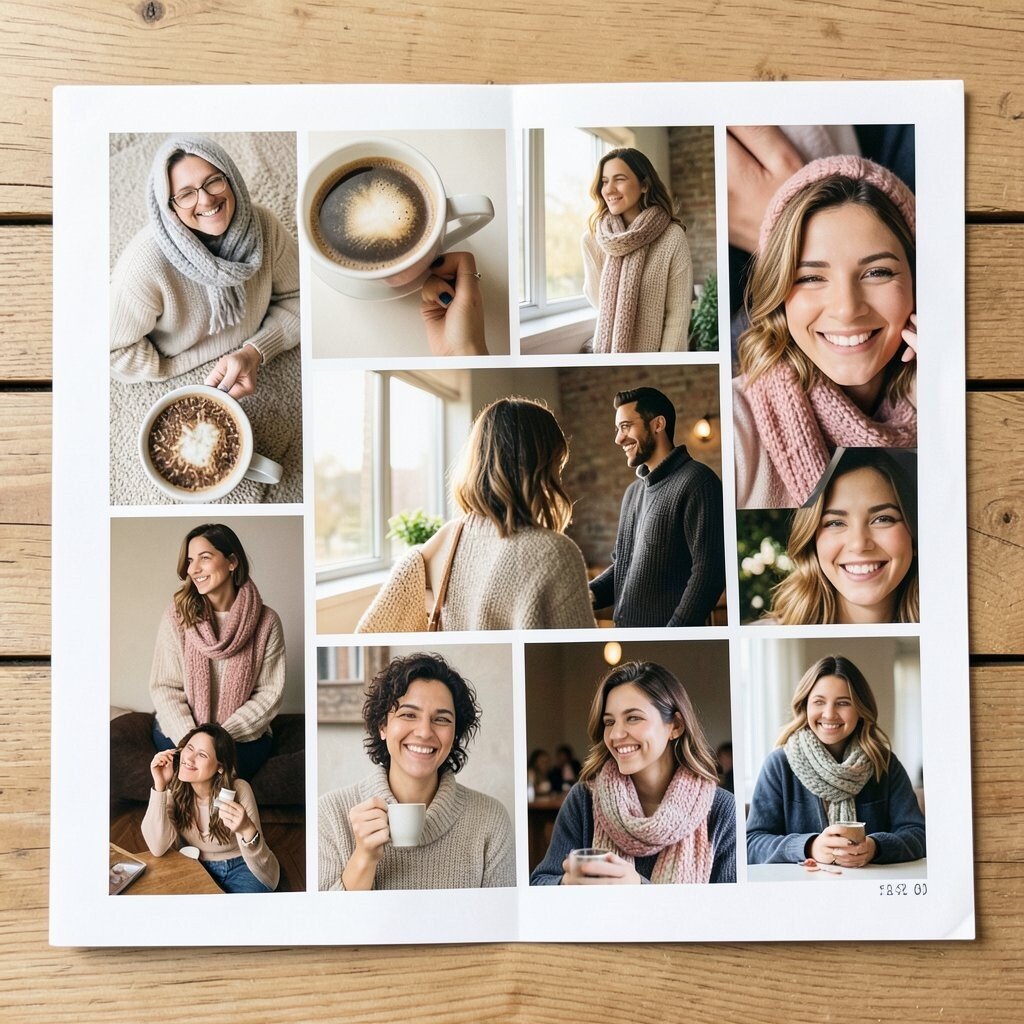
Start by picking a theme for your current day, like calm coffee mornings or music-filled evenings. Print or save images that match the vibe, then arrange them without thinking too hard.
Include tiny details like nail colors, scarf textures, and even the lighting from your favorite photos. This helps you see what your brain is craving right now, which makes getting dressed feel easier. Keep it flexible by letting one element guide the whole board.
2. Color Chips With Realistic Swatches
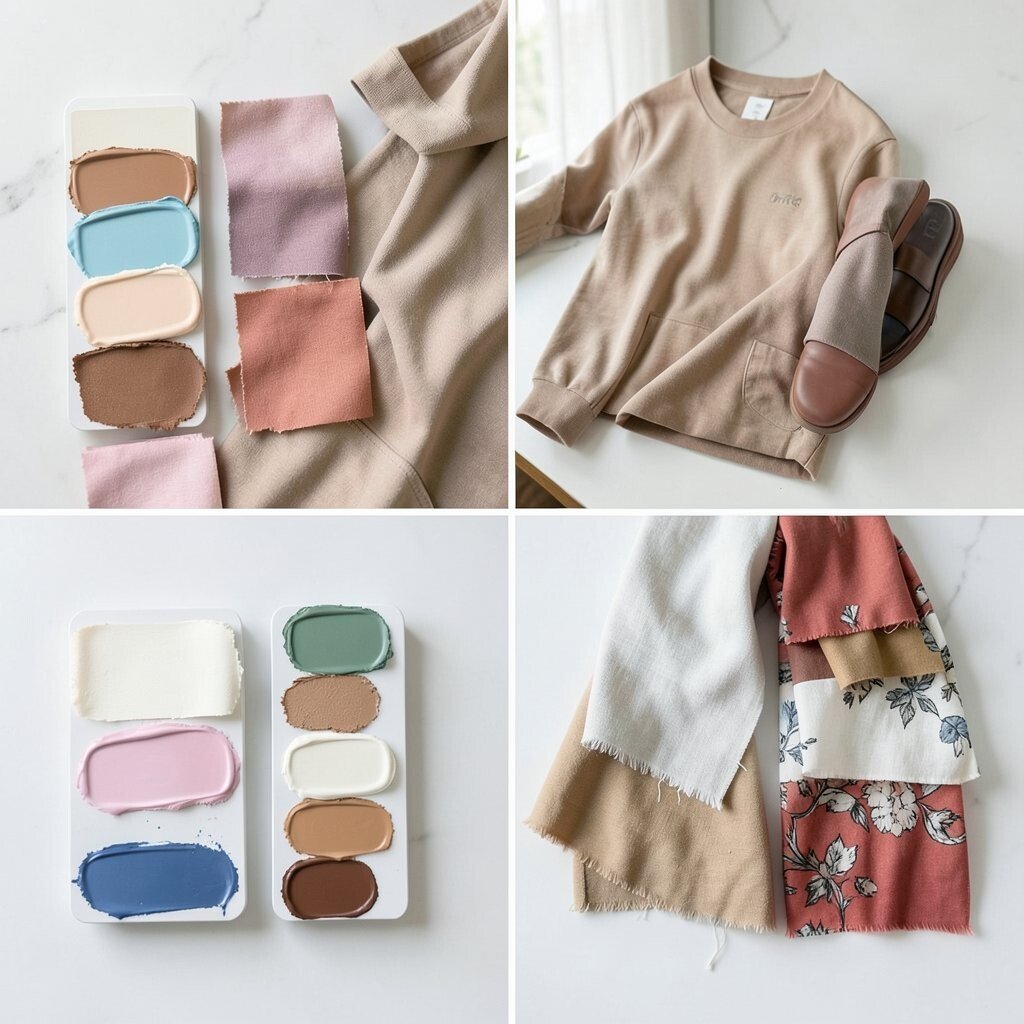
Choose a tight color palette and grab paint samples, fabric swatches, or makeup shades that match. Place them next to outfits so the colors feel connected, not random.
When you can see undertones clearly, you avoid the annoying moment when “almost the same” doesn’t work. Try pairing a warm neutral with a pop color from your favorite shoes to make the look feel grounded. This style board will also help you shop smarter because you can match at a glance.
Add one practical trick by swiping the swatches into an app photo if you want a digital backup. For current trends, look at soft neons, earthy clay tones, and creamy whites that look good in daylight. If you’re on a budget, repurpose old fabric scraps or cut up clearance scarves and organize them as your own mini palette.
3. Texture Lane for Fabrics and Materials
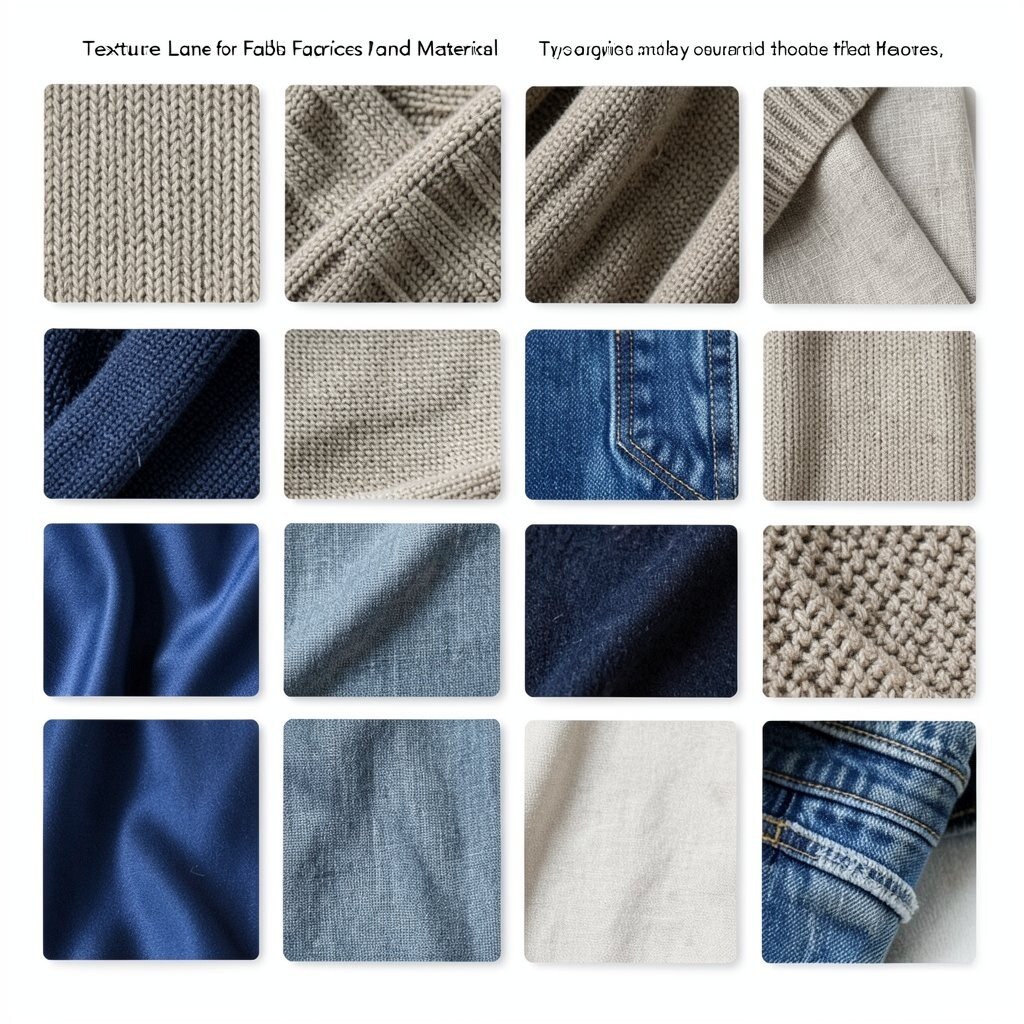
Make your board about feel, not just looks, by gathering fabric photos and swatches. Add knit, denim, satin, linen, and anything that catches your eye with a close-up feel.
When you focus on texture, you can build outfits that look interesting even with simple color choices. Pair a rough weave with a smooth finish to create contrast, like a chunky cardigan next to sleek trousers. You’ll also start noticing how certain materials make your body feel supported or free.
Try adding a small note in your mind about how each fabric moves, like “light and floaty” or “structured and crisp.” If you want personalization, include one texture that reminds you of your favorite place, such as the fabric vibe of your couch or a vintage dress. For cost, thrift store finds are perfect since you can scan for fabric quality without paying retail.
Keep the board current by checking what’s trending on runways and street style, especially glossy accents and lived-in denim. Then translate those textures into what you already own so the look feels doable.
4. Capsule Wardrobe Layout With Outfit Maps
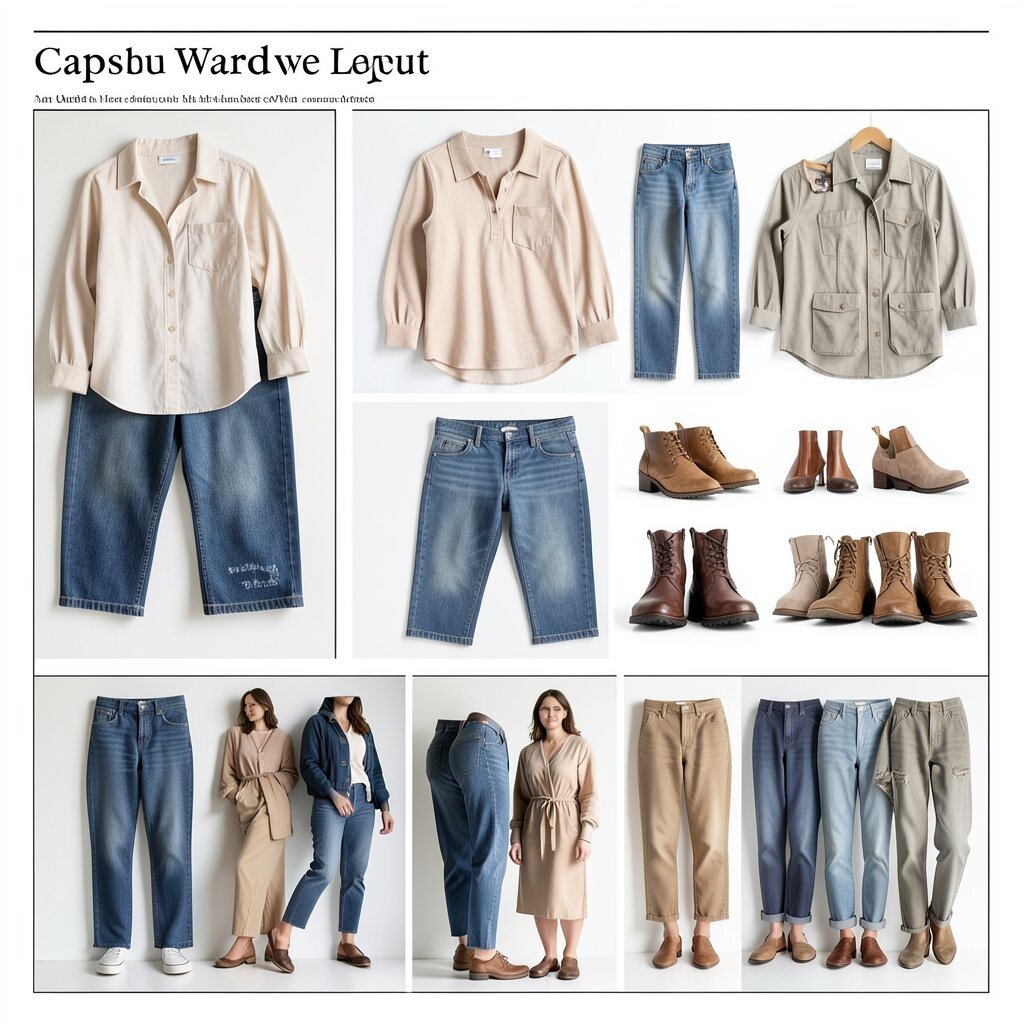
Build your board like a mini wardrobe plan instead of only a mood collage. Choose a few “anchor” pieces and place them in a grid so you can see how they mix.
Try creating small outfit maps by lining up tops, bottoms, and shoes that repeat across multiple looks. That structure makes mornings calmer because you can assemble outfits quickly without guessing. It also saves money since you buy fewer “maybe” items and more pieces that fit your real combinations.
5. The “Street Style Copy” Section
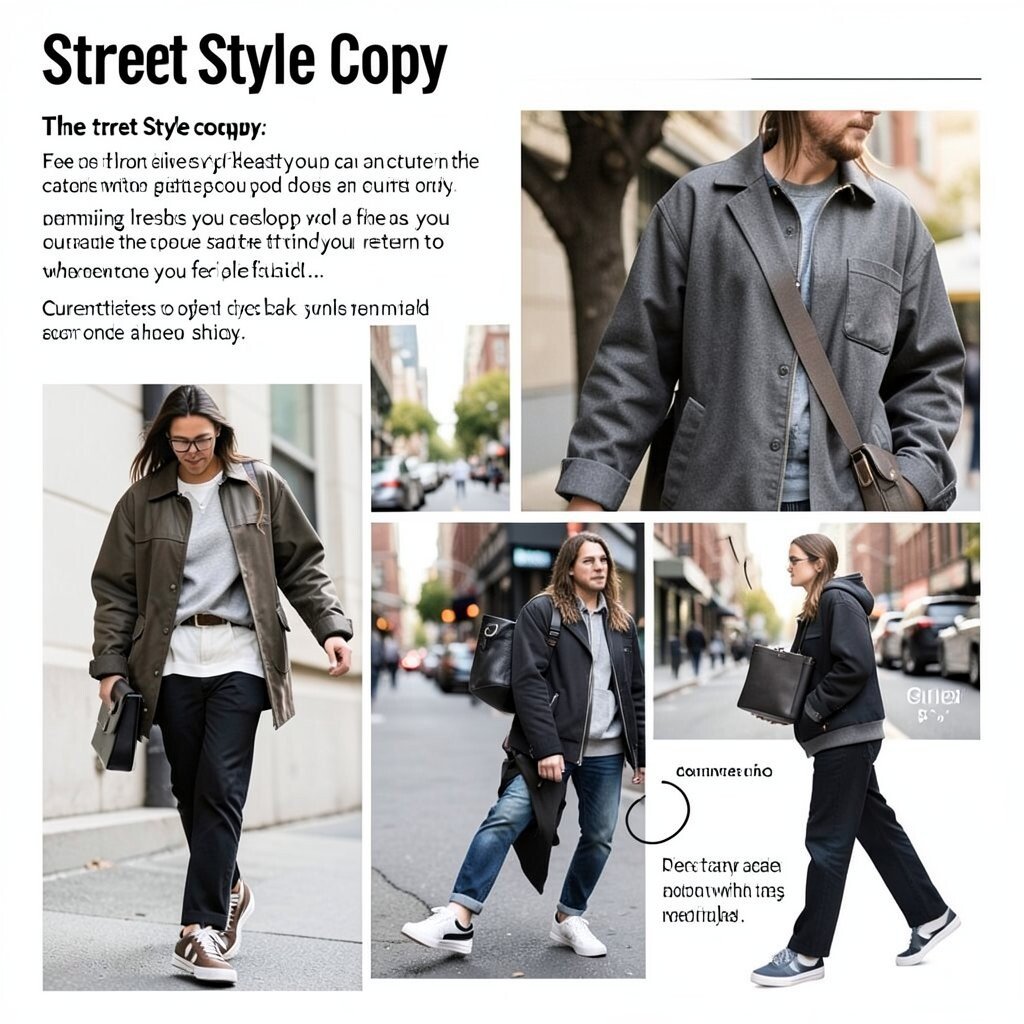
Pick a handful of street style photos that match your life, like commuting, errands, or hanging out. Then recreate the vibe using images of pieces you own or plan to shop for.
When you copy the layout instead of the exact item, you get a look that still feels you. Look for patterns like oversized layering, clean sneaker styling, or bold outerwear as a focus. Your board becomes a personal style cheat sheet you can return to whenever you feel stuck.
For practical personalization, circle the details that matter most, like cuffed sleeves, belt placement, or a specific bag shape. If you want to keep costs low, shop your closet first and only add one hero piece, such as a jacket or bag. Current trends often cycle back to simple silhouettes, so you can stay modern without chasing every new label.
6. Seasonal Timeline With Weather Notes
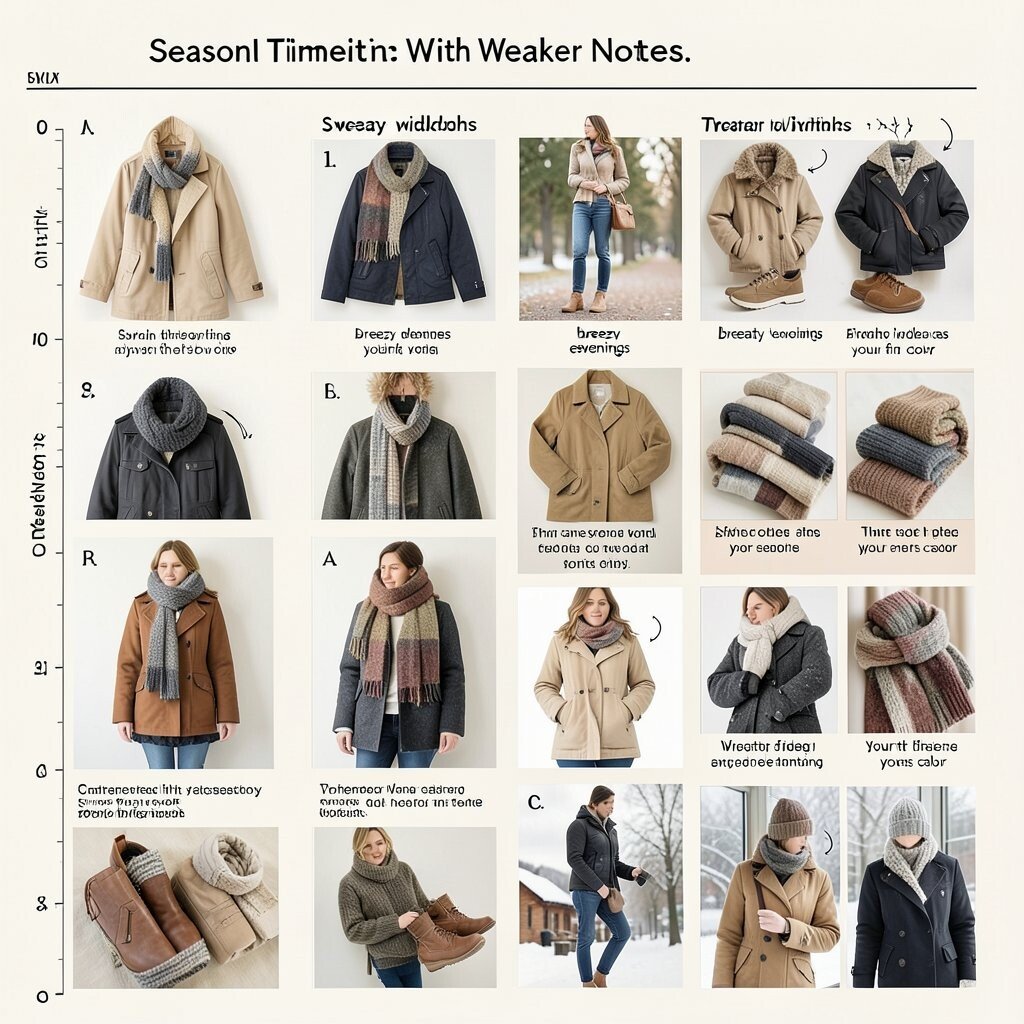
Create a board that follows your year, starting with spring lightness and ending with winter cozy layers. Add photos of jackets, scarves, shoes, and accessories that fit each season’s feel.
Include little weather notes like “breezy evenings” or “sweaty sidewalks” so your outfit ideas match reality. This turns your style board into a practical plan rather than a pretty wall. You’ll also start noticing which colors and fabrics work best when the air feels cool or hot.
Personalize it by linking each season to a memory, such as a vacation photo that inspired your favorite color. For cost considerations, add thrifted outerwear and swap-friendly accessories that you can reuse across seasons. Keep an eye on current trends like transitional trench looks and lightweight layering, then adapt them to your climate.
7. Accessory-First Board for Bags, Belts, and Jewelry
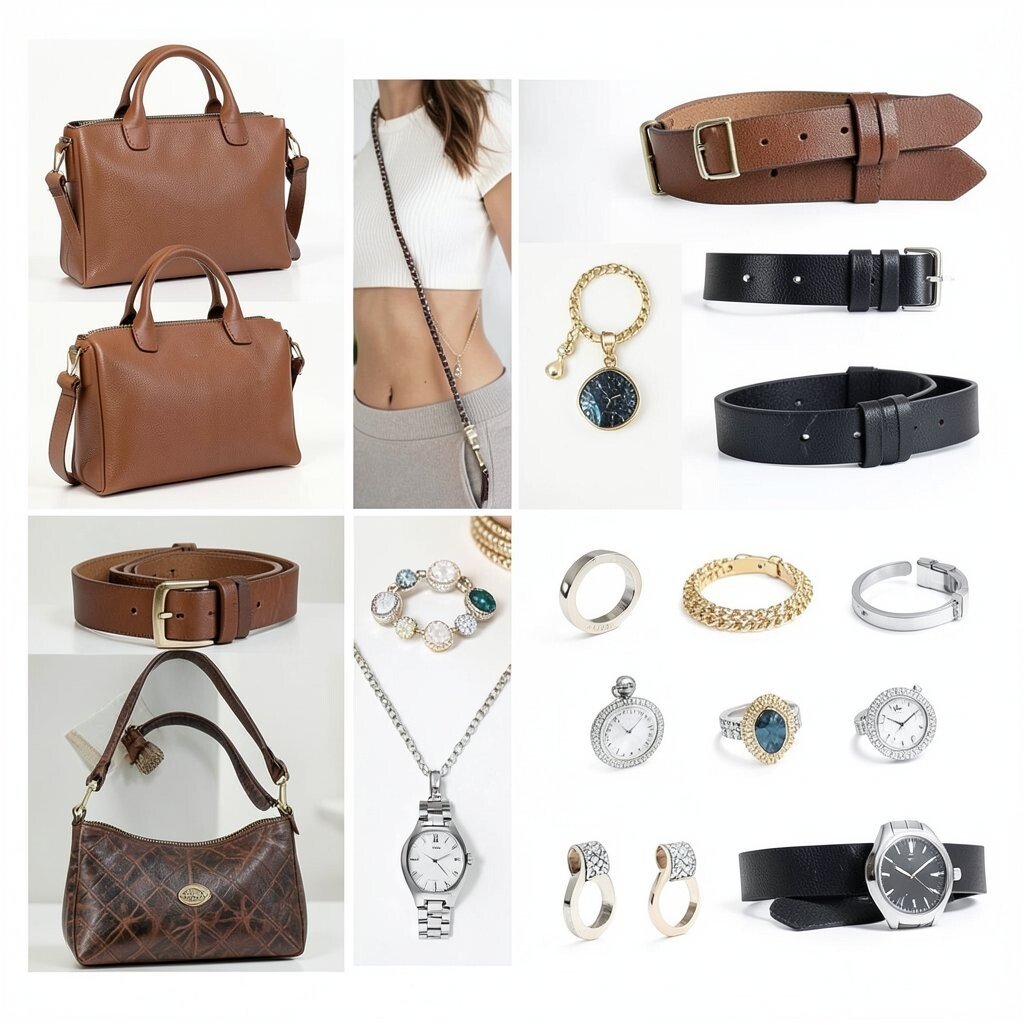
Start with the small stuff that makes outfits feel finished, then build outward. Gather images of bags, belt styles, earrings, rings, and watch shapes that match your personality.
Accessories can be easier to personalize than full outfits, and that makes them great for experimenting. If your jewelry is bold, keep your clothes simple so the spark stays balanced. This helps you use what you own while still creating fresh combinations.
8. Pattern Play With Prints and Shapes
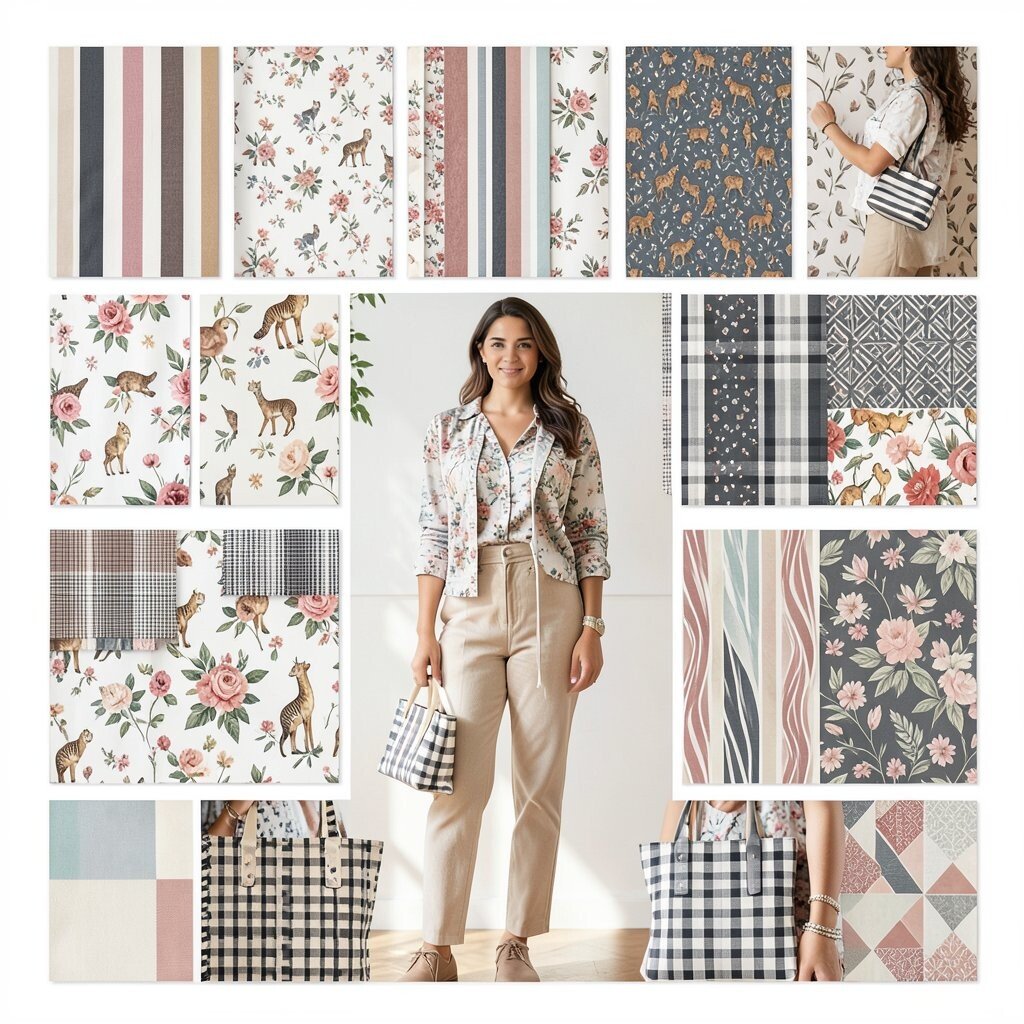
Make a board full of prints, like stripes, florals, checks, animal patterns, and geometric designs. Add examples of how you like them scaled, such as small prints for soft vibes and large prints for confident looks.
Pattern boards teach you how to mix without feeling chaotic, especially when you repeat one color across different prints. For practical tips, try pairing one busy print with one solid base or a subtle texture. You can also anchor outfits with a repeated shape, like matching stripes to a striped bag for a clean connection.
For personalization, choose one pattern that feels like “you,” even if it’s not trendy, and place it in the center. Current trends often lean into statement checks and playful florals, but you can wear them in your own way. If budget matters, focus on accessories and secondhand pieces since prints are often available at lower prices.
As you build the board, imagine each pattern with your skin tone and lighting, because the way prints look in daylight can surprise you.
9. “One Outfit, Three Ways” Styling Challenge
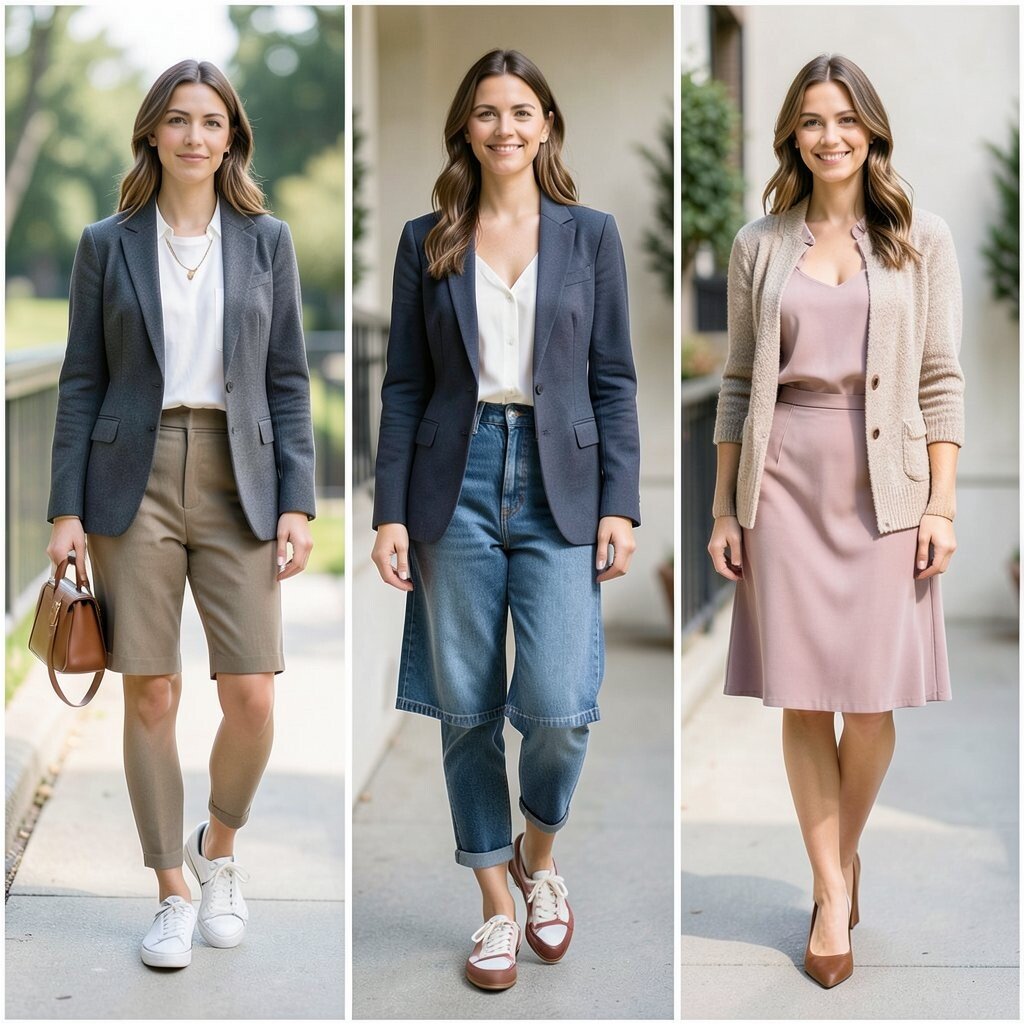
Pick a single outfit idea, like a blazer or a slip dress, and build three variations around it. Use images to show the same base piece styled with different shoes, layers, and accessories.
This helps you see versatility, which is where real style lives. When one item can fit multiple moods, you get more value from your closet and your money. Practical tips include changing only one big thing each time, like swapping sneakers for heels or adding a cardigan for softness.
10. Art-Inspired Board Using Color Theory
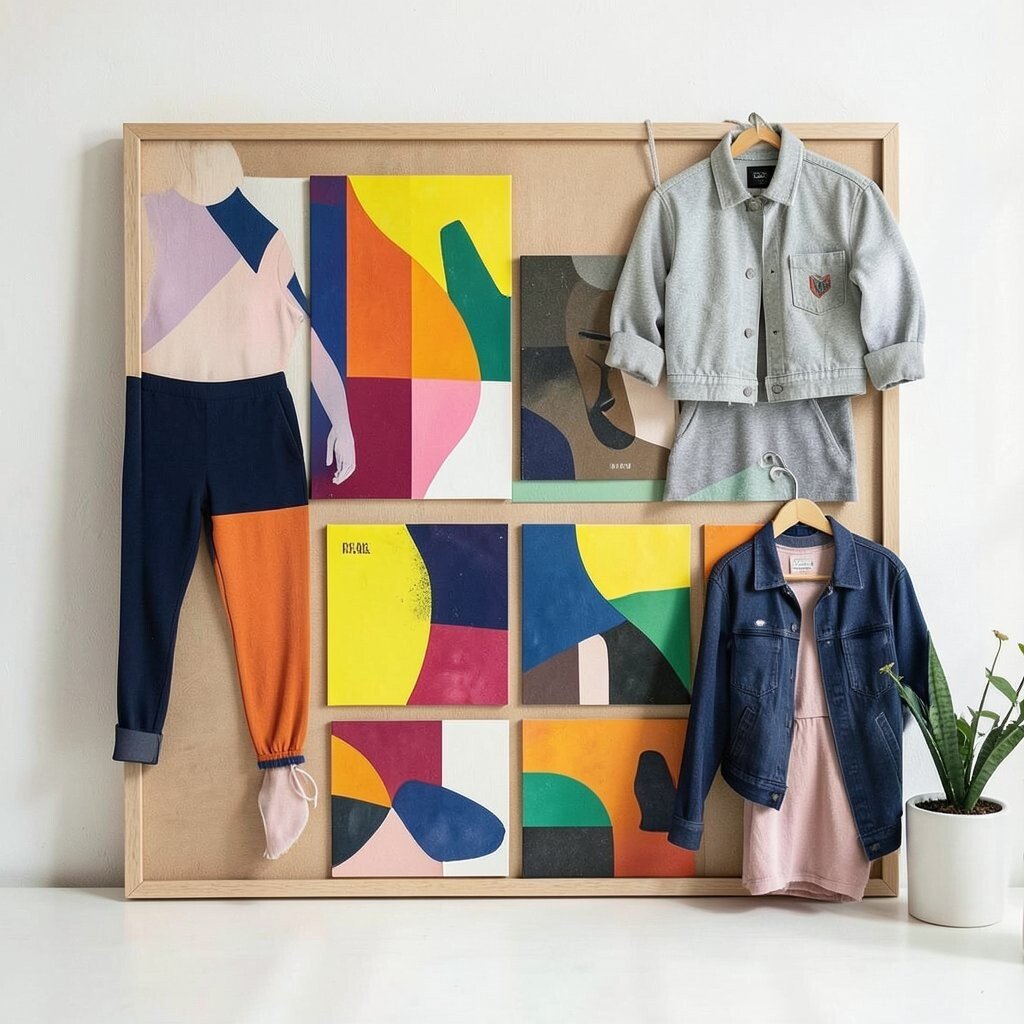
Steal inspiration from art you love, including posters, album covers, and gallery photos. Look for bold color pairings and interesting shapes that make your eyes move.
Color theory becomes easier when you see it in real art, not just in charts. When you build your board from those pairings, your outfit choices start to feel like a creative decision instead of a guessing game. It also gives you a unique style direction that’s hard to copy because it’s tied to your taste in visuals.
To make it practical, pick one art color combo and apply it to an outfit you can actually wear this week. For cost, use free images and print only the best pieces, then pair them with thrift finds that match the palette. Current trends often celebrate color blocking and graphic energy, so your board can line up with what’s popular while staying personal.
Try personalizing by adding one “signature” art element, like a specific shape that shows up across your board and your wardrobe.
11. Lifestyle Story Board for Your Real Routine
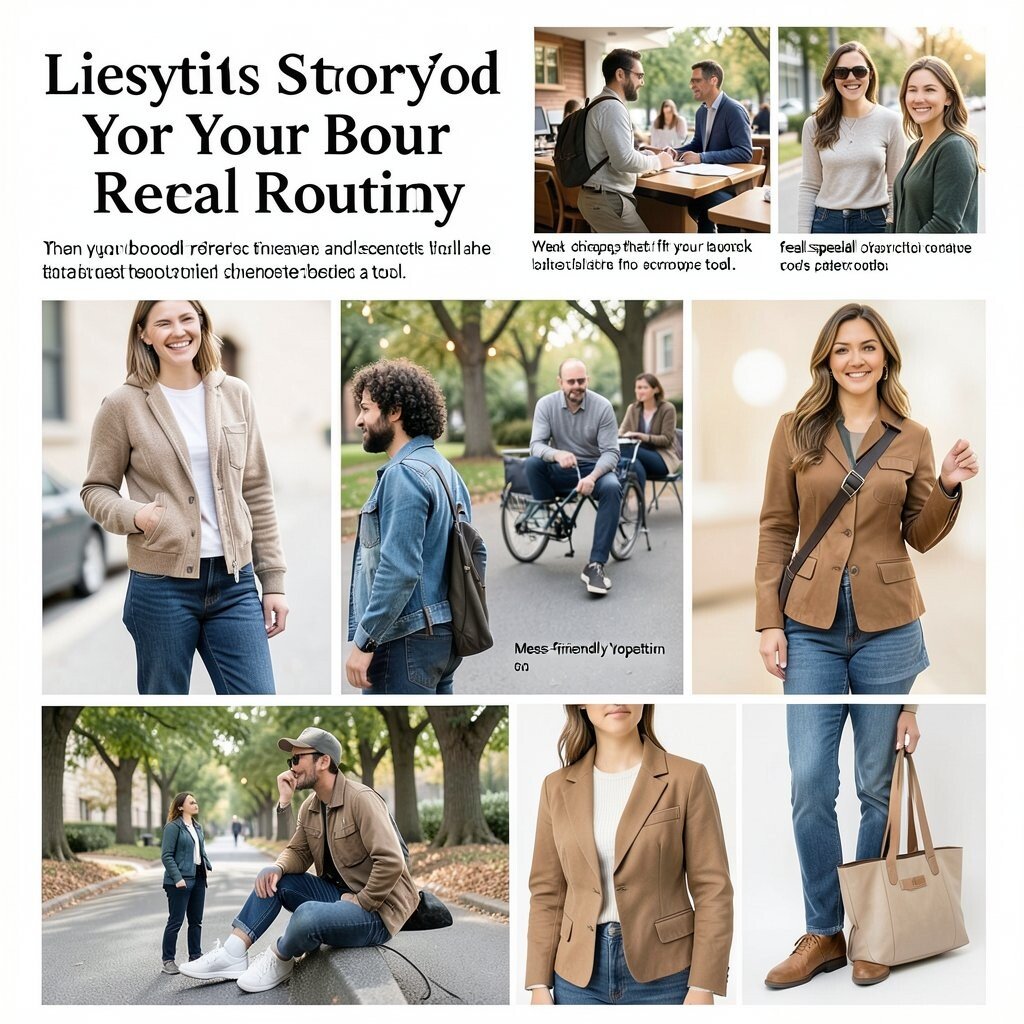
Build your style board around your daily rhythm, like school drop-offs, work meetings, or weekend errands. Add images of the places you actually go and the activities you actually do.
When your board reflects your routine, it stops being a fantasy and becomes a tool. You’ll choose outfits that fit your life, like comfy shoes that still look stylish or layers that handle temperature changes. This uniqueness keeps your style from feeling like it came from someone else’s closet.
For practical tips, include one “mess-friendly” outfit option and one “feels special” outfit option so you’re covered. Add a bag image that matches your carrying needs, like a roomy tote or a crossbody for hands-free time. If you want to control costs, prioritize comfortable basics and invest in one item that elevates everything, such as a structured jacket.
12. Vintage Hunt Board With “Wear Me” Criteria
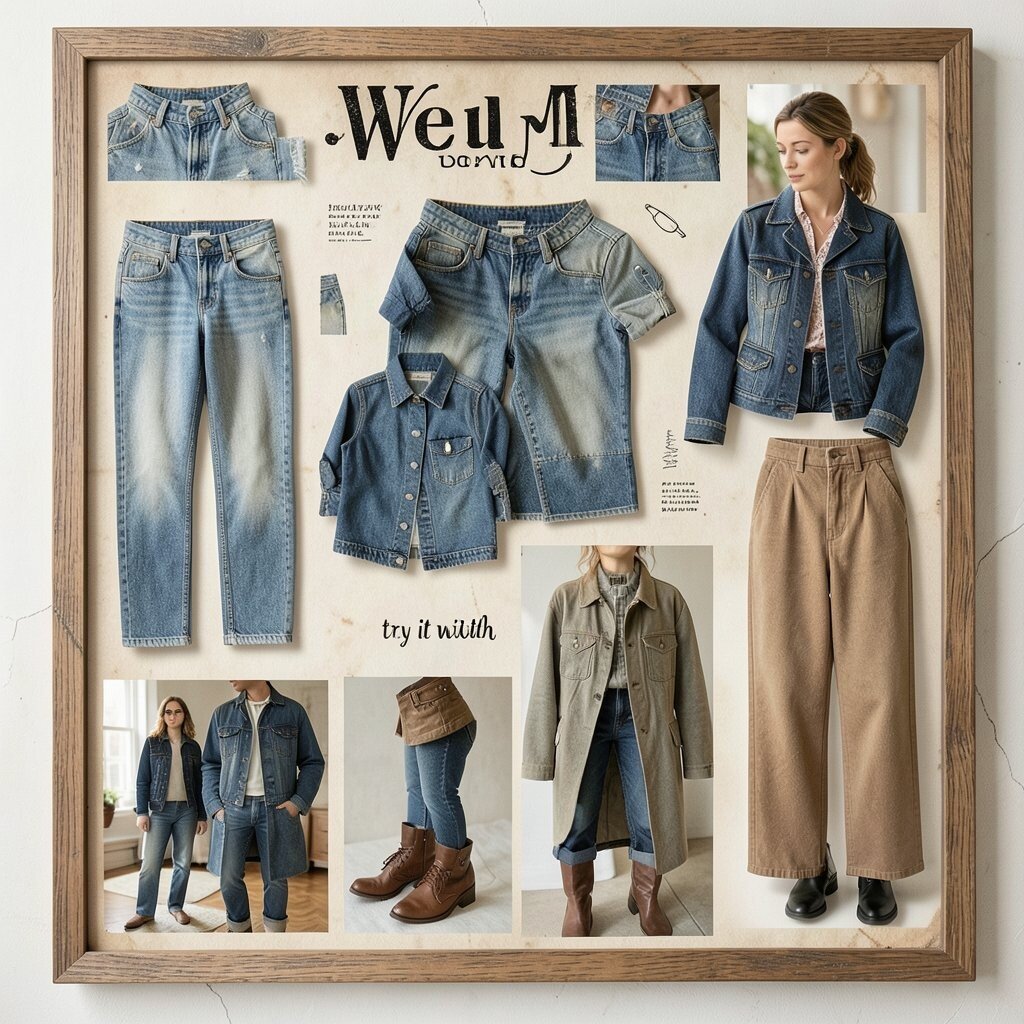
Create a board inspired by vintage clothing and the way older garments look with age and character. Collect images of denim fades, lace details, classic silhouettes, and old-school buttons.
Vintage boards are unique because they pull you toward pieces with stories and textures you won’t see everywhere. For practical personalization, decide what you actually want to wear, like high-waisted bottoms, fitted tops, or long coats. Then search for those features in thrift stores and online shops using your board as a filter.
Budget-friendly finds add up fast, so set a limit in your mind and focus on one category at a time, like shoes or outerwear. Current trends often borrow from vintage shapes, so you can stay fashionable while selecting items that will last. Keep your board lively by adding “try it with” images that show how vintage pieces match modern basics.
13. Shoe and Sole Focus With Comfort Style Rules
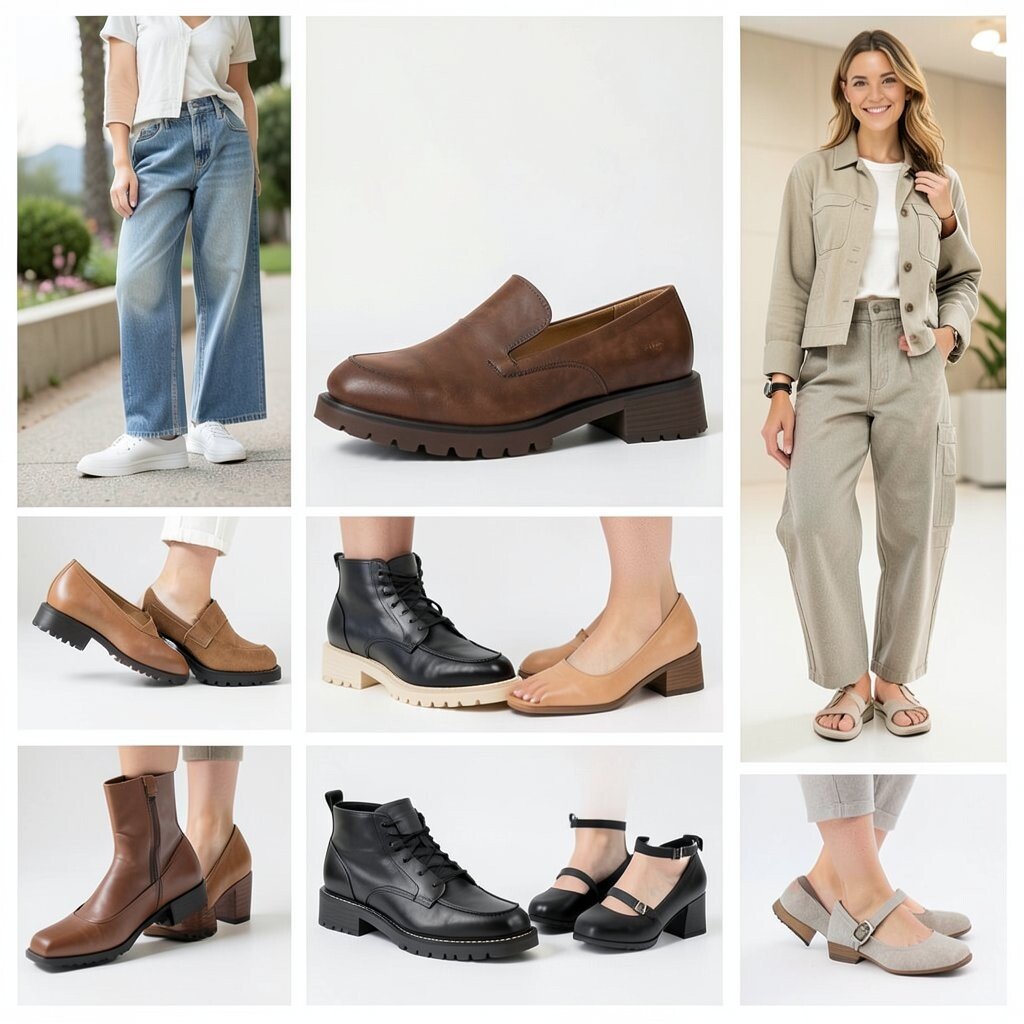
Give shoes the spotlight on your style board by collecting images of the shapes you love. Think about loafers, boots, sneakers, heels, sandals, and ballet flats, and add details like heel height and toe shape.
Comfort style rules make your ideas wearable, especially if you set priorities like arch support, walkability, or easy straps. When shoes match your comfort needs, outfits look better because you’re standing and moving confidently. This can also help you avoid spending on looks that feel cute but don’t work in real life.
Personalize it by pairing each shoe image with the kinds of outfits you want to wear, like wide-leg pants or cropped jackets. For cost, look for repeatable shoe colors, such as black, tan, and white, since they blend with many outfits. Current trends often highlight chunky soles and retro sneaker silhouettes, so use those cues to guide your hunt.
14. The “Lighting Mood” Board for Day, Night, and Camera
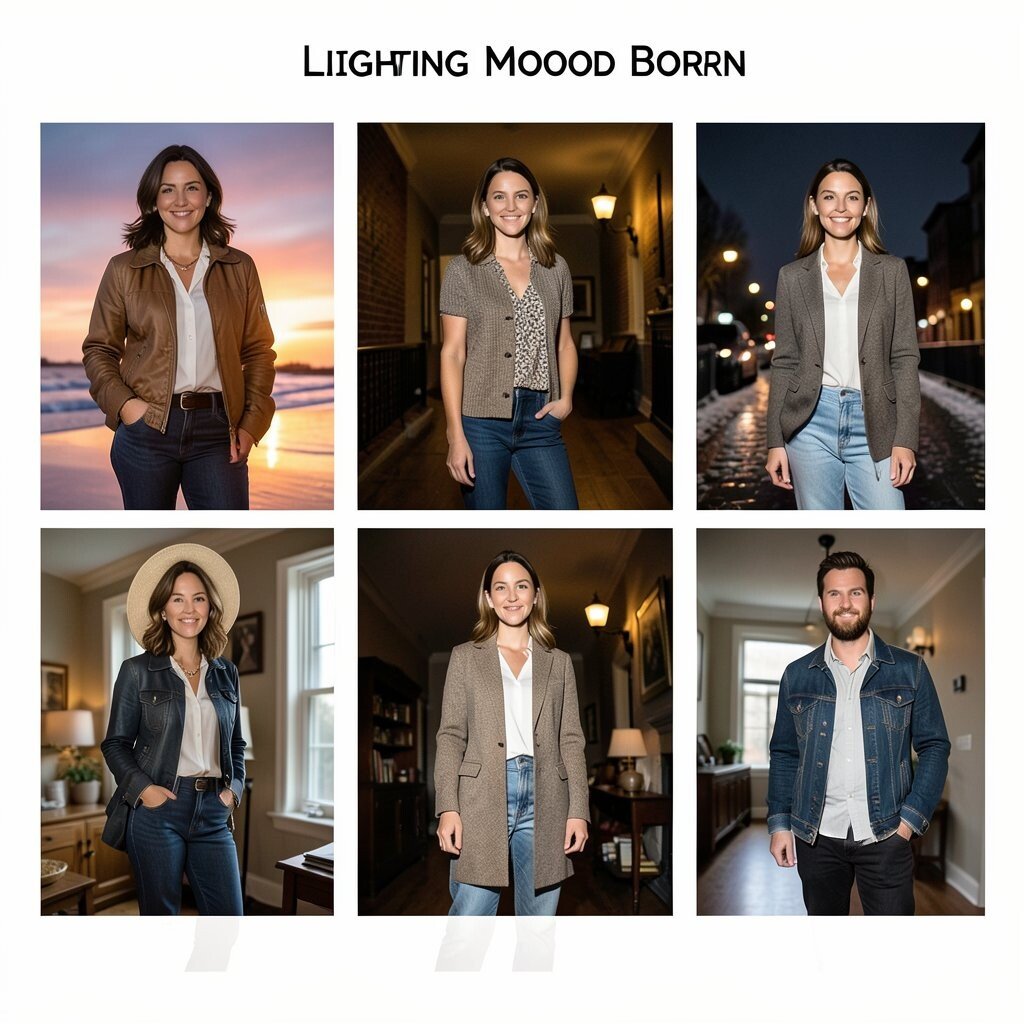
Make your board about how things look under different lighting, because colors shift and details pop. Gather images from sunrise, street lamps, indoor rooms, and flash photography.
This kind of board helps you pick outfits that photograph well and feel right when the lighting changes. When you plan for both day and night, you’ll know which fabrics glow and which colors stay calm. It also makes you more confident since you won’t worry as much about how your outfit will look in photos.
15. Signature Color Accent With One Bold Element
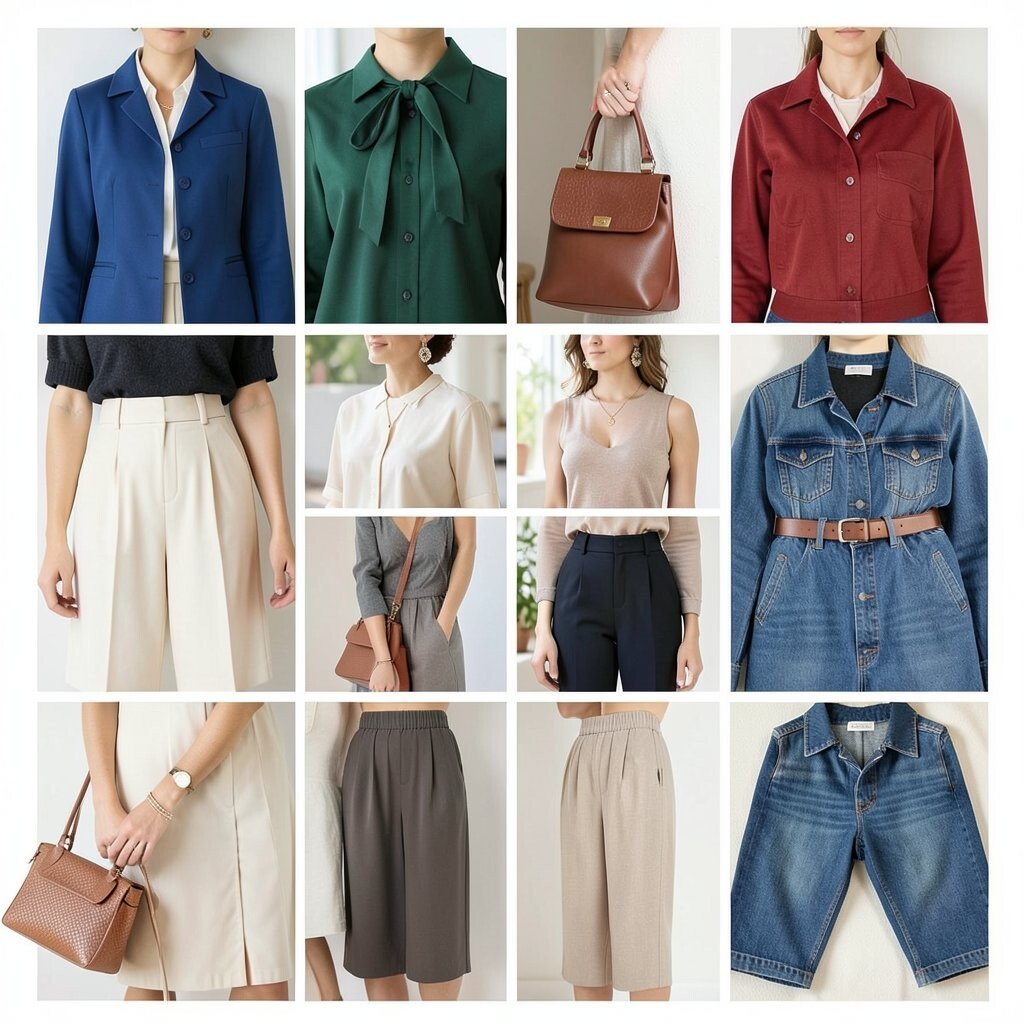
Choose one accent color that feels like your signature, such as cobalt, emerald, cherry red, or sunshine yellow. Then build your board around outfits that include that one pop in different ways.
This approach makes your style instantly recognizable while still letting you switch up everything else. For practical tips, place the accent in a spot you can control easily, like a bag, earrings, lipstick shade, belt, or nail color. Personalization becomes simple because you’re not trying to overhaul your whole closet at once.
For cost considerations, accent items are usually cheaper than full outfit swaps, and they can refresh your look fast. Current trends often favor strong accessory colors and clean neutral bases, so your signature color will fit right in. Add variety by showing how the accent color behaves with different neutrals, like cream, charcoal, or denim blue.
As you finish your board, keep it close and update it when your signature shifts, because style is allowed to evolve with you.