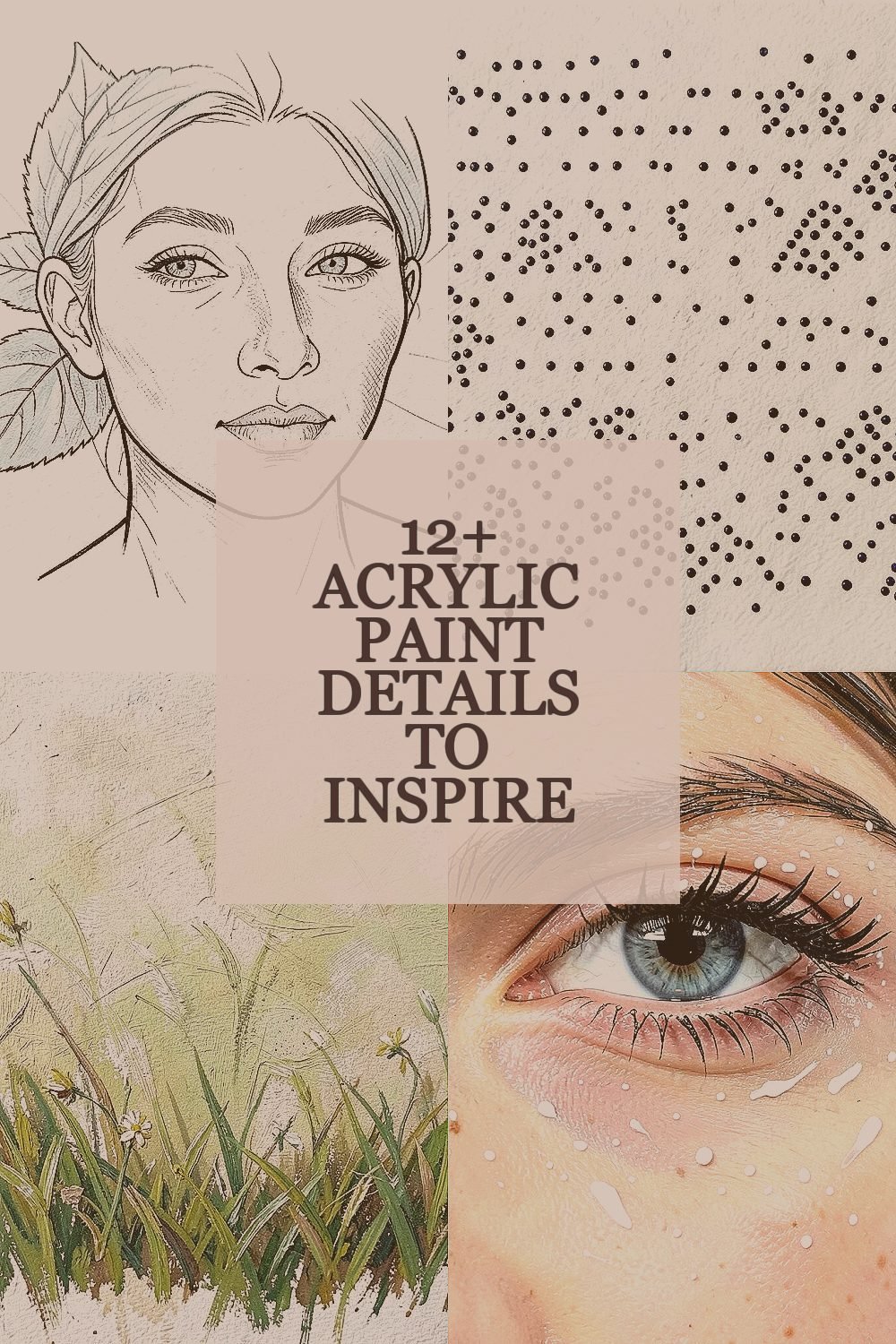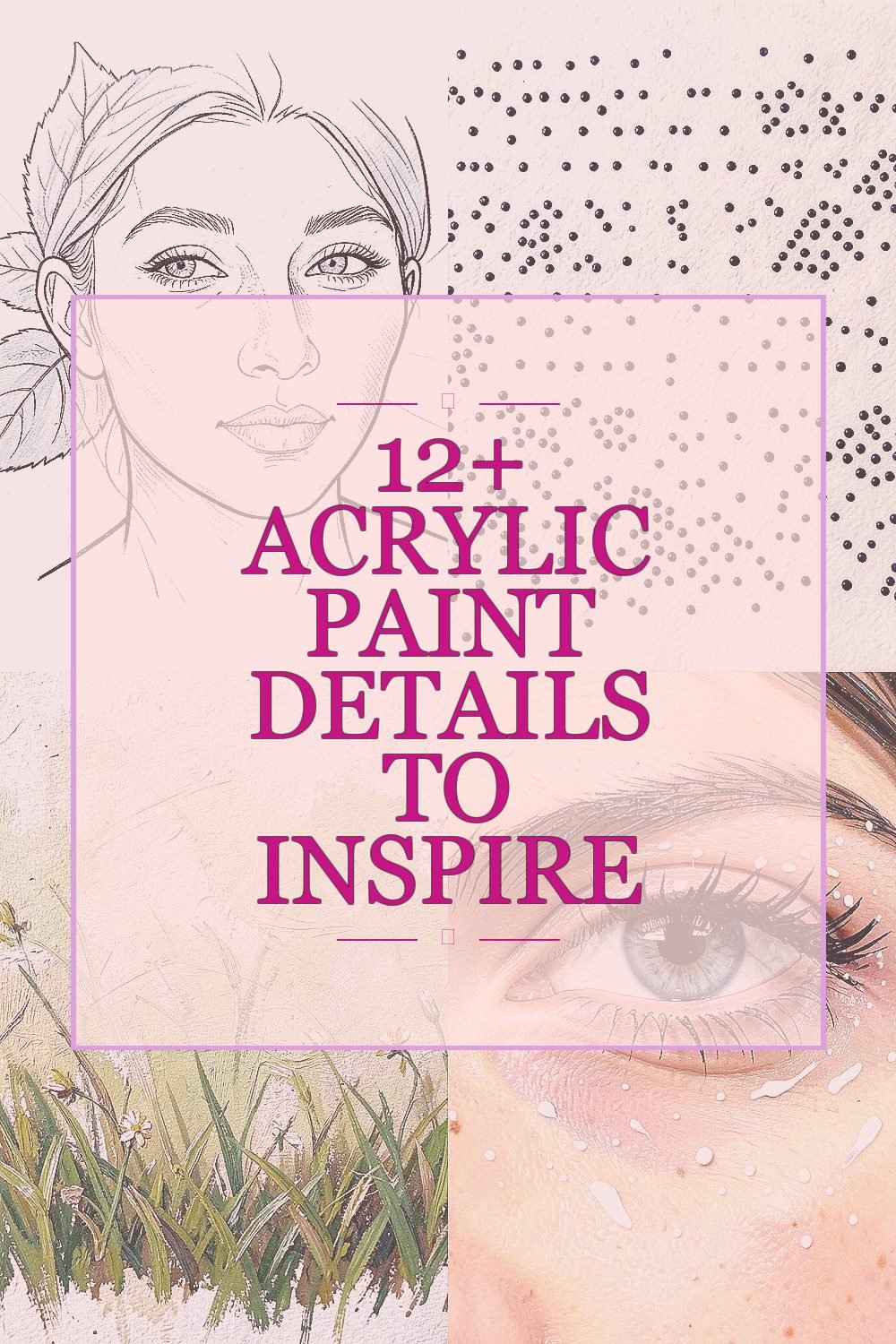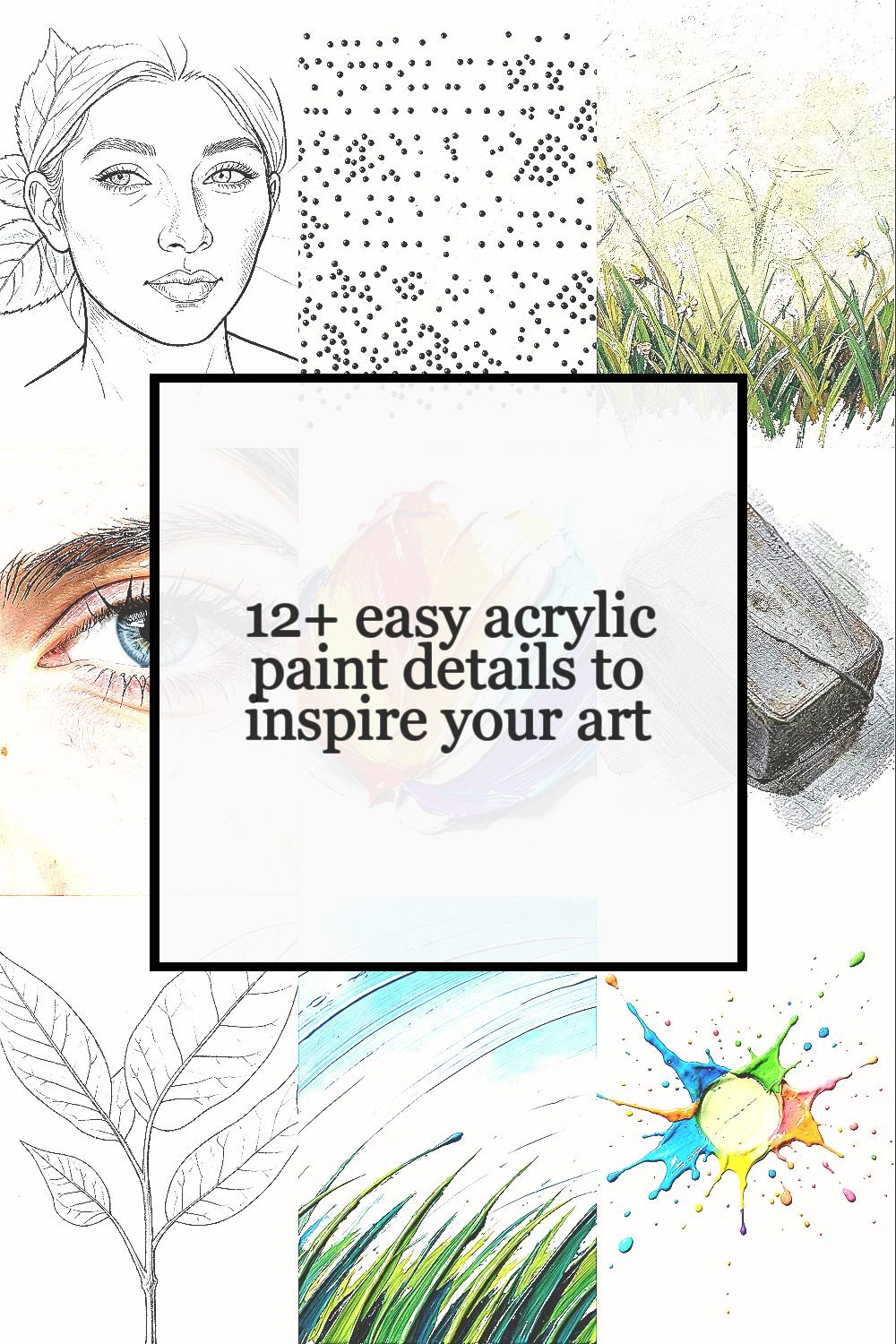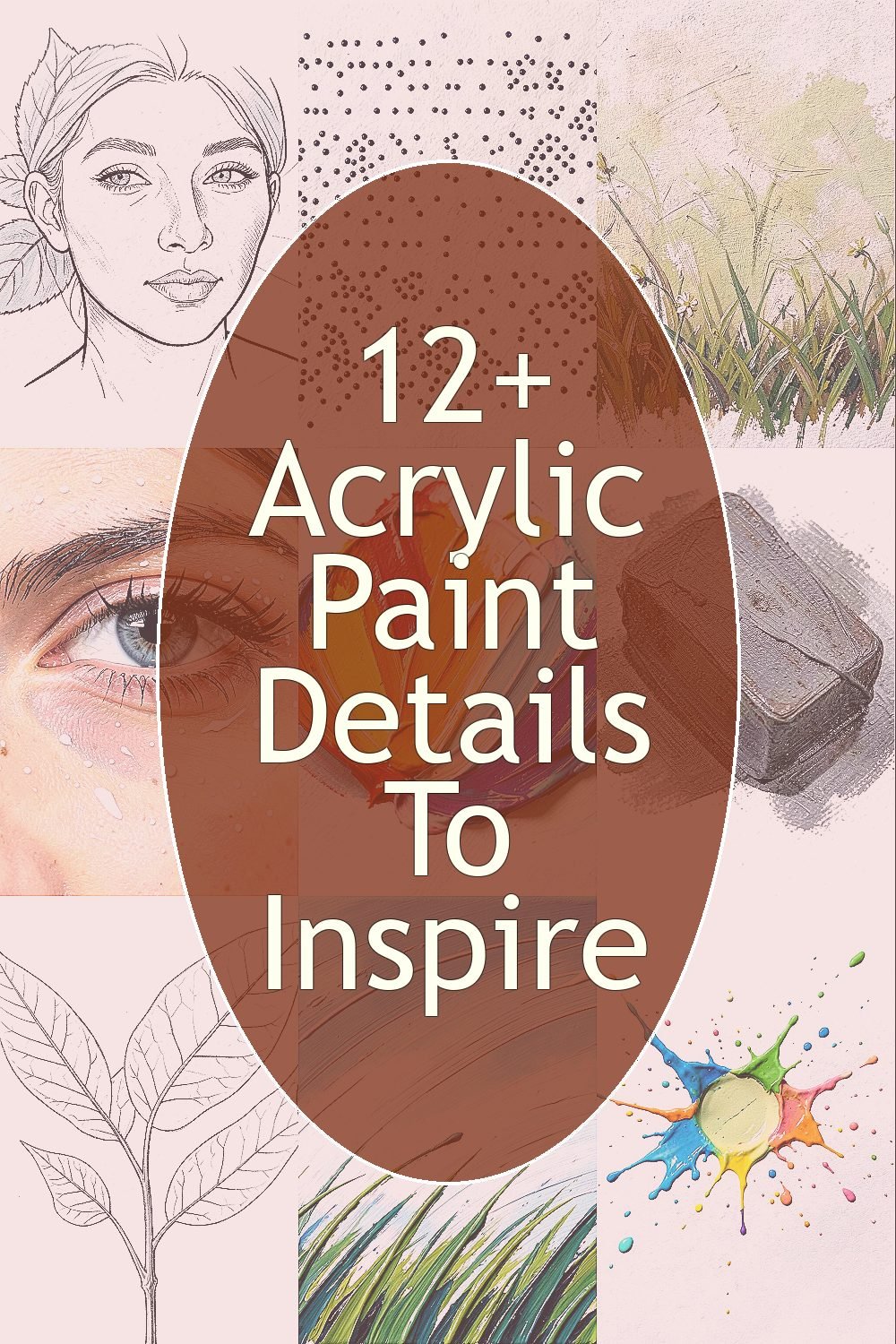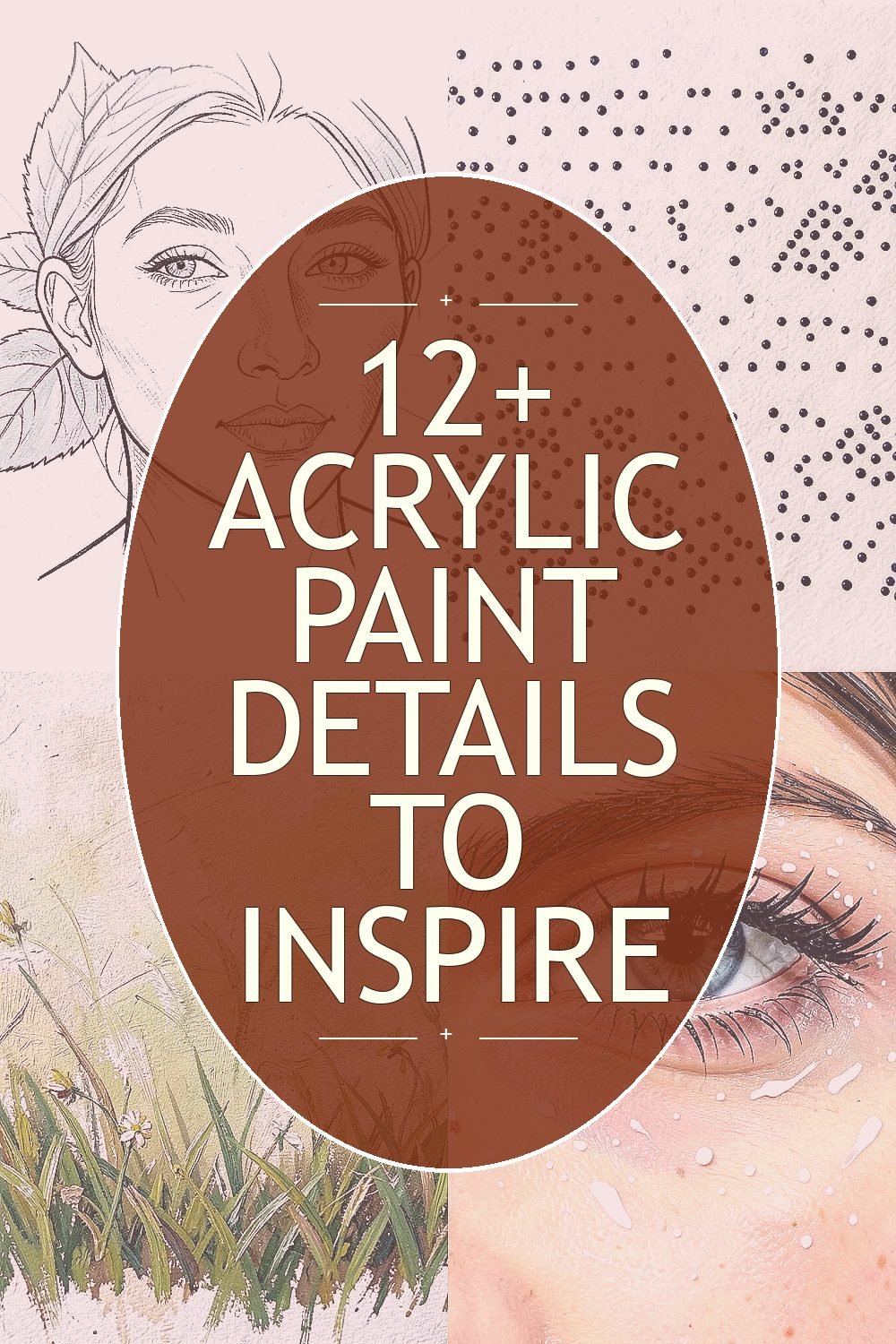
Acrylic paint can do a lot of small jobs that make art look more complete. Simple details can help you add shape, depth, and a style that feels like your own.
1. Fine Edge Lines

Fine edge lines are one of the easiest ways to add clean detail to acrylic art. They can shape a face, mark the edge of a leaf, or give a building a sharper look.
These lines work well because they help the eye see where one part ends and another begins. If you use a small brush and thin paint, you can make the lines look neat without much cost.
Many artists use this detail in both loose and tidy art styles. You can keep the lines light for a soft look, or make them bold for a more graphic feel.
2. Tiny Dot Patterns

Tiny dot patterns can add a fun and simple texture to your work. They are easy to make with the tip of a brush, a pencil end, or even a small tool from home.
This detail can help fill empty spaces without making the art feel too busy. It also gives you a way to add rhythm and visual movement in a low-cost way.
Dots are a good choice if you want to make your work feel more personal. You can place them in rows, clusters, or loose shapes to fit your own style.
3. Soft Dry Brush Marks

Dry brush marks give a rough and light look that can add charm to many paintings. You use very little paint on a dry brush, then drag it across the surface.
This method is great for wood, grass, fur, old walls, and other textures. It helps you make a surface feel real without needing many layers.
It is also a smart way to save paint, since you use less each time. Many artists like it because it feels quick, relaxed, and easy to control.
4. Small White Highlights

Small white highlights can make a painting look brighter and more alive. A tiny touch of white on an eye, a leaf, or a shiny object can change the whole feel of the piece.
This detail helps guide attention to the parts you want people to notice first. It can also give your art a clean look with very little effort.
White highlights are common in many current art styles because they are simple and clear. You can place them in thin lines, small dots, or tiny spots based on the look you want.
5. Layered Color Edges

Layered color edges add depth by showing more than one color along a shape. For example, you can place a warm color beside a cool one to make the edge stand out.
This detail helps flat shapes feel more full and lively. It is useful for petals, hair, clothing, and abstract art where color choice matters a lot.
You do not need costly supplies to try this idea. A few basic paints can give you many different looks if you mix and layer them with care.
6. Small Shadow Shapes

Small shadow shapes can make your art look more real and grounded. A shadow under an object, near a fold, or beside a face can add depth right away.
This detail is helpful because it shows where light is coming from. It also gives your work a stronger sense of space, even if the rest of the painting is simple.
Many artists keep shadows soft so they do not take over the piece. You can use gray, brown, or a mixed dark color that fits the rest of your palette.
7. Thin Botanical Veins

Thin botanical veins are a nice detail for leaves, flowers, and stems. They can make plant art feel careful and natural without needing a lot of paint.
This kind of line work adds a fine look that many people enjoy in home art and journal pages. It also helps each leaf feel different, which makes the whole piece more interesting.
You can make the veins neat or a little loose, based on your style. A small brush and a steady hand are enough for this detail, so it stays simple and low cost.
8. Texture Strokes in One Direction

Texture strokes in one direction can give your art a smooth and organized feel. These strokes work well for water, hair, fabric, grass, and sky.
This detail helps show motion and shape without needing a lot of extra parts. It can make a painting feel calm and clean, which many people like in modern art.
You can use short strokes for a tight look or longer strokes for a softer one. The style is easy to change, so it works well if you want to make the piece your own.
9. Small Color Splashes

Small color splashes can make a painting feel fresh and lively. A few drops or flicks of paint can add energy to a plain background or an empty corner.
This detail is popular in many current art trends because it feels casual and easy to do. It also gives you a way to use leftover paint instead of wasting it.
Splashes can be bright or soft, depending on the mood you want. If you keep the rest of the art simple, the splashes can stand out in a nice way.
10. Simple Pattern Borders

Simple pattern borders can frame your art and help it feel finished. You can use dots, lines, small leaves, or tiny shapes around the edge of a canvas or page.
This detail is useful because it guides the eye toward the center of the work. It also gives you a place to add your own touch without changing the whole piece.
Borders are a good choice if you want a neat look on a small budget. They can be made with basic tools and a few paint colors, so they are easy to try at home.
11. Gentle Blended Backgrounds

Gentle blended backgrounds make the main subject stand out more clearly. You can mix two or more colors so they move into each other in a soft way.
This detail helps avoid harsh empty space and gives the painting a calm feel. It is also a nice way to use simple colors in a more thoughtful way.
Many artists use soft blends because they work with many styles, from flowers to faces to abstract art. You can keep the colors close together for a quiet look or use stronger contrast for more notice.
12. Tiny Sparkle Points

Tiny sparkle points can add a small shine without making the piece feel too full. A few bright marks on water, metal, eyes, or stars can make the art feel more alive.
This detail is easy to add with a small brush or a dotting tool. It gives you a lot of visual effect for very little paint, which makes it a smart and low-cost choice.
Sparkle points fit well with many current styles that use small clean accents. You can place them with care so they look light and simple, not heavy.
13. Personal Signature Marks

Personal signature marks are small details that help your art feel like yours. These marks can be a tiny shape, a repeated line, a color choice, or a special brush stroke you use often.
This detail matters because it gives your work a clear voice. Even simple art can feel special when people see a part of your style in it.
You can build these marks over time as you make more art. They do not need to cost much, and they can be as quiet or bold as you want, which makes them easy to keep using.