Fine motor skills help hands do small, careful tasks like holding, pinching, and cutting. These games and crafts can make daily jobs easier and give kids and adults more hand control.
1. Play Dough Pinch and Roll

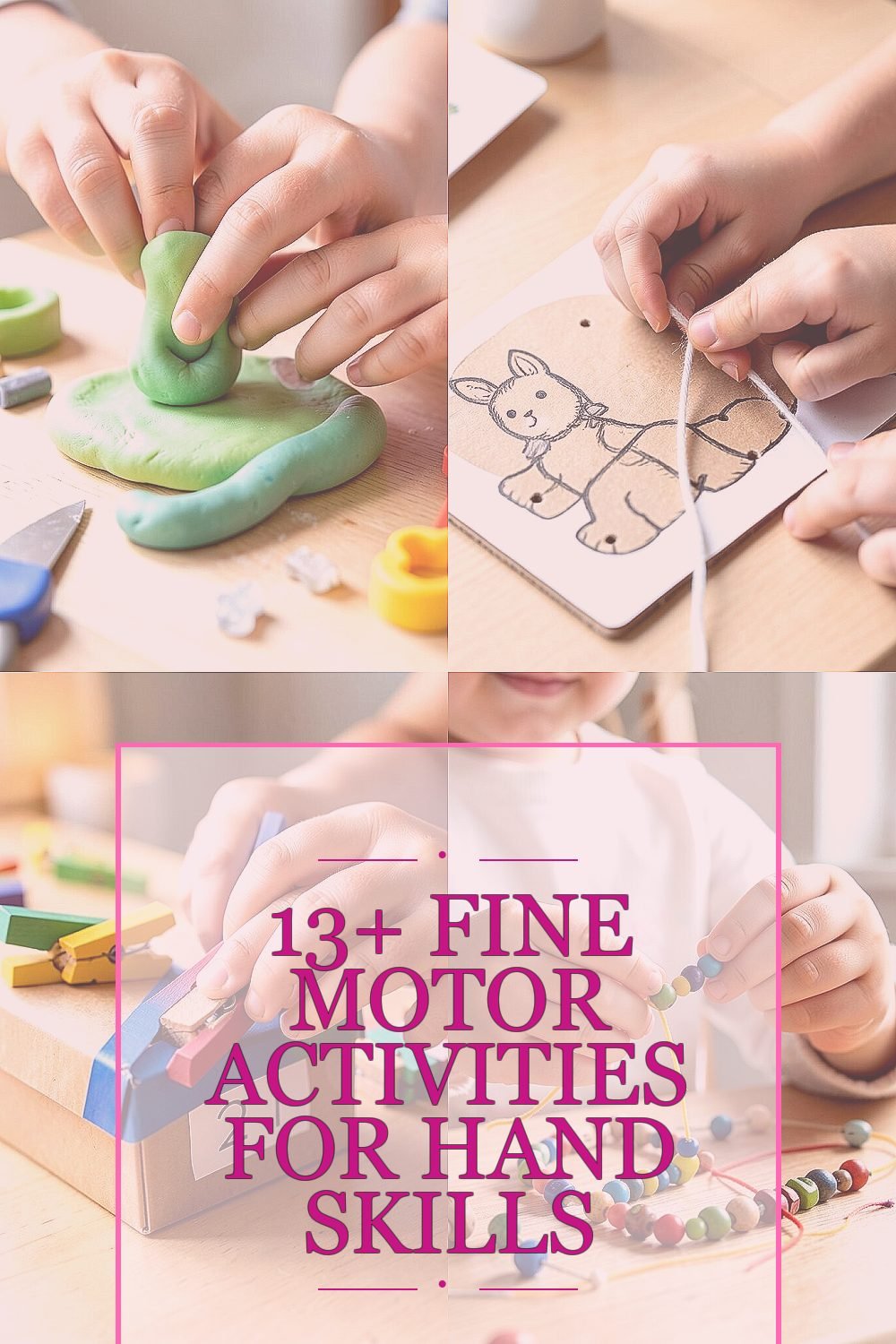
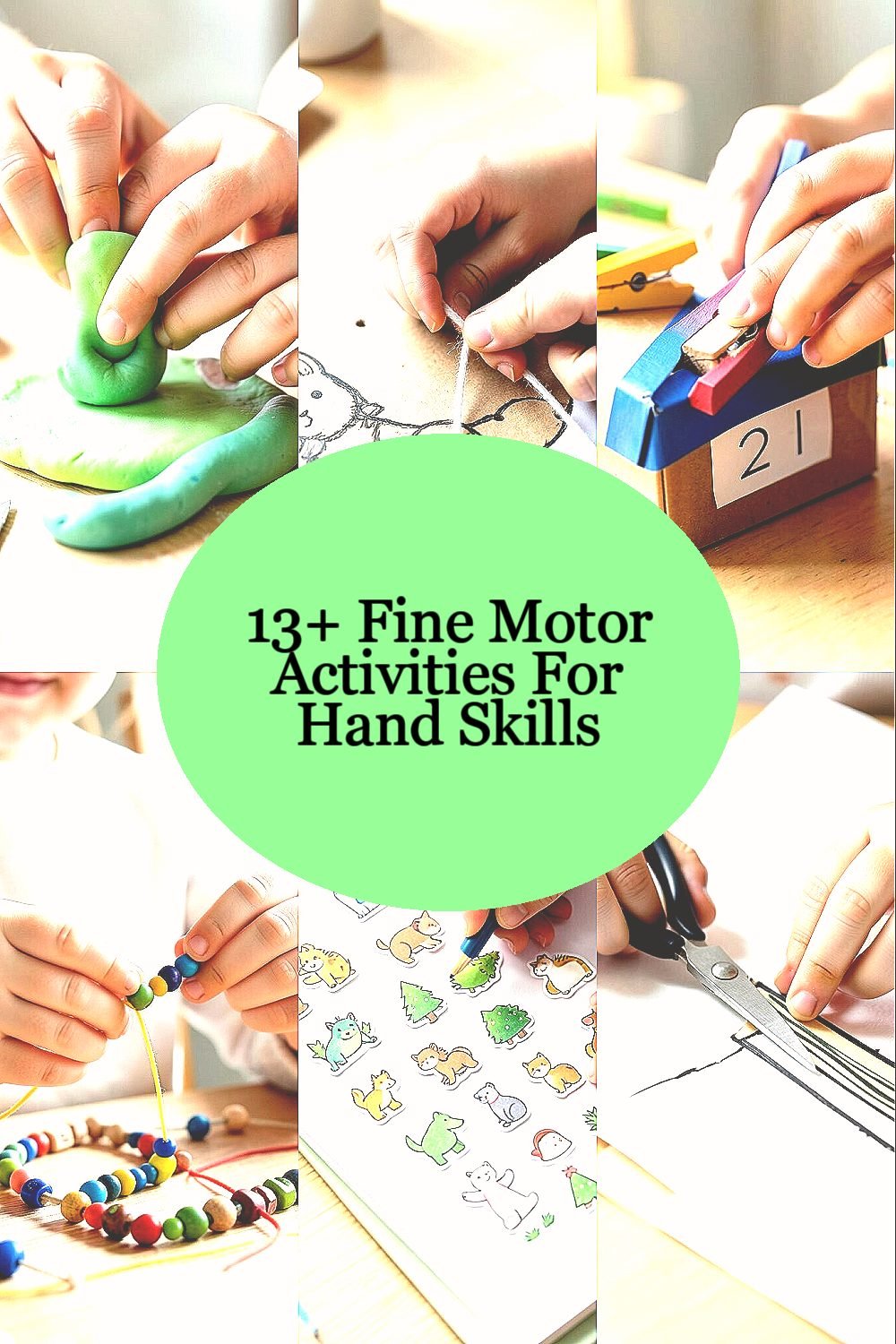
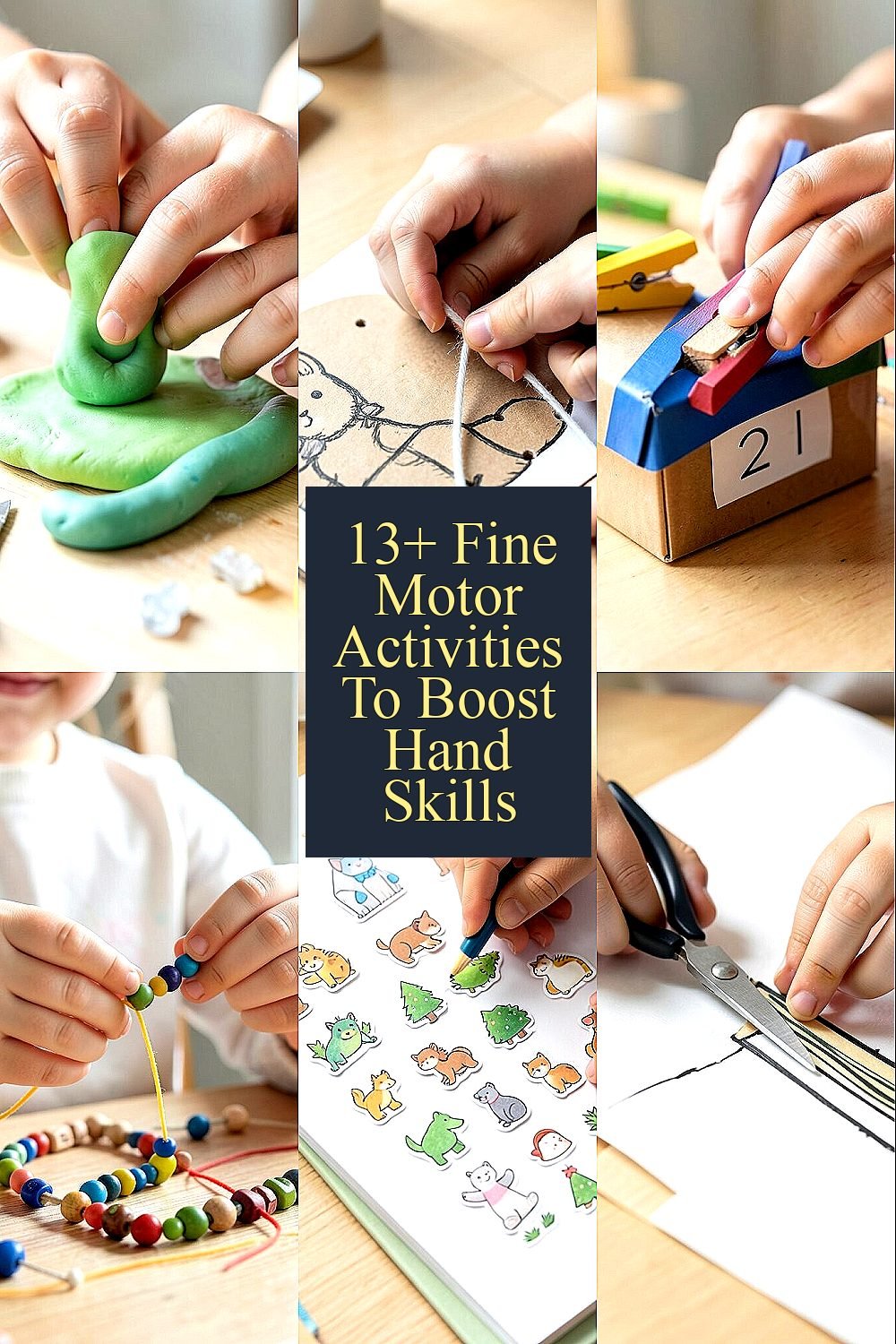
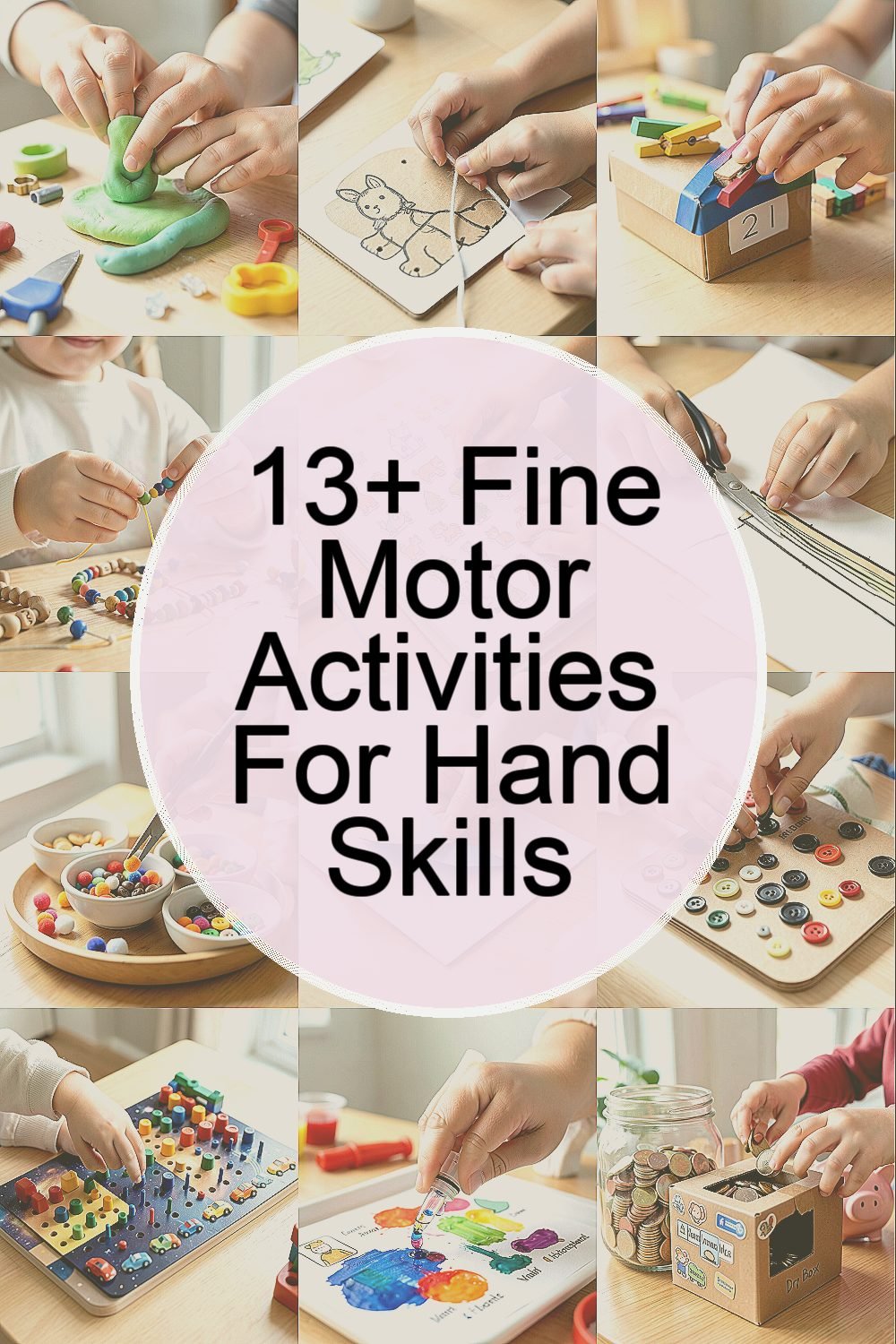
Play dough is soft, bright, and easy to shape, which makes it a great choice for hand practice. A child can pinch it, roll it into balls, press it flat, or make snakes with their fingers.
This helps the small hand muscles work in a simple way. It can also help with grip strength, finger control, and hand use on both sides of the body.
One nice thing about play dough is that it is low cost and easy to keep at home. You can add small tools like cookie cutters, plastic knives, or toy stamps to make the task feel new each time.
For a personal touch, try making your own dough with food coloring or a light scent. Some families also use store-bought dough in calm colors, which is a common trend for quiet play spaces.
2. Lacing Cards

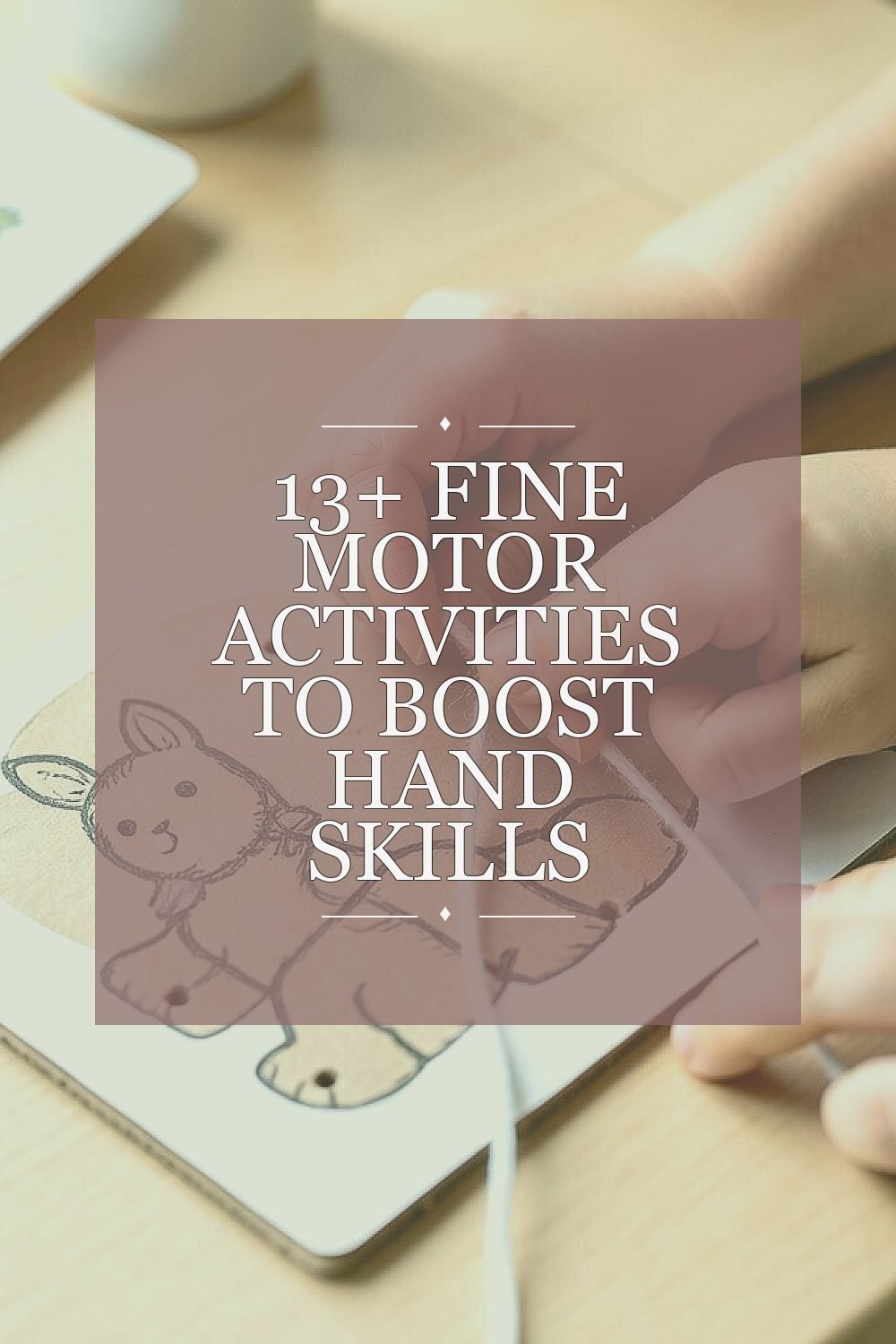
Lacing cards have holes around the edge of a shape, picture, or animal. A child uses a string or lace to weave in and out, which gives the hands a clear job to do.
This activity helps with finger control, hand-eye use, and focus. It also teaches kids to slow down and follow a path, which can help with school tasks later.
Lacing cards can be made at home with cardboard and yarn, so they do not need to cost much. Store-bought sets often come in bright themes like shoes, leaves, or favorite animals.
You can make the task easier by using thick laces and large holes. To make it harder, use thin string or add a pattern the child must copy.
3. Clothespin Squeeze Games

Clothespins are small, simple tools that can give fingers a good workout. Children can squeeze them open and clip them onto a box, cup, card, or paper edge.
This builds finger strength and helps the thumb and fingers work together. It can also support skills used for writing, buttoning, and holding small items.
This is a low-cost activity because clothespins are cheap and easy to find. You can paint them, label them with colors, or clip them to a line for a fun look.
Many parents and teachers like to turn clothespins into a game with numbers, letters, or matching colors. If a child has weak hands, start with wooden pins that open with less effort.
4. Bead Stringing

Beads come in many shapes, sizes, and colors, so the task can look fun right away. A child picks up each bead and threads it onto a string, pipe cleaner, or shoelace.
This helps with pincer grip, which is the small pinch used by the thumb and finger. It also supports eye-hand control and careful hand movement.
Bead stringing can be as cheap or as fancy as you want. Pasta, paper tubes, or cut straws can work just as well as store beads.
For a personal touch, let the child make a pattern with favorite colors or mix in letter beads for a name. A simple trend is to use natural items like wood beads, which many people like for a calm look.
5. Sticker Peel and Place

Stickers are bright, sticky, and easy to use in many ways. A child peels each sticker off the sheet and places it on paper, a notebook, or a craft page.
This works the small muscles in the fingers and helps with hand control. It also asks the child to aim well and place each sticker in a chosen spot.
Sticker packs are often low cost, and there are many kinds to choose from. You can use stars, dots, animals, or themed sets tied to seasons or holidays.
To make it more personal, draw a simple scene and let the child finish it with stickers. Many families now use reusable sticker books, which are neat and easy to store.
6. Scissor Snipping Strips

Cutting paper strips gives hands a clear and useful job. A child can snip along thick lines, cut fringe, or make short cuts in paper, card, or straw pieces.
This helps with hand strength, finger control, and safe tool use. It also supports the skill of keeping both hands busy at the same time, since one hand holds and the other cuts.
Child-safe scissors and scrap paper make this a low-cost task. You can use old magazines, colored paper, or even paper with bold lines drawn on it.
Many teachers now use short cutting strips with fun pictures at the end, like a fish tail or grass. If a child needs help, make the strips wider and the lines darker.
7. Tweezers and Tongs Pick-Up

Tweezers and small tongs make picking up tiny items feel like a game. A child can move pom-poms, beans, buttons, or paper bits from one bowl to another.
This builds finger strength and helps with careful grip. It also supports the hand skills needed for pencil use and fast buttoning.
Plastic tweezers are often cheap, and many home items can work too. Kitchen tongs, salad tongs, or plastic grabbers can be used for bigger hands or easier practice.
You can make the task more fun by sorting items by color or shape. A common trend is to set up a small tray with neat bowls, which makes the activity look calm and tidy.
8. Paper Folding and Creasing

Folding paper makes a simple flat sheet turn into a new shape. A child can fold a paper fan, a card, a boat, or a basic square and press the crease with a finger.
This helps with hand control, two-hand use, and careful pressure. It can also improve the way a child follows steps in order.
Paper folding costs very little because plain paper is enough to start. You can use colored paper, old flyers, or wrapping paper for a nicer look.
Try making the folds fit the child’s interests, such as a paper hat, a tiny book, or an animal shape. Some families like simple origami because it feels neat and modern without needing many supplies.
9. Button Boards

Button boards give practice with a skill used every day. A child pushes buttons through holes, opens and closes them, or works with a shirt, felt board, or practice panel.
This helps with finger strength, patience, and hand control. It can also make dressing tasks easier over time.
A homemade button board can be very cheap if you use old fabric, cardboard, and spare buttons. Store sets may look nicer, but simple home tools work well too.
To make it fit one child, choose big buttons first and then move to smaller ones later. A current trend is to use quiet activity boards that mix buttons, zips, and snaps in one place.
10. Pegboard Play

Pegboards use small pegs that fit into holes, and they often come in many colors. A child can place pegs in rows, make pictures, or copy a pattern on the board.
This helps with finger strength, aim, and steady hand movement. It also gives a child a clear visual task, which can make practice feel simple and organized.
Pegboards can be found at low cost in toy shops or made with recycled materials and safe parts. You can sort pegs by color, make shapes, or count them as they go in.
For a personal touch, use a board with a favorite theme like space, animals, or cars. Many homes and classrooms like pegboards because they are neat, quiet, and easy to store.
11. Water Dropper Art

A water dropper or eye dropper lets a child squeeze and release small drops of water or colored liquid. The child can move drops onto paper, a tray, or a painted page and watch the color spread.
This helps with finger strength and control because the hand must squeeze with care. It also gives a nice visual result, which can keep children interested longer.
This activity is low cost if you already have droppers, cups, and food coloring at home. You can use water on paper towels, coffee filters, or ice cube trays for a simple setup.
Try adding color names, shape targets, or small pictures to guide the drops. A lot of people now use simple science-art tasks like this because they are calm, neat, and easy to clean up.
12. Coin Sorting and Drop Box

Coins or token pieces can be sorted by size, color, or type and dropped into slots. A child picks up each piece and places it into a jar, box, or piggy bank opening.
This helps with pincer grip and careful aim. It also supports hand control for school jobs and daily tasks like handling change or small objects.
You do not need real money for this activity, since game tokens, buttons, or cardboard circles can work too. A homemade drop box with a cut slit can be made at very low cost.
To make it more personal, decorate the box with stickers, tape, or the child’s name. A neat trend is to use clear jars so the child can see the items pile up as they work.
13. Threading Nuts and Bolts

Large nuts and bolts are easy to see and hold, which makes them good for hand practice. A child can twist the nut onto the bolt and then take it off again.
This helps with twisting motion, finger strength, and control of both hands. It also gives a clear feel of cause and effect, since the pieces fit only when the hands line them up well.
These parts are often low cost and can be found in hardware stores or home tool boxes. For safety, use large pieces only and keep the task away from very young children who put things in their mouths.
You can sort by size, color, or type to add a small challenge. Many people like simple hardware play now because it feels real, useful, and easy to set up.
14. Small Object Transfer With Spoons

Spoon transfer games ask a child to move small items from one bowl to another. Rice, beans, cotton balls, or pom-poms can be scooped and carried with a spoon or small scoop.
This helps with hand steadiness and grip. It also teaches a child to move slowly and keep control while carrying something from place to place.
The cost is usually very low because you can use items from the kitchen or craft box. Plastic spoons, wooden spoons, measuring spoons, or toy scoops all work in different ways.
You can make the task fit the child by using bigger items for easy practice or smaller ones for a harder job. A simple trend is to set up matching bowls in calm colors, which makes the activity look clean and easy to follow.