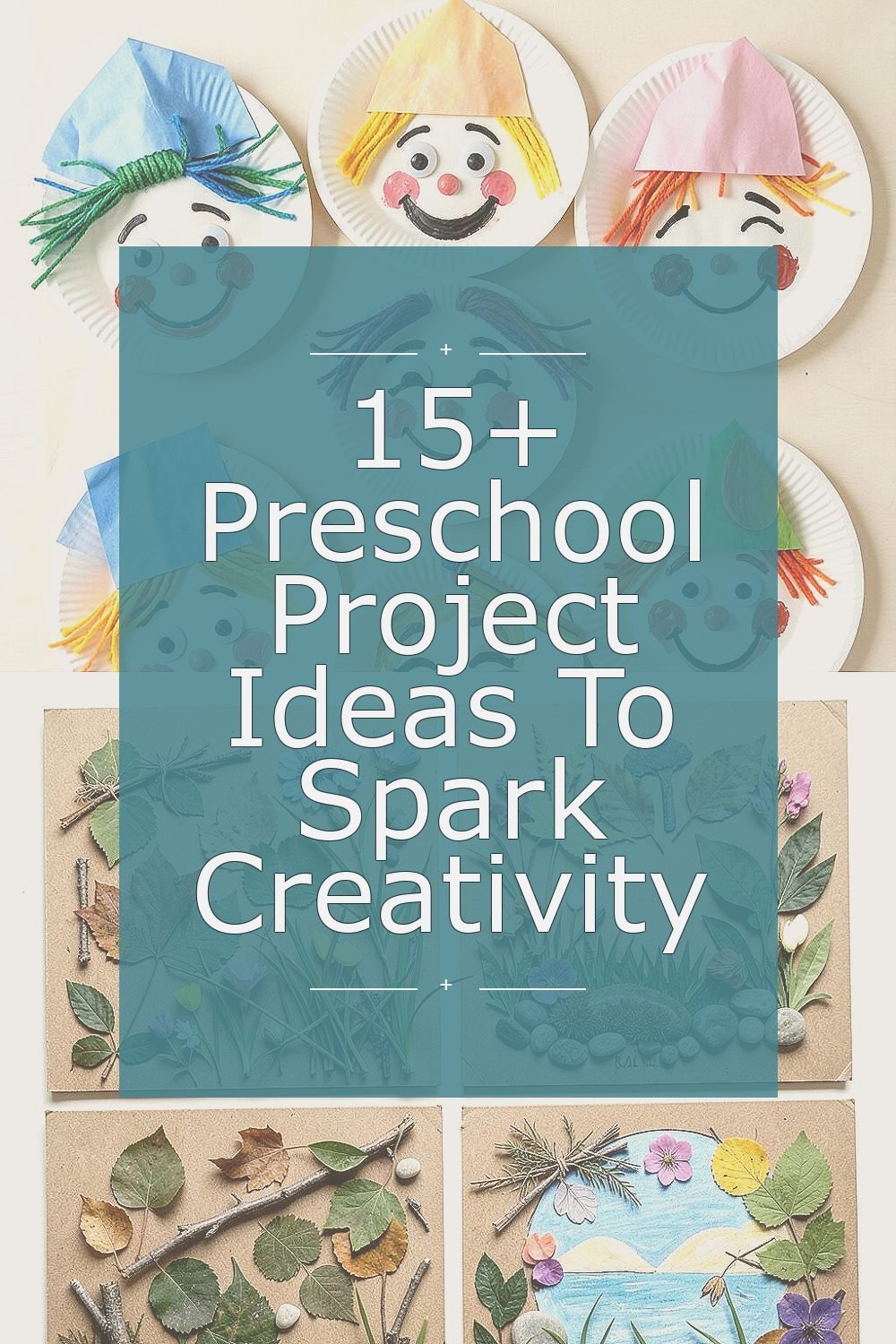
Preschool projects can give young kids a fun way to make, see, and try new things. Simple materials and clear steps can help them build skills while they enjoy the process.
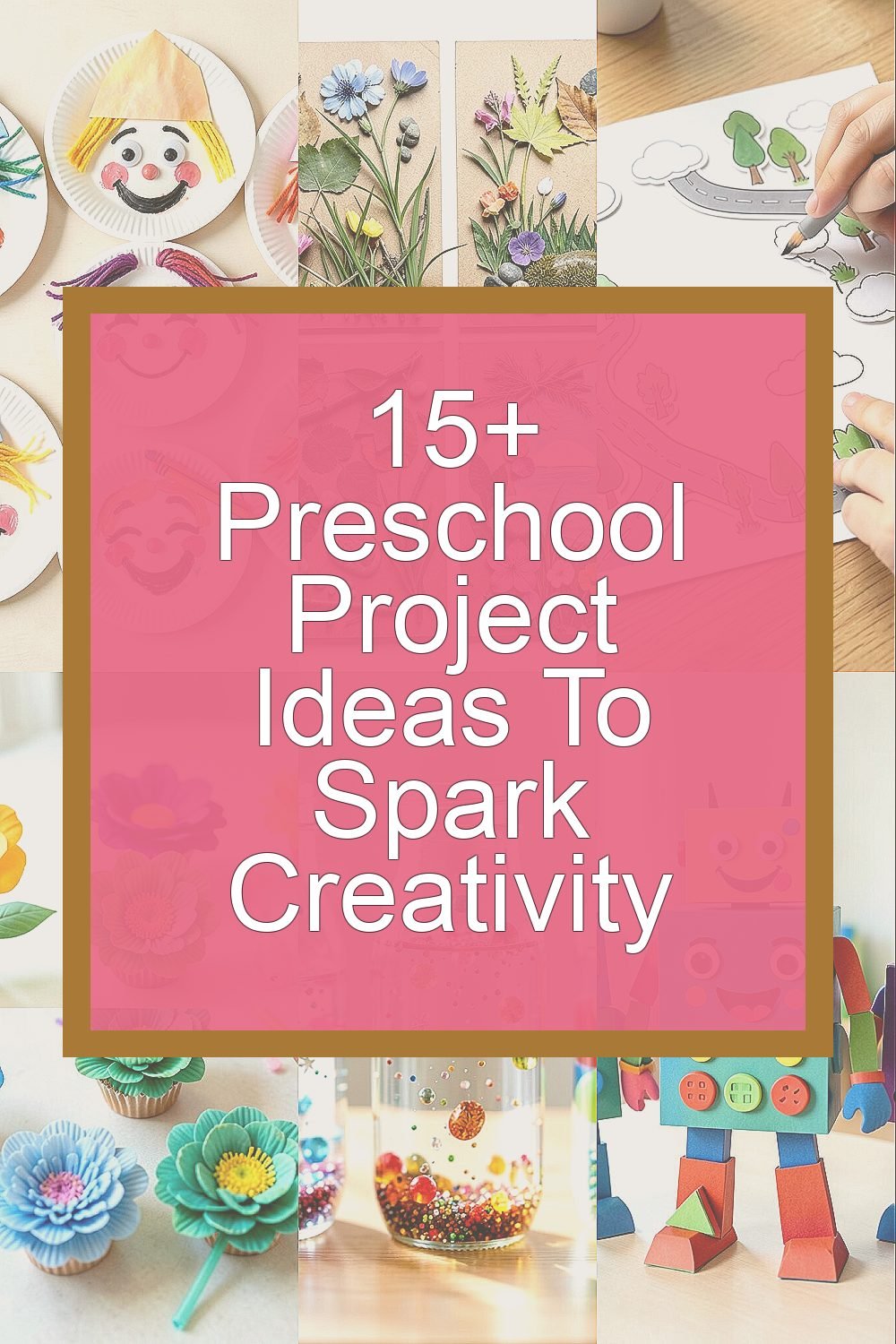
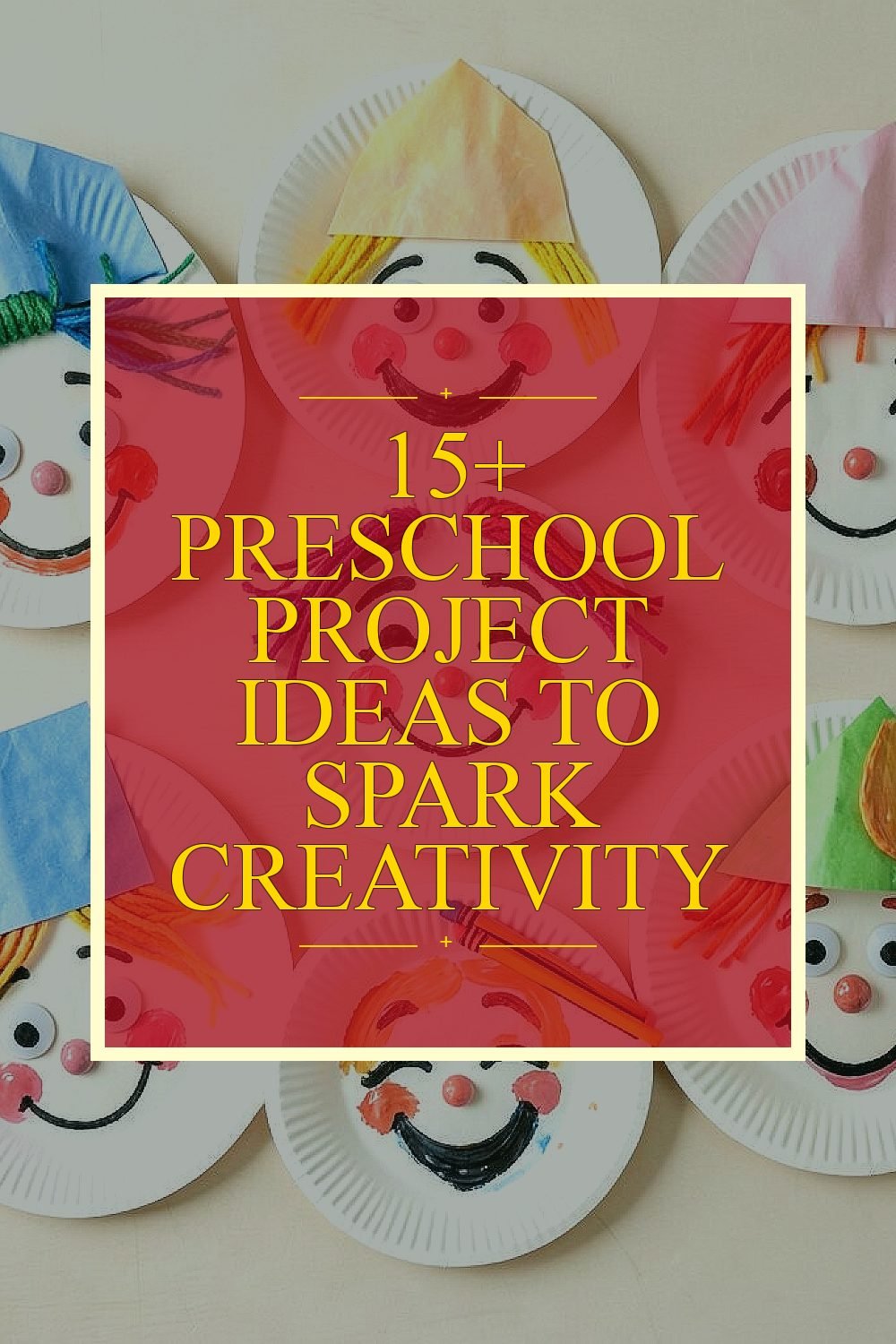
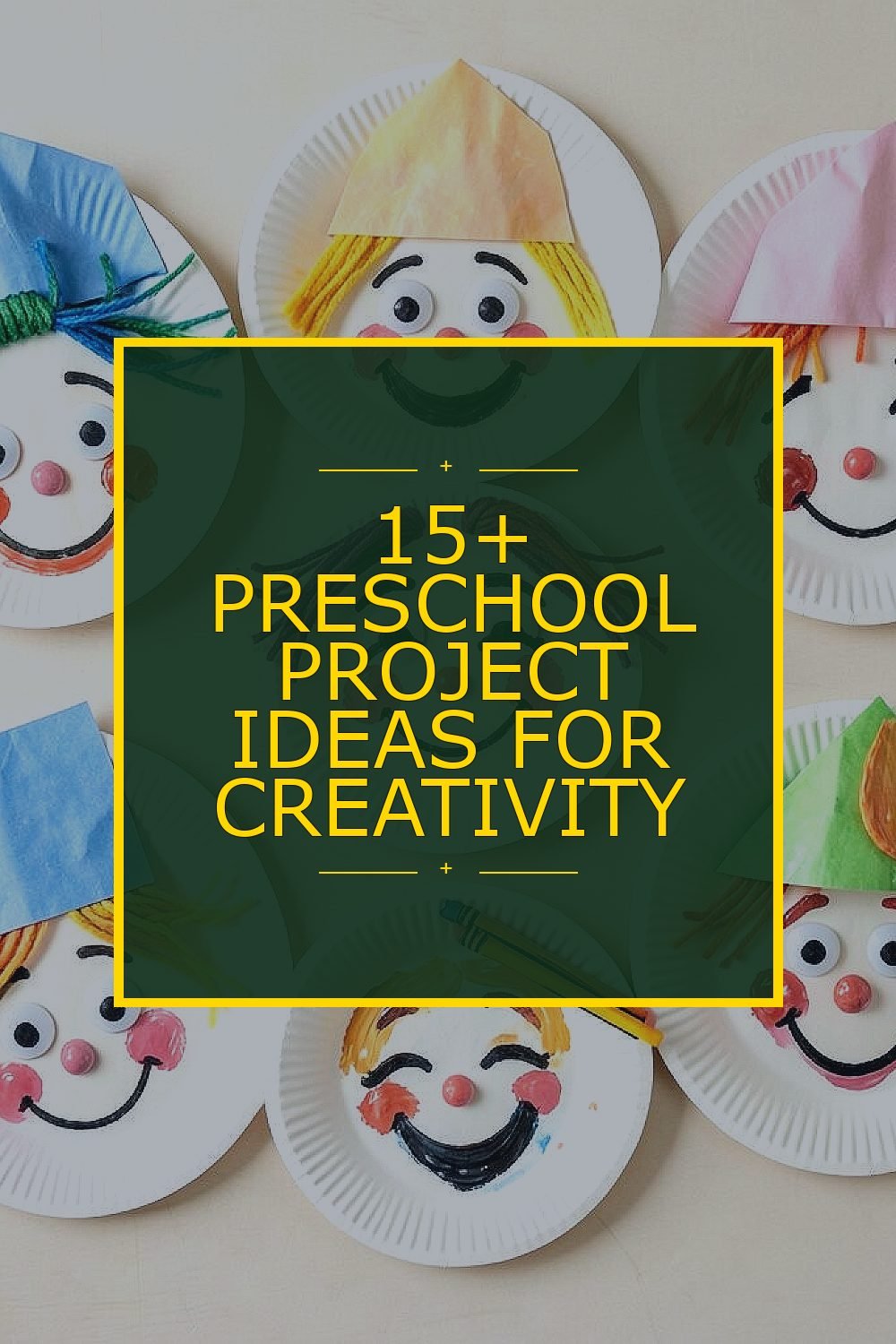
1. Painted Paper Plate Faces

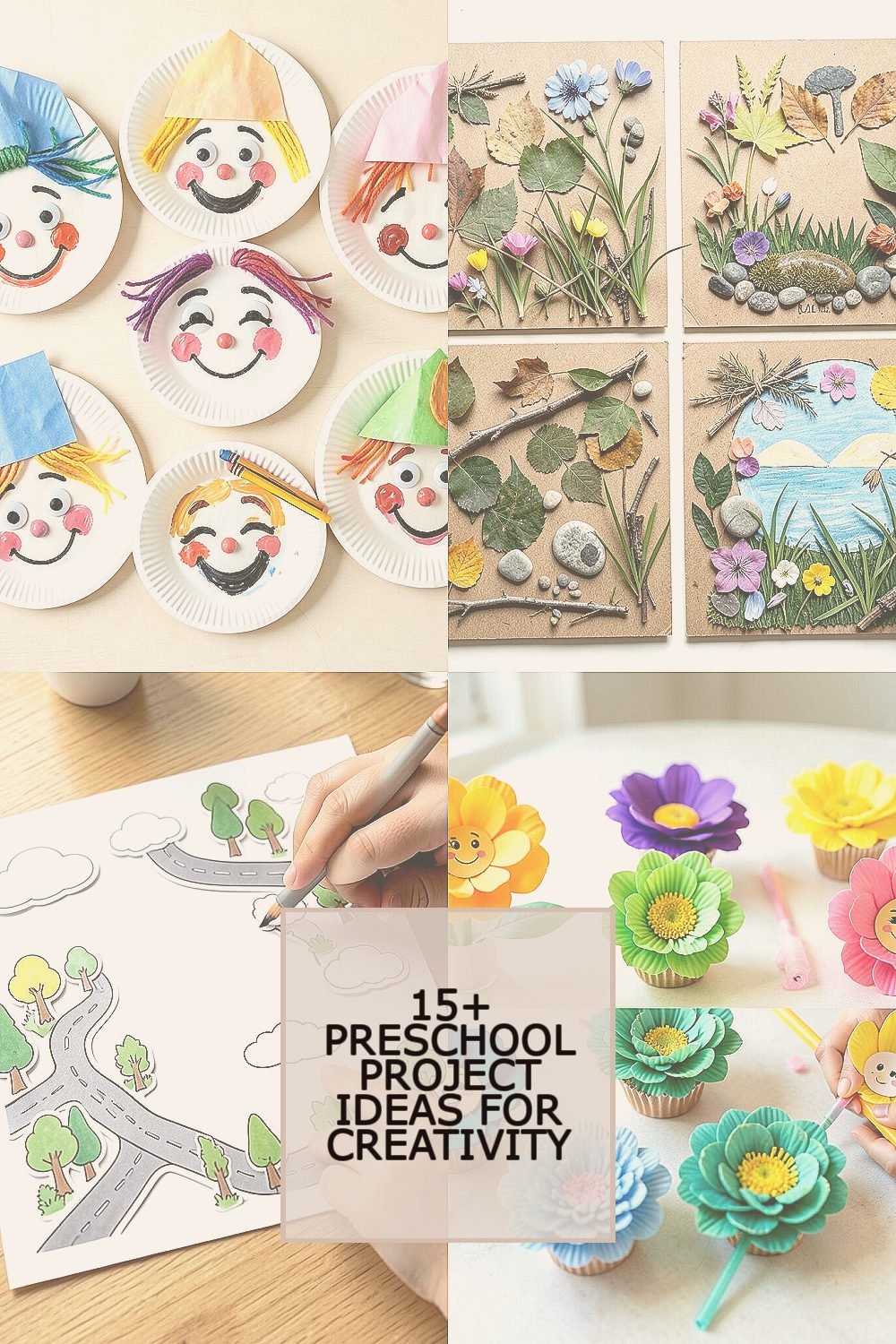
Paper plate faces are a simple art project that can be made with paint, crayons, glue, and bits of paper. Kids can make happy faces, sleepy faces, or silly faces, and each one can look very different.
This project helps with fine motor skills, color use, and talk time about feelings. It is also low cost, since paper plates and basic art supplies are easy to find at home or in class.
You can make the faces more personal by adding yarn hair, button eyes, or paper hats. Many teachers and parents like this project because it fits well with current preschool art trends that focus on self-expression and simple mixed materials.
2. Nature Collage Boards

Nature collage boards use leaves, flowers, grass, twigs, and small stones to make a picture on cardboard or thick paper. The final piece can look soft, rough, bright, or plain, depending on what kids find outside.
This project helps children notice shapes, colors, and small details in the world around them. It also gives them a chance to talk about seasons, weather, and where each item came from.
You can keep the cost very low by using items from a yard, park, or school walk. If you want, kids can add their name, draw a frame, or make a collage that shows a favorite place, which makes the work feel more personal.
3. Sticker Story Scenes

Sticker story scenes are made with a blank page, stickers, and simple drawing tools. Kids place stickers on the page and then add trees, roads, clouds, or other small parts to build a scene.
This project helps with story thinking, word use, and hand control. It also gives kids a clear way to make choices, since they can place the stickers in any order they like.
The cost can stay small if you use sticker sheets that are already on hand or left over from other projects. A fresh trend in preschool work is to mix stickers with drawing, because it helps children make a picture that feels both guided and open.
4. Cupcake Liner Flowers

Cupcake liner flowers are bright and easy to make with paper liners, glue, and small sticks or straws. Kids can layer the liners to make flowers that look full, neat, or a little messy in a good way.
This project is good for color sorting, gluing, and making a design from simple parts. It also gives kids a chance to compare flower shapes and talk about gardens and spring.
You can make each flower feel special by adding a face, a leaf, or a name tag. The cost is very low, and the materials are common, which makes this a useful project for home, school, or group time.
5. Sensory Bottle Art

Sensory bottle art uses clear bottles filled with water, glitter, beads, oil, or small craft bits. The bottles can look calm, shiny, busy, or soft, and kids like to shake and watch them move.
This project helps children focus, calm down, and notice motion and color. It can also be a good way to talk about heavy and light items, since some pieces sink while others float.
You can make the bottles personal by choosing colors that match a child’s room or favorite toy. Many families like this project because it uses low-cost items and fits the trend of calm, hands-on play tools.
6. Shape Robot Pictures

Shape robot pictures are made from cut paper shapes like circles, squares, rectangles, and triangles. Kids glue the shapes together to make robots with arms, legs, buttons, and funny faces.
This project helps children learn shape names and build early math skills in a simple way. It also supports planning, since kids have to decide where each shape should go before they glue it down.
You can use old magazines, scrap paper, or colored paper to keep the cost low. To make each robot unique, kids can add a name, draw a tool, or give the robot a job like cleaning, singing, or helping in space.
7. Handprint Garden Scenes

Handprint garden scenes use painted handprints as flowers, trees, or animals on paper. The prints can look bold and bright, and each child’s hands make a picture that is truly their own.
This project helps kids see how their hands can make art in more than one way. It also supports talk about plants, growth, and the parts of a garden.
The cost is small because you only need paper and paint, and you can add extra items like crayons or markers if you want. A nice tip is to write the child’s name and date on the page, since many parents like to save handprint art for years.
8. Egg Carton Critters

Egg carton critters are made by cutting up carton cups and turning them into bugs, frogs, birds, or made-up animals. Kids can paint them, glue on paper parts, and add eyes, legs, or wings.
This project helps with cutting, painting, and using the imagination. It also gives children a chance to talk about animal parts and how real animals move or look.
You can use recycled cartons, so the cost is very low and the project feels useful in a simple way. To make the critters more personal, kids can name them, make a family, or build a tiny home from cardboard.
9. Rainbow Rice Art

Rainbow rice art uses dyed rice, glue, and paper to make colorful pictures or patterns. The rice gives the art a bumpy look, and kids can use it to fill in lines, shapes, or simple scenes.
This project is good for touch, color work, and careful gluing. It can also help children slow down and place small pieces with more control.
The cost is low if you make the dyed rice at home with food color and dry rice. A current trend in preschool art is to use more touch-based materials, and this project fits that idea very well.
10. Popsicle Stick Houses

Popsicle stick houses are made by gluing sticks into the shape of a home, barn, or shop. Kids can paint the sticks, add paper roofs, and place small windows and doors on the front.
This project helps children build, plan, and work with simple patterns. It also gives them a chance to think about where people live and what makes a place feel like home.
You can keep the cost down by using craft sticks and scrap paper. To make each house feel personal, children can add a family name, a pet, or a favorite color on the door.
11. Bubble Wrap Printing

Bubble wrap printing makes bold prints with paint, bubble wrap, and paper. Kids paint the bubble side, press it down, and lift it to see a dotted pattern that looks fun and a little surprising.
This project helps children notice texture, pressure, and pattern. It also gives them a chance to compare light prints and dark prints, which is a simple early science idea.
The cost is very low because bubble wrap is often saved from packages. You can use one color or many colors, and kids can make the print into a fish, flower, or abstract page if they want.
12. Paper Tube Binoculars

Paper tube binoculars are made from two cardboard tubes taped together and decorated with crayons, stickers, or paint. Kids can wear them around their neck and use them to pretend they are on a trip.
This project helps with pretend play, hand skills, and language. It also works well for simple outdoor walks, since children can look for birds, clouds, trees, or signs.
The cost is almost nothing if you save empty tubes from home. To make them more personal, kids can choose a color theme, add star stickers, or make a little name tag for their binoculars.
13. Cotton Ball Cloud Pictures

Cotton ball cloud pictures use cotton balls, glue, and blue paper to make sky scenes. Kids can pull the cotton apart to make fluffy clouds, then add raindrops, suns, or birds.
This project helps children learn about weather and sky changes in a simple way. It also supports fine motor work as they pinch, place, and press the cotton balls.
The cost is low, and the look is soft and bright, which makes it nice for a preschool wall. A useful tip is to let kids choose between a sunny sky, rainy sky, or stormy sky so they can make the picture their own.
14. Fruit and Veggie Prints

Fruit and veggie prints are made by cutting apples, celery, peppers, or other safe produce and dipping the cut side in paint. When kids press them on paper, the shapes make stamps that can look neat or messy in a fun way.
This project helps children see that food can be used in art, not just in meals. It also gives a chance to talk about healthy eating, smell, texture, and shape.
The cost can stay low if you use small amounts of produce that are already in the kitchen. Many classrooms like this kind of project because it feels fresh and fits the trend of using natural items in simple art play.
15. Yarn and Cardboard Weaving

Yarn and cardboard weaving uses a small cardboard frame with cuts on the edges and yarn pulled across it. Kids can make lines that go up, down, across, and around, which creates a bright woven look.
This project helps with hand strength, focus, and pattern making. It also gives children a calm task that can take a little more time than a quick craft, which is useful for building patience.
The cost is low if you use scrap cardboard and leftover yarn. You can make each piece personal by picking colors that match a child’s room, a holiday, or a favorite shirt.
16. Mini Paper Town Maps

Mini paper town maps are made with paper, markers, stickers, and small cut shapes that stand for roads, parks, homes, and stores. Kids can draw a simple town with places they know or places they make up.
This project helps with spatial thinking, story talk, and early map skills. It also gives children a chance to think about where things go and how places connect.
The cost is very low, and the look can be as simple or full as you want. To make each map unique, kids can add their house, a pet shop, a big tree, or a road to a pretend beach, which keeps the work personal and fun.