Small daily choices can cut waste and save money at the same time. These simple habits can fit into normal life and help keep the planet cleaner.
1. Carry a Reusable Water Bottle
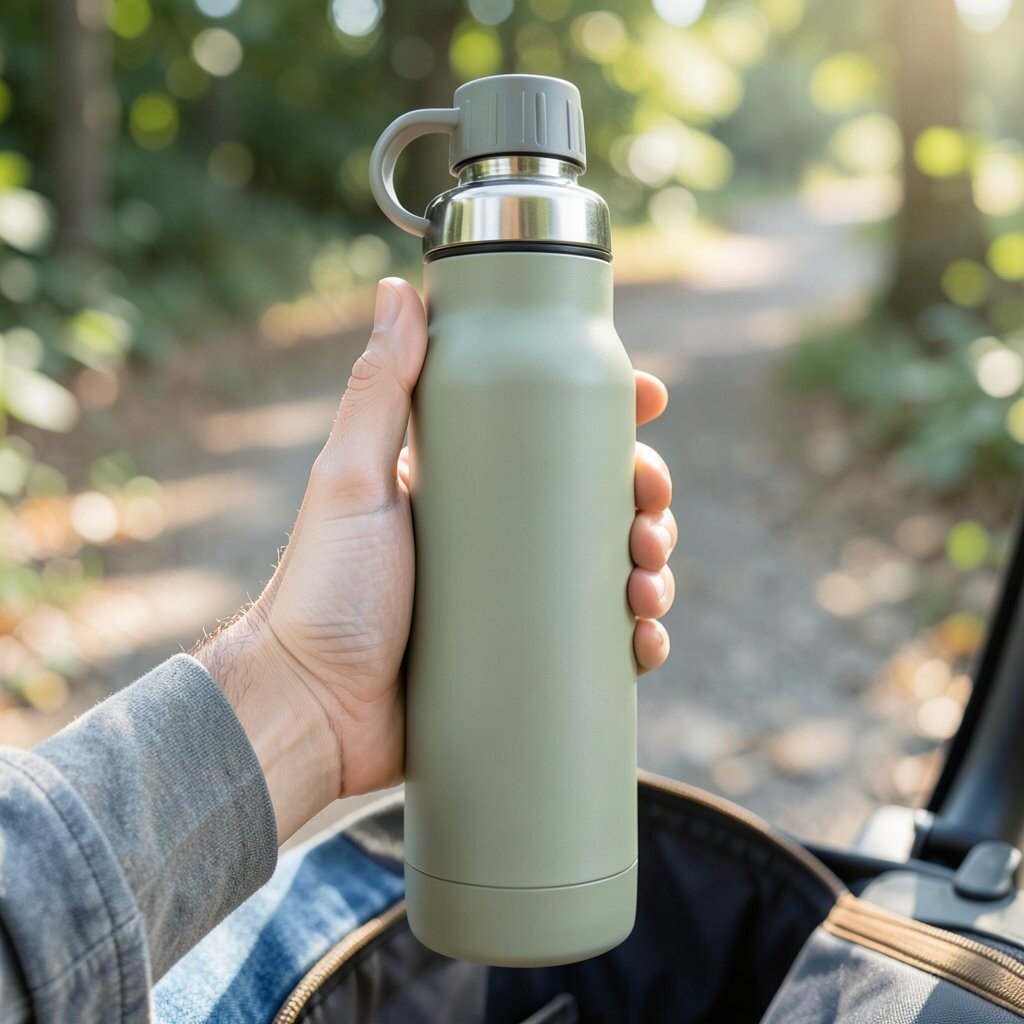
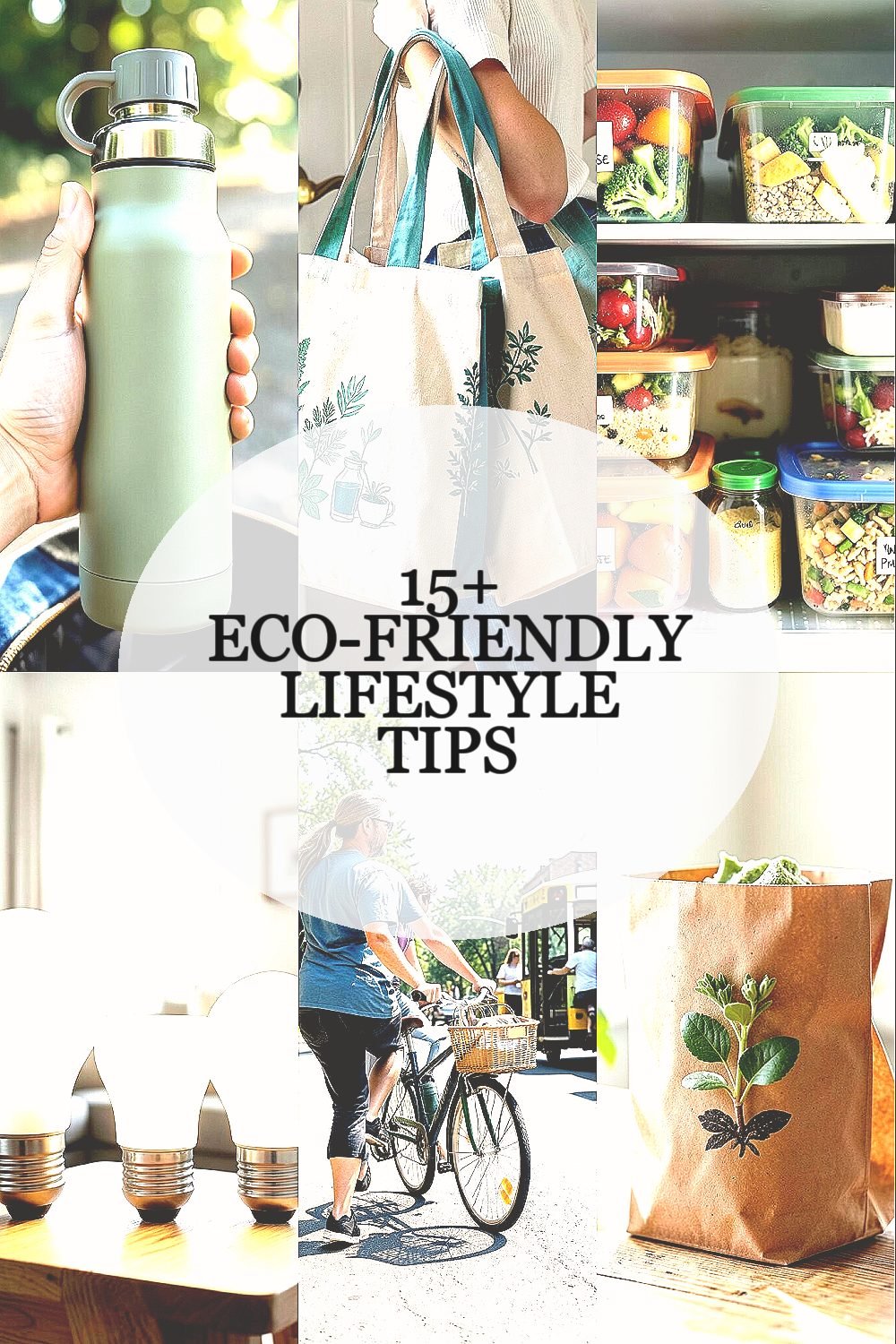
A reusable water bottle is one of the easiest eco friendly swaps you can make. It often looks plain at first, but many bottles now come in clean colors, slim shapes, and styles that fit in bags or cup holders.
This choice helps cut down on single-use plastic bottles that can pile up fast. It also saves money over time because you do not need to keep buying drinks on the go.
Try picking a bottle that matches your daily routine. If you walk a lot, choose a light one; if you want cold water for hours, pick one with insulation.
2. Use Cloth Bags for Shopping
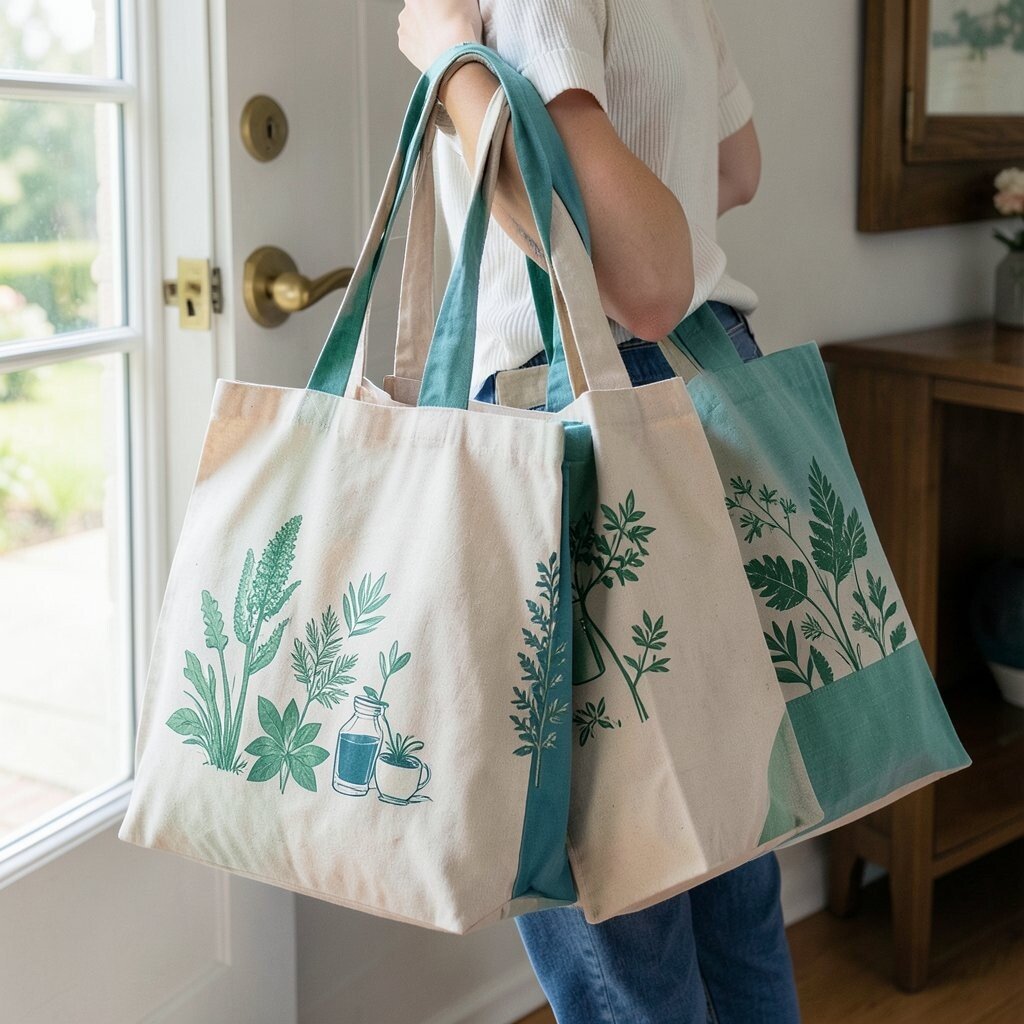
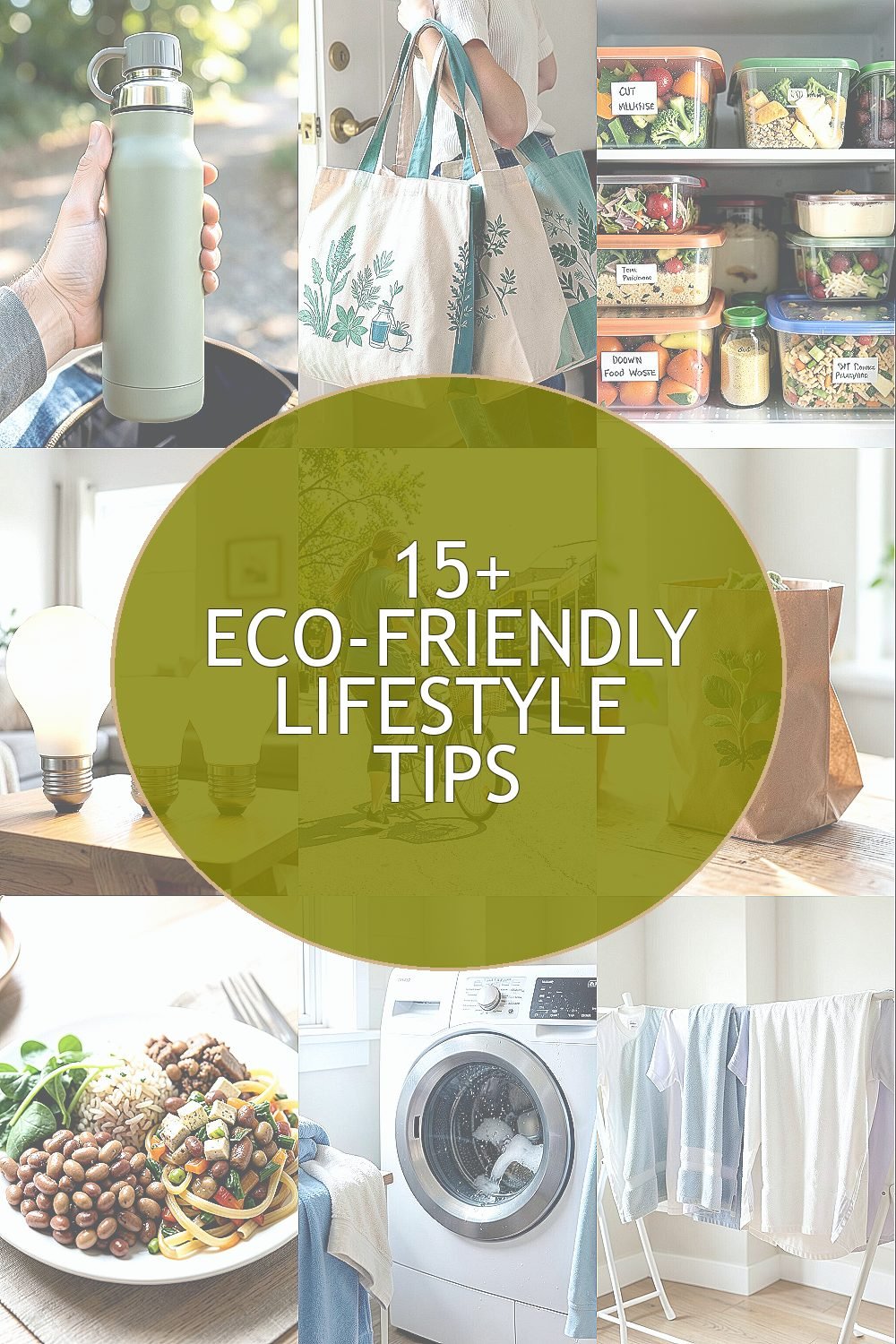
Cloth bags are strong, easy to carry, and simple to fold up after use. They come in many prints and colors, so they can feel more personal than thin store bags.
Using them helps reduce plastic waste and makes each shopping trip a little cleaner. They are also cheap in the long run because you can use the same bags again and again.
Keep a few bags near your door, in your car, or in your backpack. That way you are less likely to forget them when you stop at a store.
3. Cut Down on Food Waste

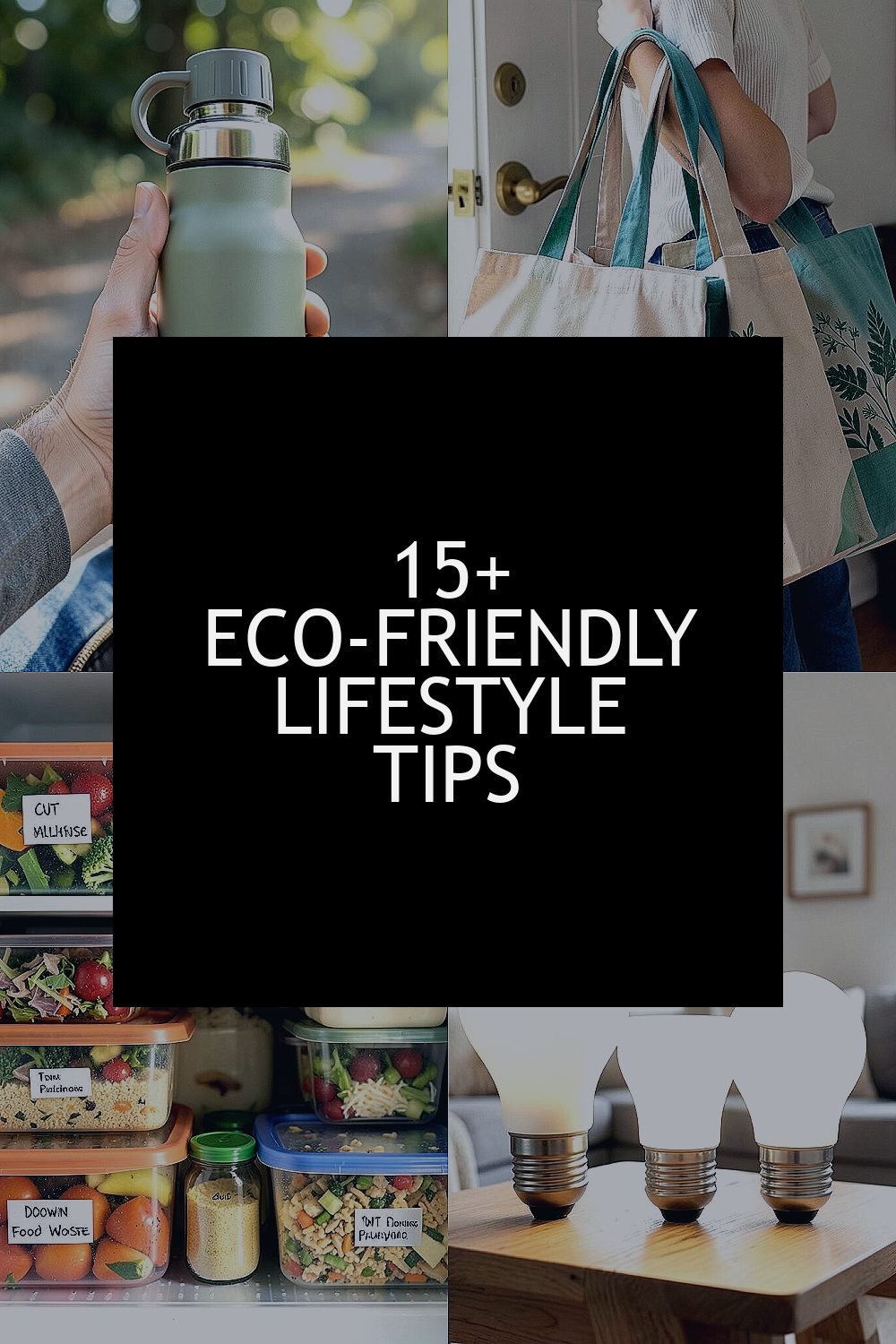
Food waste is a big problem, but small changes can help. A fridge with clear containers and labeled leftovers can look neat and make it easier to see what you already have.
When you use food before it goes bad, you save money and help lower trash from landfills. It also makes meal planning easier because you waste less and use more of what you buy.
Try planning meals around foods you already own. You can also freeze extra fruit, bread, or cooked meals if you know you will not eat them soon.
4. Switch to LED Light Bulbs
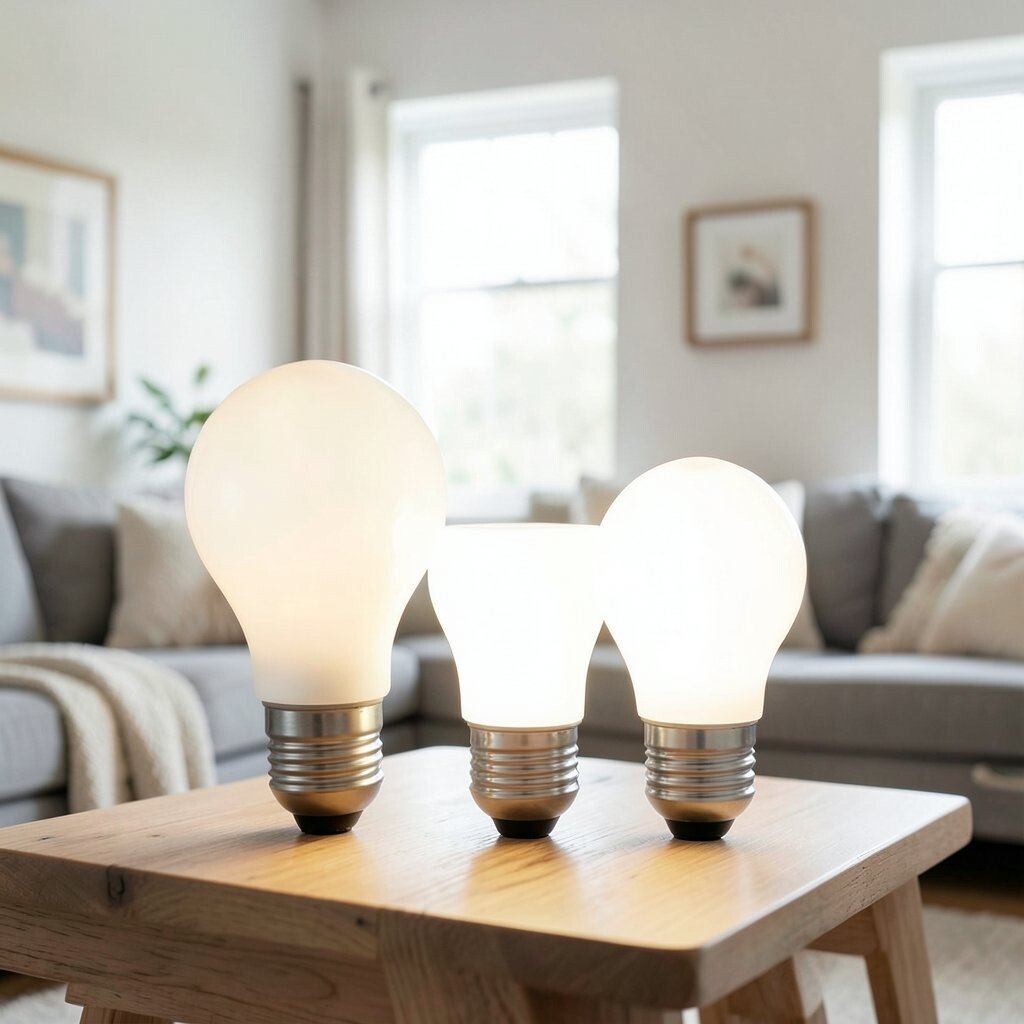
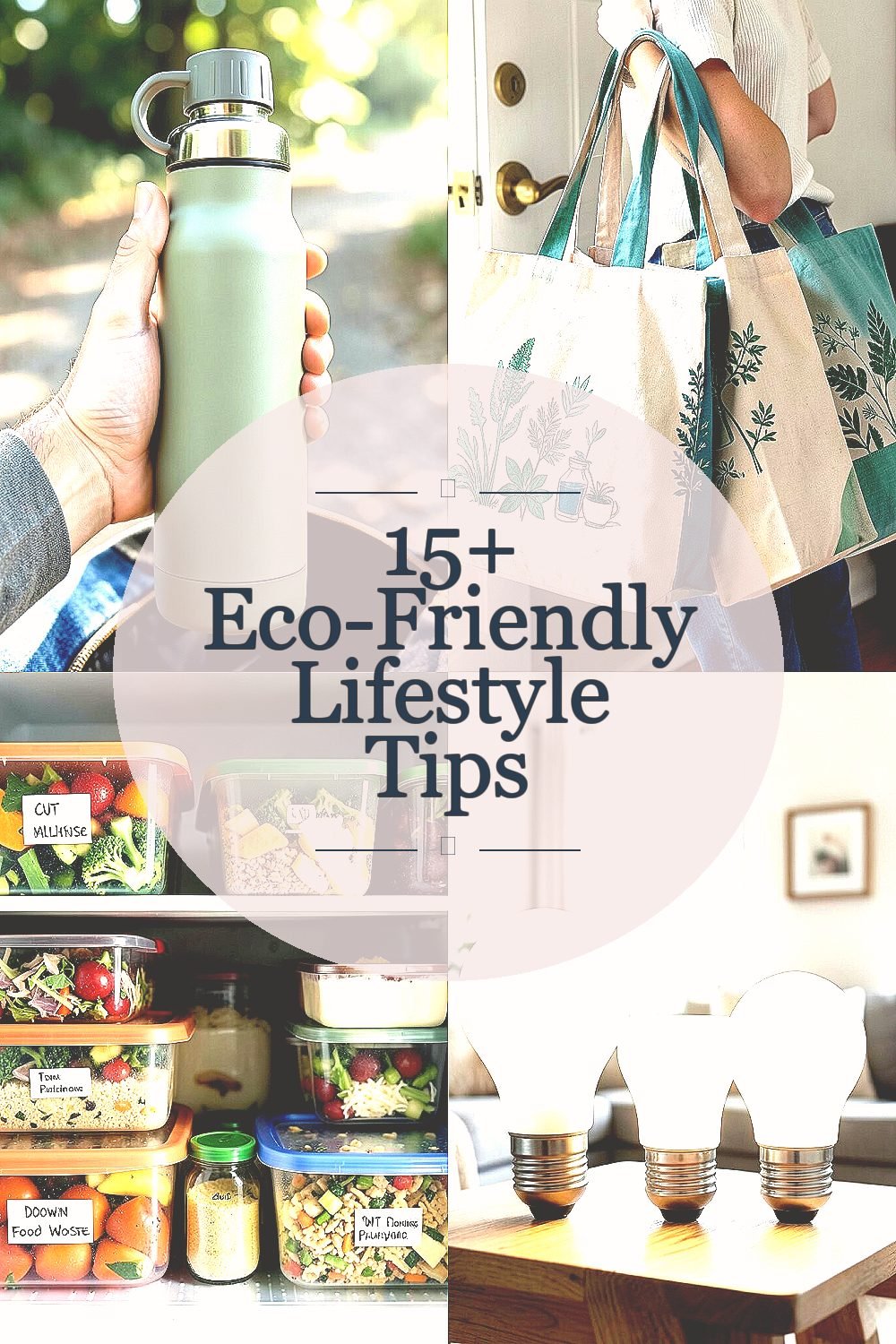
LED bulbs are a smart pick for most homes. They give off a clean, bright light and come in warm or cool tones, so you can match the look of each room.
They use less power than older bulbs and last much longer. That means lower electric bills and fewer bulbs thrown away over time.
If you want to start small, change the bulbs you use most often first. Bedrooms, kitchens, and living rooms are good places to begin.
5. Walk, Bike, or Use Public Transit
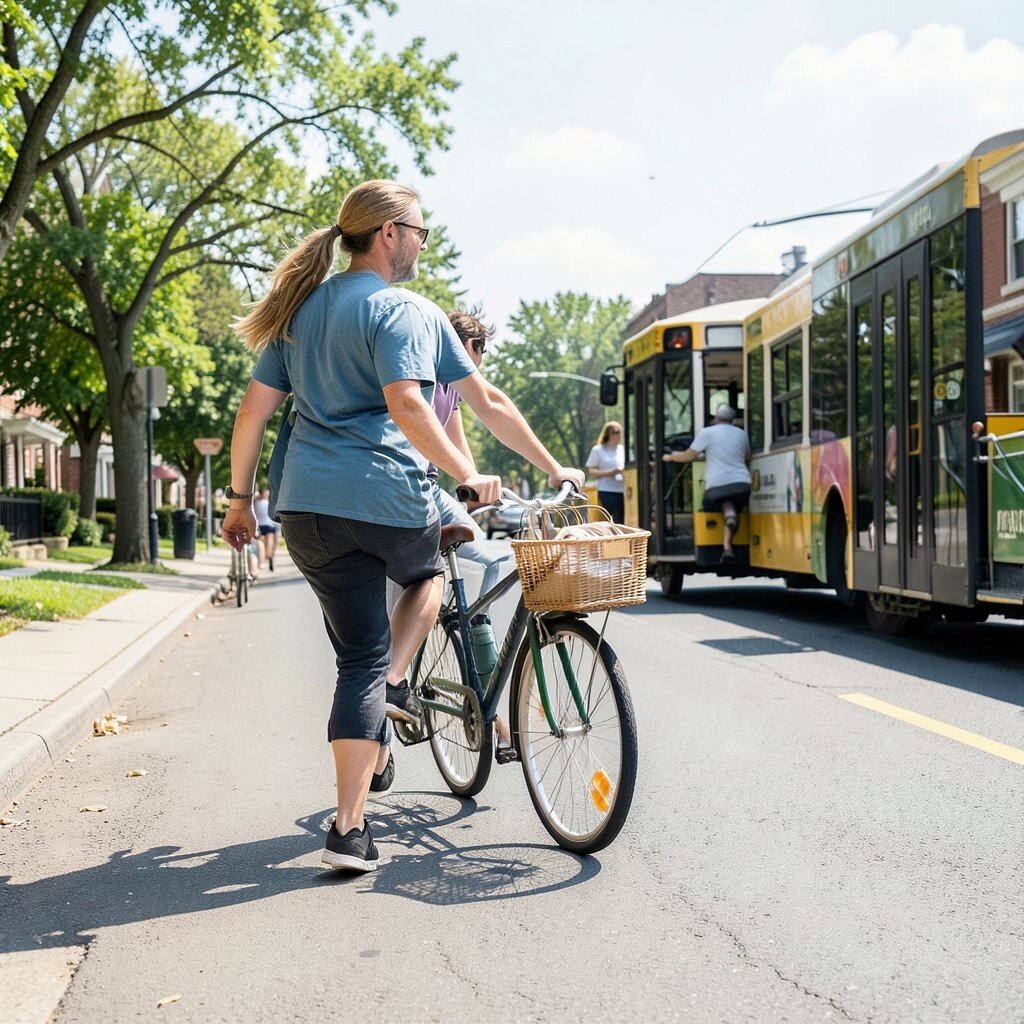
Traveling in a car is not always needed for short trips. Walking or biking can feel simple and fresh, and it can also give you a better view of your neighborhood.
These choices can lower air pollution and save gas money. Public transit can also help by moving many people at once instead of filling the road with more cars.
Pick the best option for your day and your area. A bike may work for quick trips, while a bus or train may be better for longer rides.
6. Buy Less and Choose Better

Buying fewer things is a strong eco friendly habit. A small, well-made item often looks nicer and lasts longer than a cheap one that breaks fast.
This can save money because you replace things less often. It also helps cut down on waste from packaging, shipping, and thrown-out goods.
Before you buy, ask if you really need it and how long it will last. If you do need it, look for simple items that can be used in more than one way.
7. Try a Meat-Free Meal Sometimes

Eating less meat, even for one meal here and there, can help lower your impact. A plate with beans, rice, greens, or pasta can look full and colorful without feeling hard to make.
This habit can save water and land use, and it may also lower your grocery bill. Many plant-based foods are low cost and easy to cook in big batches.
Start with meals you already like, such as tacos, soups, or stir-fries. You can swap in beans, lentils, or tofu and keep the same flavors you enjoy.
8. Wash Clothes in Cold Water

Cold-water washing is a simple habit that can make a real difference. It works well for many clothes and helps keep colors looking fresh.
Using cold water can lower energy use and cut the cost of each load. It is an easy change that does not need special tools or a big budget.
Check clothing labels if you are unsure, but many items do fine in cold water. Hang clothes to dry when you can for even more savings.
9. Air Dry When You Can

Air drying clothes can make a room feel calm and neat, especially when items hang on a rack or line. It is a simple sight, but it can fit well in small homes too.
This choice helps save power and can be easier on your clothes than a hot dryer. Clothes may last longer, which means you buy replacements less often.
Try drying towels, shirts, or light items this way first. If you like, set up a foldable rack so it does not take much space.
10. Start a Small Compost Bin
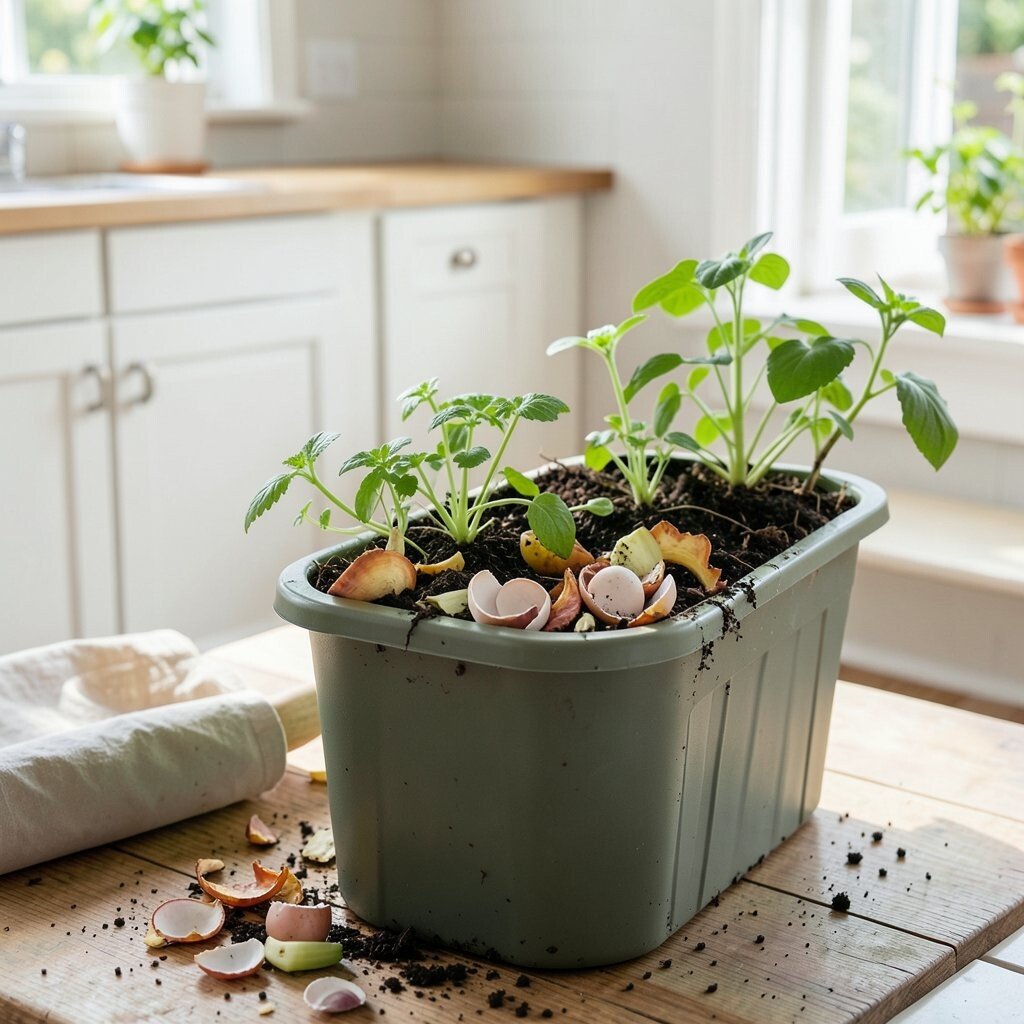
Compost can turn food scraps into helpful soil instead of trash. A small bin in the kitchen or yard can look tidy if you use a covered container.
This helps keep scraps out of landfills and can cut down on trash bags. It also gives you rich material for plants, which can save money on soil or plant food.
Begin with easy scraps like fruit peels, coffee grounds, eggshells, and veggie bits. If you live in a small space, check for a local drop-off spot or city compost program.
11. Repair Before Replacing
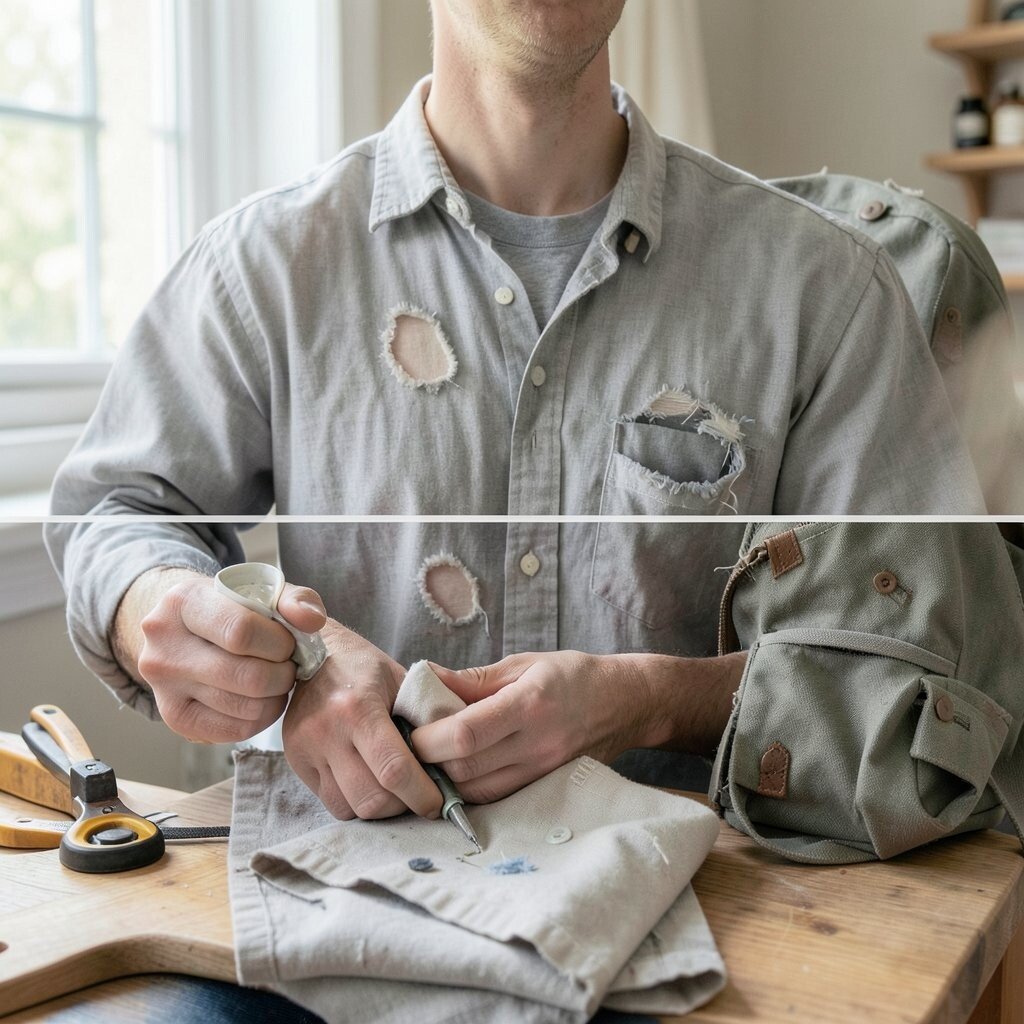
Fixing broken items can be a smart and satisfying habit. A patched shirt, glued mug handle, or mended backpack can still look useful and feel personal.
Repairing things keeps them out of the trash and saves money on new purchases. It also makes you think more about what you own and how long it can last.
Start with easy fixes like sewing a button or tightening a loose screw. If you are not sure how, many simple repair videos and guides are free online.
12. Use Less Single-Use Plastic
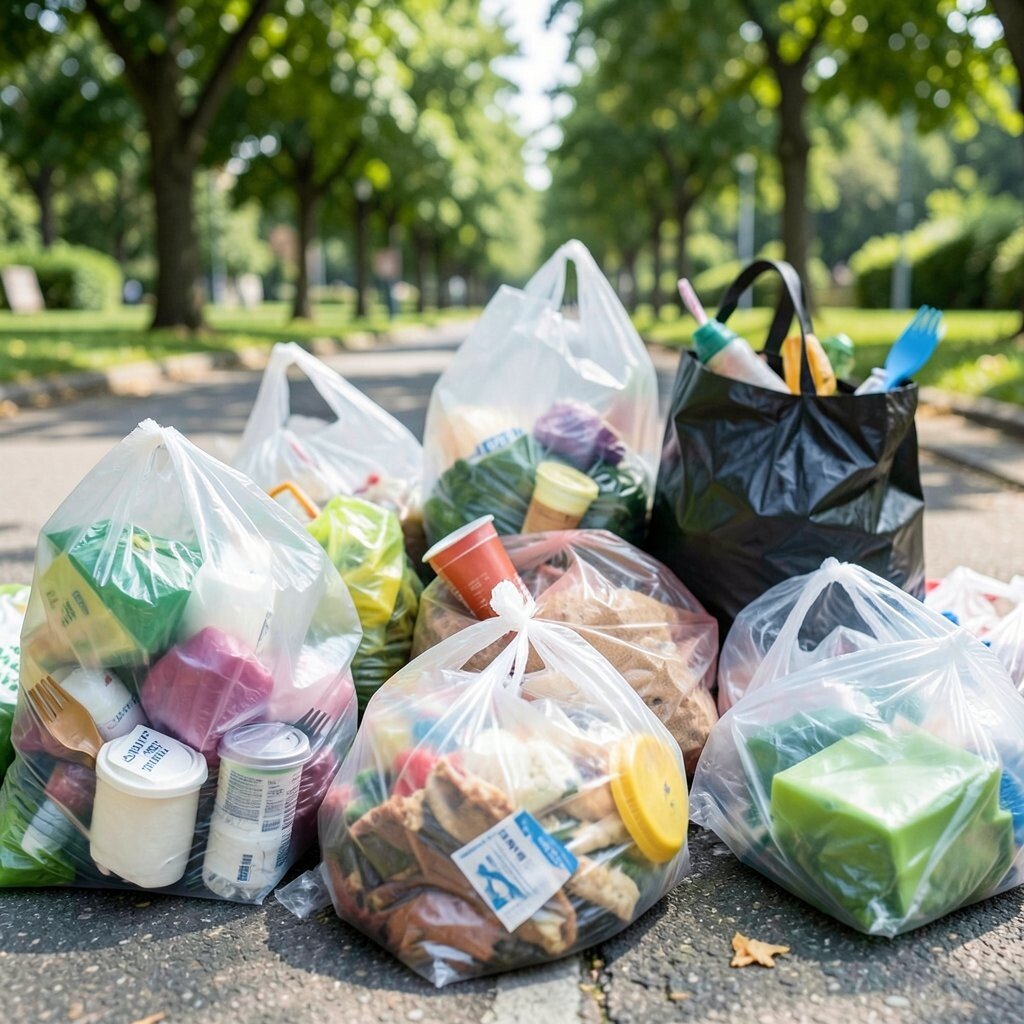
Single-use plastic shows up in bags, cups, forks, wrap, and many takeout items. It often looks light and harmless, but it can pile up fast in the trash.
Using less of it helps cut waste and keep streets, parks, and water cleaner. It can also save money if you switch to items you already own and use again.
Keep a reusable fork, spoon, or straw in your bag if that helps. You can also ask for no extra plastic when you order food or drinks.
13. Choose Secondhand First
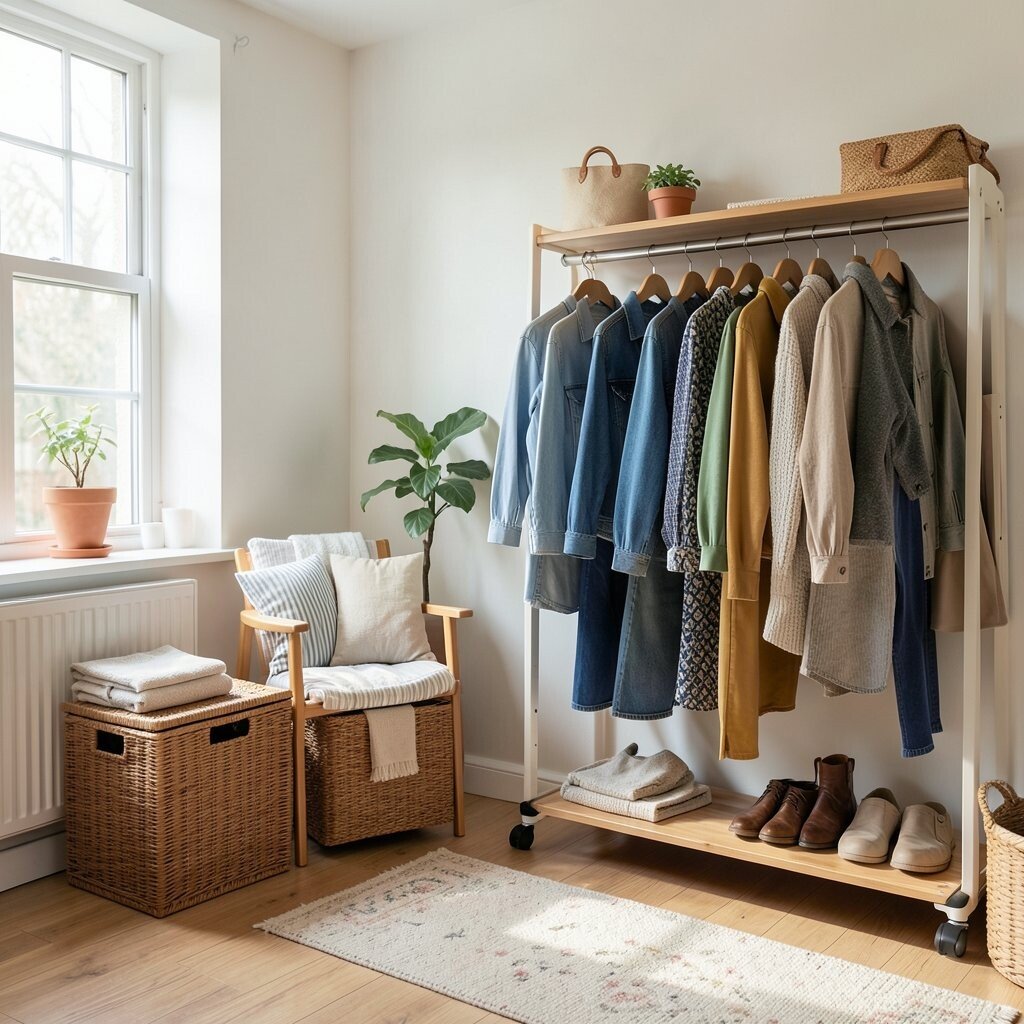
Secondhand shopping can be fun because you never know what you might find. Stores, swap groups, and online listings often have clothes, books, furniture, and gear at low prices.
This choice helps give items a longer life and keeps them out of landfills. It is also a good way to save money, especially for things you only need for a short time.
Look for sturdy pieces with simple styles that can fit your home or closet. If you want a fresh look, you can clean, paint, or change small parts to make it your own.
14. Save Water in Daily Routines
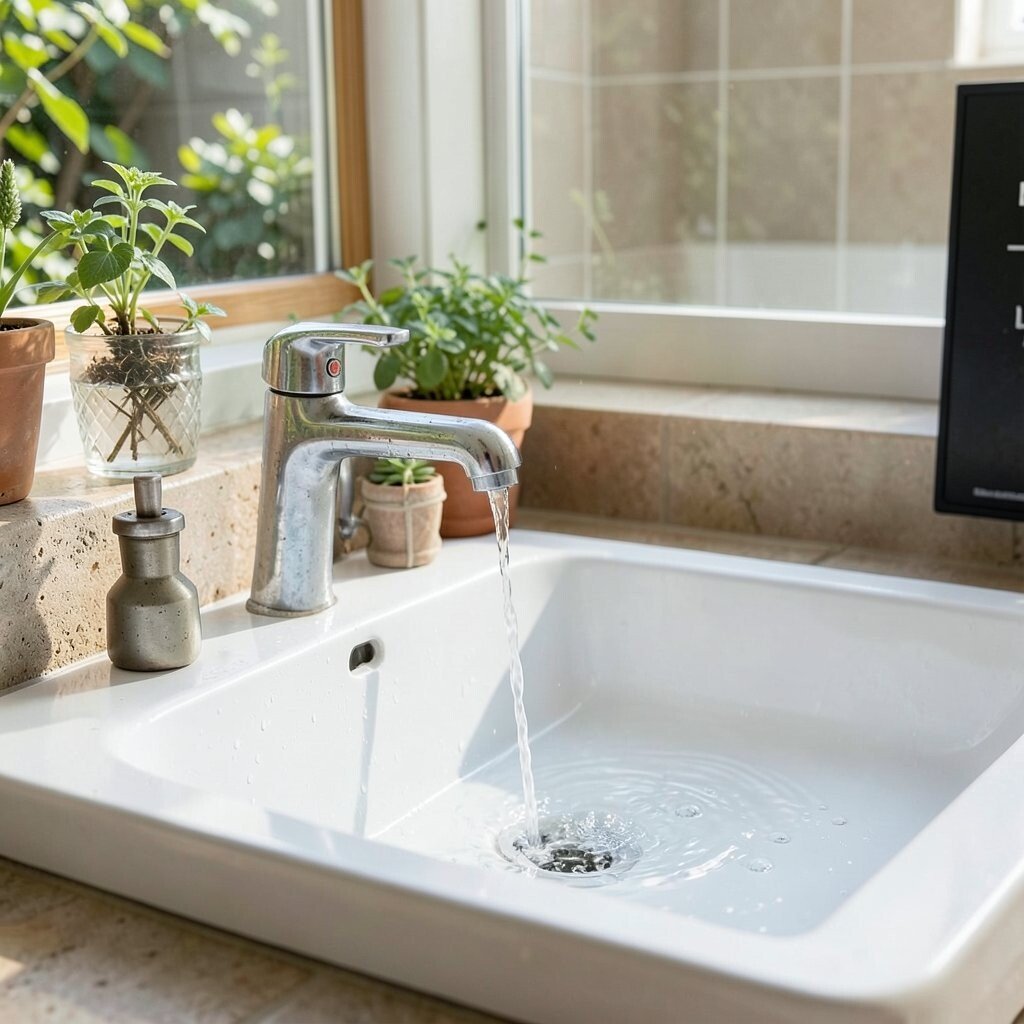
Water saving can start with small habits at the sink, shower, and yard. A simple faucet turn or shorter shower may not seem like much, but it adds up over time.
Using less water helps protect local supplies and can lower utility bills. It also makes your home habits more careful without making life harder.
Try turning off the tap while brushing your teeth or washing dishes. If you water plants, do it early or late in the day so less water is lost to heat.
15. Make Your Home More Energy Smart

An energy smart home can feel cozy and calm with just a few easy changes. Thick curtains, small fans, and smart use of windows can help rooms stay comfortable.
This can lower power use and cut monthly bills. It also fits with a growing trend toward simple homes that use less energy and fewer extra tools.
Start by unplugging items you do not use and turning off lights when you leave a room. If you can, use a fan before turning on strong cooling or heating.
16. Grow a Few Plants at Home

Growing plants at home can be a nice way to add green to a room, porch, or windowsill. Even a few herbs or small pots can make a space feel more alive and personal.
Plants can help you use less store-bought produce if you grow herbs, lettuce, or tomatoes. They can also give you a small daily reminder to care for living things in a simple way.
Pick plants that fit your space, light, and time. If you are busy, start with easy ones like basil, mint, or pothos so the habit feels manageable and low cost.