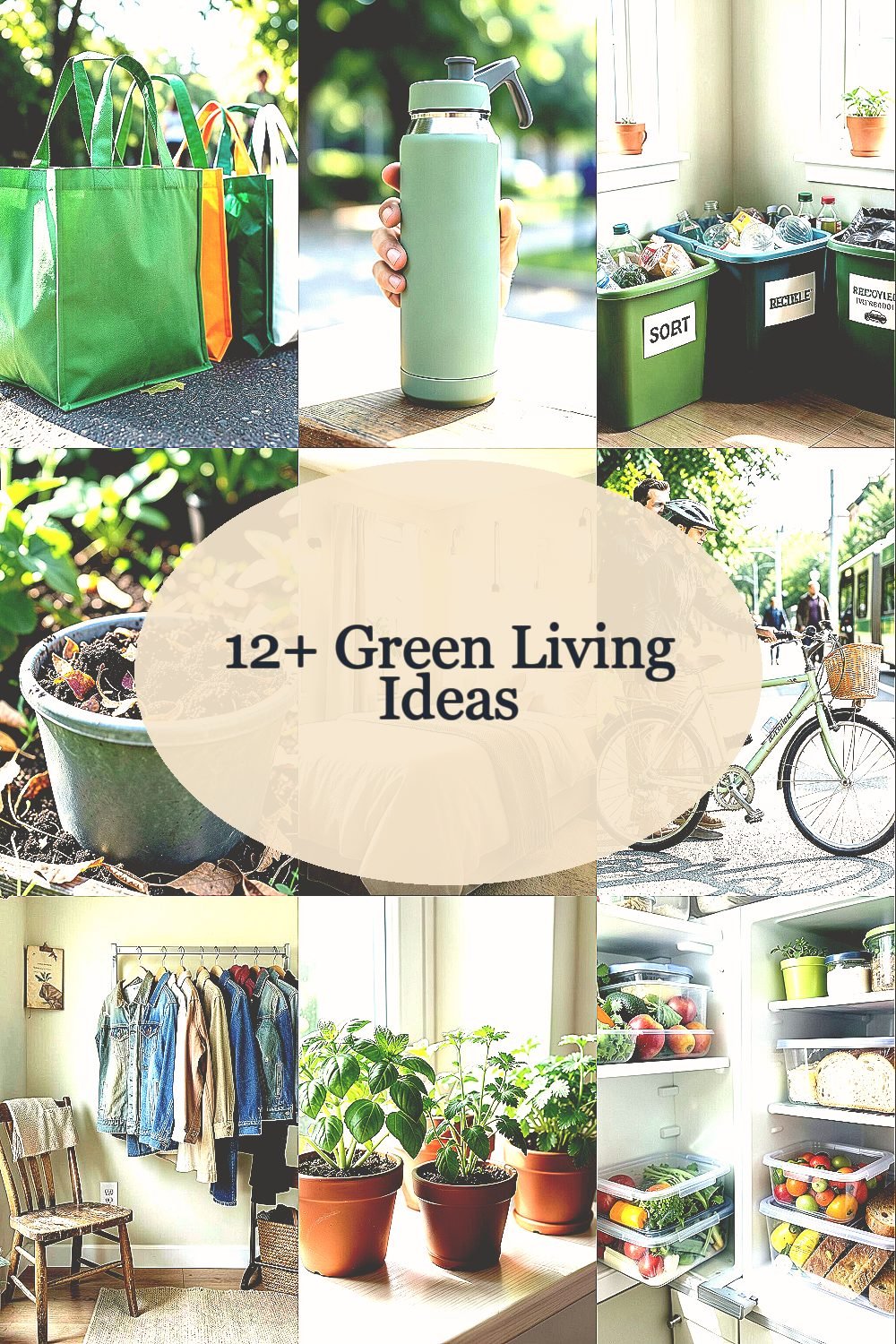
Green living can fit into daily life without much fuss. Small changes at home and out in the world can help cut waste and save resources.
1. Use Reusable Shopping Bags
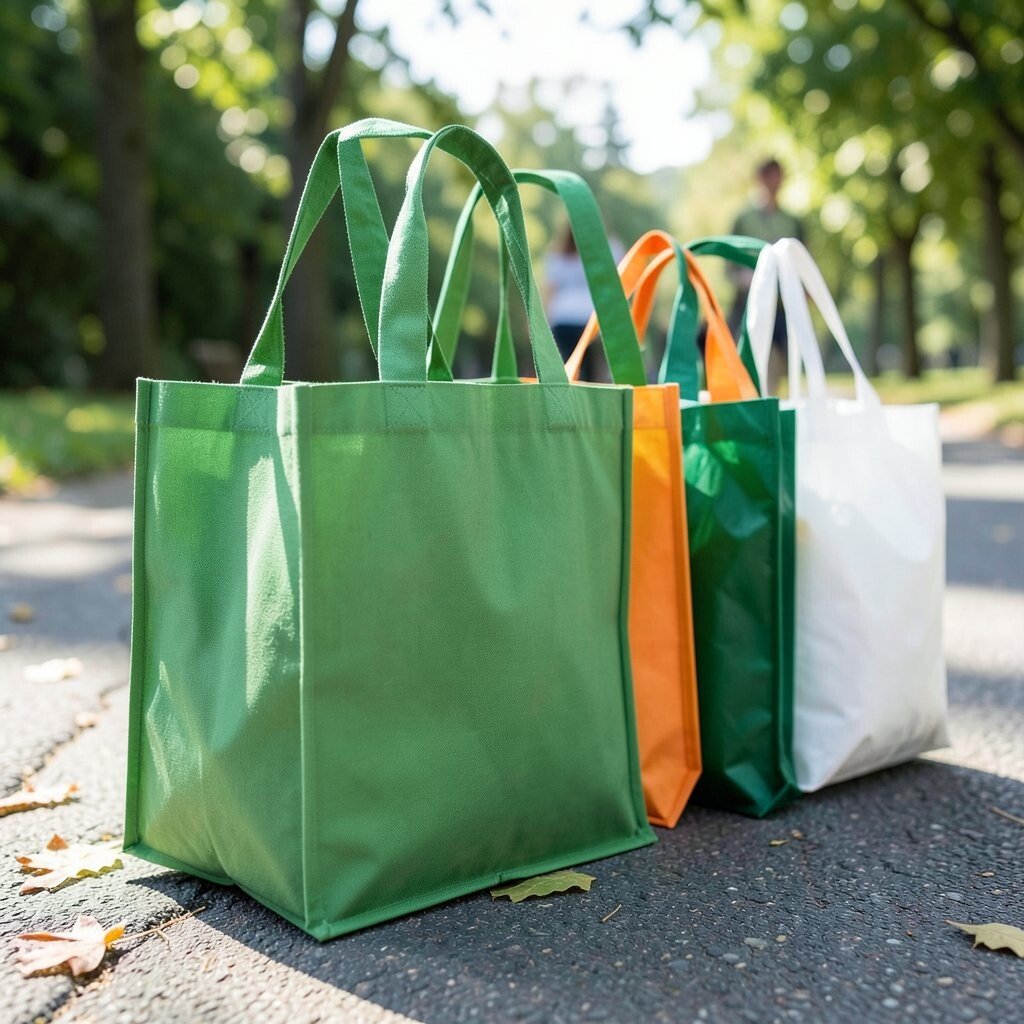
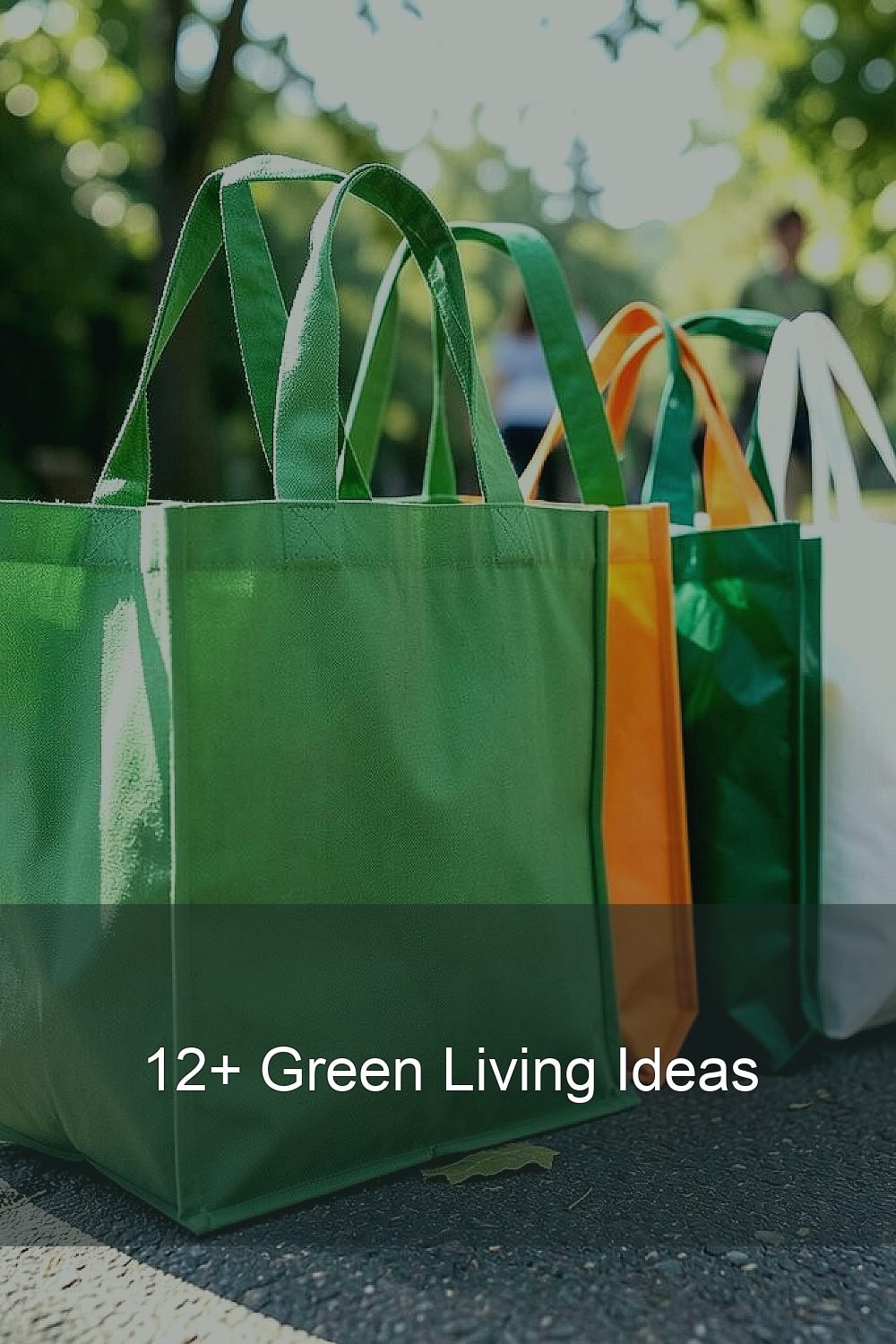
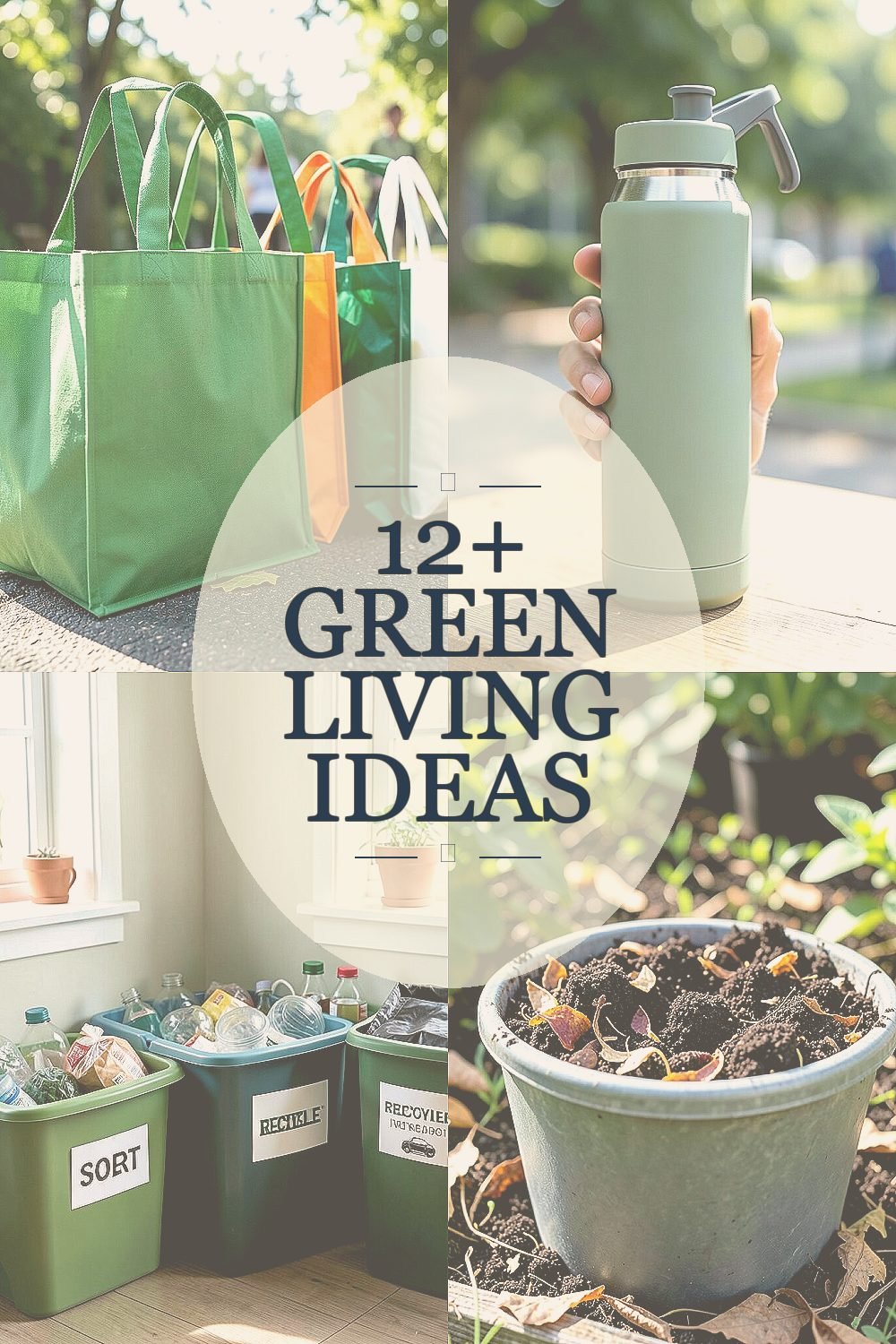
Reusable shopping bags are one of the easiest green living ideas to use every day. They come in many looks, from plain cloth bags to bright fold-up ones that fit in a coat pocket.
They help cut down on single-use plastic bags, which often end up in trash bins or on roads and in water. Many stores now sell cheap bags near the front, and some people get free ones from local events or gift shops.
This idea is simple to make your own by keeping bags in the car, by the front door, or in a backpack. If you want a low-cost choice, basic fabric bags work well, and stronger ones can last for years.
Some people like bags with long handles, while others want small bags that fold into a pouch. That makes this habit easy to match with your style and your normal shopping routine.
2. Carry a Reusable Water Bottle
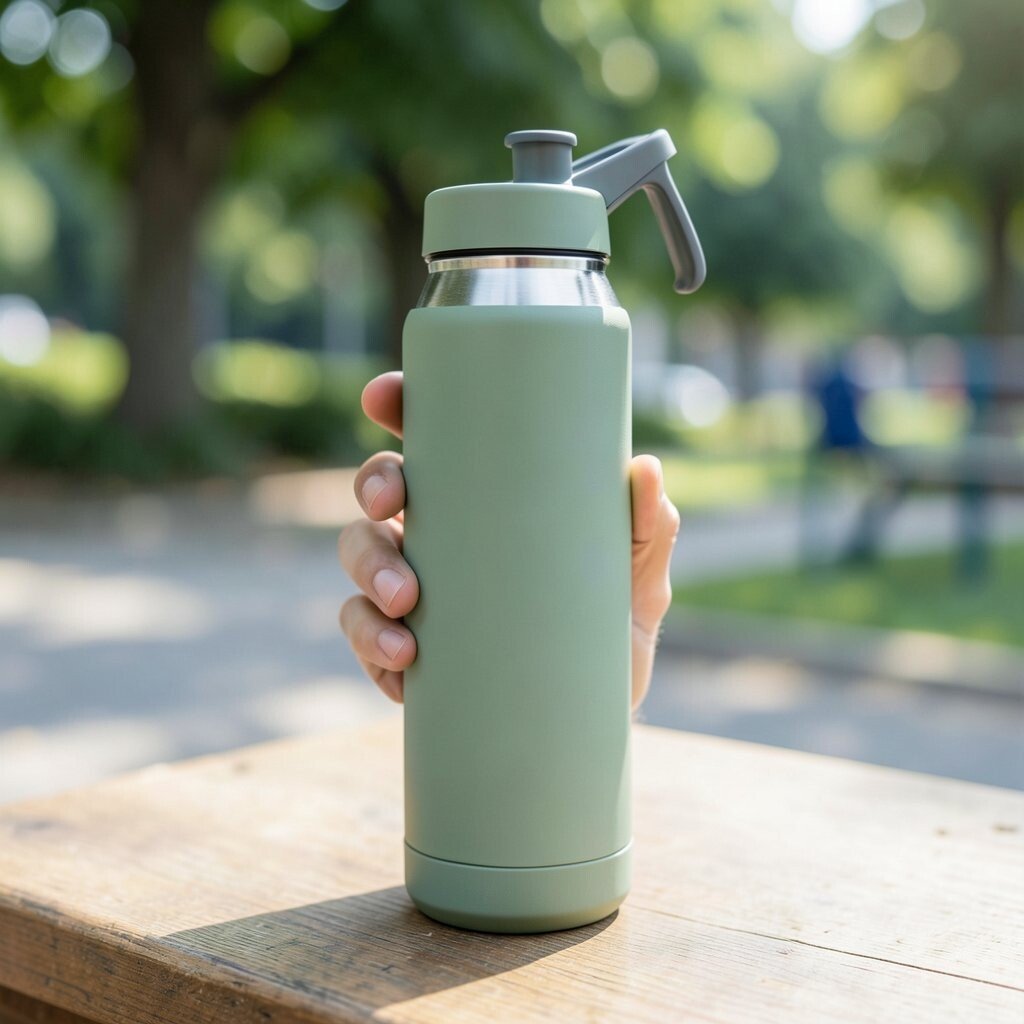
A reusable water bottle is a small item that can make a big daily difference. Many bottles now have clean lines, soft colors, and lids that open with one hand.
Using one can help you spend less on bottled drinks and make less trash. It can also help you drink more water, since you can keep it near you at work, school, or the gym.
Some bottles are made of steel, while others are made of glass or hard plastic that is safe to use again and again. Steel bottles may cost more at first, but they often last longer and keep drinks cold for a long time.
You can pick a size that fits your day, such as a small bottle for short trips or a larger one for long outings. Many people now like bottles with simple shapes and soft matte finishes, which fit well with current trends.
3. Sort and Recycle Waste at Home
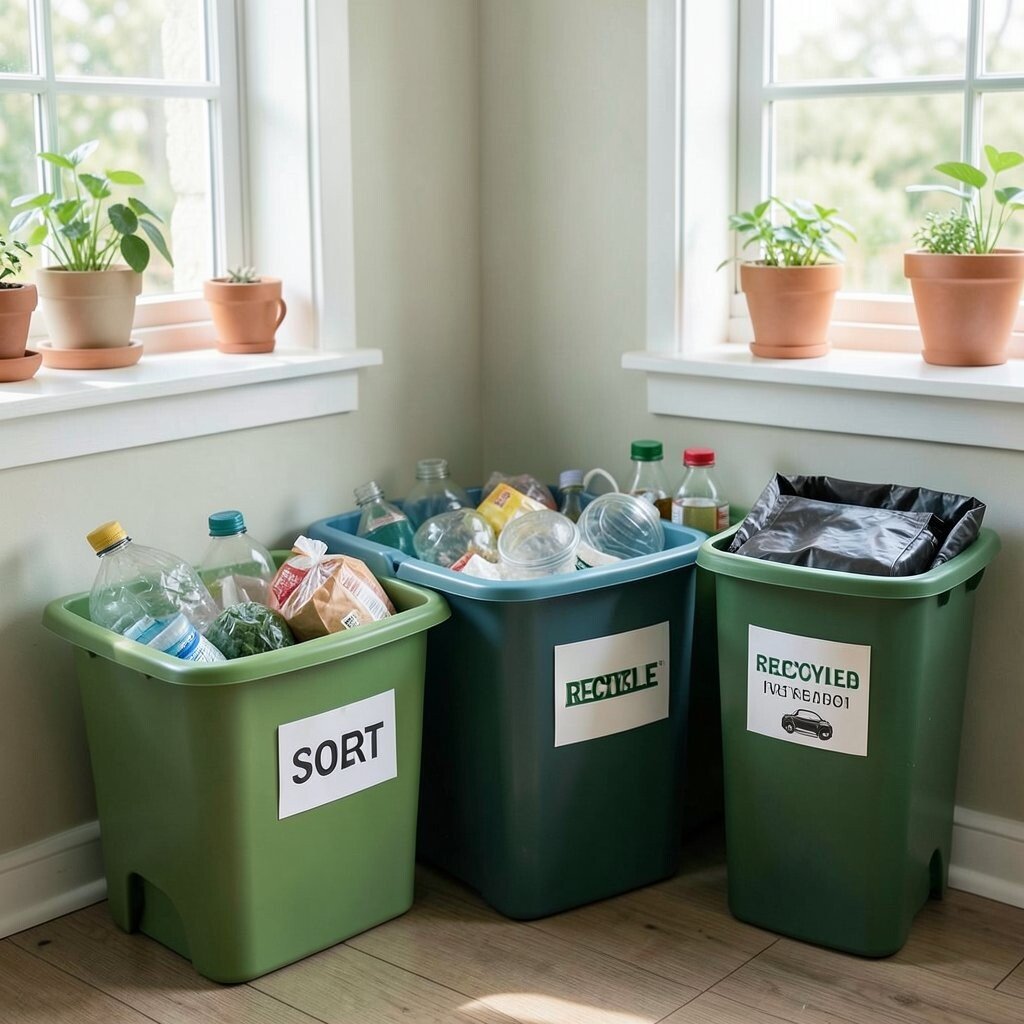
Sorting waste at home can make a real difference, and it does not need to be hard. A neat set of bins can look clean and help everyone know where things go.
Recycling helps keep paper, glass, metal, and some plastics out of landfills. It can also save raw materials and energy, which is good for the planet.
To make this easier, place labels on bins and keep them in a spot where people can reach them fast. You can also check local rules, since not every town takes the same items.
This habit can be low cost if you use bins you already own, and it can be even better if you set up a small space that fits your home. Some families use a kitchen corner, while others use a garage shelf or a balcony area.
4. Compost Food Scraps
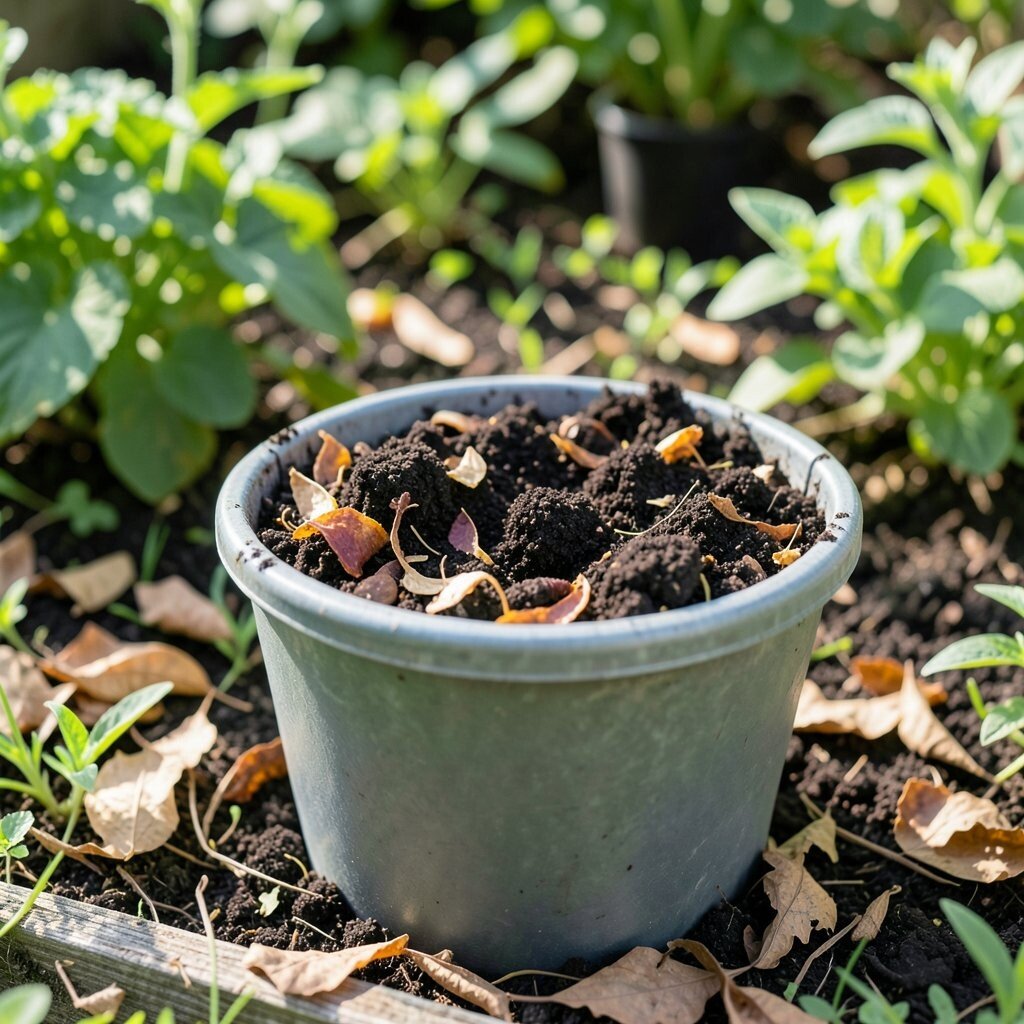
Composting turns food scraps into rich soil instead of trash. It often looks like a small bin or pile with dark, crumbly material that smells more like earth than waste.
This can help cut down on landfill waste and give your plants better soil. Fruit peels, coffee grounds, and veggie bits can often go in, while meat and oily foods may not be a good fit for some systems.
You can start with a simple countertop bin, a backyard pile, or a small worm bin if you have space and want to try something different. The cost can be very low if you use a bucket with a lid and add dry leaves or shredded paper.
Many people like composting because it feels useful and hands-on. It also fits well with home gardens, balcony plants, and other green habits that are getting more common.
5. Save Energy With Smart Lights
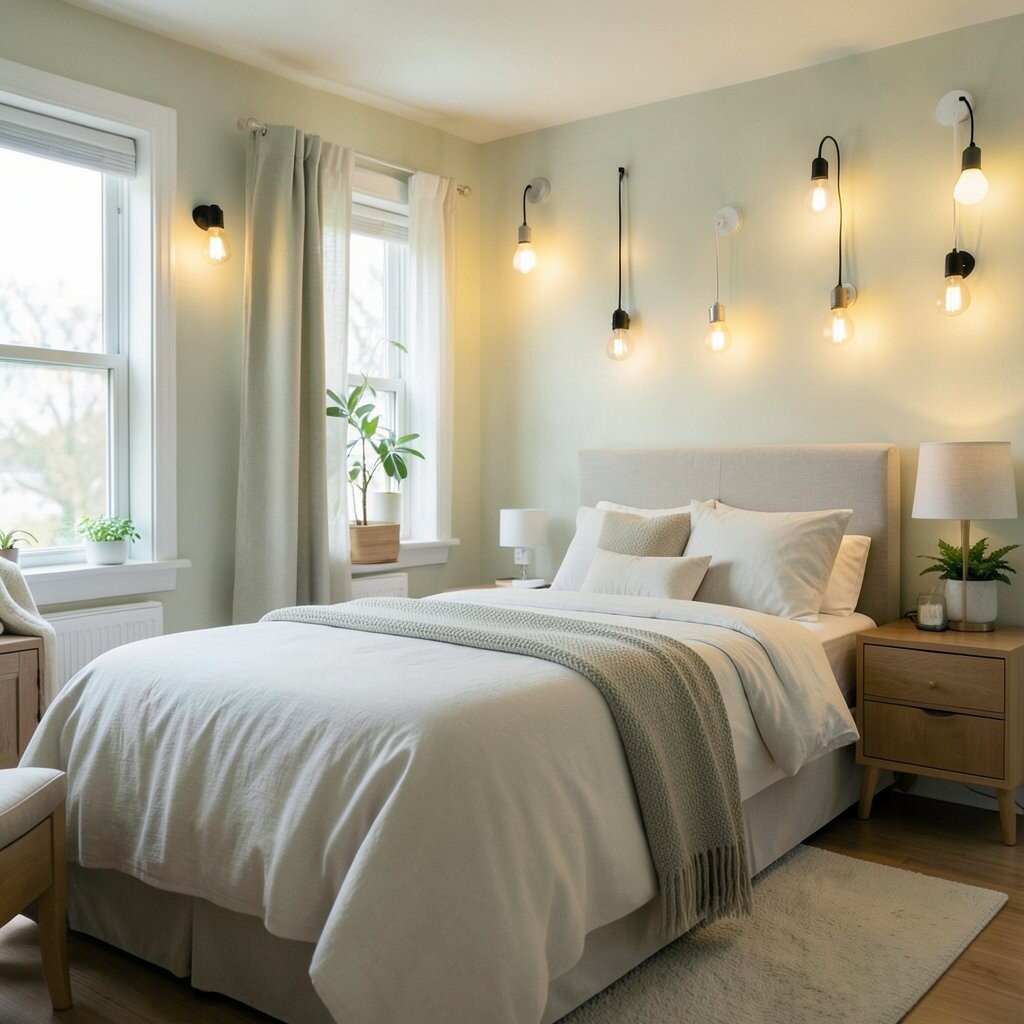
Smart lights and LED bulbs can help lower power use while giving a room a warm, clear glow. They come in many shapes and colors, so they can work in bedrooms, kitchens, and living rooms.
LED bulbs use less energy than older bulbs and often last much longer. That means fewer bulb changes and lower power bills over time.
You can make this change room by room if you do not want to spend a lot at once. Start with the lights you use most, since those often give the biggest savings.
Some people like bulbs that can dim, while others want ones that work with a phone or voice control. This makes it easy to match your home style and daily needs without much trouble.
6. Walk, Bike, or Use Public Transit

Choosing to walk, bike, or ride public transit can cut down on car use and make daily travel cleaner. A bike with a basket, a bus pass, or a pair of good walking shoes can all be part of this habit.
This can help reduce air pollution and save money on gas and parking. It can also add more movement to your day, which many people like.
If you are new to this, start with short trips that feel easy and safe. You can plan a route ahead of time, check bus times, or keep a rain jacket and helmet ready.
Some people use bikes for errands, while others use trains or buses for work and school. The best choice depends on where you live, your schedule, and how far you need to go.
7. Buy Secondhand Clothes and Goods
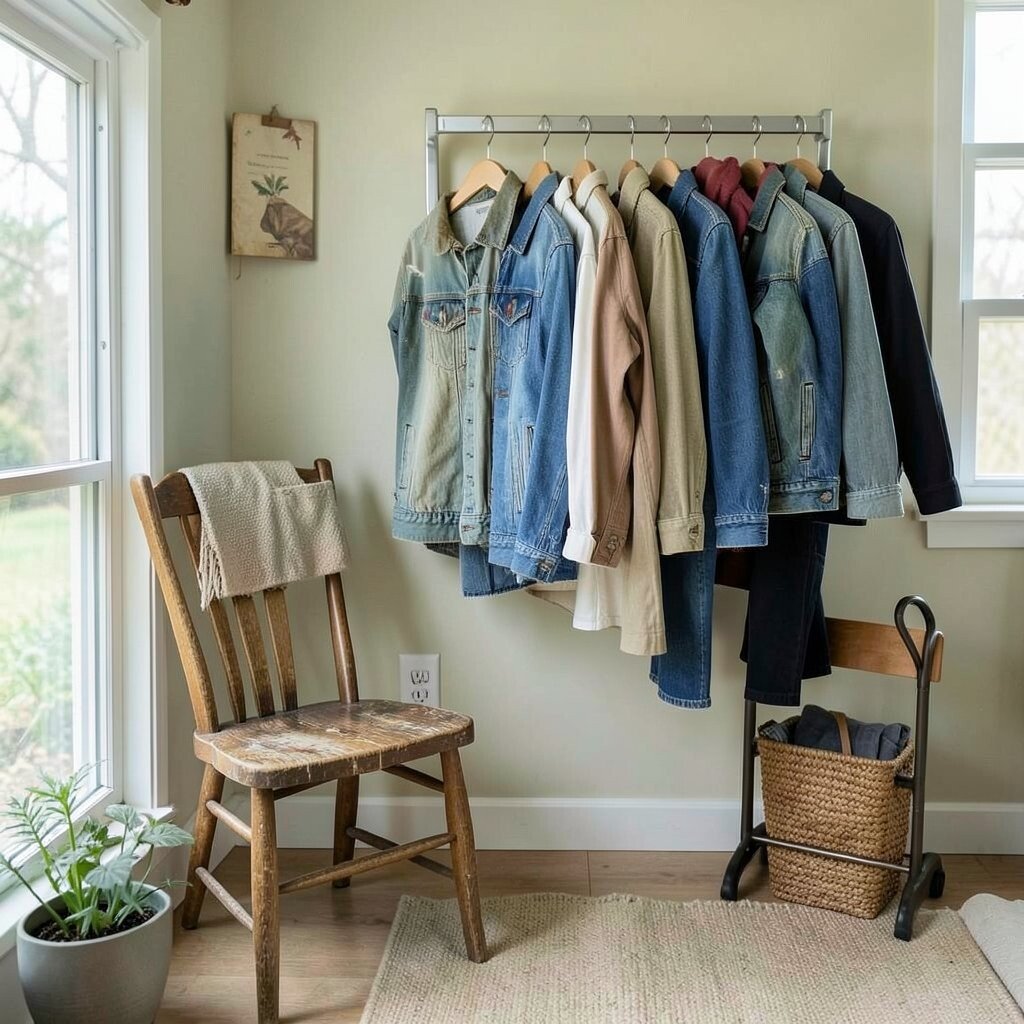
Secondhand shopping can be a smart and fun way to live green. Thrift stores, resale shops, and online local sales often have clothes, books, furniture, and tools that still work well.
This helps keep good items in use longer and cuts down on waste. It can also save a lot of money, which is one reason many people like it.
Secondhand items often have a unique look, so you may find things that feel more personal than store-bought goods. A wooden chair with a little wear or a jacket with a vintage cut can add character to your space or closet.
To make the best choices, check items for damage and think about what you really need before you buy. Many people now mix secondhand finds with new basics, which is a common trend in home and fashion style.
8. Grow Herbs or Small Plants at Home
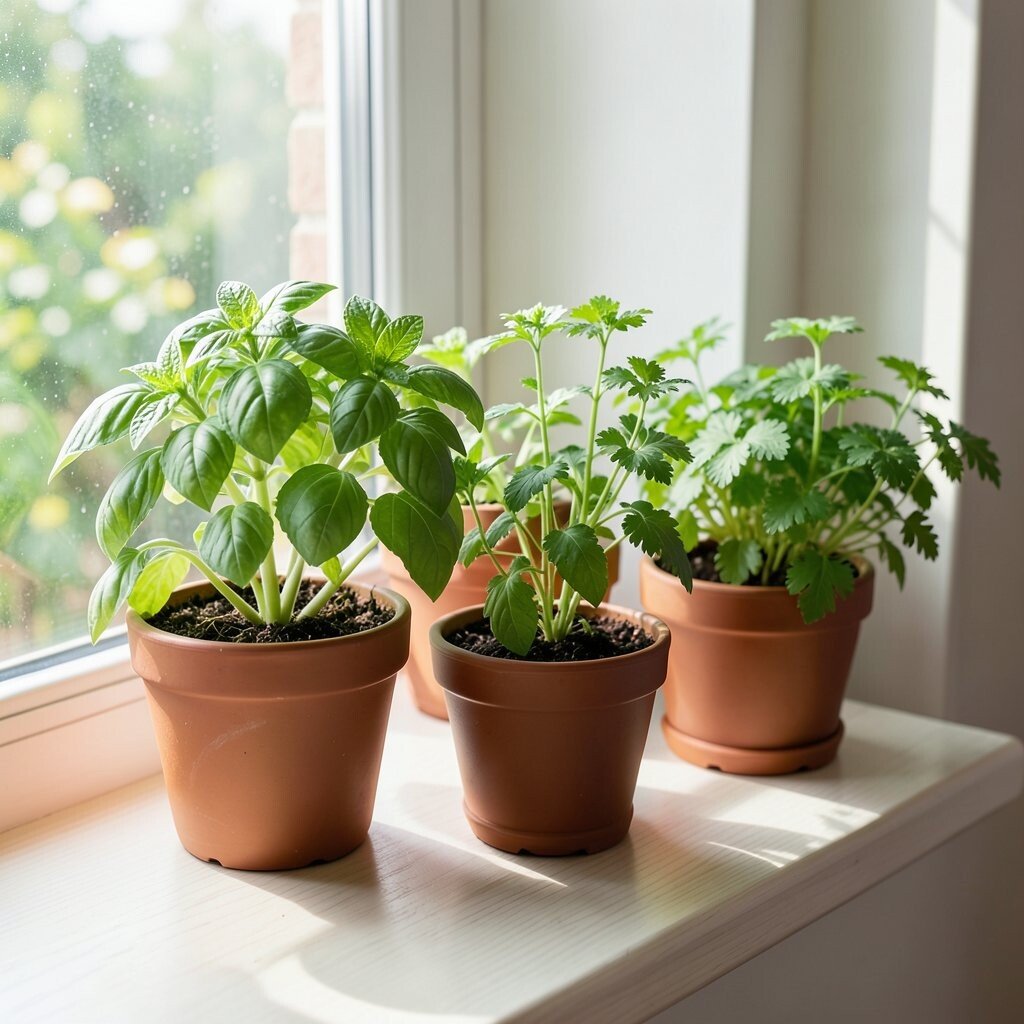
Growing herbs or small plants at home can make a room feel fresh and lively. A sunny windowsill with pots of basil, mint, or parsley can look neat and useful at the same time.
Home growing can help you use less store packaging and get fresh food right when you need it. It also gives you a small daily task that can feel calm and simple.
You do not need a big yard to start. Small pots, seed packets, and a bit of soil can be enough, and many starter kits cost less than a few takeout meals.
You can choose plants based on your space and your cooking habits. Some people like easy herbs, while others enjoy small tomatoes or leafy greens on a balcony or porch.
9. Cut Food Waste in the Kitchen

Cutting food waste is a green habit that can save money and help the planet. A tidy fridge with clear containers can make it easier to see what you have.
When less food gets thrown away, less energy and water are wasted too. It can also lower the amount of trash that goes to the dump.
Simple steps can help, like making a meal plan, using older food first, and storing leftovers in clear boxes. You can also freeze bread, fruit, or cooked meals if you will not use them soon.
Some families keep a small list on the fridge so they know what needs to be eaten next. This habit can fit any home, and it can be adjusted to your budget and cooking style.
10. Choose Low-Waste Cleaning Supplies
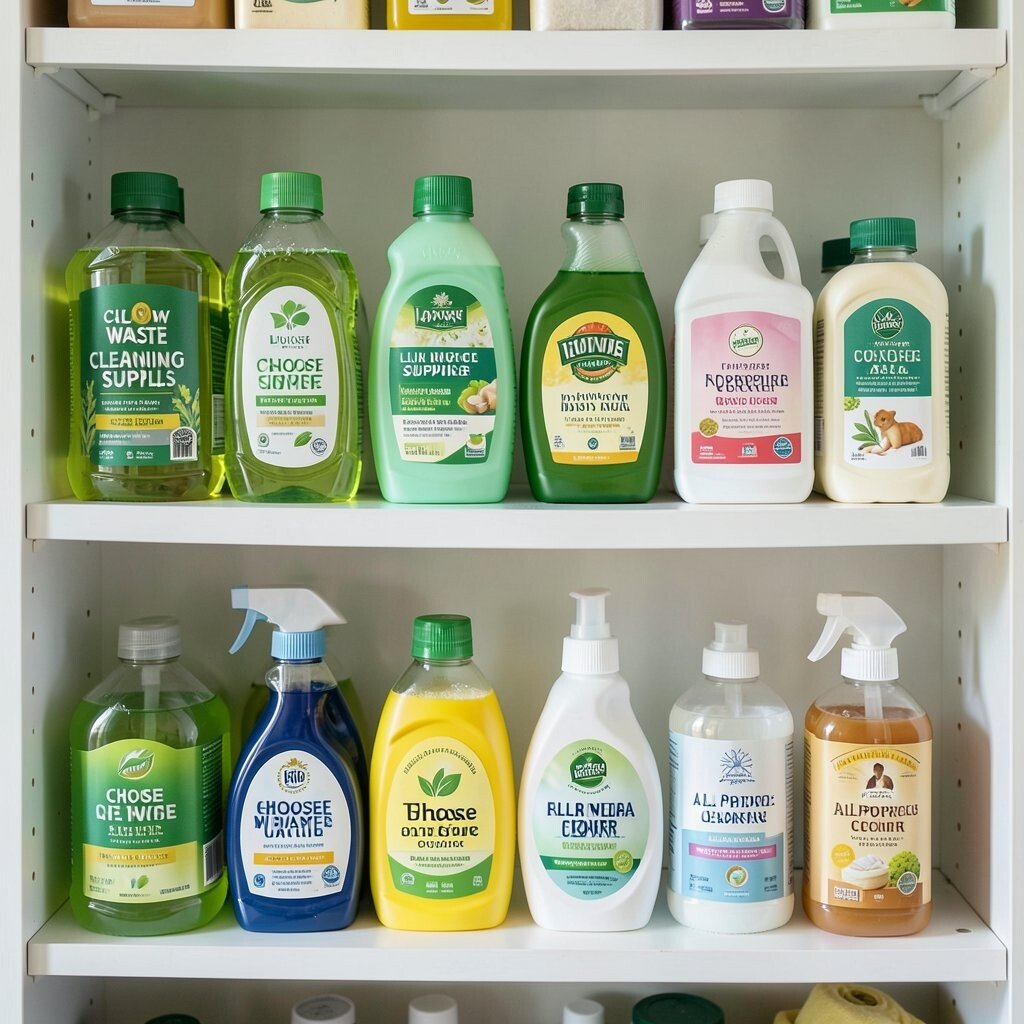
Low-waste cleaning supplies can help keep your home clean without filling the trash can so fast. Refill bottles, soap bars, and cloth rags often look simple and neat on a shelf.
Many of these items can last longer than single-use wipes or throwaway spray bottles. That can mean less waste and fewer shopping trips over time.
You can make the switch slowly by replacing one item at a time. Some people start with dish soap, laundry soap, or all-purpose cleaner, since those get used often.
This can be a low-cost habit if you buy in bulk or use refill stations at local shops. It also gives you room to pick scents, bottle styles, and brands that fit your home.
11. Use Less Water Every Day
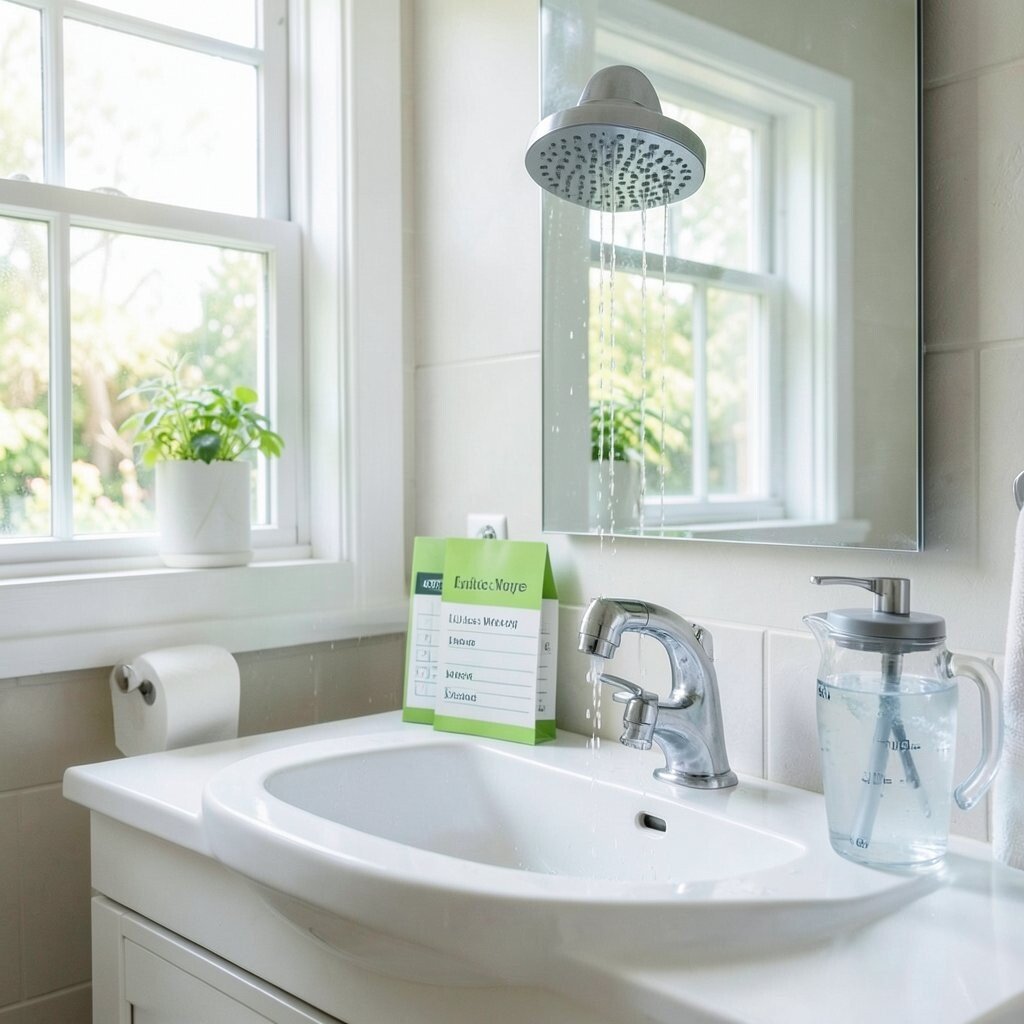
Using less water is a simple way to help the planet at home. Small changes like shorter showers and turning off the tap while brushing can add up fast.
This habit helps save water and can also lower your utility bill. It may even help your home use less energy, since hot water often takes power to make.
You can try a low-flow showerhead, fix leaks, or keep a pitcher of cold water in the fridge so you do not run the tap while waiting. These changes are often not hard to set up and can work in many homes.
Some people like to keep a quick checklist near the sink or bathroom mirror. That makes it easier to remember the small steps that help each day.
12. Pick Energy-Saving Appliances
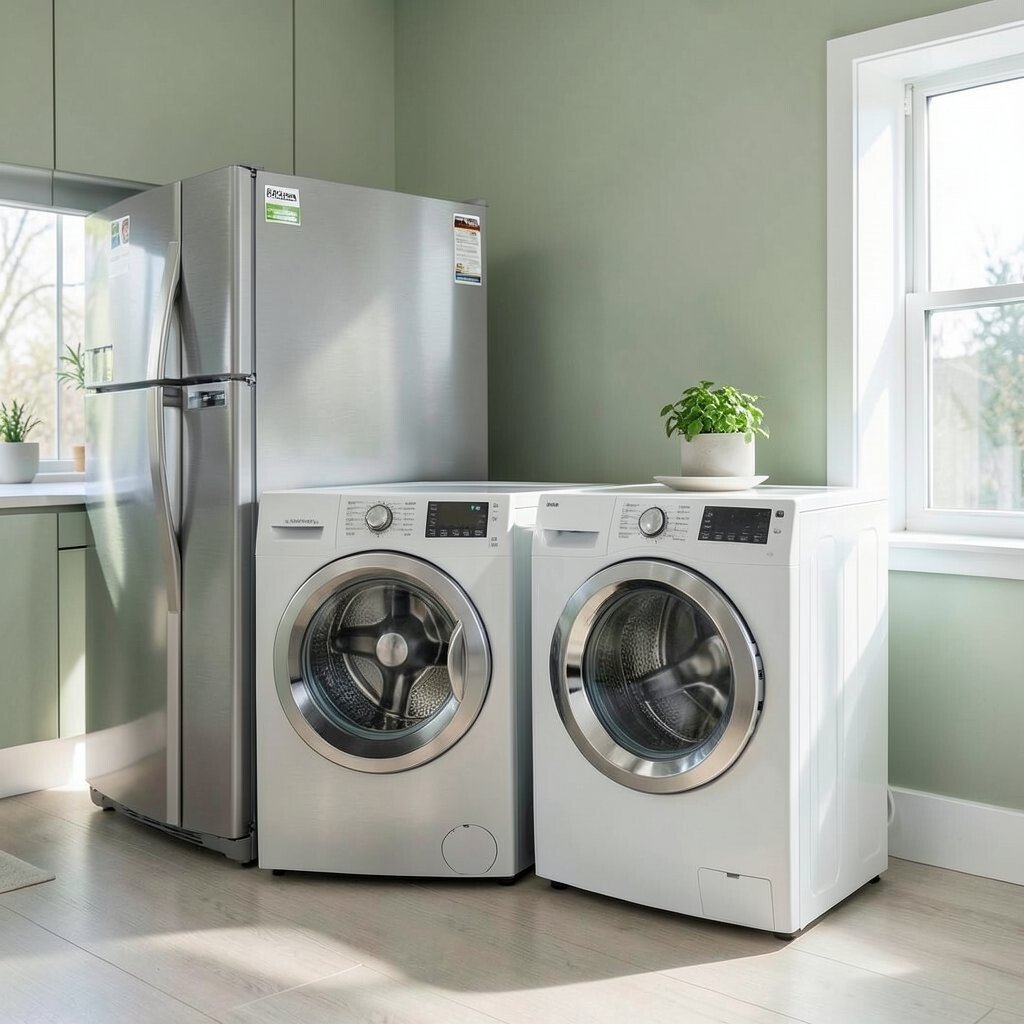
Energy-saving appliances can help lower power use while still doing the job well. Many have simple designs, clear screens, and clean finishes that look good in modern homes.
These appliances can save money over time, even if the first price is higher. They may also run more quietly and last longer than older models.
If you need a new fridge, washer, or fan, check energy labels before you buy. It can help to compare the yearly cost, not just the store price.
Some people wait for sales or buy used appliances from trusted sellers to keep costs down. This can be a smart way to match green living with a real household budget.
13. Make Your Home More Natural
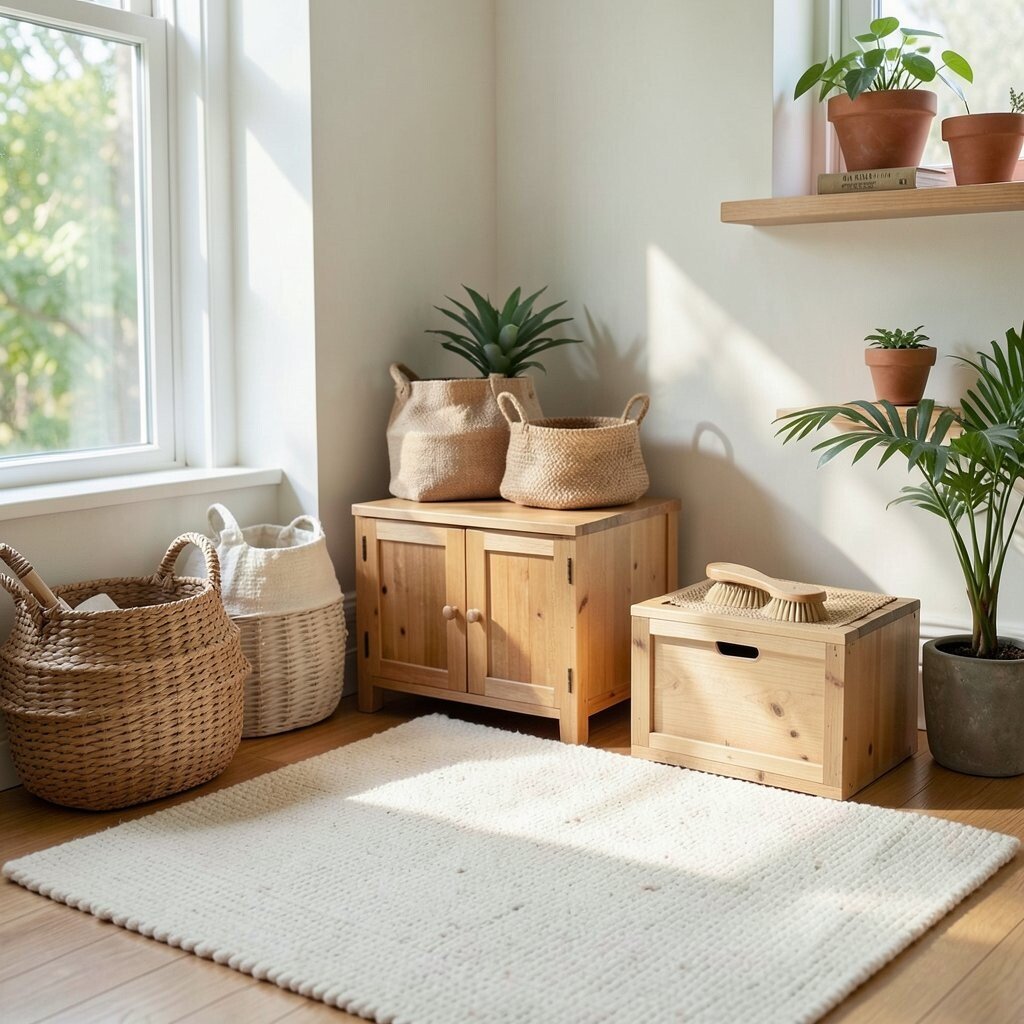
Making your home more natural can be as easy as using wood, cotton, bamboo, or other simple materials. These items often have a warm, calm look that fits many rooms.
This idea can help you choose goods that last longer and may create less waste than cheap throwaway items. It can also make your home feel more personal and less cluttered.
You do not need to change everything at once. Start with one room by adding a cotton rug, a bamboo dish brush, or wooden storage boxes that you can use again and again.
Many people like this style because it feels clean, simple, and current without being flashy. It can cost a little more in some cases, but careful choices and secondhand finds can keep it within reach.