Tennis balls can do more than sit in a gym bag or on a court. With a few simple cuts and small changes, they can help around the house and garden in useful ways.
1. Chair and Table Leg Protectors

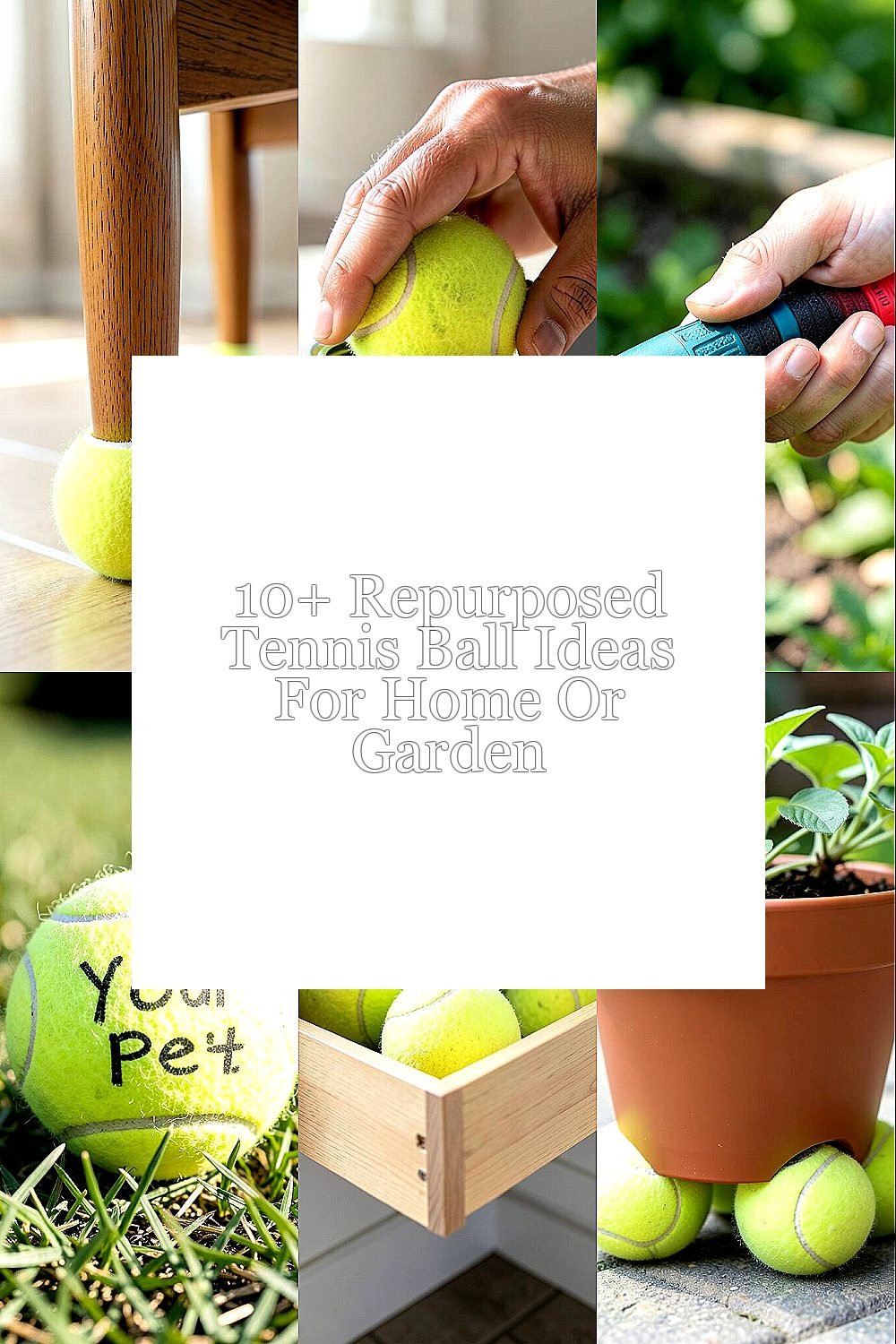
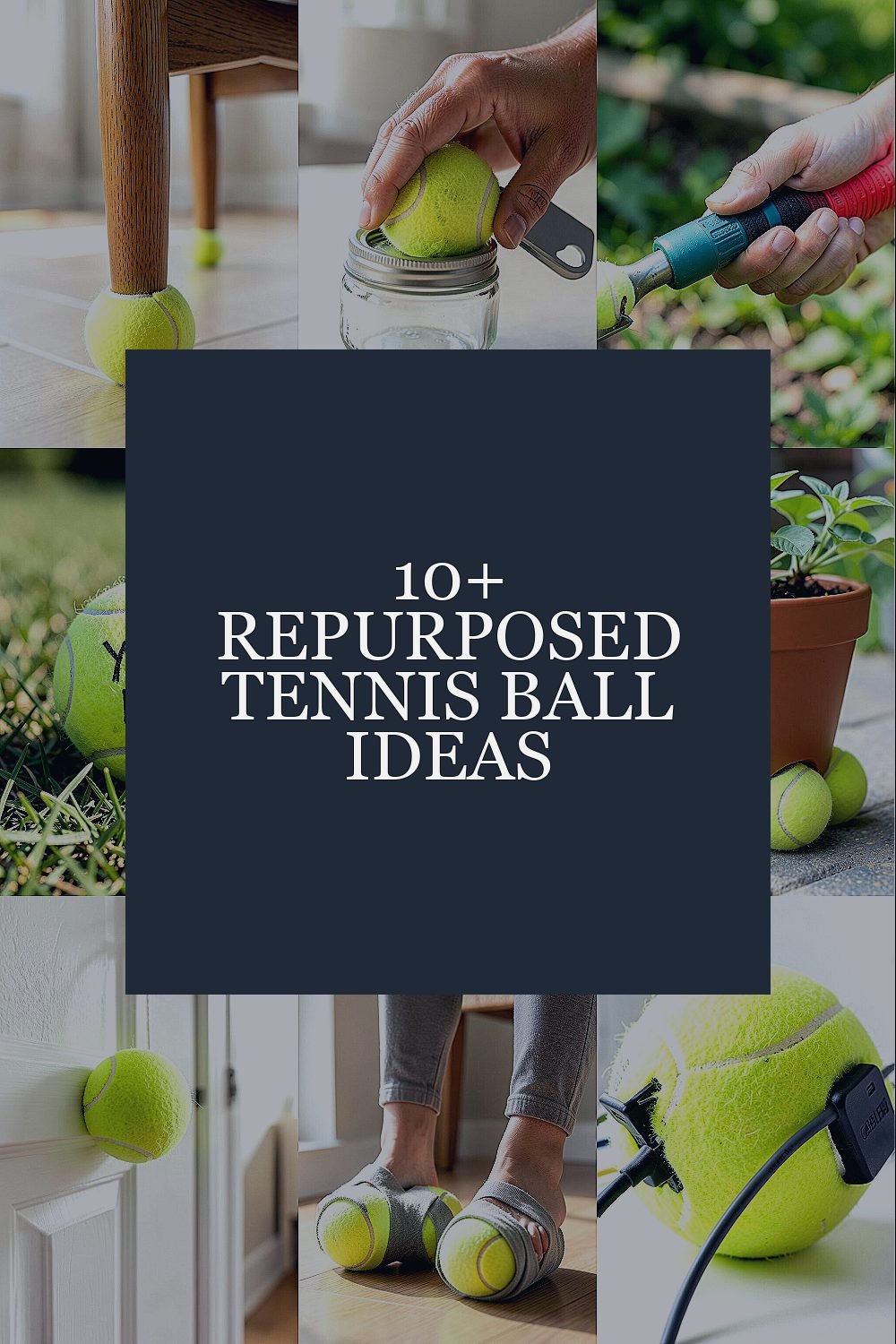
Cut a small slit in a tennis ball and slip it over the bottom of a chair or table leg. The bright yellow-green color looks simple and fun, and the soft rubber helps stop scratches on wood or tile floors.
This is a low-cost fix that can save you money on floor care and furniture repairs. It also cuts down on noise when you move chairs, which is nice in busy homes or small apartments.
You can leave the balls plain for a clean look or paint them to match your room. Some people now use this idea in playrooms, craft rooms, and home offices because it is easy and quick.
2. Jar and Bottle Openers

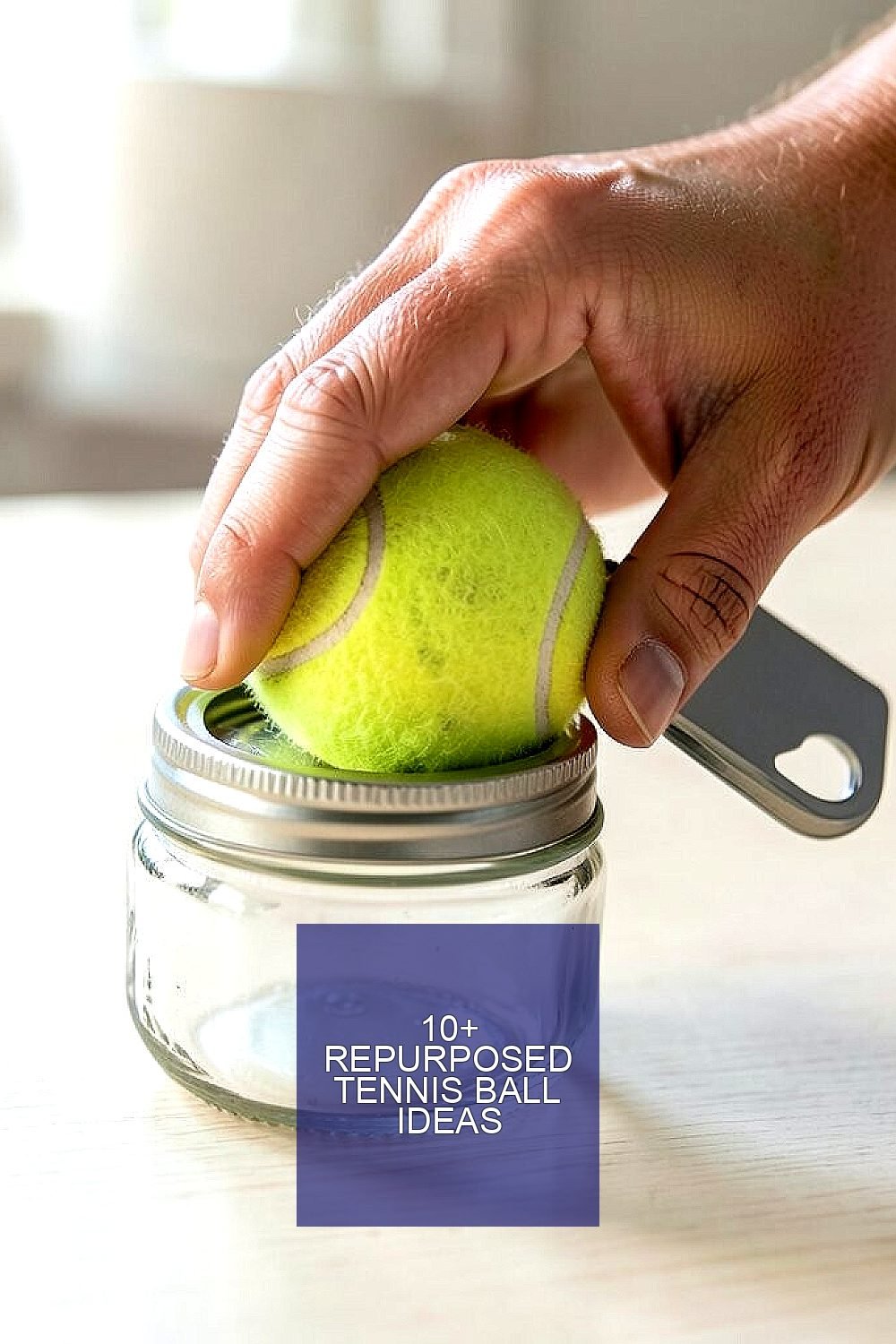
A tennis ball can help you get a better grip on tight lids. Cut a ball in half, or just use one whole ball, and press it against the lid so your hand does not slip.
This simple tool can help people with weak hands or sore wrists. It is also cheap, since many old tennis balls are free or very low cost at schools, clubs, or sports centers.
The rough feel of the ball gives you more hold than a wet towel or smooth glove. Many people keep one in the kitchen drawer because it is easy to grab when a jar will not open.
3. Garden Tool Handle Grips

Slip a tennis ball onto the end of a garden tool handle to make it easier to hold. You can cut a small hole for the handle, and the soft shape gives your hand a more comfy place to rest.
This works well for rakes, hoes, and small shovels. It can help if you garden for a long time, since the ball may reduce hand strain and make the tool feel less hard.
Some people paint the balls in bright colors so they can spot their tools fast in the shed or yard. This small change is part of a growing trend of making old items useful in simple, low-cost ways.
4. Pet Toys for Fetch and Play

Many dogs already love tennis balls, but old balls can still be used in new ways at home. You can make a small ball toy, hide treats inside a cut ball, or use it for fetch in the yard.
The bright color makes it easy to see in grass, and the soft surface is fun for pets to carry. It is a cheap choice for pet play, and it can help keep your dog busy without buying extra toys.
For a personal touch, you can write your pet’s name on the ball with a marker. Just be sure the ball is not too worn or torn, since loose fuzz can be a problem for some pets.
5. Drawer and Shelf Bumpers
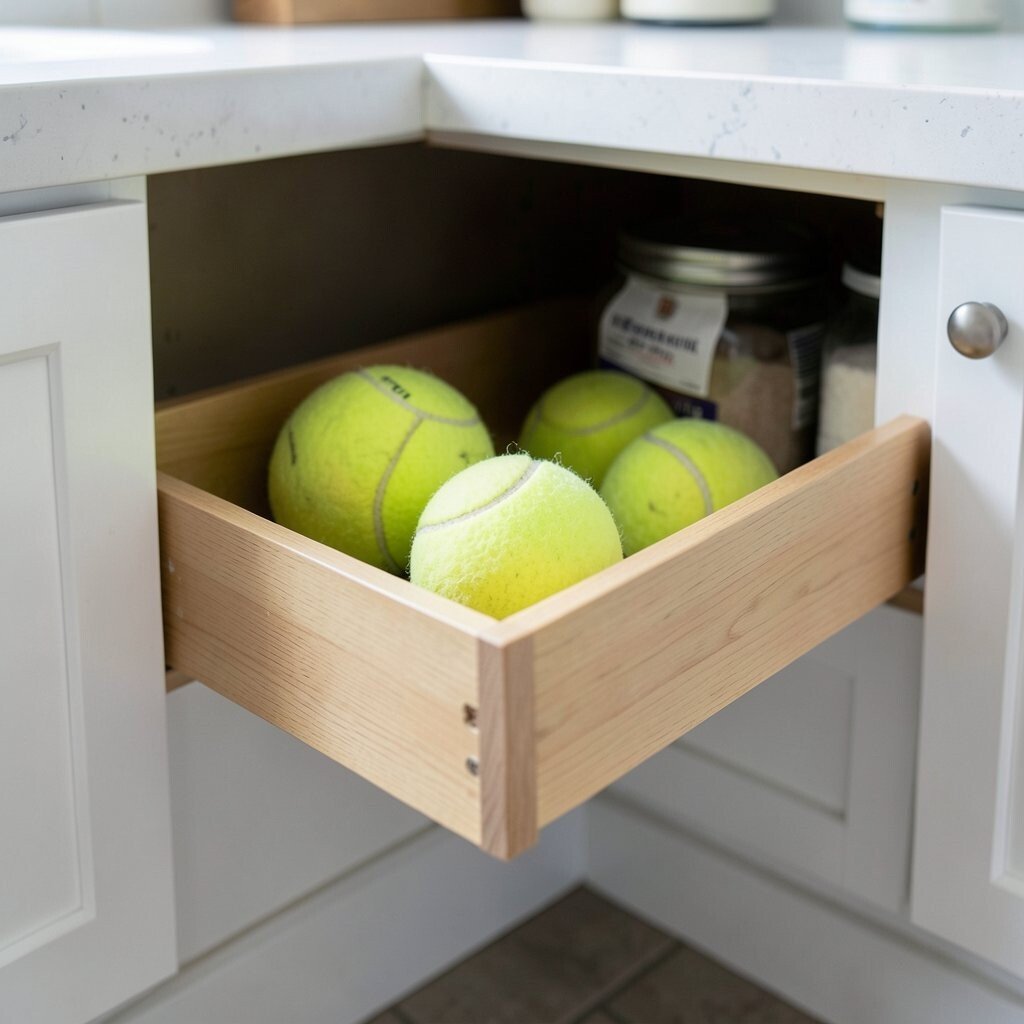
Small pieces of tennis ball can work as soft bumpers inside drawers, cabinets, or on the back of a shelf. They help stop jars, tools, and other items from sliding too much when you open or close things.
This can be very helpful in kitchens, garages, and laundry rooms. It is a simple way to keep things in place, and it costs far less than many store-bought pads or stops.
You can cut the ball into thin rings, then place them where you need a soft stop. Some people like this because it is a neat use for a worn ball that would not be good for play anymore.
6. Plant Pot Feet and Drainage Helpers

Place small pieces of tennis ball under plant pots to raise them a bit off the ground. This can help water drain better and keep the bottom of the pot from sitting in wet spots.
The soft rubber helps protect patios, decks, and indoor floors from marks. It is a low-cost fix that can be used with many pot sizes, and it works well for people who move plants often.
You can cut the balls in half and use three or four pieces under each pot. Some gardeners like the bright look, while others hide the pieces under the pot for a cleaner style.
7. Wall and Door Stops

A tennis ball can be used as a soft stop for a wall or door. Cut it and attach it where a knob or handle may hit, and it can help keep paint and wood from getting damaged.
This is useful in hallways, kids’ rooms, and busy entry spots. It is also easy to make, so you do not need special tools or a big budget to set it up.
Some people use the whole ball as a stop by hanging it on a short cord near the door. This gives the room a casual, playful look while still doing a useful job.
8. Homemade Massage and Foot Rollers

Two tennis balls taped together can make a simple foot roller, and one ball can help with hand or back rubbing. The round shape gives a gentle pressure that can feel good after a long day.
This is a cheap home care item that many people make for themselves. It can be used while sitting on a chair, standing near a wall, or rolling your feet across the floor.
You can wrap the balls in cloth if you want a softer touch. People often like this kind of handmade item because it is easy to store and can be made to fit personal comfort needs.
9. Cable Holders and Cord Markers
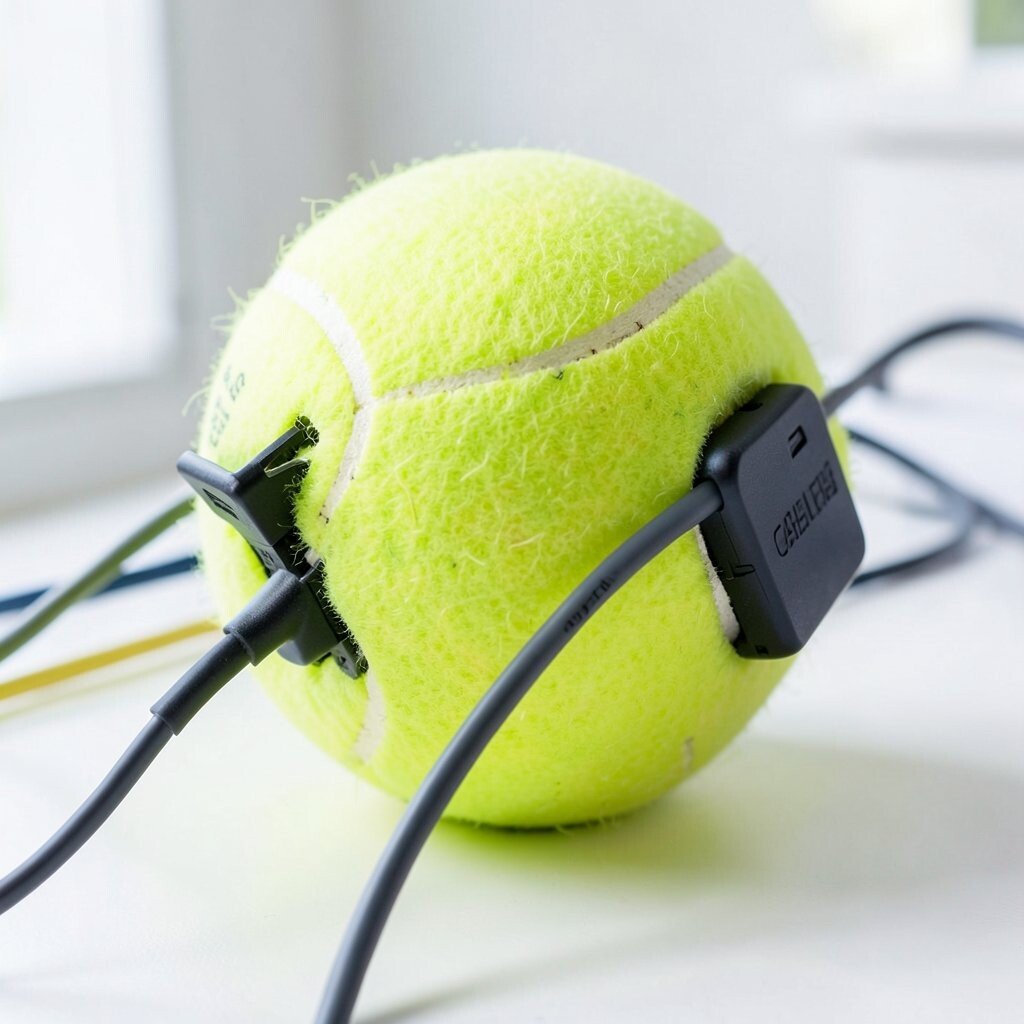
Cut small slits in tennis balls and use them to hold cords, chargers, or thin cables in place. The bright color makes the cords easy to find, and the soft rubber helps keep them from slipping around.
This can make desks, craft tables, and work areas look less messy. It is a simple way to sort cords without buying many plastic clips or holders from the store.
Some people label the balls with a marker so they know which cord goes with which device. That small personal touch can save time and help keep shared spaces neat.
10. Kids’ Indoor Toss Game
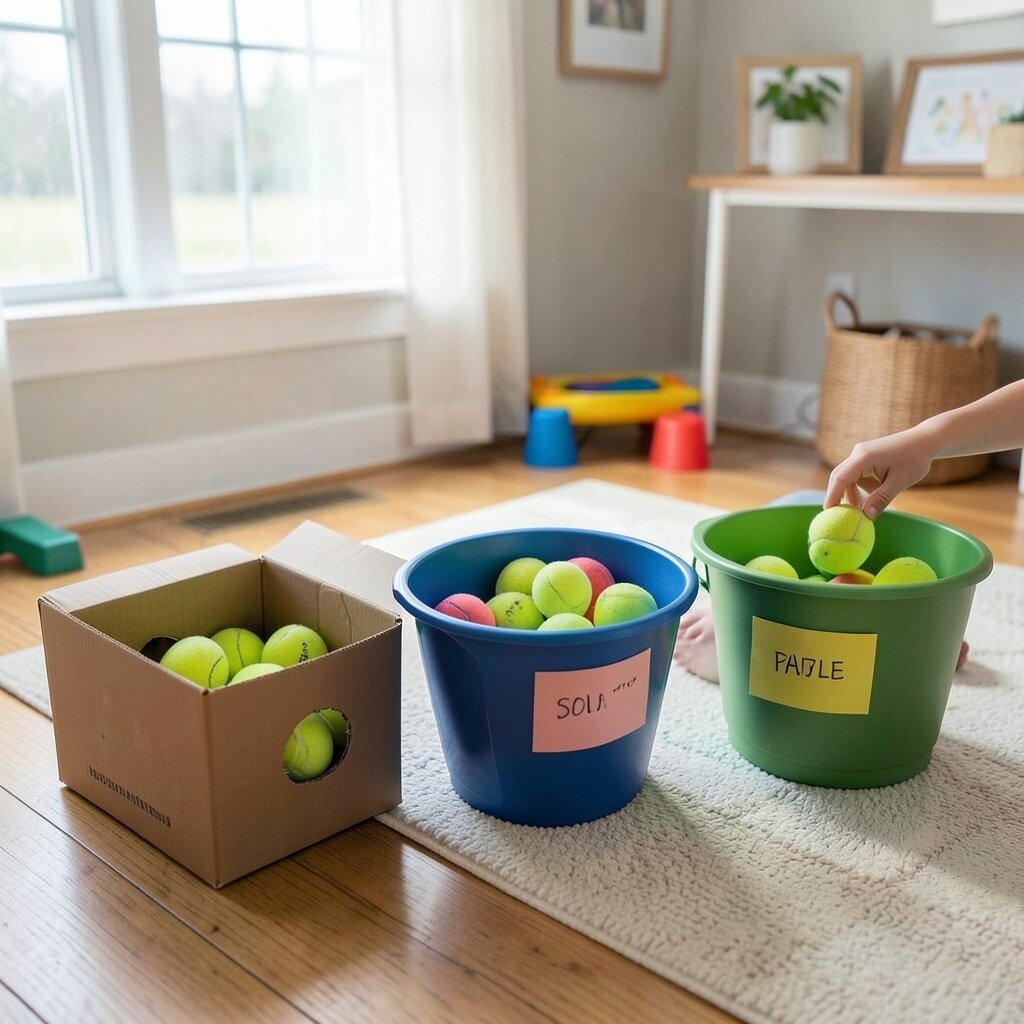
Old tennis balls can be turned into a fun toss game for kids at home. You can cut holes in boxes, buckets, or laundry baskets and have kids aim the balls into each one.
This is a low-cost activity that works well on rainy days or in a playroom. The soft balls are easier to use indoors than hard balls, so they are a good pick for simple family play.
You can paint the targets in different colors or add paper labels to make the game feel fresh. Many parents like this idea because it uses old items and keeps kids active without much setup.
11. Outdoor Hanging Decor and Bird-Safe Yard Markers

Tennis balls can be painted and hung in the garden as light decor or used as simple yard markers. Their round shape stands out well near plants, fences, and paths, and the bright color can add a cheerful look.
They are cheap to make and easy to change with the seasons. Some people hang them from string in a row, while others place them on sticks to mark rows, tools, or garden spots.
If you use them outdoors, make sure they are secure and placed where pets and wildlife will not chew on them. This idea fits well with the trend of using old items in smart ways that save money and cut waste.