The right cabinet can make a room feel warm, solid, and instantly more livable. When the details are done with care, your storage starts to feel like part of the style.
Craftsman design is known for honest materials, strong lines, and welcoming charm. These ideas give you plenty of ways to shape your cabinets so they fit your home and your daily routine.
1. Raised-Panel Doors With Deep Character
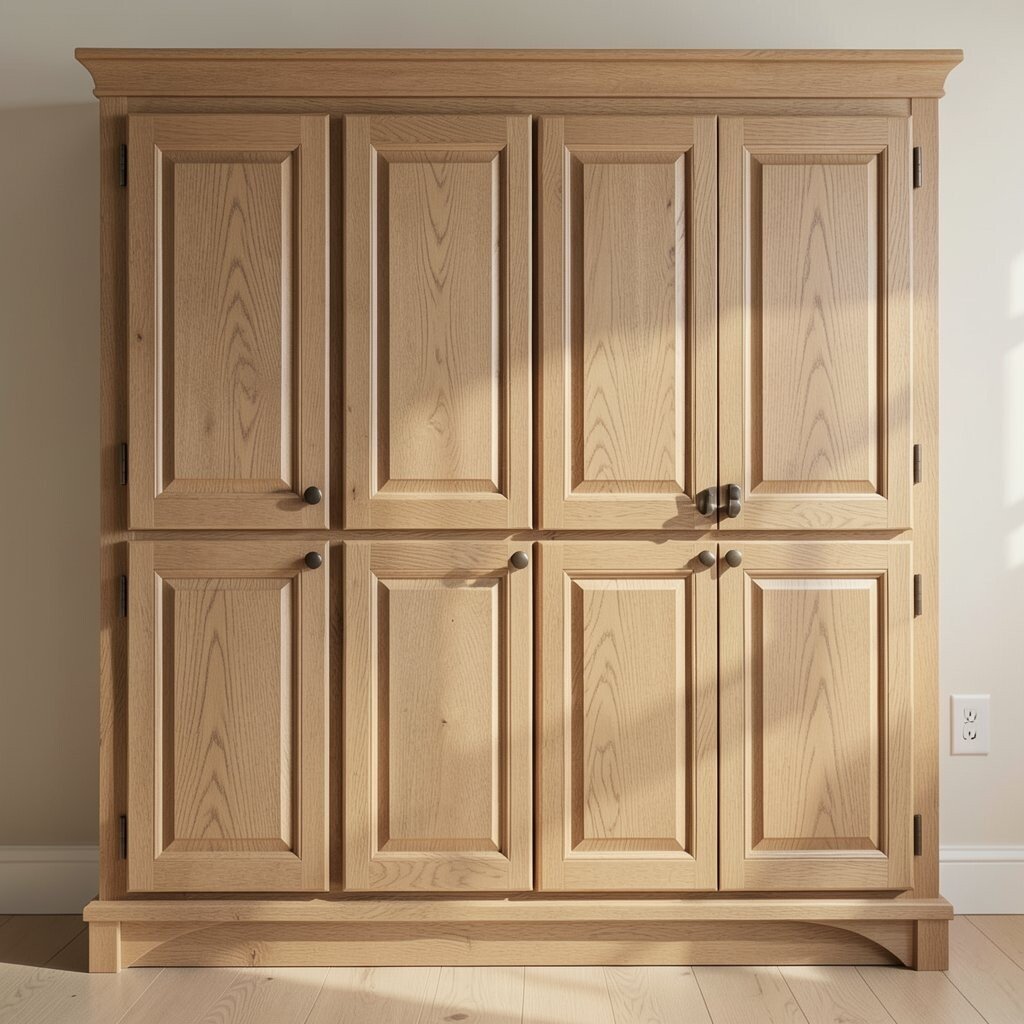
Raised-panel doors add that classic Craftsman look with a little extra depth you can actually feel. The shadow lines across the panels make even simple rooms look more finished.
Choose a wood species that matches your vibe, such as oak for a sturdy, traditional feel or maple for a lighter, cleaner look. For the best visual payoff, keep panel proportions balanced and avoid making them too skinny. If you want a practical upgrade, add soft-close hardware so the doors shut quietly and stay smooth for years.
2. Handcrafted Workbench-Style Cabinet Base
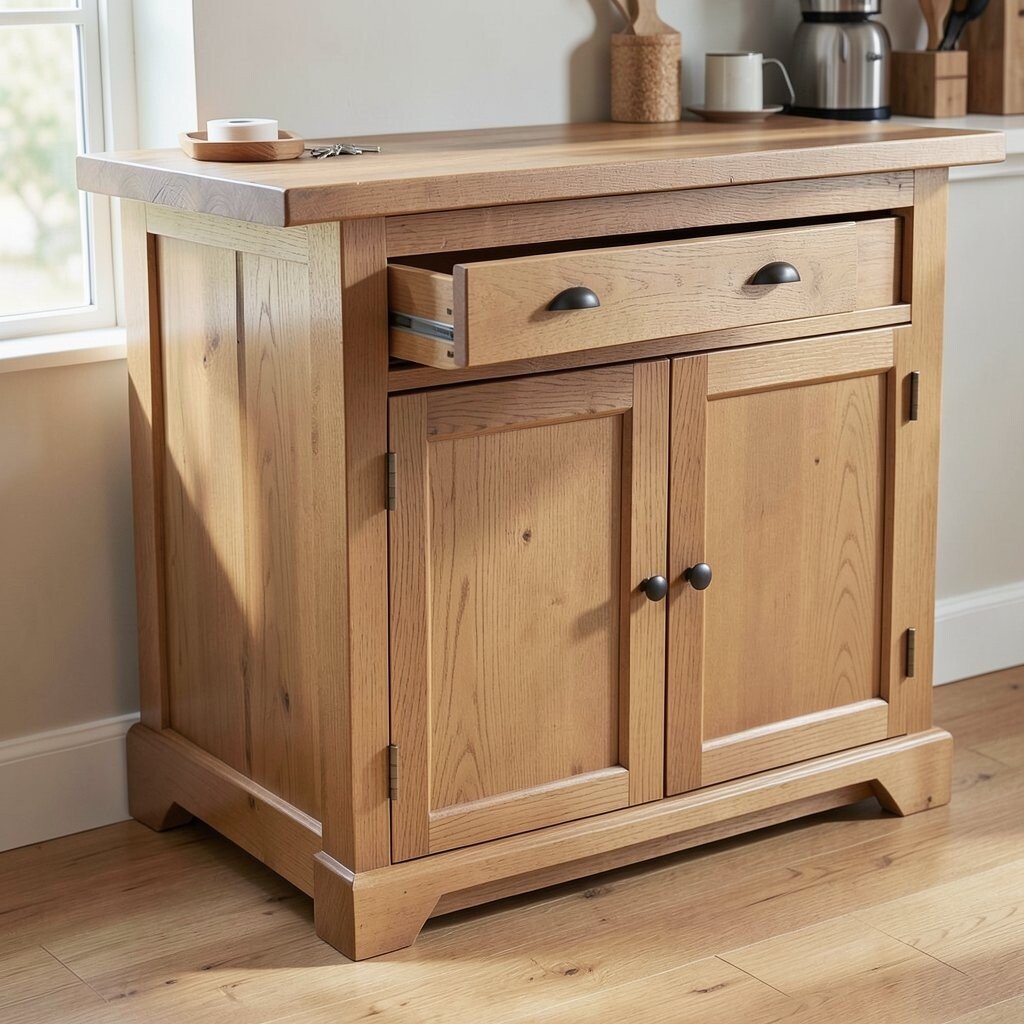
A cabinet base built like a workbench feels sturdy the moment you open your drawers. You get a thicker look, plus a solid place to set down tools, mail, or everyday items.
To make it feel truly Craftsman, consider a wide face frame and simple straight molding rather than fancy curves. Pair the look with durable drawer slides and moisture-resistant finishes, especially if your cabinets sit near a sink or coffee station. If you’re keeping costs in mind, reuse your existing cabinet layout and update only the front frames and hardware.
For personalization, add a small drop-in tray for keys or a pull-out station for wrapping paper and tape. This turns storage into a quick routine that looks intentional every time you walk by.
3. Square-Edged Trim and Bold Frame Lines
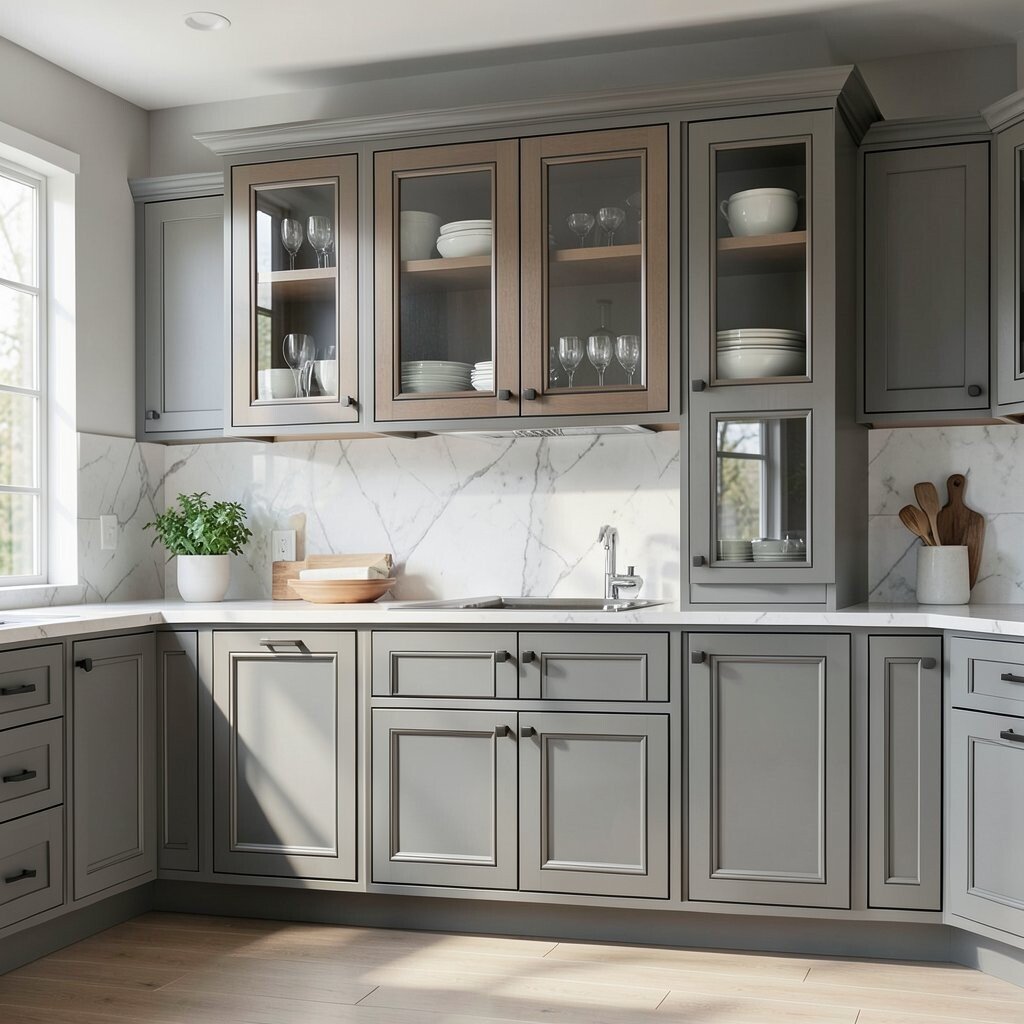
Clean square-edged trim brings that Craftsman geometry forward in a way that feels crisp and confident. The bold frame lines can visually “anchor” a room, especially in kitchens with lots of open shelving or bright paint.
Use consistent profiles across doors, drawers, and cabinet sides so everything looks like it belongs together. This style also helps hide minor bumps and imperfect wall lines because the frame creates clear structure. When you choose finishes, matte stains tend to look more authentic and reduce glare on sunny days.
If you want a trend-forward twist, mix one section with a glass insert while keeping the surrounding trim chunky and straight. That combination gives you personality without losing the classic feel.
For practical tips, measure reveal gaps carefully and install the frames so the lines align from cabinet to cabinet. Small alignment improvements can make the whole project feel higher-end.
4. Stained Glass or Clear Glass Inserts in Frames
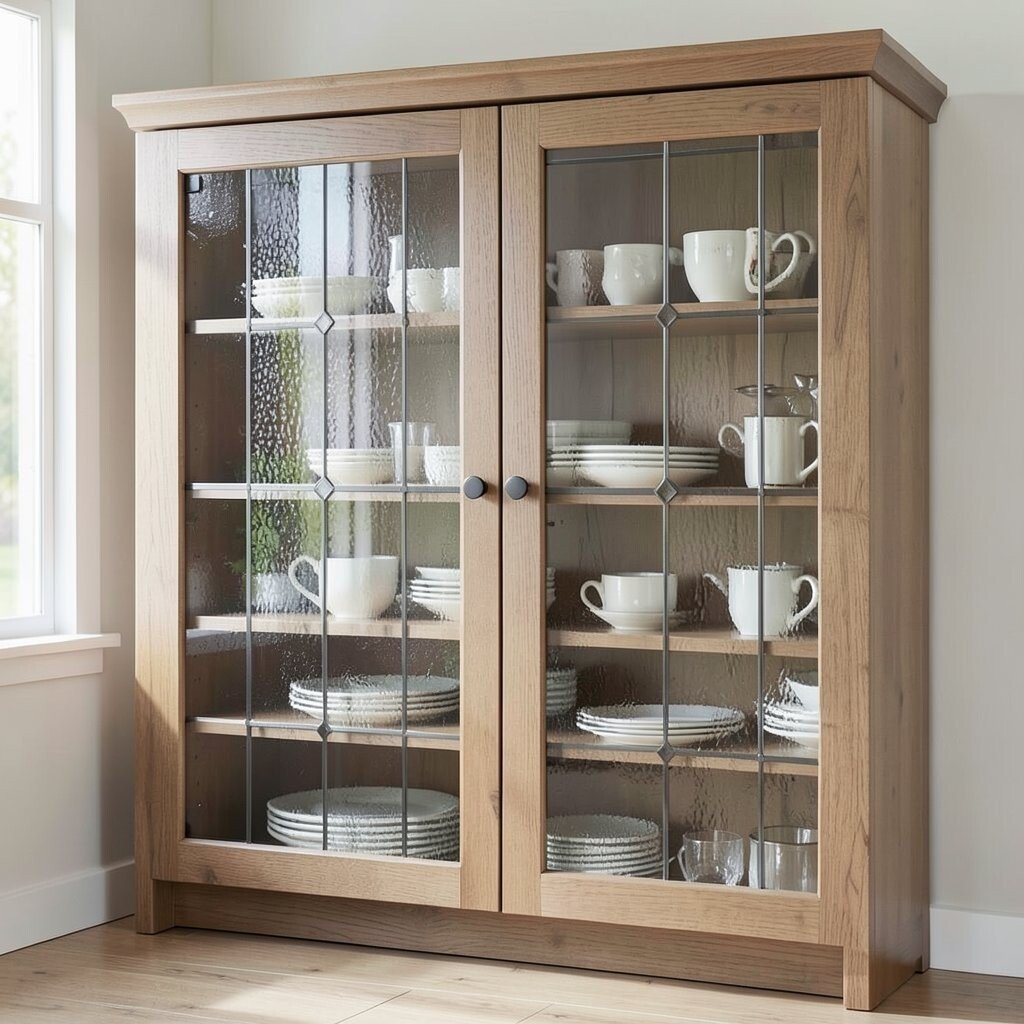
Glass-front cabinet doors can brighten a space and show off nice dishes or mugs. In a Craftsman frame, the glass feels protected and decorative instead of flimsy.
Choose clear glass for a clean, modern look, or pick textured glass for gentle visual movement. If you want stained glass energy, go with a simple pattern in small panes so it still feels calm. For benefits, glass inserts help you find things faster because you can see what’s where.
5. Bottom Drawers for Easy Daily Access
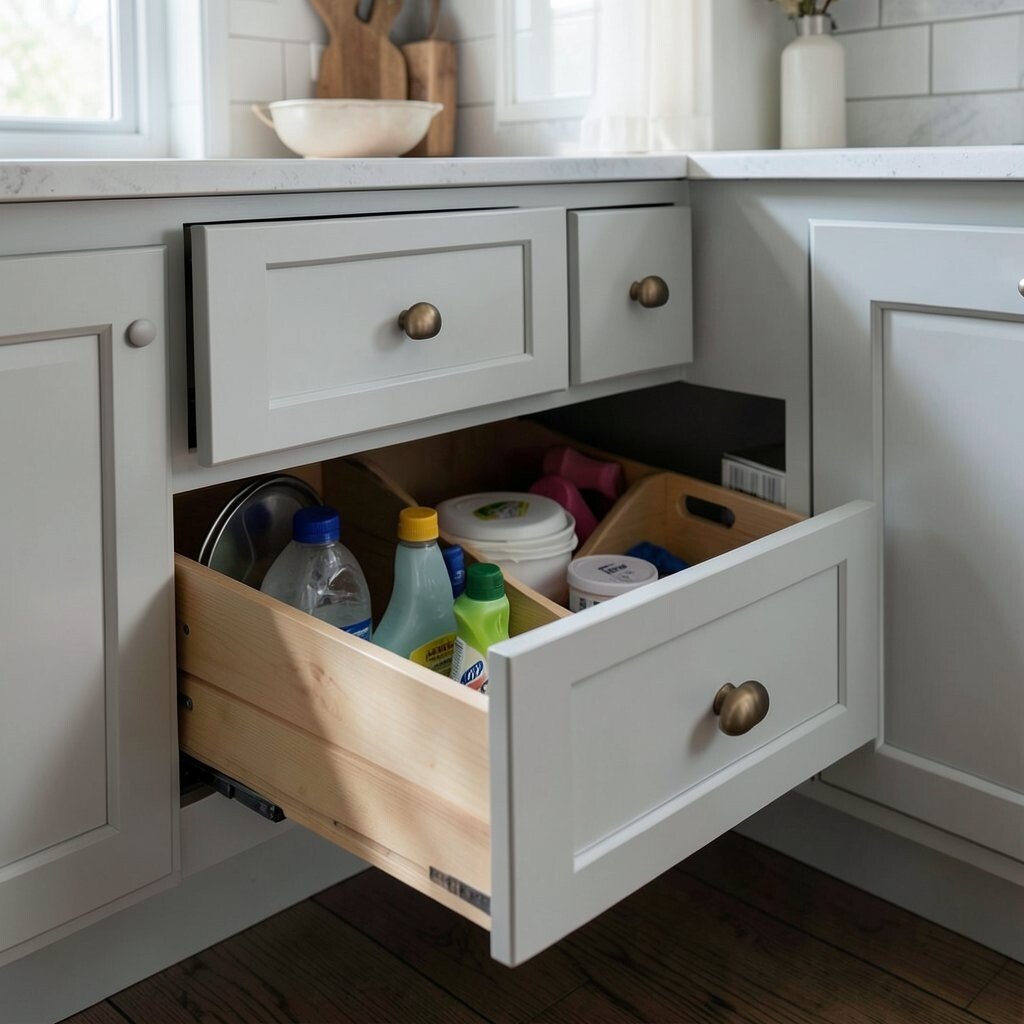
Deep bottom drawers make cabinets feel more user-friendly than standard doors. You can organize everything from baking sheets to cleaning supplies without bending as much.
To keep the Craftsman style strong, use solid drawer fronts with matching trim, and add simple knobs or pulls with a warm metal tone. Smooth-gliding hardware is worth the extra spending because it makes the drawers feel effortless. Consider adding drawer dividers so smaller items stay put and don’t drift around.
If you personalize the layout, think about where your hands naturally go, like putting frequently used items at mid-height. That small planning step can make the whole room feel easier every day.
6. Distressed Finish for Warm, Lived-In Charm
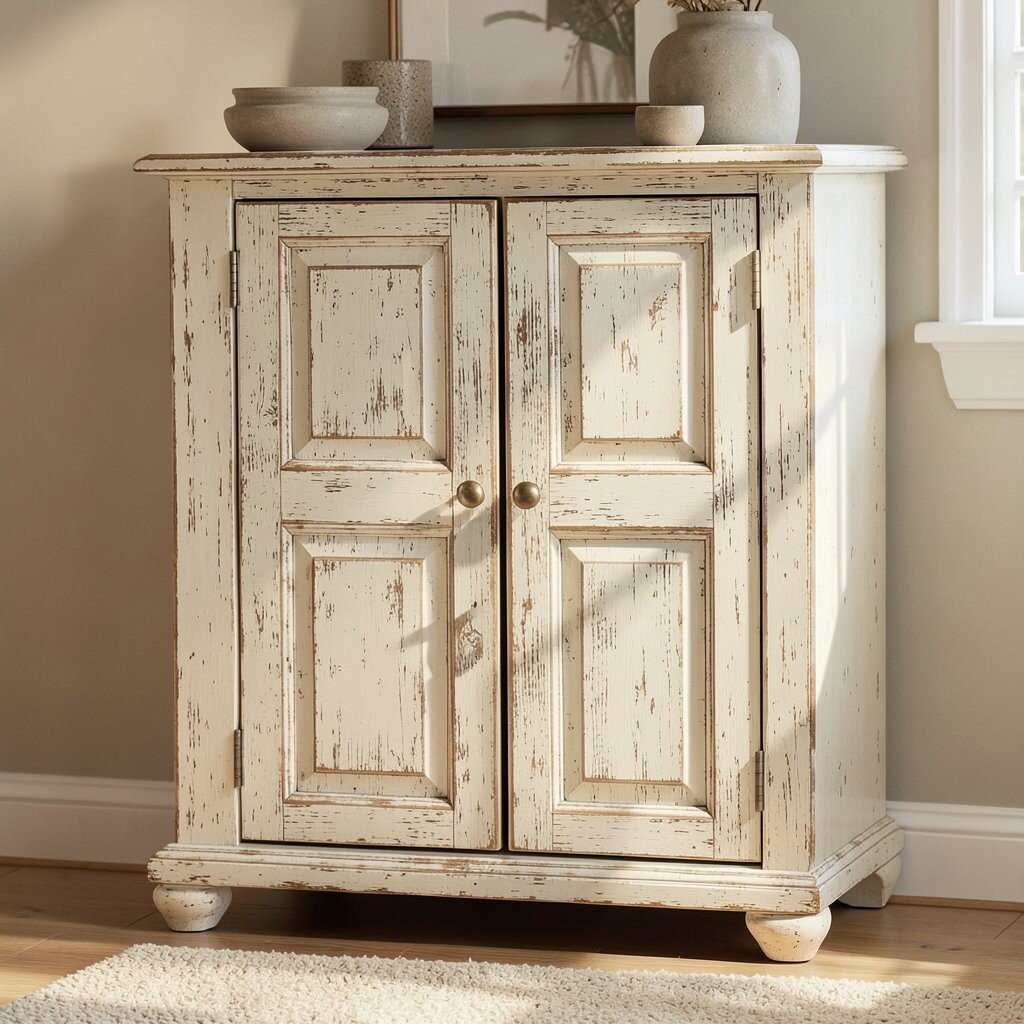
A light distressed finish can make cabinets look like they’ve always belonged in your home. The subtle wear brings warmth, especially in rooms with soft lighting and natural textures.
Stay intentional by choosing distressing that follows the grain, not random scuffs that feel chaotic. You can do this with a glaze method or by working with a finisher who understands period-style sanding. For practical tips, protect the surface with a durable topcoat so the finish still wipes clean after everyday splashes.
7. Open Shelf Niches With Craftsman Backing
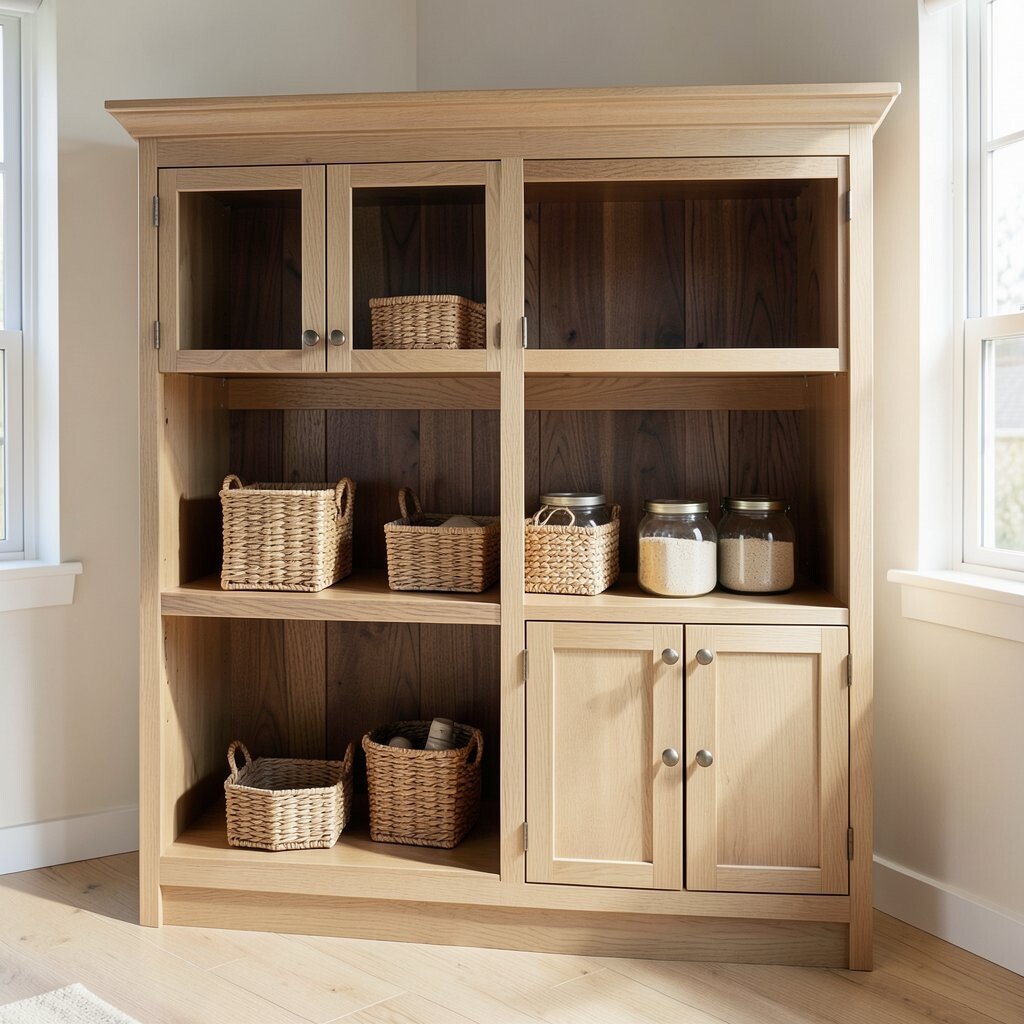
Open shelf niches give you room to display favorite pieces while keeping the overall cabinet design flexible. The backing and trim make the shelves feel built-in rather than accidental.
Use a contrasting wood tone for the shelf back so it pops, such as darker walnut against lighter oak. This adds uniqueness without needing complicated carving. For organization, set a few simple baskets or jars on the shelves so your display stays neat, even when life gets busy.
If you want cost control, use open niches only in select areas and keep the rest closed for less material and fewer glass pieces. That keeps the project affordable while still giving you the visual wow.
8. Mission-Style Slat Details on Cabinet Sides
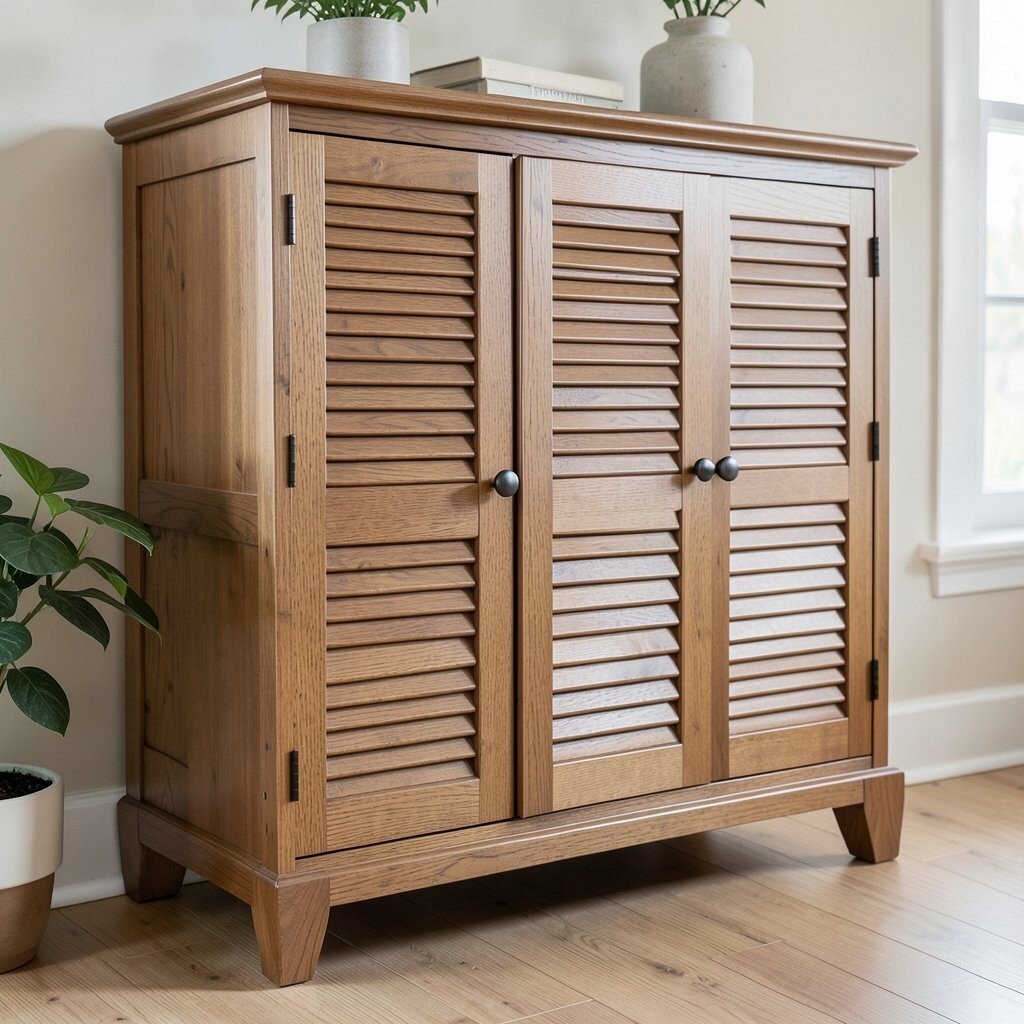
Slat details bring a nod to Mission-inspired Craftsman design, with a rhythm that looks handcrafted. Even a small touch on the cabinet sides can make the whole set feel more custom.
Look for straight, evenly spaced slats that match the scale of the cabinet doors. This is a great place to personalize because you can choose wider or narrower slats based on how bold you want the look to feel. If you want a practical benefit, slats can also add visual ventilation in areas where you store items that shouldn’t feel sealed up too tightly.
To keep maintenance simple, seal the slats well so dust doesn’t cling. With the right finish, wiping them down is quick and easy.
9. Shaker-Inspired Simplicity With Craftsman Elements
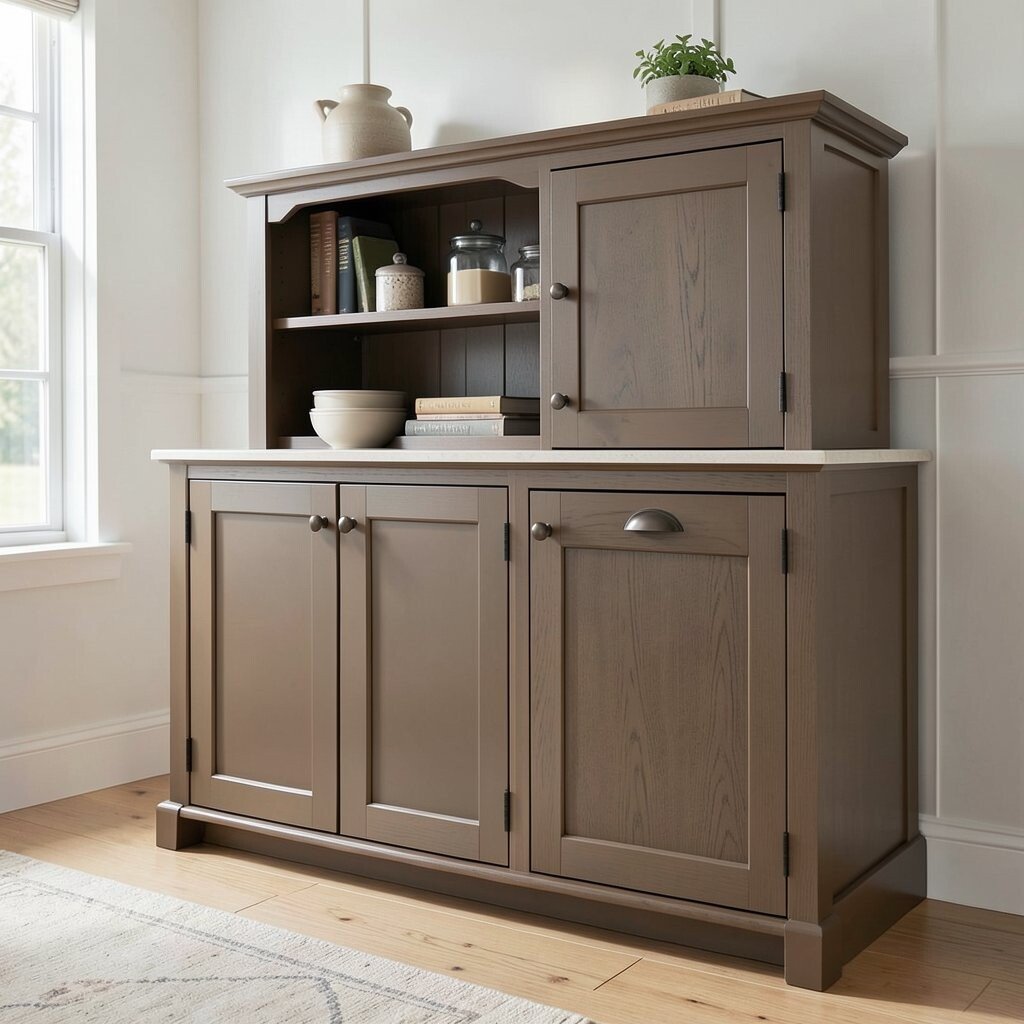
Shaker-style doors can work beautifully with Craftsman cabinets when you merge both worlds thoughtfully. You get the comforting simplicity of clean lines with the grounded warmth of traditional trim.
Keep the door frames strong and add Craftsman touches like thicker rails, slightly deeper reveals, or hardware that feels old-school. A matte stain in medium brown can make the design feel timeless. For practical tips, pair this style with drawers that have full extension so you don’t end up digging for items.
This design choice is great for families because it hides fingerprints better than glossy finishes. If you want a personalization twist, add a small grain-matched panel on one feature cabinet to create a subtle focal point.
10. Decorative Corbels or Bracketed Face Frames
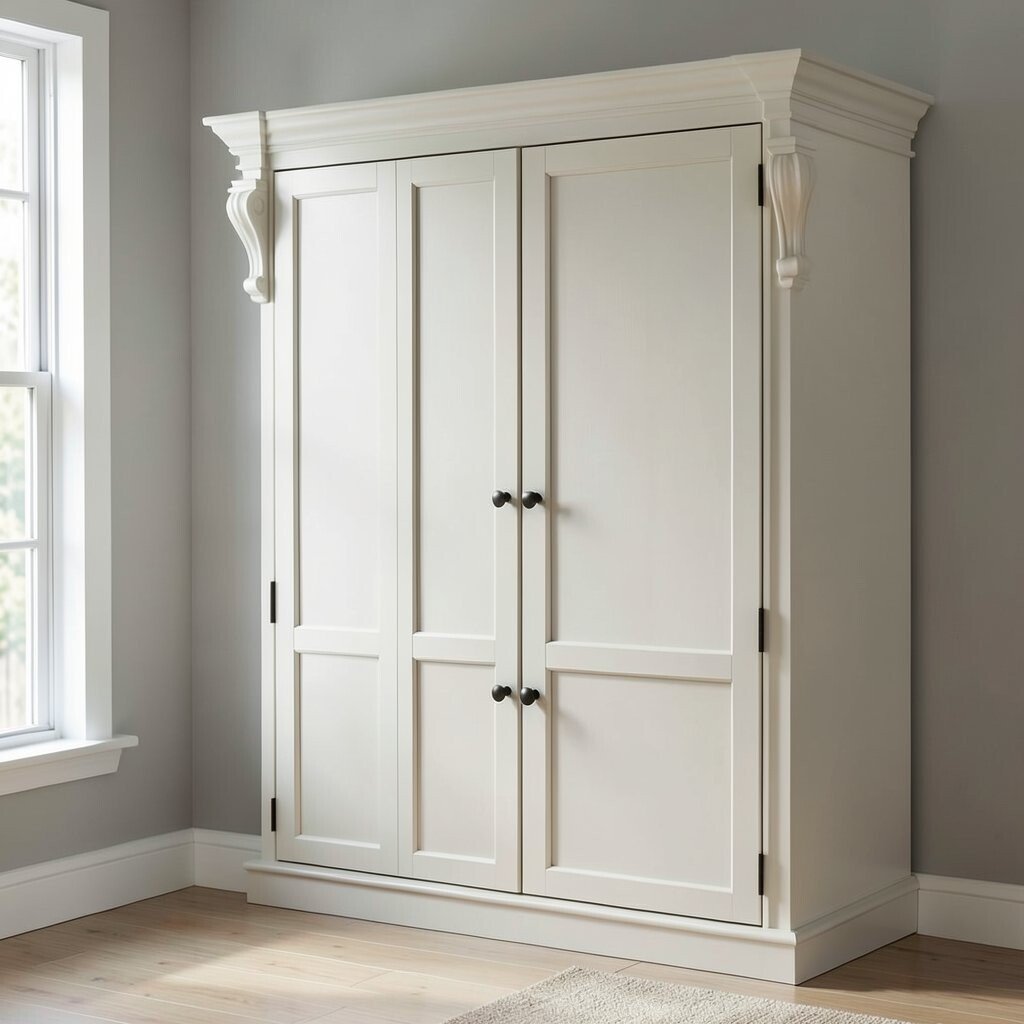
Corbels and brackets add a sense of craftsmanship that can make plain cabinets feel like furniture. The little supports create visual interest and give a stronger “built” feeling.
Choose corbels with clean shapes rather than overly ornate scrollwork, so they fit the Craftsman look. They also help visually break up tall runs of cabinets, which can reduce the feeling of heaviness in a room. For cost considerations, adding corbels to only the most visible sections often gives the best return.
If you plan ahead, align the corbels with door and drawer spacing so the design feels intentional. That alignment makes the cabinets look like they were designed from the start, not added later.
11. Mixed Wood Species for a Two-Tone Look
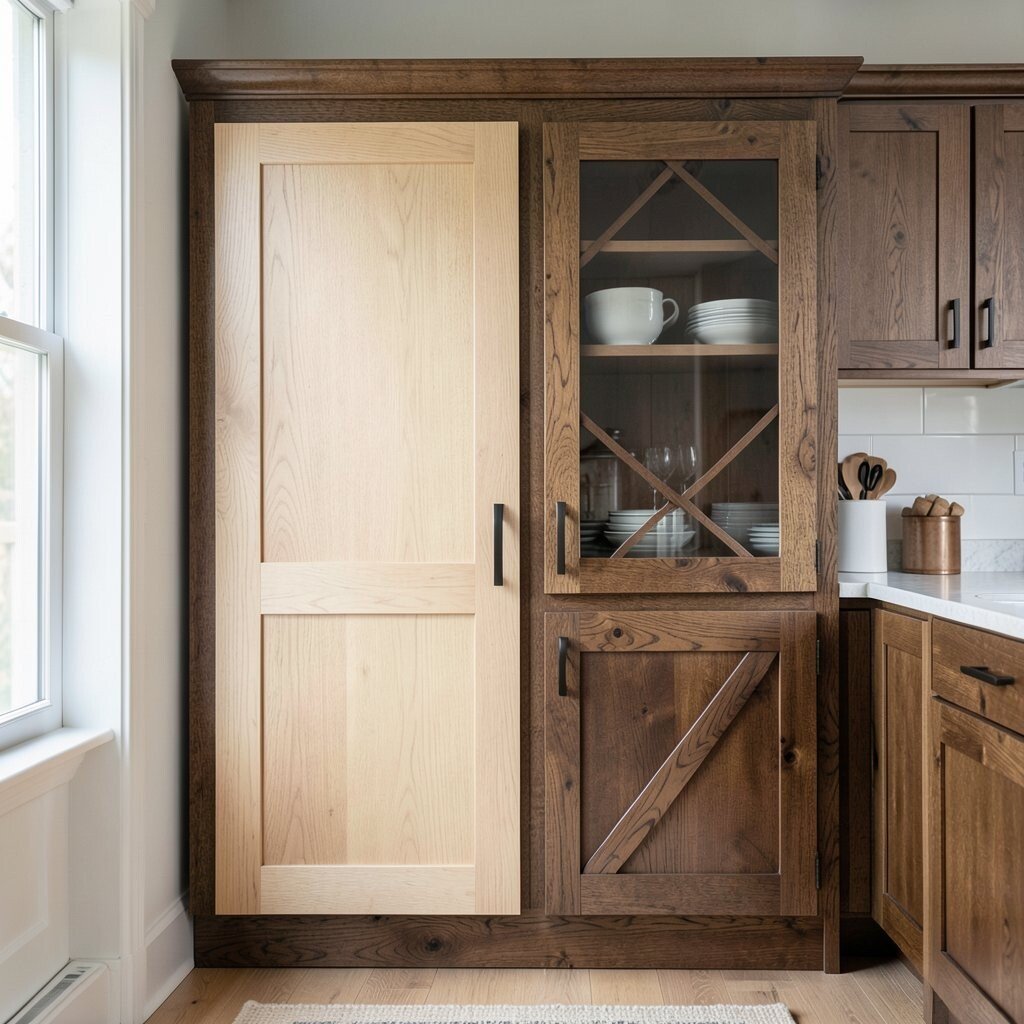
Mixing wood species can turn simple cabinetry into a layered design statement. The contrast draws the eye and helps each cabinet section feel distinct.
Try pairing a lighter wood for the main doors with a darker wood for the face frame or top rails. That keeps the look Craftsman while still feeling fresh and current. For benefits, two tones can also make the layout easier to read, especially in busy kitchens.
If you want practical tips, test stain samples side-by-side because different woods take color differently. It’s worth it to plan your undertones, so the final match looks natural rather than accidental.
12. Crown Molding and Shelf-Like Tops
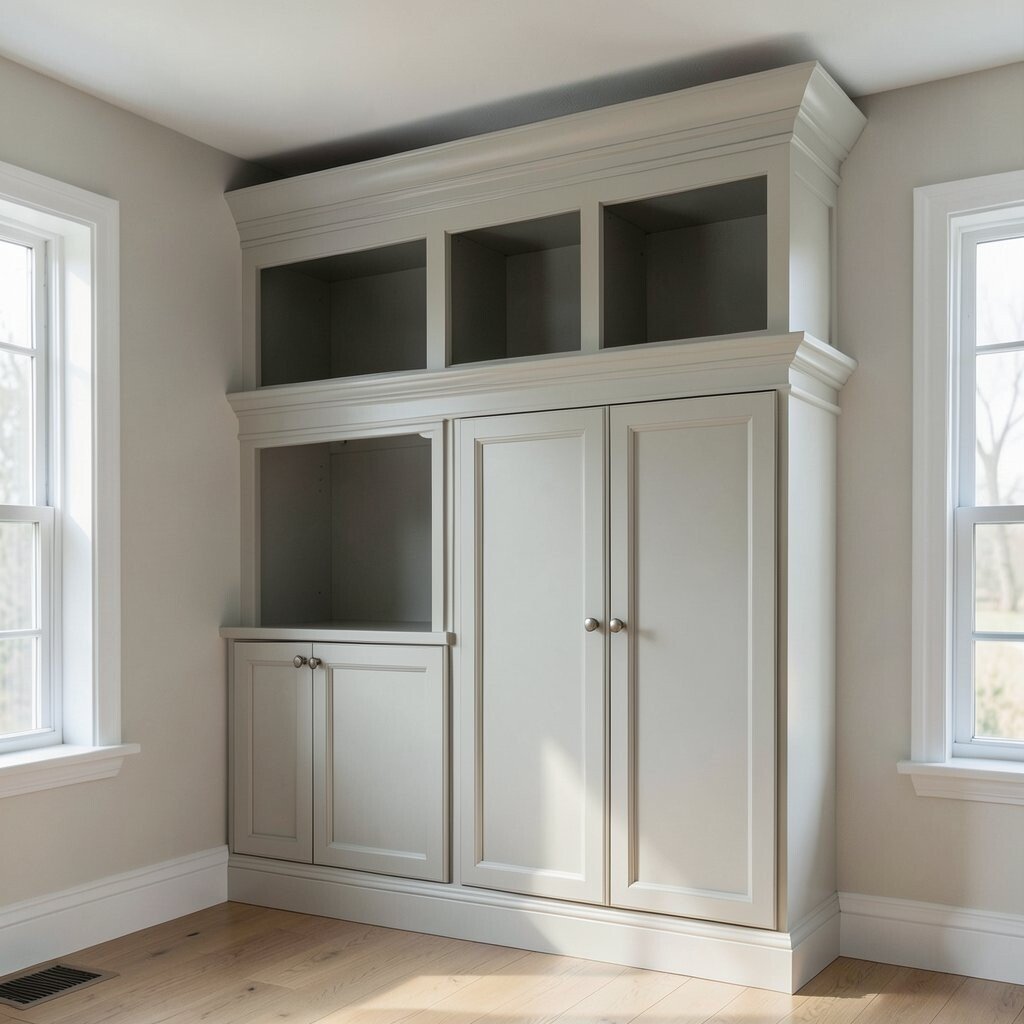
A well-proportioned crown molding gives cabinets a finished roofline. It also makes the cabinetry feel taller and more elegant, even when the room is modest in size.
Consider a crown with gentle curves or a straight Craftsman profile that matches your trim elsewhere in the house. This design idea is great for personalization because you can match it to baseboards, window trim, or ceiling beams for a unified look. For practical benefits, molding helps visually frame the space and can reduce the look of uneven cabinet placement against the ceiling.
13. Antique Brass or Oil-Rubbed Hardware
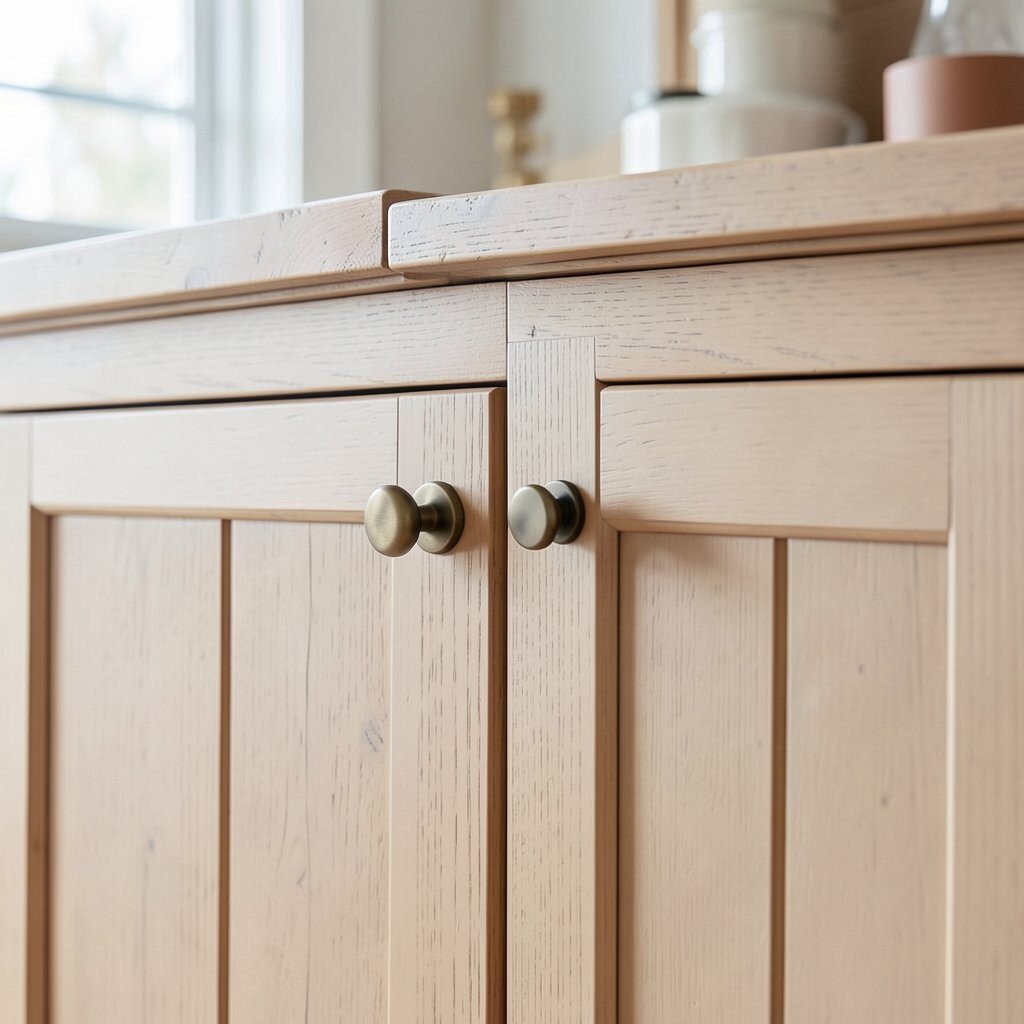
Hardware is small, but it changes everything about how your cabinets feel. Antique brass and oil-rubbed finishes add warmth and make the style look more intentional.
Pick pulls and knobs with simple shapes, like rounded edges or understated rectangles, so they match Craftsman character. If you want a trend-forward twist, choose a satin finish in a warm tone instead of high-gloss shine. For practical tips, measure screw spacing carefully and keep the hardware consistent across the whole cabinet run for a clean rhythm.
This choice also supports day-to-day use because comfortable pulls are easier to grip when your hands are full. The right hardware can make routine tasks feel smoother, not fiddlier.
For cost considerations, you can upgrade hardware without redoing finishes, which makes it a budget-friendly way to refresh the look.
14. Louvered Pantry Doors With a Breezy Feel
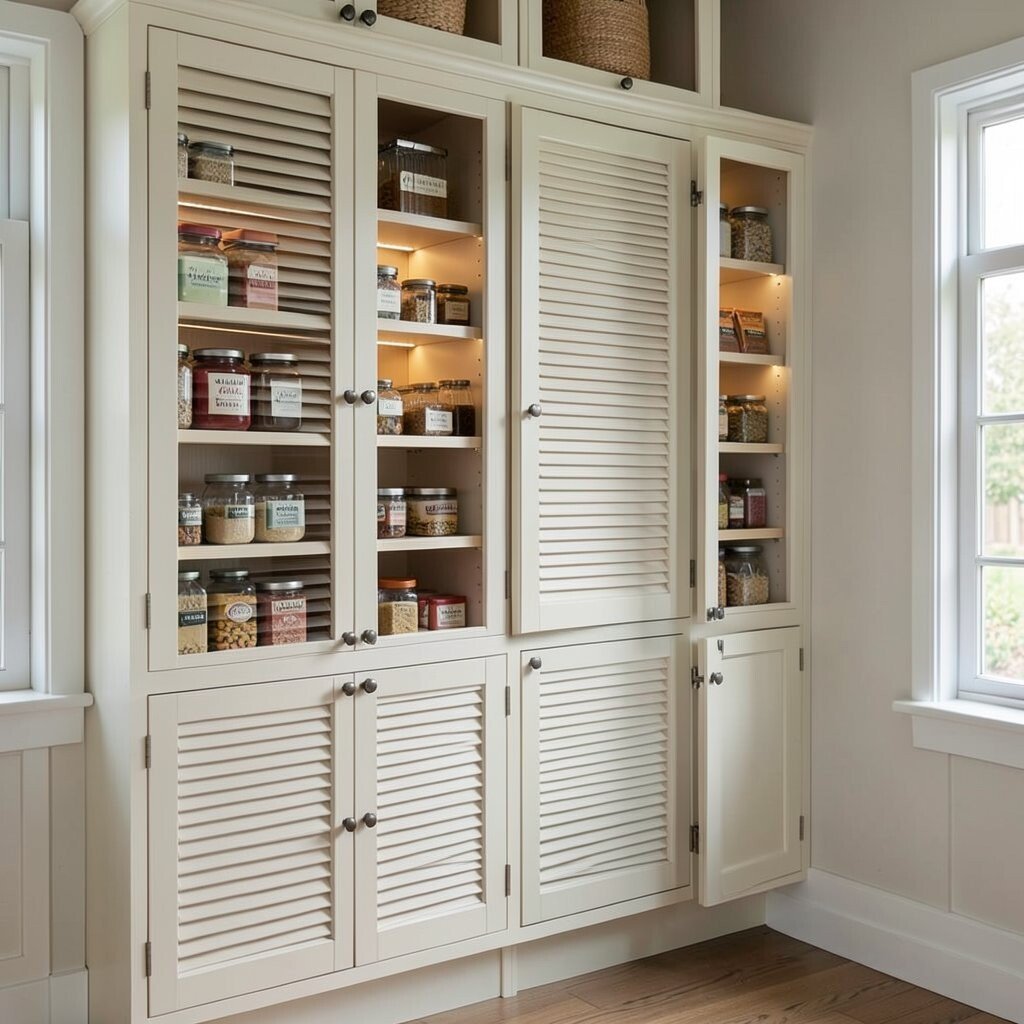
Louvered doors can bring an airy Craftsman touch, especially for pantries or storage where ventilation is helpful. The slatted look feels old-fashioned and charming while staying surprisingly practical.
Use louvered panels in areas that store dry goods so air circulation helps prevent musty smells. If your pantry sits near heat, consider louvered sections that are easy to clean and sealed so grease doesn’t soak in. For uniqueness, try louvered doors on only one cabinet column, then keep the rest classic with raised panels.
To keep it personal, add a small lighting strip inside so the shelves glow when you open the door. That small upgrade can make the whole space feel inviting and easier to shop.
15. Built-In Cabinet Lighting With Warm Glow
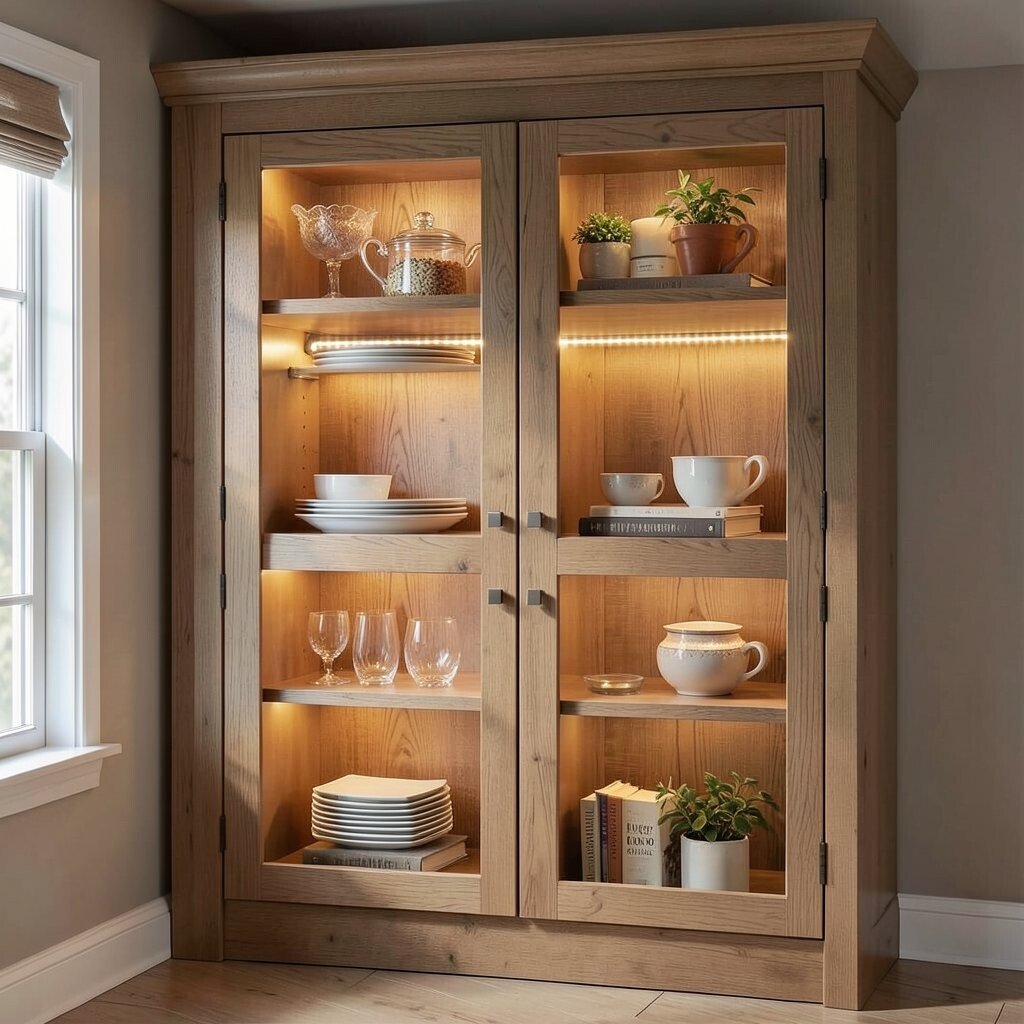
Lighting inside and under cabinets can make the wood tones look richer and more inviting. A warm glow also brings out grain patterns, which is one of the best parts of Craftsman design.
Choose soft, warm LED lights so you don’t get harsh shadows behind dishes or glass inserts. For practical benefits, lighting makes it easier to find items at night, which helps your routine without extra searching. If you want a cost-effective approach, focus lighting on the most visible shelves rather than every section.
For personalization, place the lights where they highlight a nice collection or a specific shelf niche. That turns your storage into a small, everyday display.
16. Raised Toe-Kick and Slightly Suspended Look
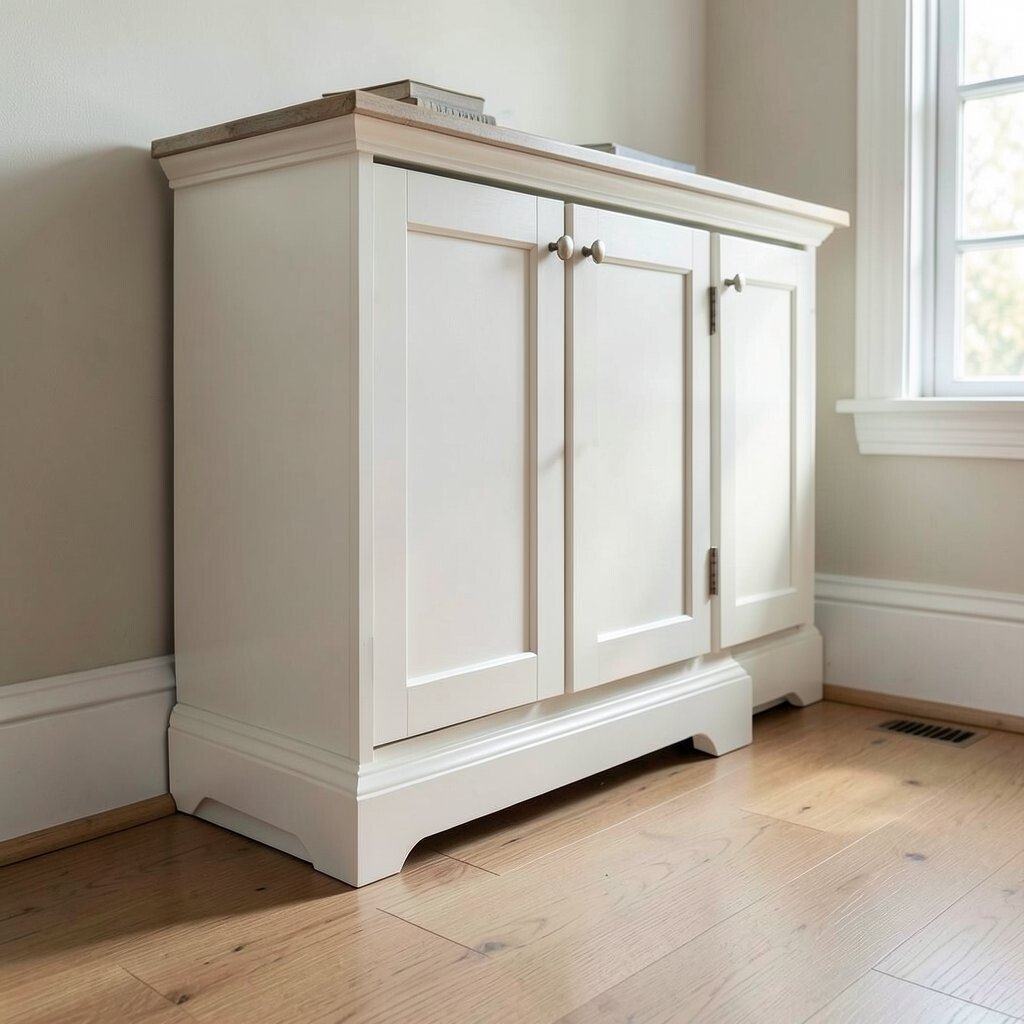
Adjusting the toe-kick so the cabinet base looks slightly more lifted can add a refined feel. It’s a subtle change, but it can make the cabinetry look lighter and more furniture-like.
Try a deeper toe-kick with a clean face panel so the bottom line stays crisp. This helps hide gaps and uneven flooring while giving the room a more polished look. For practical tips, confirm leveling early because a slightly suspended look makes small floor issues more noticeable.
If you’re personalizing, match the toe-kick line to your baseboards so the bottom edges align across the room. This creates a neat, intentional flow that feels professionally installed.
17. Cabinet Corners With Rounded Details and Smooth Edges
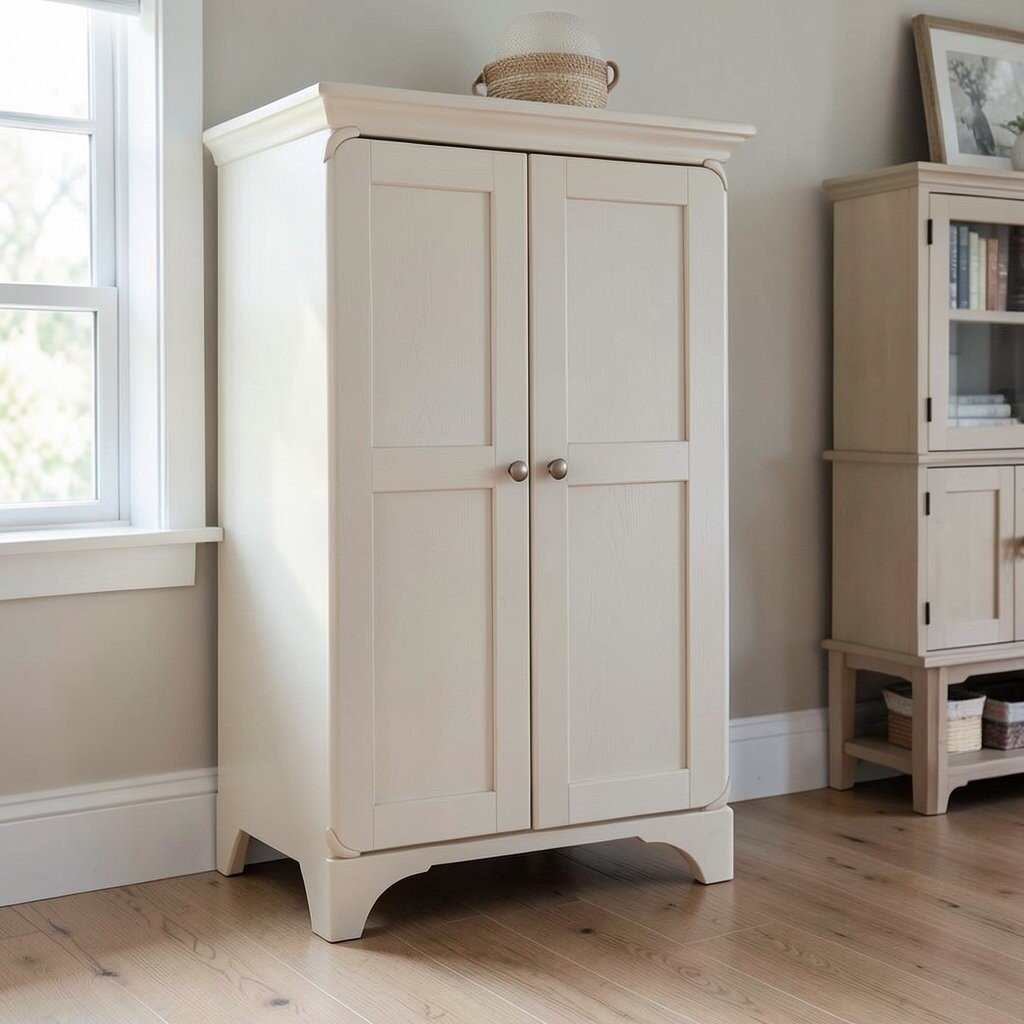
Rounded corner detailing softens Craftsman straight lines and makes cabinets feel friendlier. It’s especially nice in homes with kids or busy foot traffic where sharp edges can feel too harsh.
Choose gentle radiuses on the face frame corners while keeping the overall cabinet structure strong. This uniqueness stands out without turning the design into something flashy. For practical benefits, smooth edges are easier to wipe down and tend to show less wear where hands brush against the cabinet.
If you want a personalization idea, repeat the corner radius on a dining hutch or nearby built-ins so the whole area feels cohesive. That repetition makes the design look planned instead of random.
18. Custom Vanity-Style Cabinetry for Bathrooms
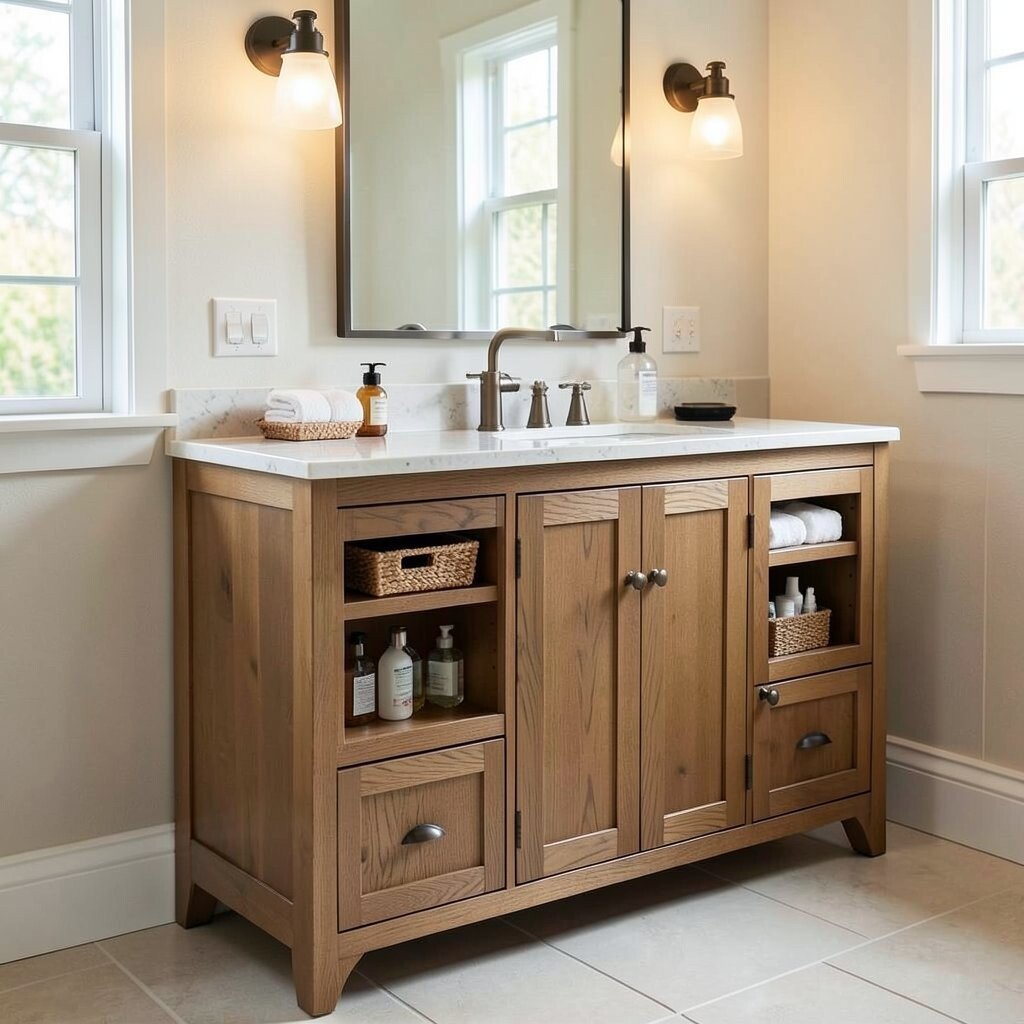
Craftsman bathroom cabinets look especially warm because wood and gentle details feel comfortable in daily routines. A vanity style with strong frames can also make the space look more grounded and less “builder basic.”
To keep it practical, use water-resistant finishes and consider sealed compartments for drawers holding lotions and hair tools. Matching hardware to the lighting fixtures helps your bathroom feel styled as one set. For cost considerations, you can start by upgrading the vanity front doors, then later add upgraded storage inserts when your budget allows.
For personalization, add a recessed towel shelf or a small pull-out hamper panel so everyday tasks are easier. When the layout supports your routine, the design feels more valuable every day.
19. Corner Cupboards With Glass and Vertical Dividers
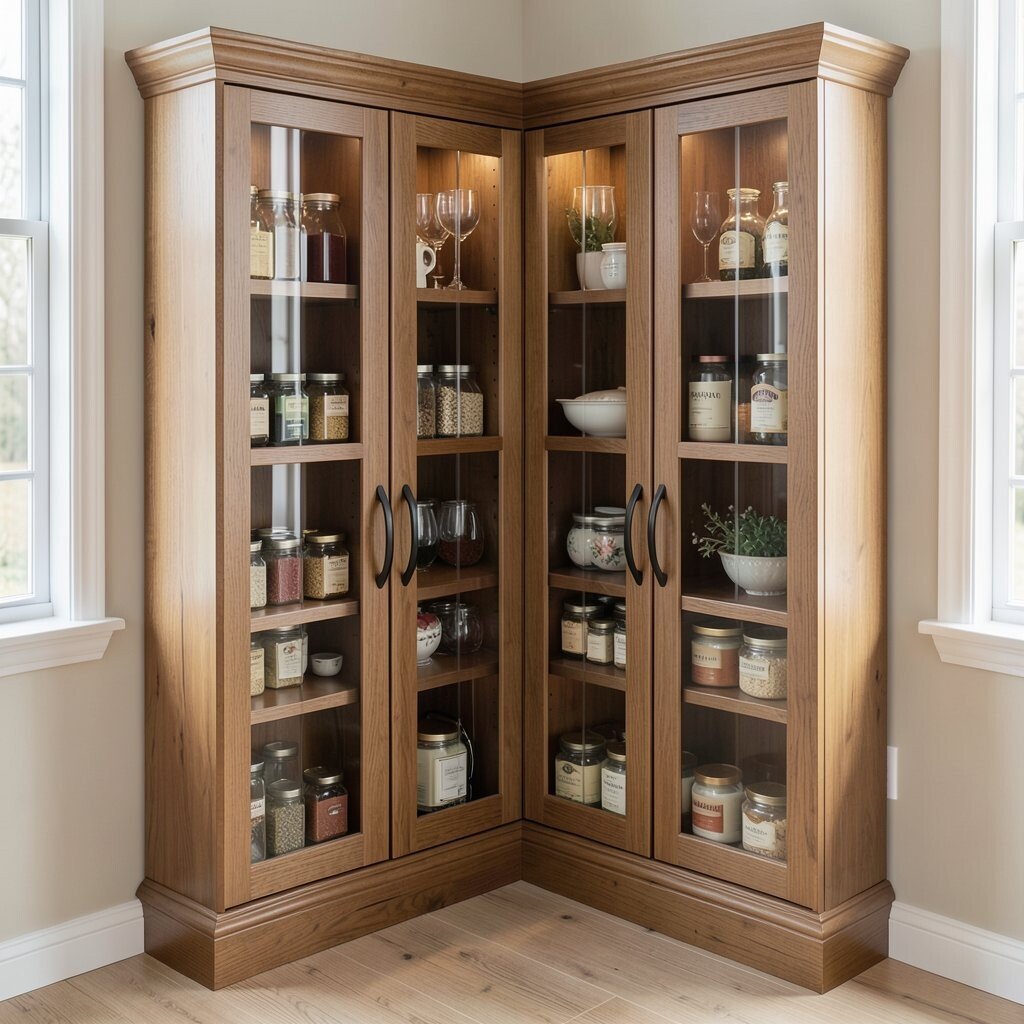
Corner cabinets can be tricky, but a well-designed corner cupboard feels like a smart use of space. With vertical dividers and optional glass, the storage looks neat instead of awkward.
Plan the internal shelves for real reach so you can access items without turning your body every time. Vertical dividers create order and make it easy to group like items, such as spices, small décor, or serving pieces. For uniqueness, consider a glass panel that shows off neatly arranged containers, which makes the corner a design feature.
If you want personalization, add a matching trim band around the corner with a slightly different wood stain tone. That creates a Craftsman focal point that still looks cohesive with the rest of your cabinetry.
For practical tips, measure the corner opening twice and test the door swing so it clears walls and appliances. When the fit is right, corner storage becomes one of the most satisfying parts of the project.