
Your home has little corners that deserve a softer mood. The right plants can make them feel warm, calm, and lived-in.
Even small nooks can look intentional when you pick the right shapes, heights, and textures. Let’s keep things simple and cozy, one arrangement at a time.
1. Layer Tall and Low for a Gentle Stair-Step Look
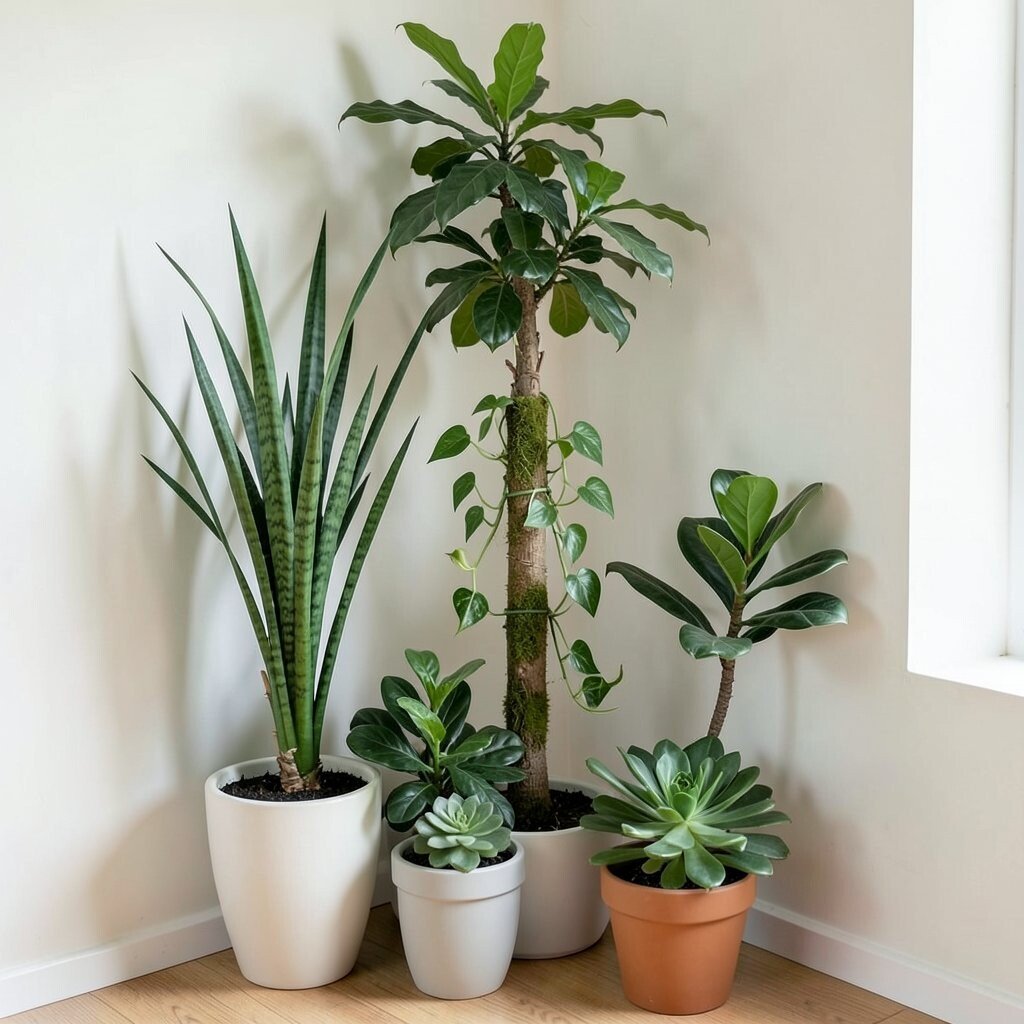
Start with one taller plant in the back, then place shorter plants in front so the view feels layered. A slim floor plant like a rubber tree cousin or a tall dracaena can give height without crowding.
In the middle, add a medium plant such as a pothos on a moss pole or a small fiddle-leaf fig in a corner-friendly pot. For the front, tuck in a compact rosette plant so the bottom feels full. This layout makes the nook look deeper and more inviting, and it also helps each plant get light.
2. Hang Trailing Vines to Turn Walls Into Soft Backdrops
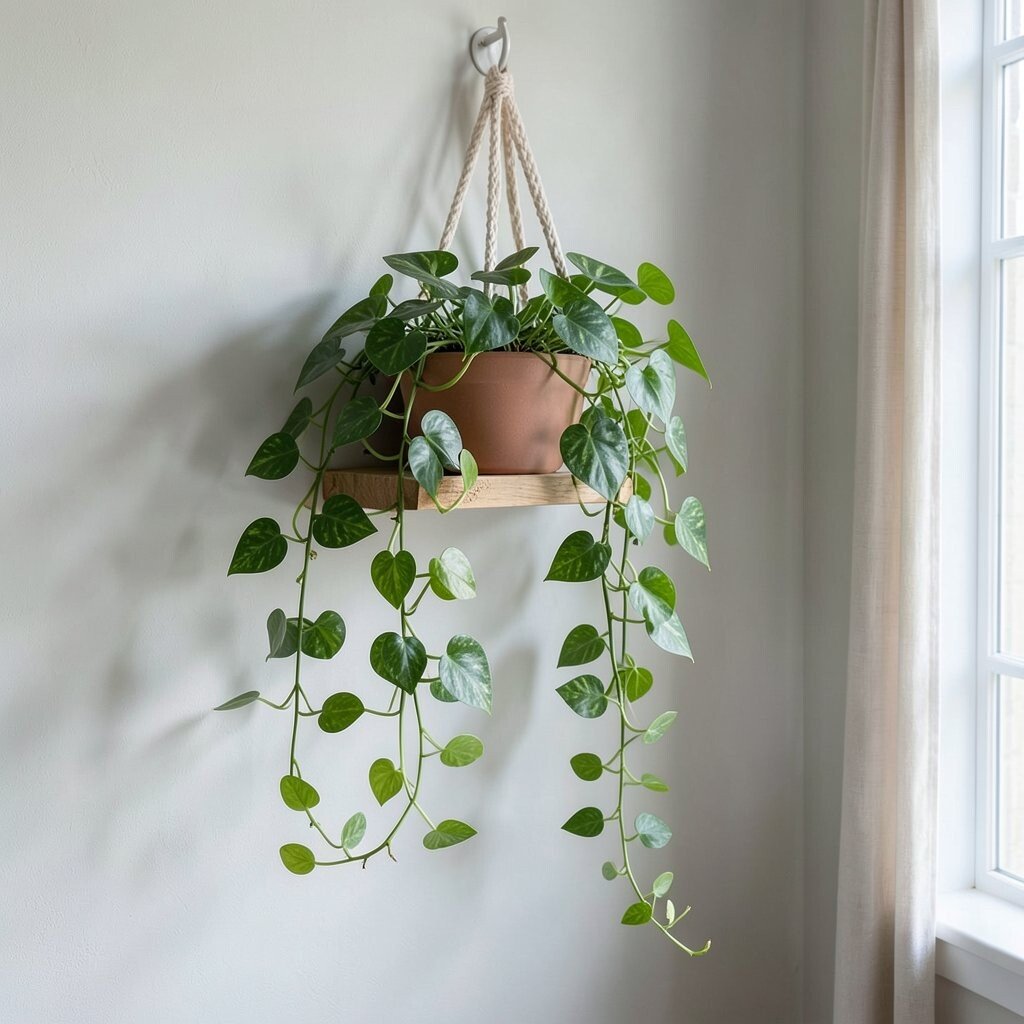
If your nook has a blank wall, hanging plants can make it feel designed. A trailing pothos or heartleaf philodendron looks lush as it drapes down and softens sharp edges.
Use a wall shelf, macrame hanger, or ceiling hook so the leaves spill naturally. Keep the pot light enough to handle easily, and rotate it weekly so growth stays even. This kind of arrangement adds movement and a cozy “green curtain” effect.
For practical care, check the soil moisture before watering since hanging pots dry faster. If you want a budget-friendly option, choose cuttings from a friend and root them in water first. For personalization, let the trailing vines echo the nook’s color by choosing planters in matching tones.
3. Group Three Plants Like a Cozy Still Life
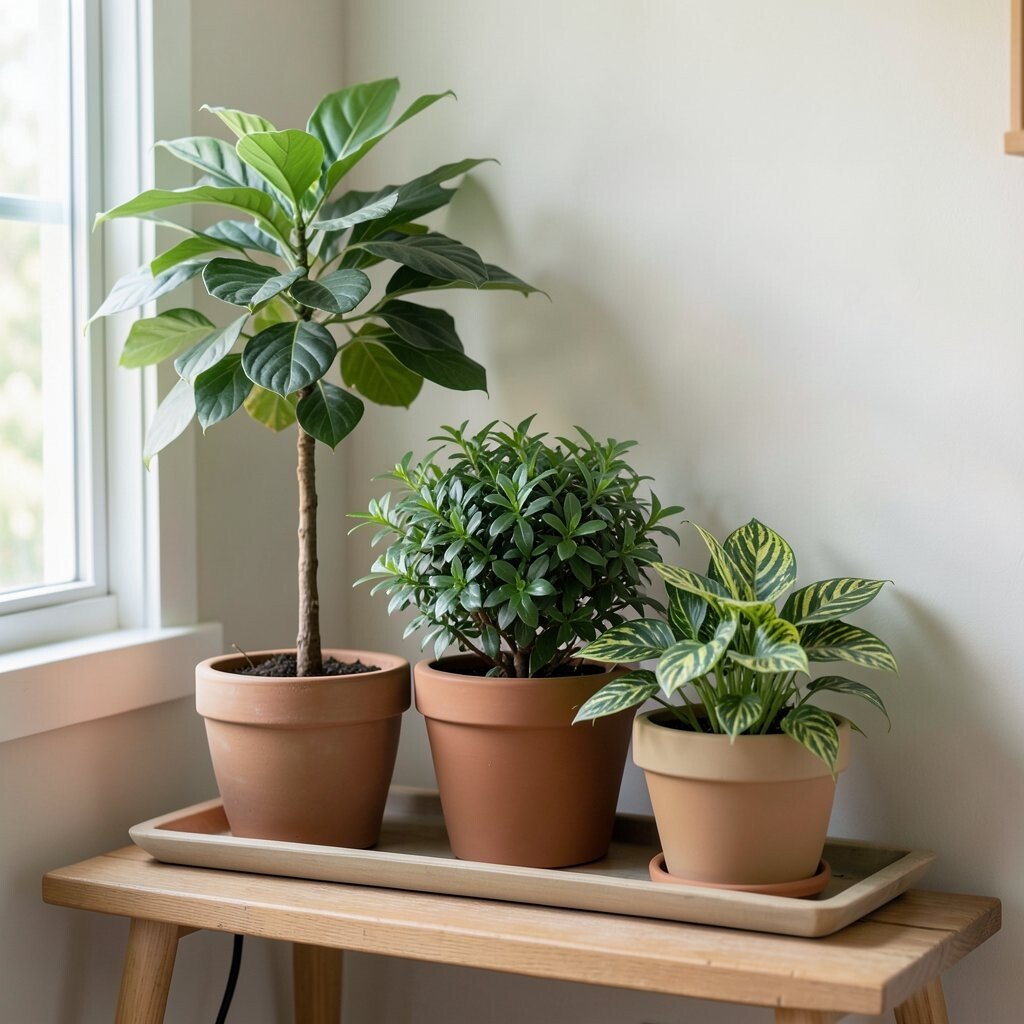
Try a small trio that includes one tall, one medium, and one low plant. Place them on a tray or a narrow console so the arrangement looks tidy from every angle.
A taller plant anchors the scene, while a bushier plant fills the middle and keeps the nook from looking empty. A low plant with interesting leaves, like a calathea or a small peperomia, brings texture close to eye level. This grouping feels special because it creates a clear visual rhythm.
To keep it easy, water by weight or feel, and avoid overwatering by checking the top inch of soil. If your nook gets bright light, try variegated plants for extra charm. For cost control, mix one “statement” plant with two affordable favorites so you get a high-impact look.
Personalize the pots with different shapes but a similar color family, like terracotta plus warm beige. When the leaves grow, you’ll still have cohesion because the pot tones tie the group together.
4. Use a Bookshelf Corner for Plant Meets Texture
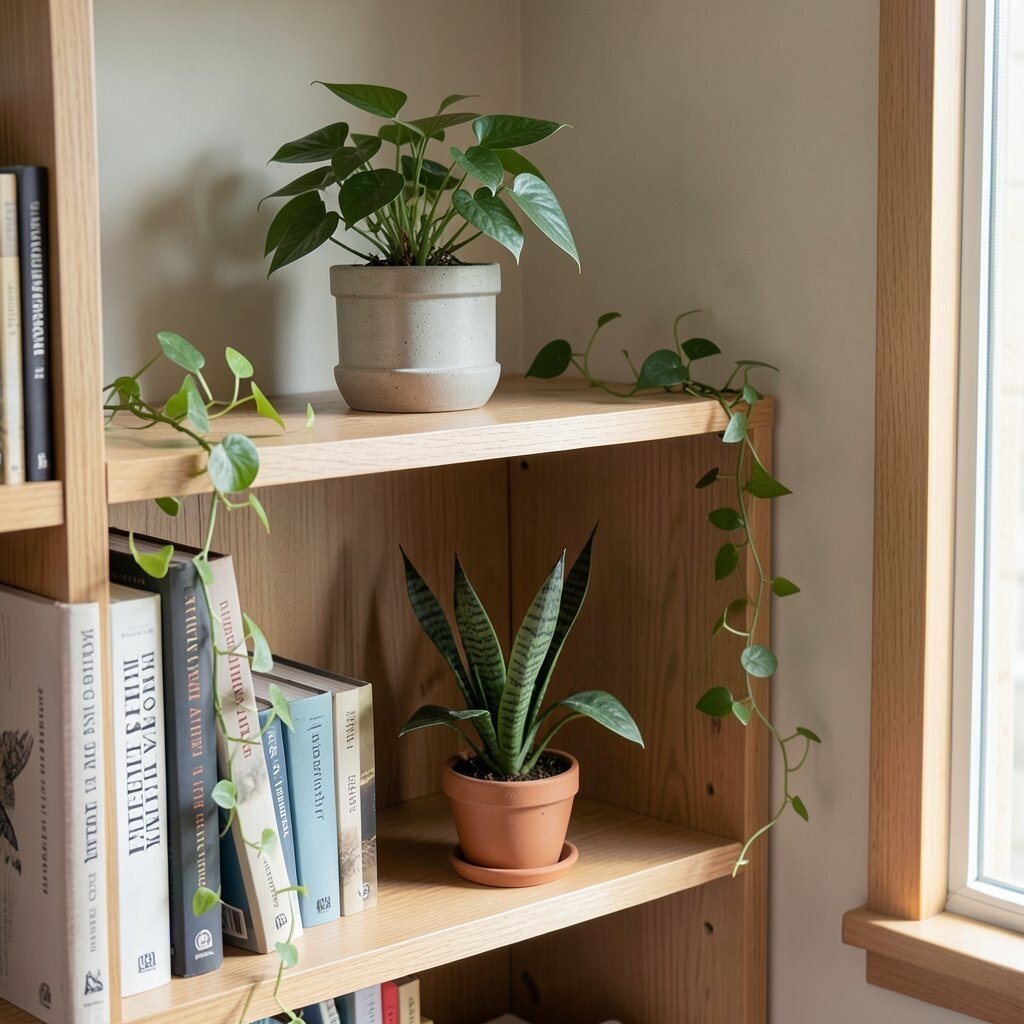
A shelf nook is perfect for plants because it turns storage into a living display. Place one plant on the top shelf and two smaller plants at different heights among the books.
Choose plants with sizes that match the space so leaves don’t brush spines too often. A compact plant like a mini snake plant or a small pilea can handle indoor conditions well, while a trailing plant can spill gently off the edge. This makes the corner feel warm and personal, and it also gives your plants strong “everyday visibility.”
5. Create a Window-Ledged Garden for Bright Nooks
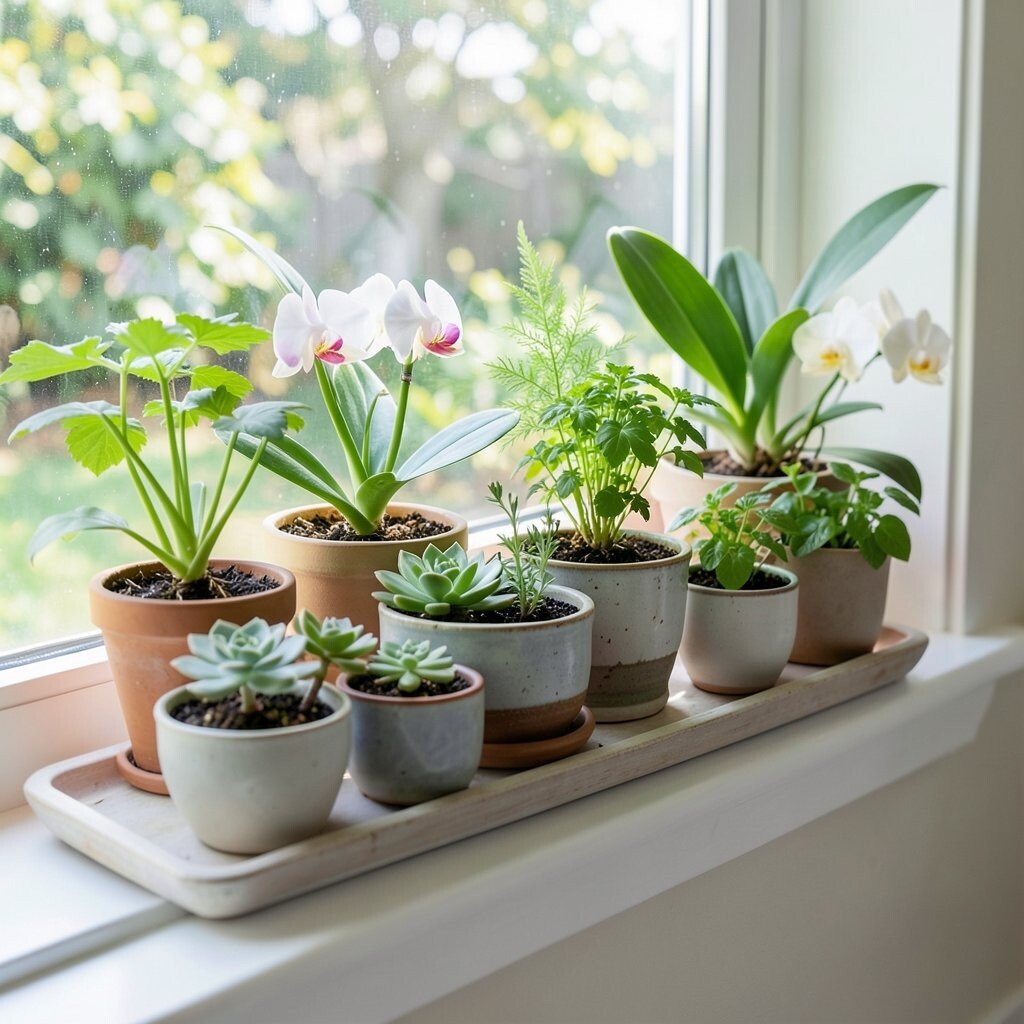
When your nook sits near a window, take advantage of the natural light with a row of plants on the ledge. Use a shallow tray to group small pots together and keep water from making a mess.
Pick plants that enjoy bright, indirect light such as succulents, small orchids, or leafy herbs. Rotate pots every couple of weeks so they grow evenly and don’t lean toward the glass. This setup feels cheerful because the leaves catch the daylight and look fresh all day.
For personalization, vary planter heights with stacked risers or a mix of small and medium containers. If you want to keep costs down, start with starter plants and add interest through ceramic planters you already own. Current home styling trends often favor simple clusters rather than lots of random solo pots, so this arrangement fits right in.
6. Mirror the Room’s Style With Matching Planters

A cozy nook looks extra polished when planters match the room’s theme. If your space leans modern, choose clean-lined ceramic pots and matte finishes for a calm look.
For a warmer, cottage vibe, use terracotta, woven baskets, or speckled clay planters. Mixing one metal pot with two earthy pots can look intentional if the colors stay within the same family. This simple coordination makes the plants feel like part of the decor, not an afterthought.
To keep it practical, select planters that have drainage holes and pair decorative outer pots for neatness. You can also choose a self-watering insert if your schedule runs busy. Personalize with a plant label tag on a hidden stick if you like tracking care, but keep it discreet.
7. Add a Plant Stand for Height Without Bulk
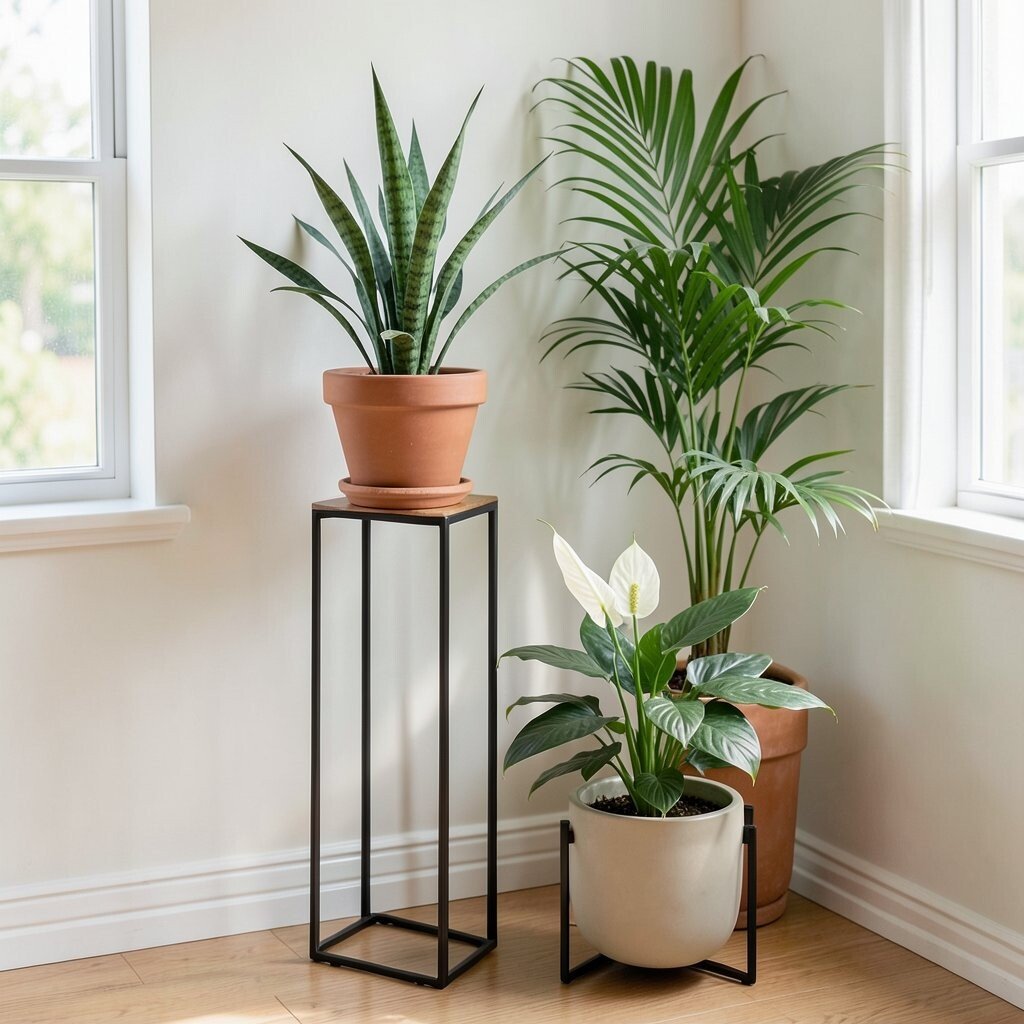
Plant stands are a great way to bring plants up and free up floor space. A narrow metal or wooden stand fits easily into tight nooks and adds a tidy vertical line.
Place one plant on the stand and another lower nearby so the scene has depth. For the taller choice, consider a dracaena or a slender palm type if the room has enough light. A lower plant with broad leaves, like a peace lily in the right light, can brighten the foreground and feel soft.
8. Frame a Cozy Reading Spot With Two Matching Plants
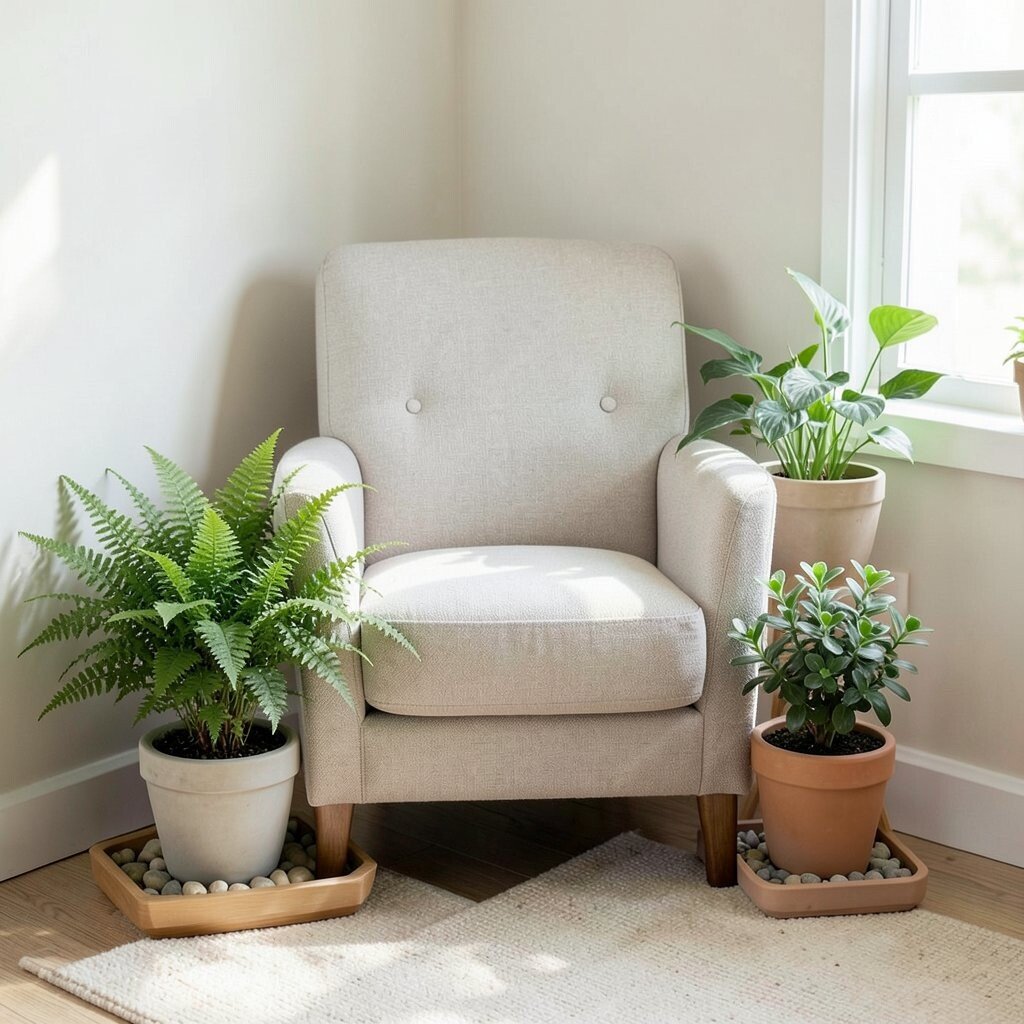
If your nook is a reading chair, position plants to “frame” it like a living picture. Put one plant on each side of the chair or the small table so the space feels balanced.
Choose plants that look good from close up, like a compact fern or a small leafy bush. Symmetry is calming, but you can keep it interesting by using matching pots with slightly different leaf textures. This makes the nook feel sheltered, and it can even reduce the visual noise of nearby furniture.
For care, keep leaves away from fabric if the room is dry, since ferns may need higher humidity. A gentle misting routine can help if you like that step, and a pebble tray near the chair can support humidity too. For cost planning, find sales on one matching “pair” of plants, then add a simple filler plant later.
9. Choose Leaf Shapes That Create a Calming Contrast

Cozy nooks shine when plant leaves contrast in shape and texture. Pair a plant with long, arching leaves with one that has round or broad leaves for an easy visual balance.
For example, combine a snake plant with a peperomia or an echeveria in a small decorative dish. The contrast helps your eye move around the nook without feeling busy. It also makes the arrangement look intentional even when the plants are different sizes.
10. Add Herbs for a Practical, Fresh-Smelling Corner
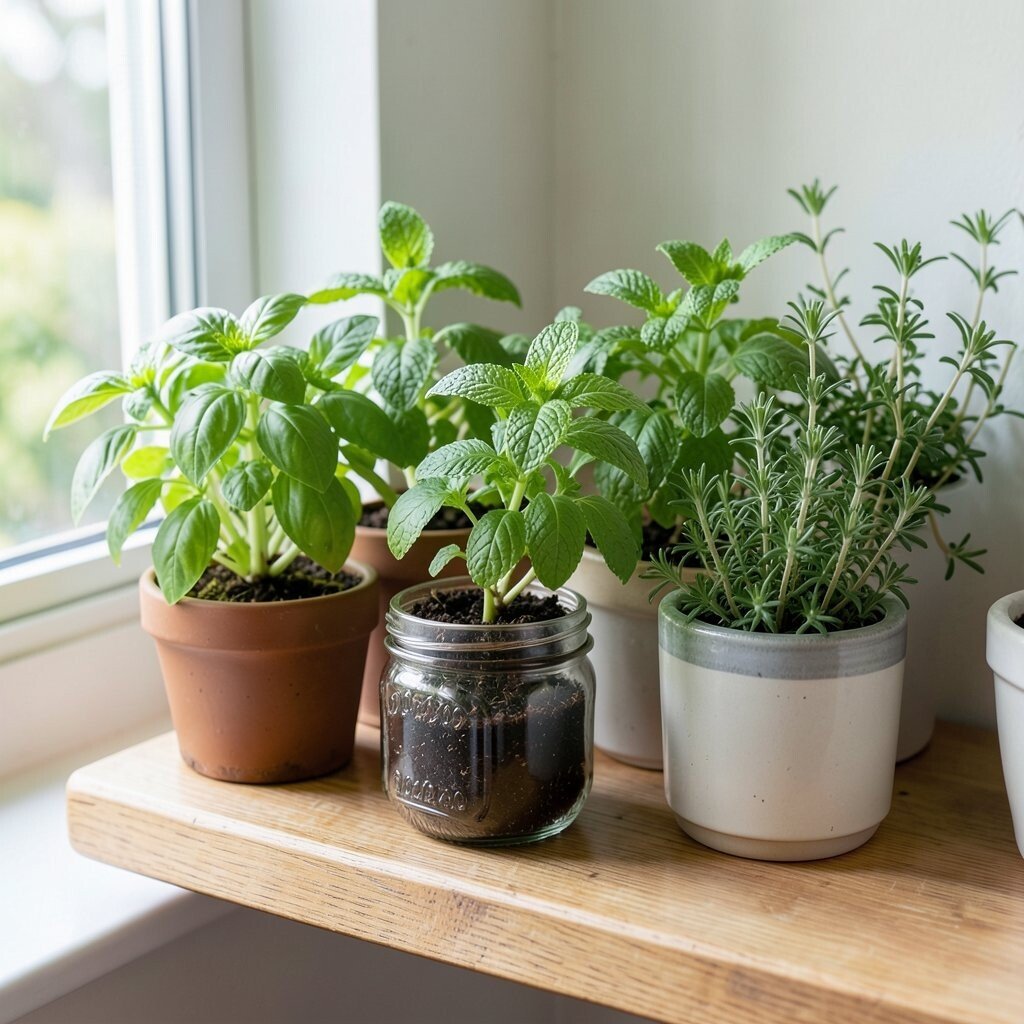
Some nooks become extra cozy when they smell good, too. A small herb pot group can bring life to a kitchen nook or sunlit shelf.
Try basil, mint in its own container, or thyme depending on your light. Herbs are not only pretty, but you also get usable leaves for cooking, which makes the plants feel worth it. Keep them near the window and rotate for even growth, and trim often so they stay bushy.
Cost-wise, herbs can be affordable starters, and mint is often a fast grower once established. For personalization, use small mason jars or ceramic mugs as holders, but make sure the herbs have proper drainage. A current feel in home decor is “useful beauty,” and herb nooks deliver that vibe with everyday joy.
11. Place One Statement Plant in an Oversized Pot
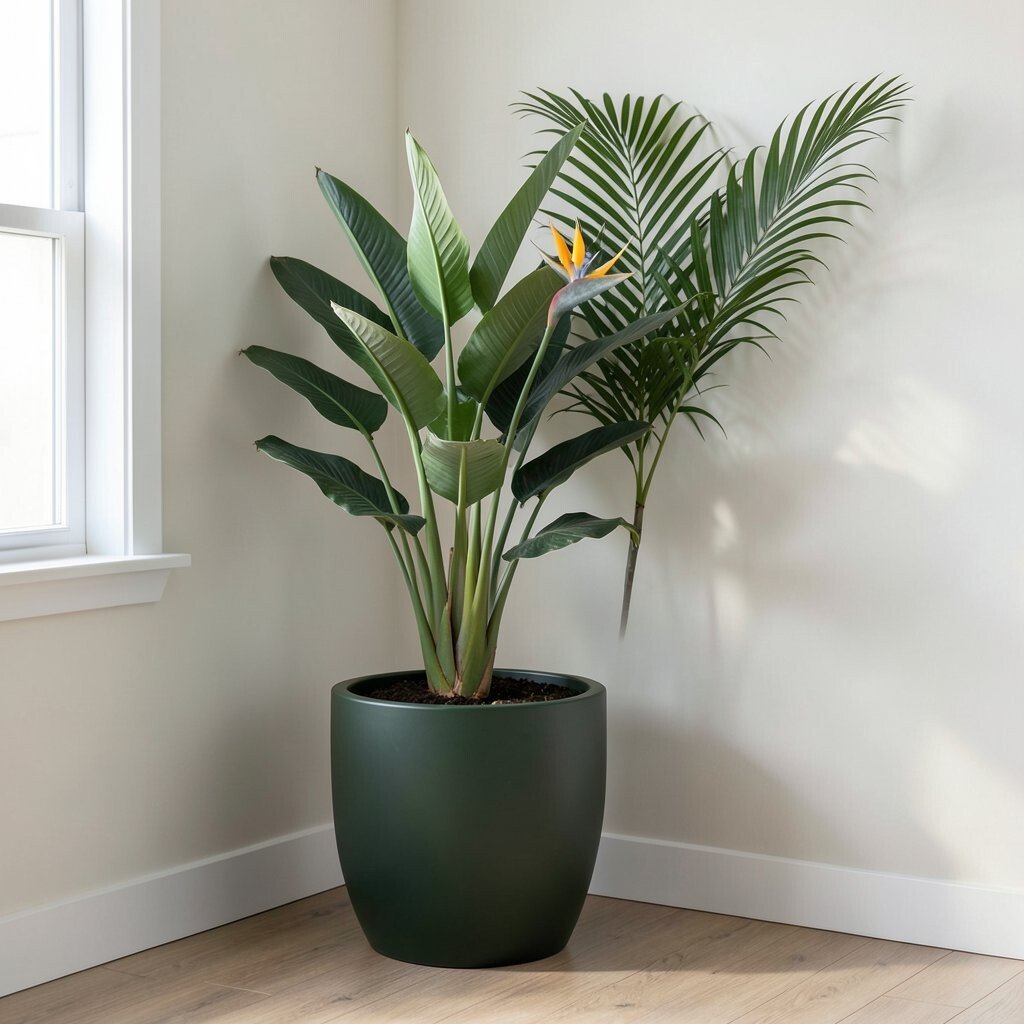
If you want a simple look that still feels special, choose one plant and give it room. An oversized pot helps the plant look intentional, especially in a corner that otherwise feels bare.
A large plant like a bird of paradise, a ficus, or a tall palm can anchor the nook with strong shape. Keep the pot proportionate to the space so it doesn’t overpower the furniture. This arrangement is unique because it creates a calm focal point and reduces clutter from too many pots.
For practical care, make sure you use a pot with drainage and use a quality potting mix that holds moisture without staying soggy. If you travel often, consider a plant that tolerates slight dryness so you don’t worry as much. To personalize, pick a pot color that matches your decor palette, such as deep green, warm white, or matte black.
12. Use a Caddy or Rolling Shelf for Easy Repositioning
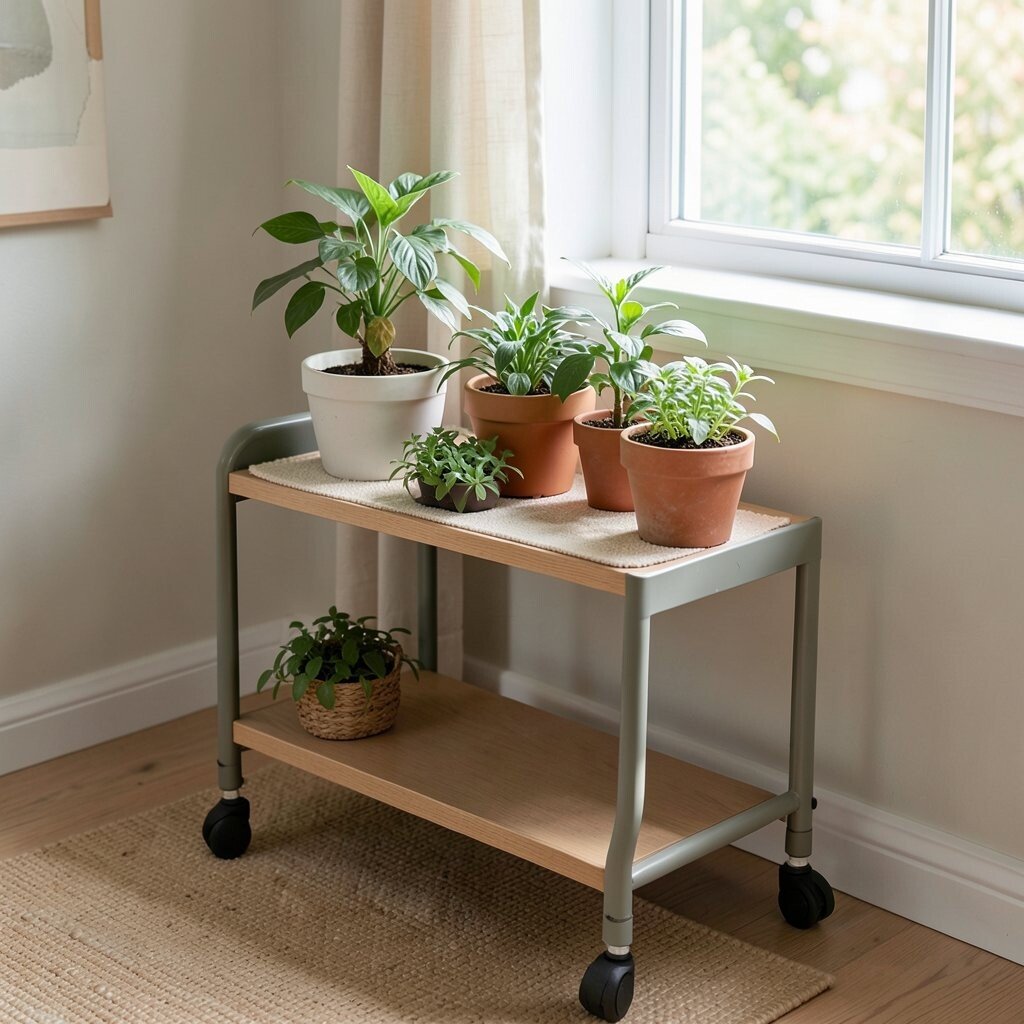
Cozy nooks change through the seasons, and plants need light shifts too. A small rolling shelf or plant caddy lets you move everything without hassle.
Arrange three to five small plants on the shelf, then roll it closer to the window when needed. This benefits your plants by giving more even light and makes weekly care feel lighter. It also helps you refresh the look of your nook without buying new furniture.
For personalization, choose a caddy color that blends with your room and add a soft mat underneath for a finished look. If budget is tight, use a thrifted cart and clean it well. Current styling trends like “mobile plant styling” are popular because they keep plant care practical and the nook flexible.
13. Combine Plants With Soft Fabrics for a Hug-Like Feel

Plants become even cozier when paired with warm textures. Put a plant near a knit throw, a linen curtain panel, or a soft rug corner so the whole nook feels gentle.
Choose plants with leafy fullness, like calathea, pothos, or a leafy fern type, so the greens look extra comforting. The contrast between fabric softness and plant texture makes the space feel lived-in rather than staged. This arrangement also benefits you by turning the nook into a calm spot for reading or winding down.
For practical tips, keep plants away from direct drafts that dry them quickly. If you use a humid area like a bathroom, consider ferns there and keep the decorative plant near the cozy textiles elsewhere. Personalize with planters that match the fabric tones, like sand, cream, or muted earth colors.
14. Add a Plant Under a Side Table for Hidden Green
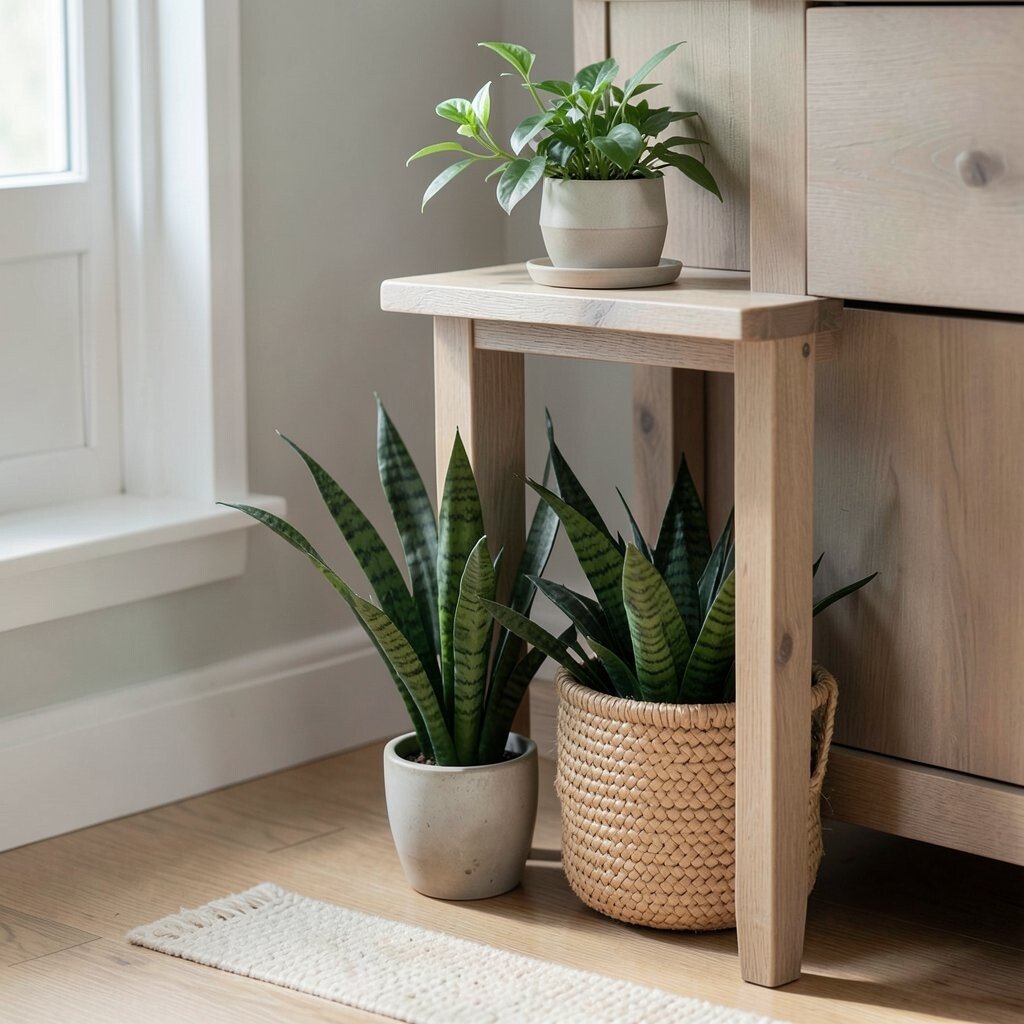
Not every nook needs a plant at eye level, and hidden placement can feel magical. Place a small plant on the floor under a side table or dresser where it peeks out as you walk by.
Choose a plant that fits the light conditions, such as a snake plant for low light or a cast-iron style plant for easy care. A smaller pot helps the nook look clean, and the plant will still benefit from the room’s ambient light. This setup is unique because it creates a “surprise green” moment rather than a crowded corner.
To keep it practical, ensure the plant won’t block airflow under the furniture and water carefully to avoid drips. If you’re worried about spills, use a saucer or a decorative cachepot. For personalization, hide the nursery pot in a basket or a woven sleeve to match your room’s warmth.
15. Build a Mini “Forest” With Different Textures
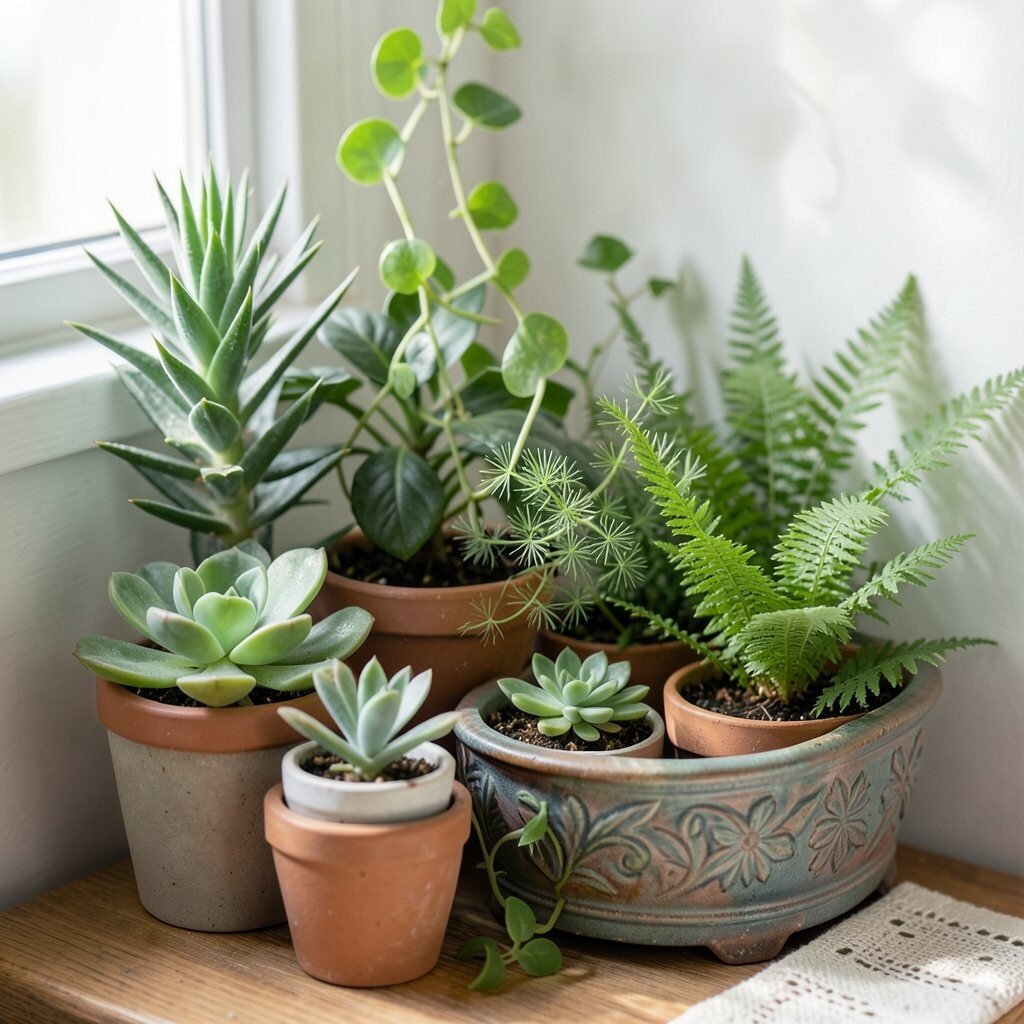
A mini forest look can make a nook feel lush without needing a huge space. Group plants with varied textures like spiky, smooth, and feathery leaves together in one corner.
Try pairing a small succulent for structure with a soft vine for movement and a fern-like plant for airy texture. The mix creates a cozy, layered scene that feels like a tiny nature escape. This works best when you give each plant enough space to grow and check light needs so none get neglected.
For practical care, separate plants by watering needs if they differ, even if they look like one group. You can use individual pots inside a larger decorative planter to make cleanup easy. Cost considerations can be managed by starting with small plants and letting them grow, then replacing only if something doesn’t thrive.
16. Style a Corner Shelf With a Plant and a Single Decor Accent
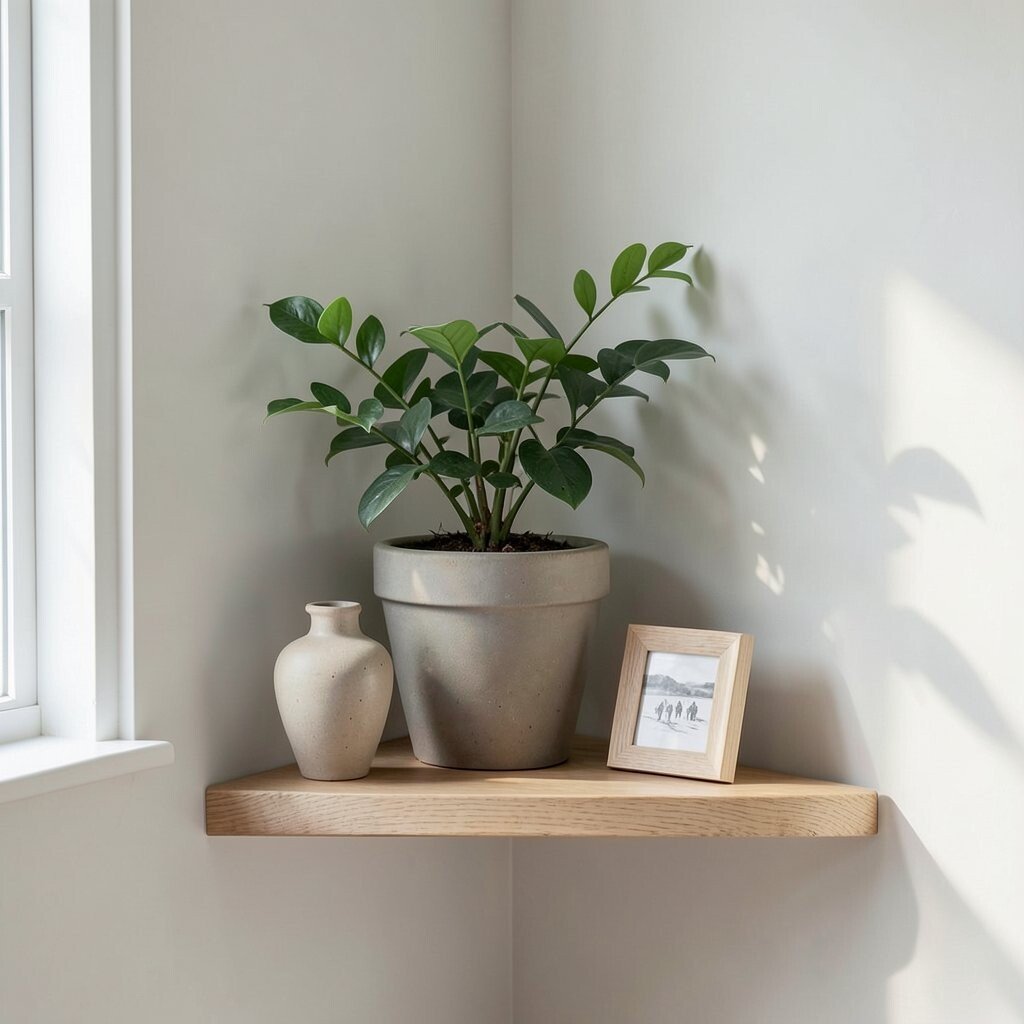
If you love a calm, uncluttered nook, pair one plant with one decor piece on a corner shelf. A plant looks cleaner when it isn’t competing with too many items.
Choose a medium plant and pair it with a ceramic sculpture, a small framed print, or a simple candle holder. This benefits your space by keeping the visual balance steady while still adding warmth. It’s also trendy since current interior looks often favor fewer objects with better styling.
For personalization, match the decor accent color to the planter and repeat the theme in your cushions or artwork. If you want cost control, use items you already own and swap only the planter or plant. Keep the plant’s leaves angled toward the room so it feels welcoming, not hidden.
17. Create a Cozy Bathroom Nook With Humidity-Loving Plants

Bathrooms can be perfect for plants because the humidity helps many leafy types thrive. If your bathroom has even a small window, choose plants that enjoy moisture and warm air.
Consider ferns, peace lilies, or philodendrons that handle indoor humidity well. Place them on a shelf or a sturdy stool where they won’t get splashed often, and keep their pots stable. This arrangement feels extra cozy because the greenery softens the hard tiles and makes the room feel spa-like.
For practical tips, use a tray under pots to protect surfaces from water marks. Keep airflow in mind so leaves don’t stay wet too long, and wipe condensation as needed. If you want personalization, pick planters in stone colors or soft greens that match your bathroom palette.
18. Use Seasonal Swaps With Seasonal Foliage and Color
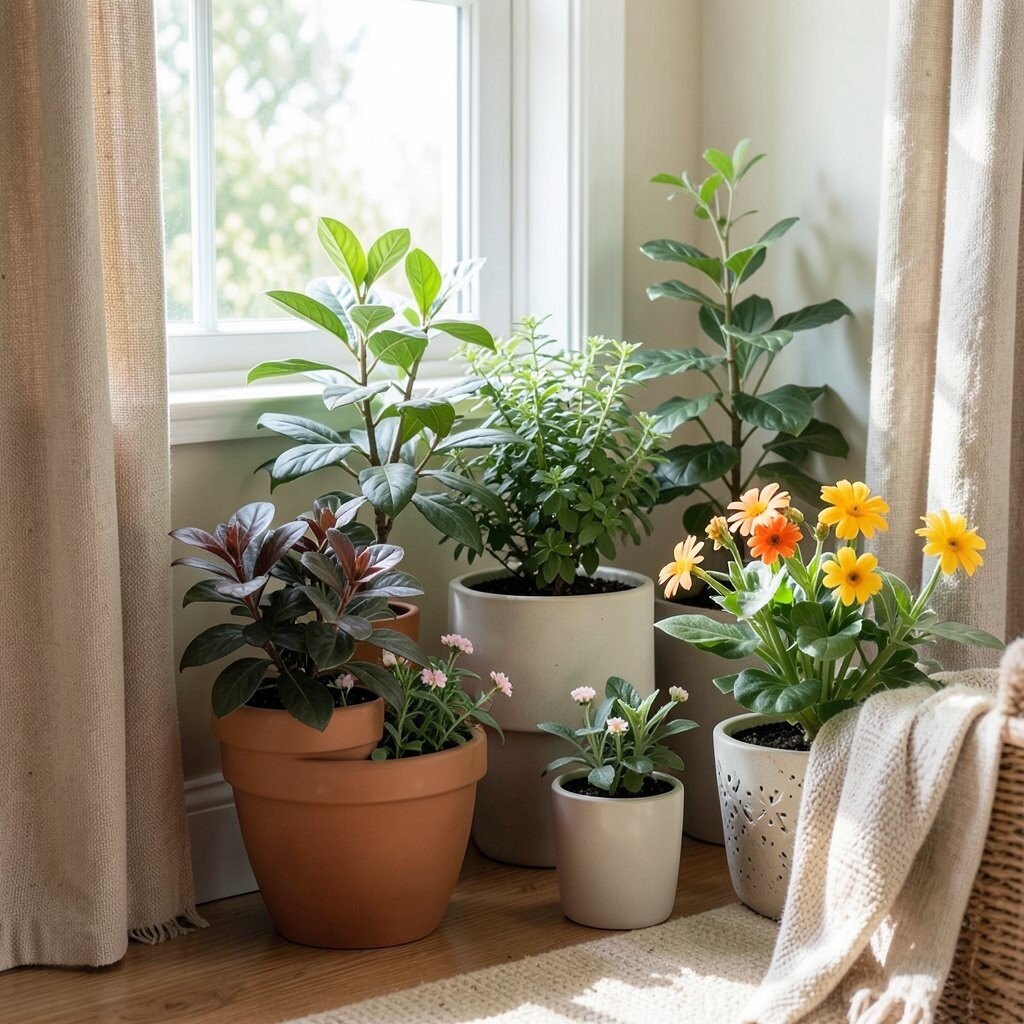
Seasonal styling keeps your nook feeling fresh without starting over. Change the look by adding seasonal blooms, small foliage cuttings, or color accents in the planters.
In cooler months, use deeper greens, warm terracotta pots, or plants with darker leaves to feel cozy. In brighter months, swap to lighter planters and add a cheerful plant like a flowering kalanchoe if your light is strong. This benefits your mood because the nook subtly signals the time of year while your core plants remain in place.
For practical cost considerations, use temporary add-ons like seasonal flowers in a separate pot rather than replacing everything. Personalize by matching the seasonal palette to your throws and curtains, so the whole room feels tied together. Current trends favor flexible decor, so your plant nook can change with minimal effort and still look stylish.
When you rotate plants, give each one time to settle, and keep a small care routine so they stay healthy between swaps.